
Validation Data Gallery
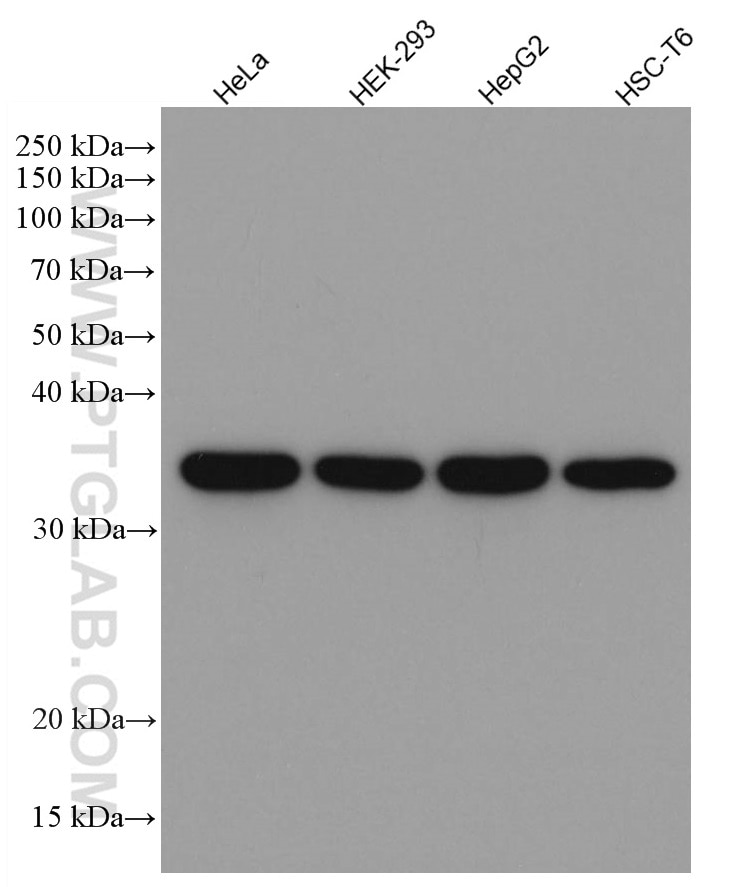
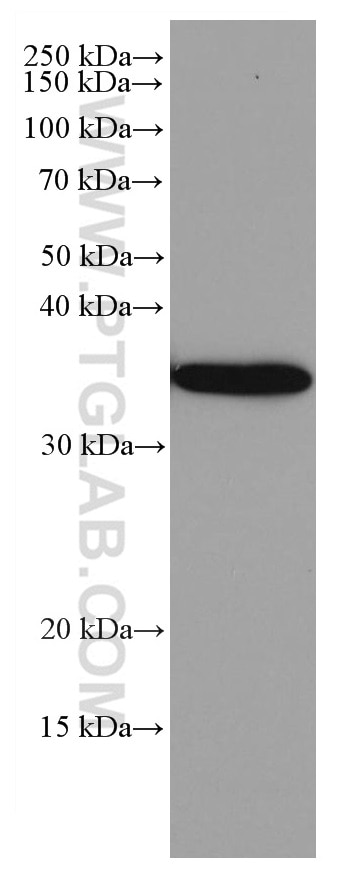
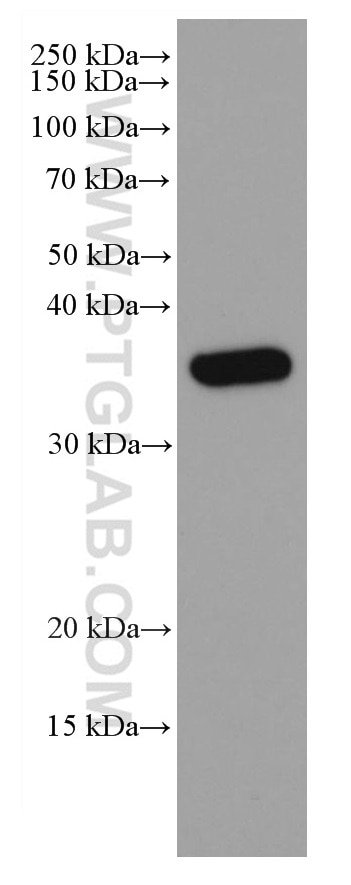
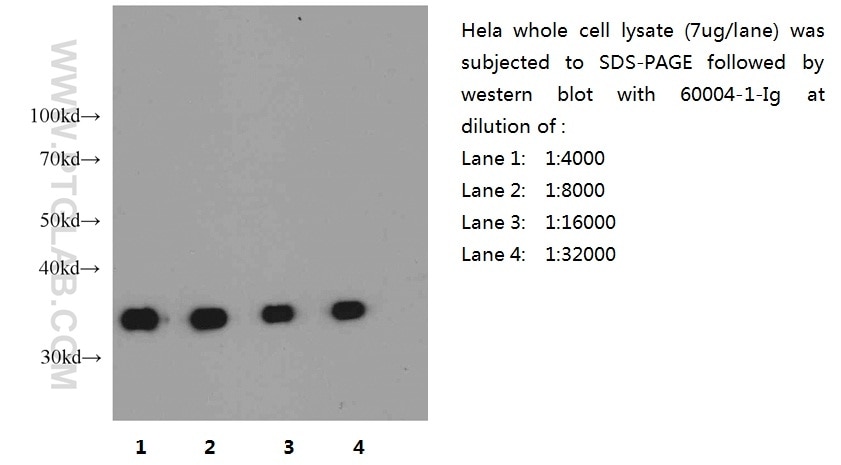
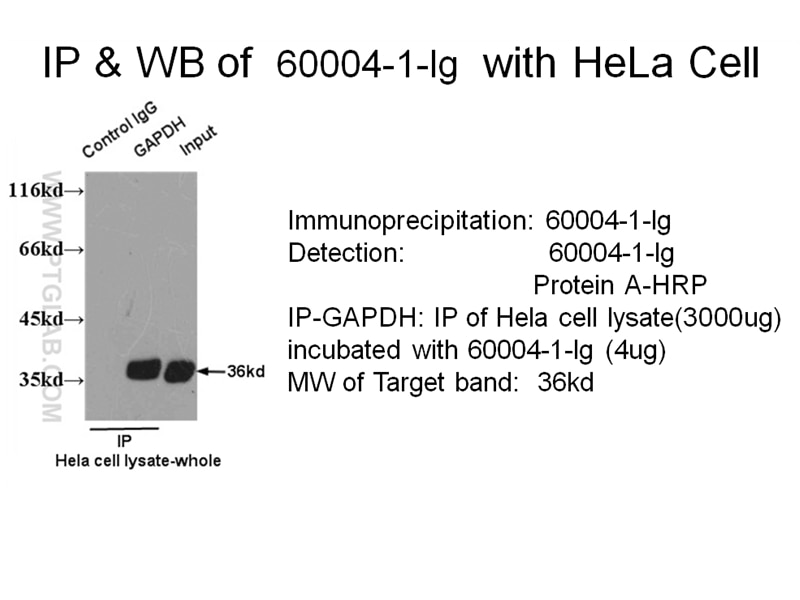


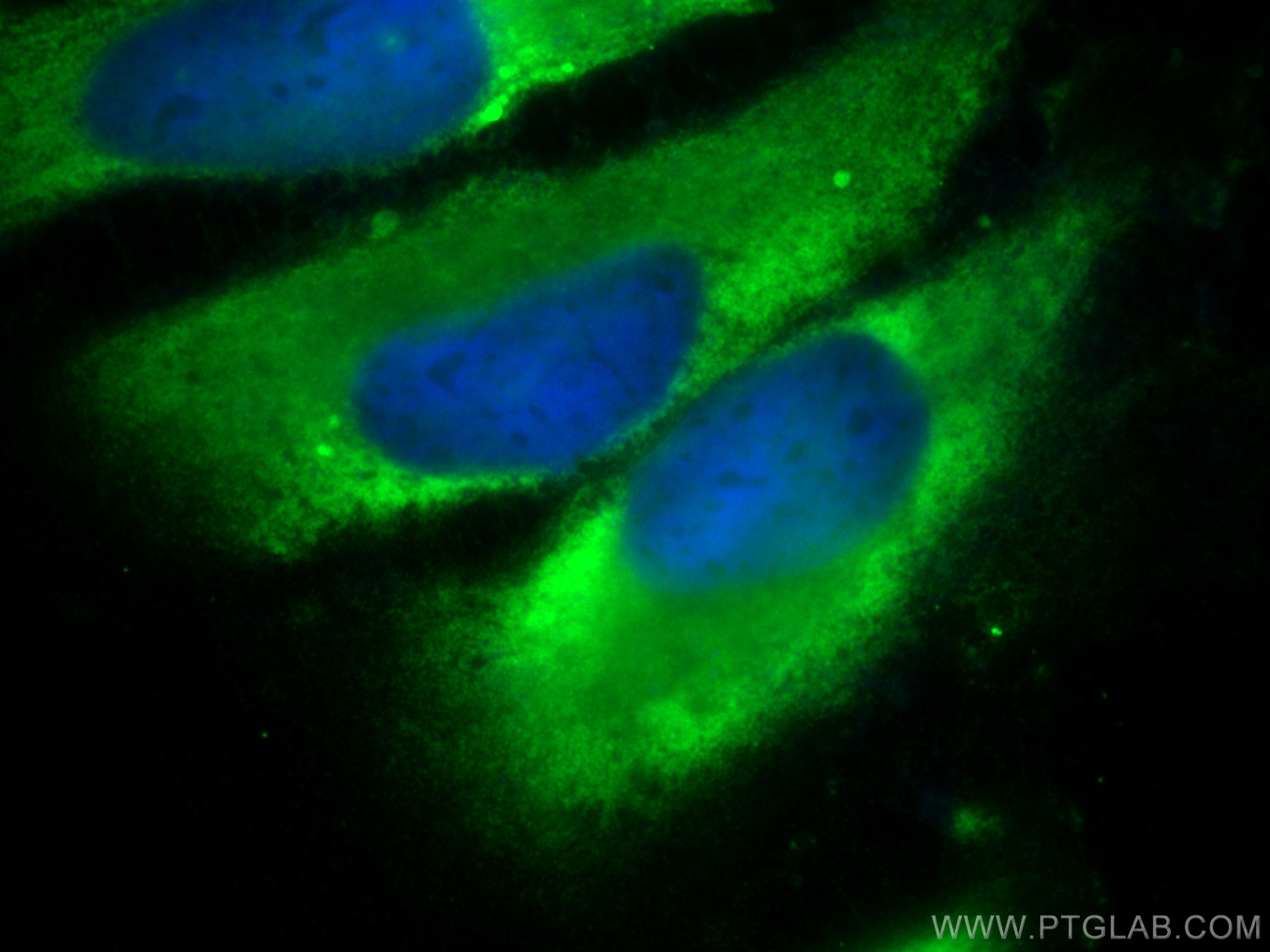
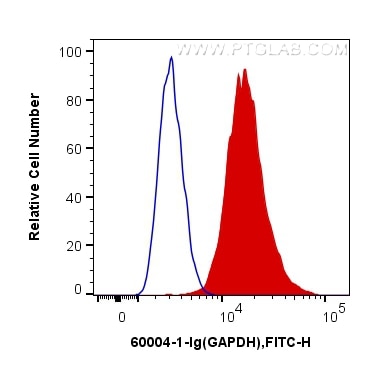
Tested Applications
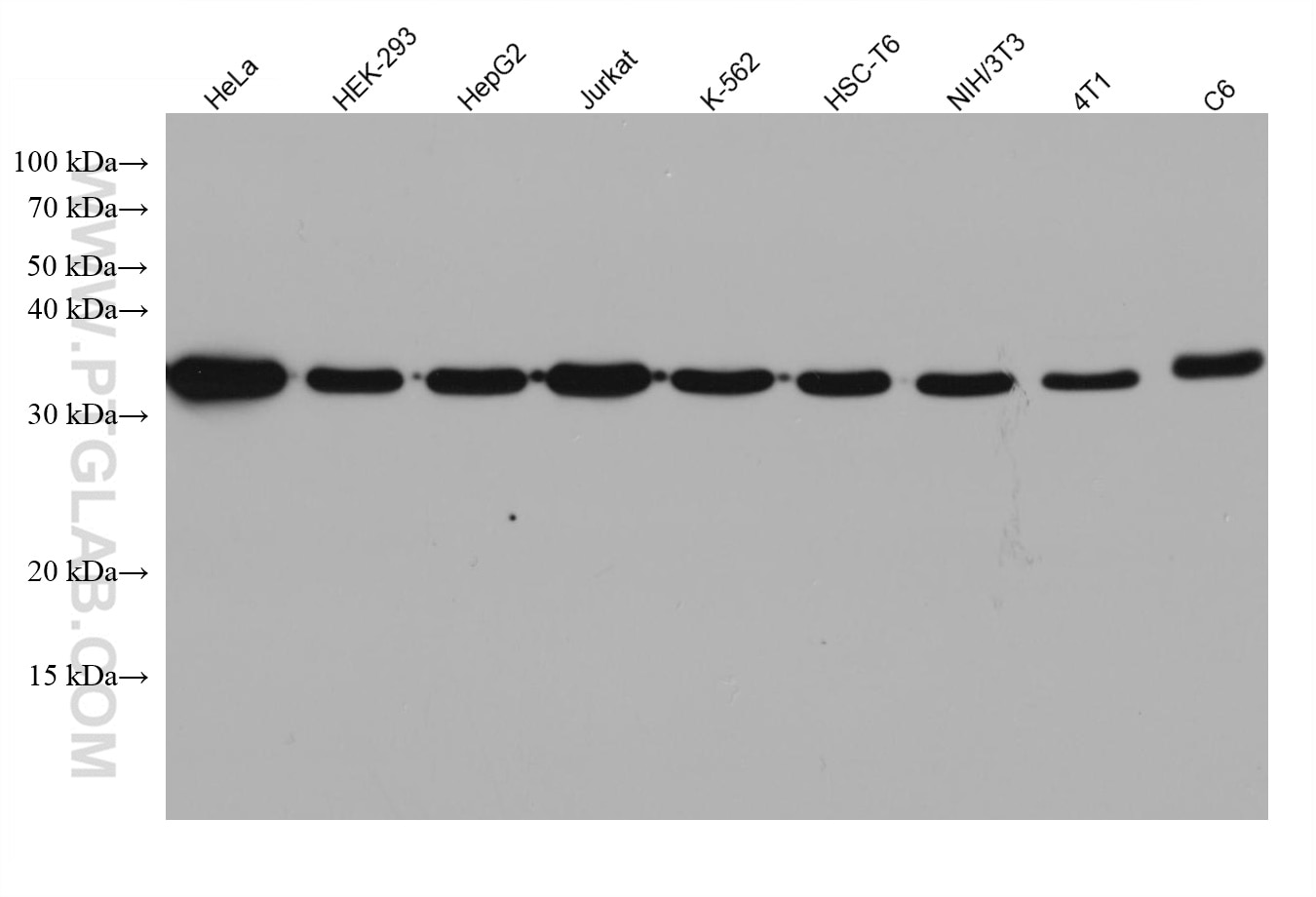
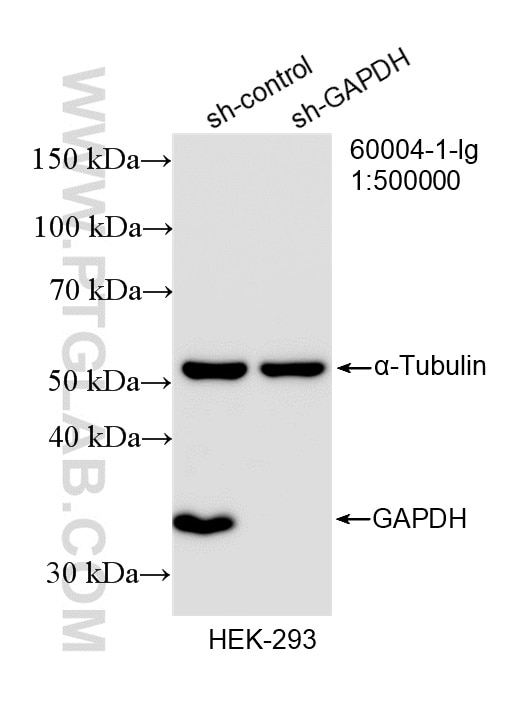
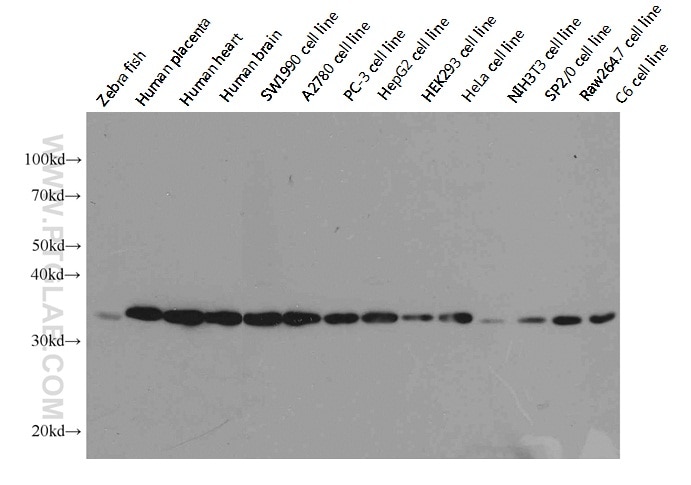
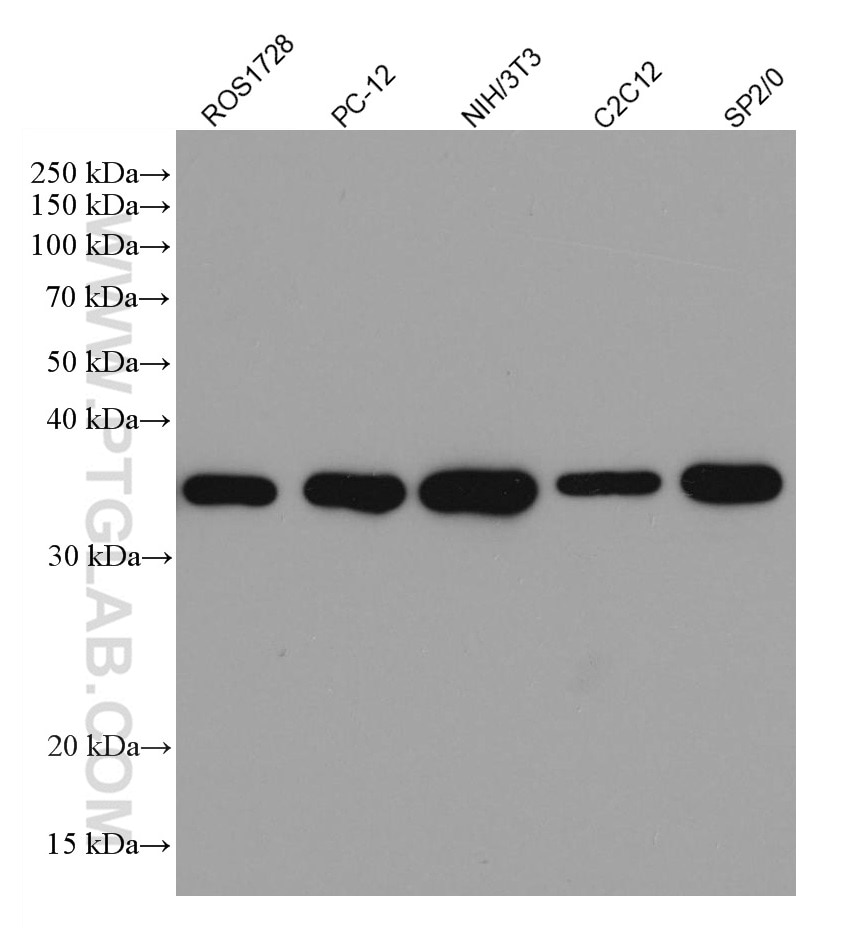
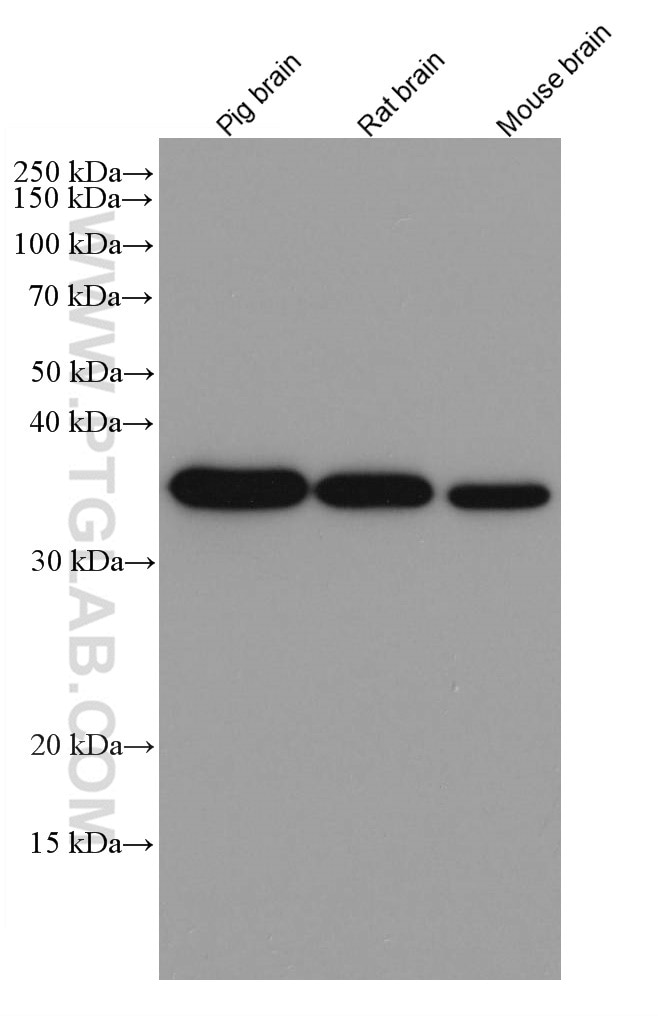
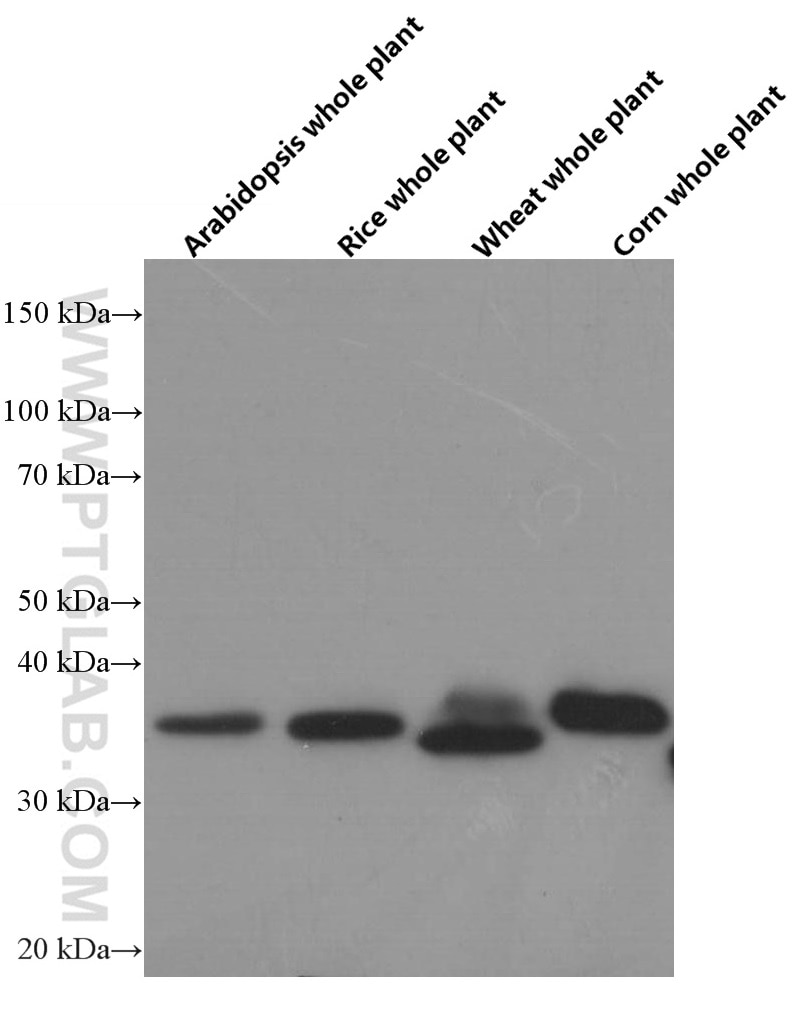
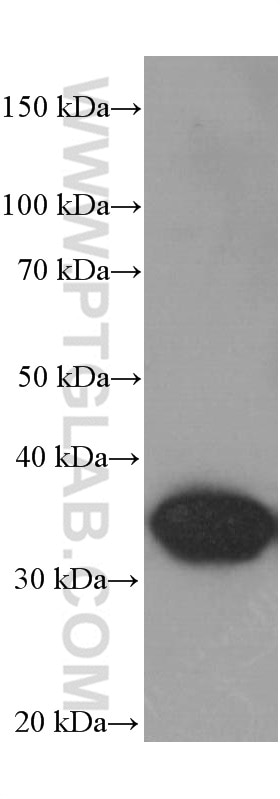
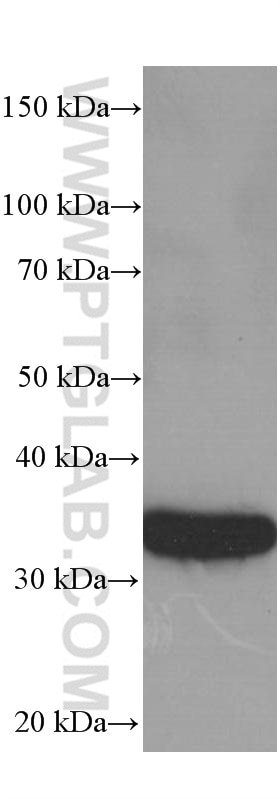
| Positive WB detected in | HeLa cells, HepG2 cells, whole Nematode tissue, soybean whole plant tissue, arabidopsis whole plant tissue, ROS1728 cells, pig brain tissue, zebrafish tissue, whole yeast, HEK-293 cells, HSC-T6 cells, PC-12 cells, NIH/3T3 cells, C2C12 cells, SP2/0 cells, rat brain tissue, mouse brain tissue, Jurkat cells, K-562 cells, 4T1 cells, C6 cells |
| Positive IP detected in | HeLa Cells |
| Positive IHC detected in | human liver cancer tissue Note: suggested antigen retrieval with TE buffer pH 9.0; (*) Alternatively, antigen retrieval may be performed with citrate buffer pH 6.0 |
| Positive IF/ICC detected in | HeLa cells |
| Positive FC (Intra) detected in | HeLa cells |
Recommended dilution
| Application | Dilution |
|---|---|
| Western Blot (WB) | WB : 1:50000-1:500000 |
| Immunoprecipitation (IP) | IP : 0.5-4.0 ug for 1.0-3.0 mg of total protein lysate |
| Immunohistochemistry (IHC) | IHC : 1:3000-1:16000 |
| Immunofluorescence (IF)/ICC | IF/ICC : 1:400-1:1600 |
| Flow Cytometry (FC) (INTRA) | FC (INTRA) : 0.40 ug per 10^6 cells in a 100 µl suspension |
| It is recommended that this reagent should be titrated in each testing system to obtain optimal results. | |
| Sample-dependent, Check data in validation data gallery. | |
Product Information
60004-1-Ig targets GAPDH in WB, IHC, IF/ICC, FC (Intra), IP, CoIP, ELISA applications and shows reactivity with human, mouse, rat, pig, zebrafish, yeast samples.
| Tested Reactivity | human, mouse, rat, pig, zebrafish, yeast |
| Cited Reactivity | human, rat, chicken, goat, yeast, deer, whiteflies, tick, treeshrew, cynomorium songaricum |
| Host / Isotype | Mouse / IgG2b |
| Class | Monoclonal |
| Type | Antibody |
| Immunogen |
CatNo: Ag0766 Product name: Recombinant human GAPDH protein Source: e coli.-derived, PGEX-4T Tag: GST Domain: 1-335 aa of BC004109 Sequence: MGKVKVGVNGFGRIGRLVTRAAFNSGKVDIVAINDPFIDLNYMVYMFQYDSTHGKFHGTVKAENGKLVINGNPITIFQERDPSKIKWGDAGAEYVVESTGVFTTMEKAGAHLQGGAKRVIISAPSADAPMFVMGVNHEKYDNSLKIISNASCTTNCLAPLAKVIHDNFGIVEGLMTTVHAITATQKTVDGPSGKLWRDGRGALQNIIPASTGAAKAVGKVIPELNGKLTGMAFRVPTANVSVVDLTCRLEKPAKYDDIKKVVKQASEGPLKGILGYTEHQVVSSDFNSDTHSSTFDAGAGIALNDHFVKLISWYDNEFGYSNRVVDLMAHMASKE 相同性解析による交差性が予測される生物種 |
| Full Name | glyceraldehyde-3-phosphate dehydrogenase |
| Calculated molecular weight | 36 kDa |
| Observed molecular weight | 36 kDa |
| GenBank accession number | BC004109 |
| Gene Symbol | GAPDH |
| Gene ID (NCBI) | 2597 |
| RRID | AB_2107436 |
| Conjugate | Unconjugated |
| Form | |
| Form | Liquid |
| Purification Method | Protein A purification |
| UNIPROT ID | P04406 |
| Storage Buffer | PBS with 0.02% sodium azide and 50% glycerol{{ptg:BufferTemp}}7.3 |
| Storage Conditions | Store at -20°C. Stable for one year after shipment. Aliquoting is unnecessary for -20oC storage. |
Background Information
What is the molecular weight of GAPDH?
The molecular weight of GAPDH is 36 kD.
What is GAPDH?
GAPDH stands for glyceraldehyde-3-phosphate dehydrogenase and is often referred to as a "housekeeping"
protein. It is recognized as an important enzyme involved in metabolic pathways, aiding in the glycolytic
production of ATP and pyruvate (PMID: 21895736).
What is the function of GAPDH?
GAPDH is responsible for catalyzing the phosphorylation of glyceraldehyde-3-phosphate into D-glycerate-1,3-biphosphate. While this function of GAPDH is considered its primary function, GAPDH is also involved, even
critical, in other cell functions, some of which are still being studied. Recent studies have suggested that GAPDH
is a key factor in regulating apoptosis, translocating to the nucleus under certain stressful conditions and acting
as a signaling factor in oxidative stress-induced apoptosis. Other studies indicate that GAPDH plays a role in
transporting vesicles from the endoplasmic reticulum to the Golgi body (PMIDs: 21895736, 12829261, 25859407,
11035021).
Where in the cell is GAPDH localized?
GAPDH is expressed primarily in the cytosolic and membrane regions, with minimal expression in the nucleus
(PMIDs: 21895736, 12829261).
Is there a reason to use an antibody targeting GAPDH if my research is not concerned with glycolysis or nuclear
functions?
Yes! Because GAPDH is often highly expressed throughout different tissues and cell types, GAPDH expression is
useful as a control for Western blots and RT-PCR.
What are the known protein-protein interactions of GAPDH?
GAPDH interacts with other proteins to regulate nuclear translocation and GAPDH catalytic activity. Some of
these proteins include TPPP, SIAH1, CHP1, RILPL1/GOSPEL and FKBP6 (PMIDs: 21895736, 25859407).
Note: For murine tissue samples, conjugated mouse antibody HRP-60004 and rabbit antibody 10494-1-AP are preferable.
Protocols
| Product Specific Protocols | |
|---|---|
| FC protocol for GAPDH antibody 60004-1-Ig | Download protocol |
| IF protocol for GAPDH antibody 60004-1-Ig | Download protocol |
| IHC protocol for GAPDH antibody 60004-1-Ig | Download protocol |
| WB protocol for GAPDH antibody 60004-1-Ig | Download protocol |
| Standard Protocols | |
|---|---|
| Click here to view our Standard Protocols |
Publications
| Species | Application | Title |
|---|---|---|
Signal Transduct Target Ther The Agpat4/LPA axis in colorectal cancer cells regulates antitumor responses via p38/p65 signaling in macrophages. | ||
Signal Transduct Target Ther Breast cancer-derived exosomes transmit lncRNA SNHG16 to induce CD73+γδ1 Treg cells. | ||
Signal Transduct Target Ther A CRISPR knockout negative screen reveals synergy between CDKs inhibitor and metformin in the treatment of human cancer in vitro and in vivo. | ||
Signal Transduct Target Ther The effect of whey protein on viral infection and replication of SARS-CoV-2 and pangolin coronavirus in vitro. | ||
Signal Transduct Target Ther MELK is an oncogenic kinase essential for metastasis, mitotic progression, and programmed death in lung carcinoma. | ||
Signal Transduct Target Ther AHR mediates the aflatoxin B1 toxicity associated with hepatocellular carcinoma. |