
Validation Data Gallery
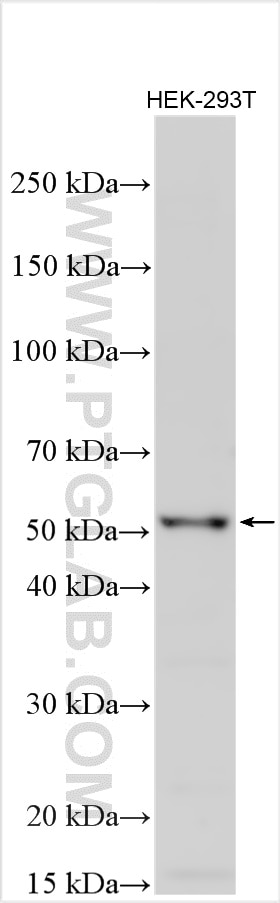
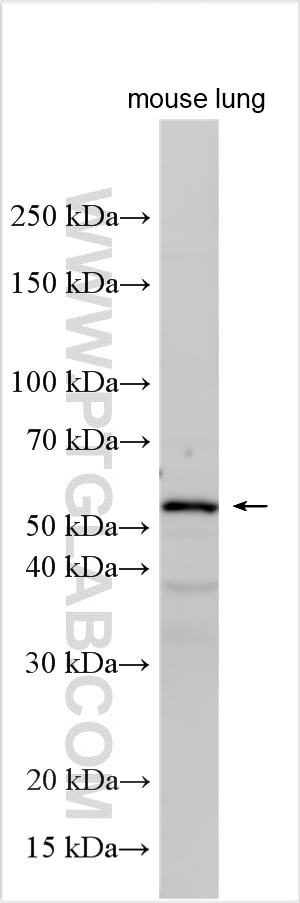
Tested Applications
Recommended dilution
| Application | Dilution |
|---|---|
| It is recommended that this reagent should be titrated in each testing system to obtain optimal results. | |
Product Information
18342-1-PBS targets SMAD6 in WB, Indirect ELISA applications and shows reactivity with human, mouse samples.
| Tested Reactivity | human, mouse |
| Host / Isotype | Rabbit / IgG |
| Class | Polyclonal |
| Type | Antibody |
| Immunogen |
CatNo: Ag13128 Product name: Recombinant human SMAD6 protein Source: e coli.-derived, PET28a Tag: 6*His Domain: 1-496 aa of BC012986 Sequence: MFRSKRSGLVRRLWRSRVVPDREEGGSGGGGGGDEDGSLGSRAEPAPRAREGGGCGRSEVRPVAPRRPRDAVGQRGAQGAGRRRRAGGPPRPMSEPGAGAGSSLLDVAEPGGPGWLPESDCETVTCCLFSERDAAGAPRDASDPLAGAALEPAGGGRSREARSRLLLLEQELKTVTYSLLKRLKERSLDTLLEAVESRGGVPGGCVLVPRADLRLGGQPAPPQLLLGRLFRWPDLQHAVELKPLCGCHSFAAAADGPTVCCNPYHFSRLCGPESPPPPYSRLSPRDEYKPLDLSDSTLSYTETEATNSLITAPGEFSDASMSPDATKPSHWCSVAYWEHRTRVGRLYAVYDQAVSIFYDLPQGSGFCLGQLNLEQRSESVRRTRSKIGFGILLSKEPDGVWAYNRGEHPIFVNSPTLDAPGGRALVVRKVPPGYSIKVFDFERSGLQHAPEPDAADGPYDPNSVRISFAKGWGPCYSRQFITSCPCWLEILLNNPR 相同性解析による交差性が予測される生物種 |
| Full Name | SMAD family member 6 |
| Calculated molecular weight | 53 kDa |
| Observed molecular weight | 52 kDa |
| GenBank accession number | BC012986 |
| Gene Symbol | SMAD6 |
| Gene ID (NCBI) | 4091 |
| RRID | AB_3741951 |
| Conjugate | Unconjugated |
| Form | |
| Form | Liquid |
| Purification Method | Antigen affinity purification |
| UNIPROT ID | O43541 |
| Storage Buffer | PBS only{{ptg:BufferTemp}}7.3 |
| Storage Conditions | Store at -80°C. |
Background Information
SMAD6 is an intracellular signal transduction protein that belongs to the SMAD protein family. It acts as a negative regulator in the transforming growth factor-beta (TGF-β) signaling pathway, binding to TGF-β receptors and inhibiting the phosphorylation of SMAD2/SMAD3, thereby blocking the transmission of TGF-β signals. Additionally, SMAD6 is involved in the regulation of the bone morphogenetic protein (BMP) signaling pathway, affecting cell proliferation, differentiation, and apoptosis. During development, SMAD6 is crucial for the formation of bones and cartilage. Its abnormal expression is associated with various diseases, including skeletal developmental abnormalities and certain types of cancer.