
Validation Data Gallery
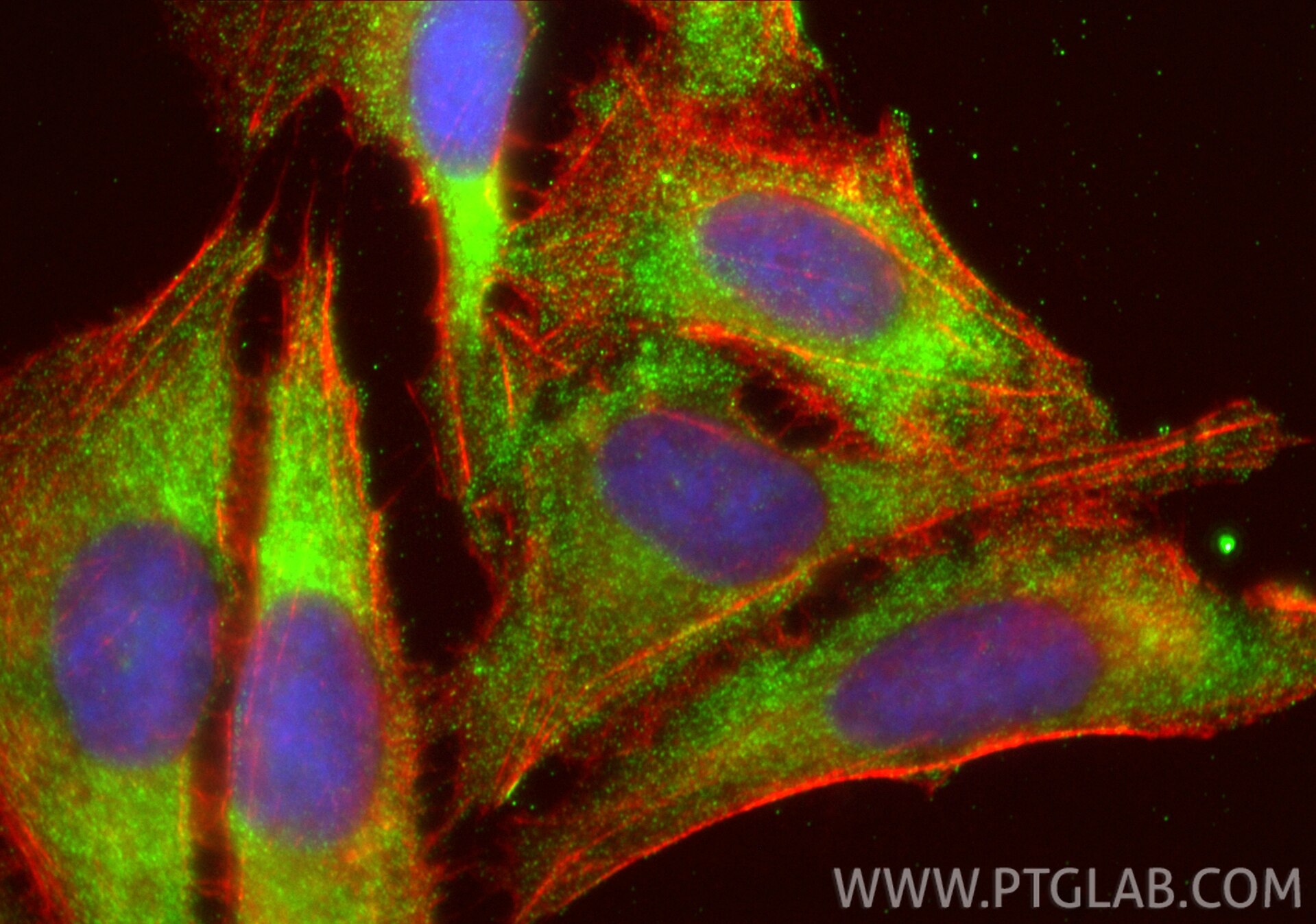
Tested Applications
Recommended dilution
| Application | Dilution |
|---|---|
| It is recommended that this reagent should be titrated in each testing system to obtain optimal results. | |
Product Information
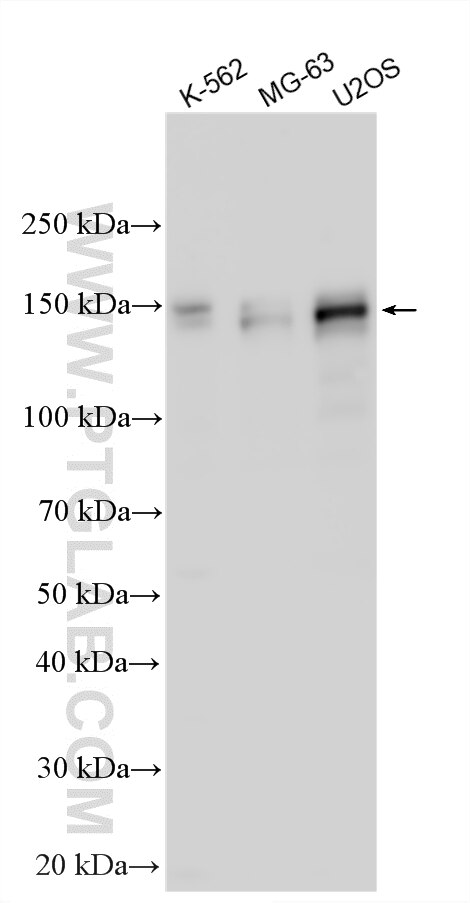
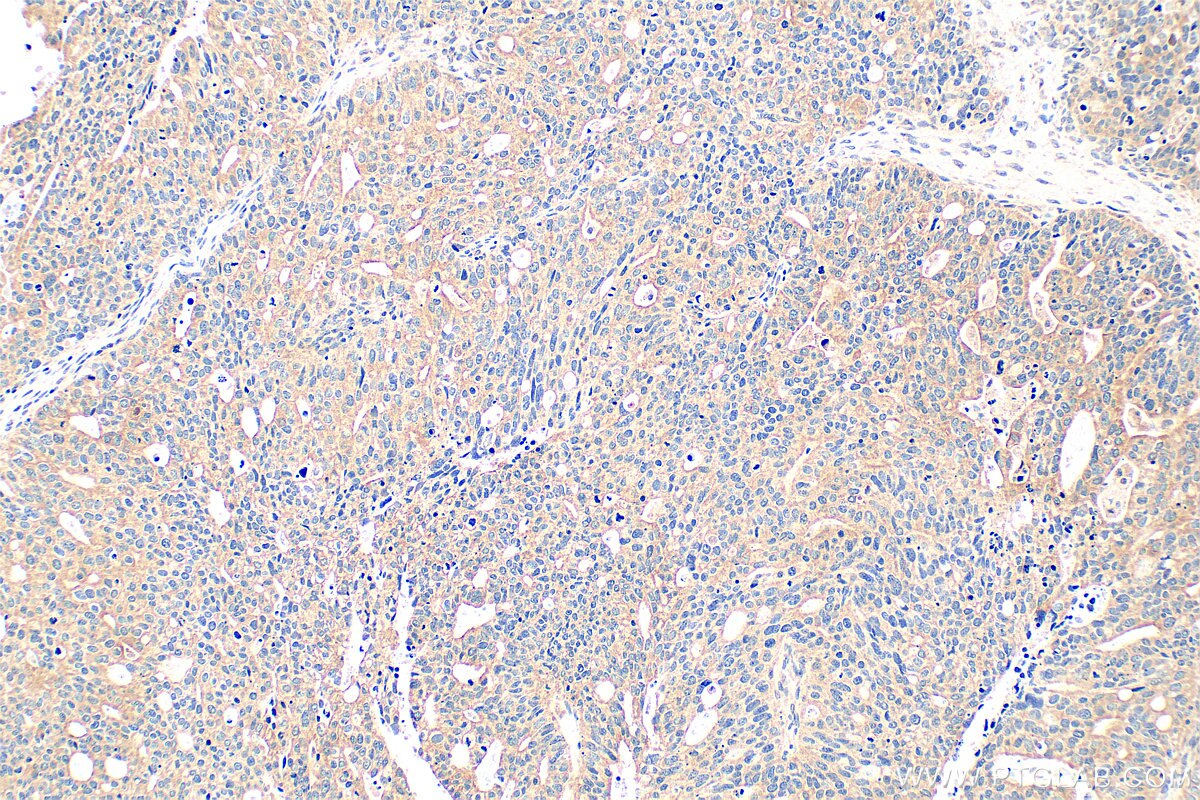
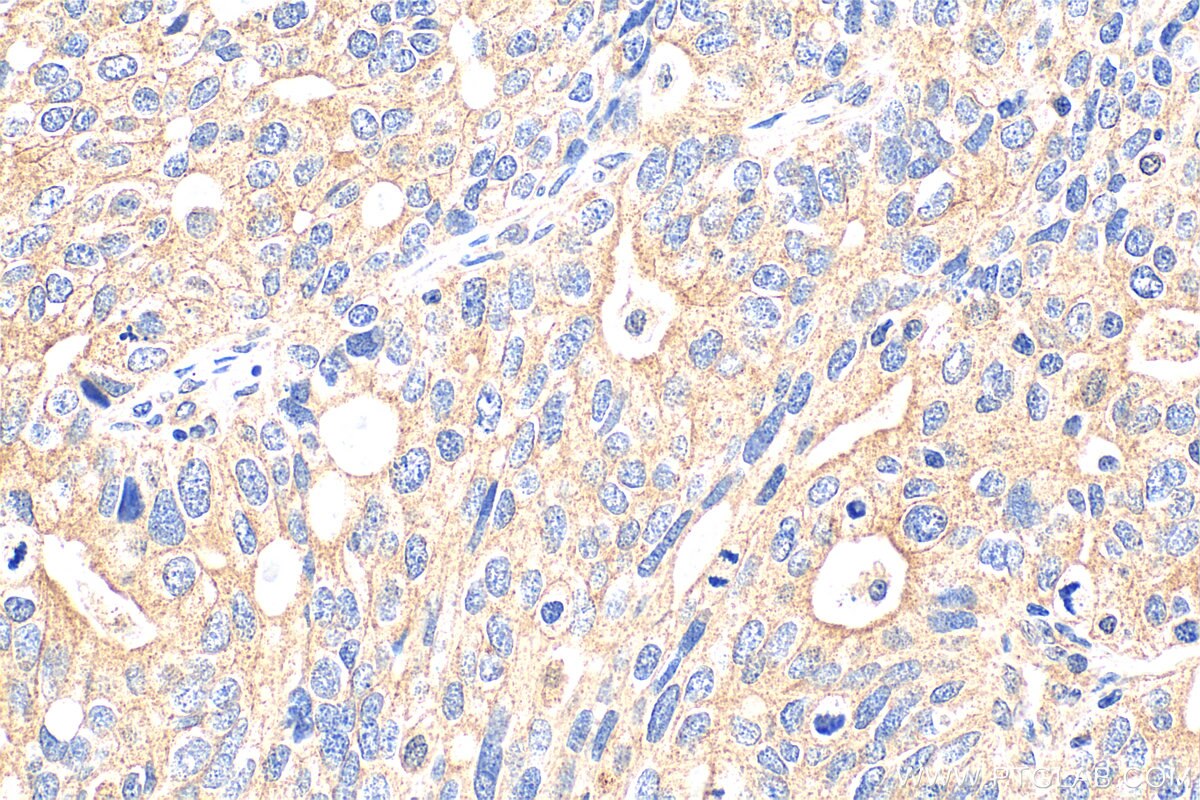
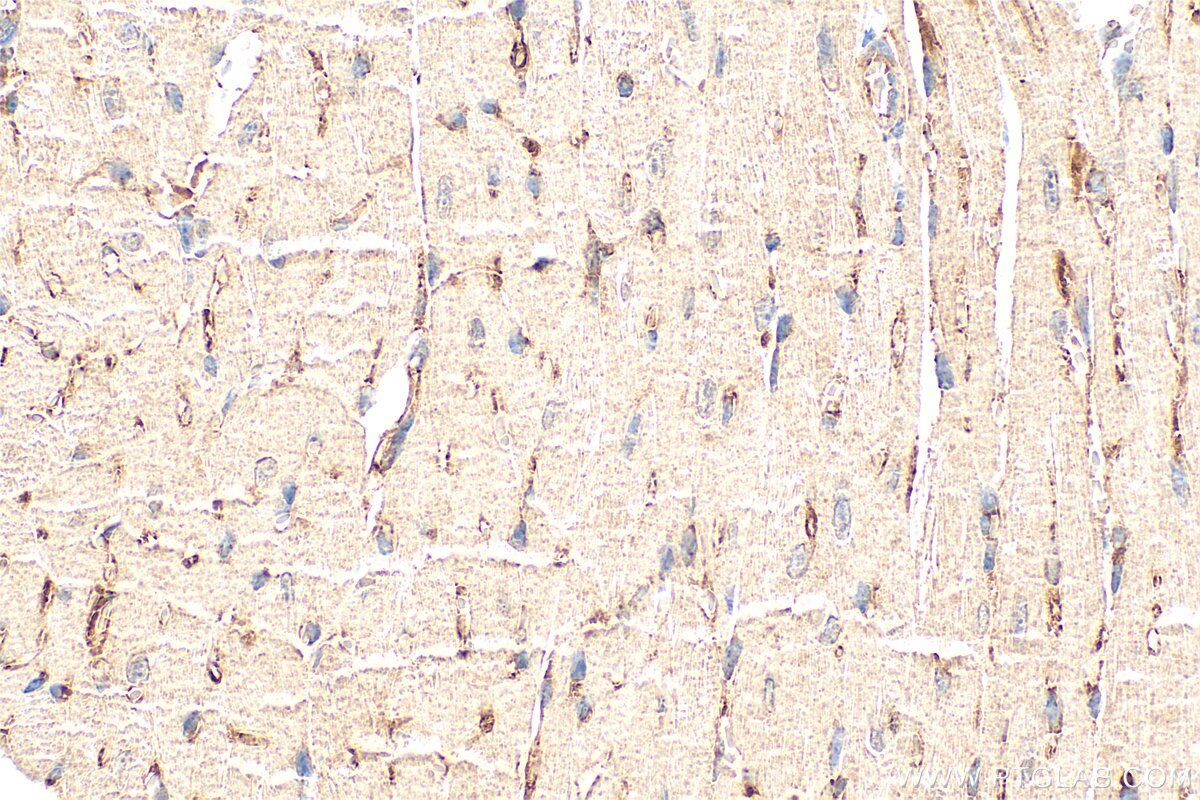
33225-1-PBS targets PHLDB1 in WB, IHC, IF/ICC, Indirect ELISA applications and shows reactivity with human, mouse samples.
| Tested Reactivity | human, mouse |
| Host / Isotype | Rabbit / IgG |
| Class | Polyclonal |
| Type | Antibody |
| Immunogen |
CatNo: Ag37254 Product name: Recombinant human PHLDB1 protein Source: e coli.-derived, PGEX-4T Tag: GST Domain: 620-800 aa of BC098586 Sequence: LCAEYSRADGGPEAGELPSIGEATAALALAGRRPSRGLAGASGRSSEEPGVATQRLWESMERSDEENLKEECSSTESTQQEHEDAPSTKLQGEVLALEEERAQVLGHVEQLKVRVKELEQQLQESAREAEMERALLQGEREAERALLQKEQKAVDQLQEKLVALETGIQKERDKEAEALET 相同性解析による交差性が予測される生物種 |
| Full Name | pleckstrin homology-like domain, family B, member 1 |
| Observed molecular weight | 151 kDa |
| GenBank accession number | BC098586 |
| Gene Symbol | PHLDB1 |
| Gene ID (NCBI) | 23187 |
| RRID | AB_3742903 |
| Conjugate | Unconjugated |
| Form | |
| Form | Liquid |
| Purification Method | Antigen affinity Purification |
| UNIPROT ID | Q86UU1 |
| Storage Buffer | PBS only{{ptg:BufferTemp}}7.3 |
| Storage Conditions | Store at -80°C. |
Background Information
PHLDB1 (Pleckstrin Homology-like Domain Family B Member 1), also known as LL5α, is a scaffolding protein that specifically binds to phosphatidylinositol-3,4,5-trisphosphate (PIP3) through its C-terminal PH domain, anchoring microtubule plus ends to the cell cortex. Functionally, PHLDB1 acts as an insulin-responsive protein that translocates from the cytoplasm to the plasma membrane upon insulin stimulation, promoting GLUT4 translocation and glucose uptake by enhancing Akt phosphorylation. In addition, PHLDB1 plays a key role in cell migration. Studies have shown that its genetic polymorphisms are associated with glioma risk, and by enhancing PI3K/AKT signaling, it promotes tumor cell invasion and metastasis, making it a potential prognostic marker and therapeutic target.