
Validation Data Gallery
Tested Applications
Recommended dilution
| Application | Dilution |
|---|---|
| It is recommended that this reagent should be titrated in each testing system to obtain optimal results. | |
Product Information
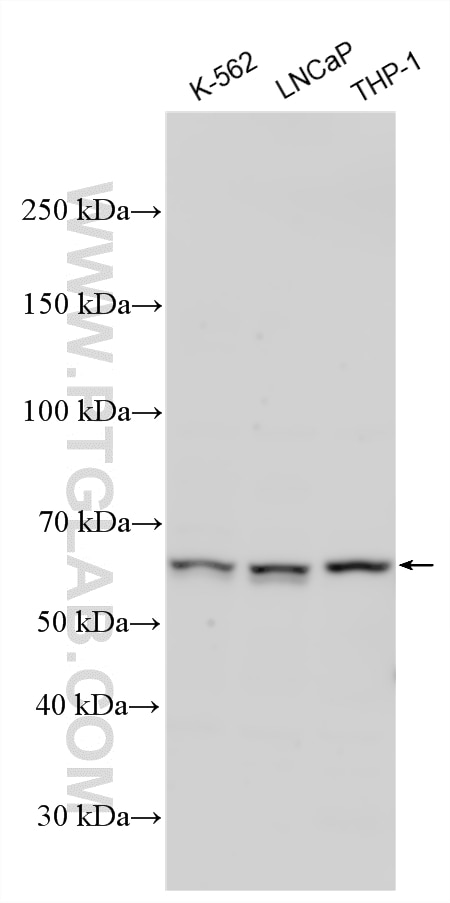
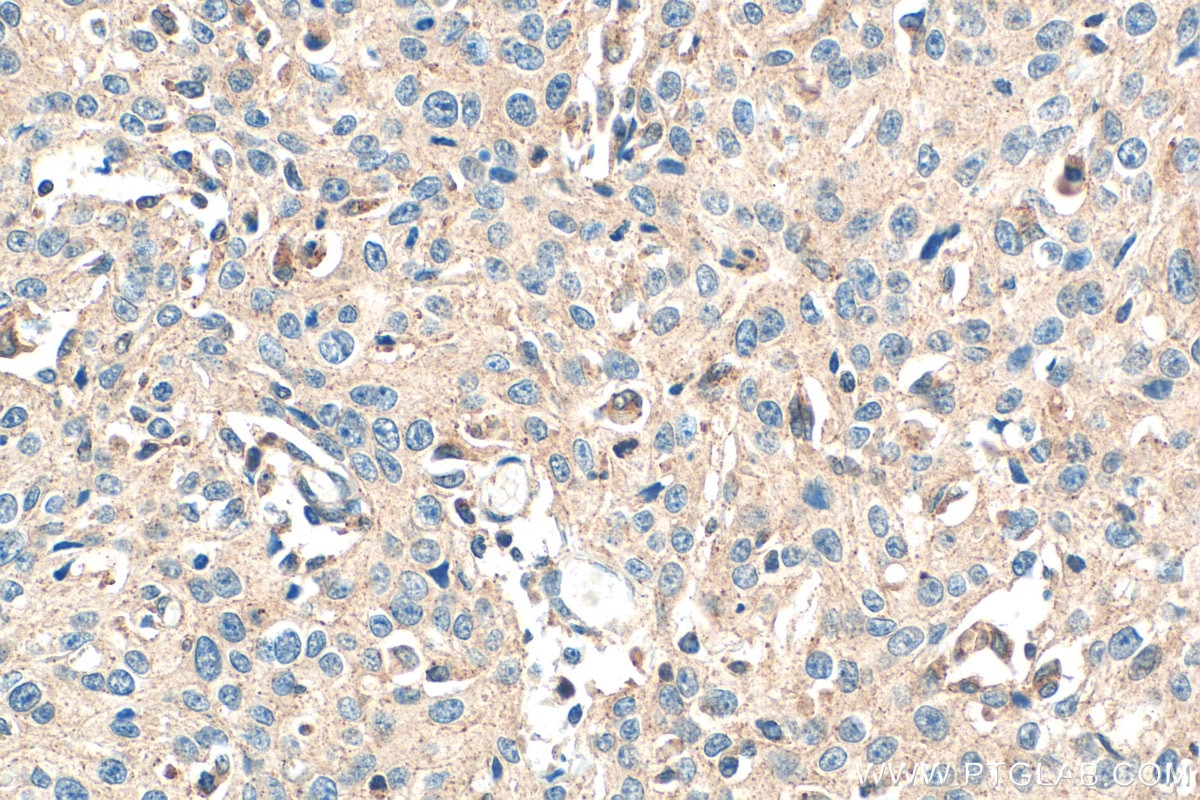
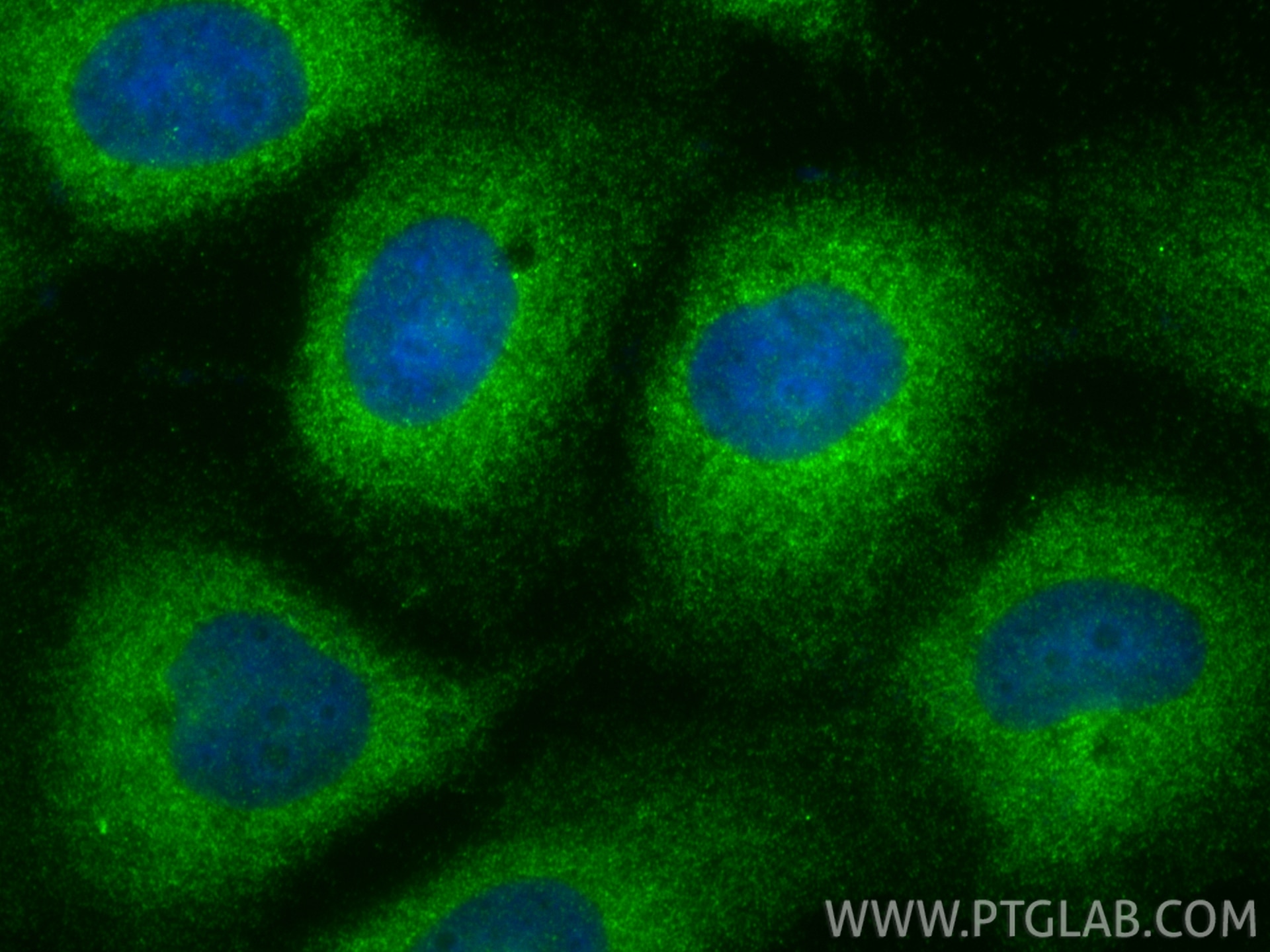
26446-1-PBS targets NPRL3 in WB, IHC, IF/ICC, Indirect ELISA applications and shows reactivity with human samples.
| Tested Reactivity | human |
| Host / Isotype | Rabbit / IgG |
| Class | Polyclonal |
| Type | Antibody |
| Immunogen |
CatNo: Ag24045 Product name: Recombinant human C16orf35 protein Source: e coli.-derived, PET30a Tag: 6*His Domain: 1-390 aa of BC004185 Sequence: MADGNEGPQSPFHHILPKCKLARDLKEAYDSLCTSGVVRLHINSWLEVSFCLPHKIHYAASSLIPPEAIERSLKAIRPYHALLLLSDEKSLLGELPIDCSPALVRVIKTTSAVKNLQQLAQDADLALLQVFQLAAHLVYWGKAIIIYPLCENNVYMLSPNASVCLYSPLAEQFSHQFPSHDLPSVLAKFSLPVSLSEFRNPLAPAVQETQLIQMVVWMLQRRLLIQLHTYVCLMASPSEEEPRPREDDVPFTARVGGRSLSTPNALSFGSPTSSDDMTLTSPSMDNSSAELLPSGDSPLNQRMTENLLASLSEHERAAILSVPAAQNPEDLRMFARLLHYFRGRHHLEEIMYNENTRRSQLLMLFDKFRSVLVVTTHEDPVIAVFQALLP 相同性解析による交差性が予測される生物種 |
| Full Name | chromosome 16 open reading frame 35 |
| Calculated molecular weight | 64 kDa |
| Observed molecular weight | 63 kDa |
| GenBank accession number | BC004185 |
| Gene Symbol | C16orf35 |
| Gene ID (NCBI) | 8131 |
| RRID | AB_3742190 |
| Conjugate | Unconjugated |
| Form | |
| Form | Liquid |
| Purification Method | Antigen affinity purification |
| UNIPROT ID | Q12980 |
| Storage Buffer | PBS only{{ptg:BufferTemp}}7.3 |
| Storage Conditions | Store at -80°C. |
Background Information
NPRL3 (Nitrogen Permease Regulator Like 3) is a highly conserved tumor suppressor protein. As a core component of the GATOR1 complex, it serves as a key node in the amino acid sensing pathway and negatively regulates the mTORC1 signaling pathway, thereby controlling cell growth, proliferation, and autophagy. Loss of its function leads to hyperactivation of mTORC1 signaling. In neuroscience, loss-of-function mutations in NPRL3 are an important genetic cause of familial focal epilepsy, such as focal epilepsy with variable foci. In oncology, it is frequently inactivated through epigenetic silencing in various cancers, making it a significant tumor suppressor and a potential biomarker.