
Validation Data Gallery
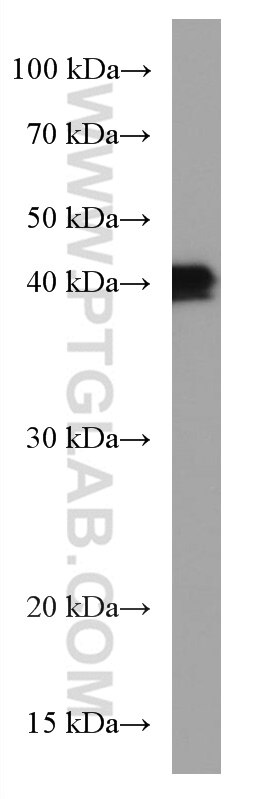
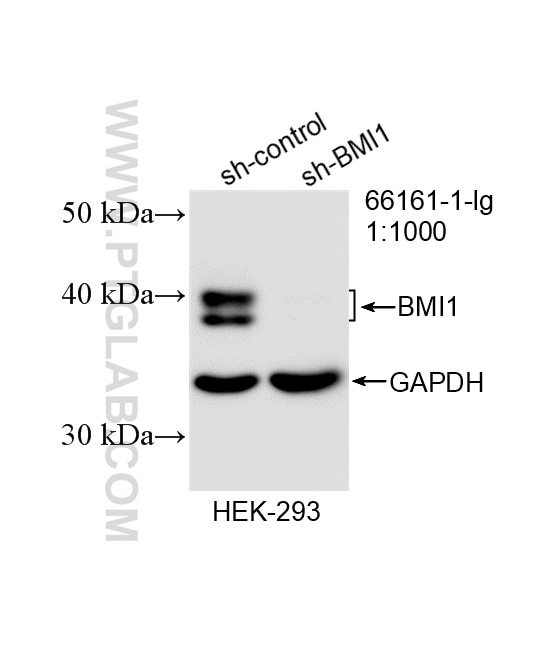
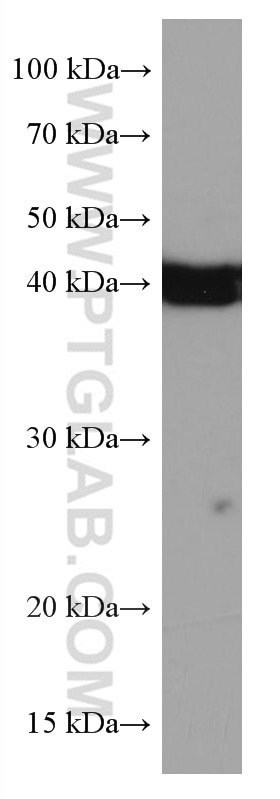
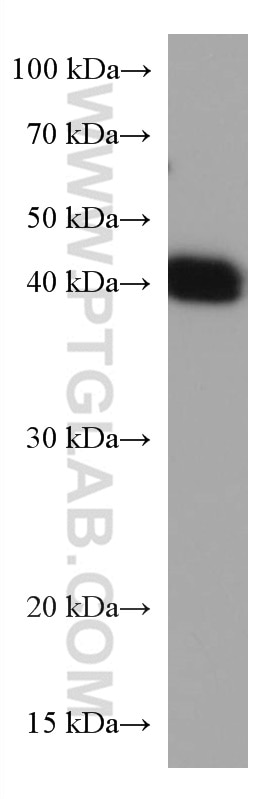
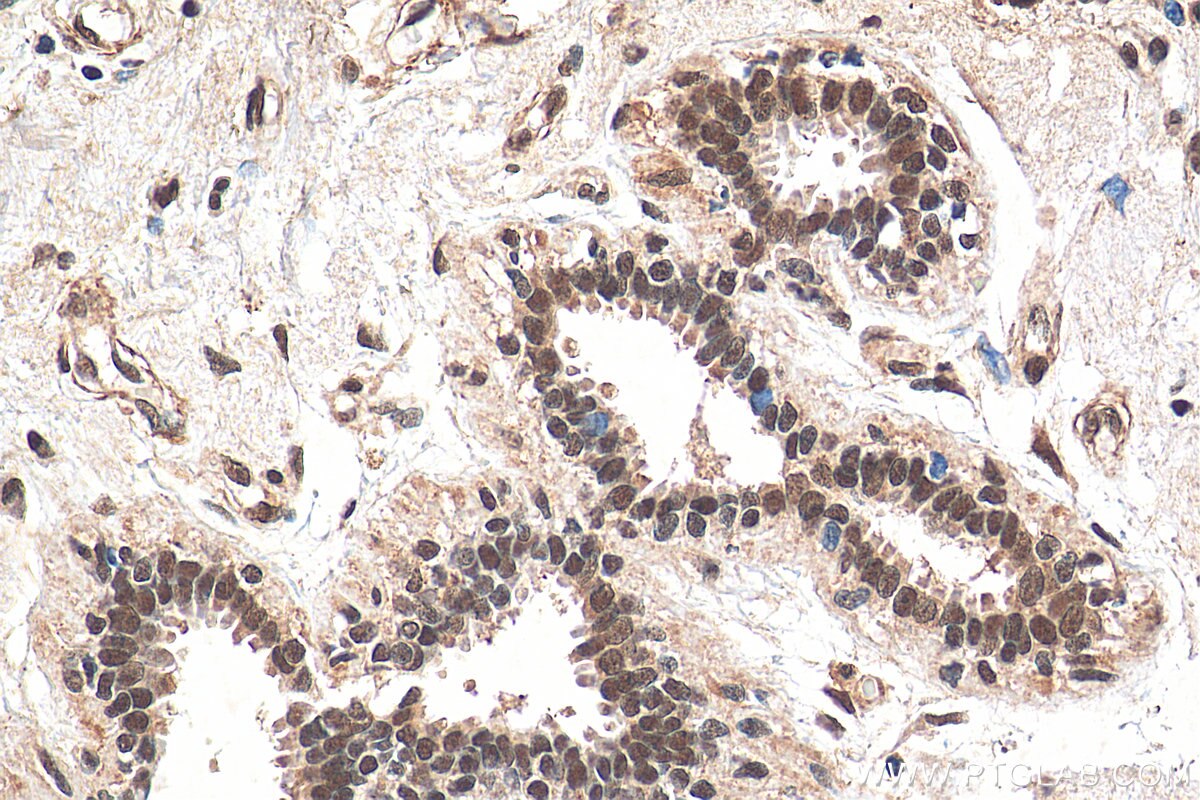
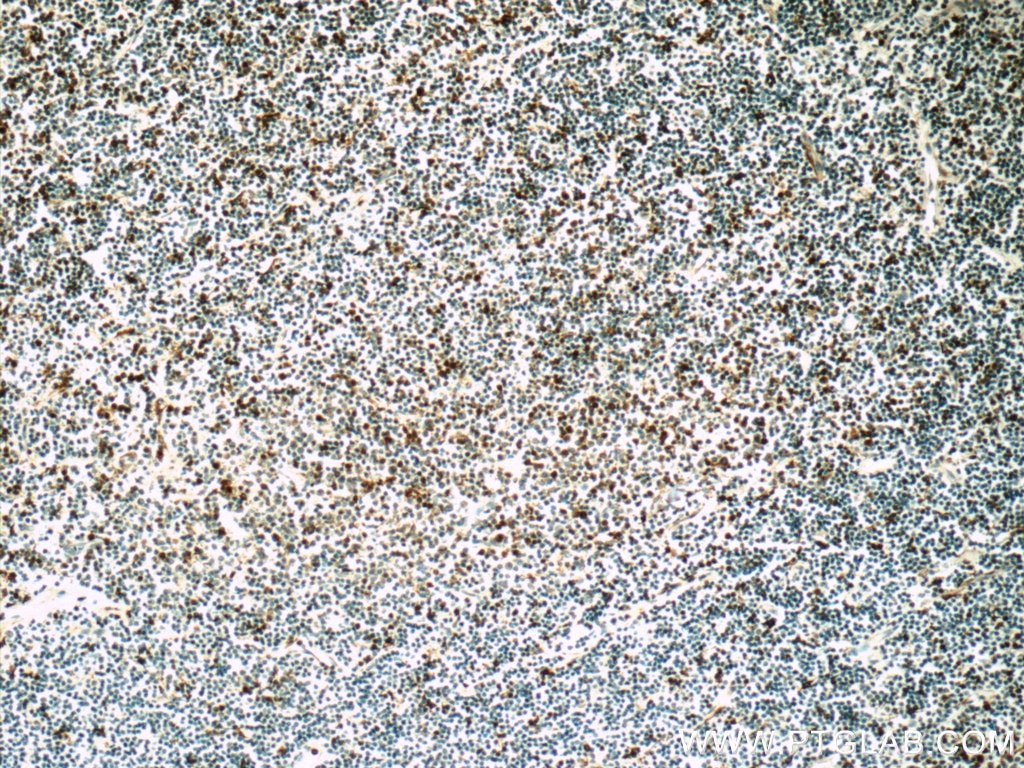
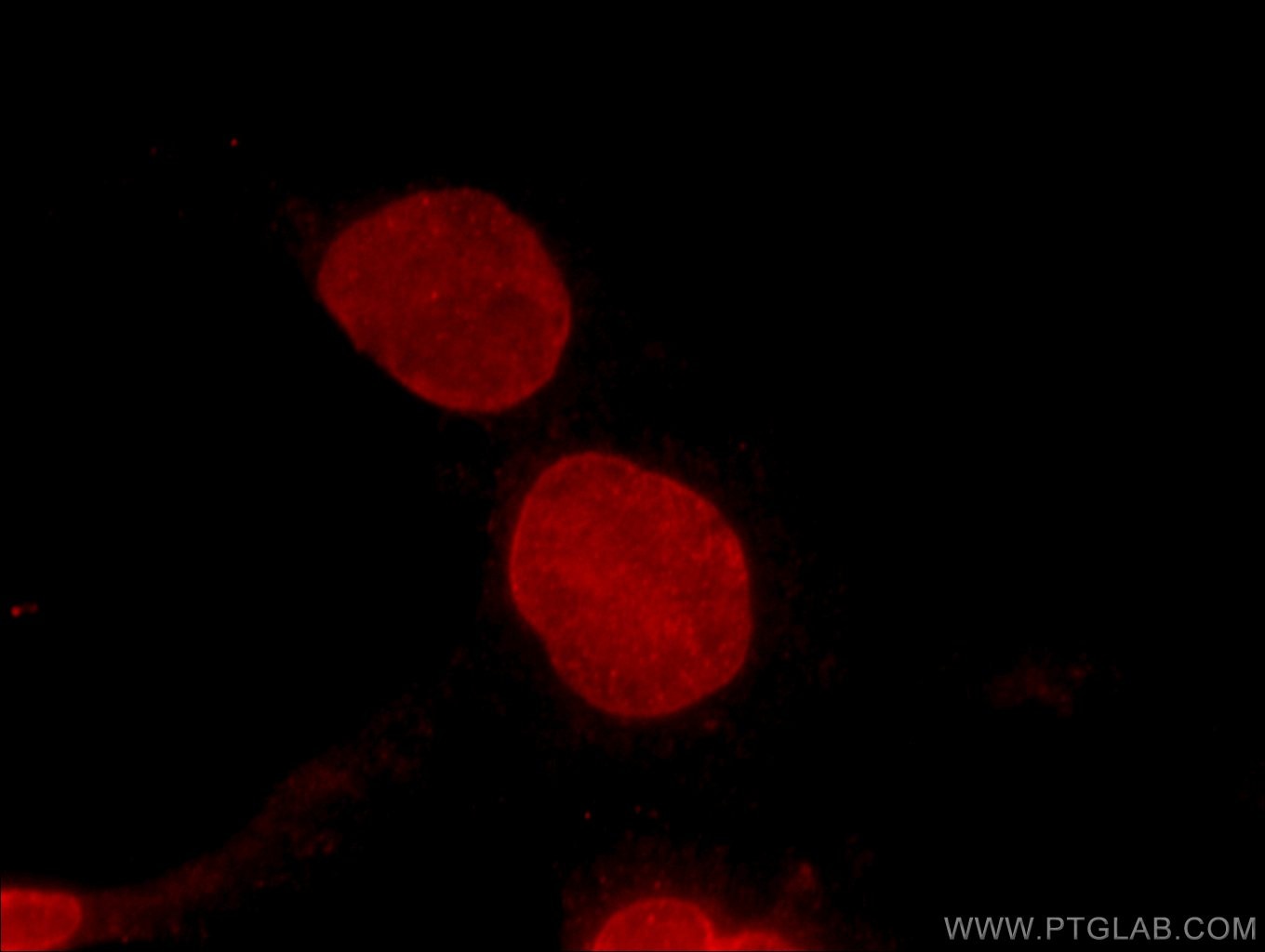
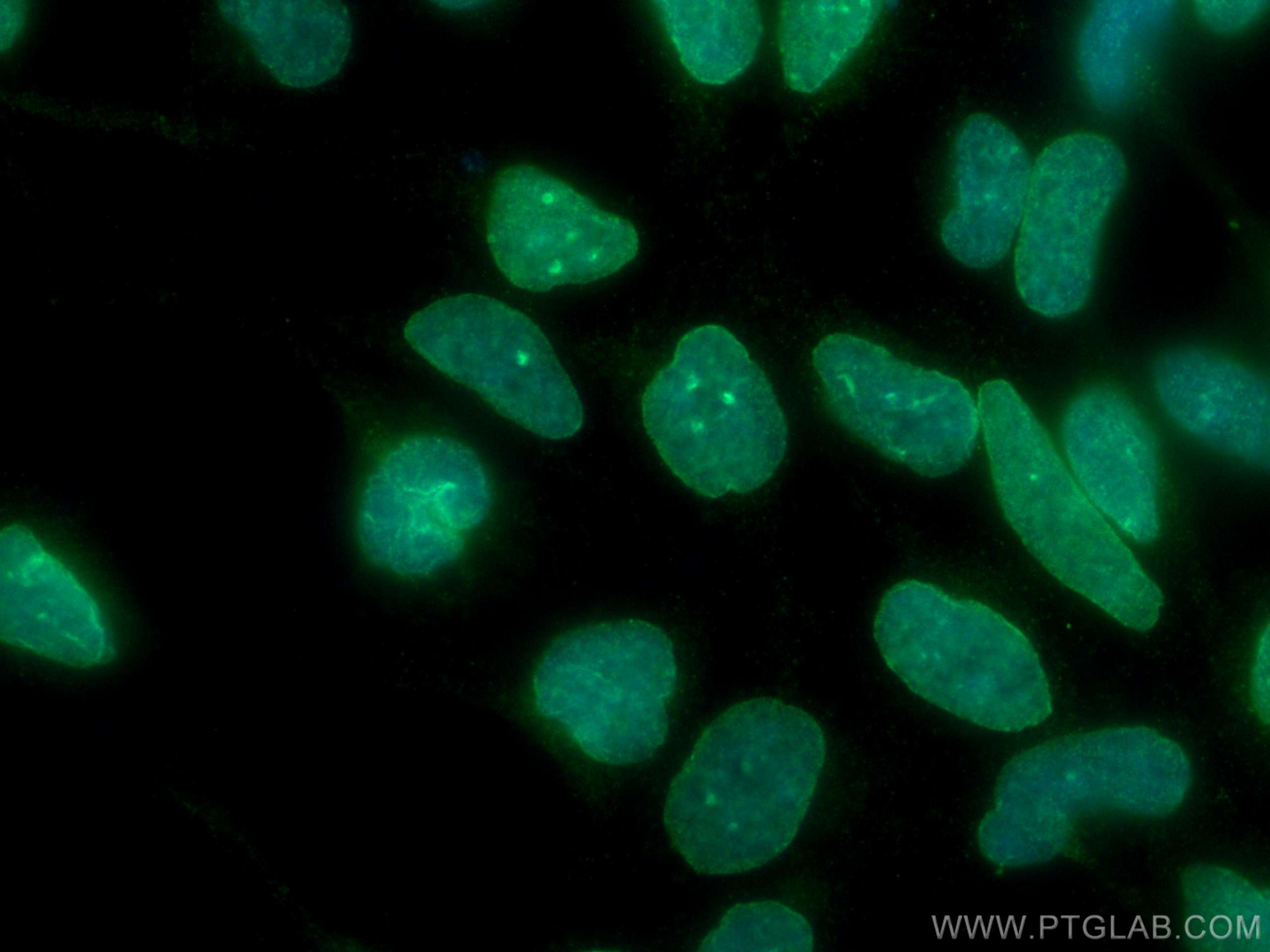
Tested Applications
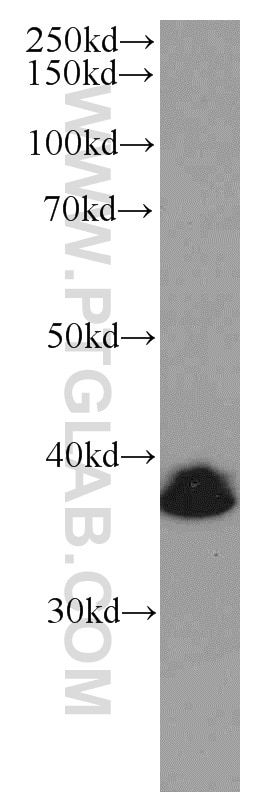
| Positive WB detected in | PC-12 cells, HEK-293 cells, HT-1080 cells, U2OS cells, U-937 cells |
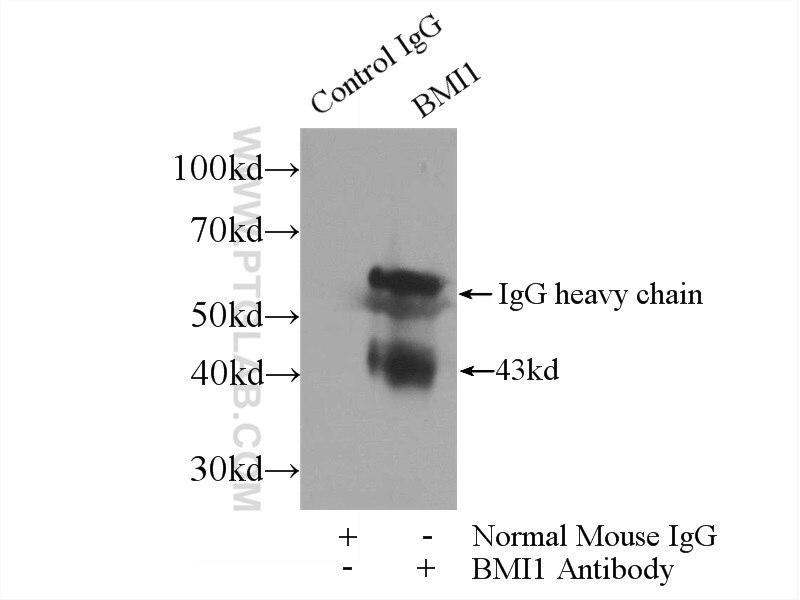
| Positive IP detected in | HEK-293 cells |
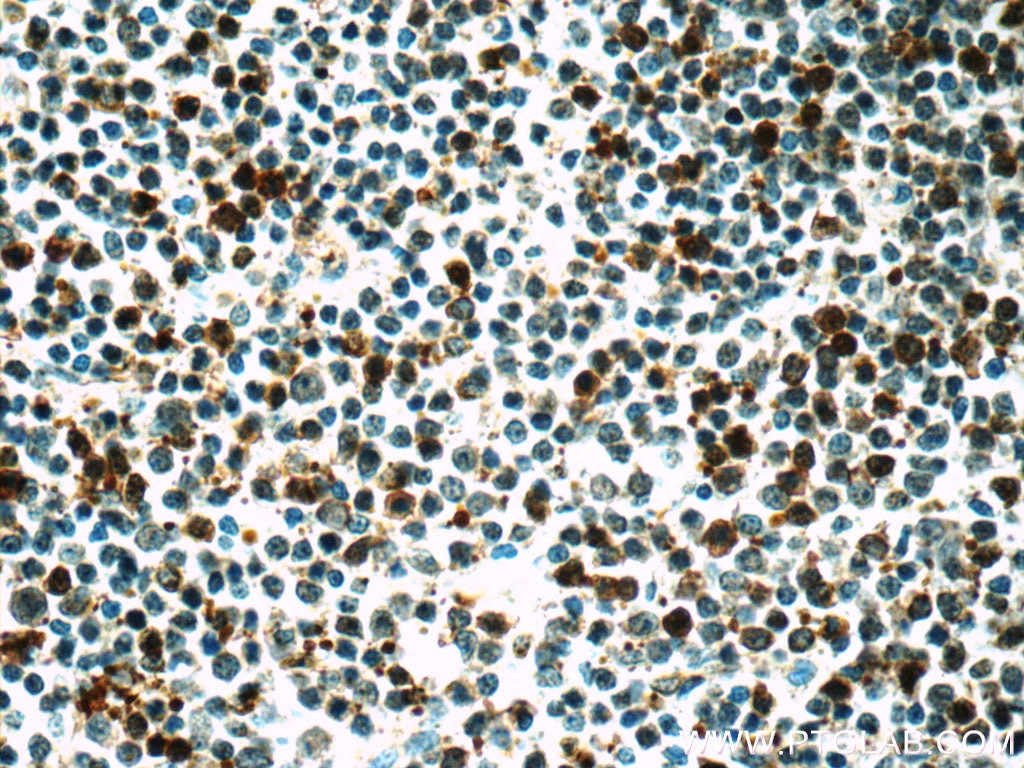
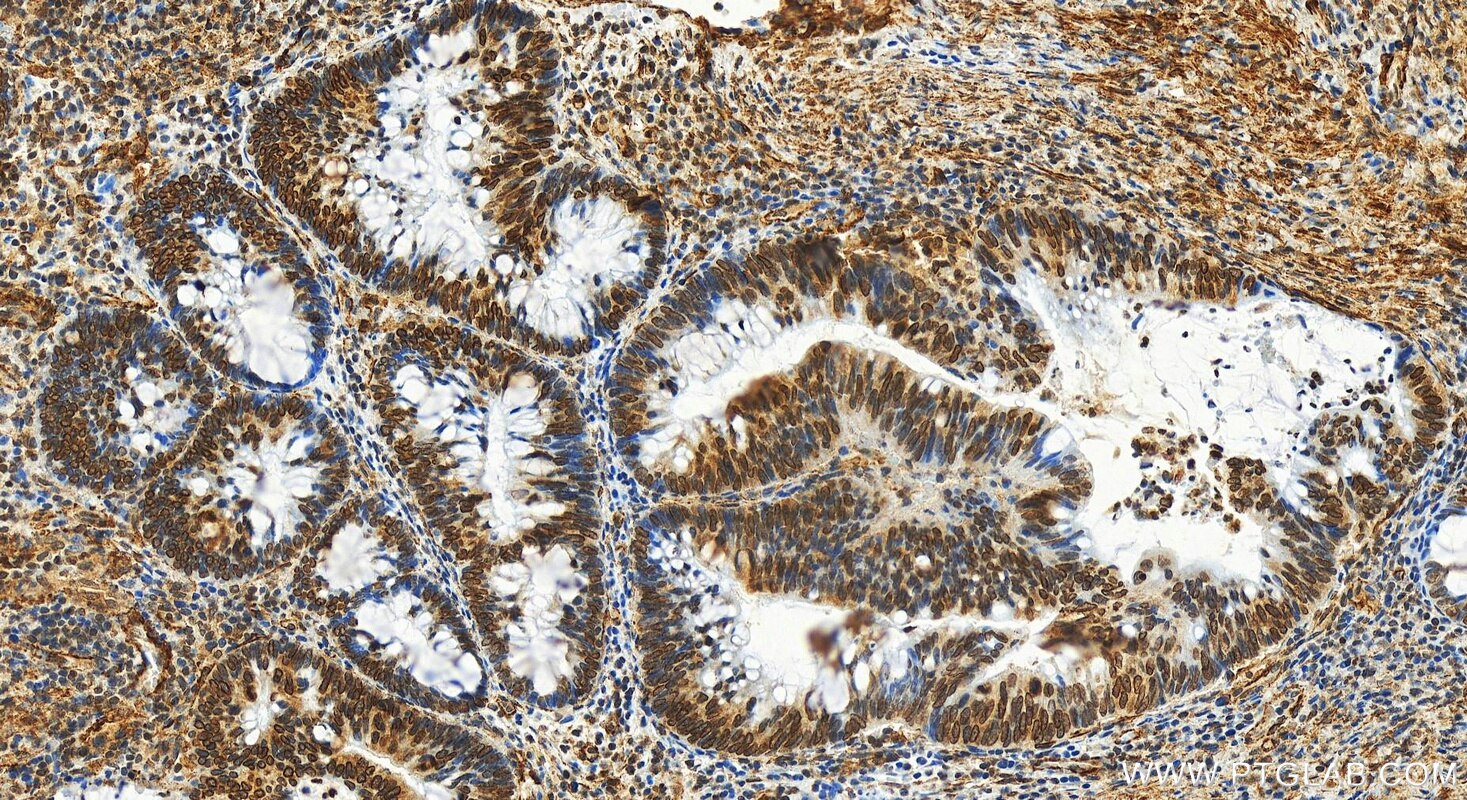
| Positive IHC detected in | human breast cancer tissue, human colon cancer, human lymphoma tissue Note: suggested antigen retrieval with TE buffer pH 9.0; (*) Alternatively, antigen retrieval may be performed with citrate buffer pH 6.0 |
| Positive IF/ICC detected in | HEK-293 cells, COS-7 cells |
Recommended dilution
| Application | Dilution |
|---|---|
| Western Blot (WB) | WB : 1:1000-1:4000 |
| Immunoprecipitation (IP) | IP : 0.5-4.0 ug for 1.0-3.0 mg of total protein lysate |
| Immunohistochemistry (IHC) | IHC : 1:50-1:500 |
| Immunofluorescence (IF)/ICC | IF/ICC : 1:500-1:2000 |
| It is recommended that this reagent should be titrated in each testing system to obtain optimal results. | |
| Sample-dependent, Check data in validation data gallery. | |
Published Applications
| KD/KO | See 2 publications below |
| WB | See 13 publications below |
| IHC | See 4 publications below |
| IF | See 5 publications below |
Product Information
66161-1-Ig targets BMI1 in WB, IHC, IF/ICC, IP, ELISA applications and shows reactivity with human, mouse, monkey samples.
| Tested Reactivity | human, mouse, monkey |
| Cited Reactivity | human, mouse |
| Host / Isotype | Mouse / IgG2b |
| Class | Monoclonal |
| Type | Antibody |
| Immunogen |
CatNo: Ag21284 Product name: Recombinant human BMI1 protein Source: e coli.-derived, PET28a Tag: 6*His Domain: 1-326 aa of BC011652 Sequence: MHRTTRIKITELNPHLMCVLCGGYFIDATTIIECLHSFCKTCIVRYLETSKYCPICDVQVHKTRPLLNIRSDKTLQDIVYKLVPGLFKNEMKRRRDFYAAHPSADAANGSNEDRGEVADEDKRIITDDEIISLSIEFFDQNRLDRKVNKDKEKSKEEVNDKRYLRCPAAMTVMHLRKFLRSKMDIPNTFQIDVMYEEEPLKDYYTLMDIAYIYTWRRNGPLPLKYRVRPTCKRMKISHQRDGLTNAGELESDSGSDKANSPAGGIPSTSSCLPSPSTPVQSPHPQFPHISSTMNGTSNSPSGNHQSSFANRPRKSSVNGSSATSSG 相同性解析による交差性が予測される生物種 |
| Full Name | BMI1 polycomb ring finger oncogene |
| Calculated molecular weight | 37 kDa |
| Observed molecular weight | 37-43 kDa |
| GenBank accession number | BC011652 |
| Gene Symbol | BMI1 |
| Gene ID (NCBI) | 648 |
| RRID | AB_2881557 |
| Conjugate | Unconjugated |
| Form | |
| Form | Liquid |
| Purification Method | Protein A purification |
| UNIPROT ID | P35226 |
| Storage Buffer | PBS with 0.02% sodium azide and 50% glycerol{{ptg:BufferTemp}}7.3 |
| Storage Conditions | Store at -20°C. Stable for one year after shipment. Aliquoting is unnecessary for -20oC storage. |
Background Information
BMI- 1 is one of polycomb group genes, which together with Ring1 strongly enhances the E3 ubiquitin ligase activity of the Ring2 catalytic subunit. Bmi1 plays an important role in the regulation of cell proliferation and senescence through repression of the p16Ink4a and p19Arf genes and is required for maintenance of adult hematopoietic and neural stem cells. The antibody reacts with the 37kd BMI1 protein.
Protocols
| Product Specific Protocols | |
|---|---|
| IF protocol for BMI1 antibody 66161-1-Ig | Download protocol |
| IHC protocol for BMI1 antibody 66161-1-Ig | Download protocol |
| IP protocol for BMI1 antibody 66161-1-Ig | Download protocol |
| WB protocol for BMI1 antibody 66161-1-Ig | Download protocol |
| Standard Protocols | |
|---|---|
| Click here to view our Standard Protocols |
Publications
| Species | Application | Title |
|---|---|---|
J Biomed Sci Apo- and holo-transferrin differentially interact with hephaestin and ferroportin in a novel mechanism of cellular iron release regulation | ||
Adv Sci (Weinh) Bmi-1 Epigenetically Orchestrates Osteogenic and Adipogenic Differentiation of Bone Marrow Mesenchymal Stem Cells to Delay Bone Aging | ||
Int J Biol Sci Chk2 Modulates Bmi1-Deficiency-Induced Renal Aging and Fibrosis via Oxidative Stress, DNA Damage, and p53/TGFβ1-Induced Epithelial-Mesenchymal Transition | ||
Aging (Albany NY) Hairy gene homolog increases nasopharyngeal carcinoma cell stemness by upregulating Bmi-1 | ||
Cell Death Discov MCM2 promotes the stemness and sorafenib resistance of hepatocellular carcinoma cells via hippo signaling |