
Validation Data Gallery
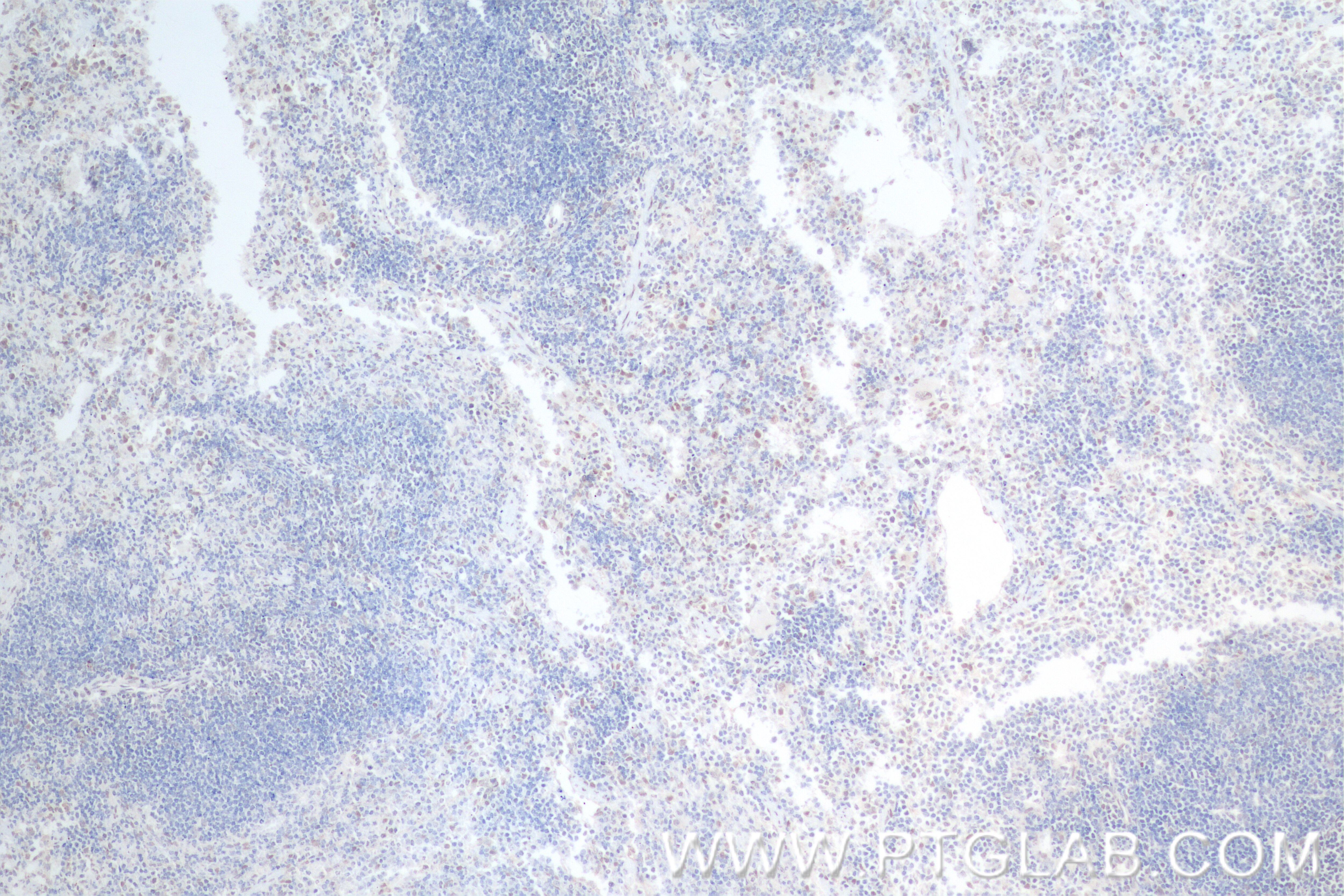
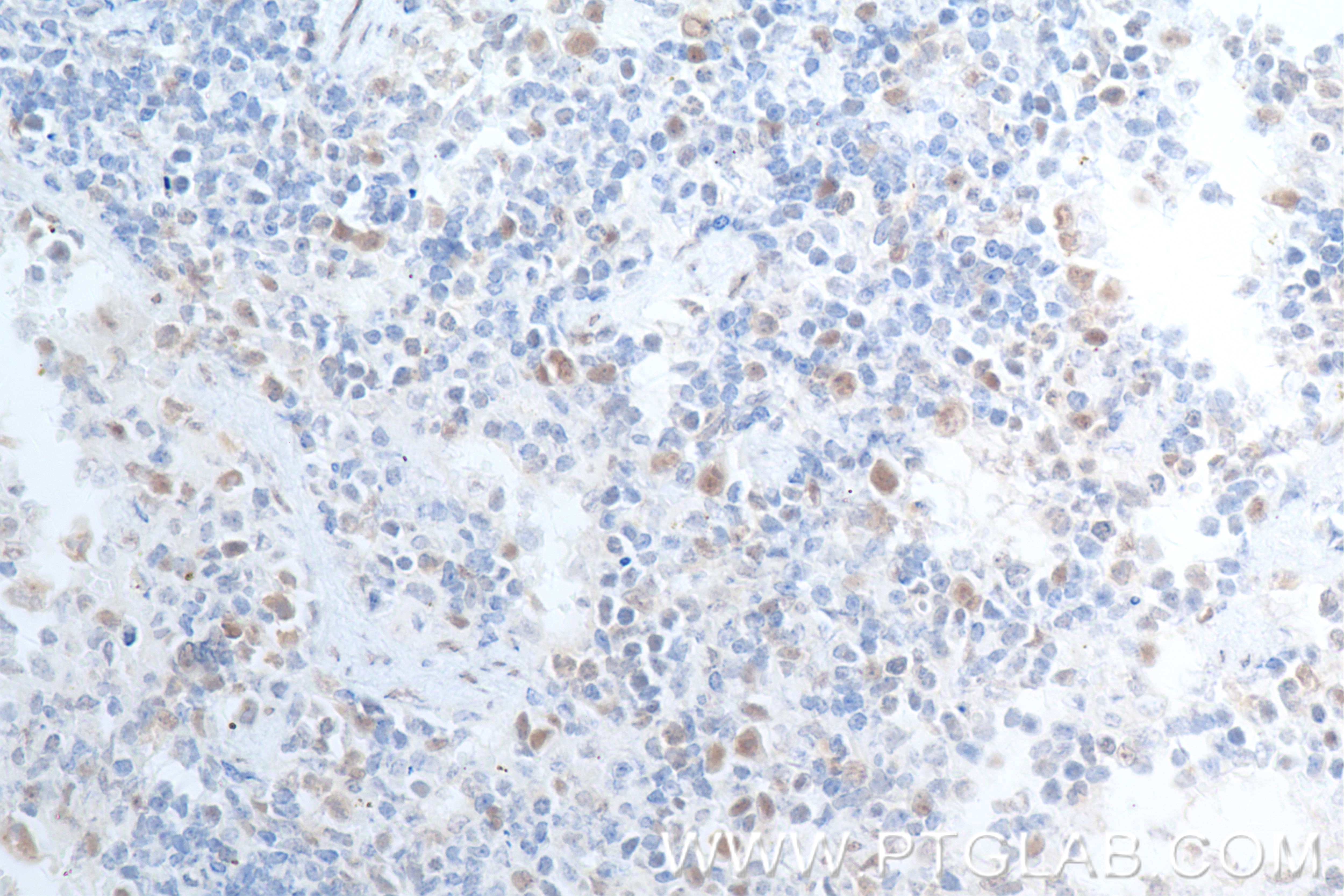
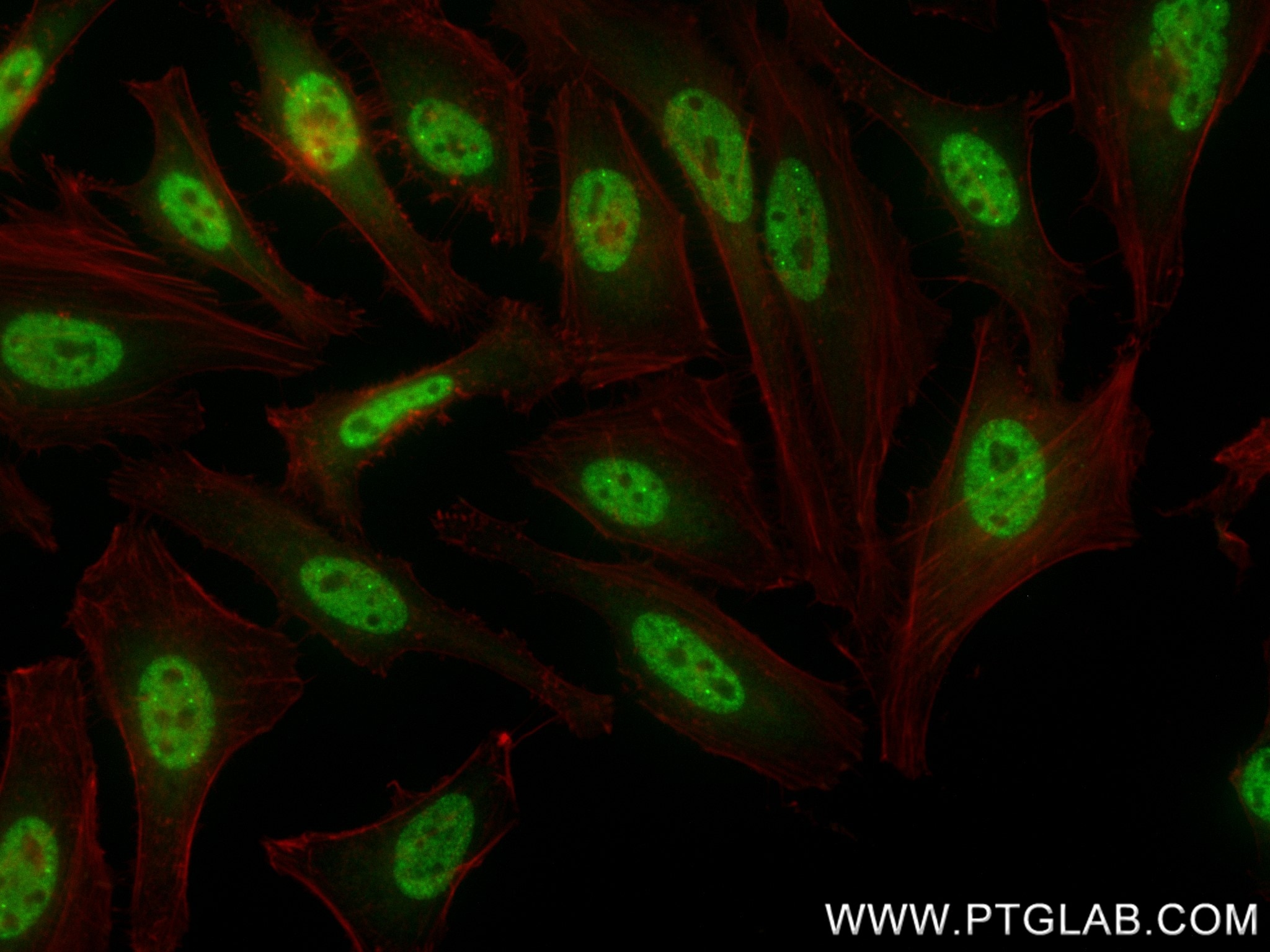
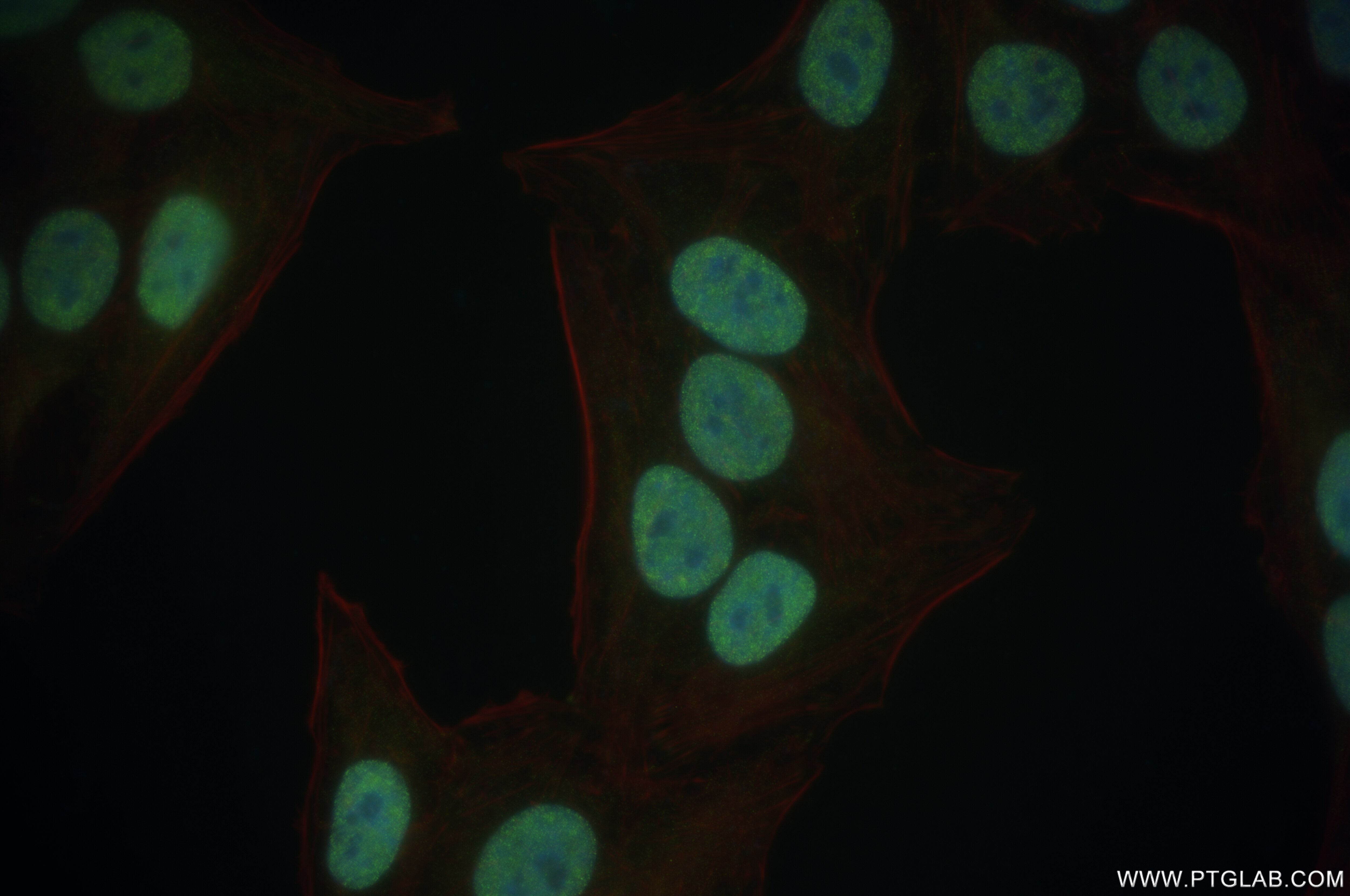
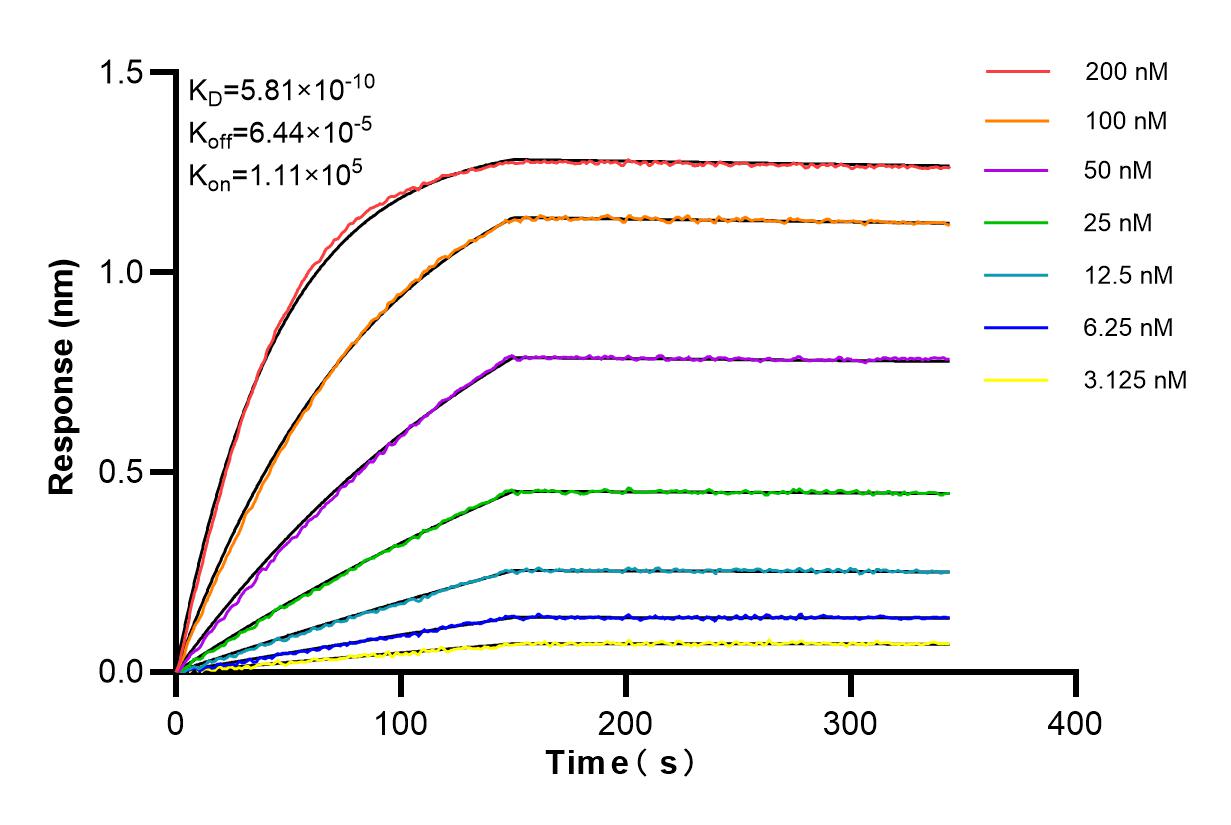
Tested Applications
Recommended dilution
| Application | Dilution |
|---|---|
| It is recommended that this reagent should be titrated in each testing system to obtain optimal results. | |
Product Information
84882-5-PBS targets BCL3 in IHC, IF/ICC, Indirect ELISA applications and shows reactivity with human, mouse samples.
| Tested Reactivity | human, mouse |
| Host / Isotype | Rabbit / IgG |
| Class | Recombinant |
| Type | Antibody |
| Immunogen |
CatNo: Ag13375 Product name: Recombinant human BCL3 protein Source: e coli.-derived, PGEX-4T Tag: GST Domain: 97-446 aa of BC064993 Sequence: NLPTPLYPMMCPMEHPLSADIAMATRADEDGDTPLHIAVVQGNLPAVHRLVNLFQQGGRELDIYNNLRQTPLHLAVITTLPSVVRLLVTAGASPMALDRHGQTAAHLACEHRSPTCLRALLDSAAPGTLDLEARNYDGLTALHVAVNTECQETVQLLLERGADIDAVDIKSGRSPLIHAVENNSLSMVQLLLQHGANVNAQMYSGSSALHSASGRGLLPLVRTLVRSGADSSLKNCHNDTPLMVARSRRVIDILRGKATRPASTSQPDPSPDRSANTSPESSSRLSSNGLLSASPSSSPSQSPPRDPPGFPMAPPNFFLPSPSPPAFLPFAGVLRGPGRPVPPSPAPGGS 相同性解析による交差性が予測される生物種 |
| Full Name | B-cell CLL/lymphoma 3 |
| Calculated molecular weight | 446 aa, 47 kDa |
| Observed molecular weight | 48-60 kDa |
| GenBank accession number | BC064993 |
| Gene Symbol | BCL3 |
| Gene ID (NCBI) | 602 |
| RRID | AB_3743809 |
| Conjugate | Unconjugated |
| Form | |
| Form | Liquid |
| Purification Method | Protein A purification |
| UNIPROT ID | P20749 |
| Storage Buffer | PBS only{{ptg:BufferTemp}}7.3 |
| Storage Conditions | Store at -80°C. |
Background Information
BCL3 (B-cell lymphoma 3 protein) has seven ankyrin repeat domains, a proline-rich N terminal domain and a serine- and proline-rich C-terminal domain (PMID: 31930327). BCL3 is an important contributor to chronic inflammatory disease states, such as osteoarthritis and rheumatoid arthritis (PMID: 12483727). BCL3 is a predominantly nuclear protein containing a trans-activation domain, and it can be recruited to NF-κB-responsive promoters, resulting in transcriptional activation or repression depending on the subunit composition of NF-κB complexes (PMID: 25089799, PMID: 30135206). BCL3 is known to be overexpressed in human breast cancers and is associated with reduced metastasis-free survival (PMID: 38255248).