
Validation Data Gallery
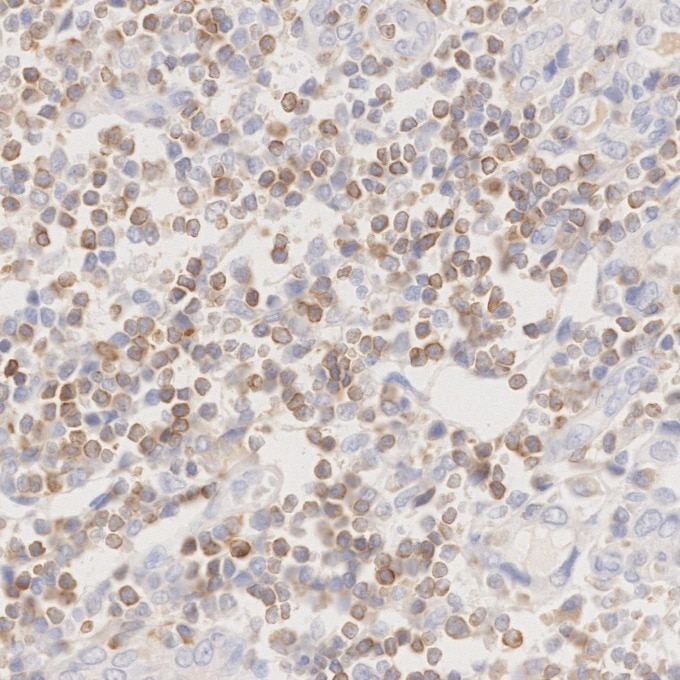
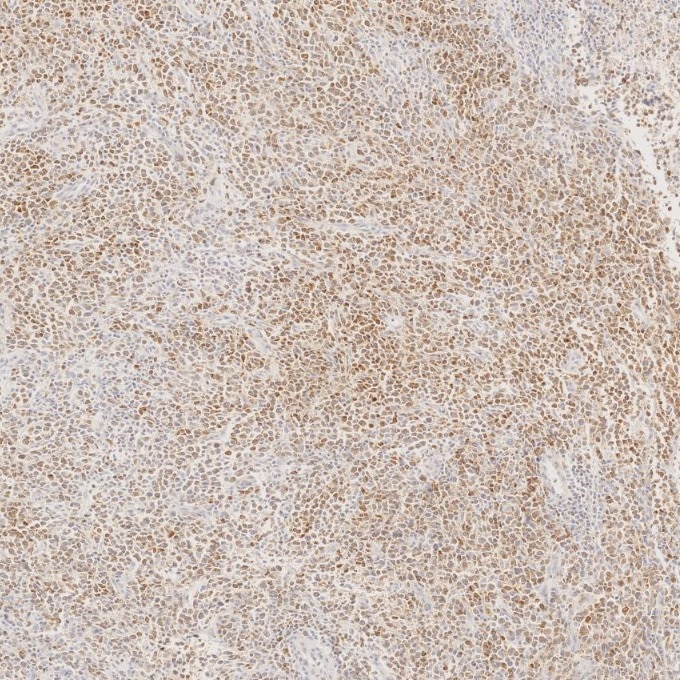
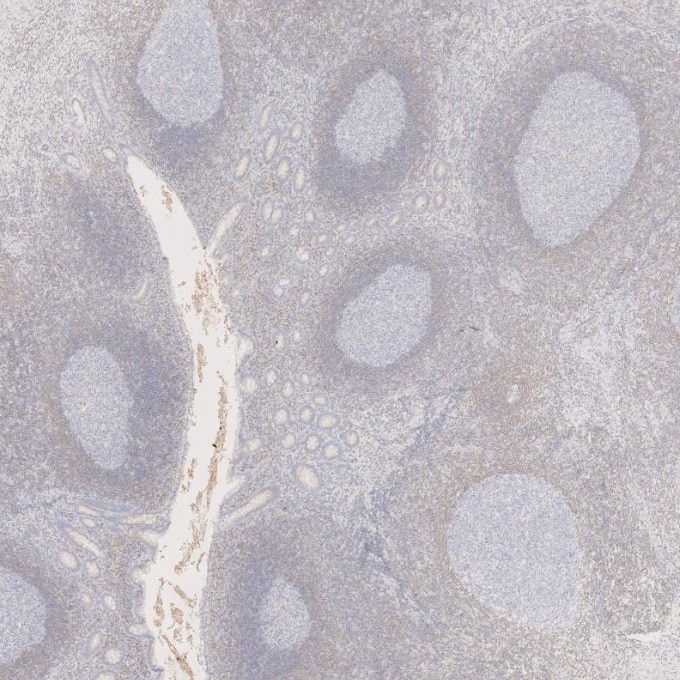
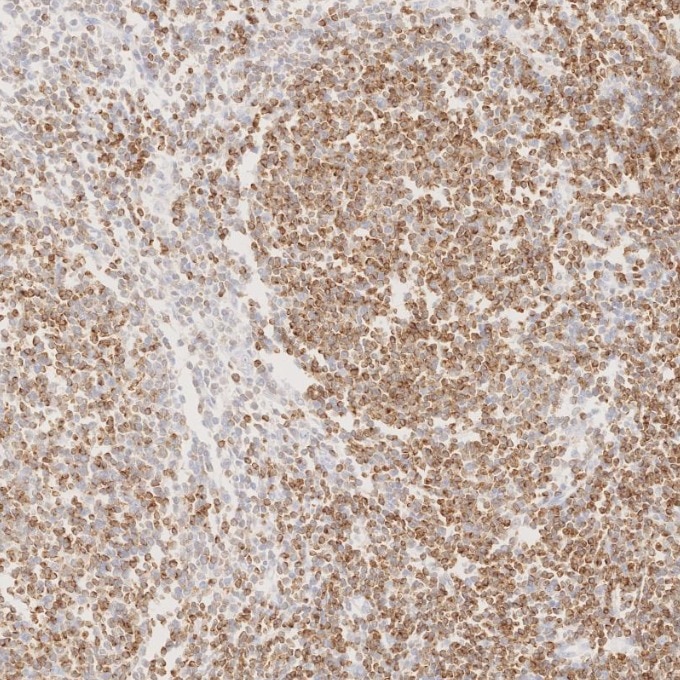
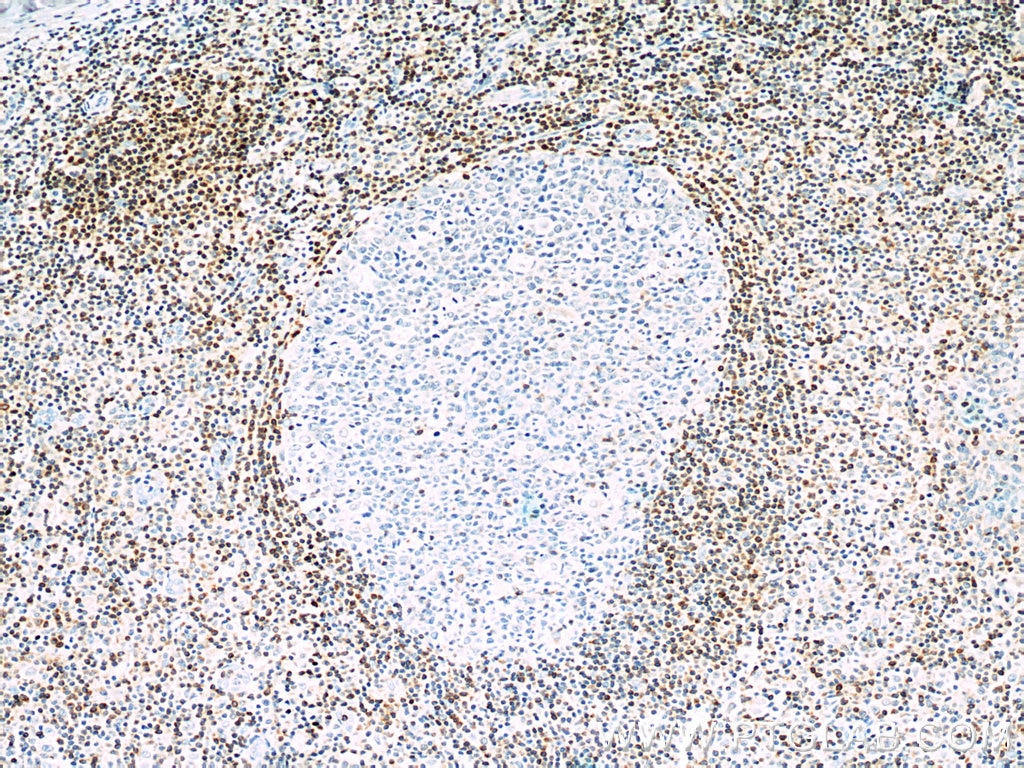
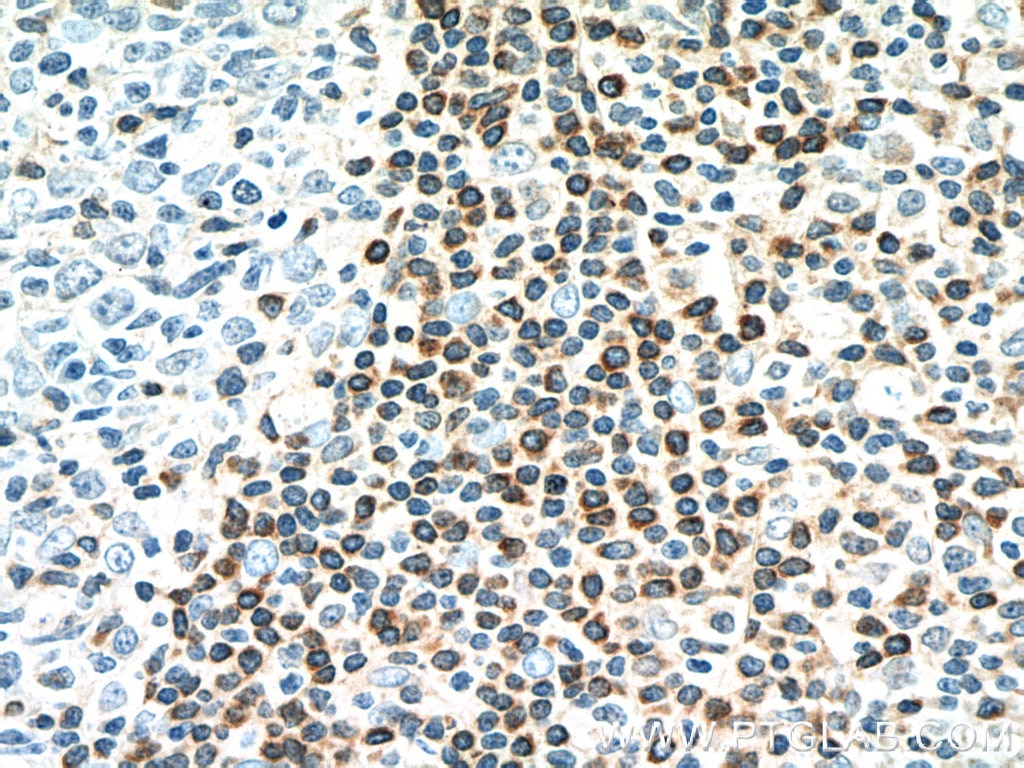
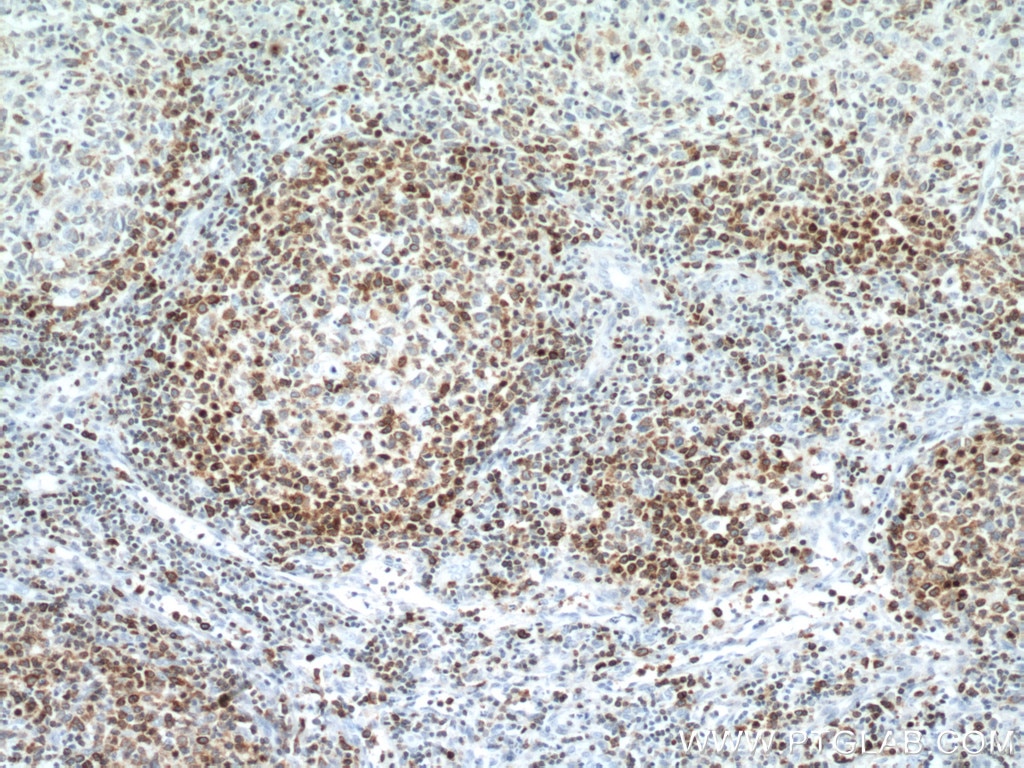
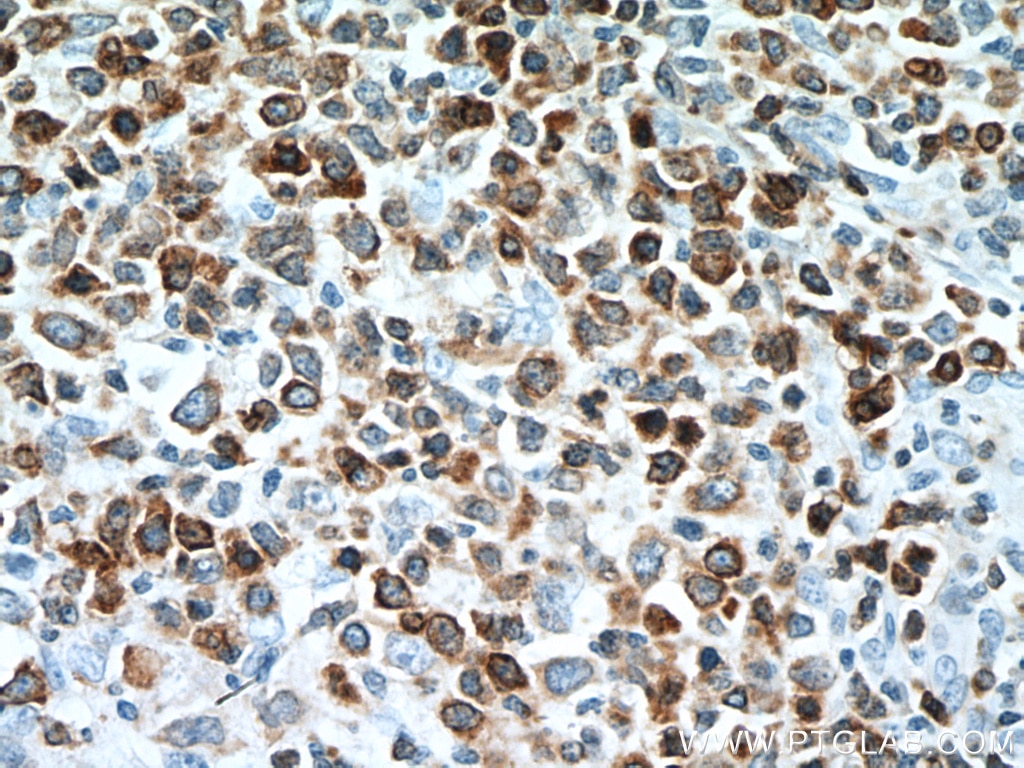
Tested Applications
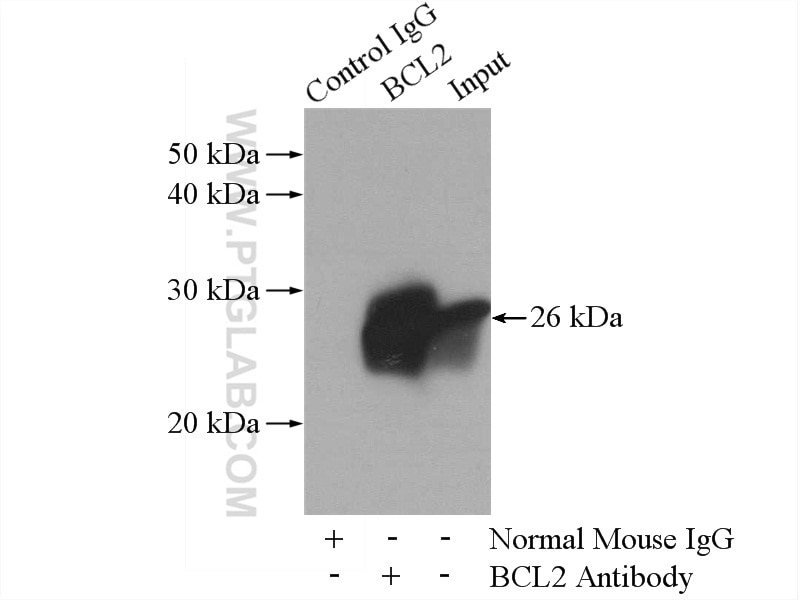
| Positive IP detected in | U-937 cells |
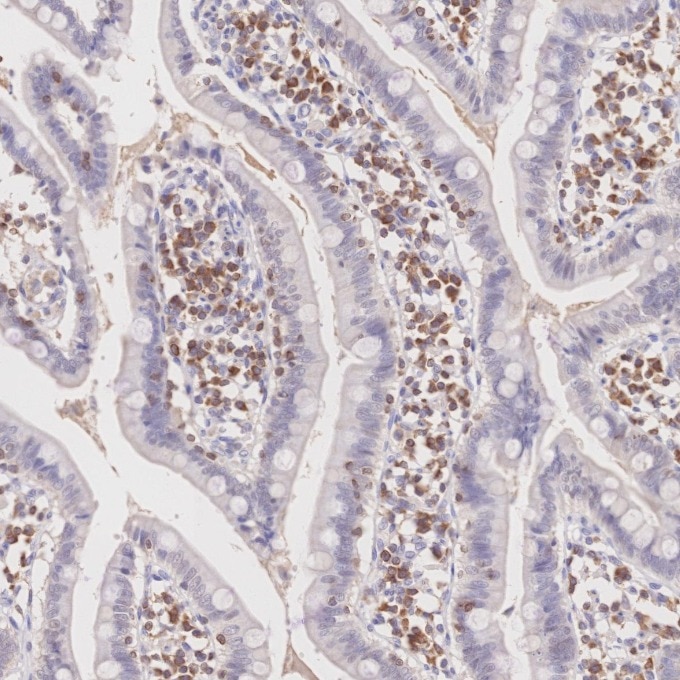
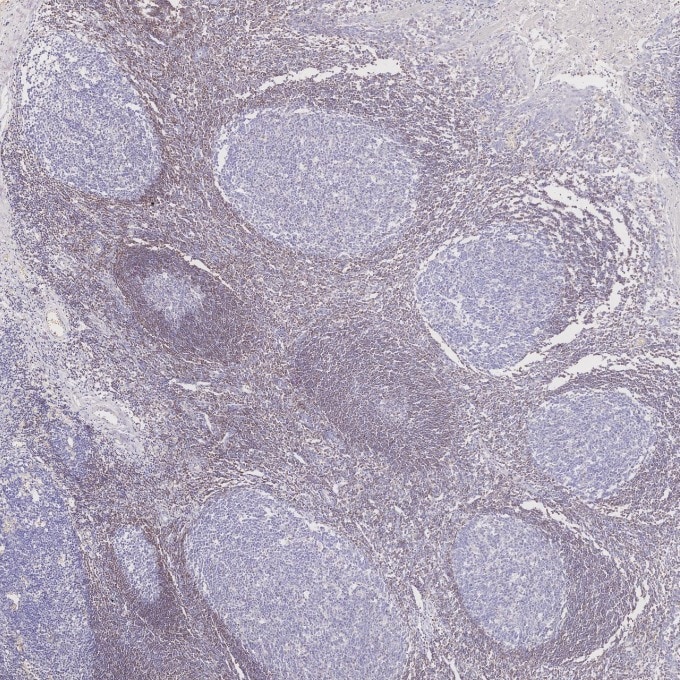
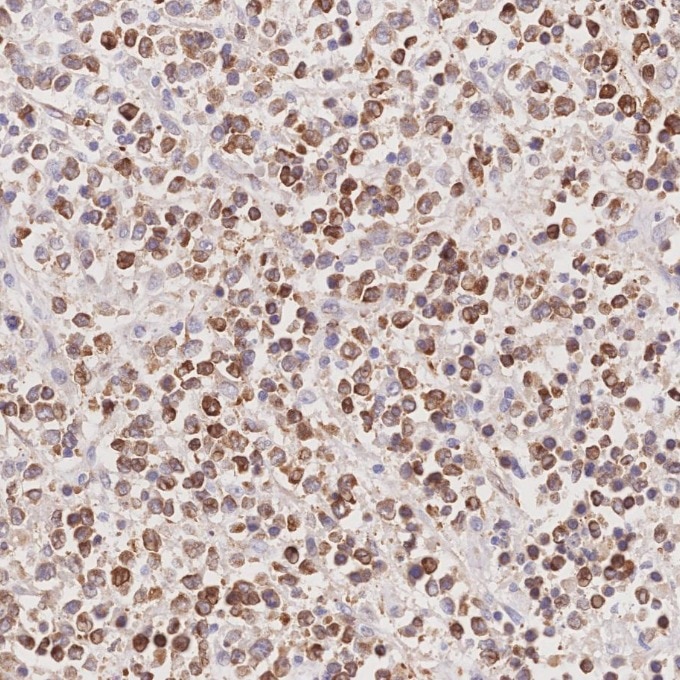
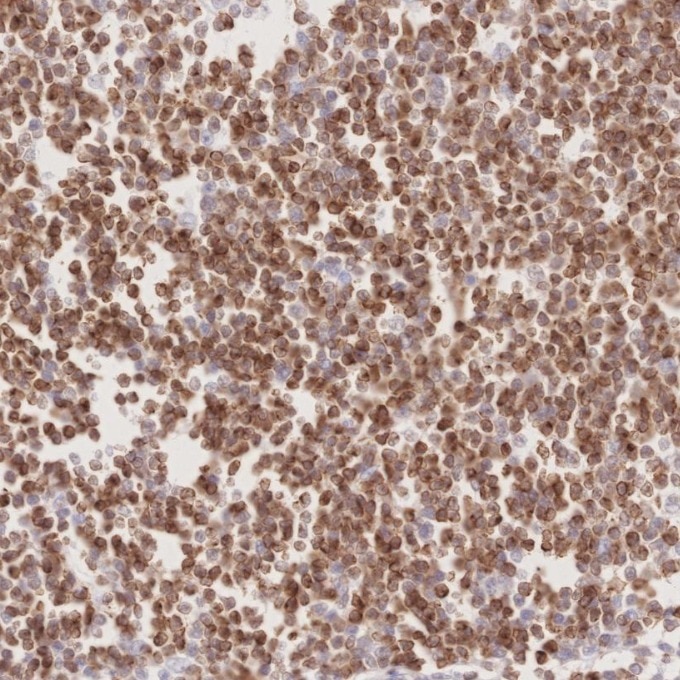
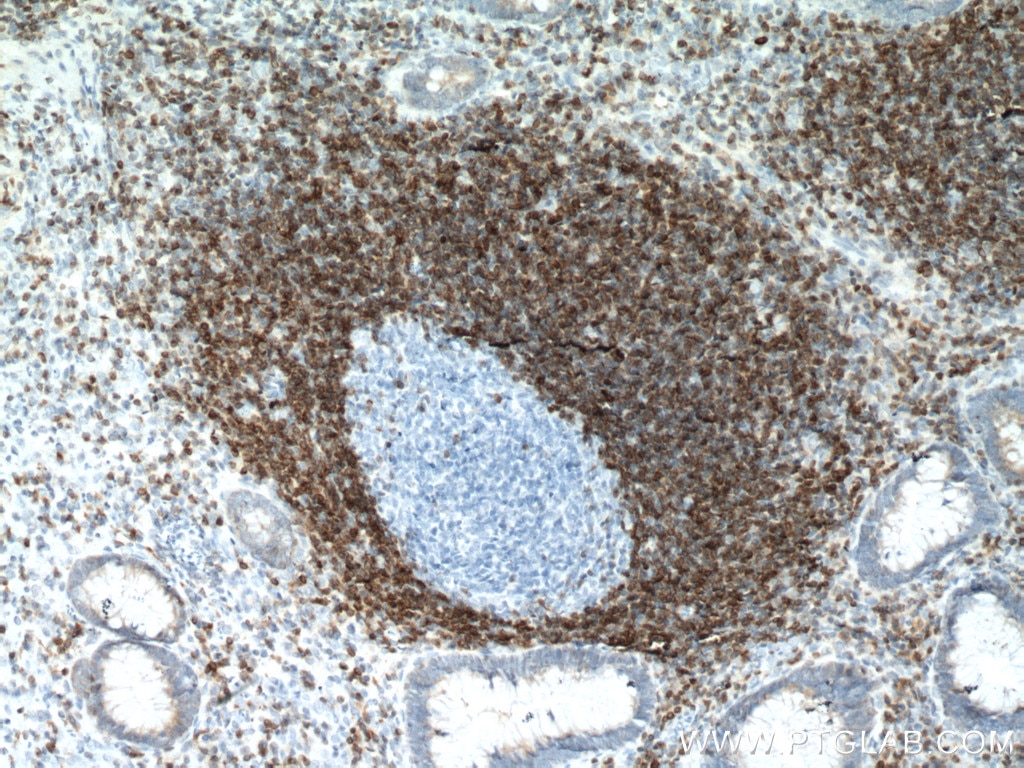
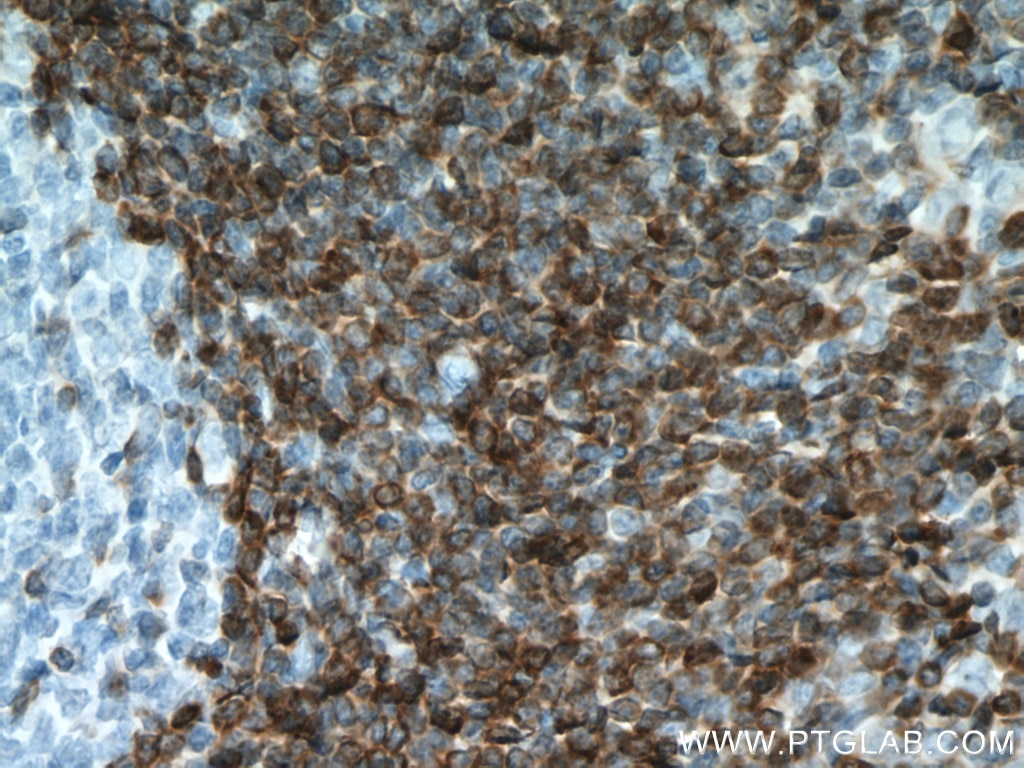
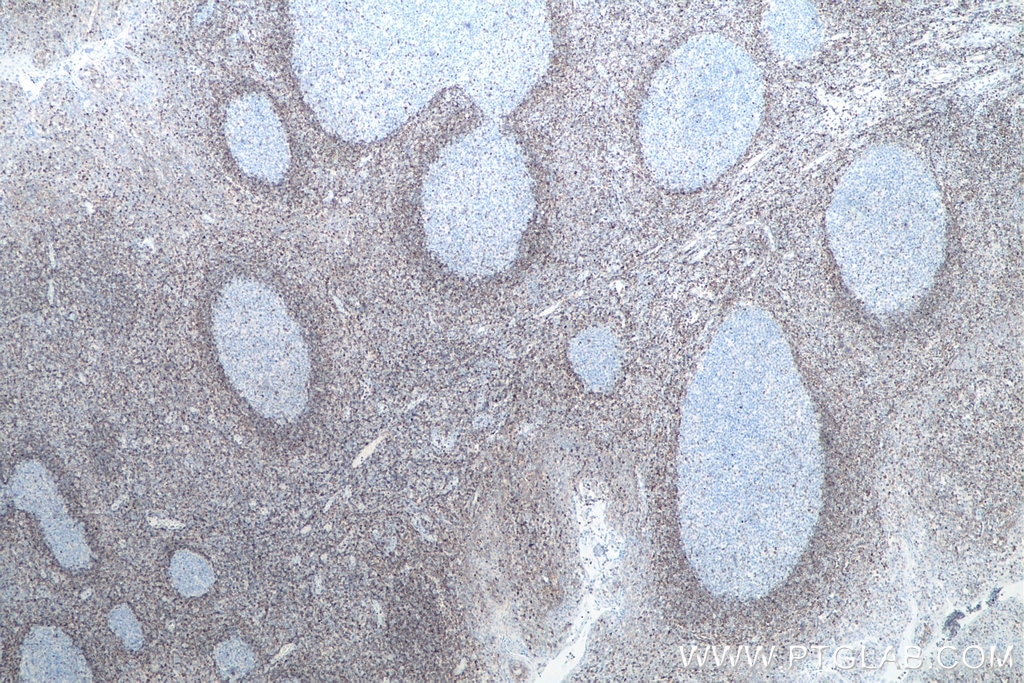
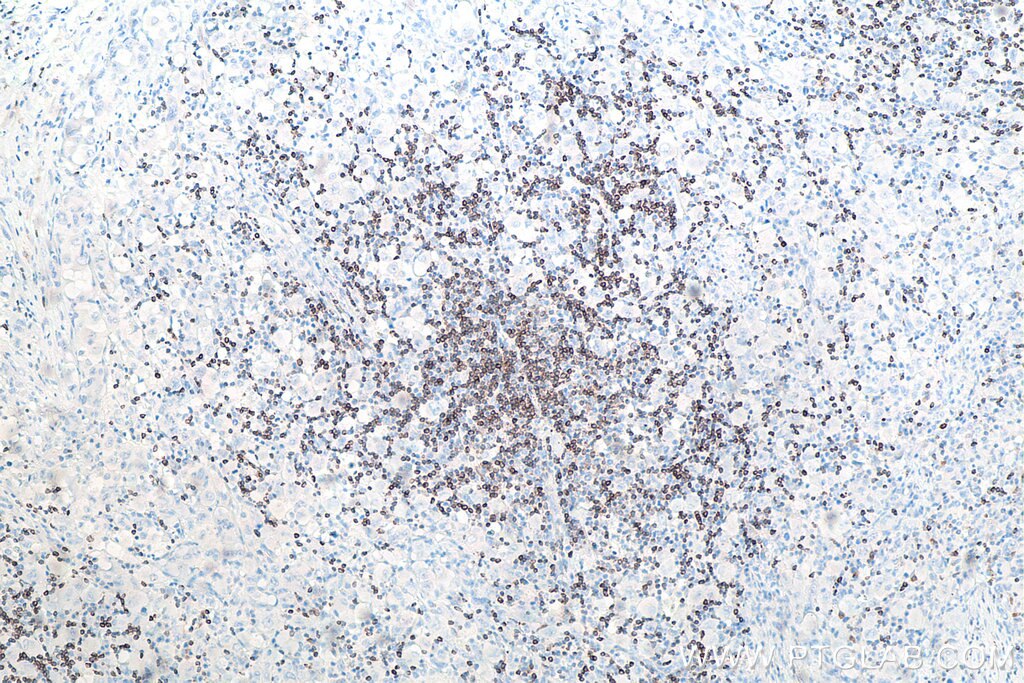
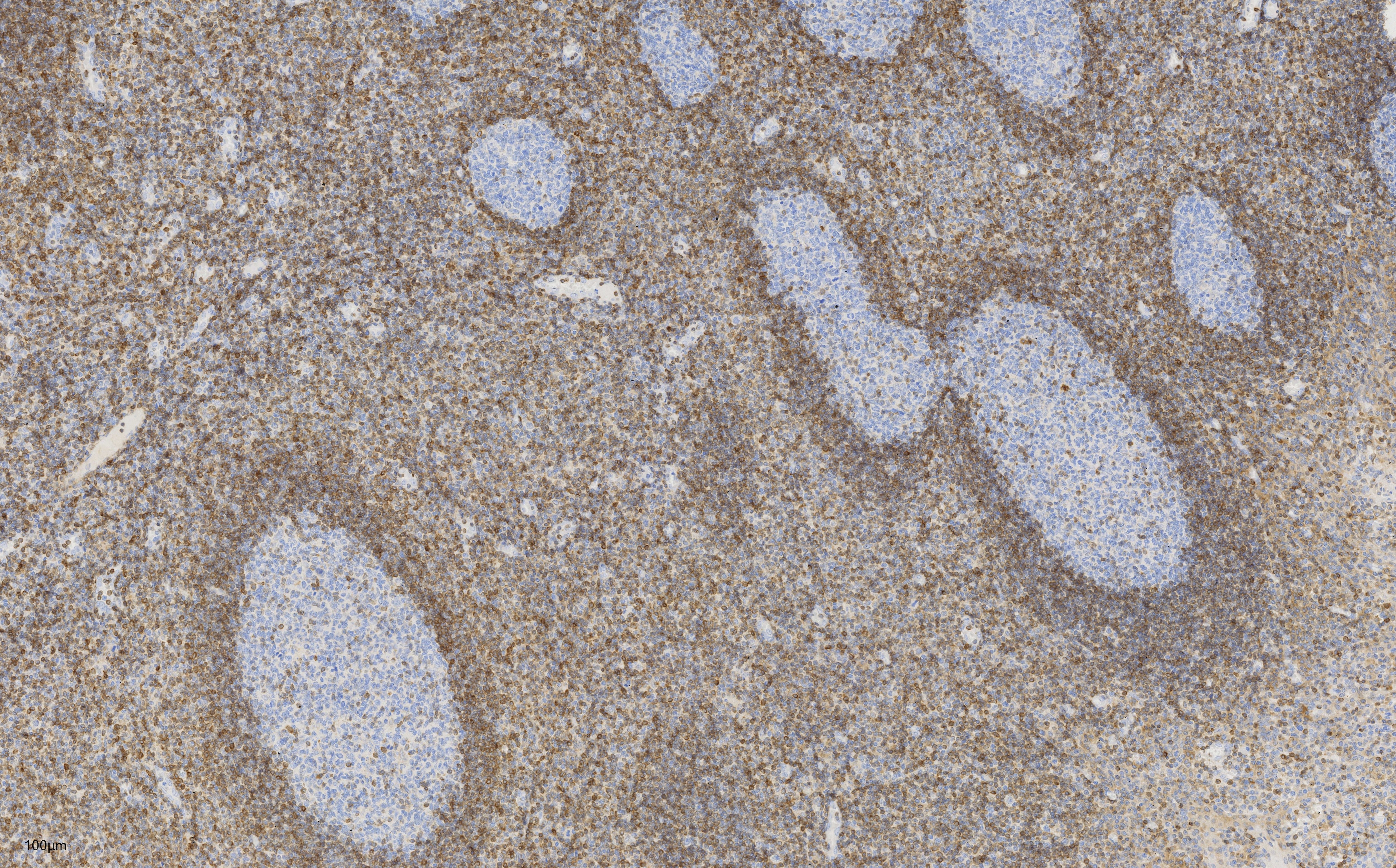
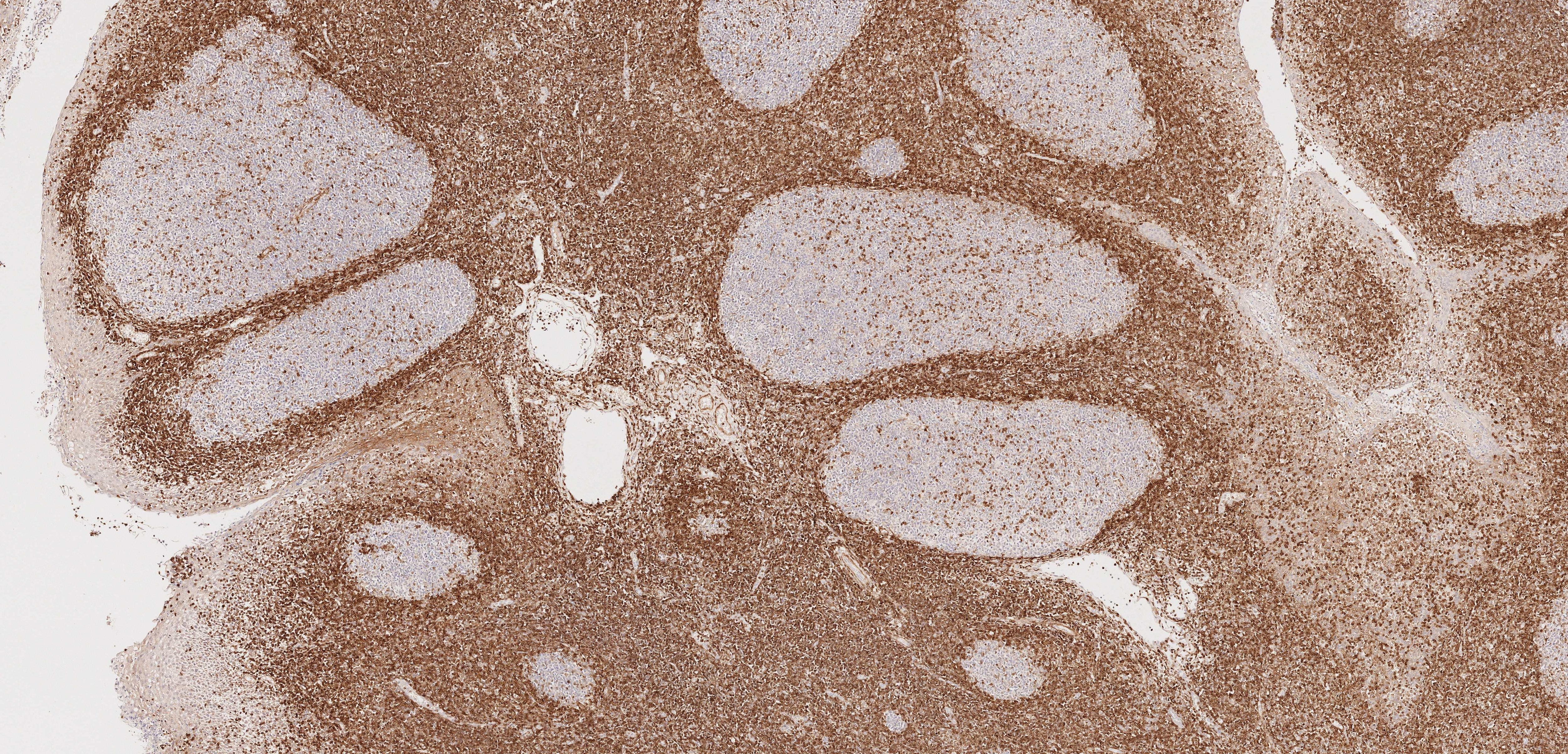
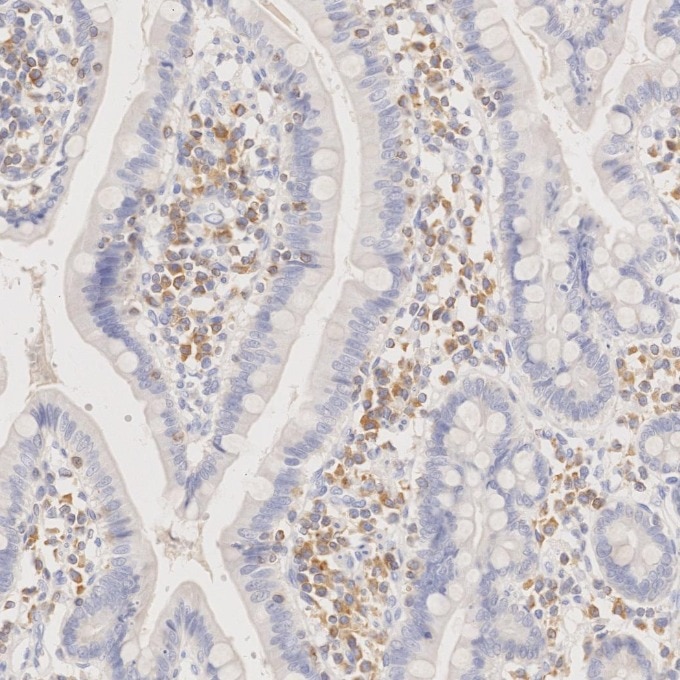
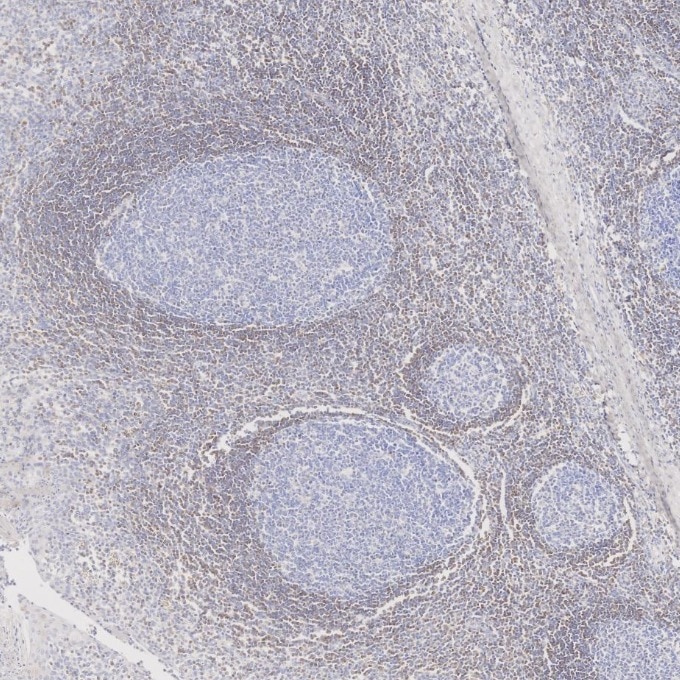
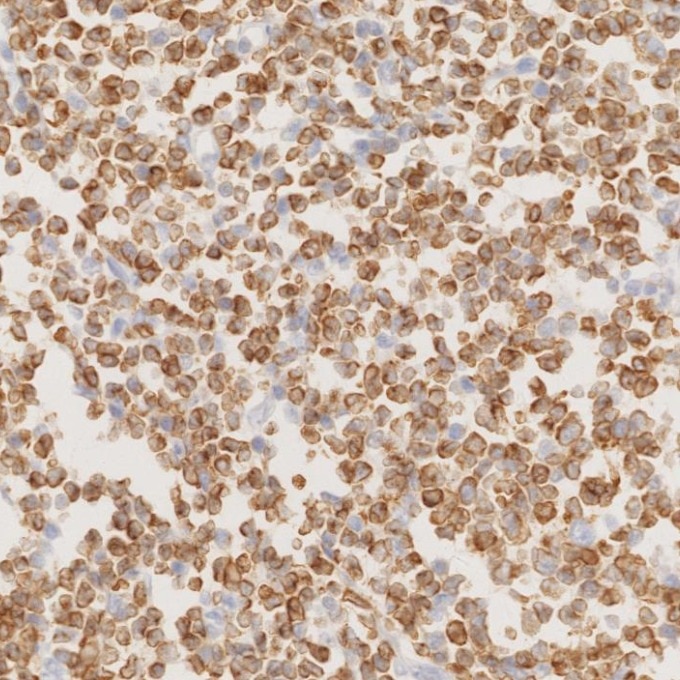
| Positive IHC-Autostainer detected in | human small intestine tissue, human lymphoma tissue, human tonsillitis tissue |
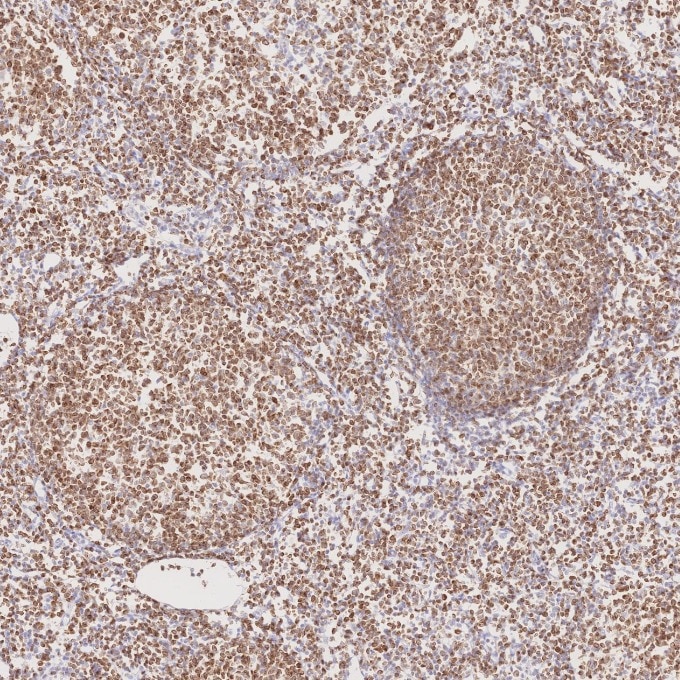
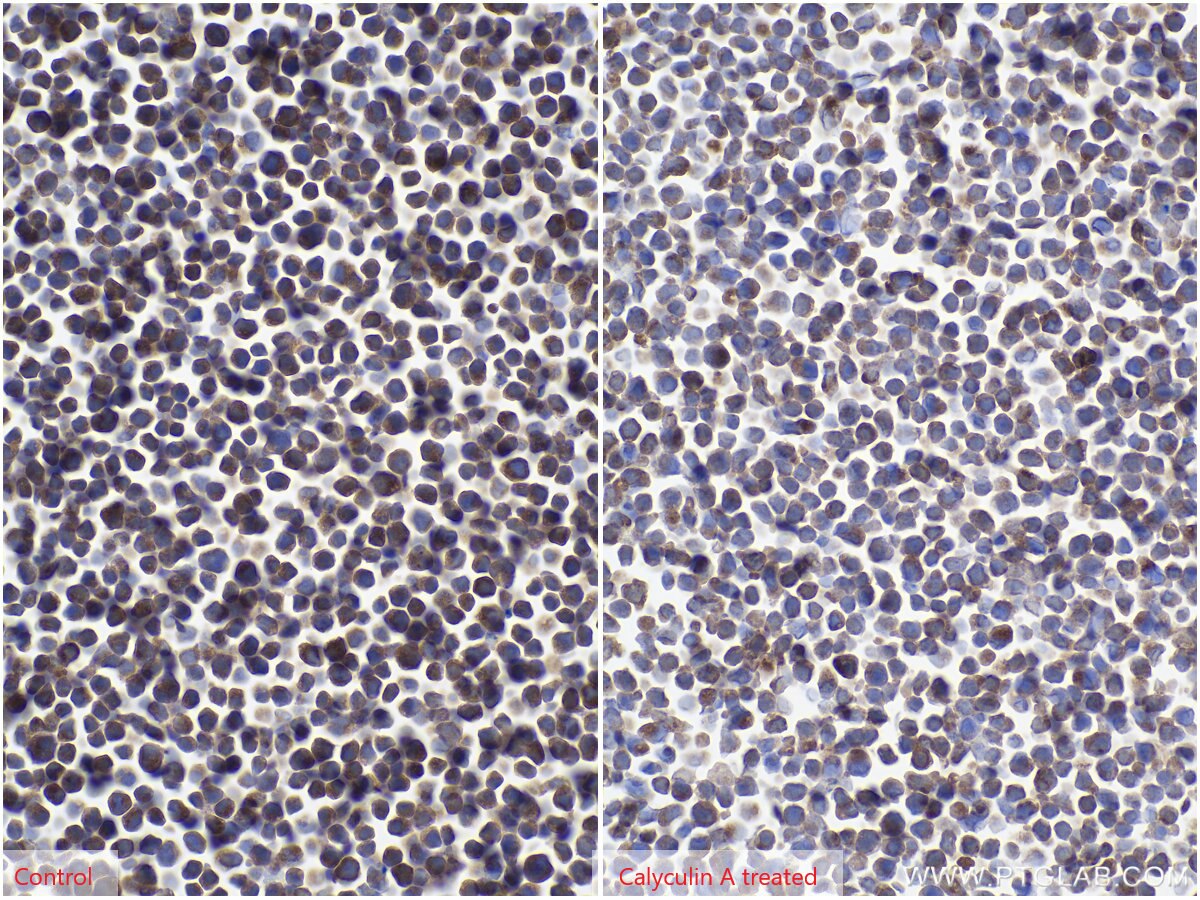
| Positive IHC detected in | human tonsillitis tissue, human appendicitis tissue, Jurkat cells, human lymphoma tissue Note: suggested antigen retrieval with TE buffer pH 9.0; (*) Alternatively, antigen retrieval may be performed with citrate buffer pH 6.0 |
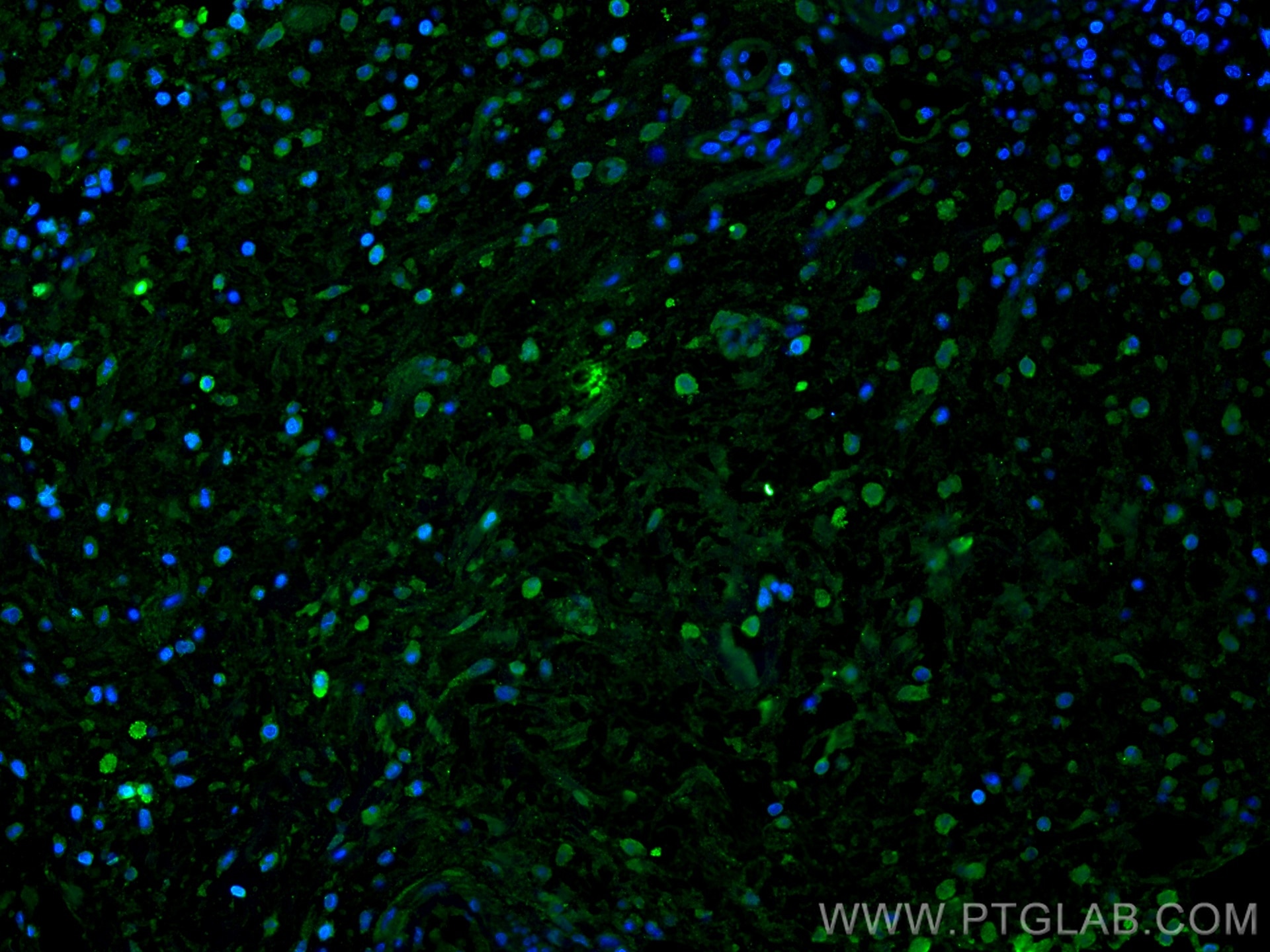
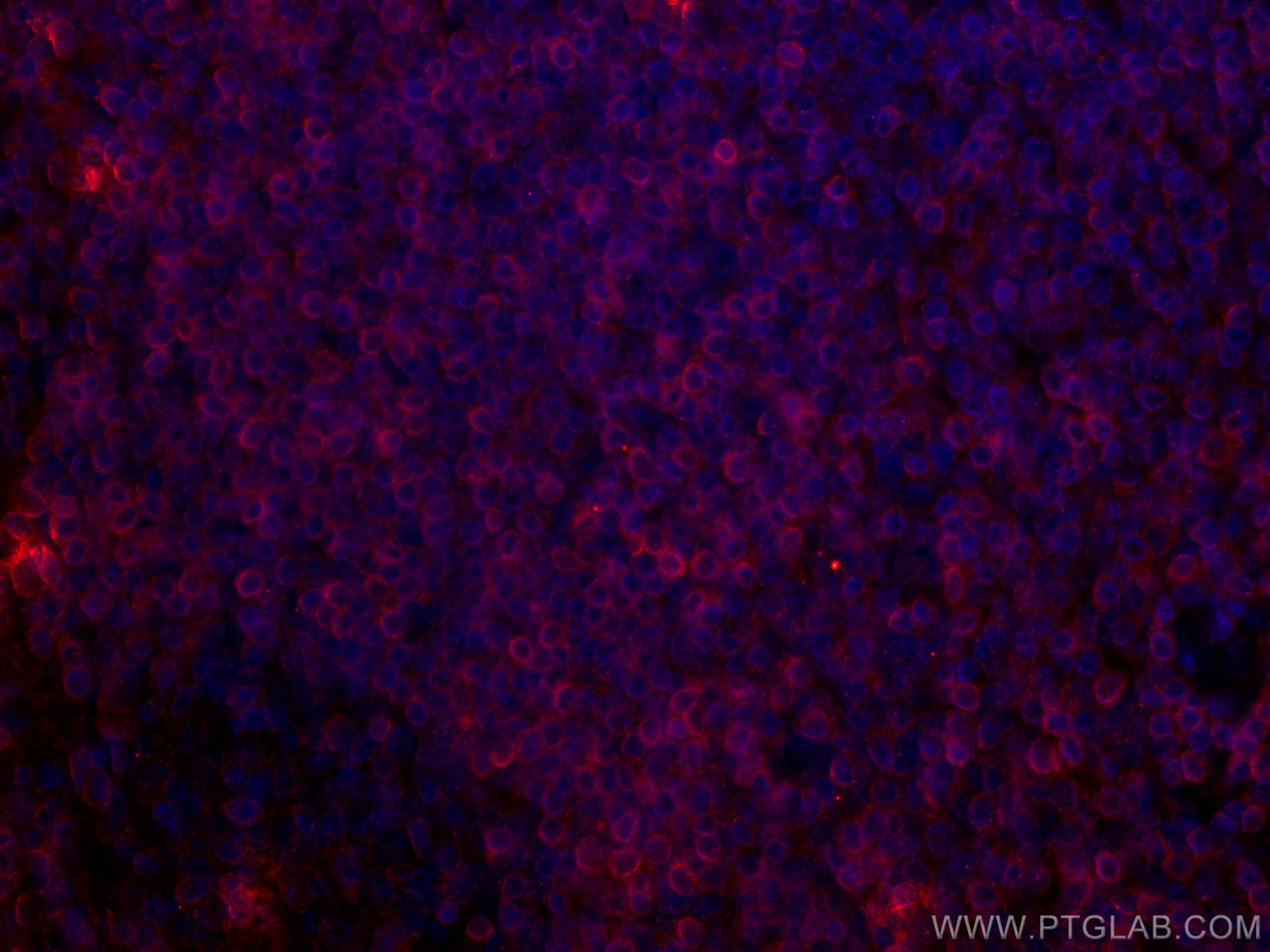
| Positive IF-P detected in | human appendicitis tissue, human tonsillitis tissue |
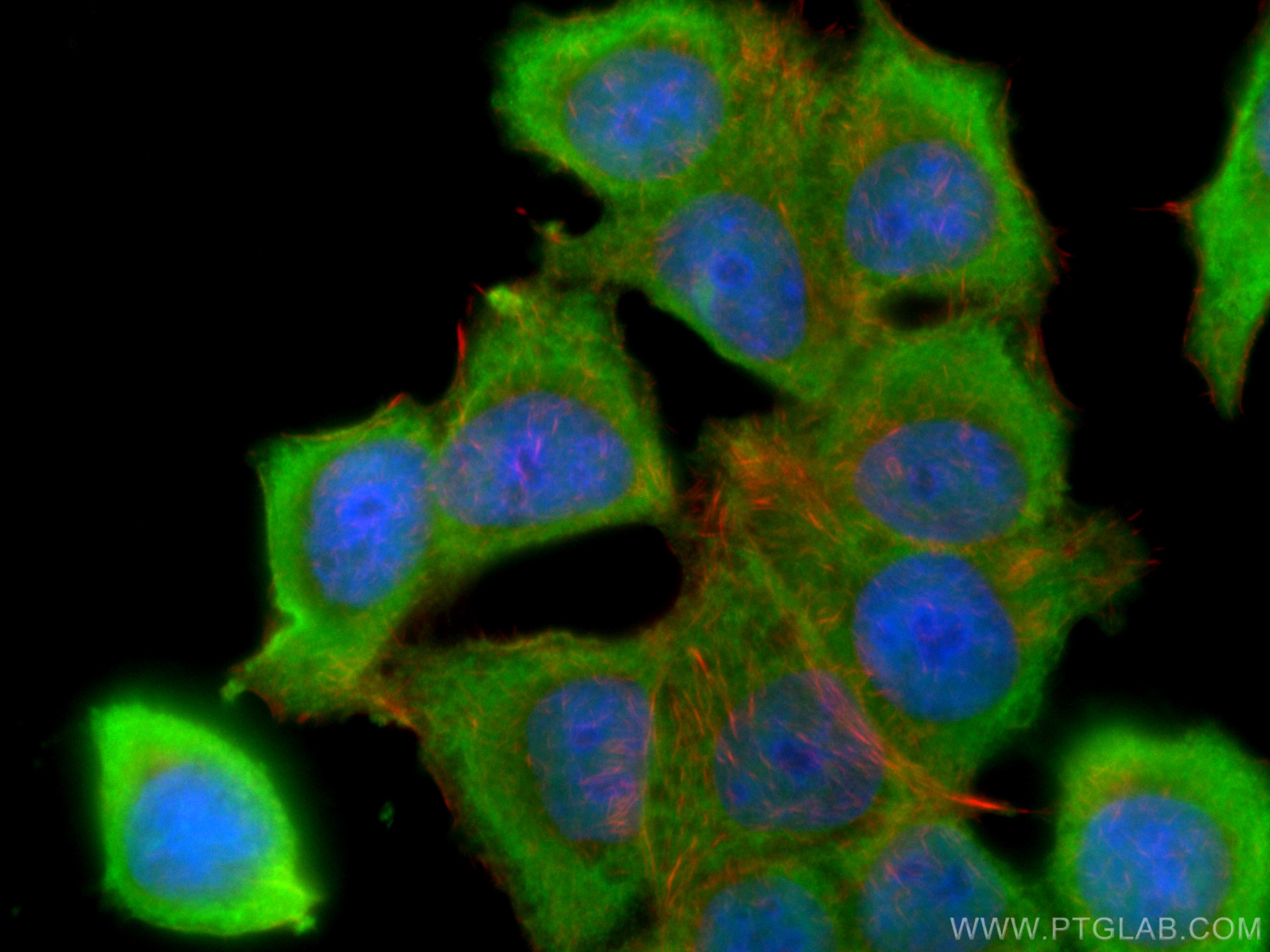
| Positive IF/ICC detected in | MCF-7 cells |
Recommended dilution
| Application | Dilution |
|---|---|
| Immunoprecipitation (IP) | IP : 0.5-4.0 ug for 1.0-3.0 mg of total protein lysate |
| Immunohistochemistry (IHC)-AUTOSTAINER | IHC-AUTOSTAINER : 1:2500-1:10000 |
| Immunohistochemistry (IHC) | IHC : 1:5000-1:20000 |
| Immunofluorescence (IF)-P | IF-P : 1:50-1:500 |
| Immunofluorescence (IF)/ICC | IF/ICC : 1:200-1:800 |
| It is recommended that this reagent should be titrated in each testing system to obtain optimal results. | |
| Sample-dependent, Check data in validation data gallery. | |
Published Applications
| IHC | See 21 publications below |
| IF | See 10 publications below |
| IP | See 2 publications below |
| CoIP | See 2 publications below |
Product Information
60178-1-Ig targets BCL2 in IHC, IHC-Autostainer, IF/ICC, IF-P, IP, CoIP, ELISA applications and shows reactivity with human, pig samples.
| Tested Reactivity | human, pig |
| Cited Reactivity | human, pig, rabbit, monkey, bovine, hamster |
| Host / Isotype | Mouse / IgG2b |
| Class | Monoclonal |
| Type | Antibody |
| Immunogen |
CatNo: Ag3508 Product name: Recombinant human BCL2 protein Source: e coli.-derived, PGEX-4T Tag: GST Domain: 1-239 aa of BC027258 Sequence: MAHAGRTGYDNREIVMKYIHYKLSQRGYEWDAGDVGAAPPGAAPAPGIFSSQPGHTPHPAASRDPVARTSPLQTPAAPGAAAGPALSPVPPVVHLTLRQAGDDFSRRYRRDFAEMSSQLHLTPFTARGRFATVVEELFRDGVNWGRIVAFFEFGGVMCVESVNREMSPLVDNIALWMTEYLNRHLHTWIQDNGGWDAFVELYGPSMRPLFDFSWLSLKTLLSLALVGACITLGAYLGHK 相同性解析による交差性が予測される生物種 |
| Full Name | B-cell CLL/lymphoma 2 |
| Calculated molecular weight | 26 kDa |
| Observed molecular weight | 26 kDa |
| GenBank accession number | BC027258 |
| Gene Symbol | BCL2 |
| Gene ID (NCBI) | 596 |
| RRID | AB_10734459 |
| Conjugate | Unconjugated |
| Form | |
| Form | Liquid |
| Purification Method | Protein A purification |
| UNIPROT ID | P10415 |
| Storage Buffer | PBS with 0.02% sodium azide and 50% glycerol{{ptg:BufferTemp}}7.3 |
| Storage Conditions | Store at -20°C. Stable for one year after shipment. Aliquoting is unnecessary for -20oC storage. |
Background Information
1) What is Bcl-2?
Bcl-2 (B-cell lymphoma 2) is an outer mitochondrial membrane protein that via heterodimerization with BAX proteins controls apoptosis. Abnormalities of Bcl-2 activity can lead to cancer, autoimmune diseases, and schizophrenia.2) FAQs for Bcl-2
A) How to measure Bcl-2 and Bax apoptotic markers by western blotting
Generally, Bcl-2 protein is considered to have anti-apoptotic activity, while Bax has apoptotic activity. Comparing the ratio between Bcl-2 and Bax protein levels in different samples or cells subjected to treatments can reflect the apoptotic state of the cells. Expression of Bax can vary between cell lines and it is important to compare it to Bcl-2 levels.
B) What band size should I expect in western blotting for Bcl-2?
The molecular weight of Bcl-2 is 26 kDa.
Protocols
| Product Specific Protocols | |
|---|---|
| IF protocol for BCL2 antibody 60178-1-Ig | Download protocol |
| IHC protocol for BCL2 antibody 60178-1-Ig | Download protocol |
| IP protocol for BCL2 antibody 60178-1-Ig | Download protocol |
| Standard Protocols | |
|---|---|
| Click here to view our Standard Protocols |
Publications
| Species | Application | Title |
|---|---|---|
Signal Transduct Target Ther Inducible CD147 up-regulation boosts extended SARS-CoV-2 infection triggering severe COVID-19 independent of ACE2. | ||
J Extracell Vesicles Extracellular vesicles derived from oesophageal cancer containing P4HB promote muscle wasting via regulating PHGDH/Bcl-2/caspase-3 pathway. | ||
Autophagy Periplocin suppresses the growth of colorectal cancer cells by triggering LGALS3 (galectin 3)-mediated lysophagy | ||
Autophagy TSPAN1 promotes autophagy flux and mediates cooperation between WNT-CTNNB1 signaling and autophagy via the MIR454-FAM83A-TSPAN1 axis in pancreatic cancer. | ||
Nat Commun Integrative proteogenomic characterization reveals therapeutic targets in poorly differentiated and anaplastic thyroid cancers |