
Validation Data Gallery
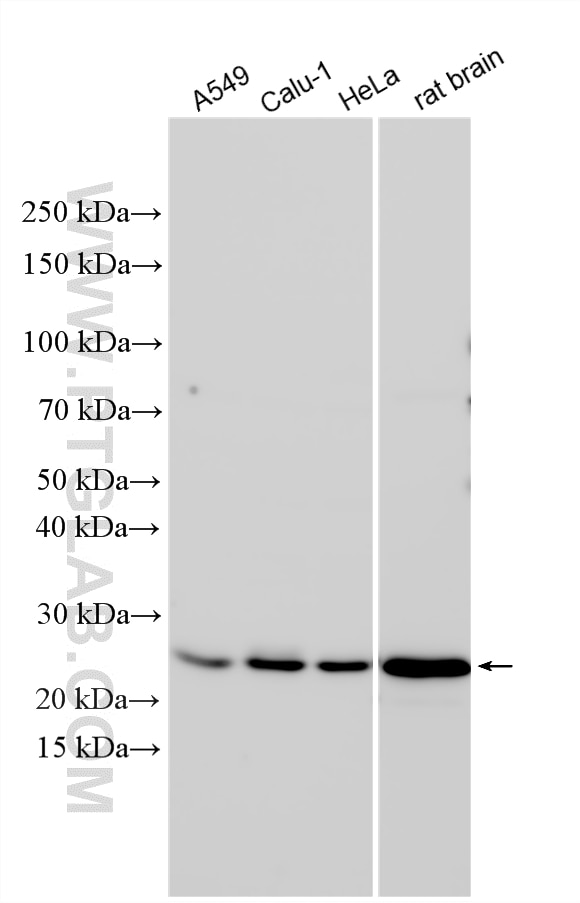
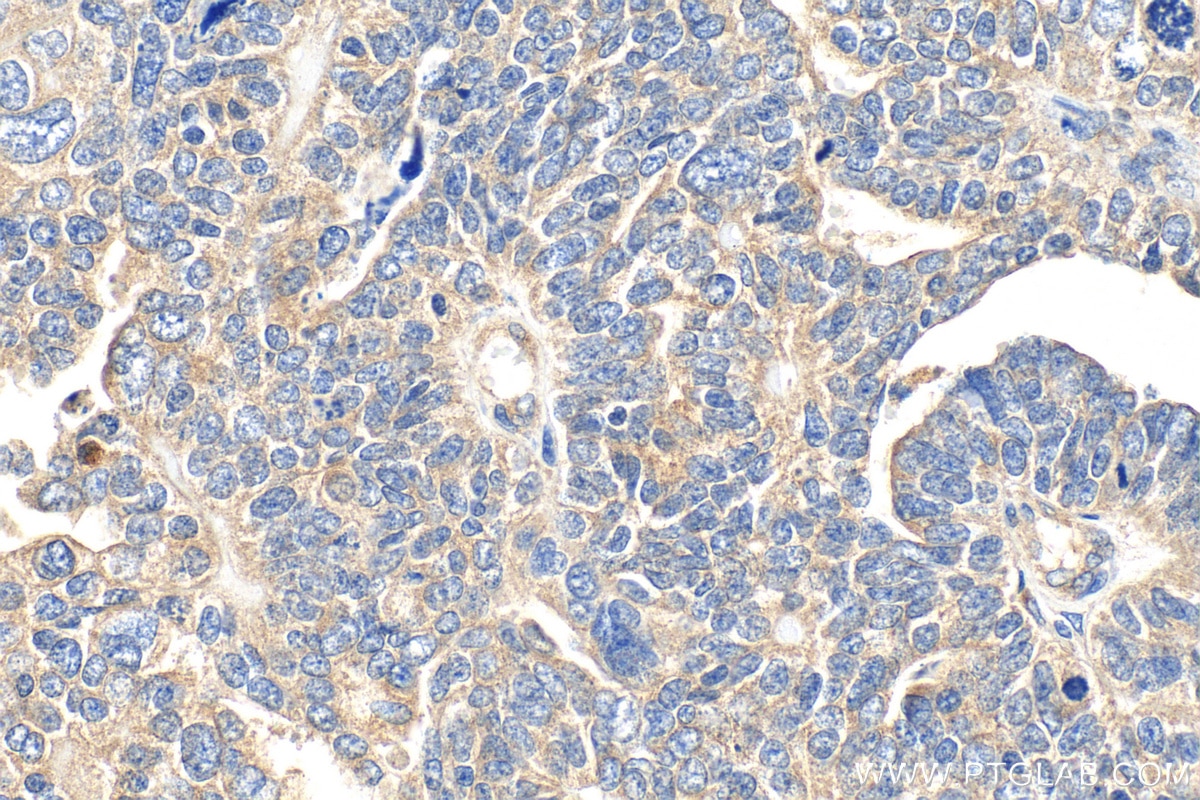
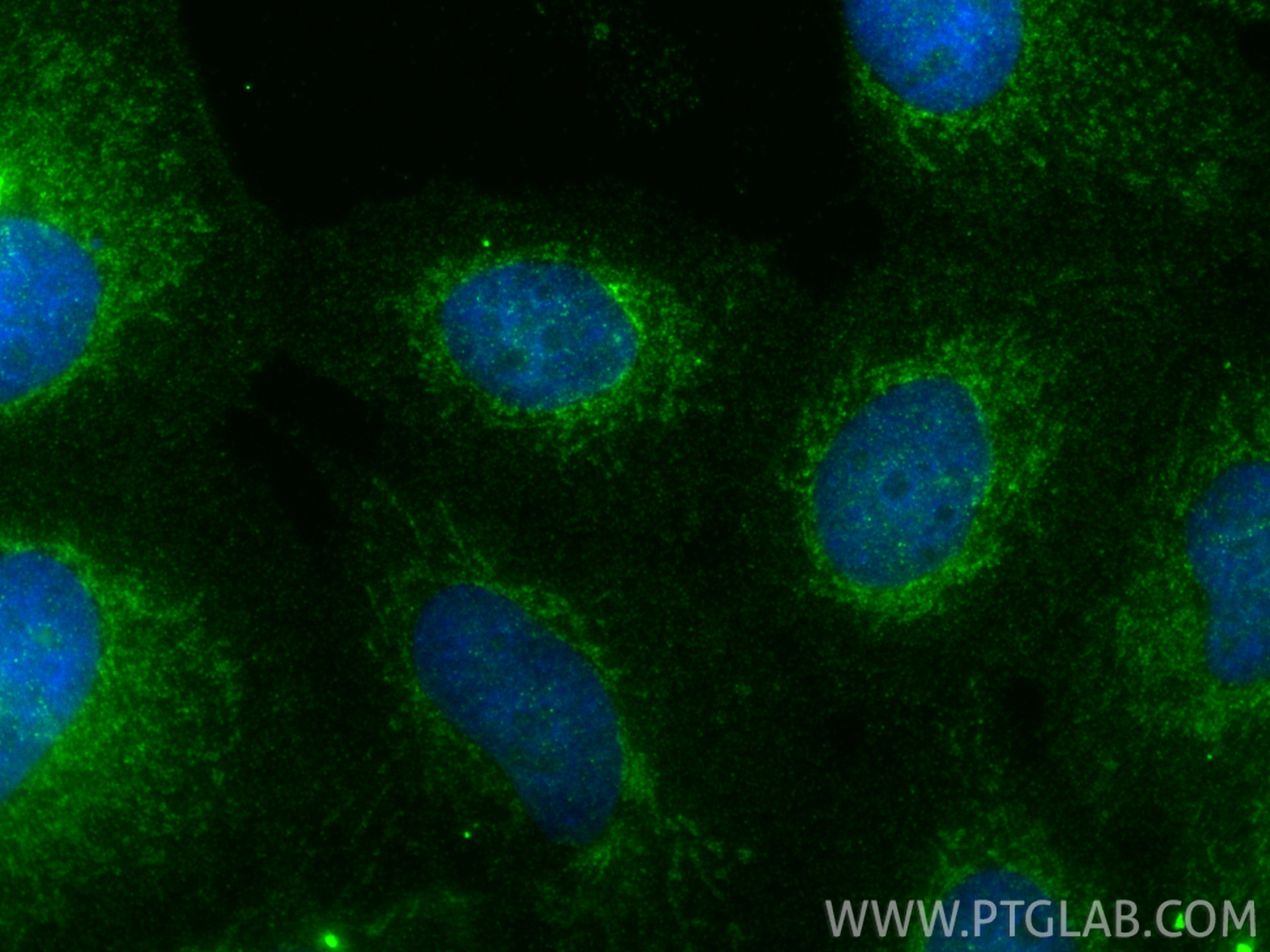
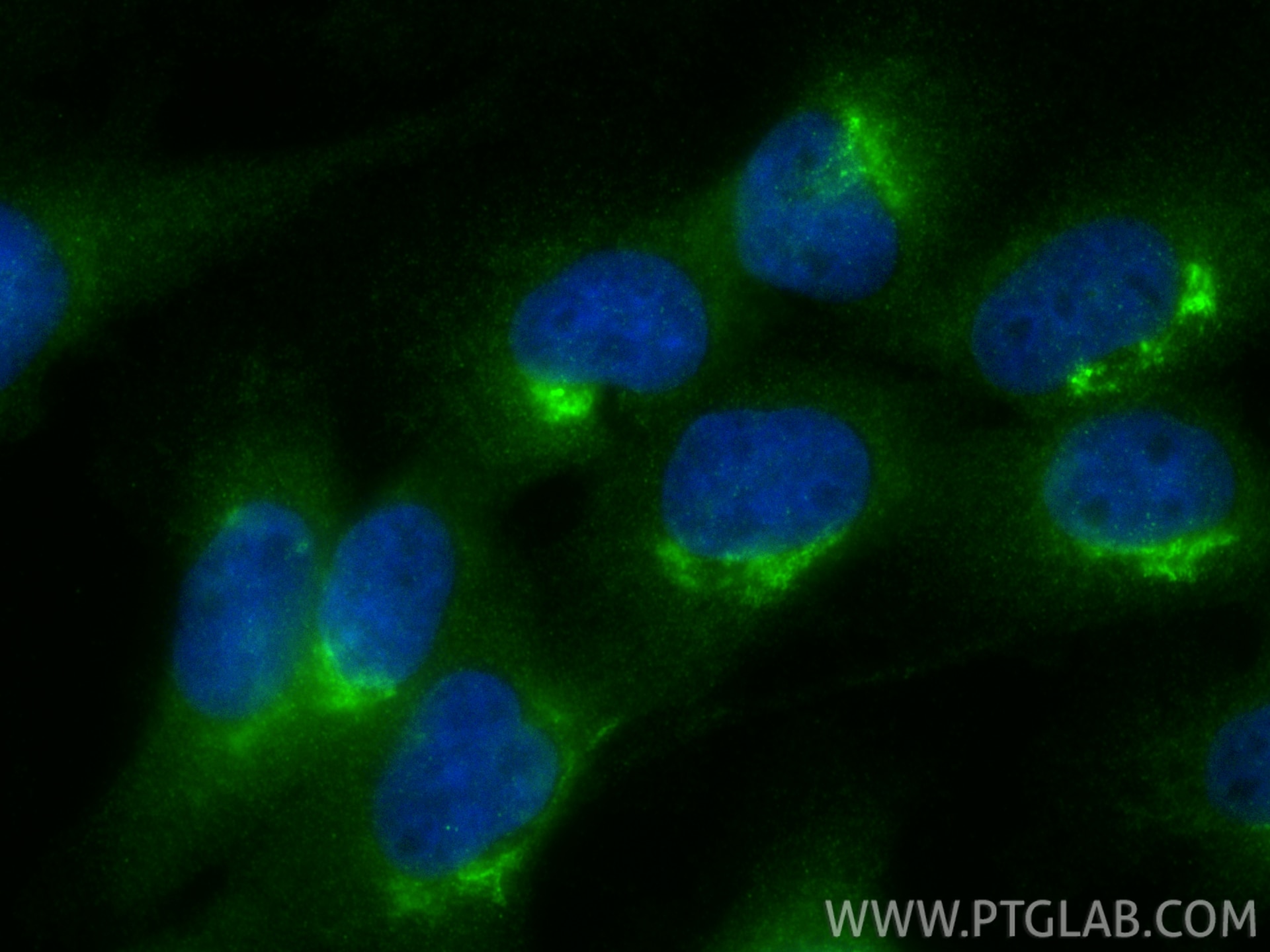
Tested Applications
Recommended dilution
| Application | Dilution |
|---|---|
| It is recommended that this reagent should be titrated in each testing system to obtain optimal results. | |
Product Information
33685-1-PBS targets YKT6 in WB, IHC, IF/ICC, Indirect ELISA applications and shows reactivity with human, rat samples.
| Tested Reactivity | human, rat |
| Host / Isotype | Rabbit / IgG |
| Class | Polyclonal |
| Type | Antibody |
| Immunogen |
CatNo: Ag38740 Product name: Recombinant human YKT6 protein Source: e coli.-derived, PGEX-4T Tag: GST Domain: 111-198 aa of BC007319 Sequence: PVGSPATIHYPALDGHLSRYQNPREADPMTKVQAELDETKIILHNTMESLLERGEKLDDLVSKSEVLGTQSKAFYKTARKQNSCCAIM 相同性解析による交差性が予測される生物種 |
| Full Name | YKT6 v-SNARE homolog (S. cerevisiae) |
| Calculated molecular weight | 22 kDa |
| Observed molecular weight | 25 kDa |
| GenBank accession number | BC007319 |
| Gene Symbol | YKT6 |
| Gene ID (NCBI) | 10652 |
| RRID | AB_3743050 |
| Conjugate | Unconjugated |
| Form | |
| Form | Liquid |
| Purification Method | Antigen affinity Purification |
| UNIPROT ID | O15498 |
| Storage Buffer | PBS only{{ptg:BufferTemp}}7.3 |
| Storage Conditions | Store at -80°C. |
Background Information
YKT6 is a soluble N-ethylmaleimide-sensitive factor attachment protein receptor (SNARE) that plays a central role in membrane fusion in eukaryotic cells. It is primarily localized in the cytoplasm and, through its unique dual lipidation modification (palmitoylation and farnesylation), can associate with various organelle membranes, such as the Golgi apparatus, endosomes, and vesicles. By forming stable trans-SNARE complexes with other SNARE proteins (e.g., Syntaxin and SNAP-25 family members) on target membranes, YKT6 provides the driving force for membrane fusion, thereby facilitating intracellular trafficking. This protein is essential for maintaining organelle integrity, autophagy, and secretory pathways. Studies have shown that dysfunction of YKT6 is associated with various diseases, including cancer, neurodegenerative disorders, and metabolic abnormalities, making it a potential target for drug development.