
Validation Data Gallery
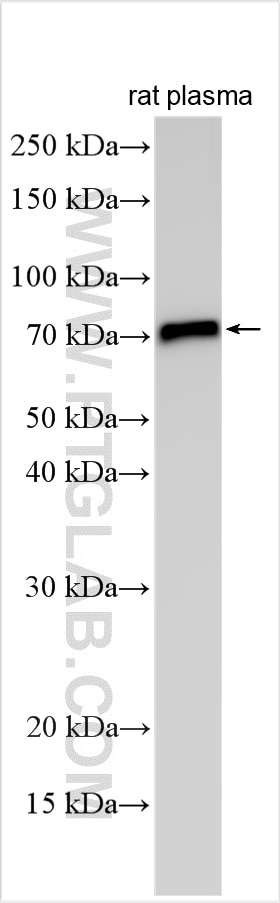
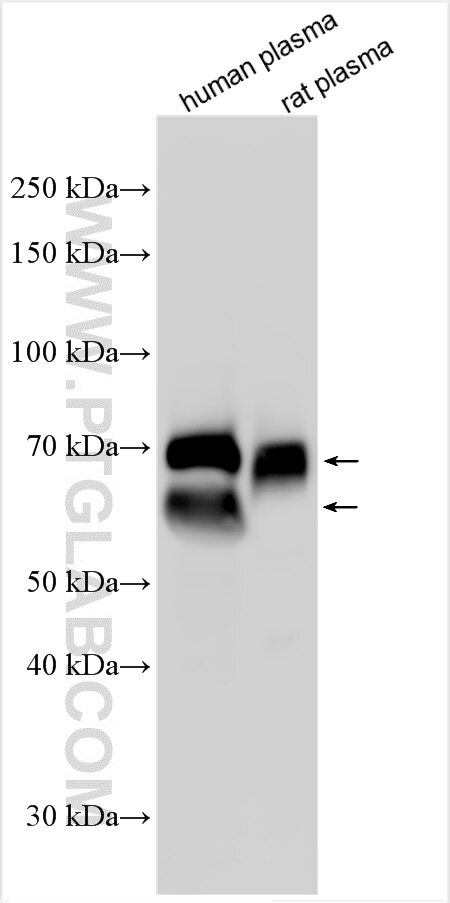
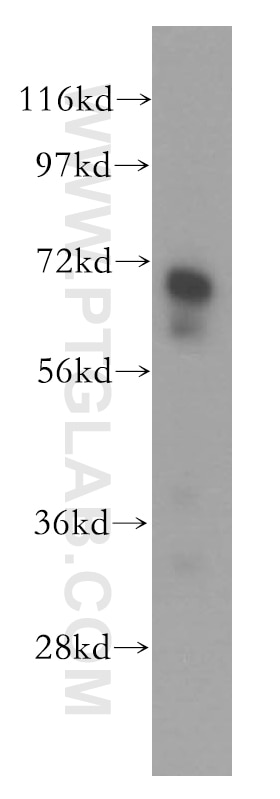
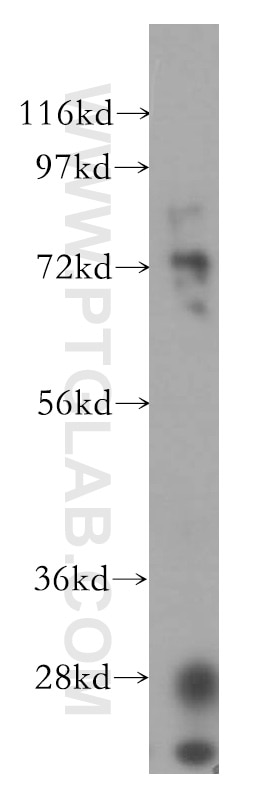
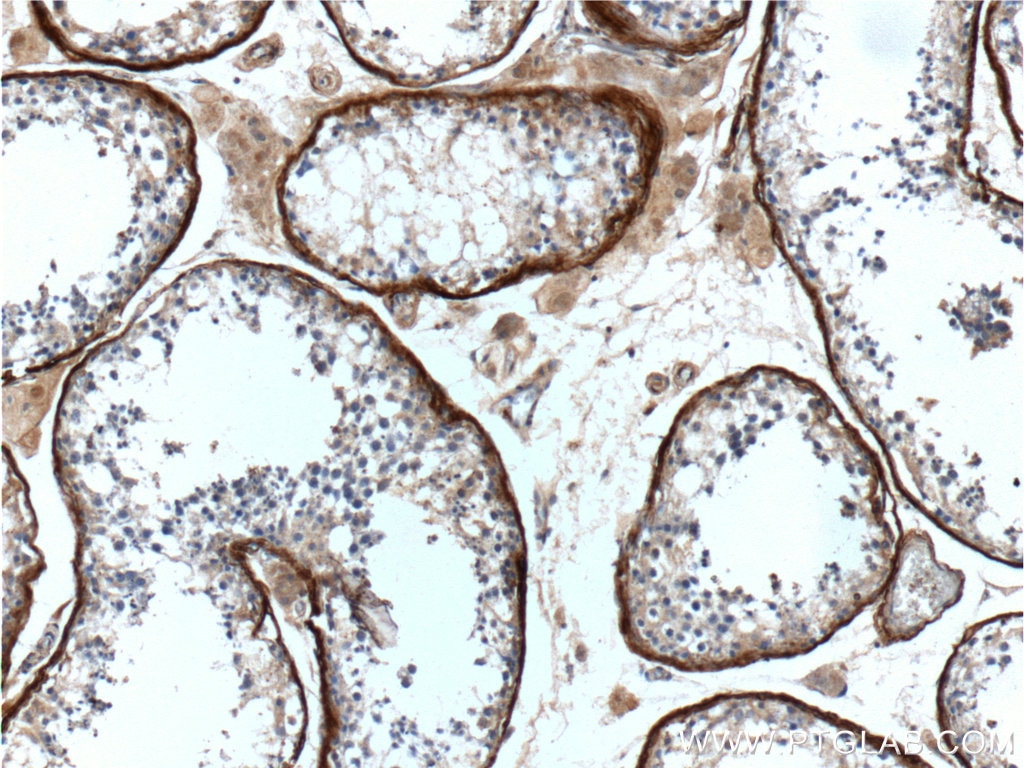
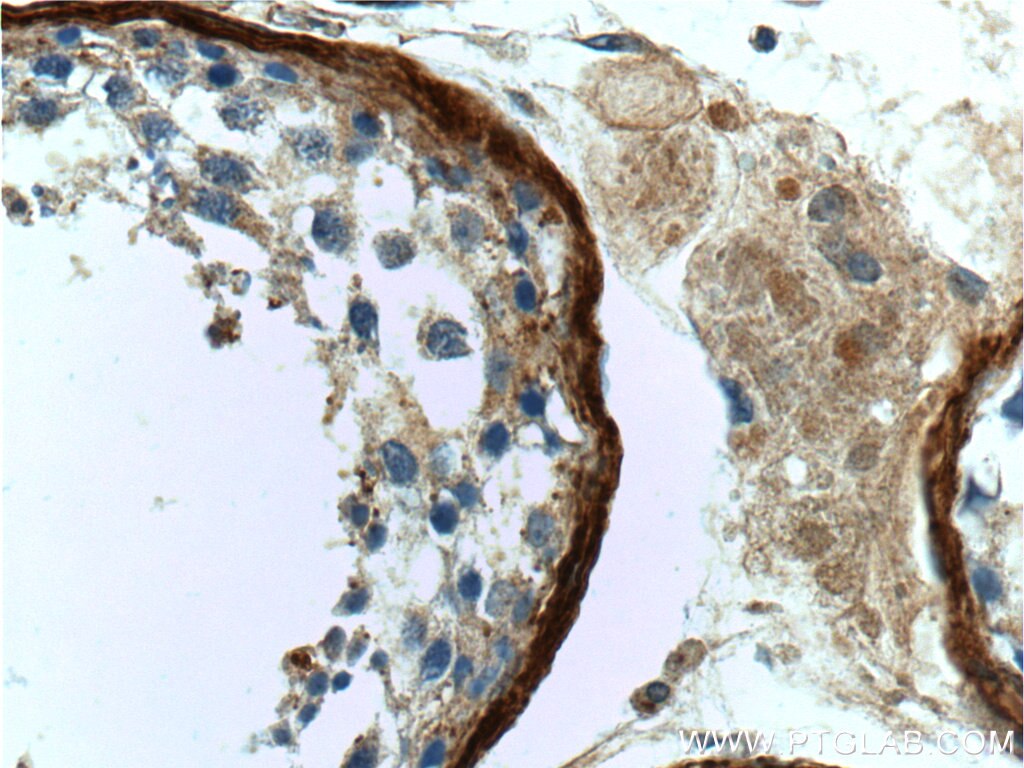
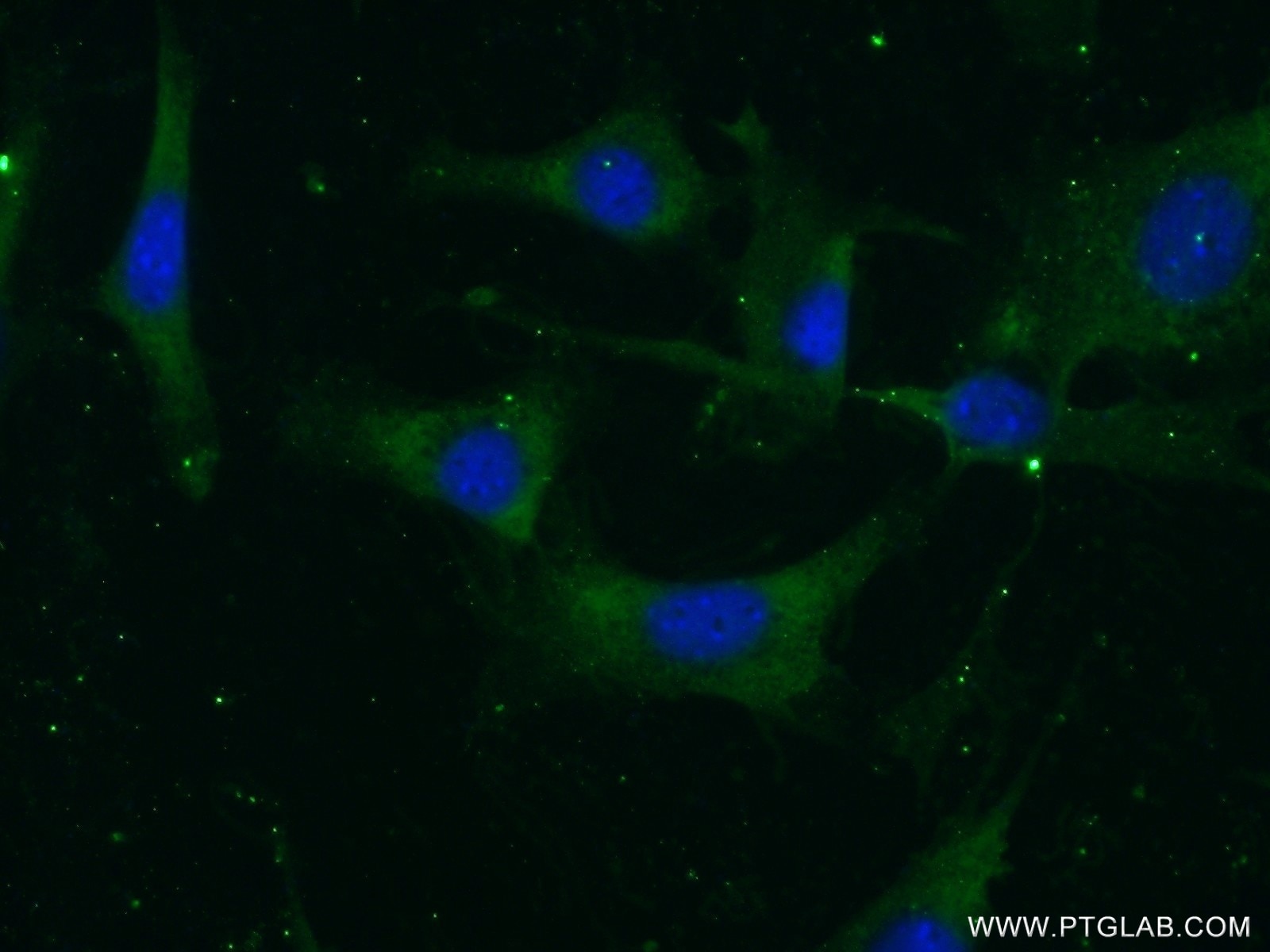
Tested Applications
| Positive WB detected in | rat plasma, human plasma, human testis tissue, NIH/3T3 cells |
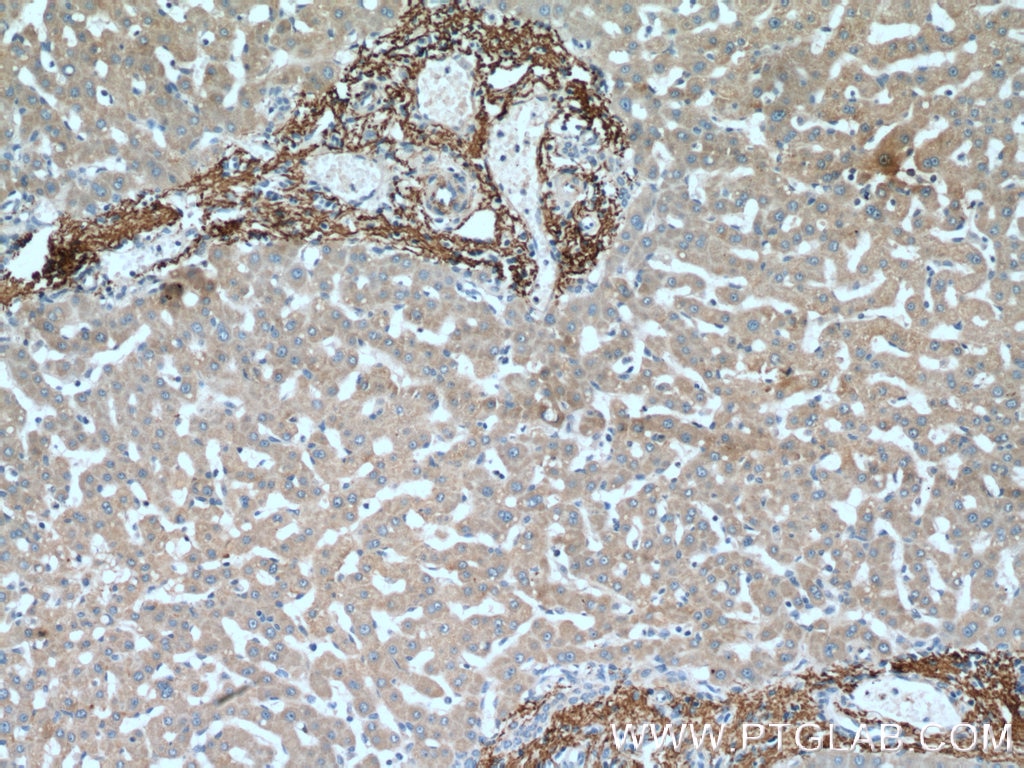
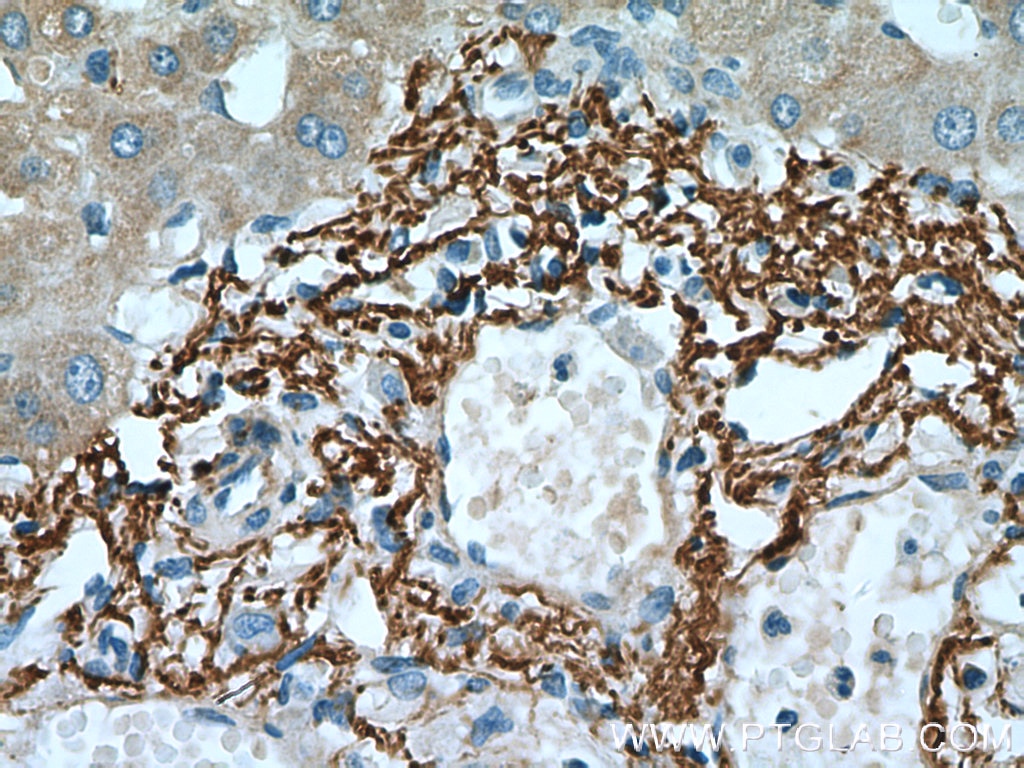
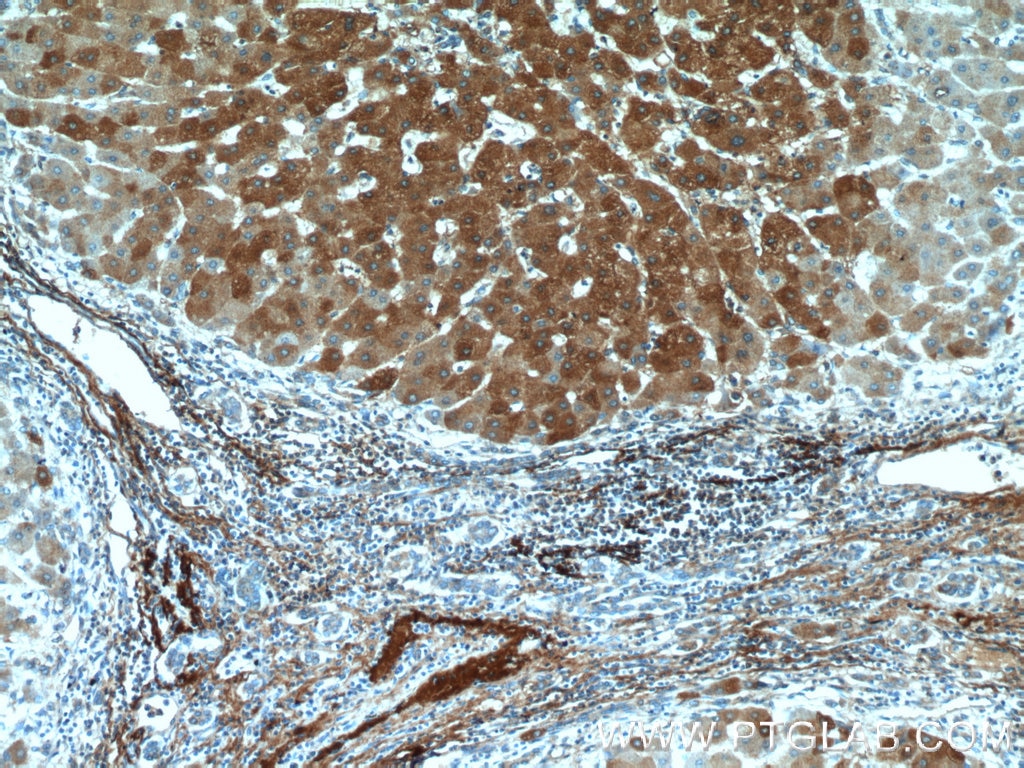
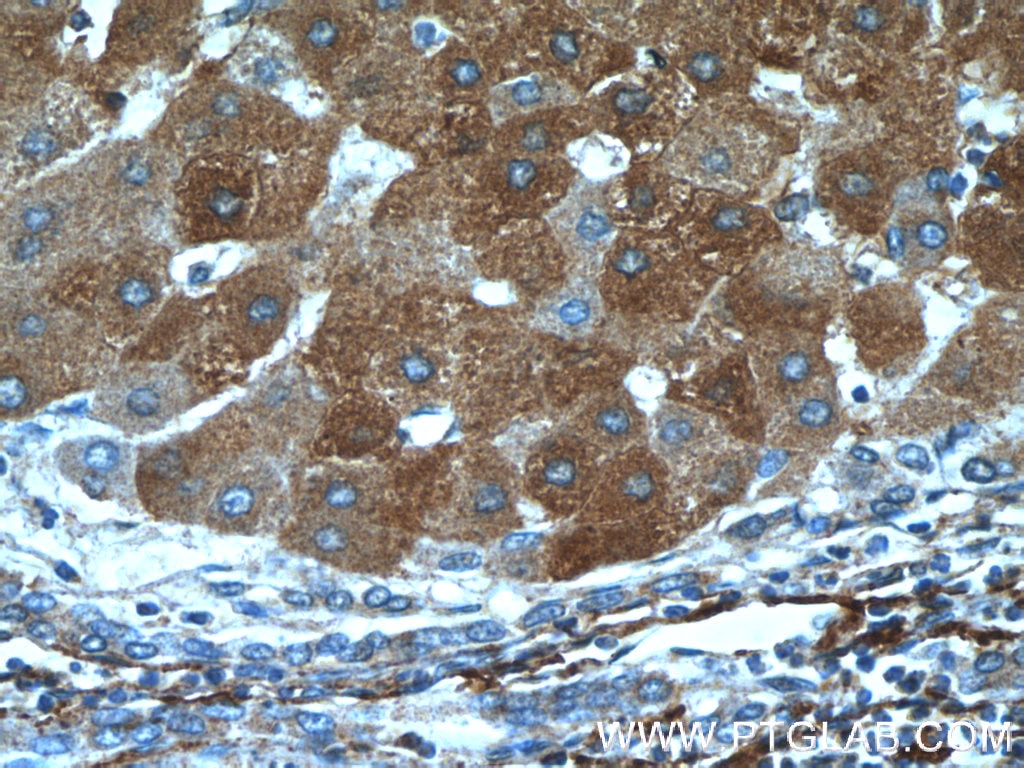
| Positive IHC detected in | human liver tissue, human hepatocirrhosis tissue, human testis tissue Note: suggested antigen retrieval with TE buffer pH 9.0; (*) Alternatively, antigen retrieval may be performed with citrate buffer pH 6.0 |
| Positive IF/ICC detected in | NIH/3T3 cells |
Recommended dilution
| Application | Dilution |
|---|---|
| Western Blot (WB) | WB : 1:5000-1:50000 |
| Immunohistochemistry (IHC) | IHC : 1:50-1:500 |
| Immunofluorescence (IF)/ICC | IF/ICC : 1:50-1:500 |
| It is recommended that this reagent should be titrated in each testing system to obtain optimal results. | |
| Sample-dependent, Check data in validation data gallery. | |
Published Applications
| KD/KO | See 1 publications below |
| WB | See 21 publications below |
| IHC | See 7 publications below |
| IF | See 9 publications below |
| IP | See 1 publications below |
Product Information
15833-1-AP targets Vitronectin/S-protein in WB, IHC, IF/ICC, IP, ELISA applications and shows reactivity with human, mouse, rat samples.
| Tested Reactivity | human, mouse, rat |
| Cited Reactivity | human, mouse, rat, pig, plasmodium falciparum |
| Host / Isotype | Rabbit / IgG |
| Class | Polyclonal |
| Type | Antibody |
| Immunogen |
CatNo: Ag8443 Product name: Recombinant human VTN protein Source: e coli.-derived, PGEX-4T Tag: GST Domain: 126-478 aa of BC005046 Sequence: EVGASKPEGIDSRPETLHPGRPQPPAEEELCSGKPFDAFTDLKNGSLFAFRGQYCYELDEKAVRPGYPKLIRDVWGIEGPIDAAFTRINCQGKTYLFKGSQYWRFEDGVLDPDYPRNISDGFDGIPDNVDAALALPAHSYSGRERVYFFKGKQYWEYQFQHQPSQEECEGSSLSAVFEHFAMMQRDSWEDIFELLFWGRTSAGTRQPQFISRDWHGVPGQVDAAMAGRIYISGMAPRPSLAKKQRFRHRNRKGYRSQRGHSRGRNQNSRRPSRAMWLSLFSSEESNLGANNYDDYRMDWLVPATCEPIQSVFFFSGDKYYRVNLRTRRVDTVDPPYPRSIAQYWLGCPAPGHL 相同性解析による交差性が予測される生物種 |
| Full Name | vitronectin |
| Calculated molecular weight | 478 aa, 54 kDa |
| Observed molecular weight | 70-75 kDa, 65 kDa |
| GenBank accession number | BC005046 |
| Gene Symbol | VTN |
| Gene ID (NCBI) | 7448 |
| RRID | AB_2216309 |
| Conjugate | Unconjugated |
| Form | |
| Form | Liquid |
| Purification Method | Antigen affinity purification |
| UNIPROT ID | P04004 |
| Storage Buffer | PBS with 0.02% sodium azide and 50% glycerol{{ptg:BufferTemp}}7.3 |
| Storage Conditions | Store at -20°C. Stable for one year after shipment. Aliquoting is unnecessary for -20oC storage. |
Background Information
Vitronectin is a glycoprotein present in blood and in the extracellular matrix (PMID: 10399314). Vitronectin is a multifunctional glycoprotein that mediates cell-to-substrate adhesion, inhibits the cytolytic action of the terminal complement cascade in vitro and binds to several serine protease inhibitors of the serpin family (PMID: 1372588).
Protocols
| Product Specific Protocols | |
|---|---|
| IF protocol for Vitronectin/S-protein antibody 15833-1-AP | Download protocol |
| IHC protocol for Vitronectin/S-protein antibody 15833-1-AP | Download protocol |
| WB protocol for Vitronectin/S-protein antibody 15833-1-AP | Download protocol |
| Standard Protocols | |
|---|---|
| Click here to view our Standard Protocols |
Publications
| Species | Application | Title |
|---|---|---|
Cell Stem Cell Region-specific cellular and molecular basis of liver regeneration after acute pericentral injury | ||
Cardiovasc Diabetol Targeting TFAM K76 acetylation attenuates mitochondrial dysfunction and kidney injury in diabetic kidney disease. | ||
Acta Biomater Intervertebral disc regeneration with an adipose mesenchymal stem cell-derived tissue-engineered construct in a rat nucleotomy model. | ||
Int J Biol Macromol Multi-omics analysis reveals the pre-protective mechanism of Dendrobium flexicaule polysaccharide against alcohol-induced gastric mucosal injury | ||
Cell Mol Gastroenterol Hepatol S-Adenosylmethionine Inhibits Plasminogen-Activating Inhibitor-1 and Protects Male Mice from FOLFOX-Induced Liver Injury | ||
Aging Cell Decellularized Aged Bruch's Membrane Confers Unique Biochemical Cues to Retinal Pigment Epithelium for In Vitro Modeling of Age-Related Macular Degeneration. |