
Validation Data Gallery
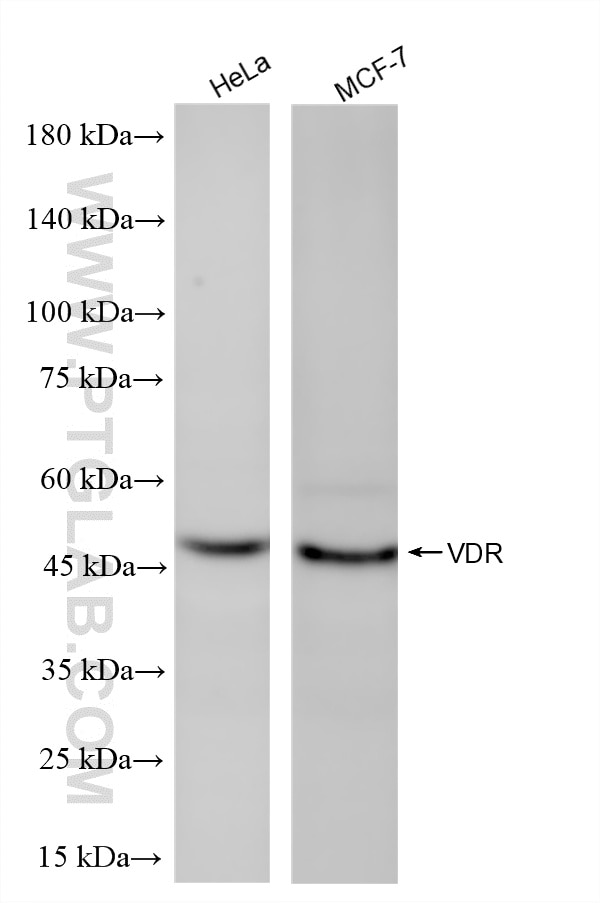
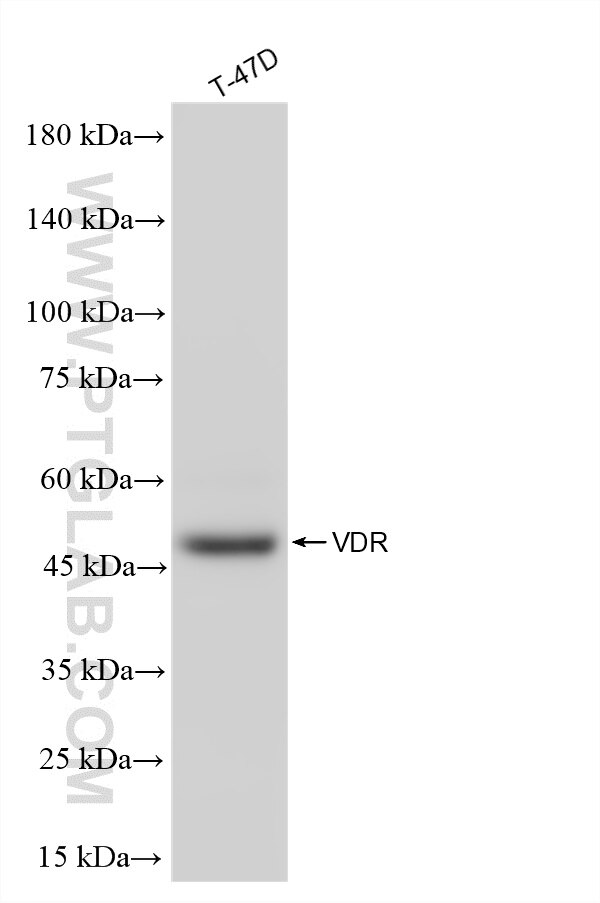
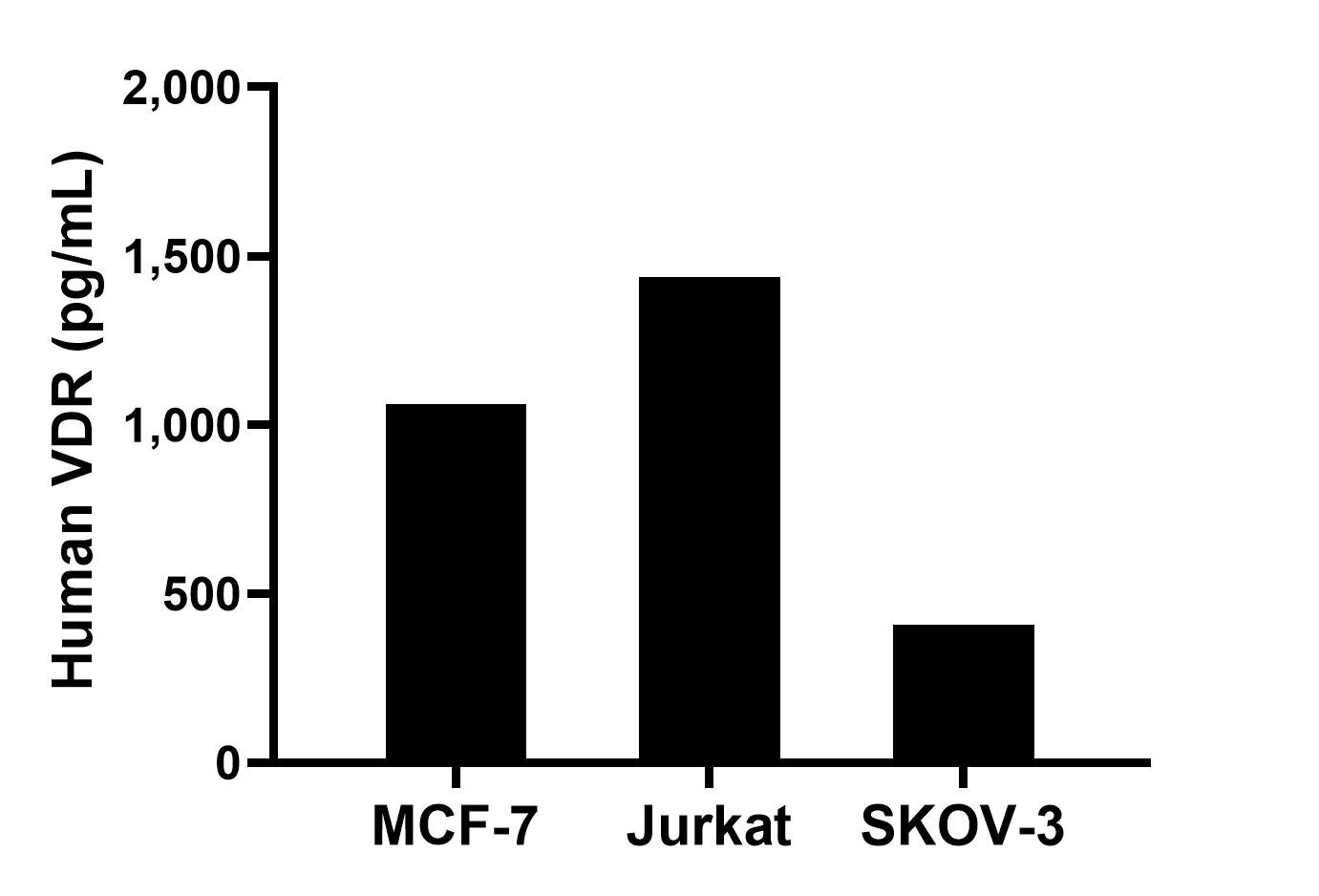
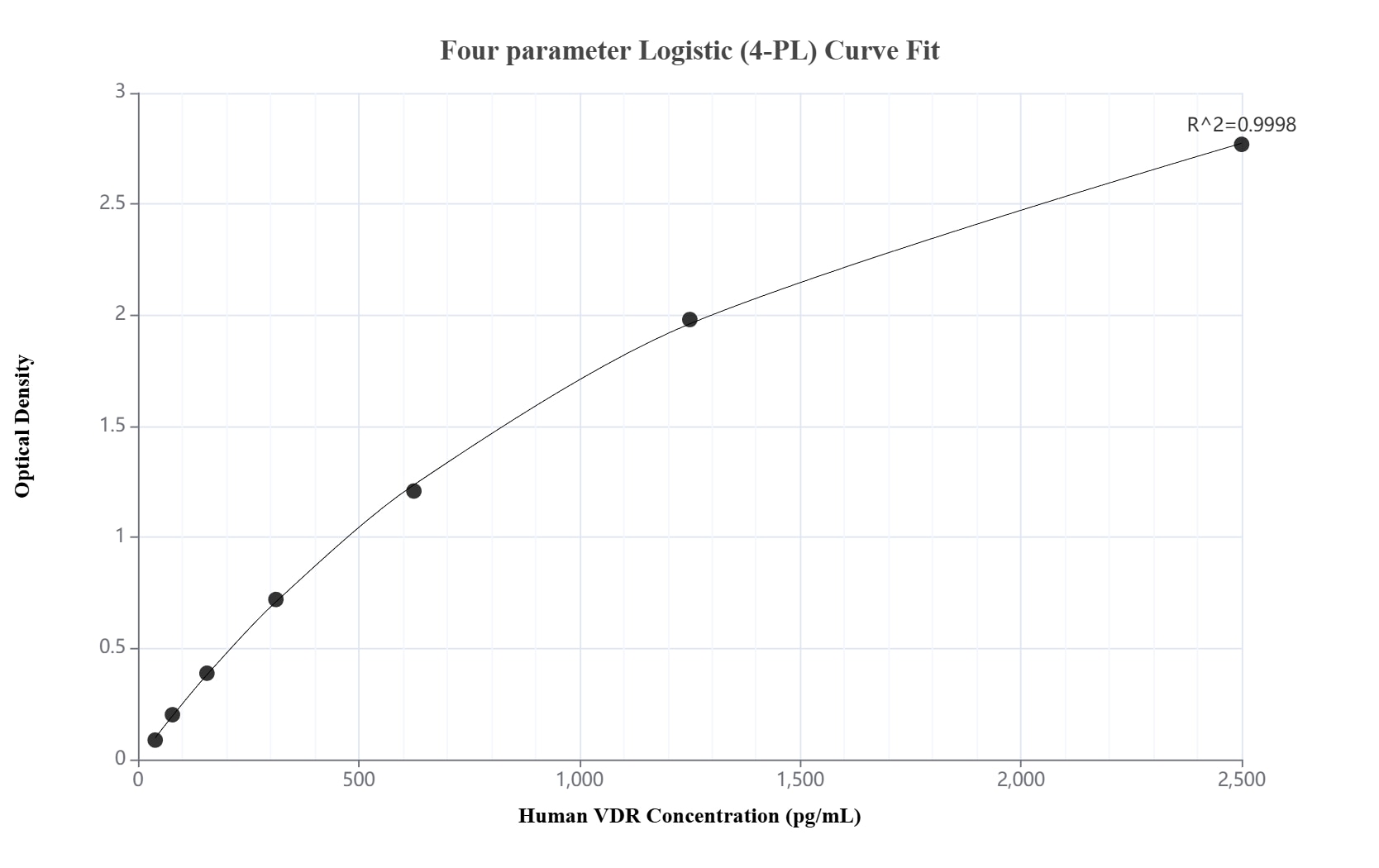
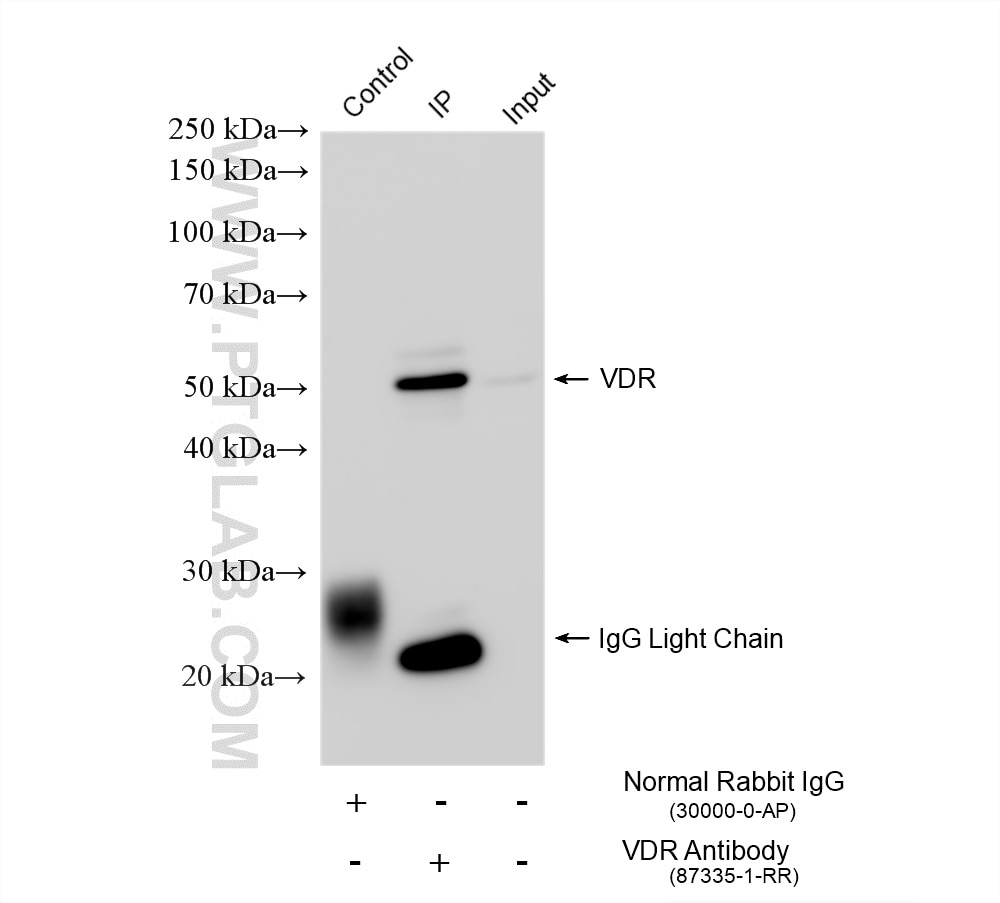
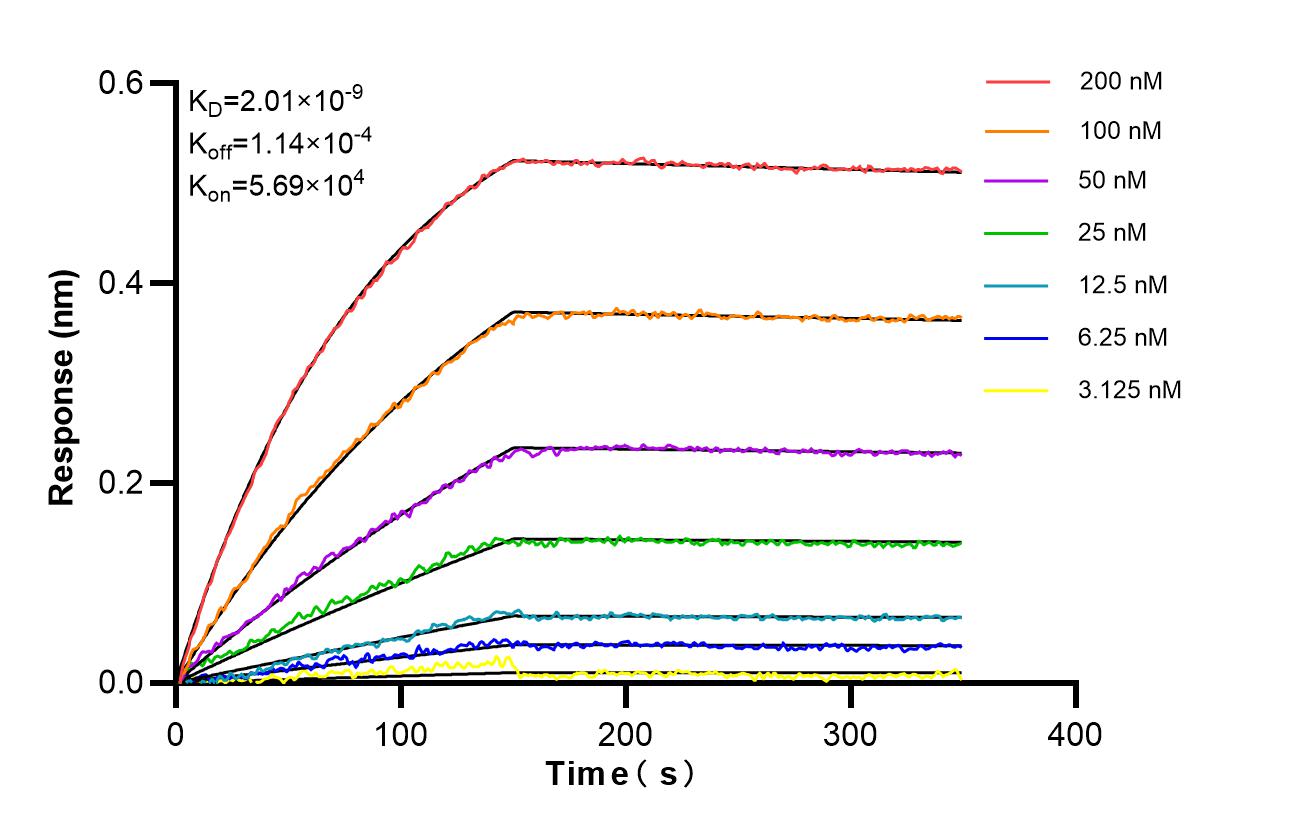
Tested Applications
Recommended dilution
| Application | Dilution |
|---|---|
| It is recommended that this reagent should be titrated in each testing system to obtain optimal results. | |
Product Information
87335-1-PBS targets VDR as part of a matched antibody pair:
MP03026-1: 87335-1-PBS capture and 87335-2-PBS detection (validated in Sandwich ELISA)
Unconjugated rabbit recombinant monoclonal antibody in PBS only (BSA and azide free) storage buffer at a concentration of 1 mg/mL, ready for conjugation. Created using Proteintech’s proprietary in-house recombinant technology. Recombinant production enables unrivalled batch-to-batch consistency, easy scale-up, and future security of supply.
This conjugation ready format makes antibodies ideal for use in many applications including: ELISAs, multiplex assays requiring matched pairs, mass cytometry, and multiplex imaging applications.Antibody use should be optimized by the end user for each application and assay.
| Tested Reactivity | human |
| Host / Isotype | Rabbit / IgG |
| Class | Recombinant |
| Type | Antibody |
| Immunogen |
CatNo: Ag28176 Product name: Recombinant human VDR protein Source: e coli.-derived, PGEX-4T Tag: GST Domain: 81-220 aa of BC060832 Sequence: LKRCVDIGMMKEFILTDEEVQRKREMILKRKEEEALKDSLRPKLSEEQQRIIAILLDAHHKTYDPTYSDFCQFRPPVRVNDGGGSHPSRPNSRHTPSFSGDSSSSCSDHCITSSDMMDSSSFSNLDLSEEDSDDPSVTLE 相同性解析による交差性が予測される生物種 |
| Full Name | vitamin D (1,25- dihydroxyvitamin D3) receptor |
| Calculated molecular weight | 48 kDa |
| Observed molecular weight | 48 kDa |
| GenBank accession number | BC060832 |
| Gene Symbol | VDR |
| Gene ID (NCBI) | 7421 |
| RRID | AB_3745475 |
| Conjugate | Unconjugated |
| Form | |
| Form | Liquid |
| Purification Method | Protein A purification |
| UNIPROT ID | P11473 |
| Storage Buffer | PBS only{{ptg:BufferTemp}}7.3 |
| Storage Conditions | Store at -80°C. |
Background Information
The vitamin D3 receptor (VDR), also known as NR1I1 (nuclear receptor subfamily 1, group I, member 1), is a member of the nuclear receptor family of transcription factors. Upon activation by vitamin D, the VDR forms a heterodimer with the retinoid-X receptor and binds to hormone response elements on DNA resulting in expression or trans-repression of specific gene products.It is an intracellular hormone receptor that specifically binds 1,25(OH)2D3 and mediates its effects. Downstream targets of this nuclear hormone receptor are principally involved in mineral metabolism though the receptor regulates a variety of other metabolic pathways, such as those involved in the immune response and cancer. Defects in VDR are the cause of rickets vitamin D-dependent type 2A (VDDR2A). A disorder of vitamin D metabolism results in severe rickets, hypocalcemia and secondary hyperparathyroidism. Most patients have total alopecia in addition to rickets. The VDR exists two isoform with the MV 48 kDa and 54 kDa.