
Validation Data Gallery
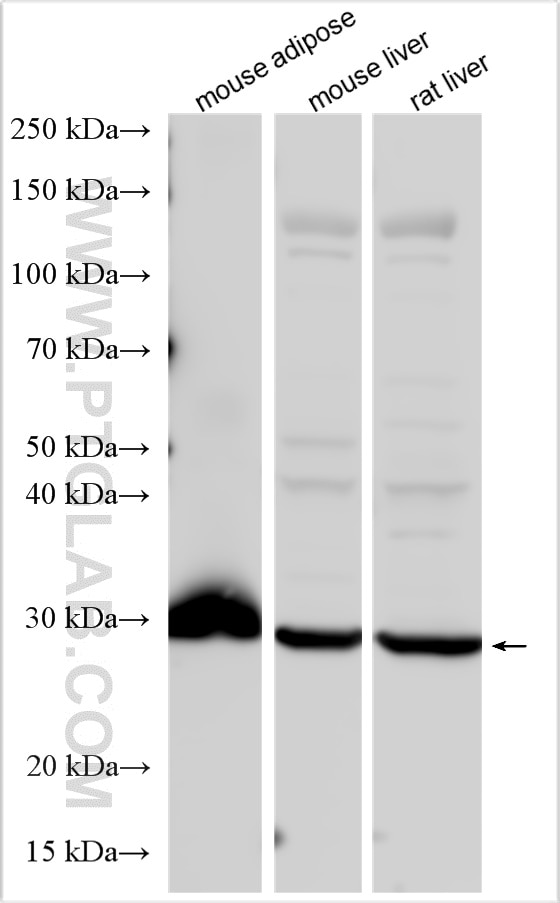
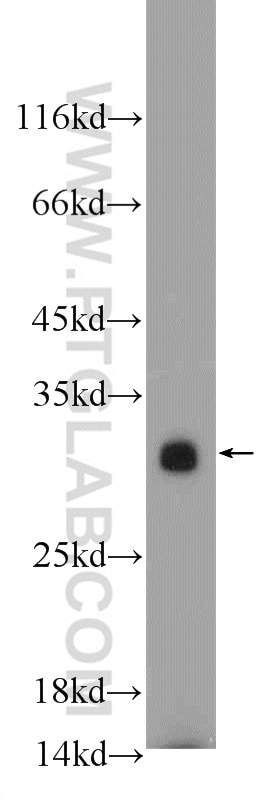
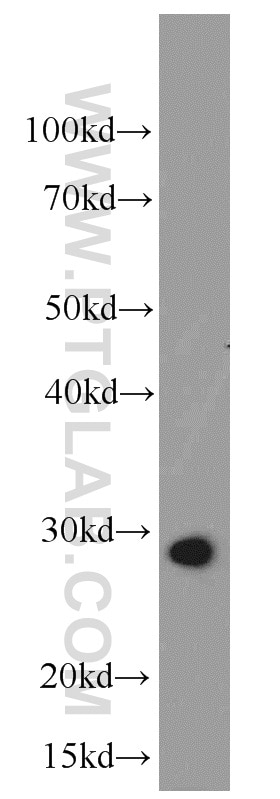
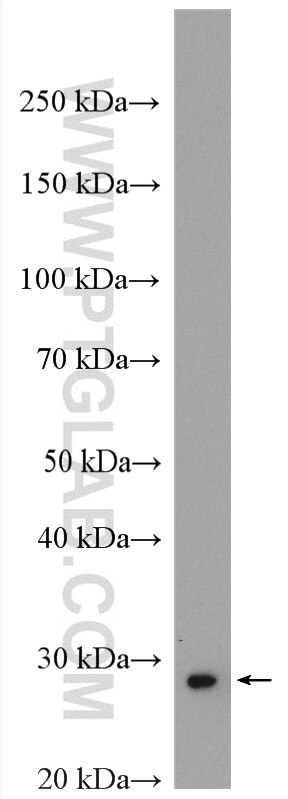
Tested Applications
| Positive WB detected in | mouse adipose tissue, mouse skeletal muscle tissue, mouse heart tissue, mouse spleen tissue, mouse liver tissue, rat liver tissue |
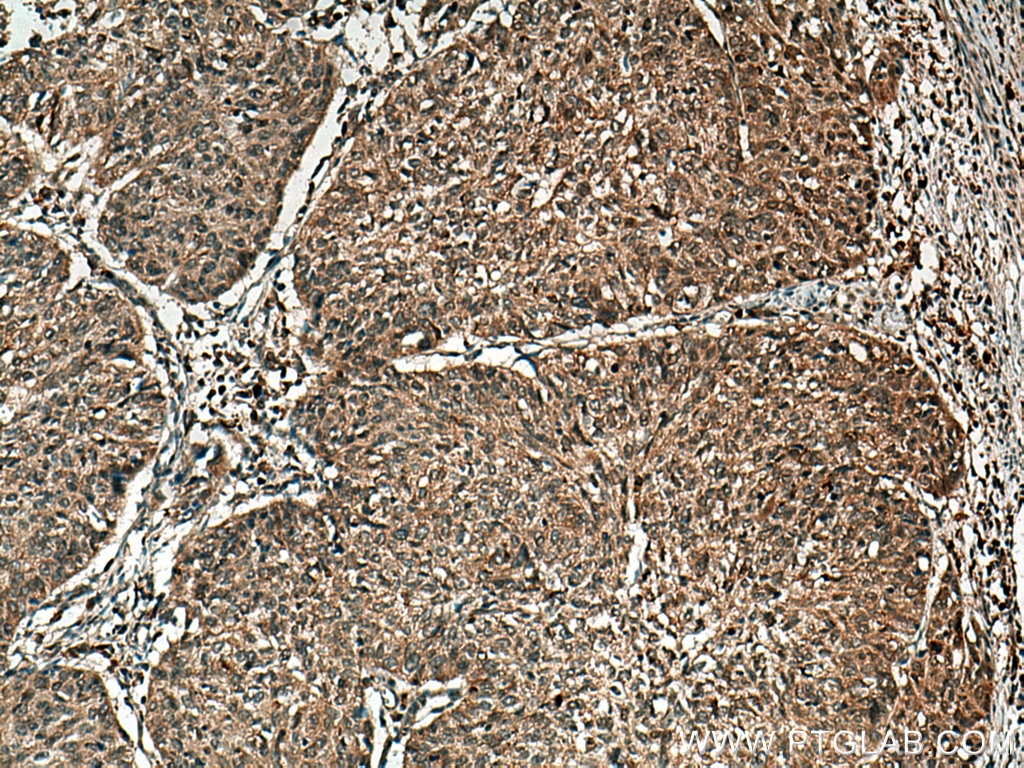
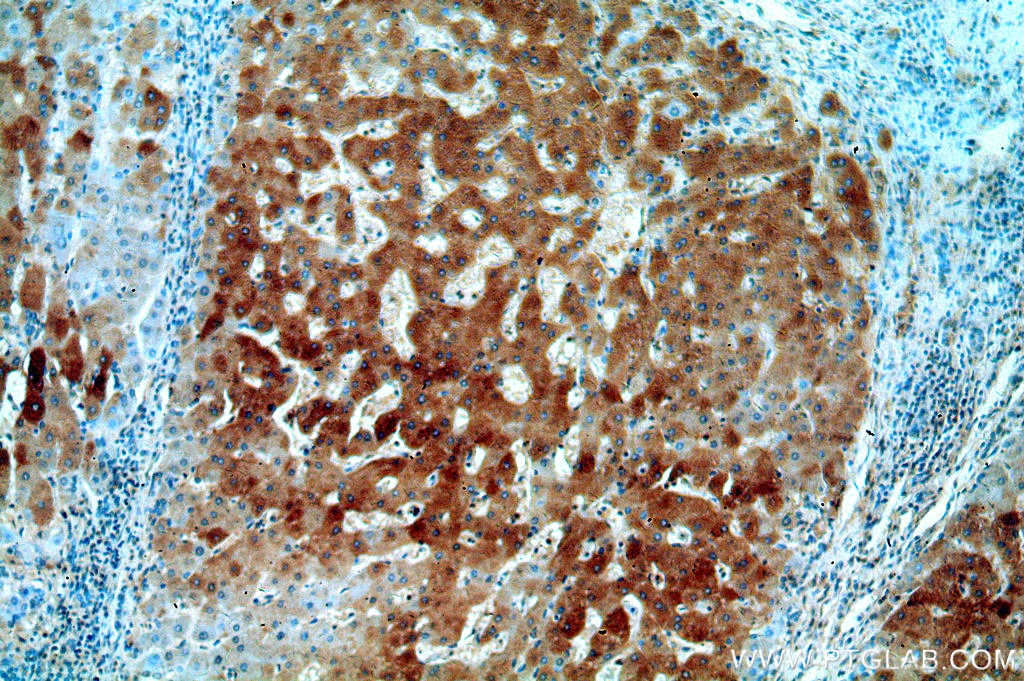
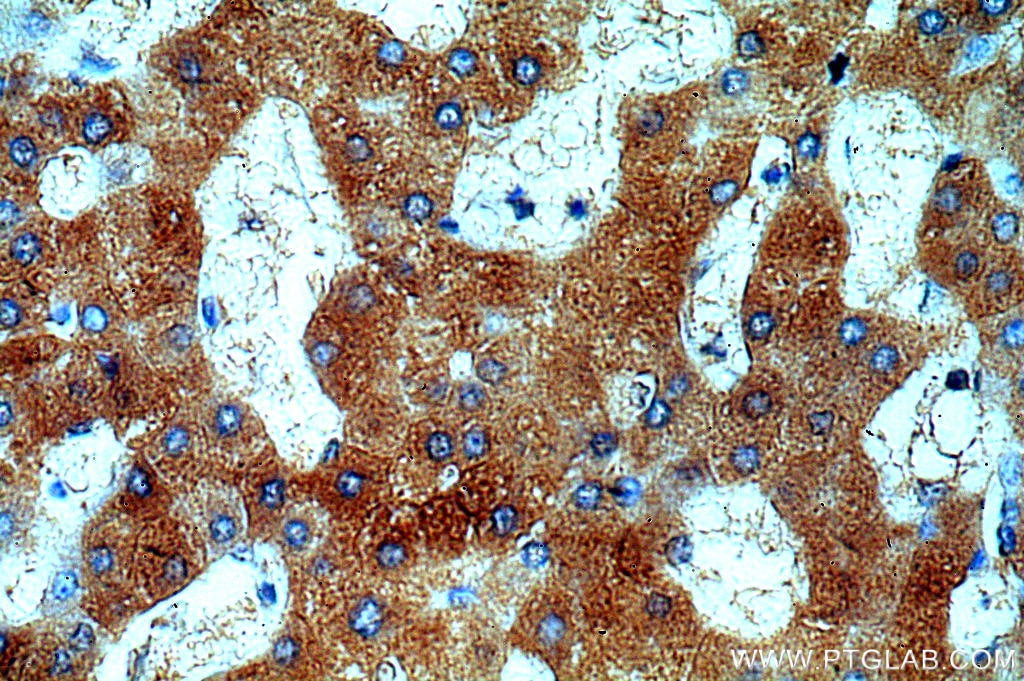
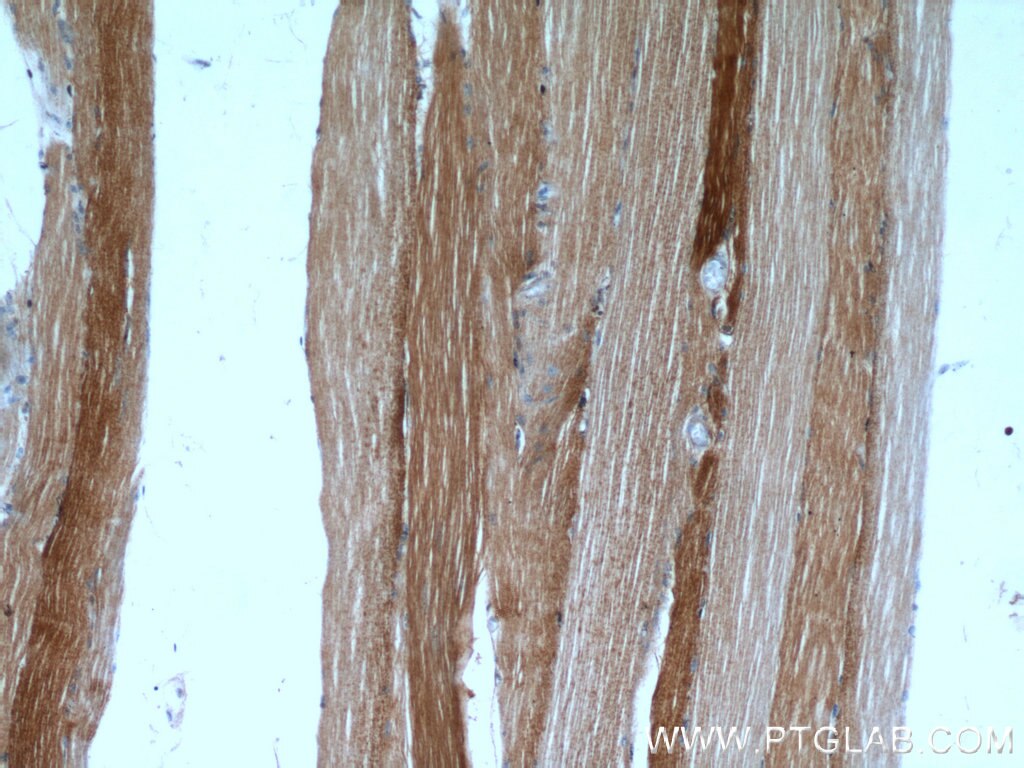
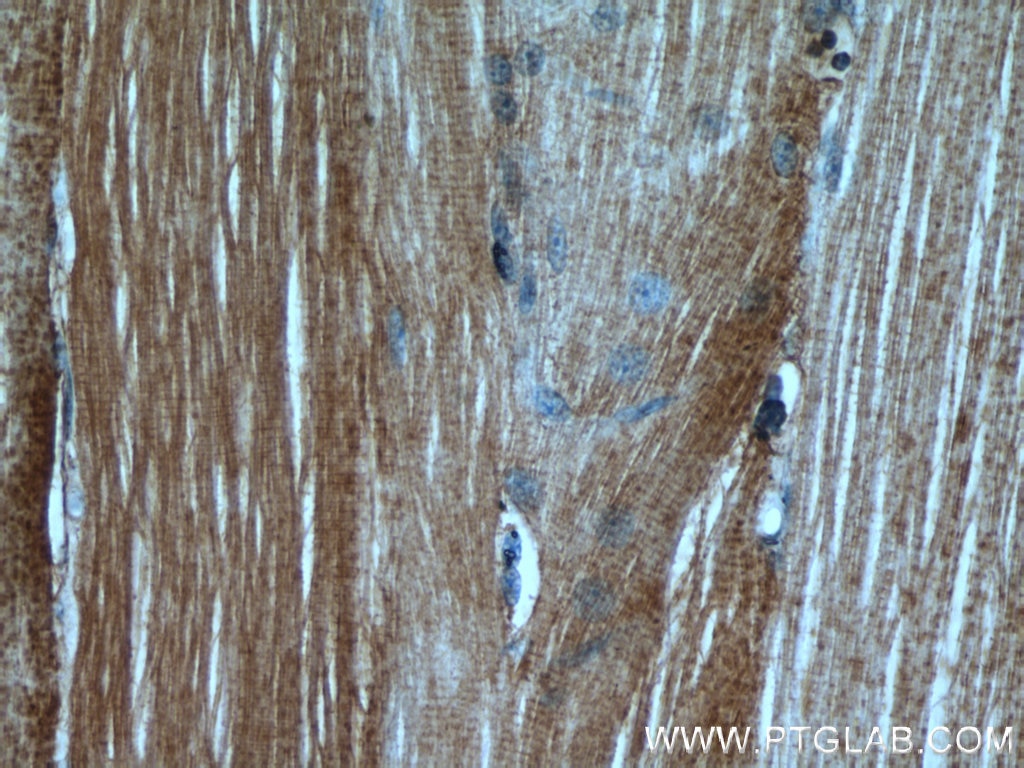
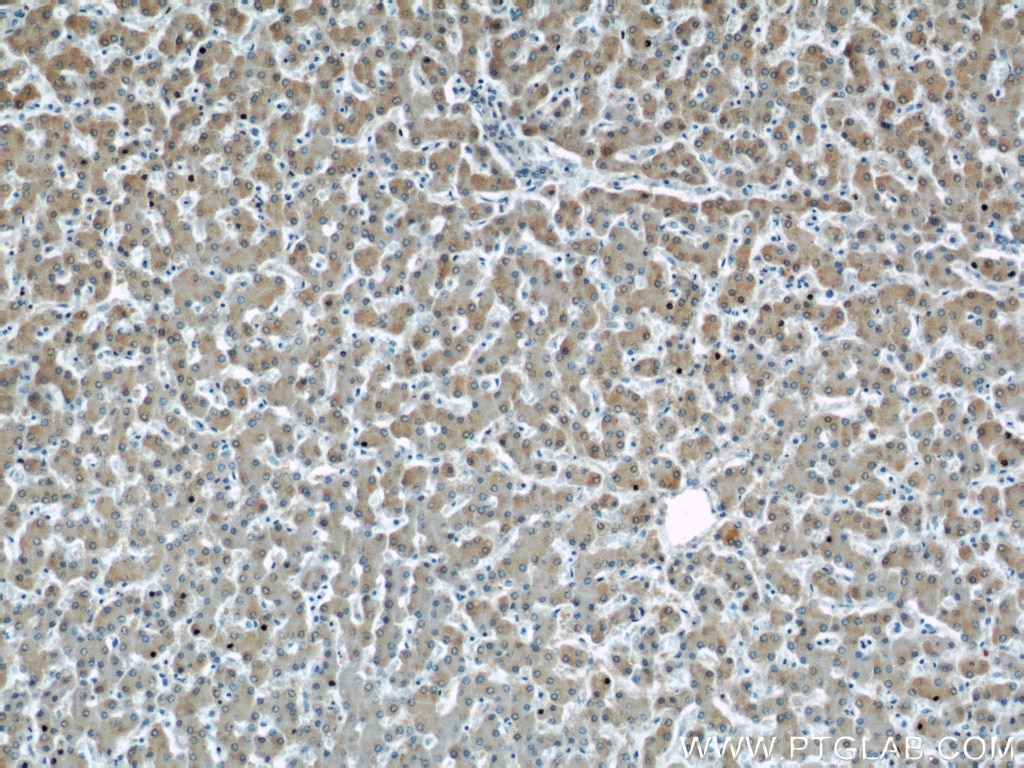
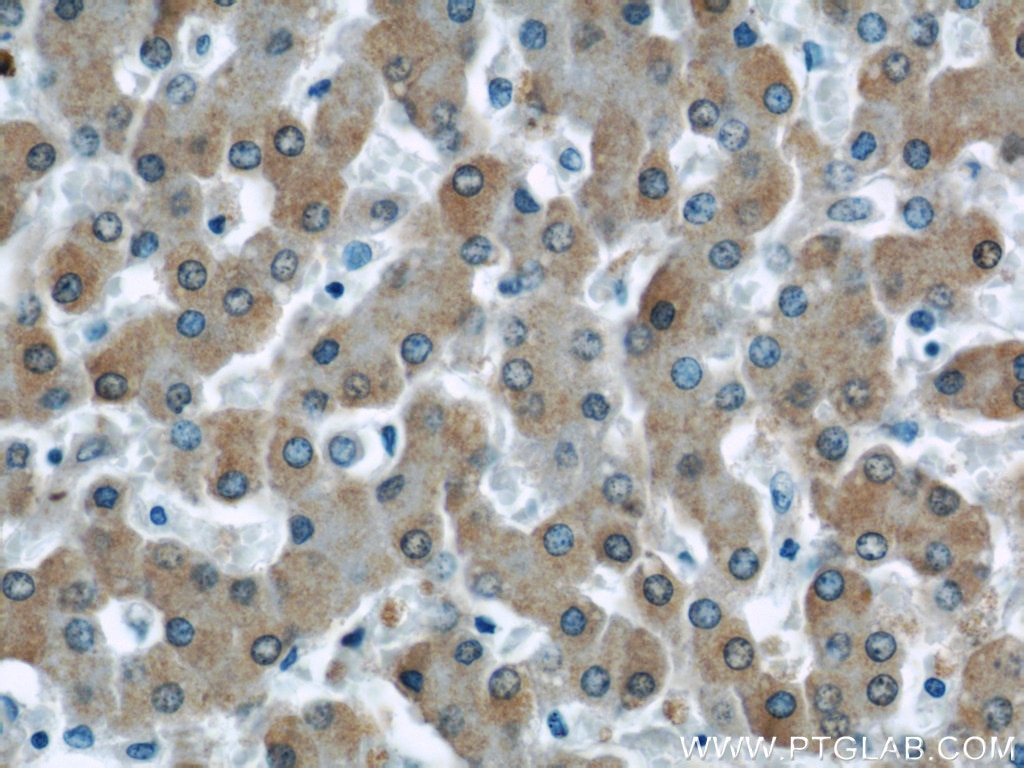
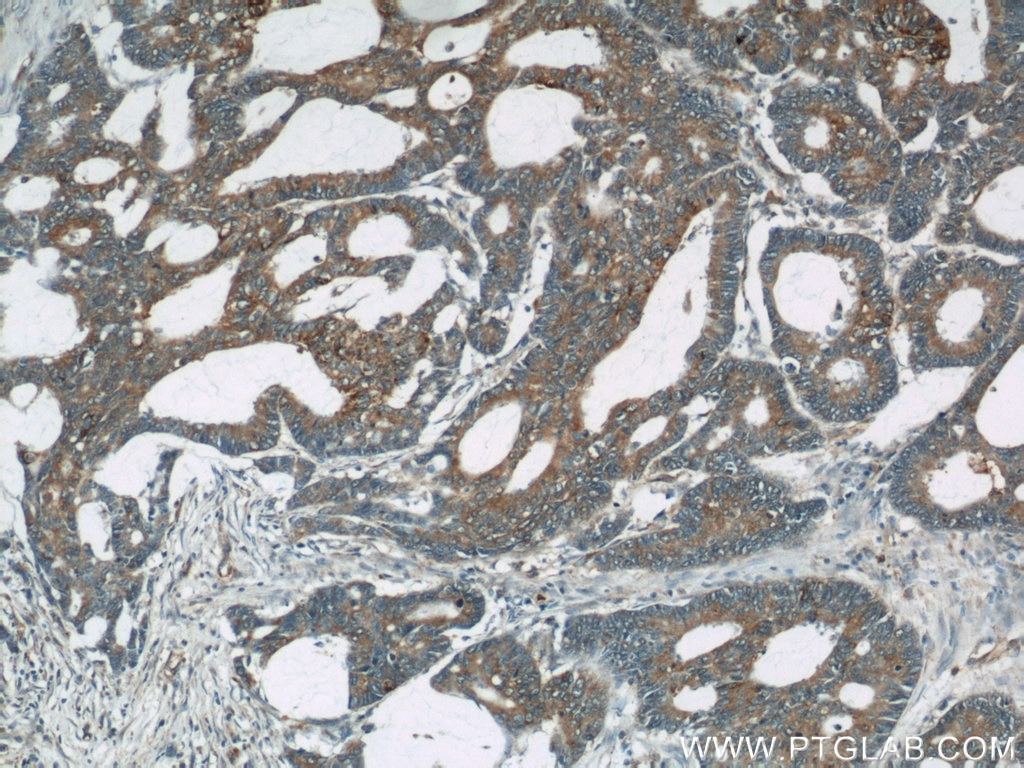
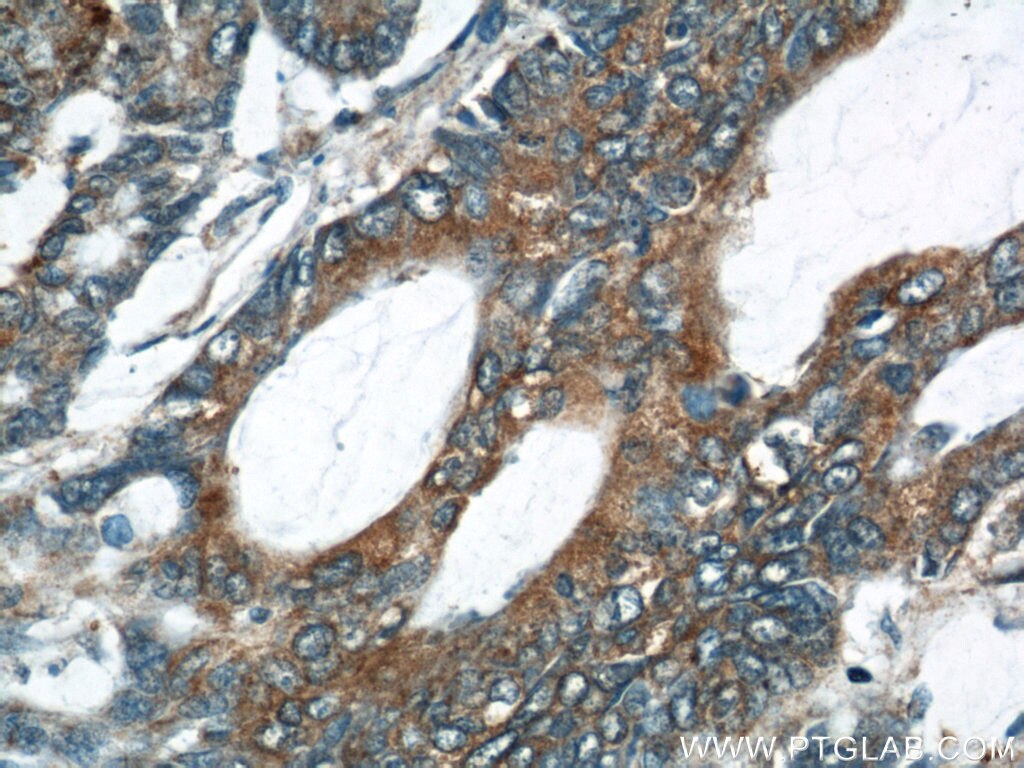
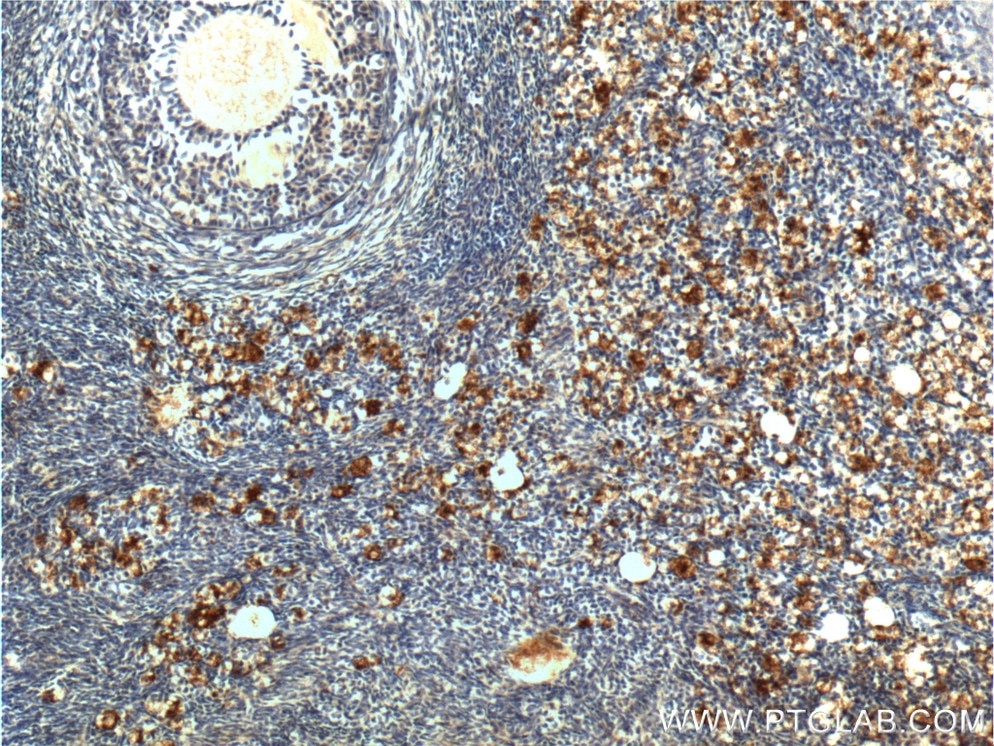
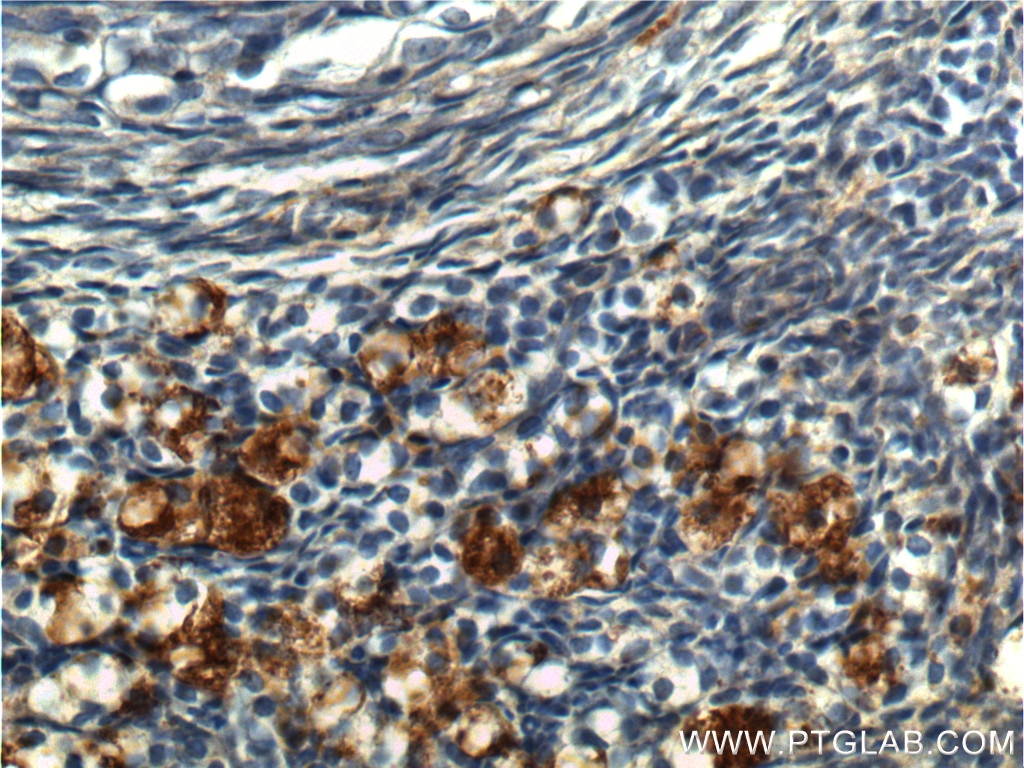
| Positive IHC detected in | human cervical cancer tissue, human ovary tissue, human hepatocirrhosis tissue, human skeletal muscle tissue, human liver tissue, human colon cancer tissue Note: suggested antigen retrieval with TE buffer pH 9.0; (*) Alternatively, antigen retrieval may be performed with citrate buffer pH 6.0 |
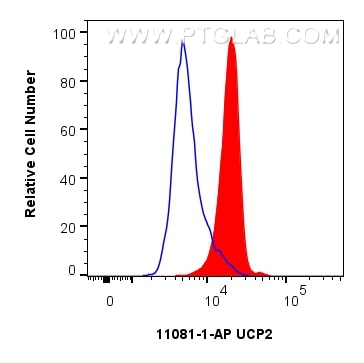
| Positive FC (Intra) detected in | HeLa cells |
It is strongly recommended that fresh-made lysate be used for western blot assays.
Recommended dilution
| Application | Dilution |
|---|---|
| Western Blot (WB) | WB : 1:500-1:1000 |
| Immunohistochemistry (IHC) | IHC : 1:50-1:500 |
| Flow Cytometry (FC) (INTRA) | FC (INTRA) : 0.25 ug per 10^6 cells in a 100 µl suspension |
| It is recommended that this reagent should be titrated in each testing system to obtain optimal results. | |
| Sample-dependent, Check data in validation data gallery. | |
Published Applications
| KD/KO | See 6 publications below |
| WB | See 76 publications below |
| IHC | See 8 publications below |
| IF | See 14 publications below |
Product Information
11081-1-AP targets UCP2 in WB, IHC, IF, FC (Intra), ELISA applications and shows reactivity with human, mouse, rat samples.
| Tested Reactivity | human, mouse, rat |
| Cited Reactivity | human, mouse, rat, pig |
| Host / Isotype | Rabbit / IgG |
| Class | Polyclonal |
| Type | Antibody |
| Immunogen |
CatNo: Ag1551 Product name: Recombinant human UCP2 protein Source: e coli.-derived, PGEX-4T Tag: GST Domain: 1-309 aa of BC011737 Sequence: MVGFKATDVPPTATVKFLGAGTAACIADLITFPLDTAKVRLQIQGESQGPVRATASAQYRGVMGTILTMVRTEGPRSLYNGLVAGLQRQMSFASVRIGLYDSVKQFYTKGSEHASIGSRLLAGSTTGALAVAVAQPTDVVKVRFQAQARAGGGRRYQSTVNAYKTIAREEGFRGLWKGTSPNVARNAIVNCAELVTYDLIKDALLKANLMTDDLPCHFTSAFGAGFCTTVIASPVDVVKTRYMNSALGQYSSAGHCALTMLQKEGPRAFYKGFMPSFLRLGSWNVVMFVTYEQLKRALMAACTSREAPF 相同性解析による交差性が予測される生物種 |
| Full Name | uncoupling protein 2 (mitochondrial, proton carrier) |
| Calculated molecular weight | 33 kDa |
| Observed molecular weight | 28-30 kDa |
| GenBank accession number | BC011737 |
| Gene Symbol | UCP2 |
| Gene ID (NCBI) | 7351 |
| RRID | AB_2213793 |
| Conjugate | Unconjugated |
| Form | |
| Form | Liquid |
| Purification Method | Antigen affinity purification |
| UNIPROT ID | P55851 |
| Storage Buffer | PBS with 0.02% sodium azide and 50% glycerol{{ptg:BufferTemp}}7.3 |
| Storage Conditions | Store at -20°C. Stable for one year after shipment. Aliquoting is unnecessary for -20oC storage. |
Background Information
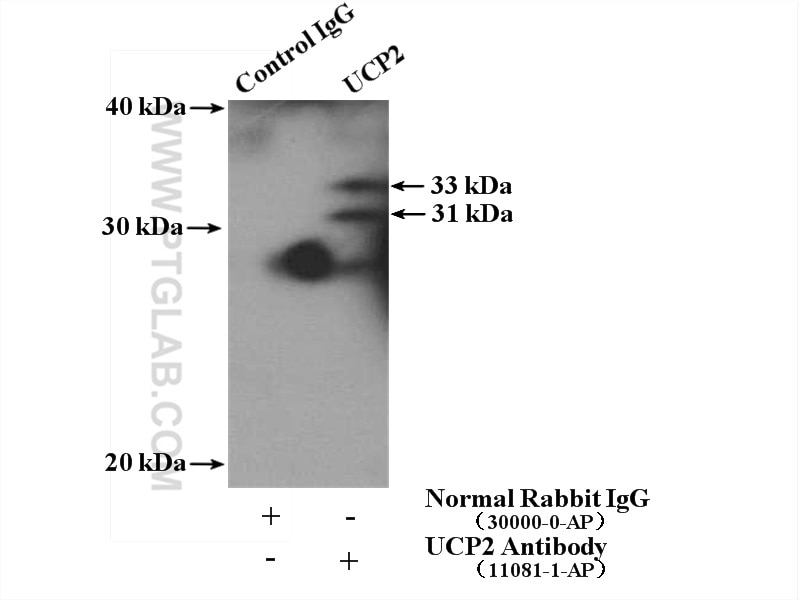
UCP2 (uncoupling protein 2) is a member of the mitochondrial carrier protein super family located in the mitochondrial inner membrane. The UCPs differ greatly in tissue distribution: UCP1 is expressed only in brown adipose; UCP3 preferentially in skeletal muscle, brown adipose and heart; UCP4 and UCP5 mainly in the nervous system (18167556). In contract, UCP2 has a broad distribution and is implicated in a wide range of pathophysiological processes, including diabetes and cancer. This antibody detect a band around 28-33 kDa corresponding to UCP2 protein in mouse liver, skeletal muscle and pancreas. Some upper and lower bands also were observed due to the dimer formation and degradation of the UCP2 protein (20103532). This antibody was raised against the full-length UCP2 protein and may cross-react with UCP3. It is notable that UCP2 is known to have a very short half-life less than 1 hour (17240372). It is strongly recommended that fresh-made lysate be used for western blot assays.
Protocols
| Product Specific Protocols | |
|---|---|
| FC protocol for UCP2 antibody 11081-1-AP | Download protocol |
| IHC protocol for UCP2 antibody 11081-1-AP | Download protocol |
| IP protocol for UCP2 antibody 11081-1-AP | Download protocol |
| WB protocol for UCP2 antibody 11081-1-AP | Download protocol |
| Standard Protocols | |
|---|---|
| Click here to view our Standard Protocols |
Publications
| Species | Application | Title |
|---|---|---|
Nat Metab Cellular Feimin enhances exercise performance by suppressing muscle thermogenesis | ||
Nat Commun Energetic diversity in retinal ganglion cells is modulated by neuronal activity and correlates with resilience to degeneration. | ||
Nat Commun Patient-derived colon epithelial organoids reveal lipid-related metabolic dysfunction in pediatric ulcerative colitis. | ||
Exp Mol Med Nicotinamide enhances osteoblast differentiation through activation of the mitochondrial antioxidant defense system | ||
ACS Nano Unlocking Neuroprotection: Simultaneous Suppression of Mitochondrial Energetic Collapse and Oxidative-Inflammatory Vortex for Ischemia-Reperfusion Brain Injury. | ||
Metabolism Far-infrared radiation prevents decline in β-cell mass and function in diabetic mice via the mitochondria-mediated Sirtuin1 pathway. |