
Validation Data Gallery
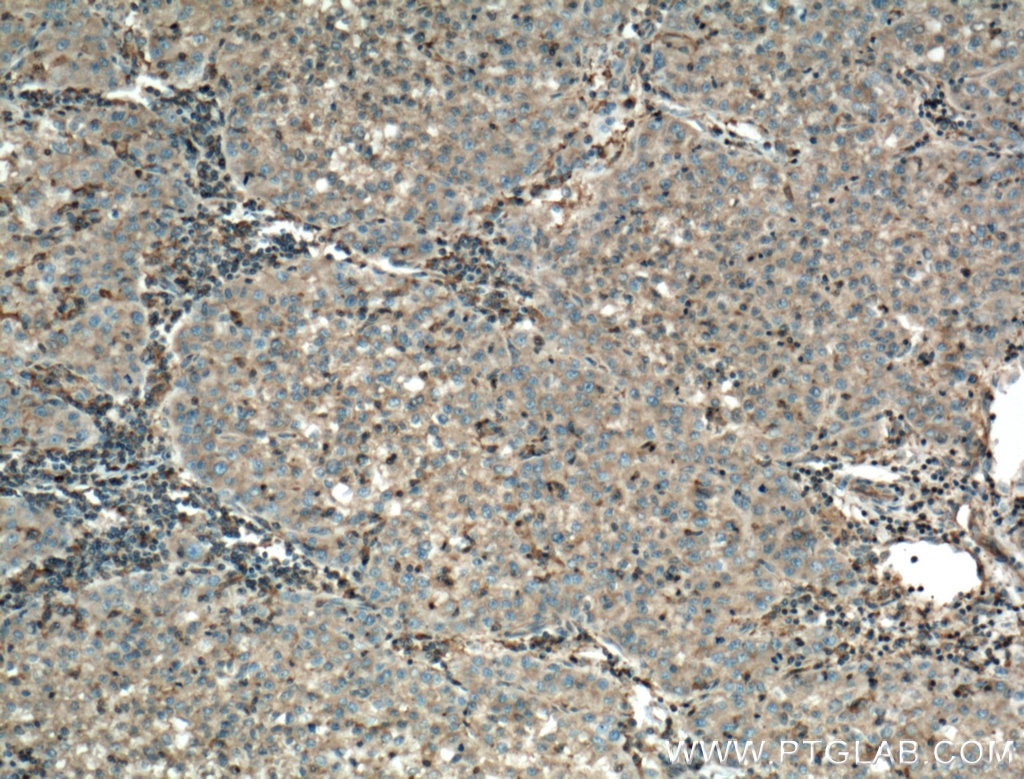
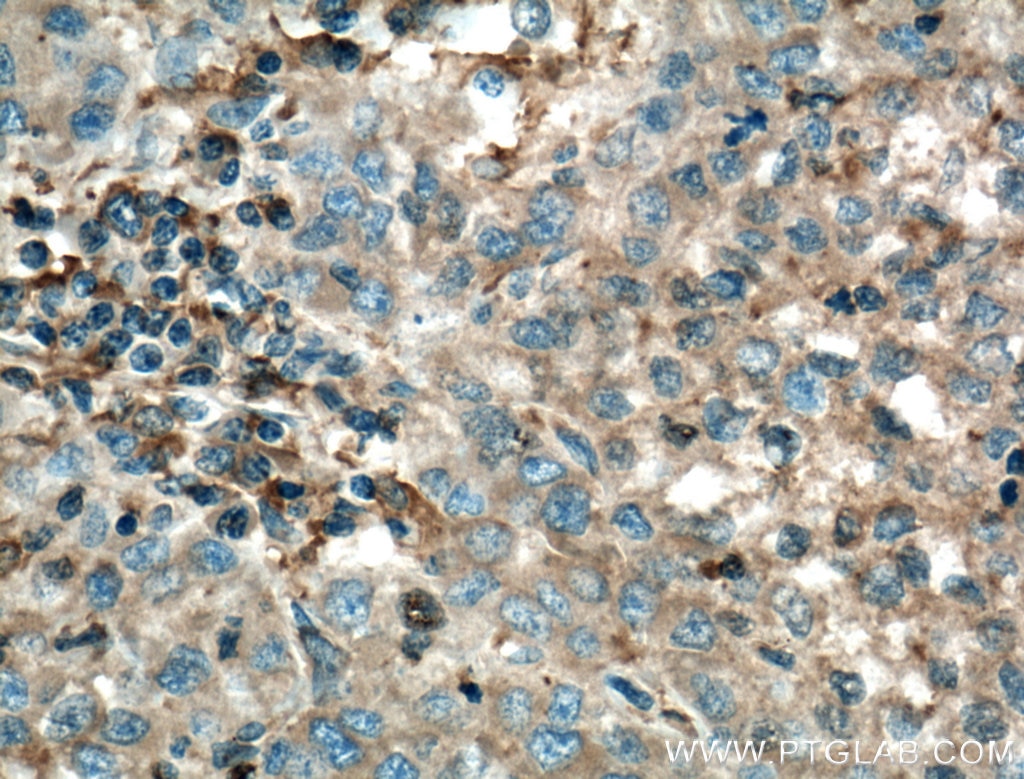
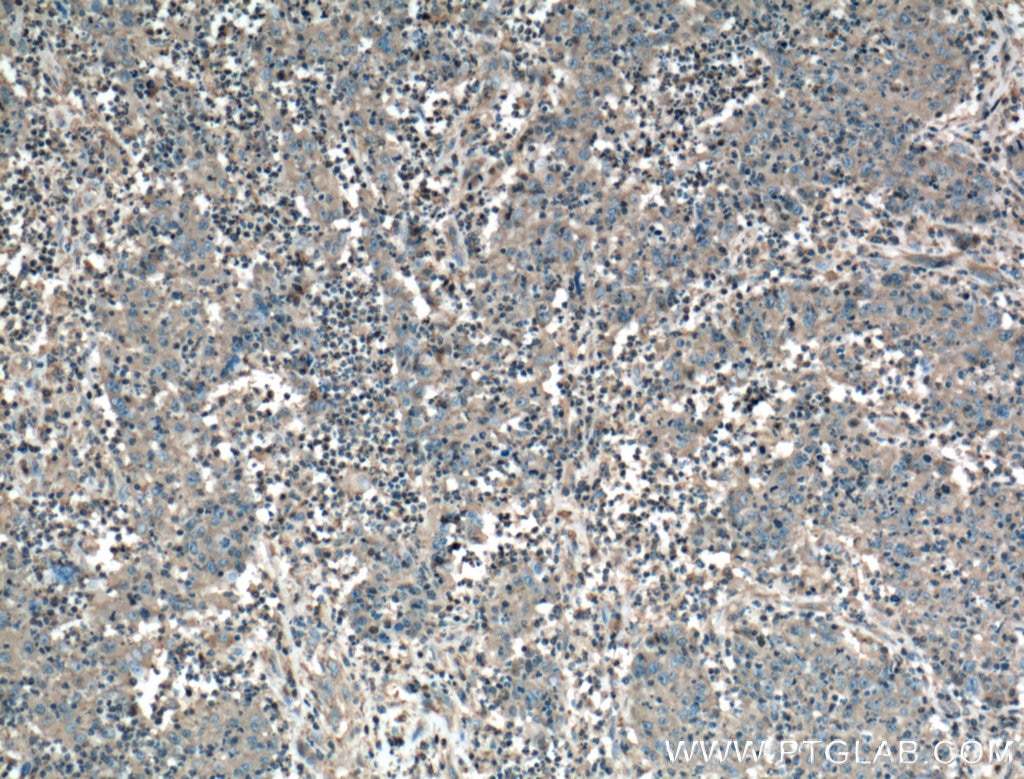
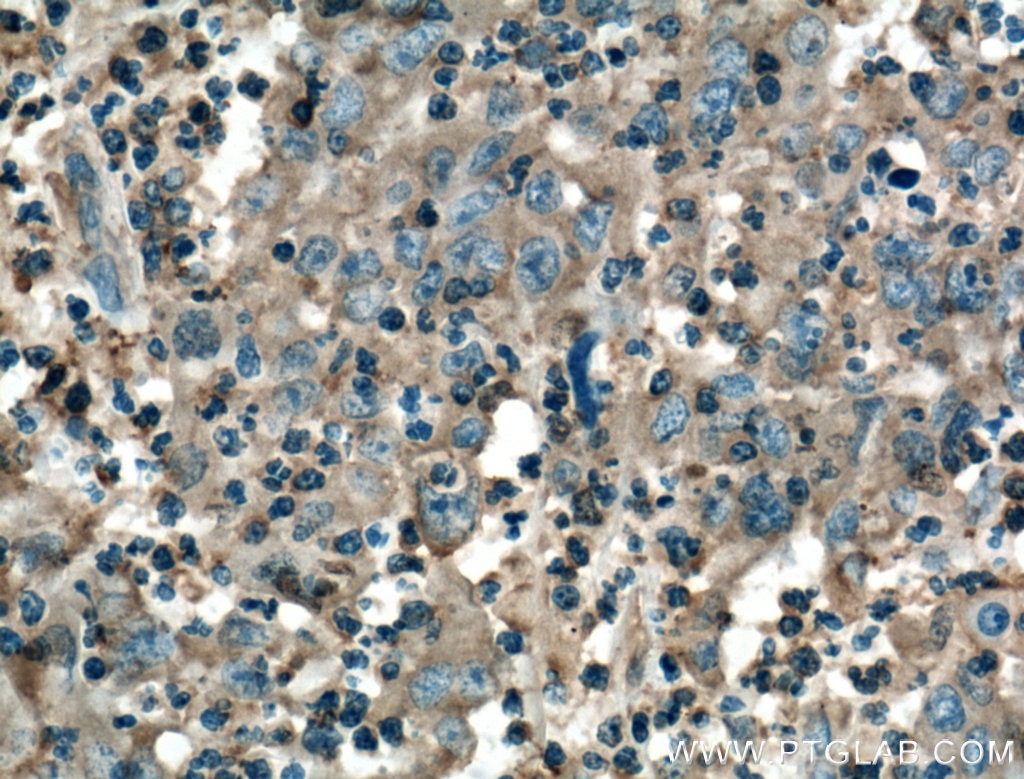
Tested Applications
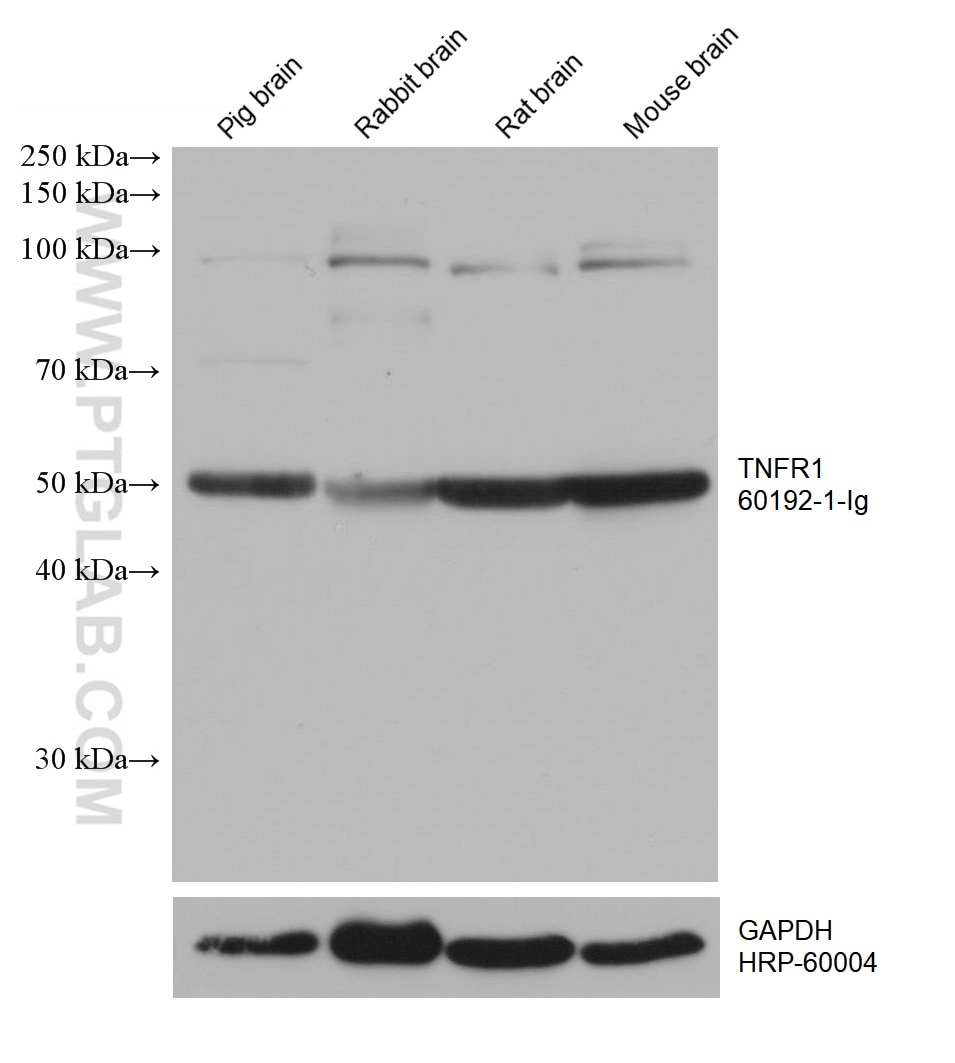
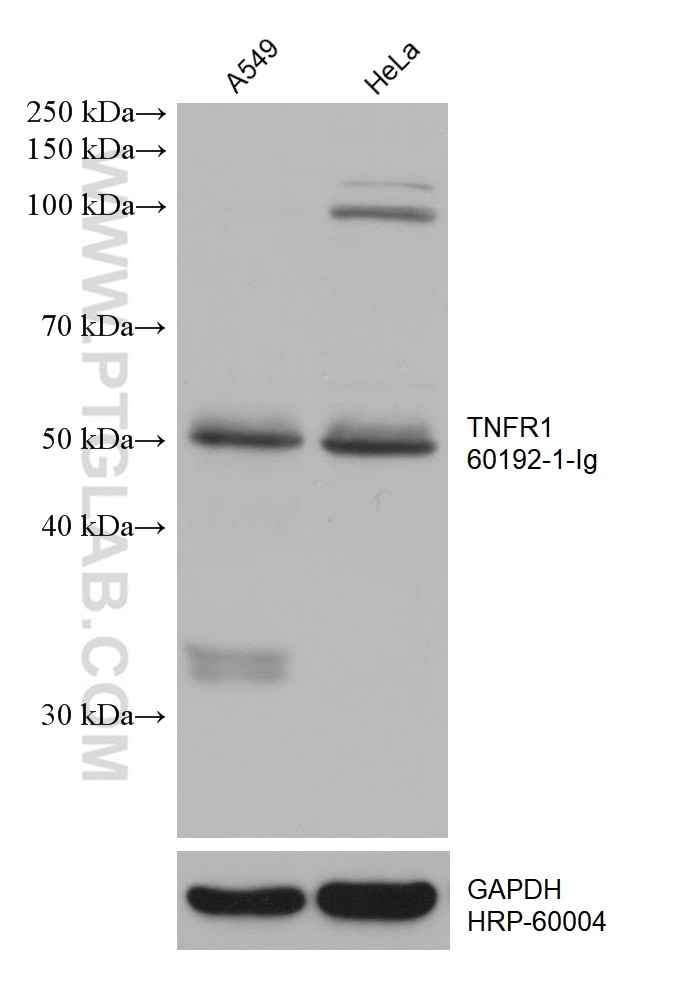
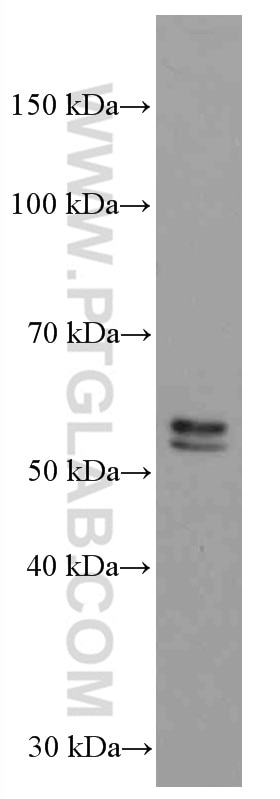
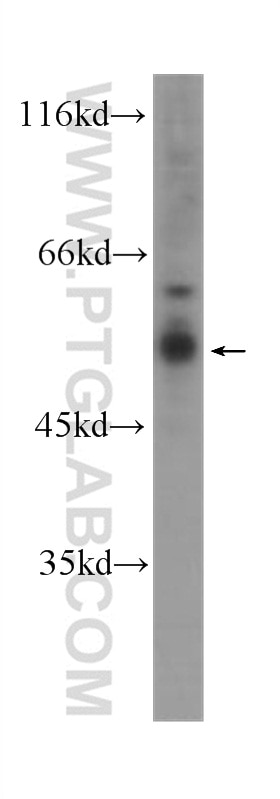
| Positive WB detected in | pig brain tissue, A549 cells, Daudi cells, HL-60 cells, HeLa cells, rabbit brain tissue, rat brain tissue, mouse brain tissue |
| Positive IHC detected in | human liver cancer tissue, human colon cancer tissue Note: suggested antigen retrieval with TE buffer pH 9.0; (*) Alternatively, antigen retrieval may be performed with citrate buffer pH 6.0 |
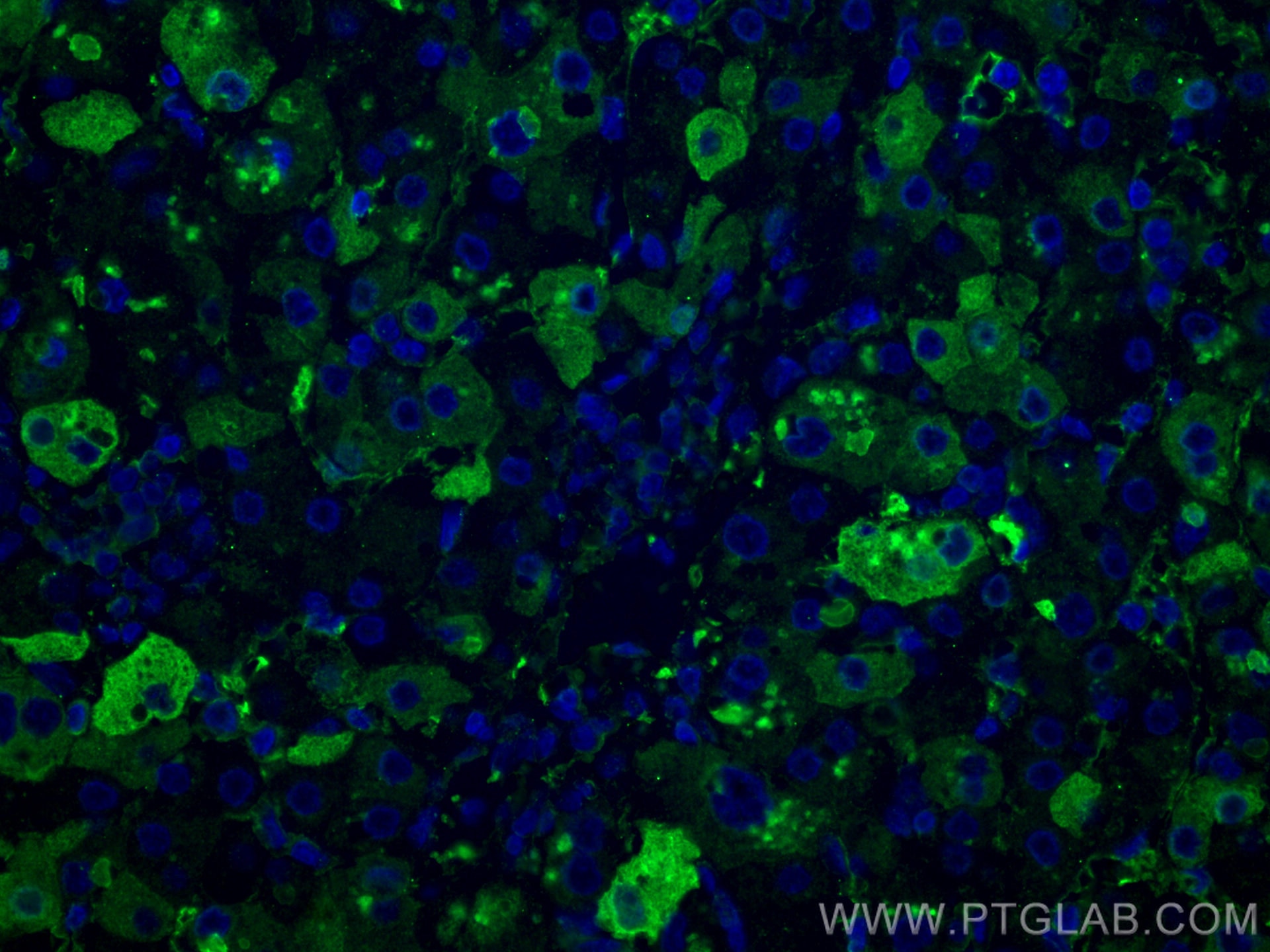
| Positive IF-P detected in | human liver cancer tissue |
Recommended dilution
| Application | Dilution |
|---|---|
| Western Blot (WB) | WB : 1:5000-1:50000 |
| Immunohistochemistry (IHC) | IHC : 1:50-1:500 |
| Immunofluorescence (IF)-P | IF-P : 1:200-1:800 |
| It is recommended that this reagent should be titrated in each testing system to obtain optimal results. | |
| Sample-dependent, Check data in validation data gallery. | |
Published Applications
| KD/KO | See 1 publications below |
| WB | See 14 publications below |
| IHC | See 4 publications below |
| IF | See 5 publications below |
Product Information
60192-1-Ig targets TNFR1/CD120a in WB, IHC, IF-P, ELISA applications and shows reactivity with human, mouse, rat, pig samples.
| Tested Reactivity | human, mouse, rat, pig |
| Cited Reactivity | human, mouse, rat |
| Host / Isotype | Mouse / IgG1 |
| Class | Monoclonal |
| Type | Antibody |
| Immunogen |
CatNo: Ag16112 Product name: Recombinant human TNFR1 protein Source: e coli.-derived, PGEX-4T Tag: GST Domain: 235-455 aa of BC010140 Sequence: RYQRWKSKLYSIVCGKSTPEKEGELEGTTTKPLAPNPSFSPTPGFTPTLGFSPVPSSTFTSSSTYTPGDCPNFAAPRREVAPPYQGADPILATALASDPIPNPLQKWEDSAHKPQSLDTDDPATLYAVVENVPPLRWKEFVRRLGLSDHEIDRLELQNGRCLREAQYSMLATWRRRTPRREATLELLGRVLRDMDLLGCLEDIEEALCGPAALPPAPSLLR 相同性解析による交差性が予測される生物種 |
| Full Name | tumor necrosis factor receptor superfamily, member 1A |
| Calculated molecular weight | 455 aa, 50 kDa |
| Observed molecular weight | 50-55 kDa |
| GenBank accession number | BC010140 |
| Gene Symbol | TNFR1 |
| Gene ID (NCBI) | 7132 |
| RRID | AB_10897160 |
| Conjugate | Unconjugated |
| Form | |
| Form | Liquid |
| Purification Method | Protein G purification |
| UNIPROT ID | P19438 |
| Storage Buffer | PBS with 0.02% sodium azide and 50% glycerol{{ptg:BufferTemp}}7.3 |
| Storage Conditions | Store at -20°C. Stable for one year after shipment. Aliquoting is unnecessary for -20oC storage. |
Background Information
Tumor necrosis factor (TNF) is a multifunctional cytokine that plays a key role in regulating inflammation, immune functions, host defense, and apoptosis (PMID: 16407280). TNF exists in soluble and membrane-bound forms. TNF signals through two distinct cell surface receptors, TNFR1 (TNFRSF1A, CD120a) and TNFR2 (TNFRSF1B, CD120b). Whereas TNFR1 is widely expressed, expression of TNFR2 is limited to cells of the immune system, endothelial cells, and nerve cells (PMID: 22053109). TNFR1, which contains a death domain (DD) within its intracytoplasmic region, is thought to be the key receptor for TNF signaling (PMID: 16407280). This receptor can activate NF-kappaB, mediate apoptosis, and function as a regulator of inflammation. Antiapoptotic protein BCL2-associated athanogene 4 (BAG4/SODD) and adaptor proteins TRADD and TRAF2 have been shown to interact with this receptor, and thus play regulatory roles in the signal transduction mediated by the receptor.
Protocols
| Product Specific Protocols | |
|---|---|
| IF protocol for TNFR1/CD120a antibody 60192-1-Ig | Download protocol |
| IHC protocol for TNFR1/CD120a antibody 60192-1-Ig | Download protocol |
| WB protocol for TNFR1/CD120a antibody 60192-1-Ig | Download protocol |
| Standard Protocols | |
|---|---|
| Click here to view our Standard Protocols |
Publications
| Species | Application | Title |
|---|---|---|
MedComm (2020) Silibinin, a potential fasting mimetic, inhibits hepatocellular carcinoma by triggering extrinsic apoptosis | ||
Mol Ther Tumor necrosis factor alpha delivers exogenous inflammation-related microRNAs to recipient cells with functional targeting capabilities. | ||
Phytomedicine Rhoifolin inhibits ferroptosis and alleviates pulmonary arterial hypertension via the TNF-α/TNF-R1/CASP8/CASP3 pathway. | ||
Mater Today Bio Nanoparticles coated with osteoblast-like cell membranes as curcumin delivery vehicles for targeted postmenopausal osteoporosis therapy. | ||
J Transl Med CRISPR screening of E3 ubiquitin ligases reveals Ring Finger Protein 185 as a novel tumor suppressor in glioblastoma repressed by promoter hypermethylation and miR-587. |