
Validation Data Gallery
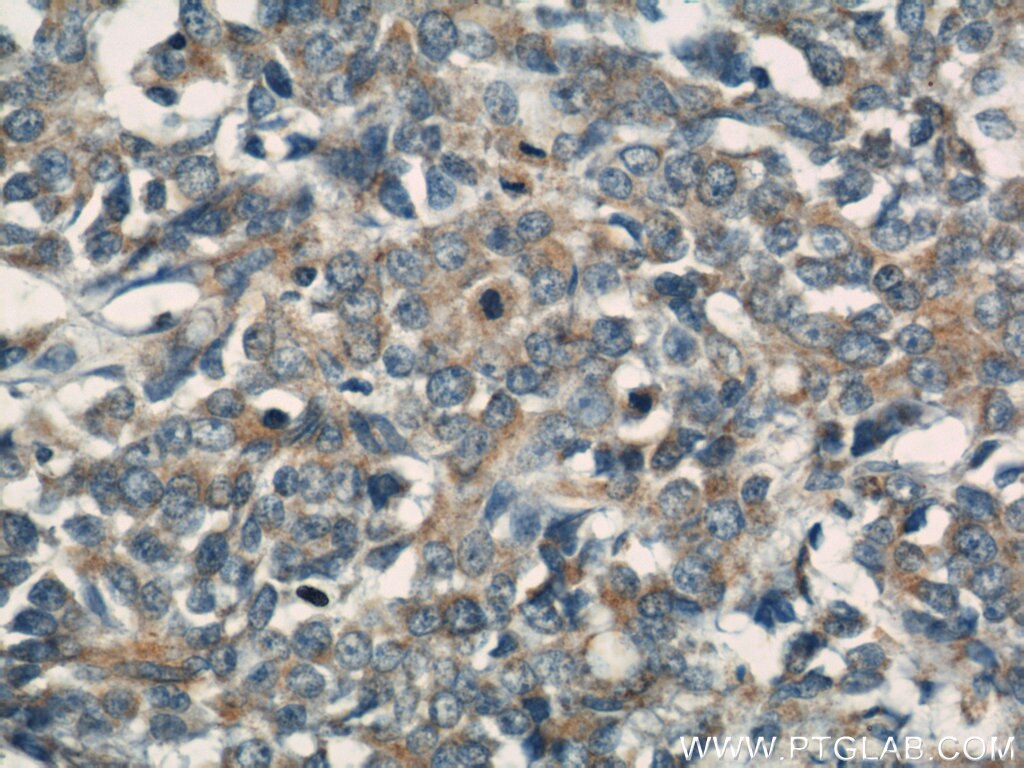
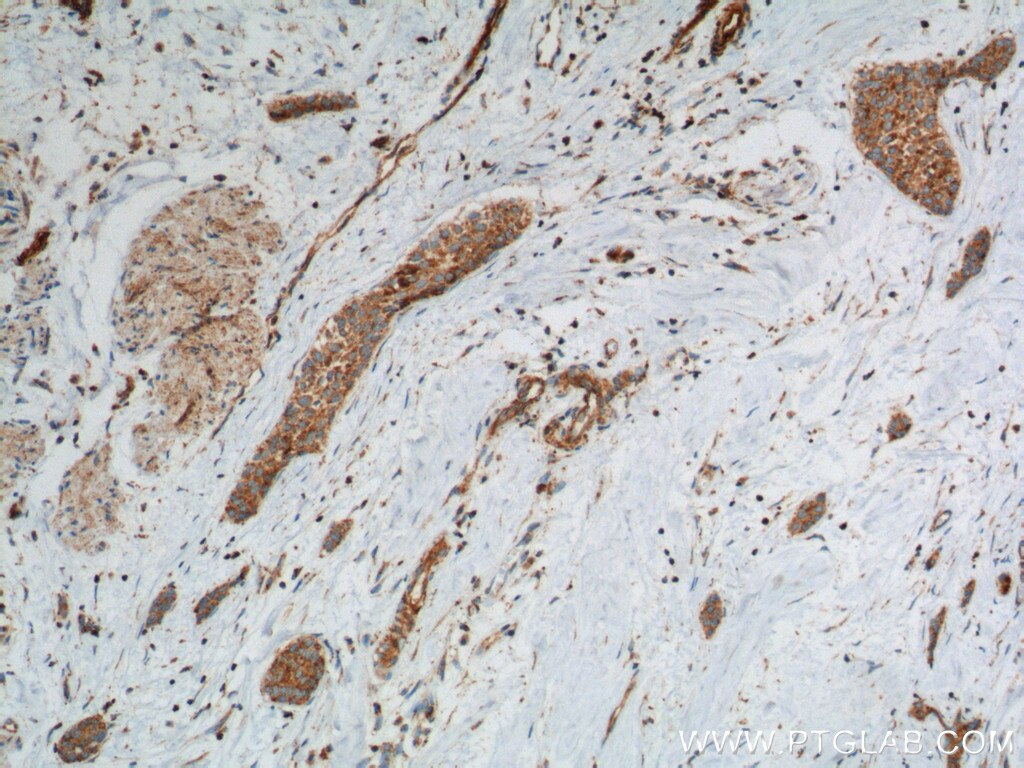
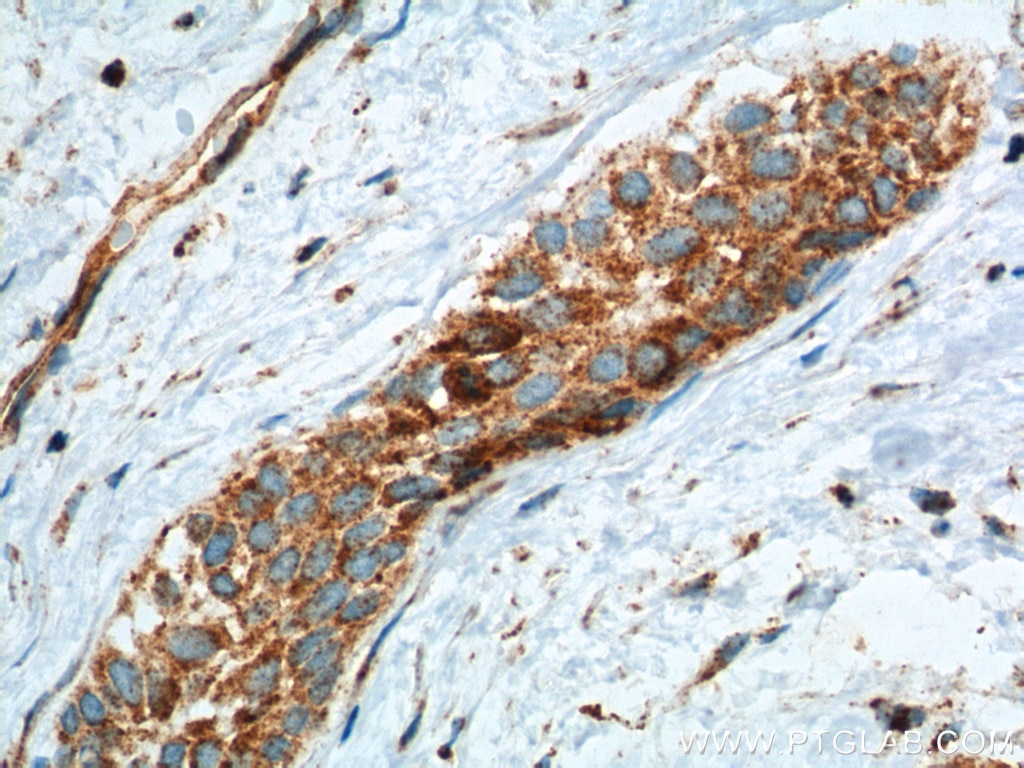
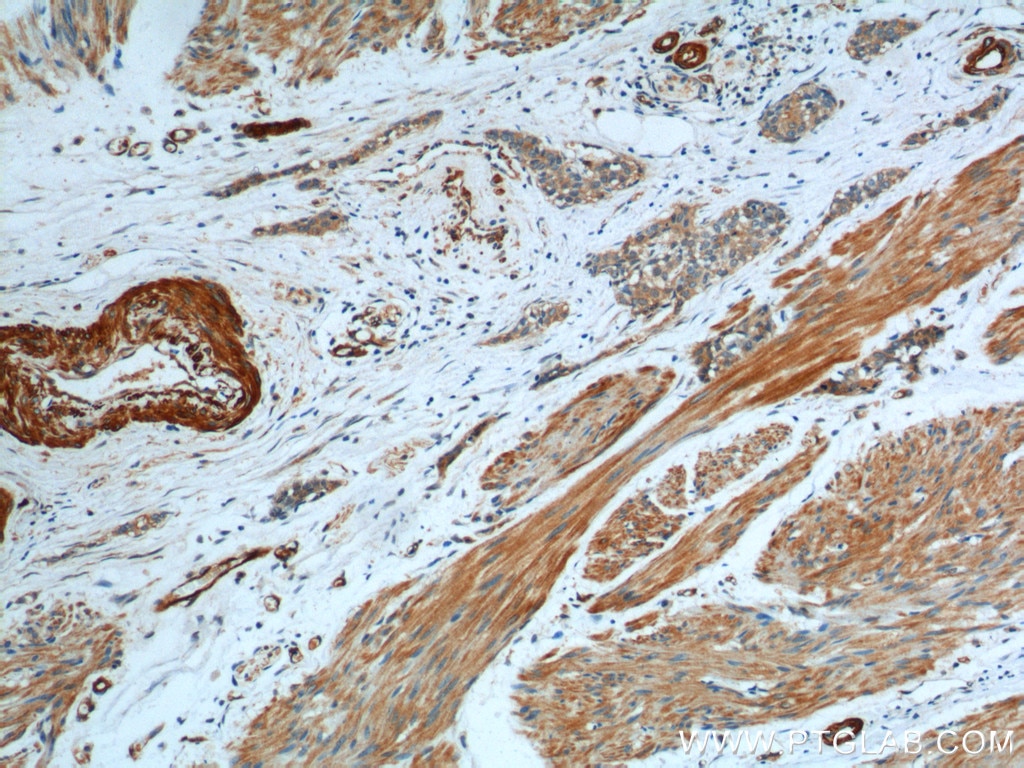
Tested Applications
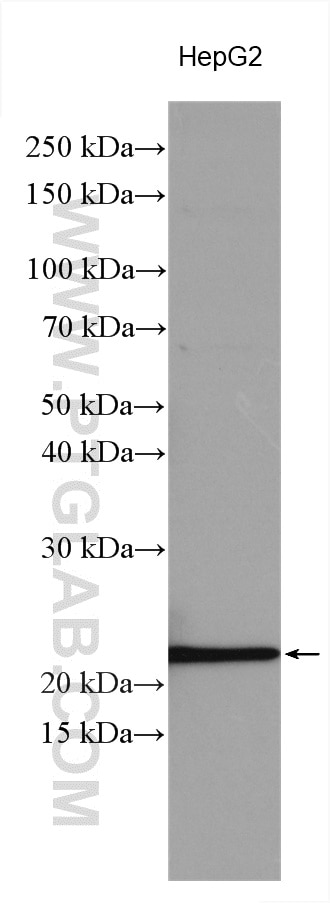
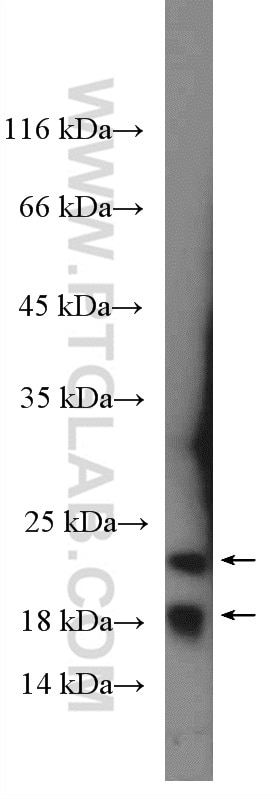
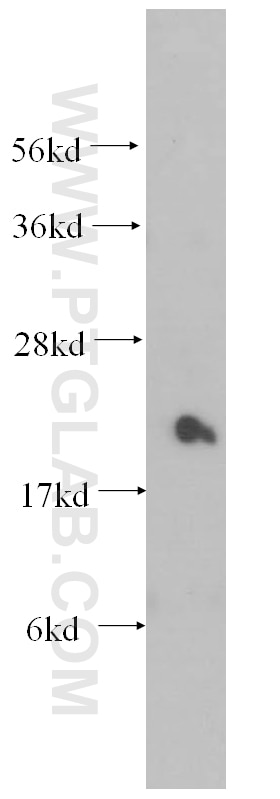
| Positive WB detected in | HepG2 cells, HEK-293 cells |
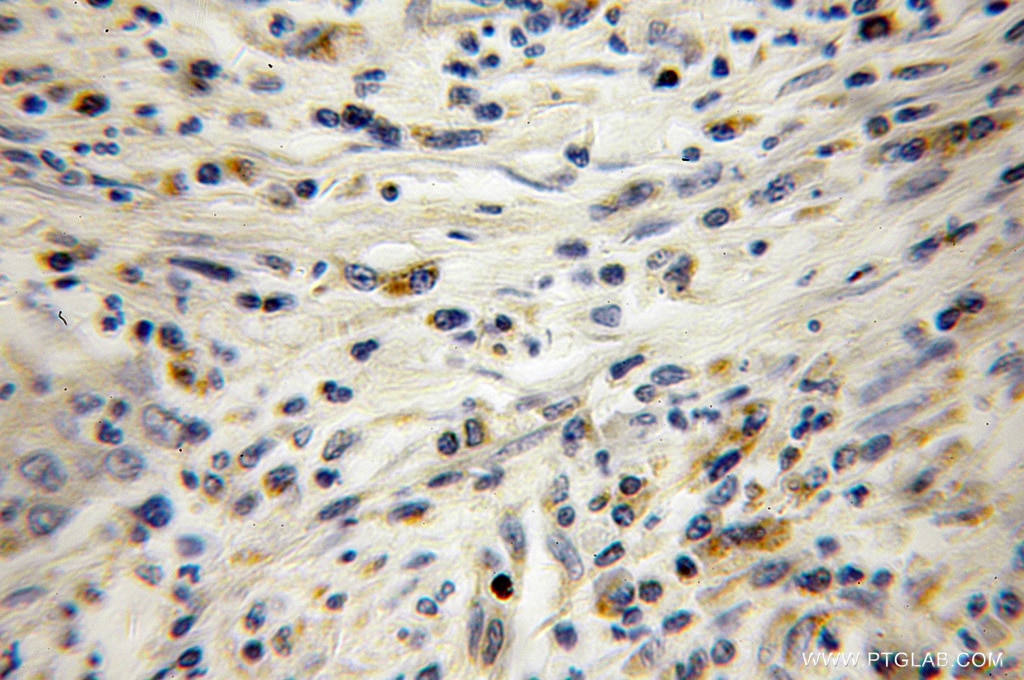
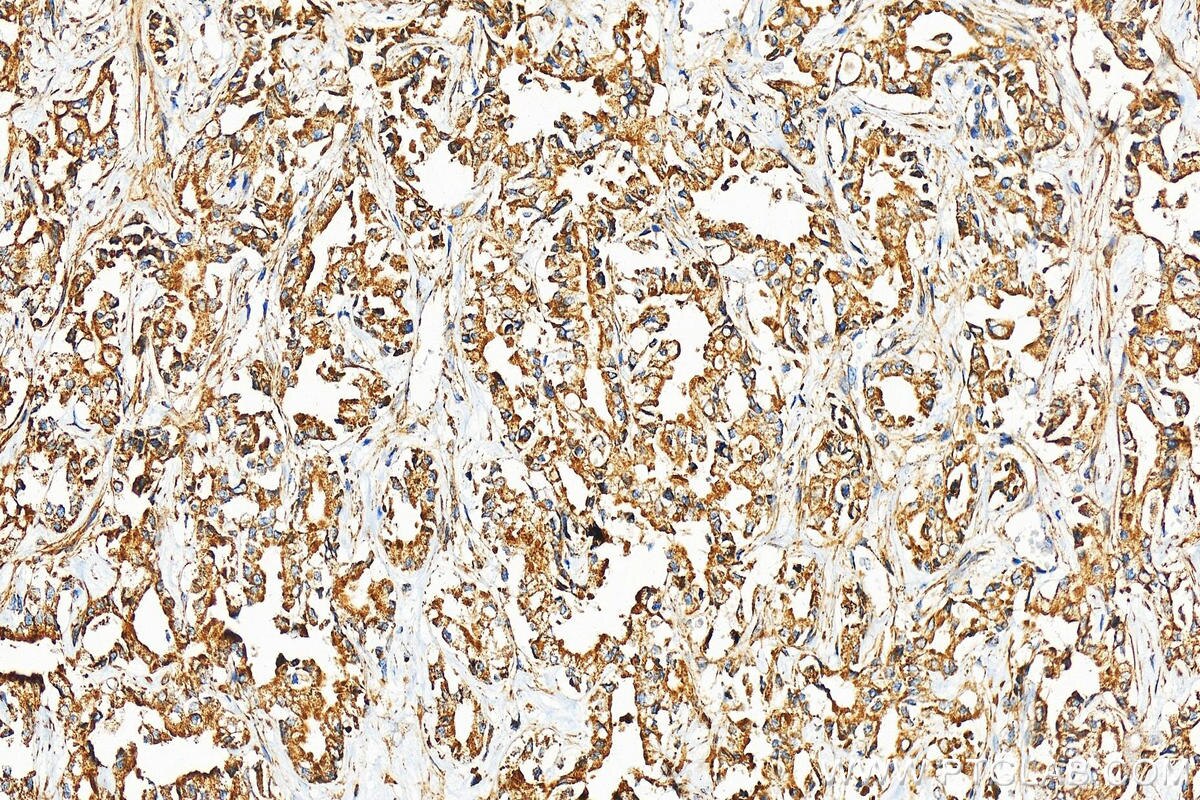
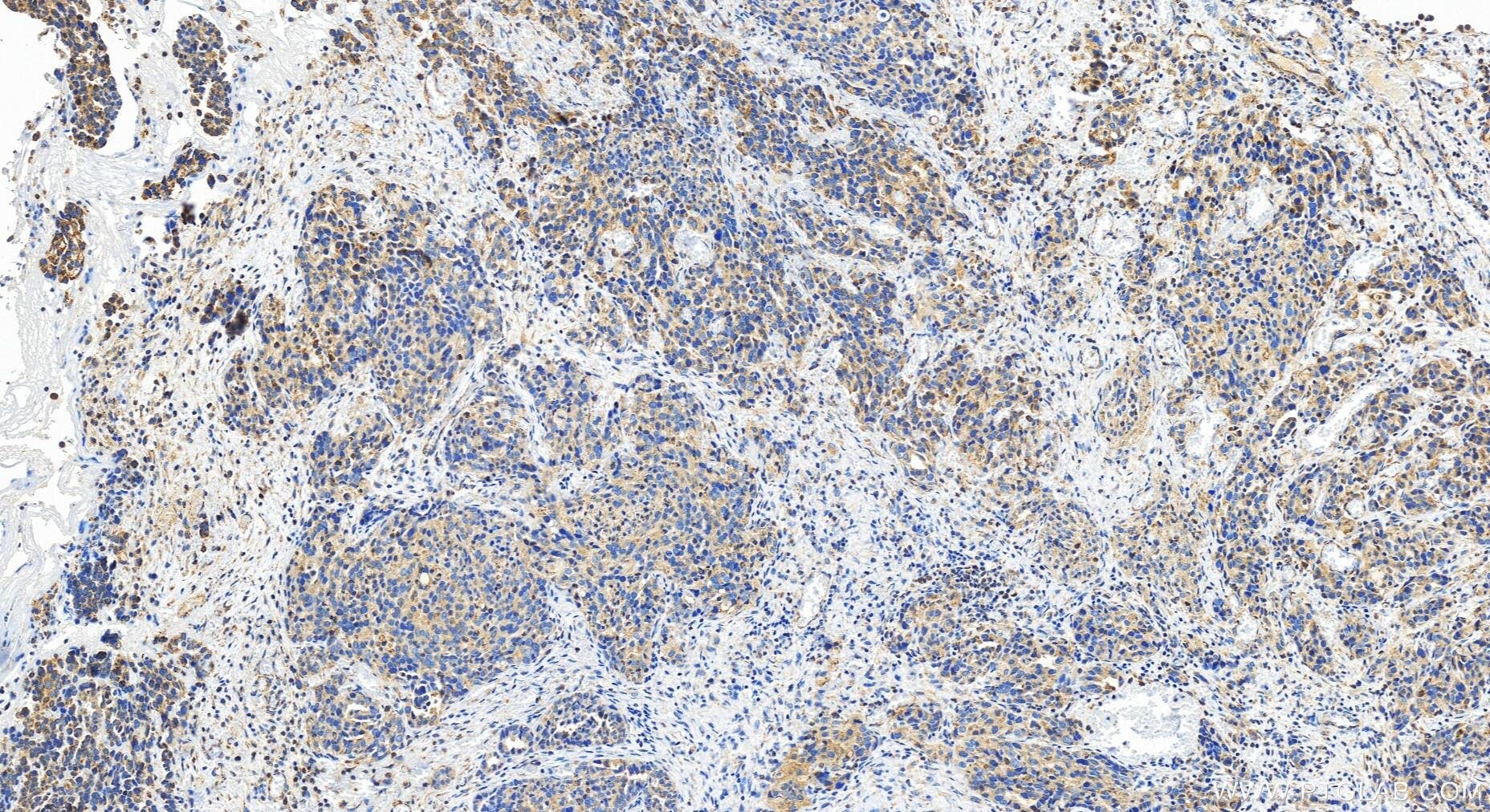
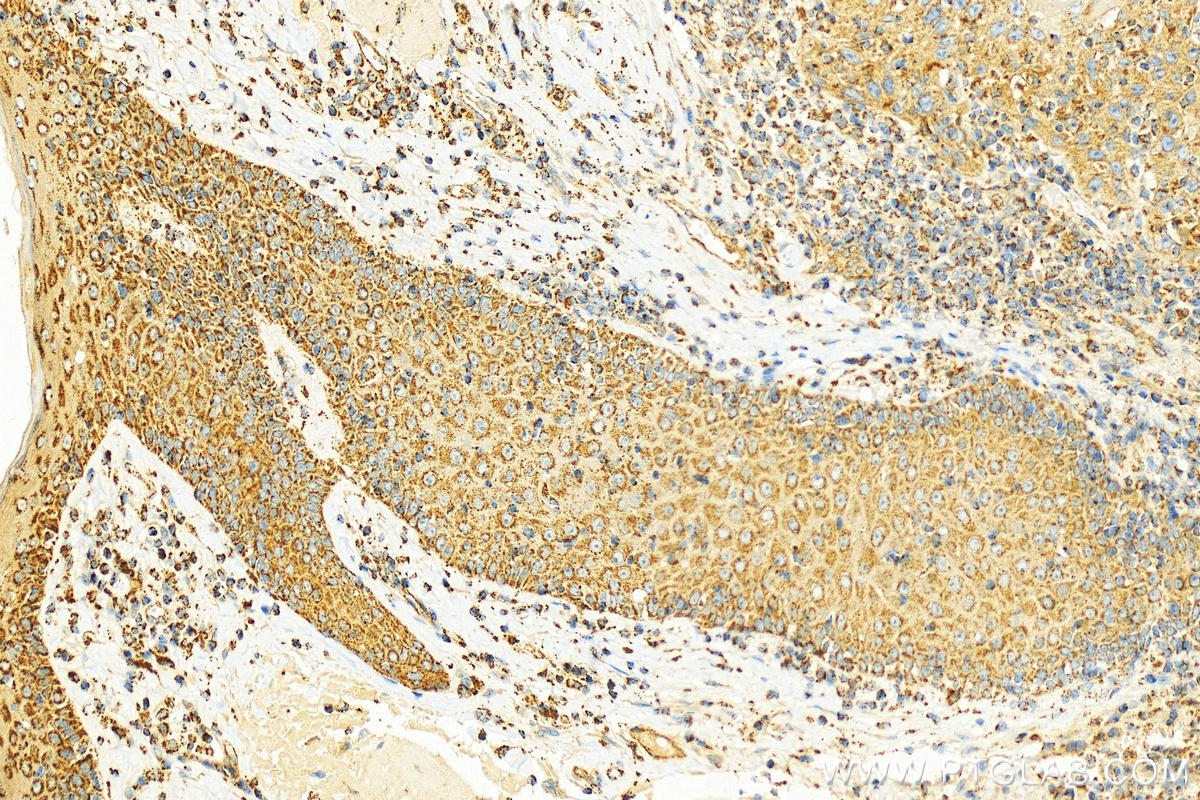
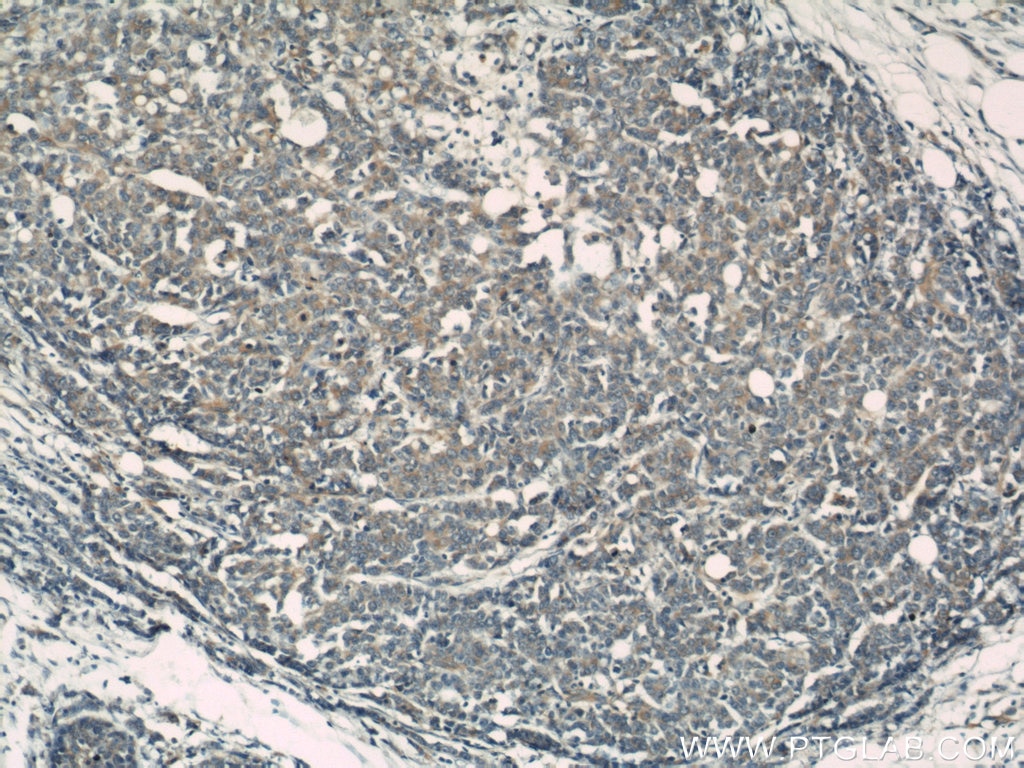
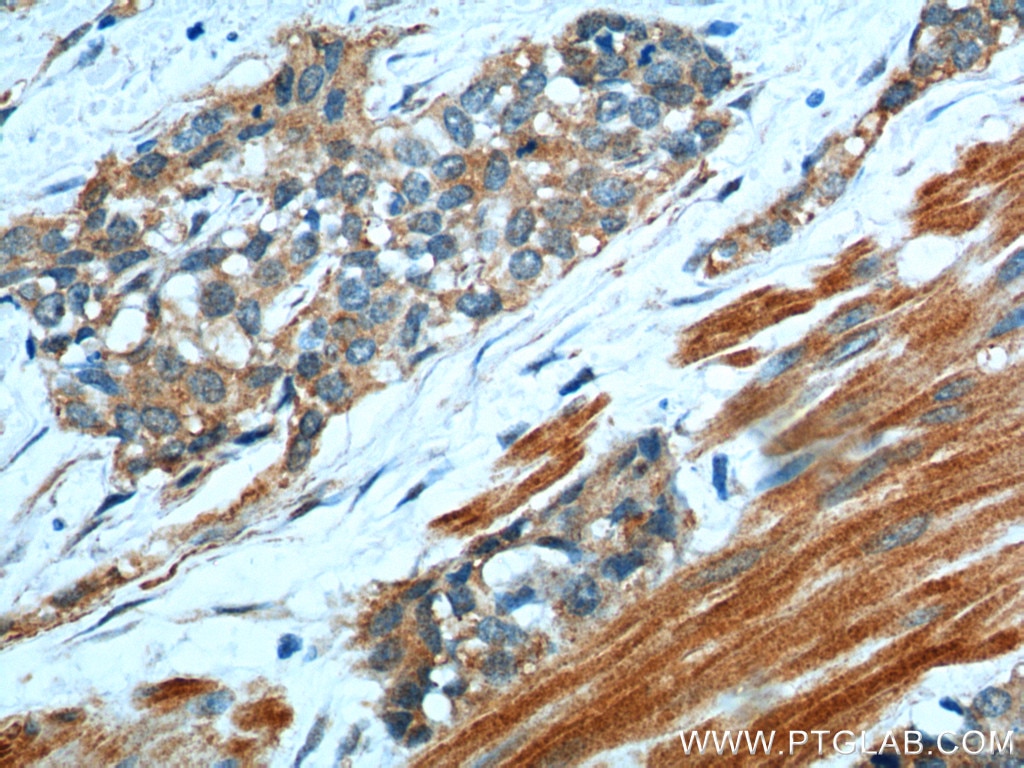
| Positive IHC detected in | human skin cancer tissue, human colon cancer tissue, human intrahepatic cholangiocarcinoma tissue, human ovary cancer tissue, human urothelial carcinoma tissue Note: suggested antigen retrieval with TE buffer pH 9.0; (*) Alternatively, antigen retrieval may be performed with citrate buffer pH 6.0 |
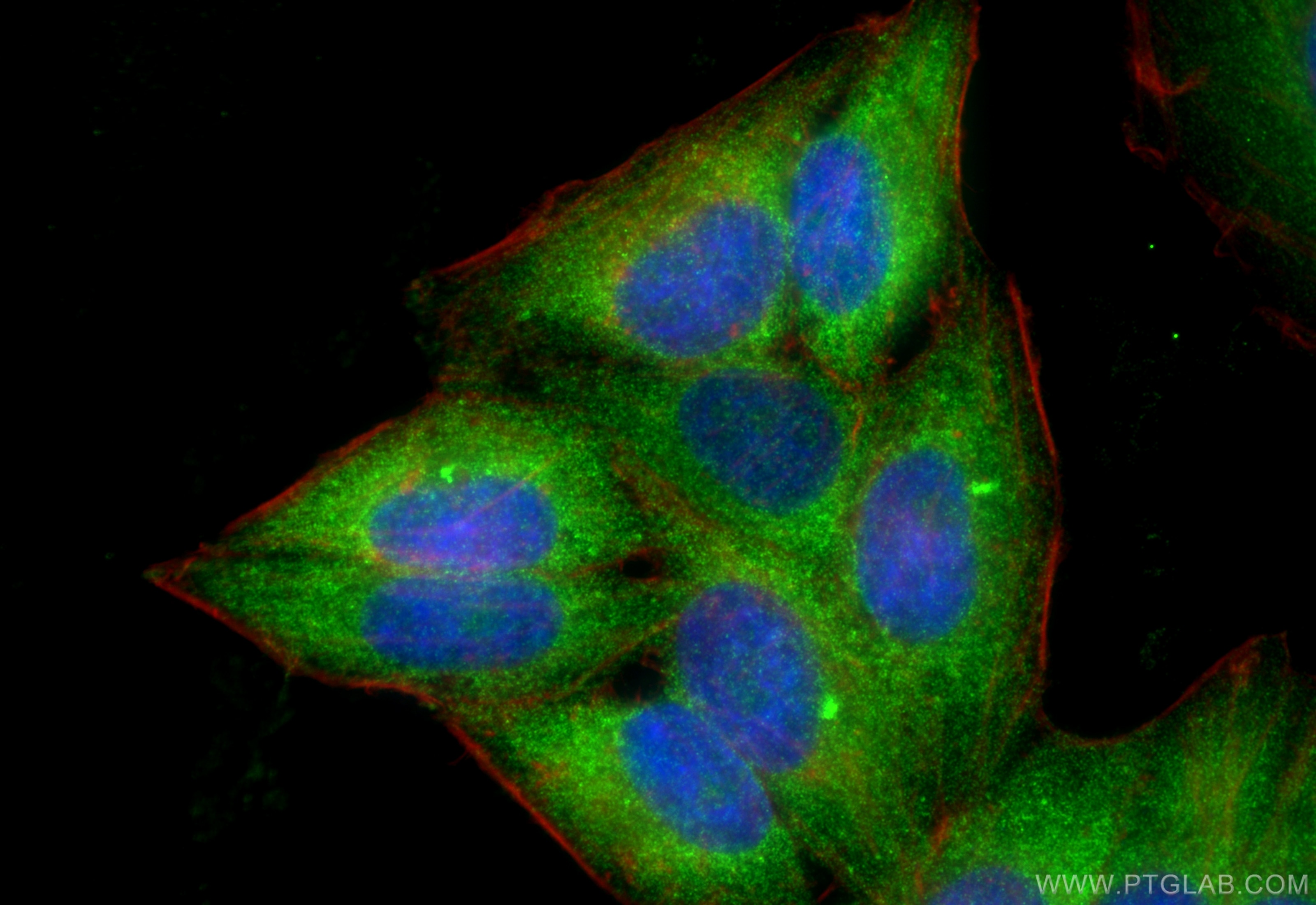
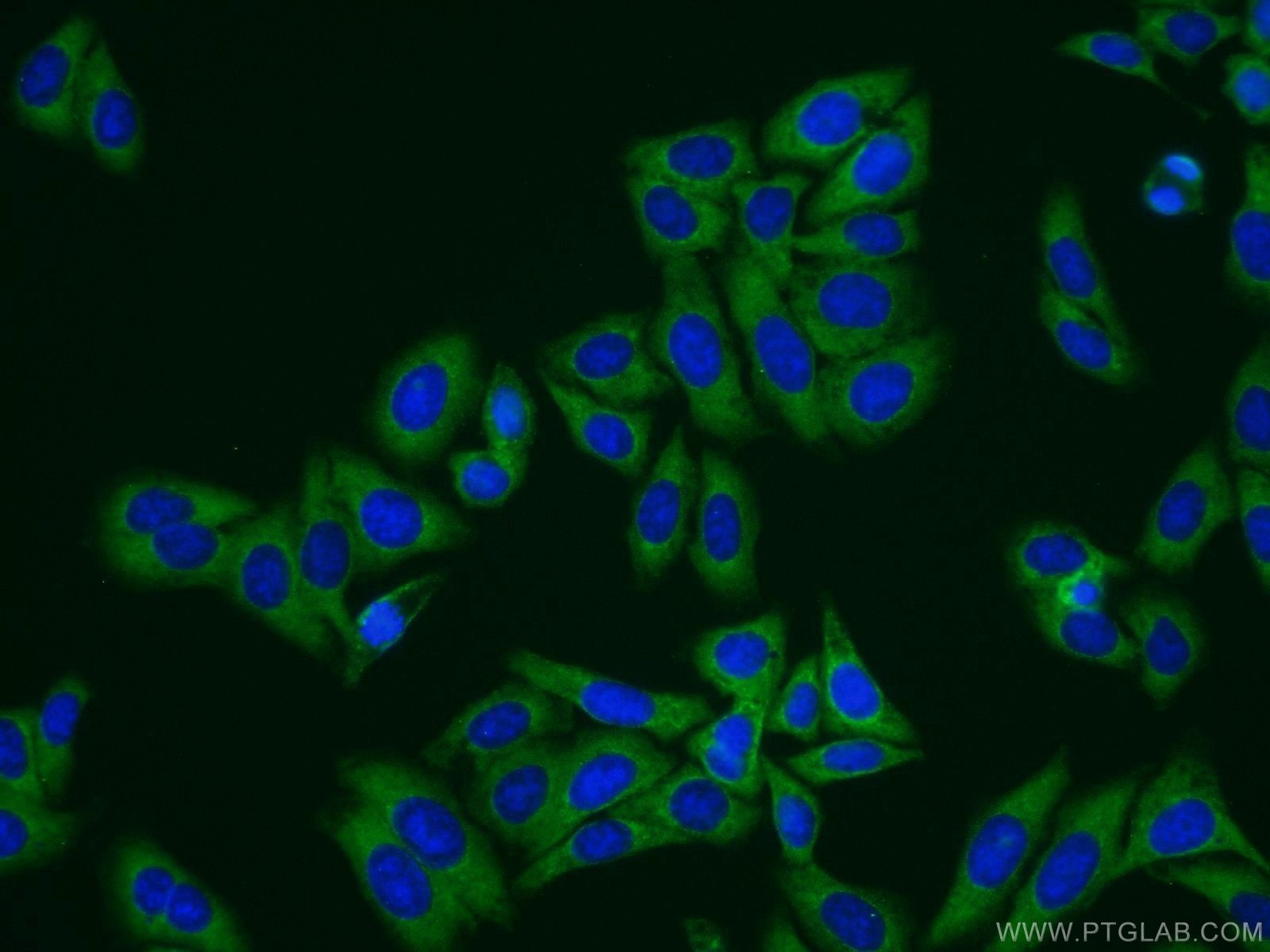
| Positive IF/ICC detected in | HepG2 cells |
Recommended dilution
| Application | Dilution |
|---|---|
| Western Blot (WB) | WB : 1:1000-1:4000 |
| Immunohistochemistry (IHC) | IHC : 1:50-1:500 |
| Immunofluorescence (IF)/ICC | IF/ICC : 1:200-1:800 |
| It is recommended that this reagent should be titrated in each testing system to obtain optimal results. | |
| Sample-dependent, Check data in validation data gallery. | |
Published Applications
| KD/KO | See 7 publications below |
| WB | See 20 publications below |
| IHC | See 9 publications below |
| IF | See 5 publications below |
| IP | See 1 publications below |
| ELISA | See 1 publications below |
| CoIP | See 1 publications below |
Product Information
10234-2-AP targets Transgelin 2 in WB, IHC, IF/ICC, IP, CoIP, ELISA applications and shows reactivity with human samples.
| Tested Reactivity | human |
| Cited Reactivity | human, mouse |
| Host / Isotype | Rabbit / IgG |
| Class | Polyclonal |
| Type | Antibody |
| Immunogen |
CatNo: Ag0337 Product name: Recombinant human TAGLN2 protein Source: e coli.-derived, PGEX-4T Tag: GST Domain: 4-130 aa of BC002616 Sequence: RGPAYGLSREVQQKIEKQYDADLEQILIQWITTQCRKDVGRPQPGRENFQNWLKDGTVLCELINAQYPEGQAPVKKIQASTMAFKQMEQISQFLQAAERYGINTTDIFQTVDLWEGKNMACVQRTLM 相同性解析による交差性が予測される生物種 |
| Full Name | transgelin 2 |
| Calculated molecular weight | 199 aa, 22 kDa |
| Observed molecular weight | 22 kDa |
| GenBank accession number | BC002616 |
| Gene Symbol | Transgelin-2/TAGLN2 |
| Gene ID (NCBI) | 8407 |
| RRID | AB_2240241 |
| Conjugate | Unconjugated |
| Form | |
| Form | Liquid |
| Purification Method | Antigen affinity purification |
| UNIPROT ID | P37802 |
| Storage Buffer | PBS with 0.02% sodium azide and 50% glycerol{{ptg:BufferTemp}}7.3 |
| Storage Conditions | Store at -20°C. Stable for one year after shipment. Aliquoting is unnecessary for -20oC storage. |
Background Information
The transgelin family is a group of proteins that belong to 22 kDa actin-related corpnin superfamily. Of all three isoforms, transgelin 1 is the best characterized. Transgelin 1, also known as SM22 alpha, is a specific marker for differentiated smooth muscle cells. Transgelin 2, also known as SM22 beta, is expressed by both smooth muscle and non-smooth muscle cells in a temporally and spatially regulated pattern. Trangenlin 3, also known as NP25, is only found in highly differentiated neuronal cells. This antibody was generated against full length transgenlin 2 protein. It may cross react with other two transgelins based on the sequence similarity.
Protocols
| Product Specific Protocols | |
|---|---|
| IF protocol for Transgelin 2 antibody 10234-2-AP | Download protocol |
| IHC protocol for Transgelin 2 antibody 10234-2-AP | Download protocol |
| WB protocol for Transgelin 2 antibody 10234-2-AP | Download protocol |
| Standard Protocols | |
|---|---|
| Click here to view our Standard Protocols |
Publications
| Species | Application | Title |
|---|---|---|
Nat Commun Spatial transcriptomics analysis of esophageal squamous precancerous lesions and their progression to esophageal cancer
| ||
Nat Commun Soluble TREM2 ameliorates tau phosphorylation and cognitive deficits through activating transgelin-2 in Alzheimer's disease | ||
Adv Sci (Weinh) Electret-Inspired Charge-Injected Hydrogel for Scar-Free Healing of Bacterially Infected Burns Through Bioelectrical Stimulation and Immune Modulation | ||
Cell Mol Life Sci Hsa_circ_PCNT sponges hsa-miR-133b to promote SHH medulloblastoma via TAGLN2. | ||
Mol Cell Proteomics Comparative Tissue Proteomics of Microdissected Specimens Reveals Novel Candidate Biomarkers of Bladder Cancer. | ||
J Am Heart Assoc Multi-Omic Insight Into the Molecular Networks in the Pathogenesis of Coronary Artery Disease |