
Validation Data Gallery
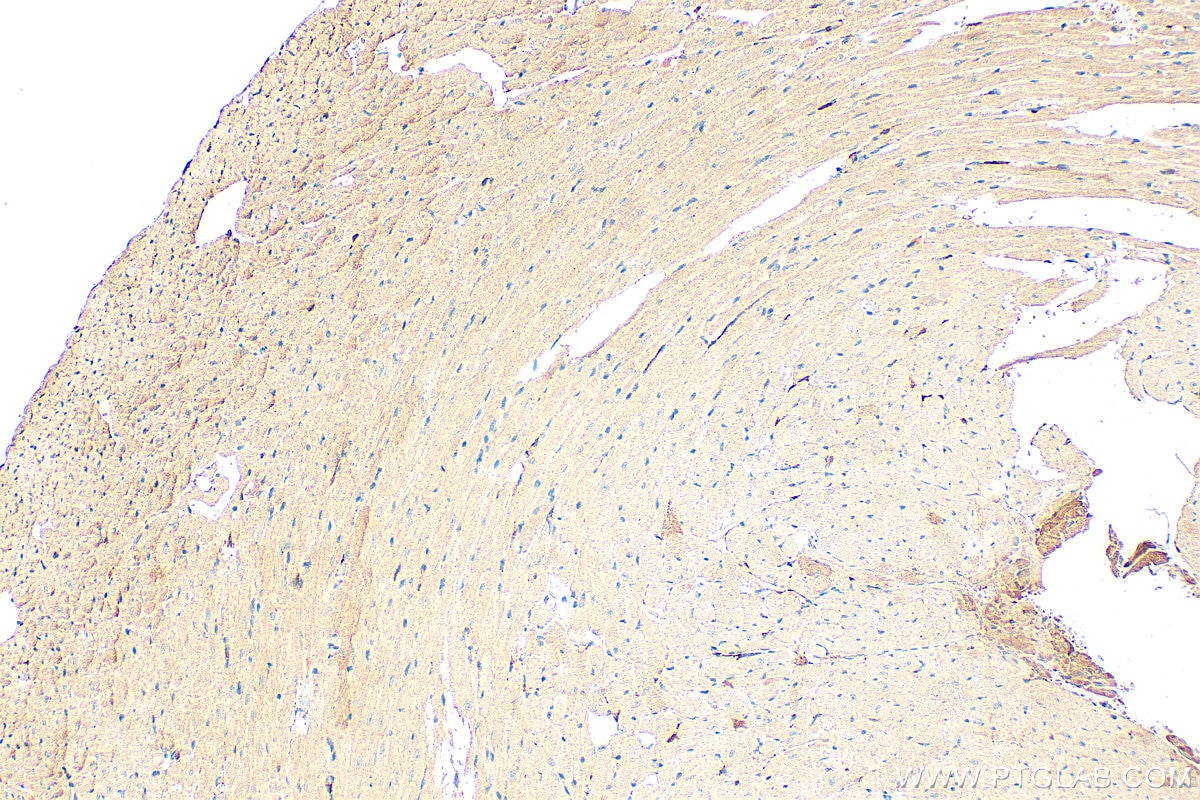
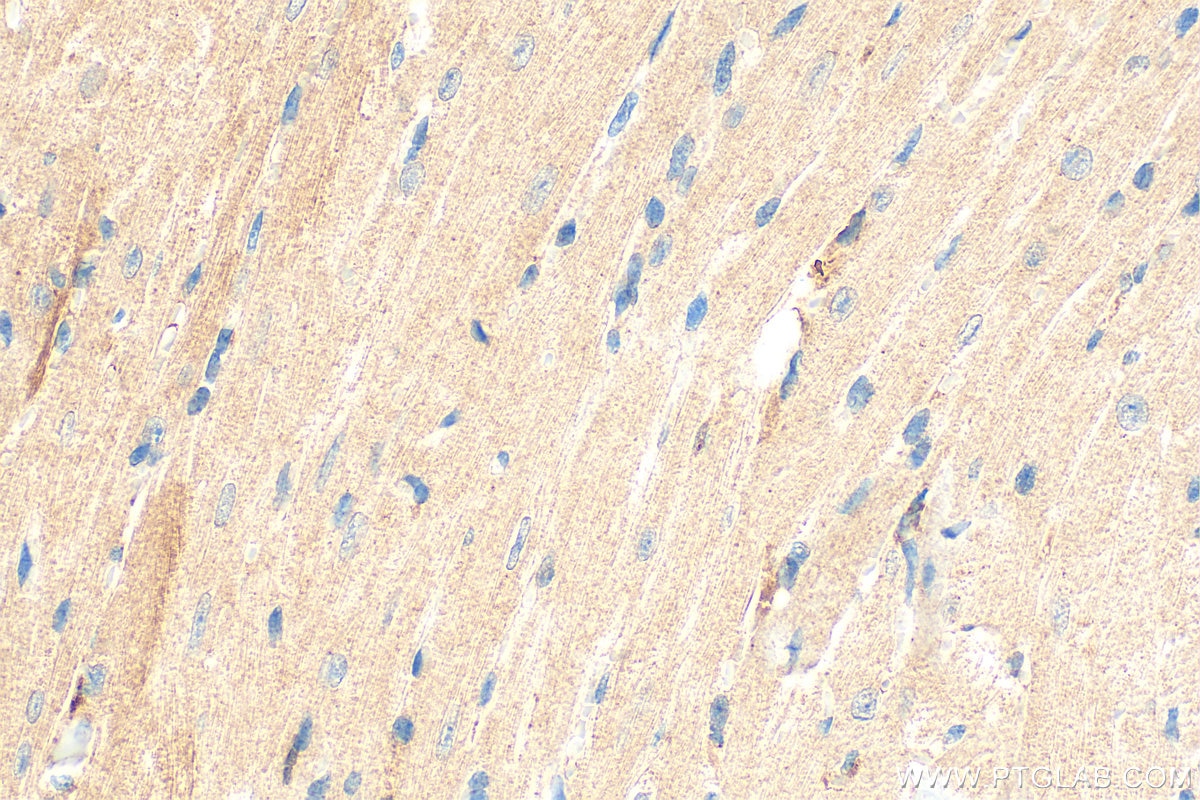
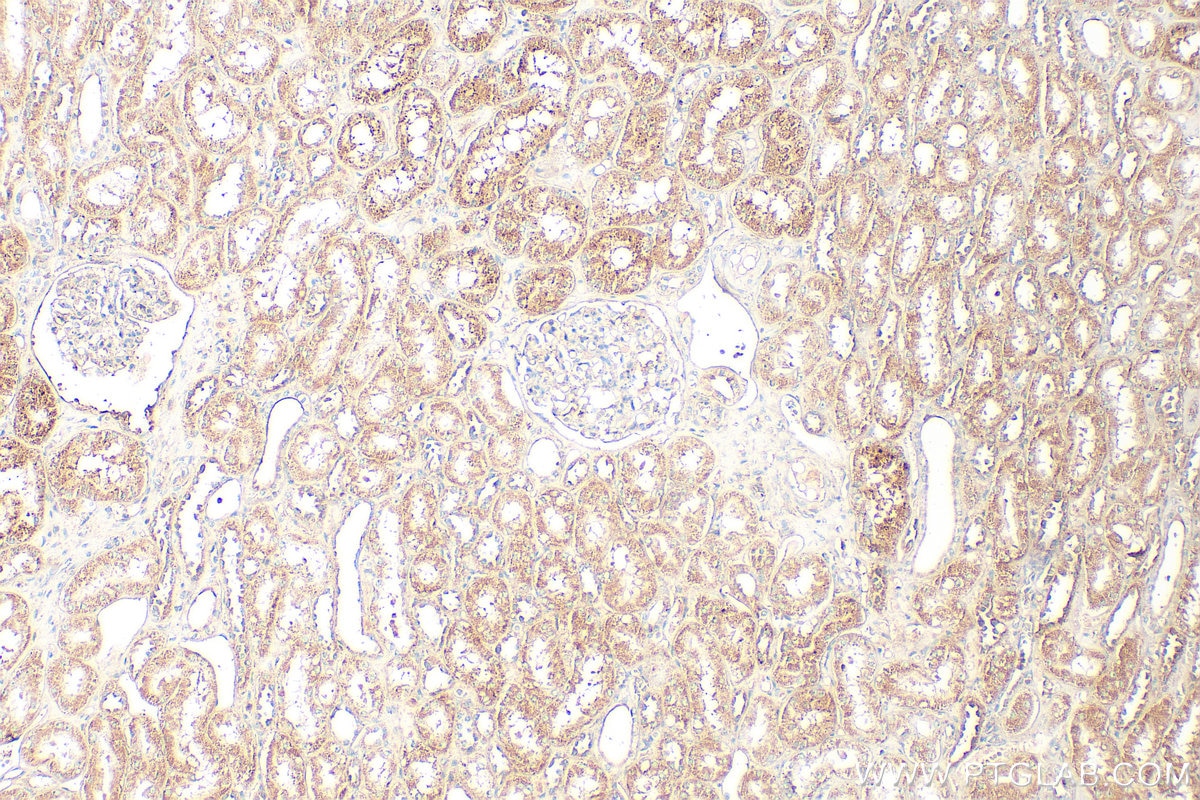
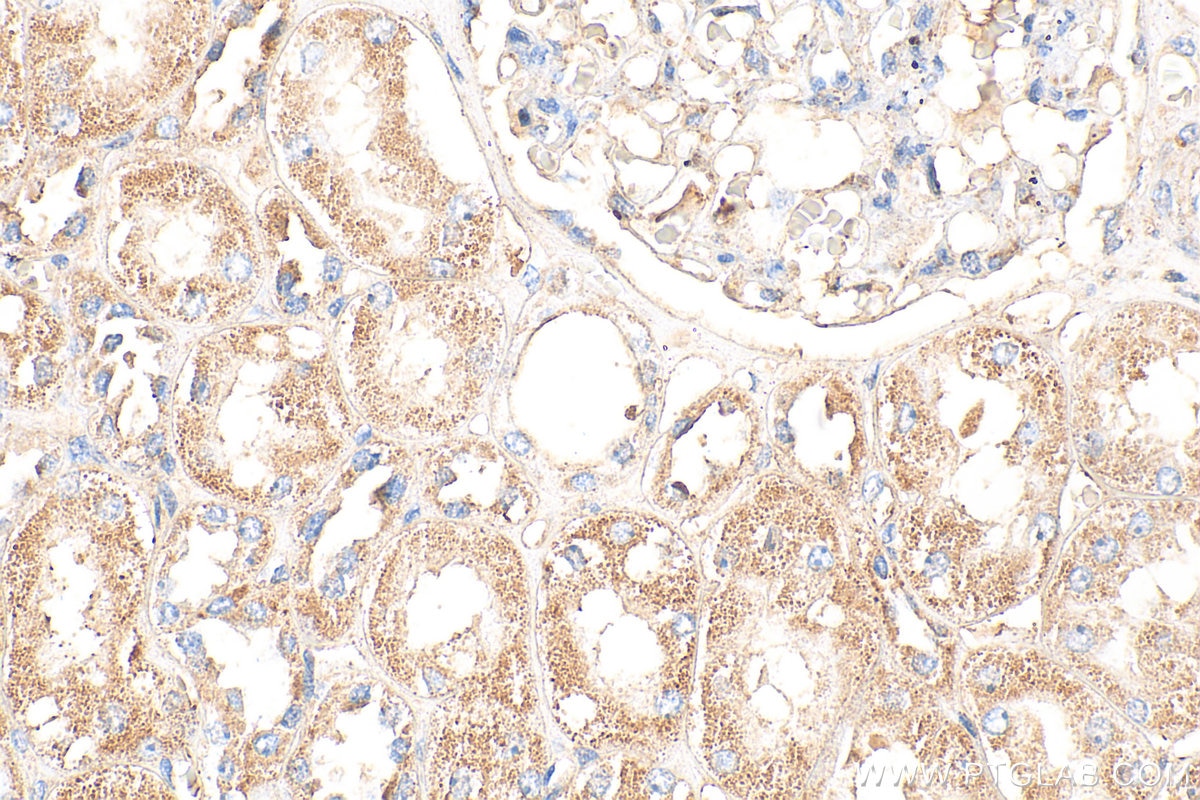
Tested Applications
Recommended dilution
| Application | Dilution |
|---|---|
| It is recommended that this reagent should be titrated in each testing system to obtain optimal results. | |
Product Information
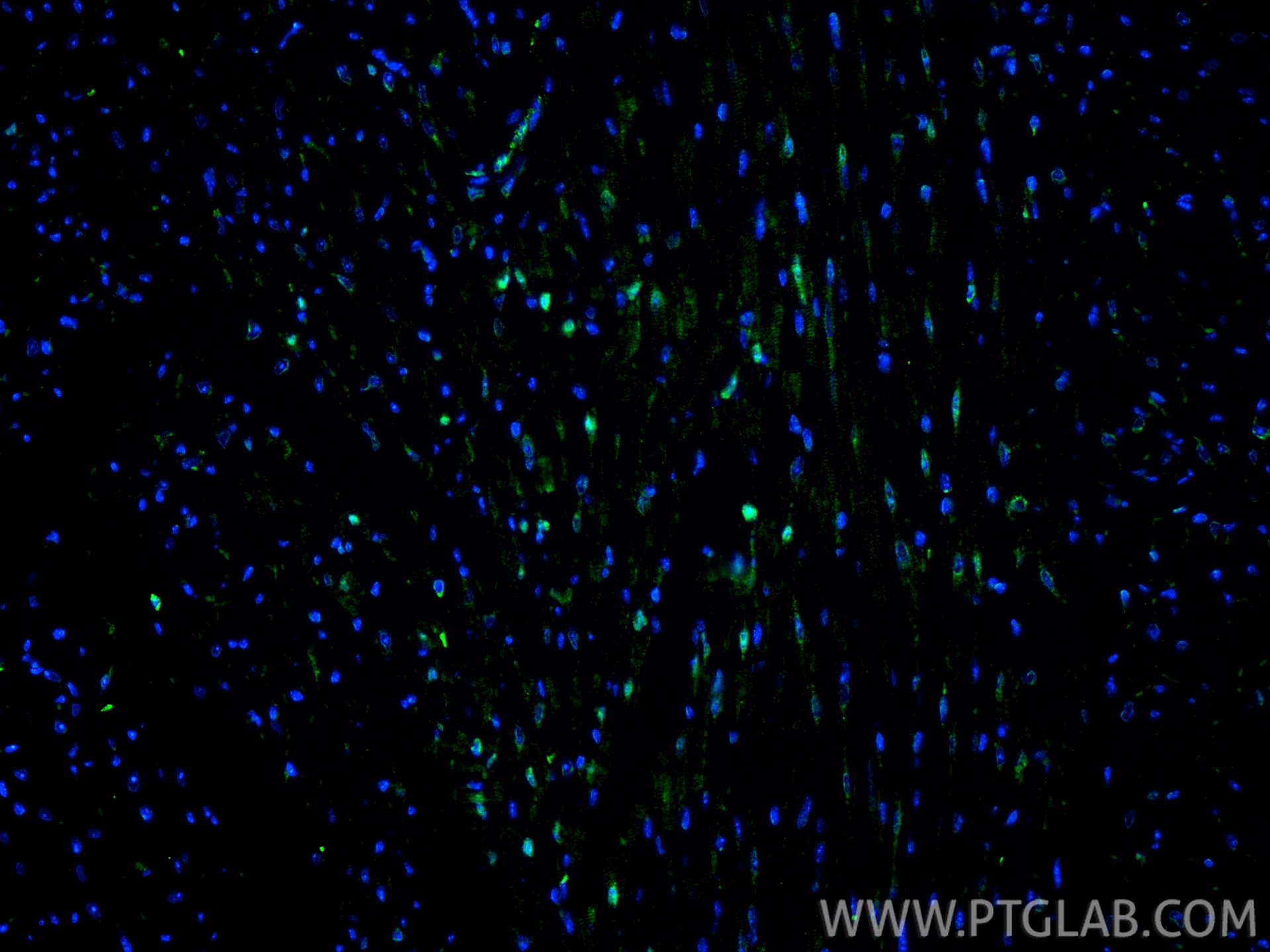
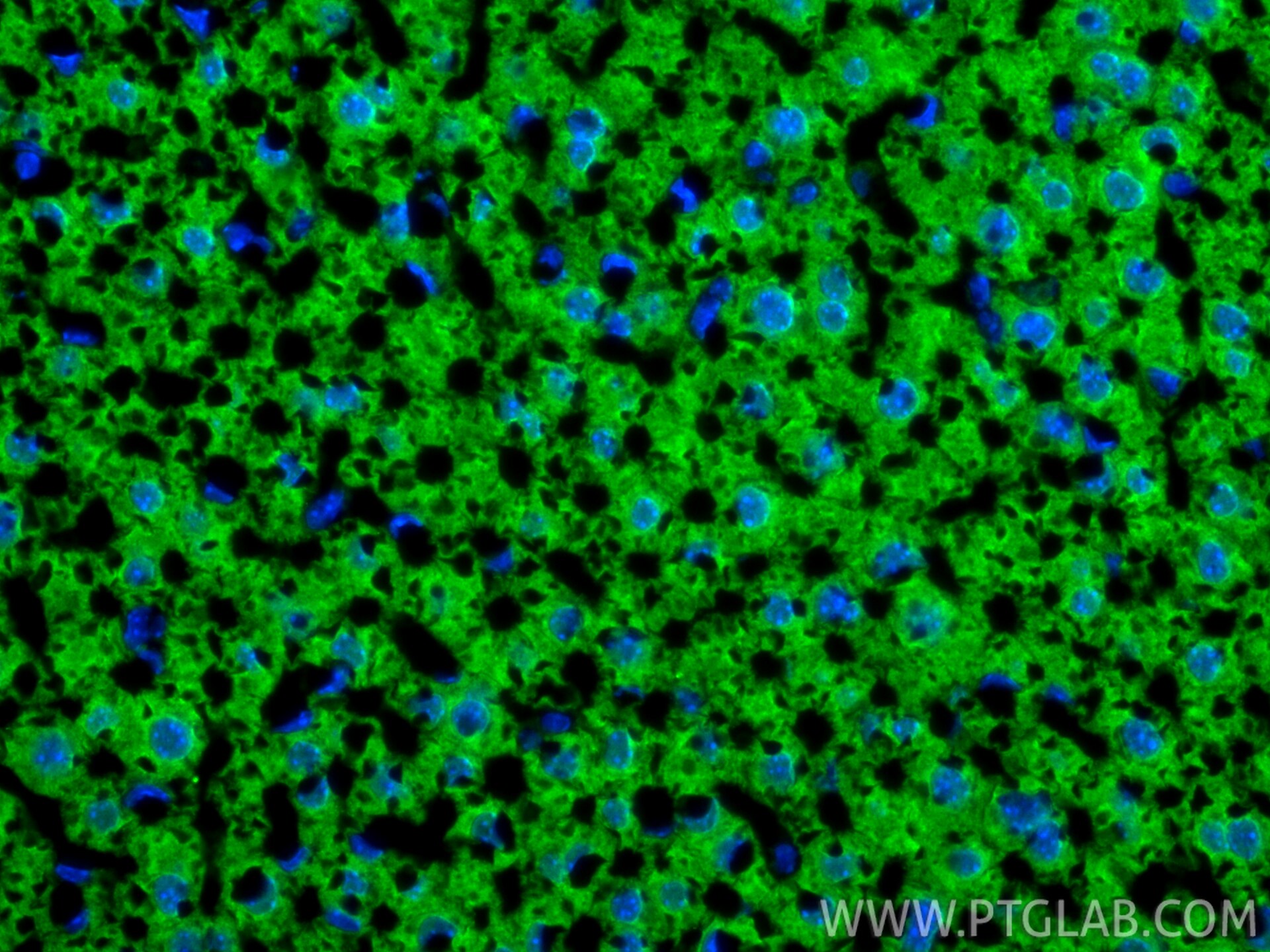
20467-1-PBS targets Spexin in IHC, IF-P, Indirect ELISA applications and shows reactivity with human, mouse samples.
| Tested Reactivity | human, mouse |
| Host / Isotype | Rabbit / IgG |
| Class | Polyclonal |
| Type | Antibody |
| Immunogen |
CatNo: Ag14304 Product name: Recombinant human C12orf39 protein Source: e coli.-derived, PGEX-4T Tag: GST Domain: 1-116 aa of BC004336 Sequence: MKGLRSLAATTLALFLVFVFLGNSSCAPQRLLERRNWTPQAMLYLKGAQGRRFISDQSRRKDLSDRPLPERRSPNPQLLTIPEAATILLASLQKSPEDEEKNFDQTRFLEDSLLNW 相同性解析による交差性が予測される生物種 |
| Full Name | chromosome 12 open reading frame 39 |
| Calculated molecular weight | 116 aa, 13 kDa |
| GenBank accession number | BC004336 |
| Gene Symbol | C12orf39 |
| Gene ID (NCBI) | 80763 |
| RRID | AB_3741996 |
| Conjugate | Unconjugated |
| Form | |
| Form | Liquid |
| Purification Method | Antigen affinity purification |
| UNIPROT ID | Q9BT56 |
| Storage Buffer | PBS only{{ptg:BufferTemp}}7.3 |
| Storage Conditions | Store at -80°C. |
Background Information
Spexin (SPX), also known as neuropeptide Q, is a novel and highly conserved neuroendocrine peptide discovered through bioinformatics. Spexin and its receptors (primarily galanin receptor types 2 and 3) are widely expressed throughout the body, including the central nervous system, gastrointestinal tract, adipose tissue, kidneys, and cardiovascular system. Research indicates that Spexin is a multifunctional regulatory peptide, with its most central role being in energy homeostasis and metabolic regulation. It functions to suppress appetite, reduce body weight, and improve insulin resistance and glucose metabolism, making it a potential biomarker and therapeutic target for metabolic diseases such as obesity and type 2 diabetes. Additionally, Spexin is involved in regulating various physiological and pathological processes, including pain perception, anxiety- and depression-like behaviors, cardiovascular function, and reproductive activities.