
Validation Data Gallery
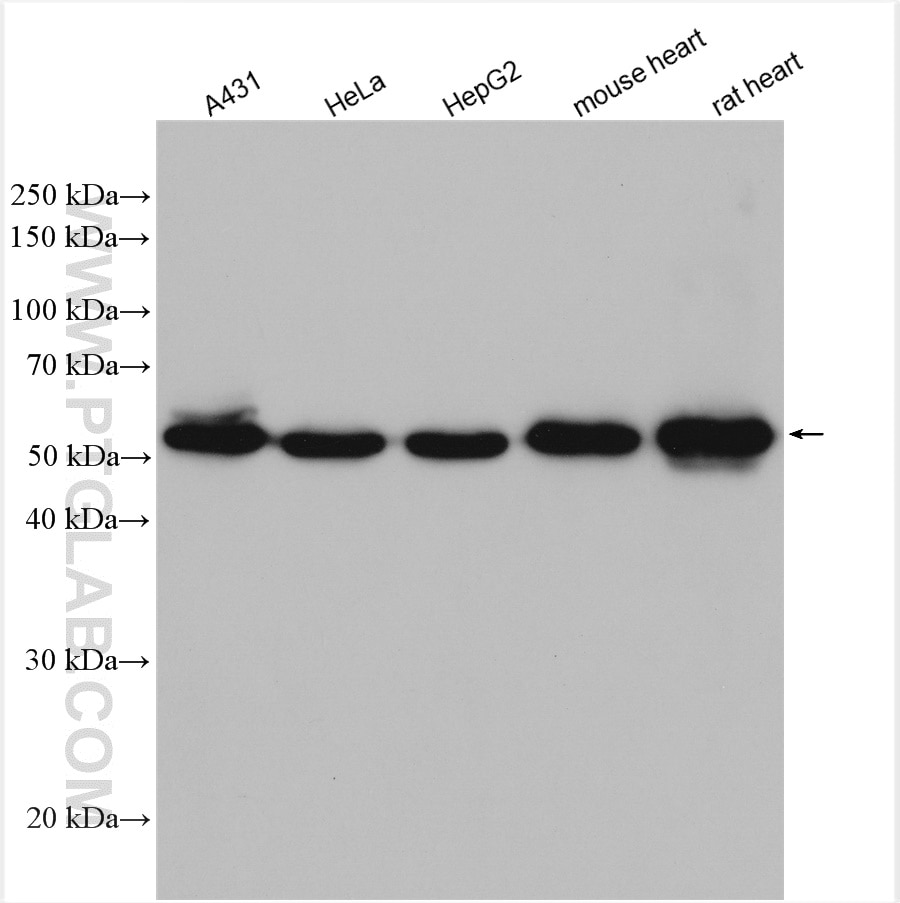
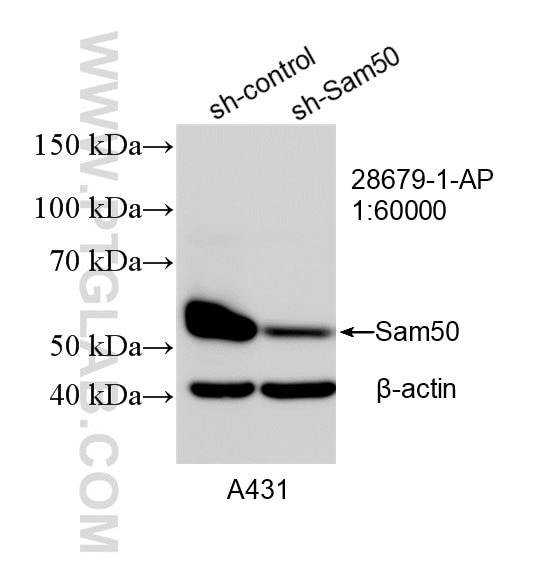
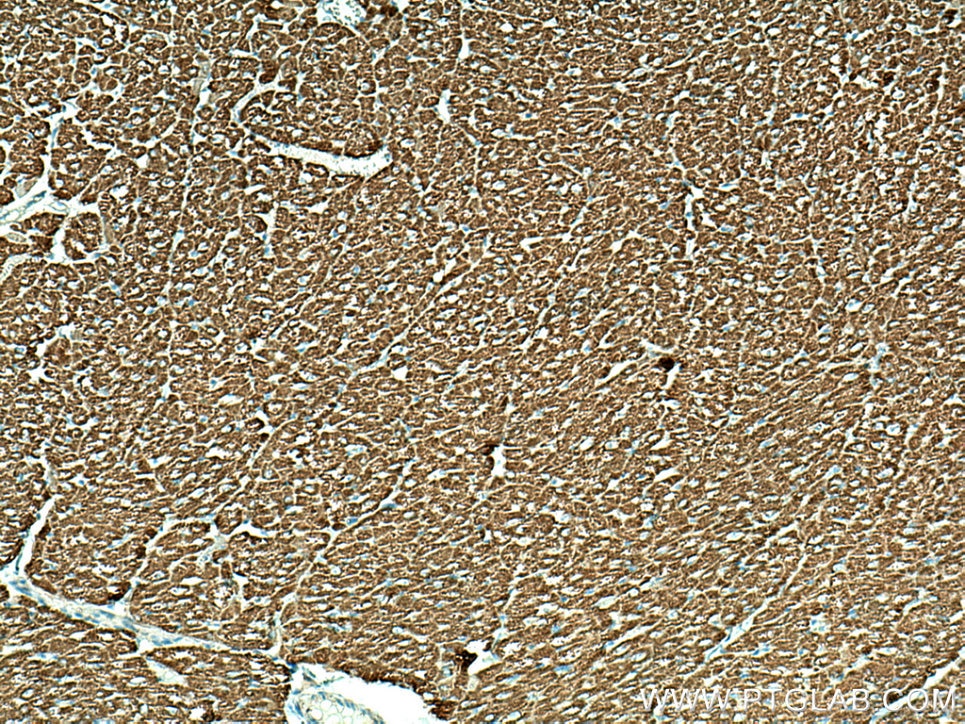
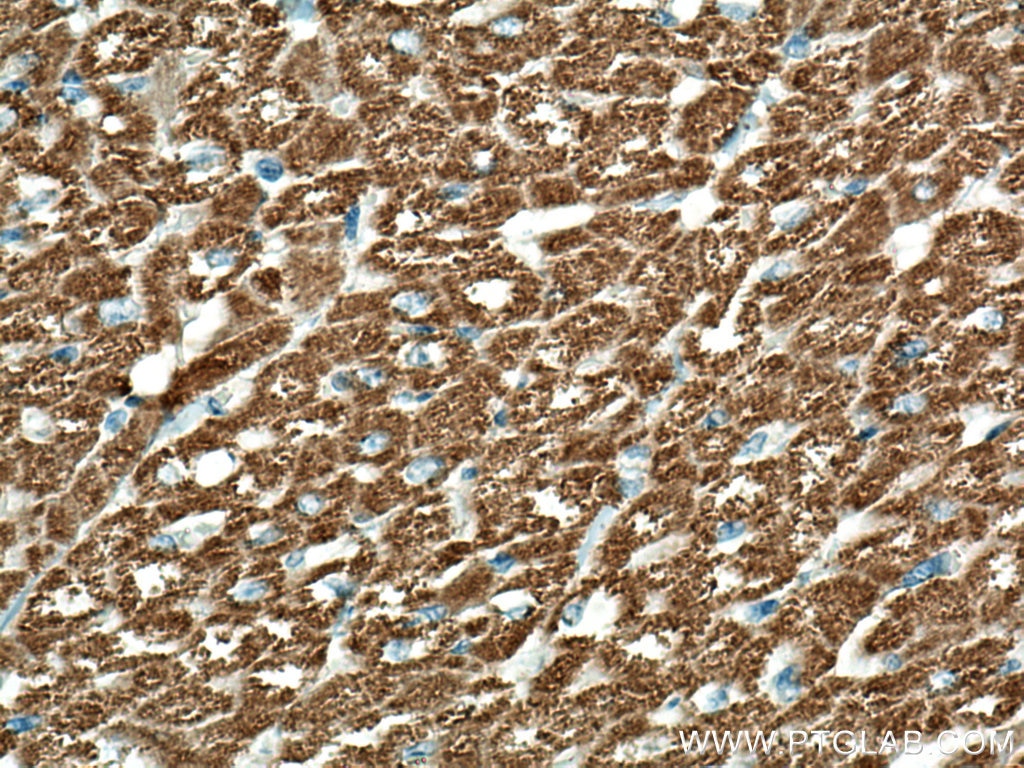
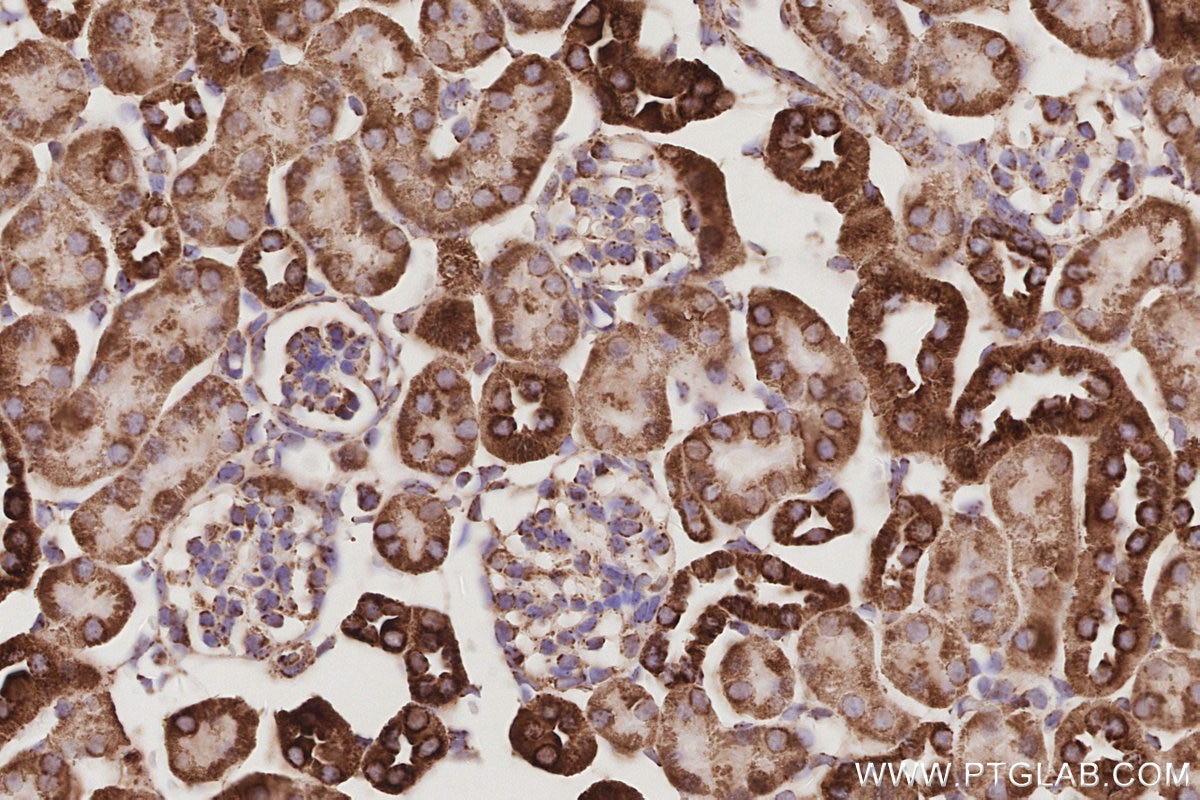
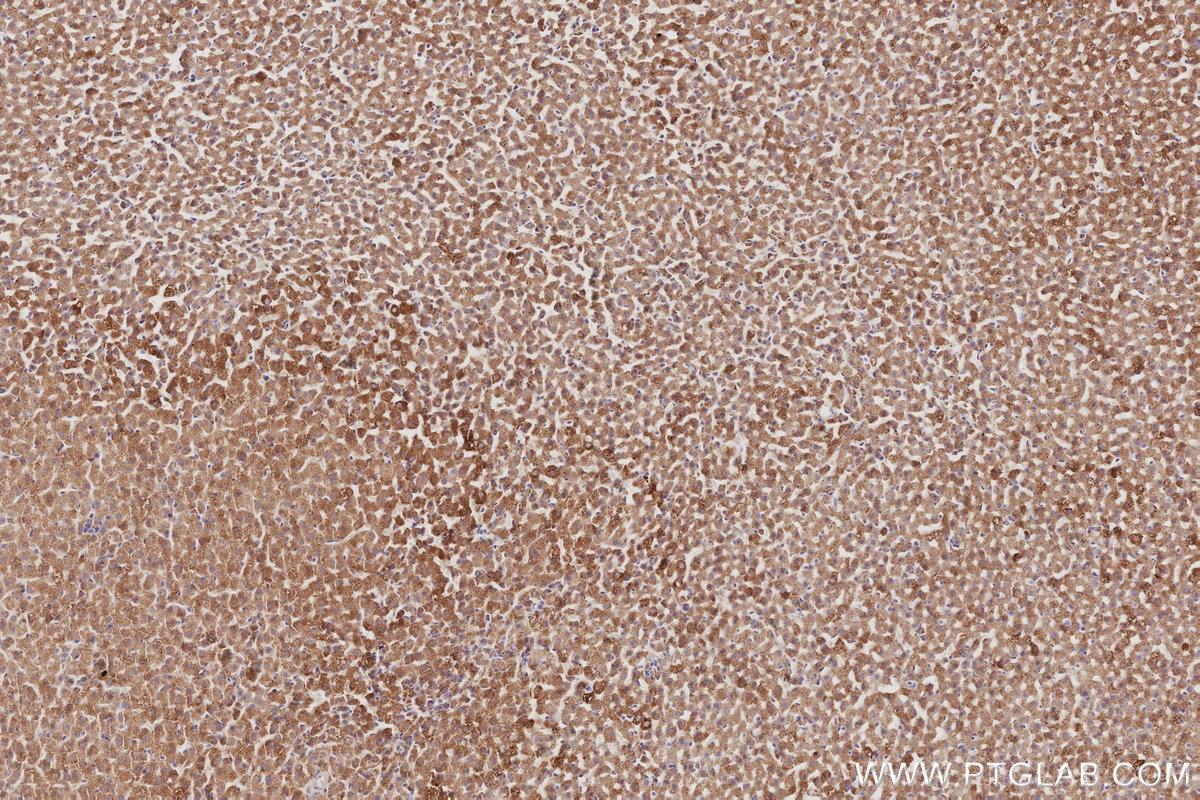
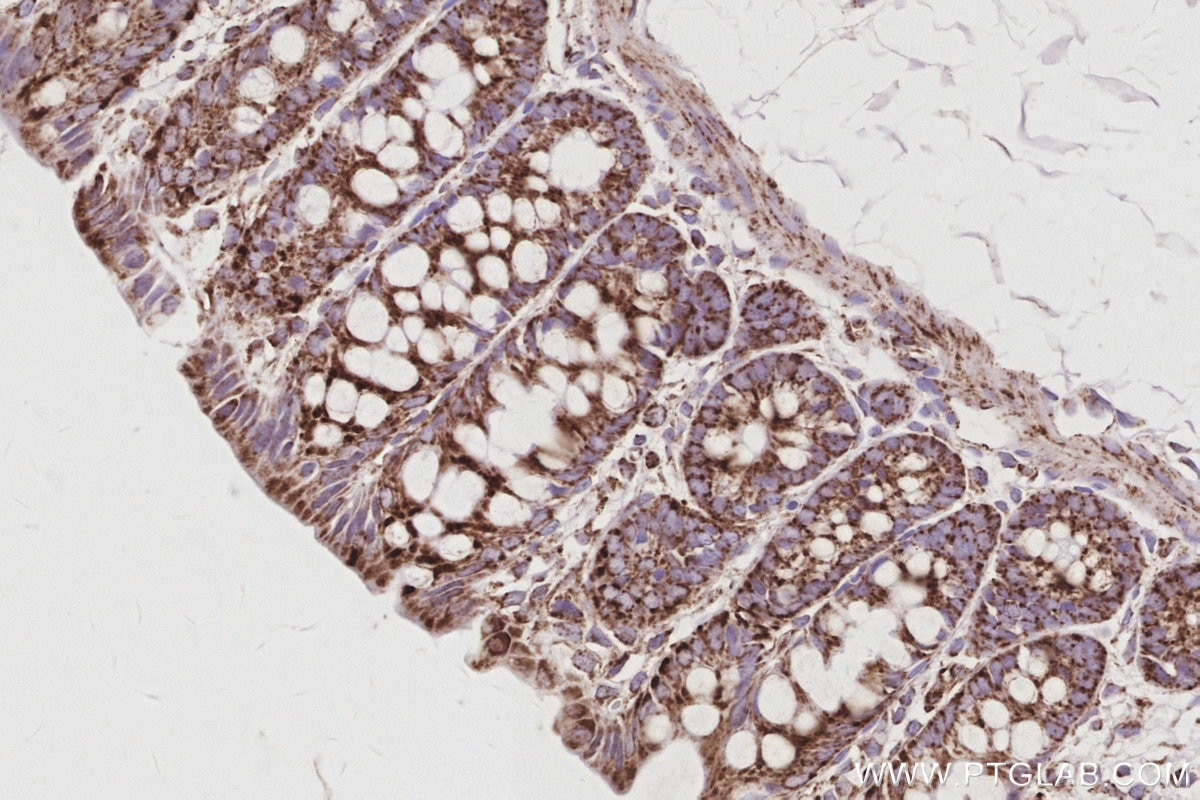
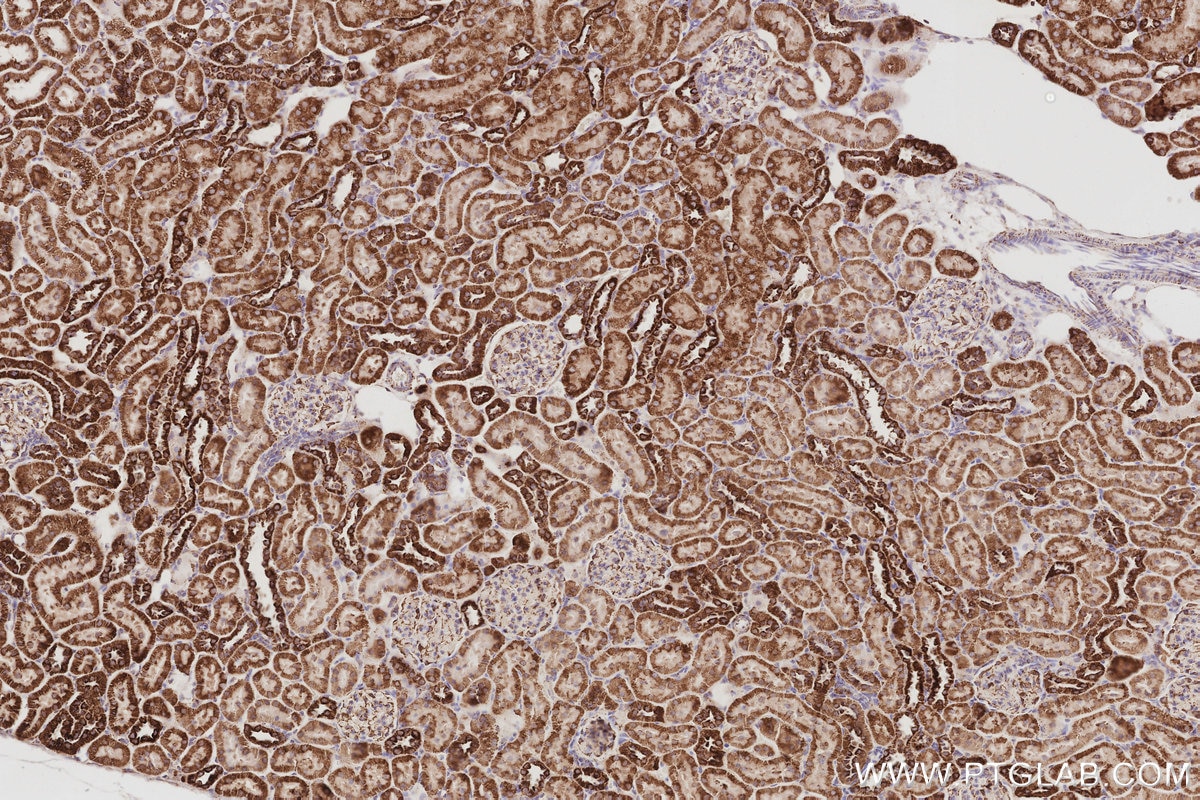
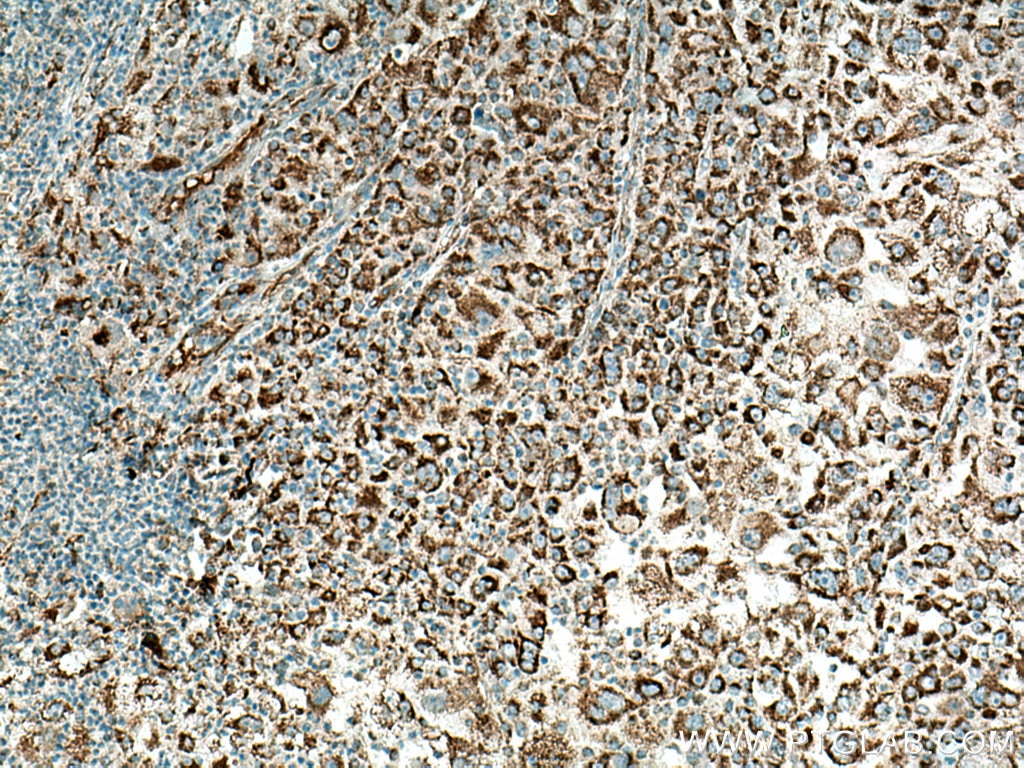
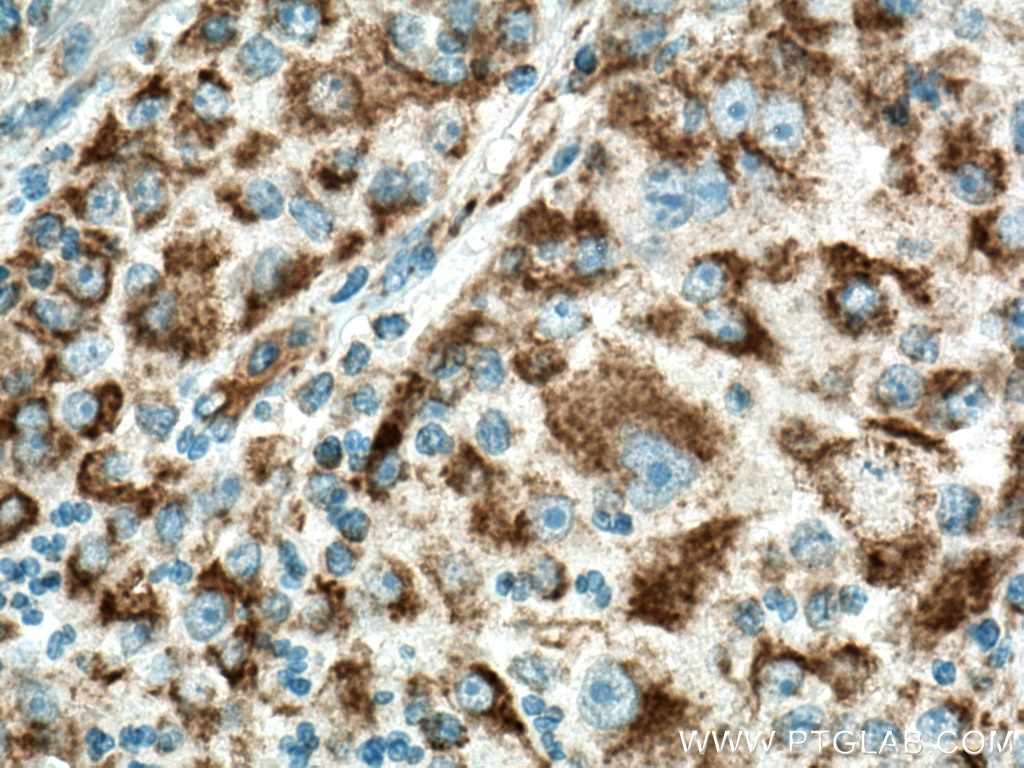
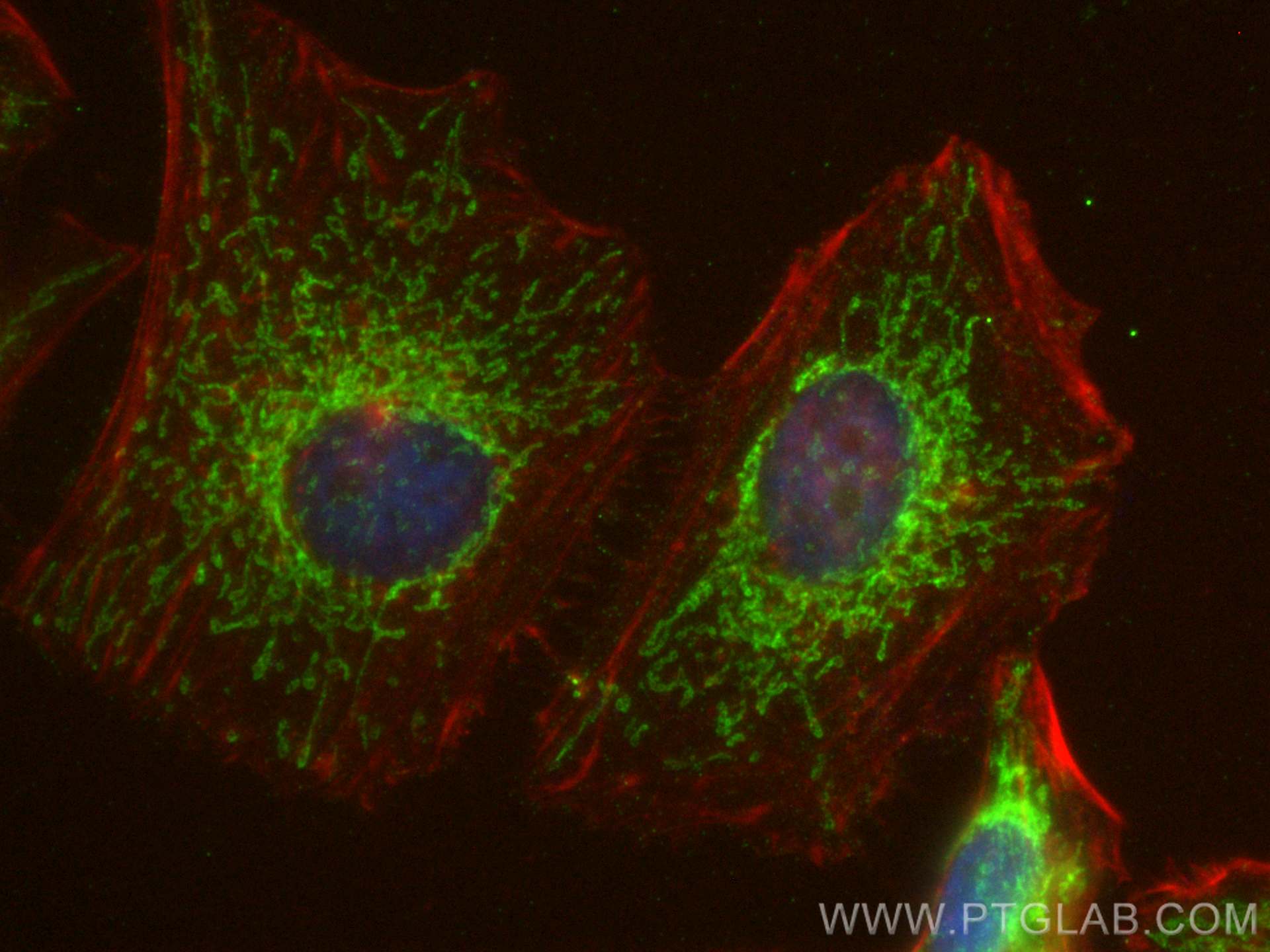
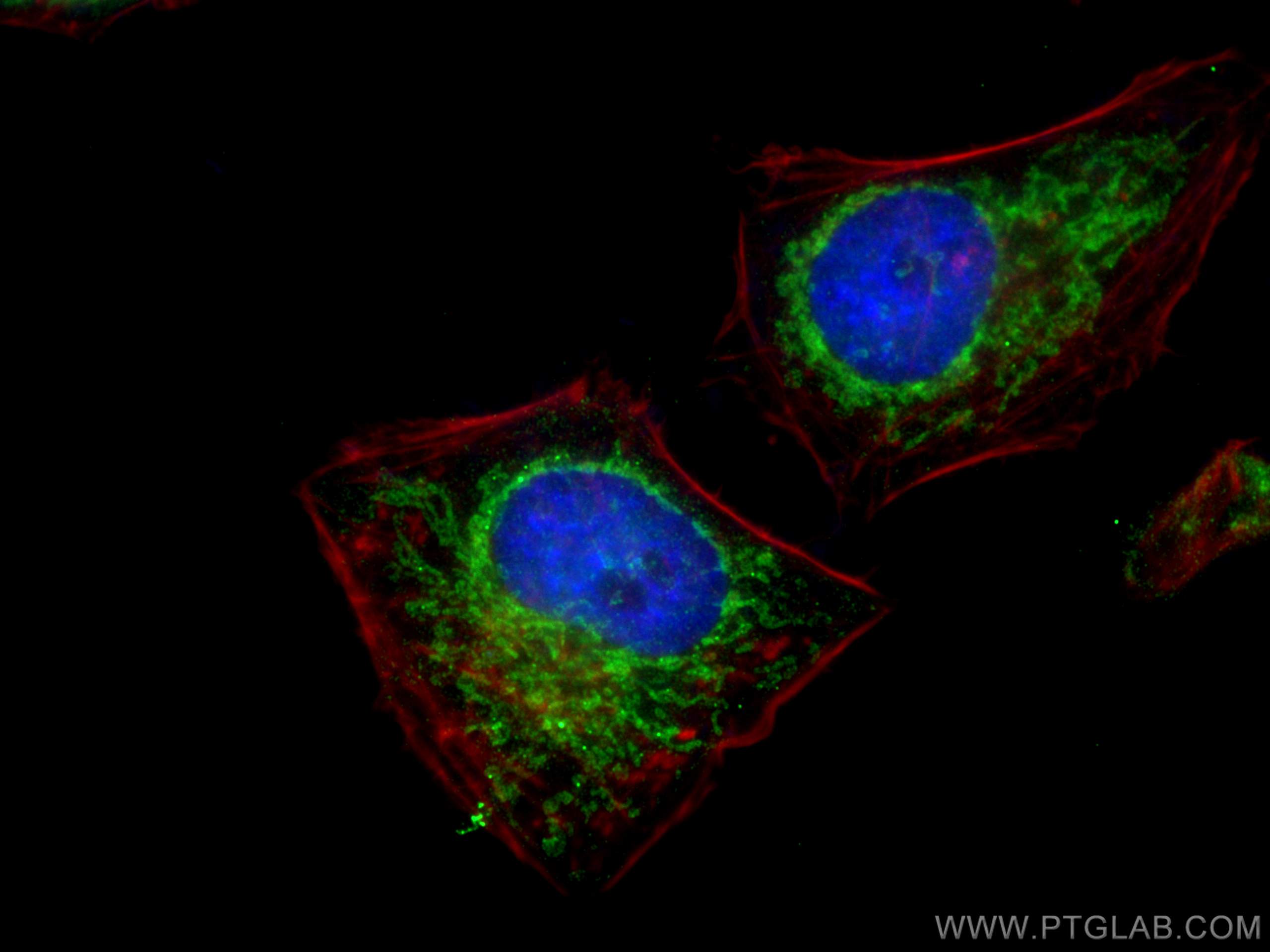
Tested Applications
| Positive WB detected in | A431 cells, HeLa cells, HepG2 cells, mouse heart tissur, rat heart tissue |
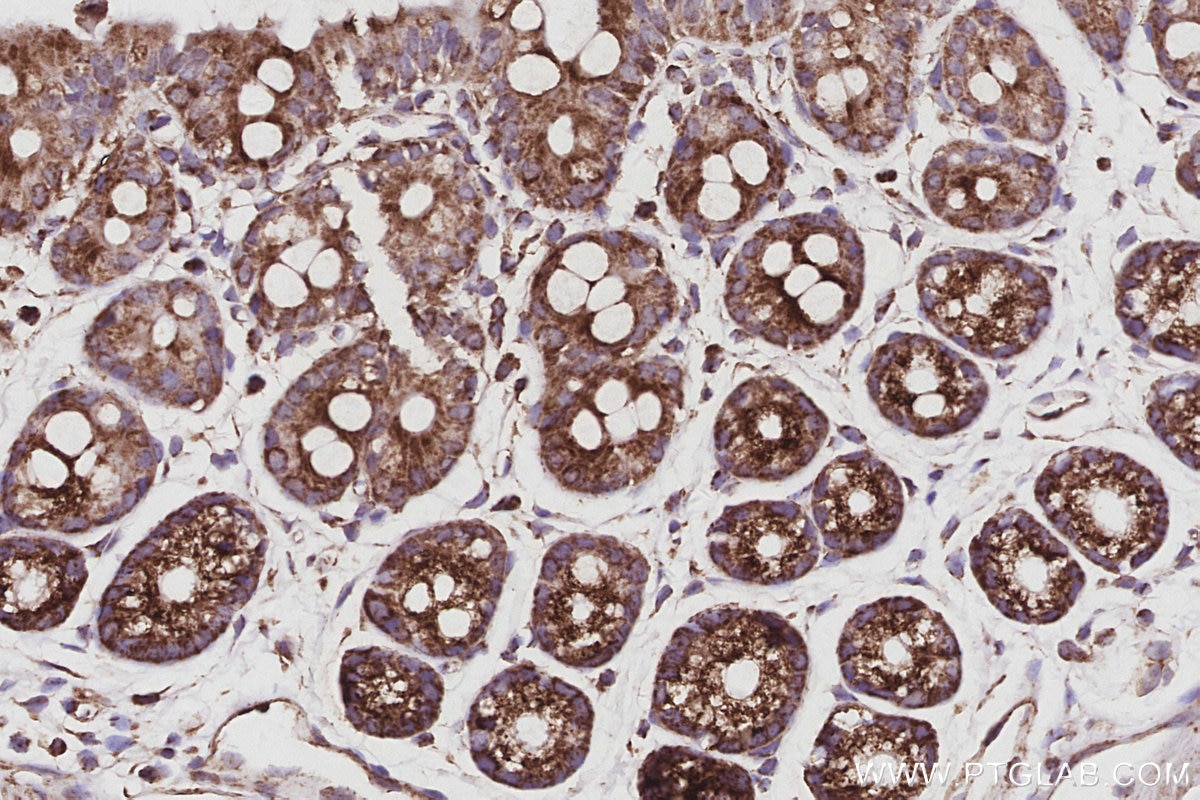
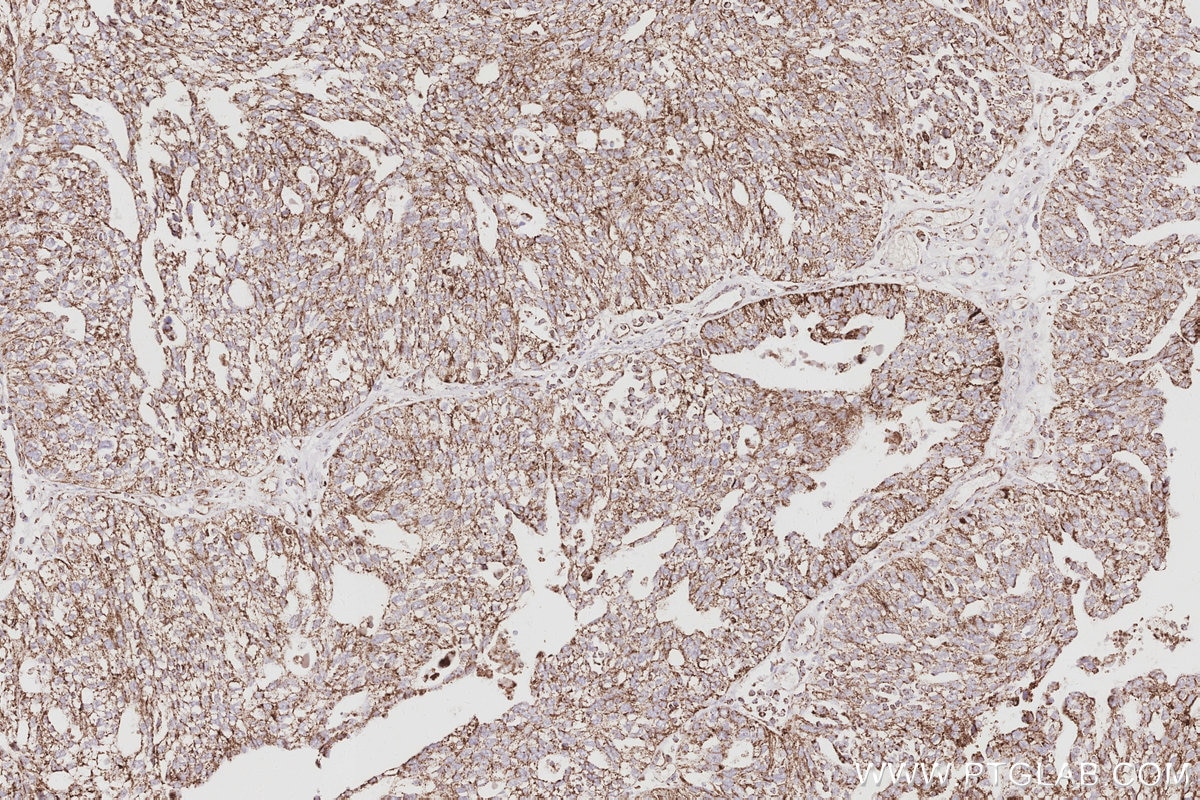
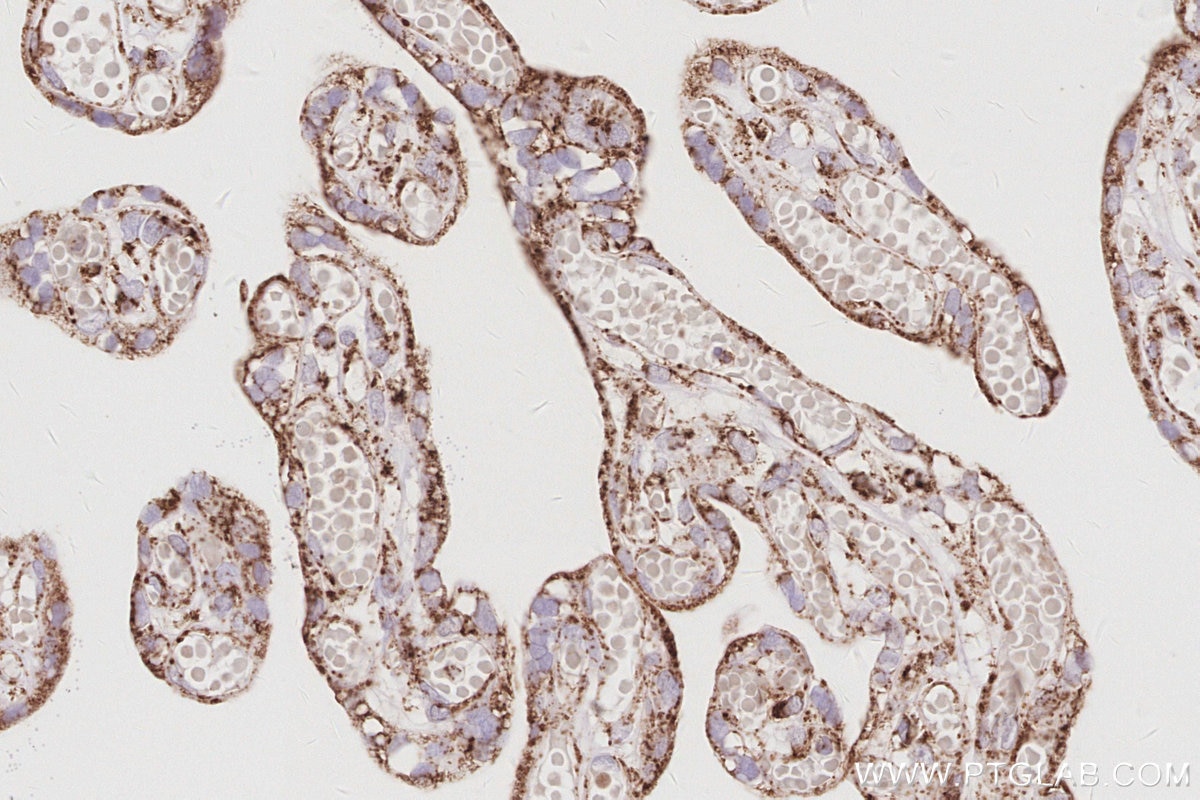
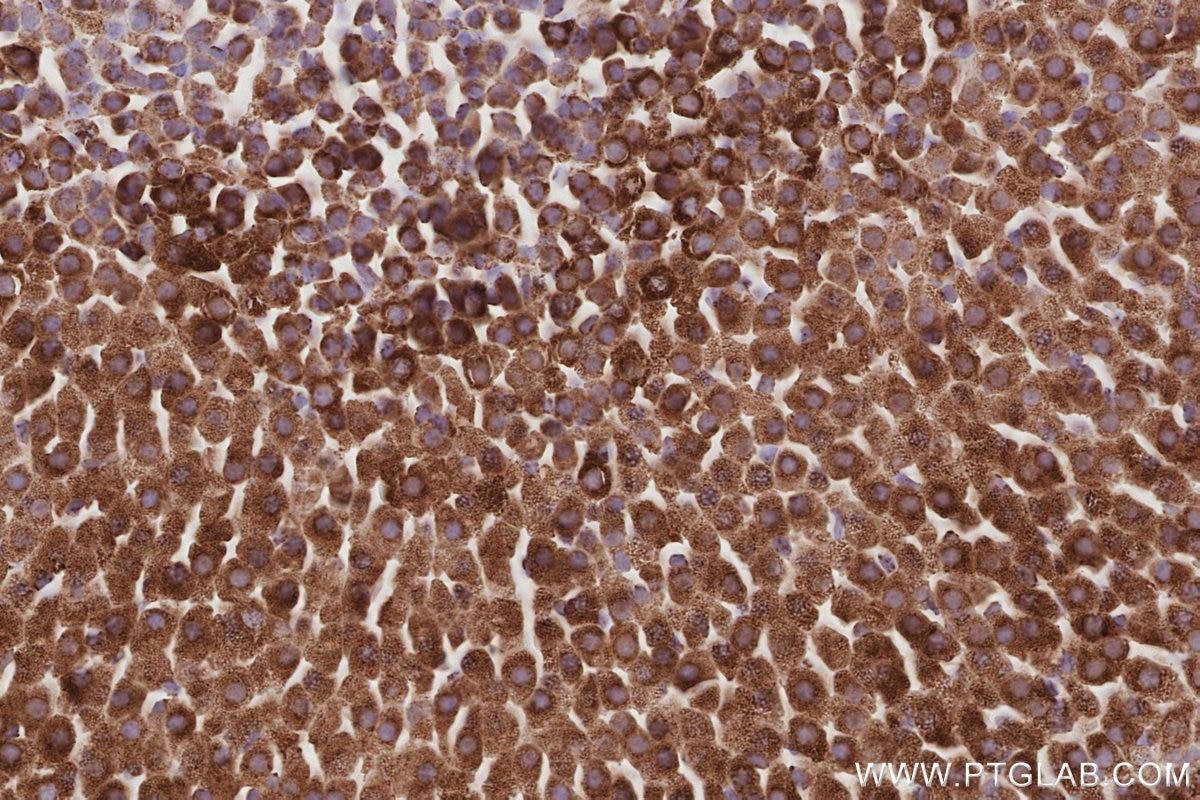
| Positive IHC detected in | human heart tissue, human liver cancer tissue, mouse adrenal gland tissue, rat kidney tissue, rat adrenal gland tissue, human placenta tissue, mouse kidney tissue, human ovary cancer tissue, mouse colon tissue, rat colon tissue Note: suggested antigen retrieval with TE buffer pH 9.0; (*) Alternatively, antigen retrieval may be performed with citrate buffer pH 6.0 |
| Positive IF/ICC detected in | HeLa cells |
Recommended dilution
| Application | Dilution |
|---|---|
| Western Blot (WB) | WB : 1:2000-1:16000 |
| Immunohistochemistry (IHC) | IHC : 1:50-1:500 |
| Immunofluorescence (IF)/ICC | IF/ICC : 1:50-1:500 |
| It is recommended that this reagent should be titrated in each testing system to obtain optimal results. | |
| Sample-dependent, Check data in validation data gallery. | |
Published Applications
| WB | See 8 publications below |
| IF | See 2 publications below |
| IP | See 1 publications below |
Product Information
28679-1-AP targets Sam50 in WB, IHC, IF/ICC, IP, ELISA applications and shows reactivity with human, mouse, rat samples.
| Tested Reactivity | human, mouse, rat |
| Cited Reactivity | human, mouse, rat |
| Host / Isotype | Rabbit / IgG |
| Class | Polyclonal |
| Type | Antibody |
| Immunogen |
CatNo: Ag29152 Product name: Recombinant human SAMM50 protein Source: e coli.-derived, PGEX-4T Tag: GST Domain: 1-201 aa of BC007830 Sequence: MGTVHARSLEPLPSSGPDFGGLGEEAEFVEVEPEAKQEILENKDVVVQHVHFDGLGRTKDDIIICEIGDVFKAKNLIEVMRKSHEAREKLLRLGIFRQVDVLIDTCQGDDALPNGLDVTFEVTELRRLTGSYNTMVGNNEGSMVLGLKLPNLLGRAEKVTFQFSYGTKETSYGLSFFKPRPGNFERNFSVNLYKVTGQFPW 相同性解析による交差性が予測される生物種 |
| Full Name | sorting and assembly machinery component 50 homolog (S. cerevisiae) |
| Calculated molecular weight | 469 aa, 52 kDa |
| Observed molecular weight | 52 kDa |
| GenBank accession number | BC007830 |
| Gene Symbol | Sam50 |
| Gene ID (NCBI) | 25813 |
| RRID | AB_2881192 |
| Conjugate | Unconjugated |
| Form | |
| Form | Liquid |
| Purification Method | Antigen affinity purification |
| UNIPROT ID | Q9Y512 |
| Storage Buffer | PBS with 0.02% sodium azide and 50% glycerol{{ptg:BufferTemp}}7.3 |
| Storage Conditions | Store at -20°C. Stable for one year after shipment. Aliquoting is unnecessary for -20oC storage. |
Background Information
Sam50, encoded by the SAMM50 gene, is an essential protein of the mitochondrial outer membrane (OMM). It contains a beta-barrel domain conserved from bacteria to man (PMID: 14570913). Sam50 is a part of the sorting and assembly machinery (SAM) necessary for the assembly of beta-barrel proteins in the OMM (PMID: 22252321). It is crucial for maintaining mitochondrial shape, morphology of mitochondrial cristae, and assembly of the mitochondrial respiratory chain complexes (PMID: 26587038; 22252321; 25781180). Polymorphisms in the SAMM50 gene have been associated with development and progression of nonalcoholic fatty liver disease (PMID: 23535911).
Protocols
| Product Specific Protocols | |
|---|---|
| IF protocol for Sam50 antibody 28679-1-AP | Download protocol |
| IHC protocol for Sam50 antibody 28679-1-AP | Download protocol |
| WB protocol for Sam50 antibody 28679-1-AP | Download protocol |
| Standard Protocols | |
|---|---|
| Click here to view our Standard Protocols |
Publications
| Species | Application | Title |
|---|---|---|
J Nanobiotechnology UBQLN1 Inhibition reduces MASH progression through downregulating SIKE/p38 MAPK pathway in hepatocyte. | ||
Brain Mitochondrial damage is associated with an early immune response in inclusion body myositis. | ||
Int J Biol Sci Loss of MTX2 causes mitochondrial dysfunction, podocyte injury, nephrotic proteinuria and glomerulopathy in mice and patients | ||
Cells Heart-Specific and Conditional Deletion of the Immt Gene Reveals Its Role in Regulating Mitochondrial Structure and Total Heart Metabolism. | ||
Biol Proced Online High Expression of SAMM50 Indicates Poor Clinical Prognosis in Hepatocellular Carcinoma and Represents a Potential Novel Biomarker. |