
Validation Data Gallery
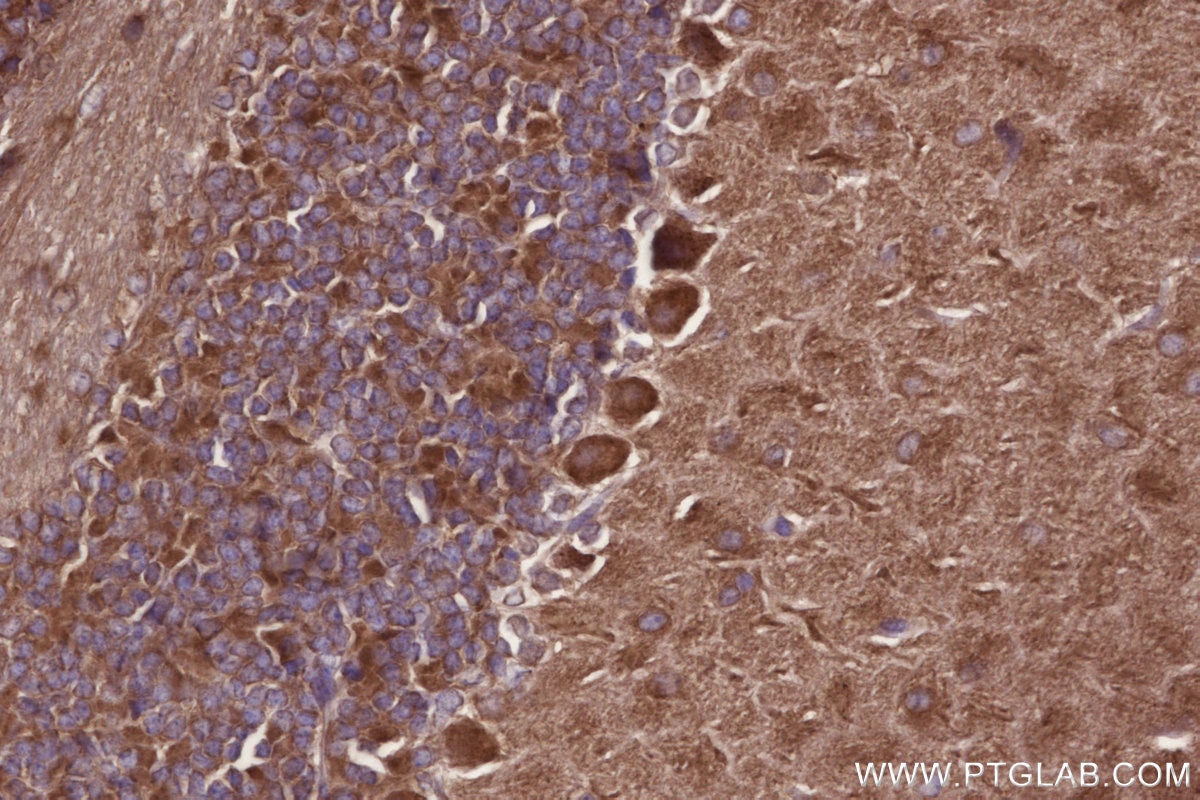
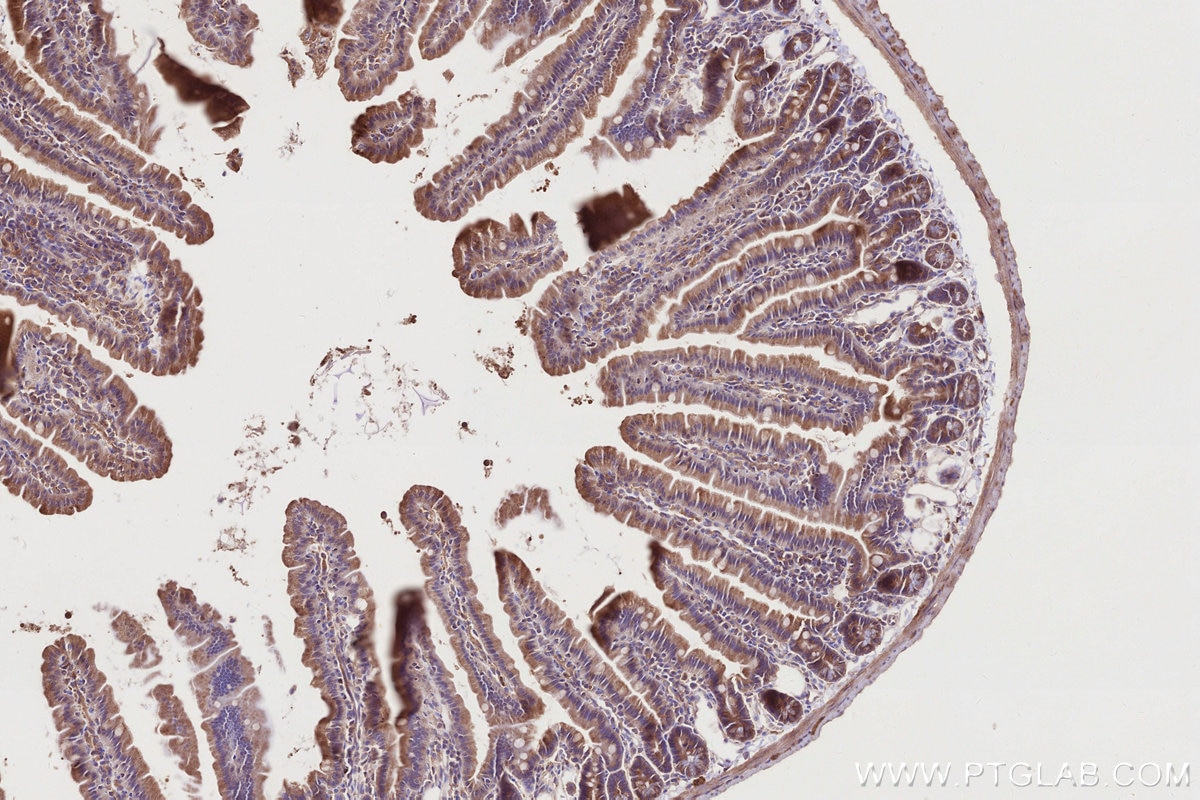
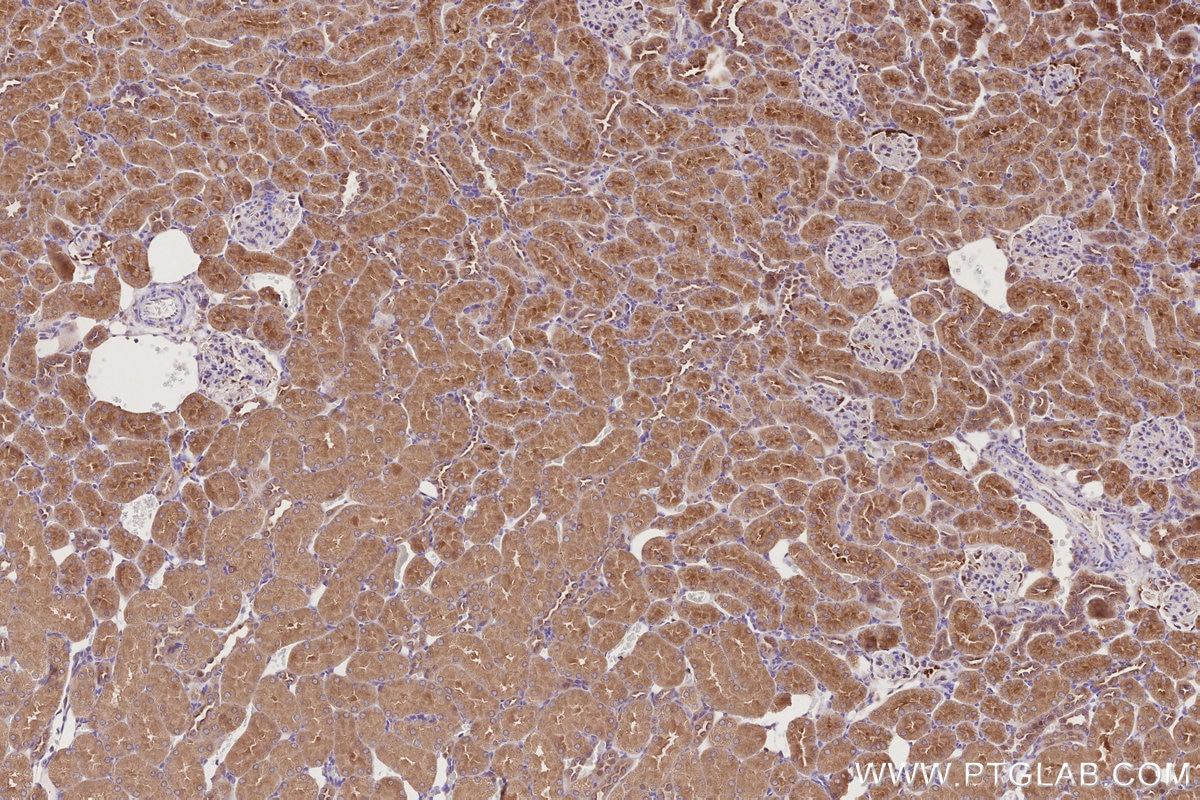
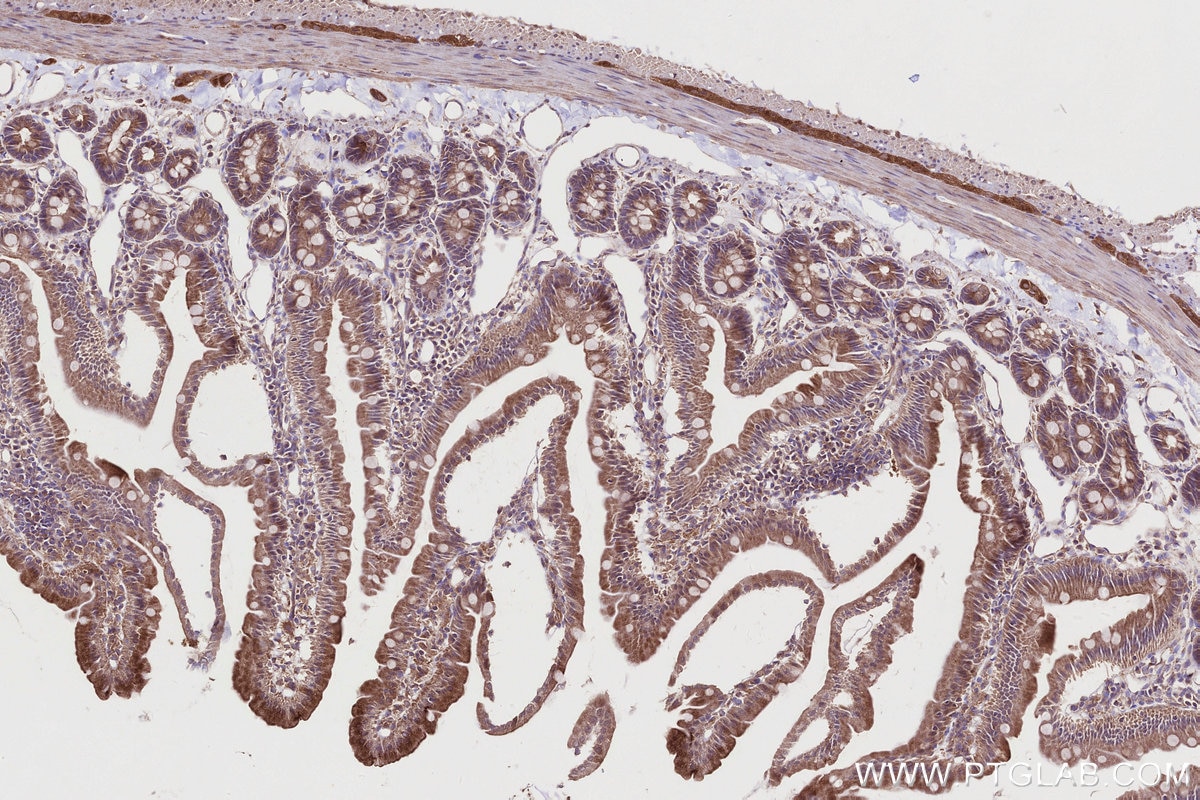
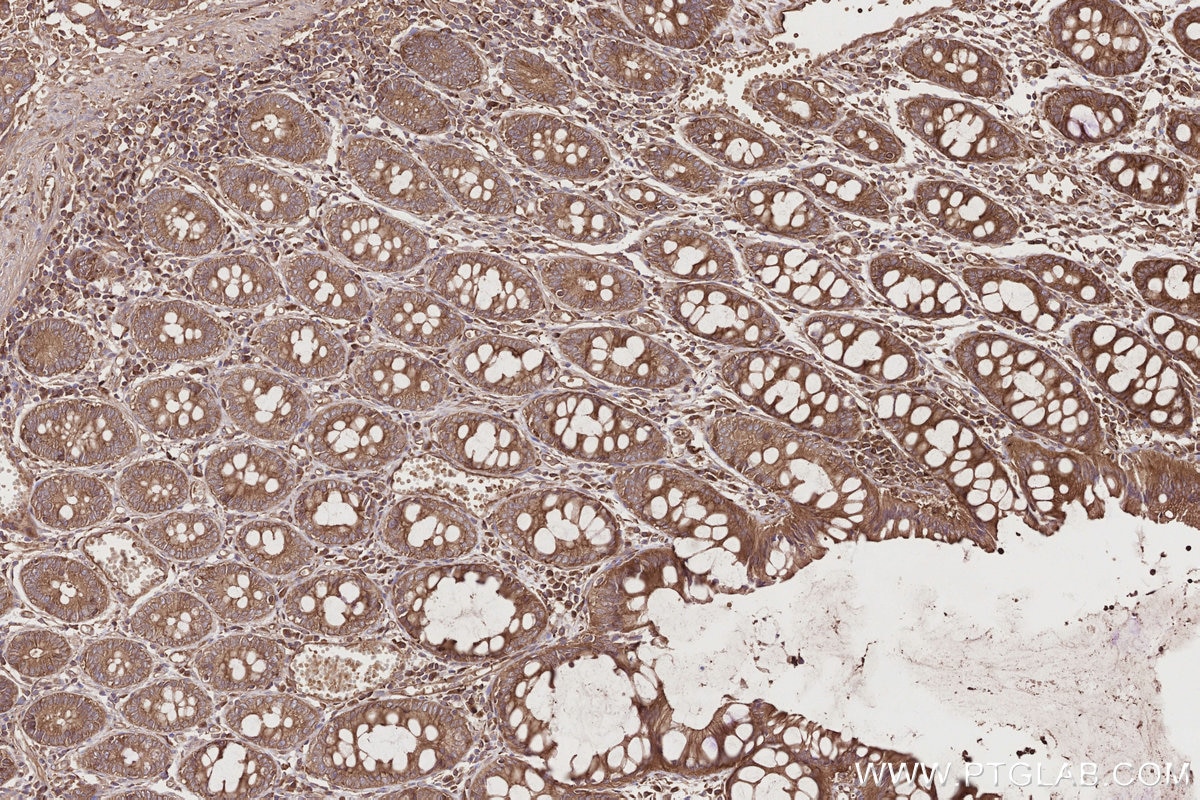
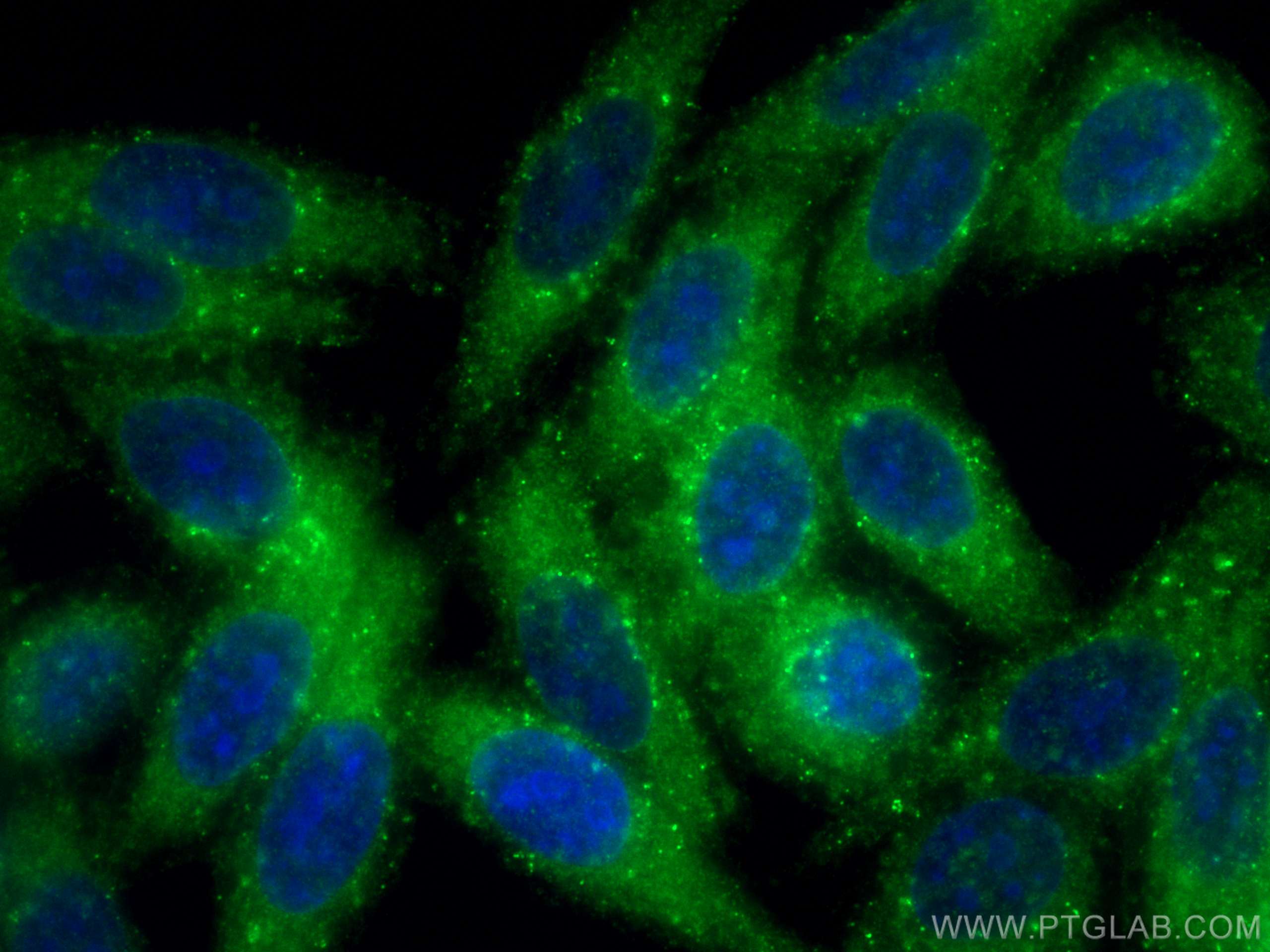
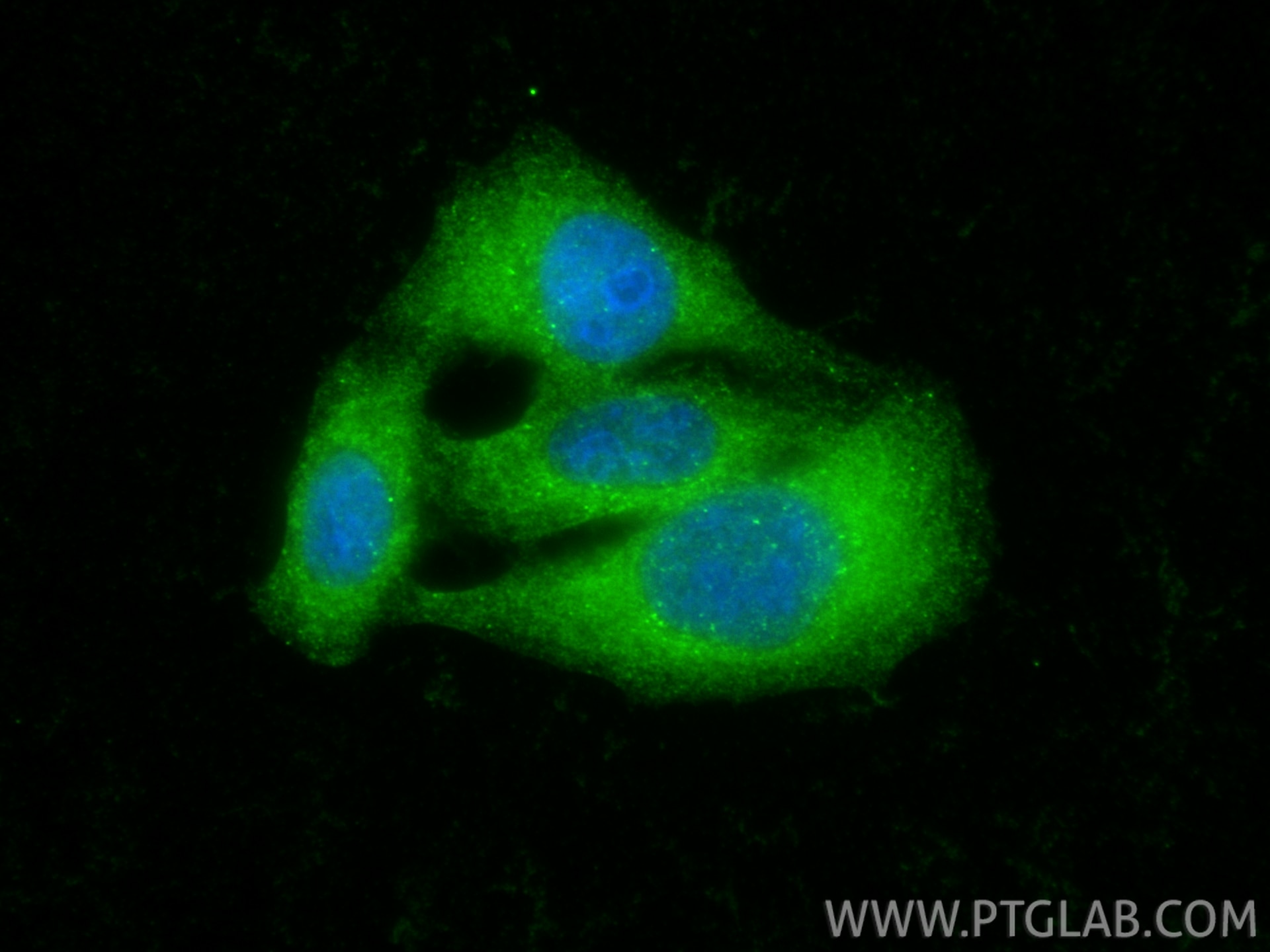
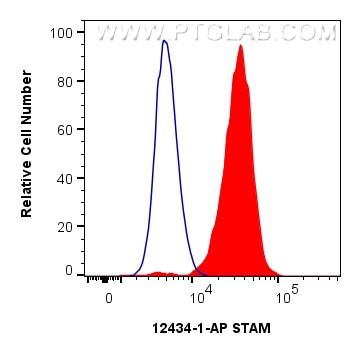
Tested Applications
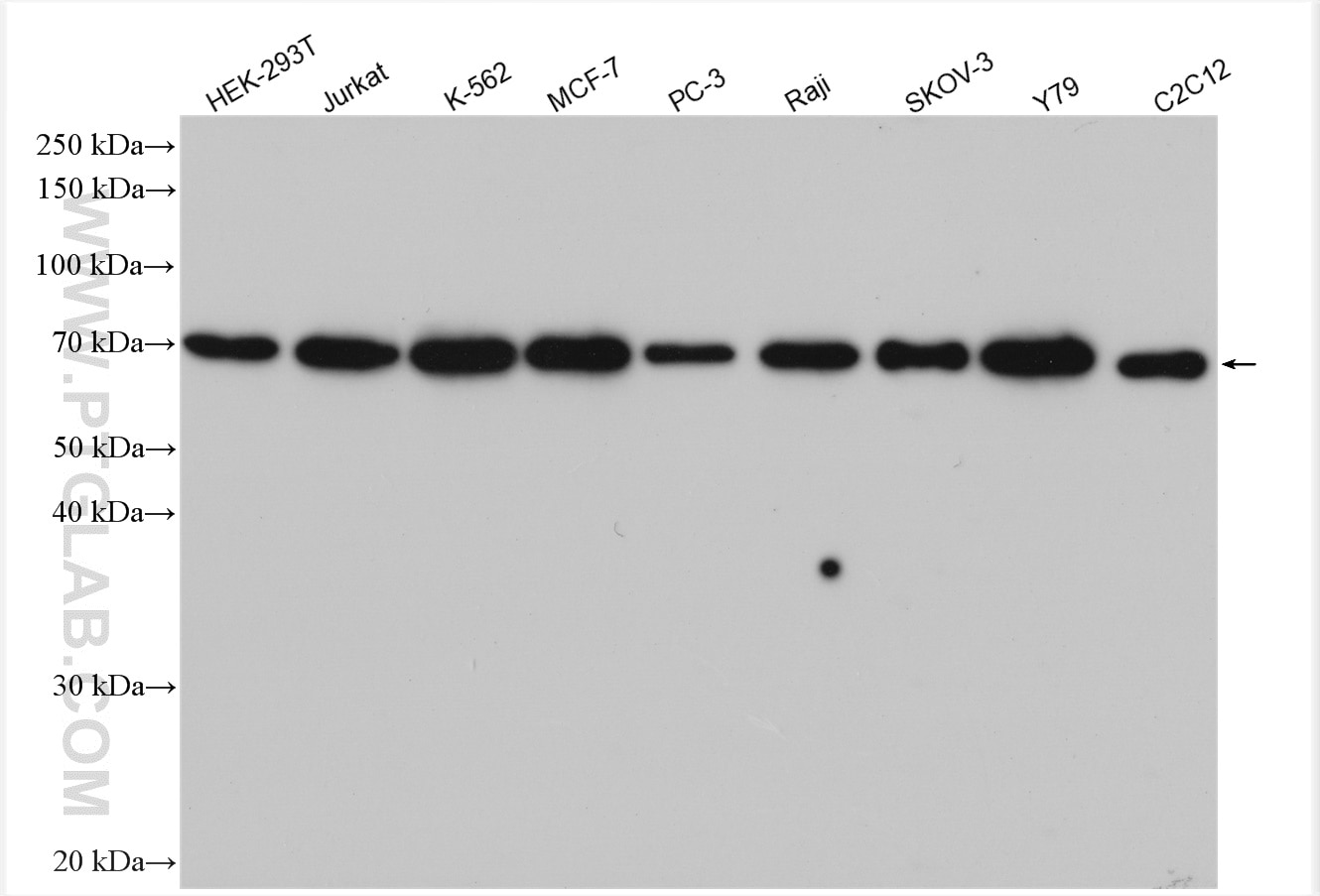
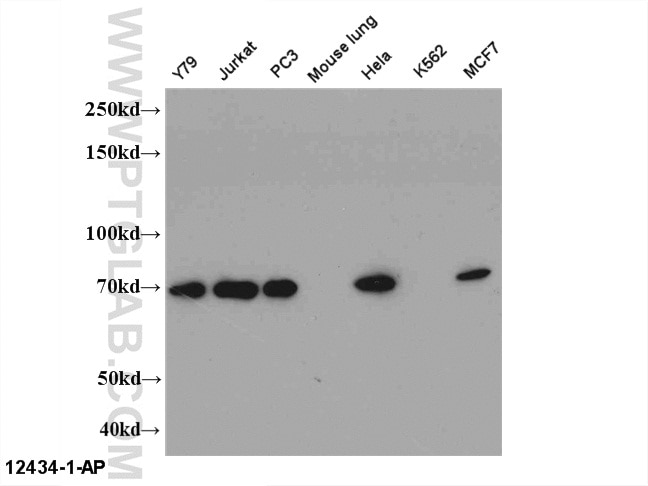
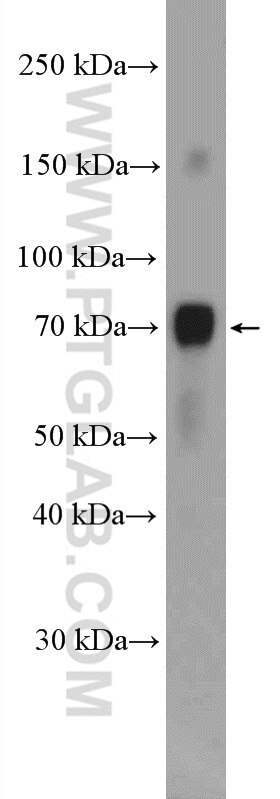
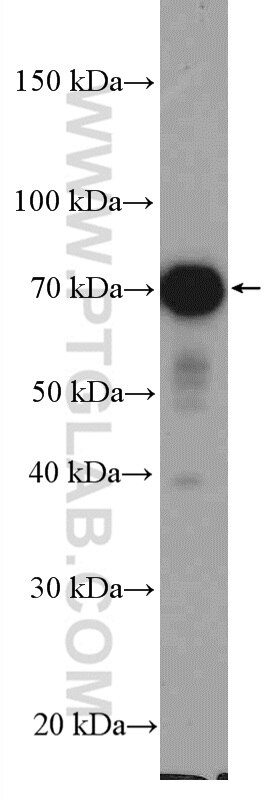
| Positive WB detected in | HEK-293T cells, Multi-cells, mouse brain tissue, Y79 cells, Jurkat cells, K-562 cells, MCF-7 cells, PC-3 cells, Raji cells, SKOV-3 cells, C2C12 cells |
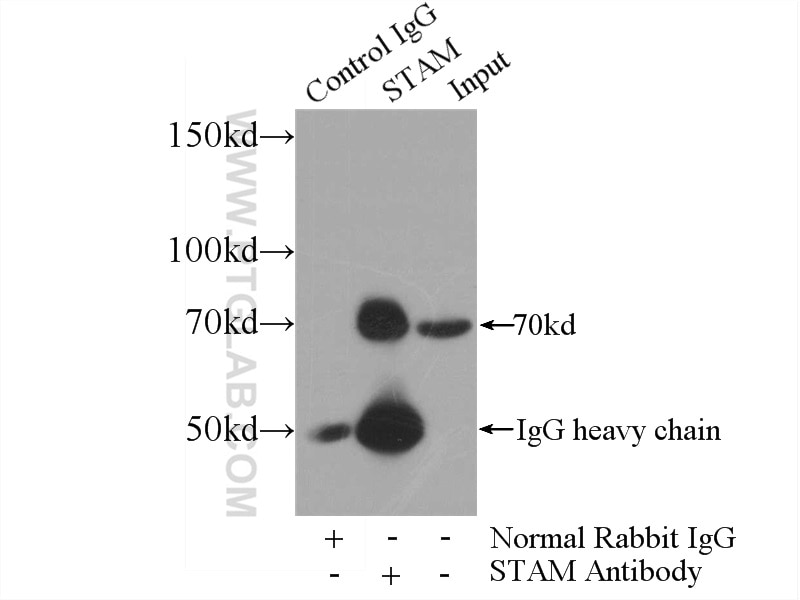
| Positive IP detected in | PC-3 cells |
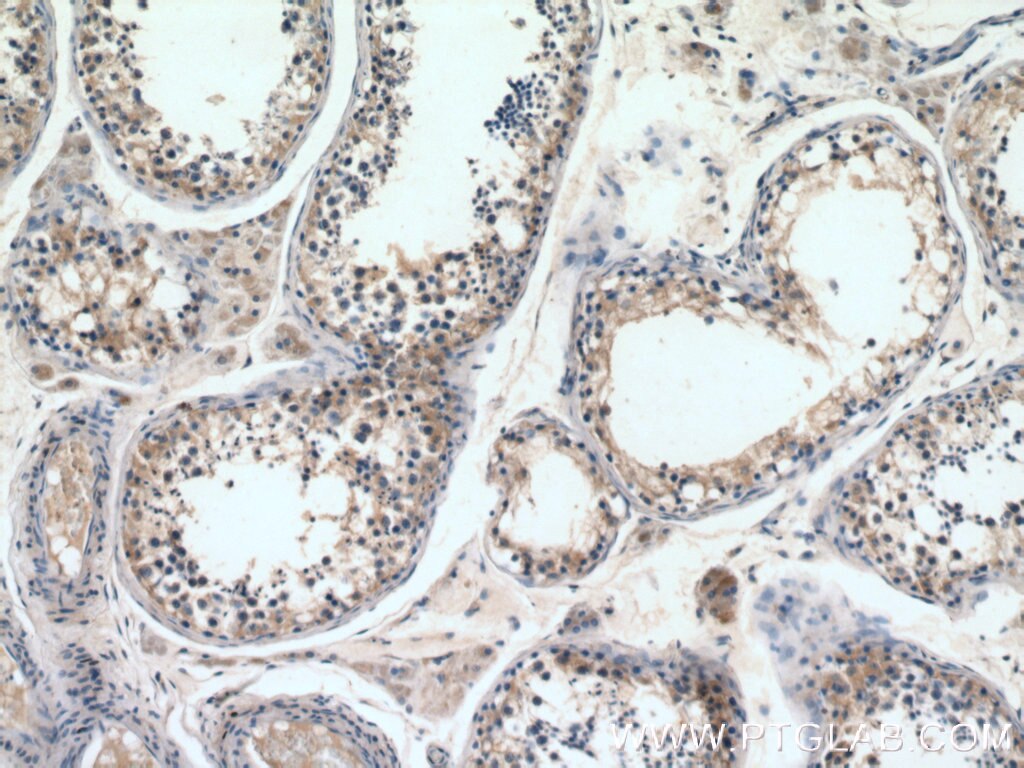
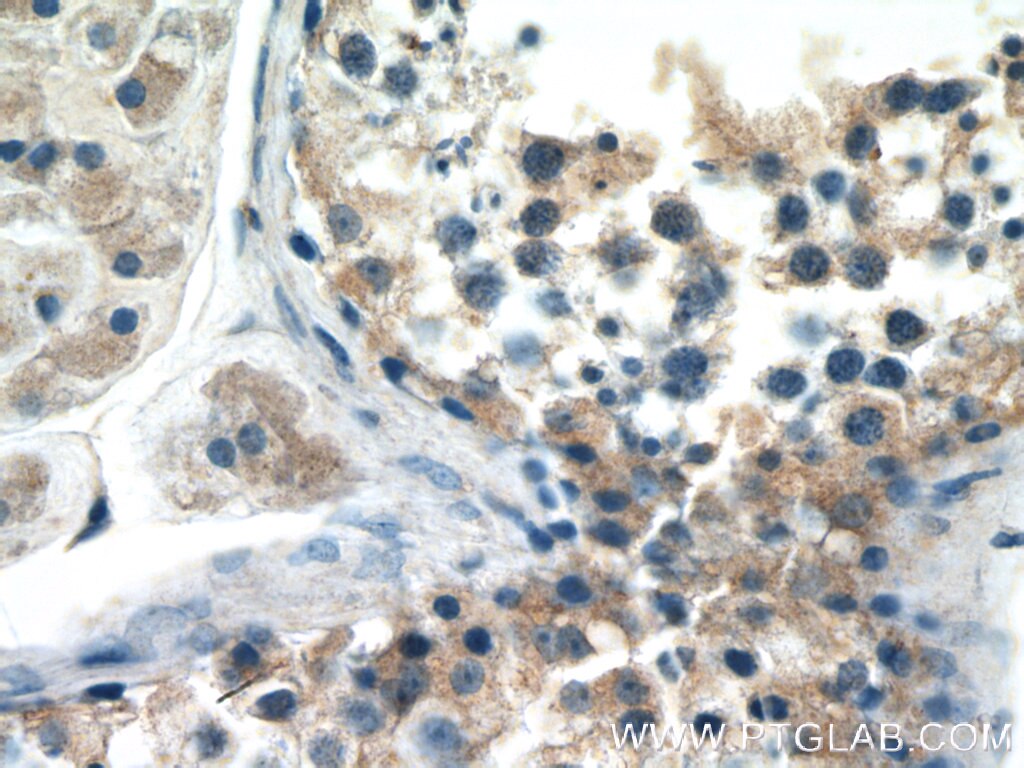
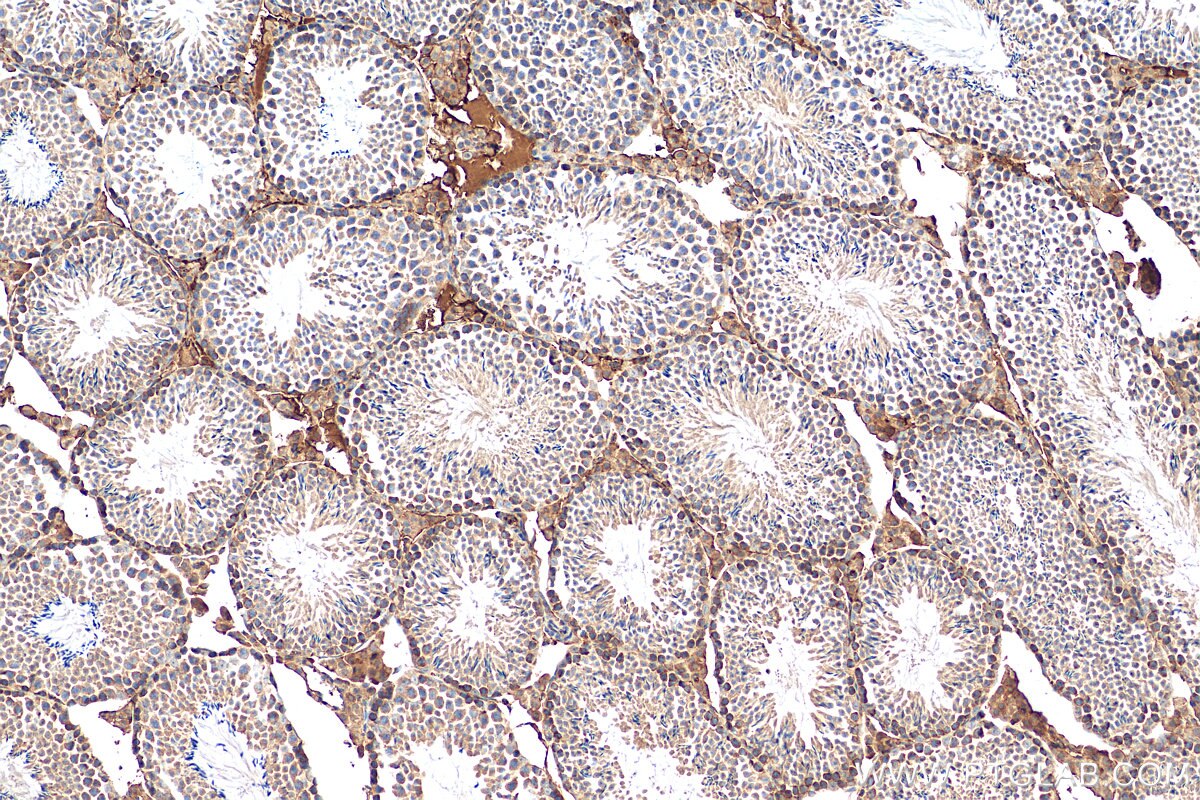
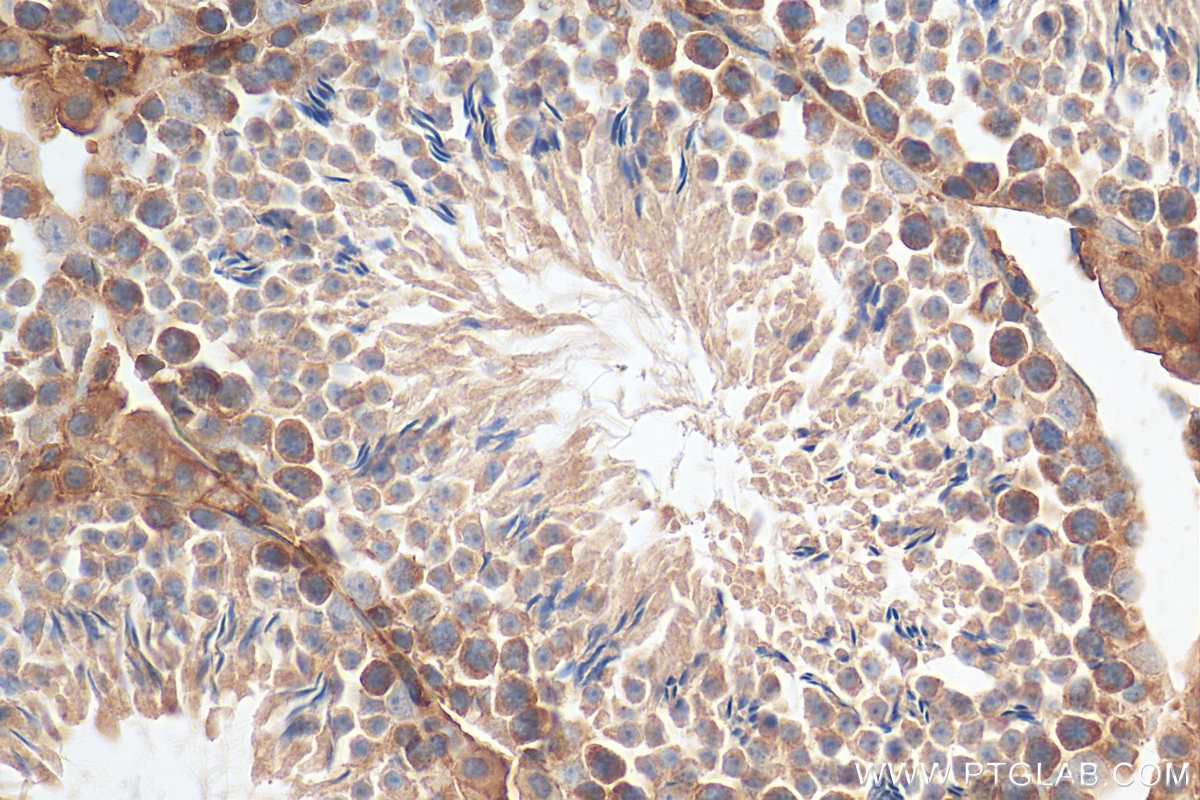
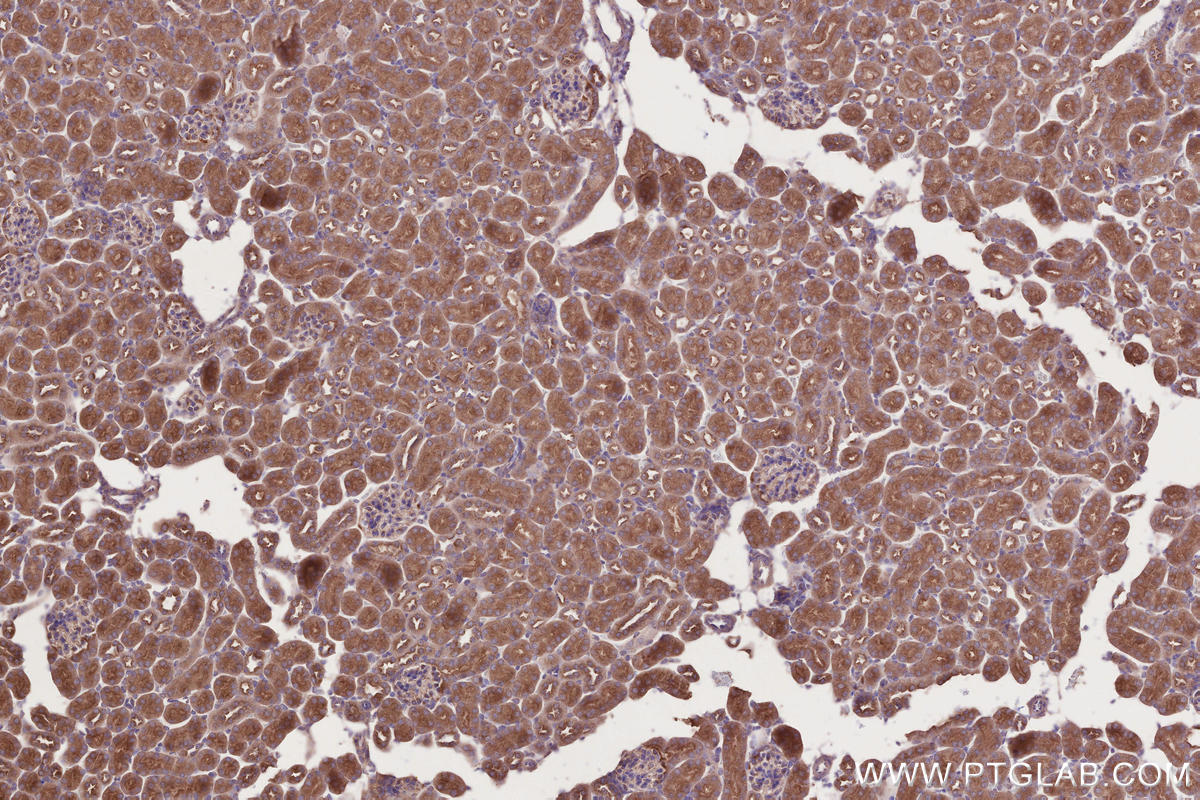
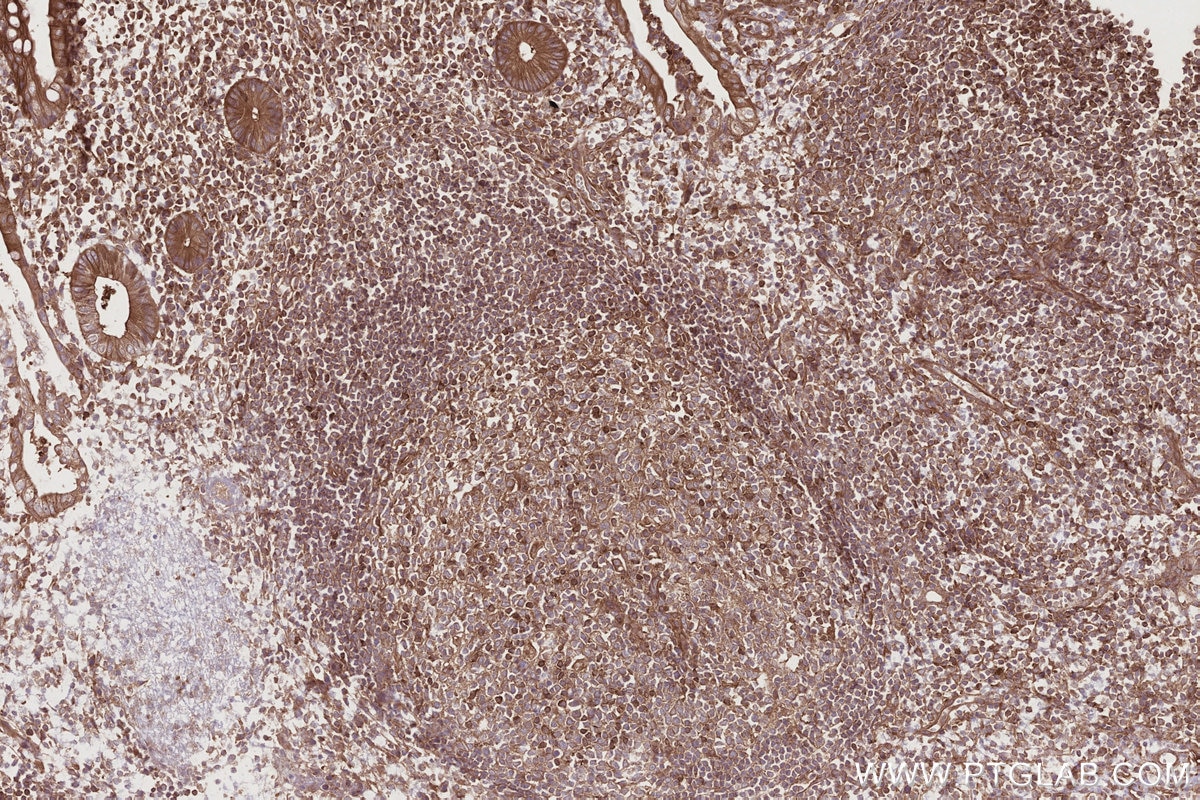
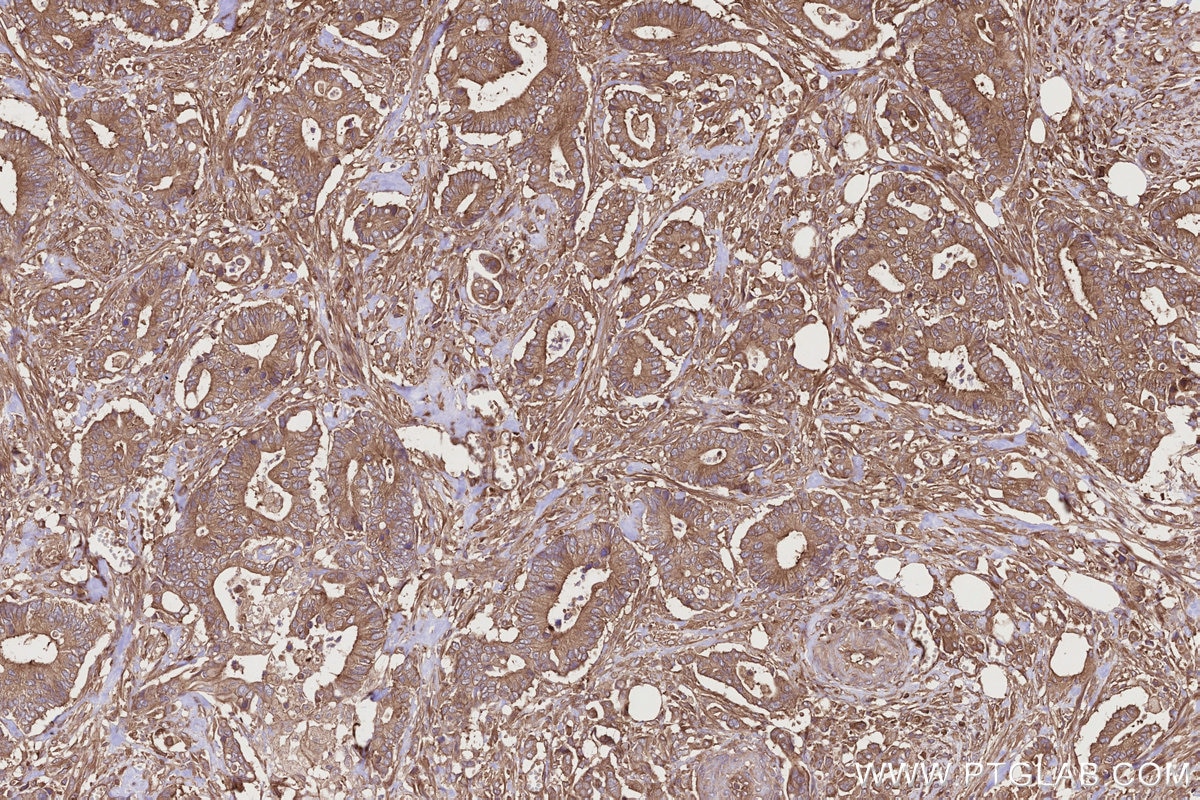
| Positive IHC detected in | human testis tissue, human appendicitis tissue, rat small intestine tissue, mouse small intestine tissue, mouse testis tissue, mouse cerebellum tissue, rat kidney tissue, human rectal cancer tissue, mouse kidney tissue Note: suggested antigen retrieval with TE buffer pH 9.0; (*) Alternatively, antigen retrieval may be performed with citrate buffer pH 6.0 |
| Positive IF/ICC detected in | HepG2 cells |
| Positive FC (Intra) detected in | HeLa cells |
Recommended dilution
| Application | Dilution |
|---|---|
| Western Blot (WB) | WB : 1:2000-1:16000 |
| Immunoprecipitation (IP) | IP : 0.5-4.0 ug for 1.0-3.0 mg of total protein lysate |
| Immunohistochemistry (IHC) | IHC : 1:50-1:500 |
| Immunofluorescence (IF)/ICC | IF/ICC : 1:200-1:800 |
| Flow Cytometry (FC) (INTRA) | FC (INTRA) : 0.25 ug per 10^6 cells in a 100 µl suspension |
| It is recommended that this reagent should be titrated in each testing system to obtain optimal results. | |
| Sample-dependent, Check data in validation data gallery. | |
Published Applications
| KD/KO | See 5 publications below |
| WB | See 18 publications below |
| IF | See 9 publications below |
| CoIP | See 1 publications below |
Product Information
12434-1-AP targets STAM in WB, IHC, IF/ICC, FC (Intra), IP, CoIP, ELISA applications and shows reactivity with human, mouse, rat samples.
| Tested Reactivity | human, mouse, rat |
| Cited Reactivity | human, mouse, monkey |
| Host / Isotype | Rabbit / IgG |
| Class | Polyclonal |
| Type | Antibody |
| Immunogen |
CatNo: Ag3112 Product name: Recombinant human STAM protein Source: e coli.-derived, PGEX-4T Tag: GST Domain: 54-403 aa of BC030586 Sequence: VNHKDPHVAMQALTLLGACVSNCGKIFHLEVCSRDFASEVSNVLNKGHPKVCEKLKALMVEWTDEFKNDPQLSLISAMIKNLKEQGVTFPAIGSQAAEQAKASPALVAKDPGTVANKKEEEDLAKAIELSLKEQRQQSTTLSTLYPSTSSLLTNHQHEGRKVRAIYDFEAAEDNELTFKAGEIITVLDDSDPNWWKGETHQGIGLFPSNFVTAYLTAEPEMIKTEKKTVQFSDDVQVETIEPEPEPAFIDEDKMDQLLQMLQSTDPSDDQPDLPELLHLEAMCHQMGPLIDEKLEDIDRKHSELSELNVKVMEALSLYTKLMNEDPMYSMYAKLQNQPGSGPTIRKPSPS 相同性解析による交差性が予測される生物種 |
| Full Name | signal transducing adaptor molecule (SH3 domain and ITAM motif) 1 |
| Calculated molecular weight | 59 kDa |
| Observed molecular weight | 70 kDa |
| GenBank accession number | BC030586 |
| Gene Symbol | STAM |
| Gene ID (NCBI) | 8027 |
| RRID | AB_2199965 |
| Conjugate | Unconjugated |
| Form | |
| Form | Liquid |
| Purification Method | Antigen affinity purification |
| UNIPROT ID | Q92783 |
| Storage Buffer | PBS with 0.02% sodium azide and 50% glycerol{{ptg:BufferTemp}}7.3 |
| Storage Conditions | Store at -20°C. Stable for one year after shipment. Aliquoting is unnecessary for -20oC storage. |
Background Information
STAM, also named as STAM1, belongs to the STAM family. It is involved in intracellular signal transduction mediated by cytokines and growth factors. Upon IL-2 and GM-CSL stimulation, it plays a role in signaling leading to DNA synthesis and MYC induction. STAM may also play a role in T-cell development. It is involved in down-regulation of receptor tyrosine kinase via multivesicular body (MVBs). Together with HRS, STAM forms ESCRT-0. STAM was originally identified as an adaptor protein involved in cytokine signaling.(PMID:20505072)
Protocols
| Product Specific Protocols | |
|---|---|
| FC protocol for STAM antibody 12434-1-AP | Download protocol |
| IF protocol for STAM antibody 12434-1-AP | Download protocol |
| IHC protocol for STAM antibody 12434-1-AP | Download protocol |
| IP protocol for STAM antibody 12434-1-AP | Download protocol |
| WB protocol for STAM antibody 12434-1-AP | Download protocol |
| Standard Protocols | |
|---|---|
| Click here to view our Standard Protocols |
Publications
| Species | Application | Title |
|---|---|---|
Nat Cell Biol Endosomal membrane tension regulates ESCRT-III-dependent intra-lumenal vesicle formation. | ||
Nat Commun Mapping of endosomal proximity proteomes reveals Retromer as a hub for RAB GTPase regulation | ||
Mol Cell Systematically defining selective autophagy receptor-specific cargo using autophagosome content profiling. | ||
Sci Adv A ubiquitin-specific, proximity-based labeling approach for the identification of ubiquitin ligase substrates | ||