
Validation Data Gallery
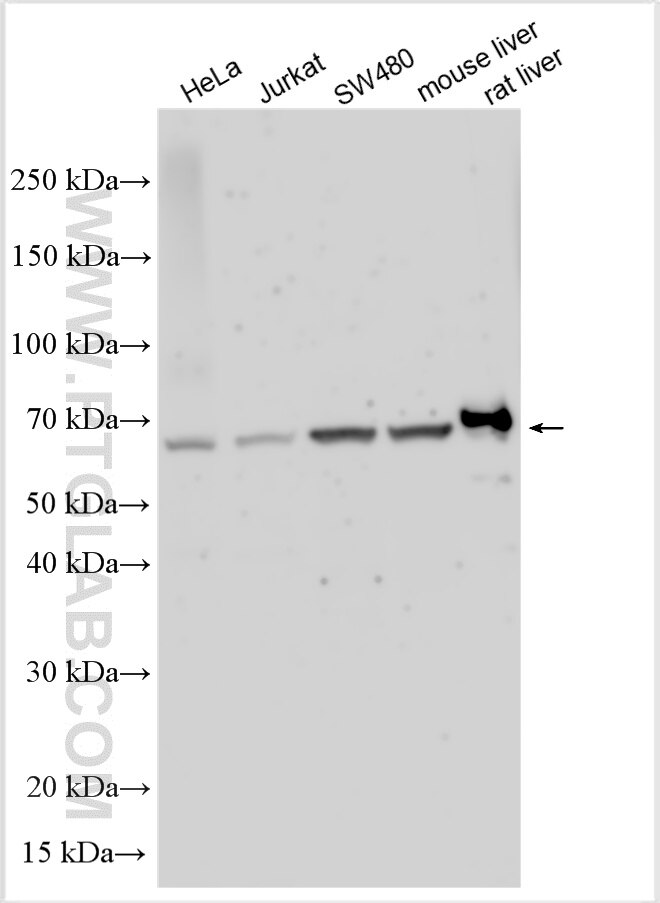
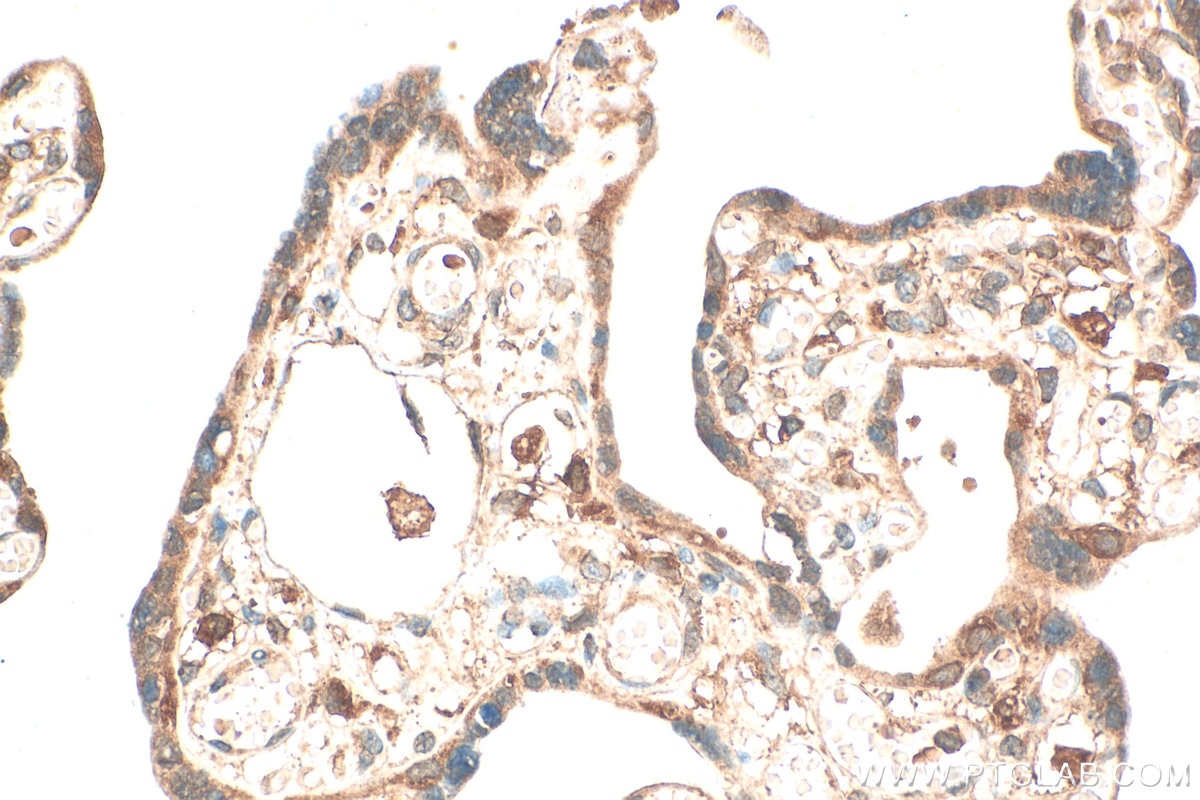
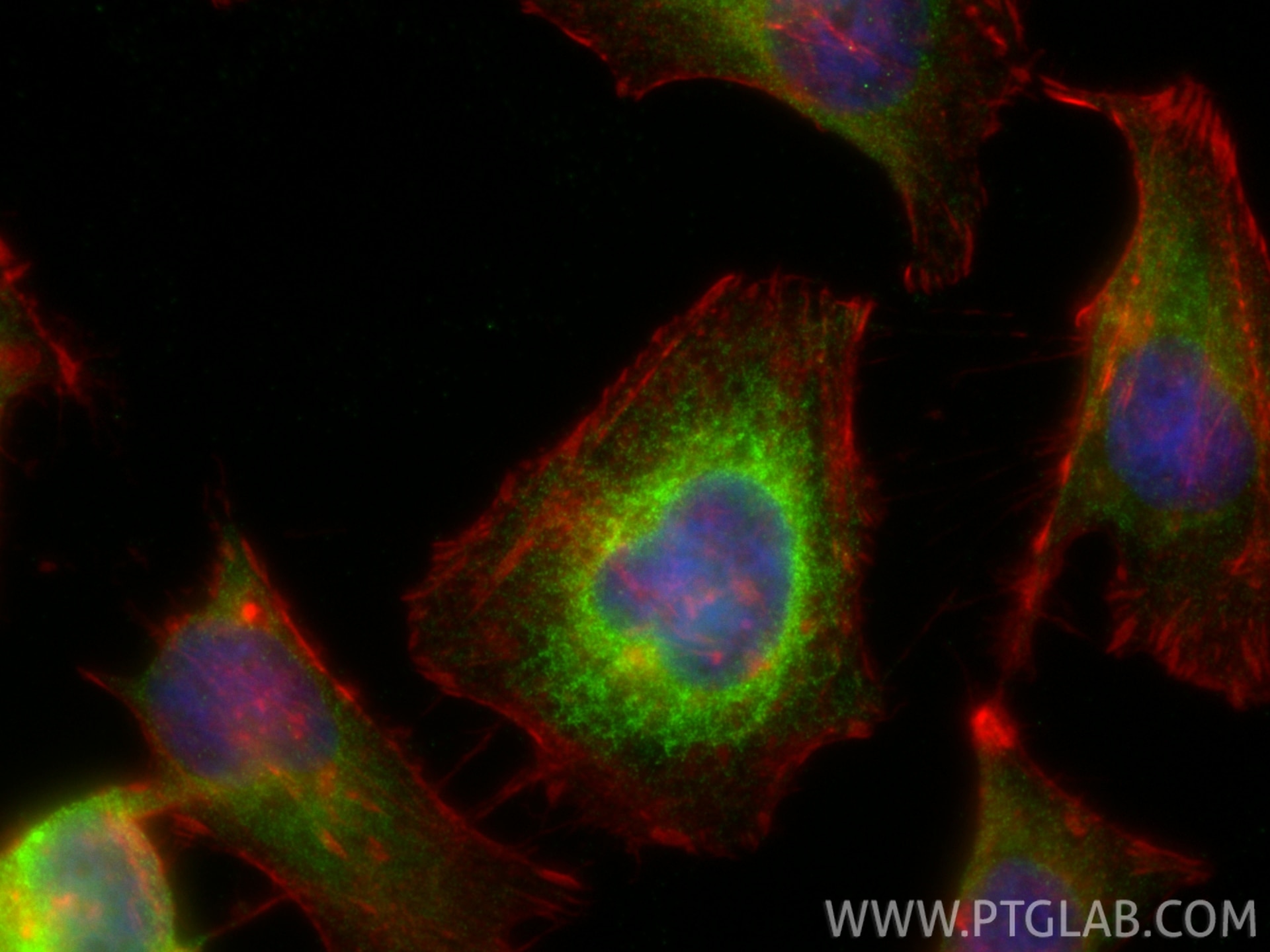
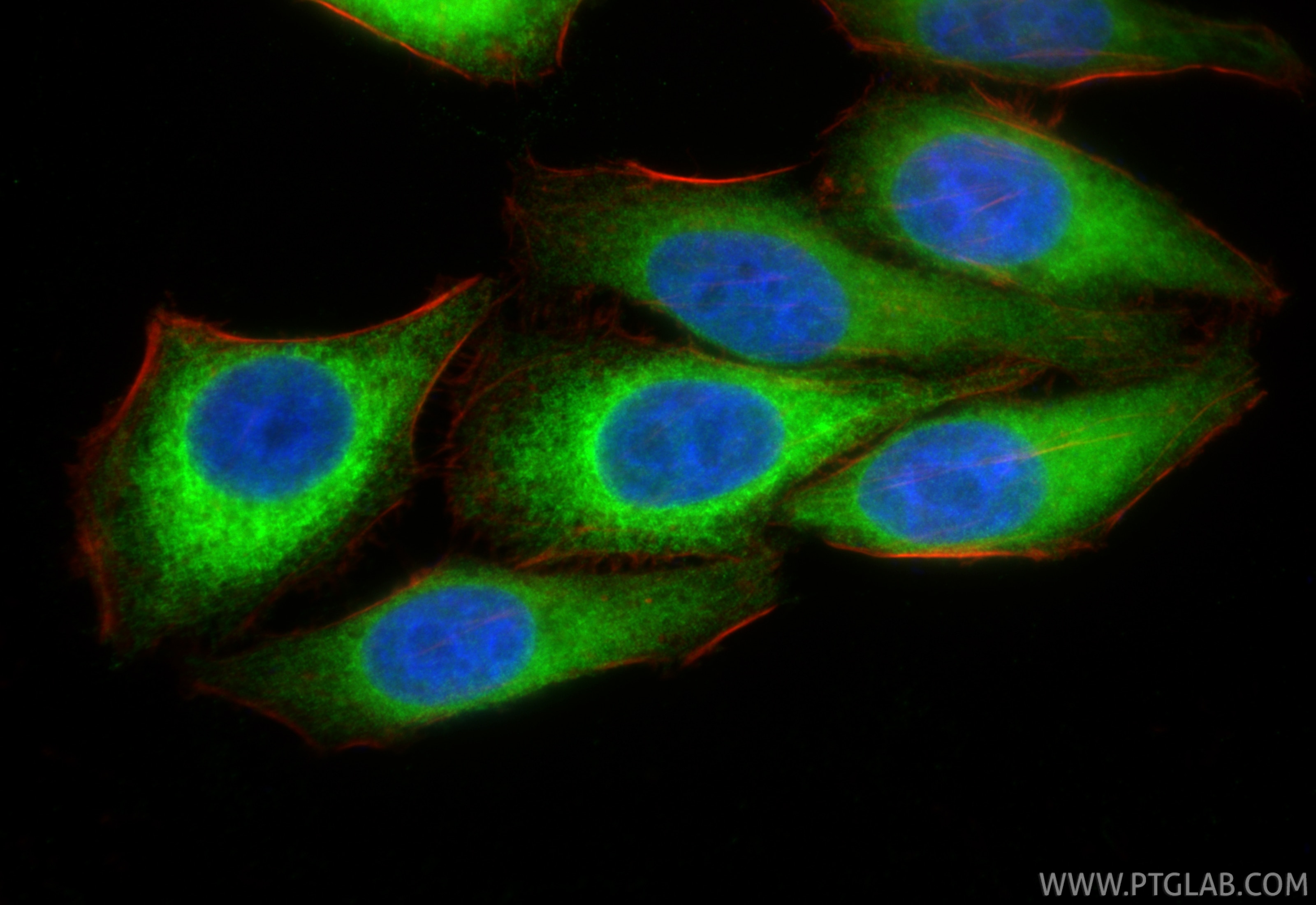
Tested Applications
Recommended dilution
| Application | Dilution |
|---|---|
| It is recommended that this reagent should be titrated in each testing system to obtain optimal results. | |
Product Information
29369-1-PBS targets SOAT1/ACAT1 in WB, IHC, IF/ICC, Indirect ELISA applications and shows reactivity with human, mouse, rat samples.
| Tested Reactivity | human, mouse, rat |
| Host / Isotype | Rabbit / IgG |
| Class | Polyclonal |
| Type | Antibody |
| Immunogen |
CatNo: Ag30945 Product name: Recombinant human SOAT1 protein Source: e coli.-derived, PGEX-4T Tag: GST Domain: 1-140 aa of BC028940 Sequence: MVGEEKMSLRNRLSKSRENPEEDEDQRNPAKESLETPSNGRIDIKQLIAKKIKLTAEAEELKPFFMKEVGSHFDDFVTNLIEKSASLDNGGCALTTFSVLEGEKNNHRAKDLRAPPEQGKIFIARRSLLDELLEVDHIRT 相同性解析による交差性が予測される生物種 |
| Full Name | sterol O-acyltransferase 1 |
| Calculated molecular weight | 550 aa, 65 kDa |
| Observed molecular weight | 65-70 kDa |
| GenBank accession number | BC028940 |
| Gene Symbol | SOAT1/ACAT1 |
| Gene ID (NCBI) | 6646 |
| Conjugate | Unconjugated |
| Form | |
| Form | Liquid |
| Purification Method | Antigen affinity purification |
| UNIPROT ID | P35610 |
| Storage Buffer | PBS only{{ptg:BufferTemp}}7.3 |
| Storage Conditions | Store at -80°C. |
Background Information
SOAT1 (Sterol O-acyltransferase 1), also known as ACAT1 (Acyl-Coenzyme A: cholesterol acyltransferase 1), is a crucial endoplasmic reticulum-resident enzyme that plays a central role in cellular cholesterol homeostasis. Its primary function is to catalyze the esterification of free cholesterol with long-chain fatty acids, forming cholesteryl esters. This process serves two key purposes: it prevents the toxic buildup of free cholesterol in cellular membranes and creates neutral lipid droplets for cholesterol storage. SOAT1 is ubiquitously expressed, with high activity in the steroidogenic tissues, and macrophages. Due to its role in facilitating cholesterol ester accumulation in macrophages and its overexpression in various cancers, SOAT1 has emerged as a promising therapeutic target for the treatment of atherosclerosis, neurodegenerative diseases, and cancer.