
Validation Data Gallery
Tested Applications
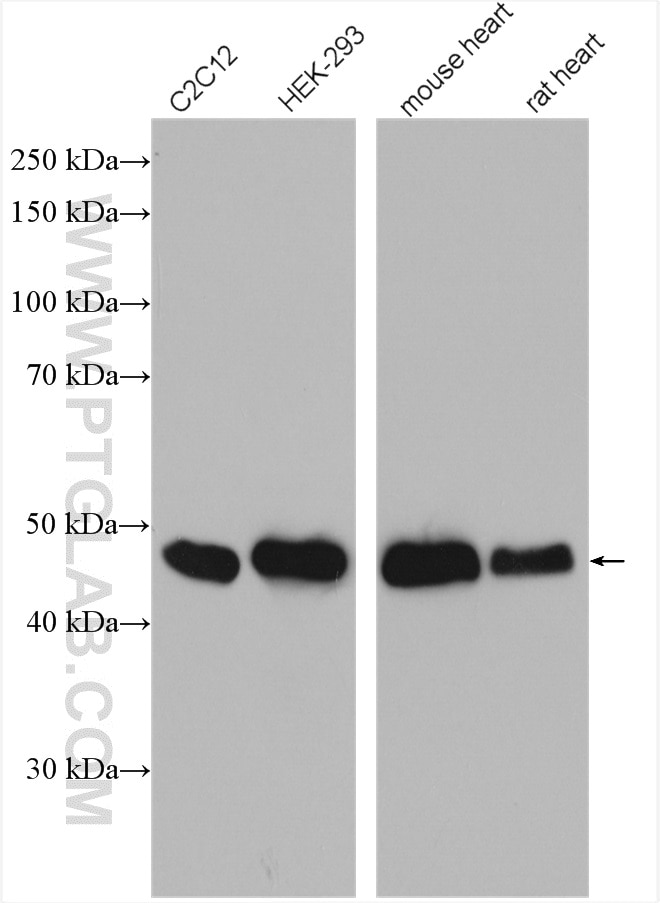
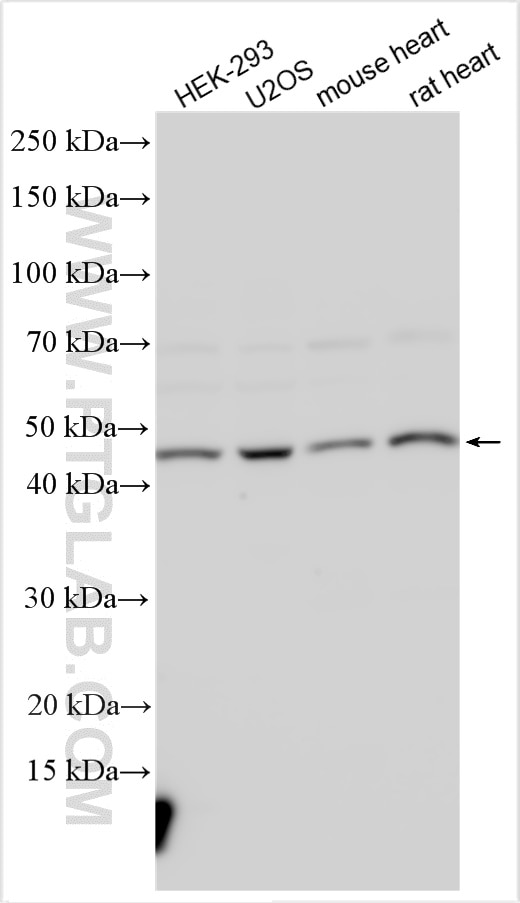
| Positive WB detected in | C2C12 cell, HEK-293 cells, C2C12 cells, U2OS cells, mouse heart tissue, rat heart tissue |
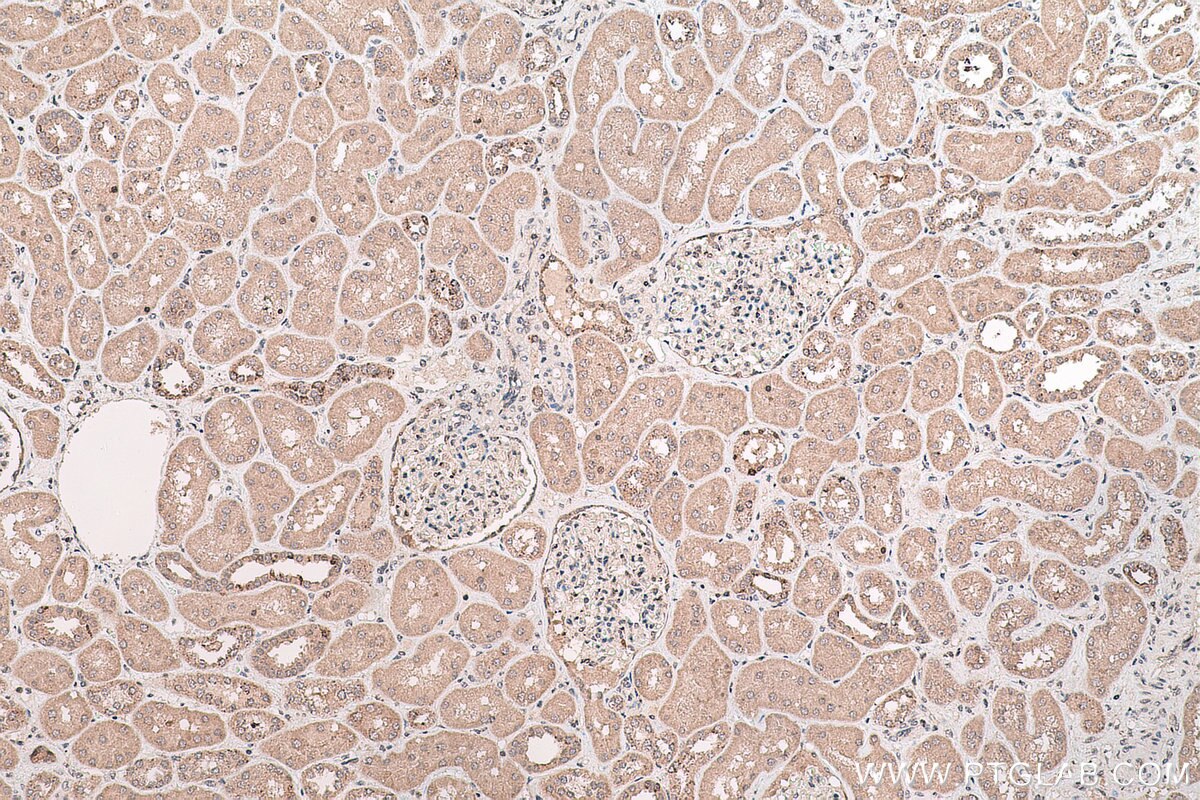
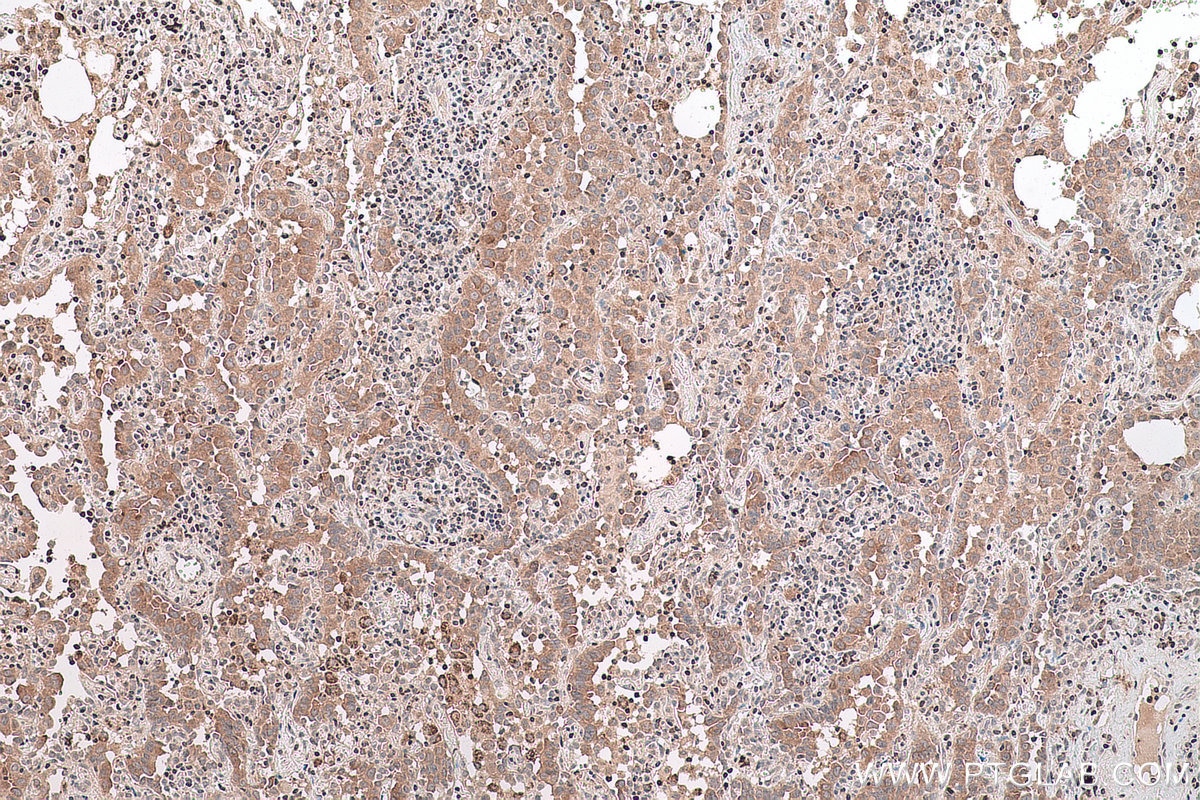
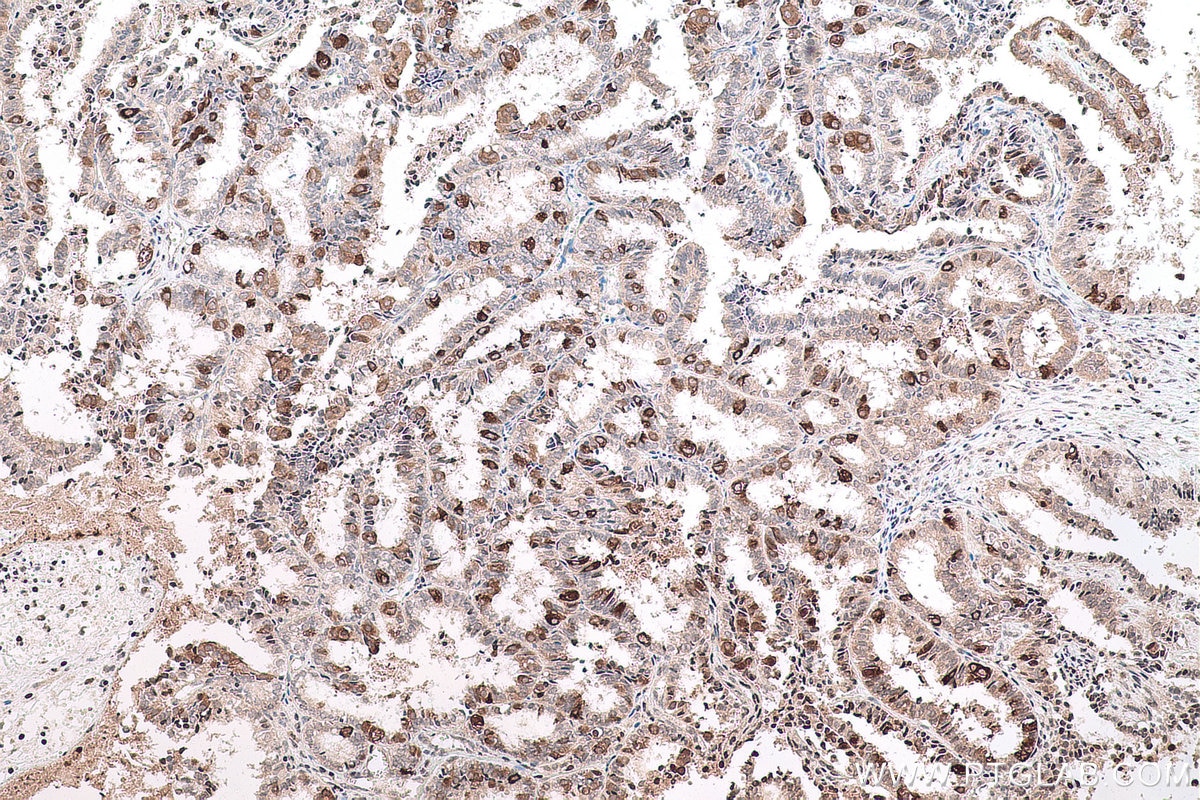
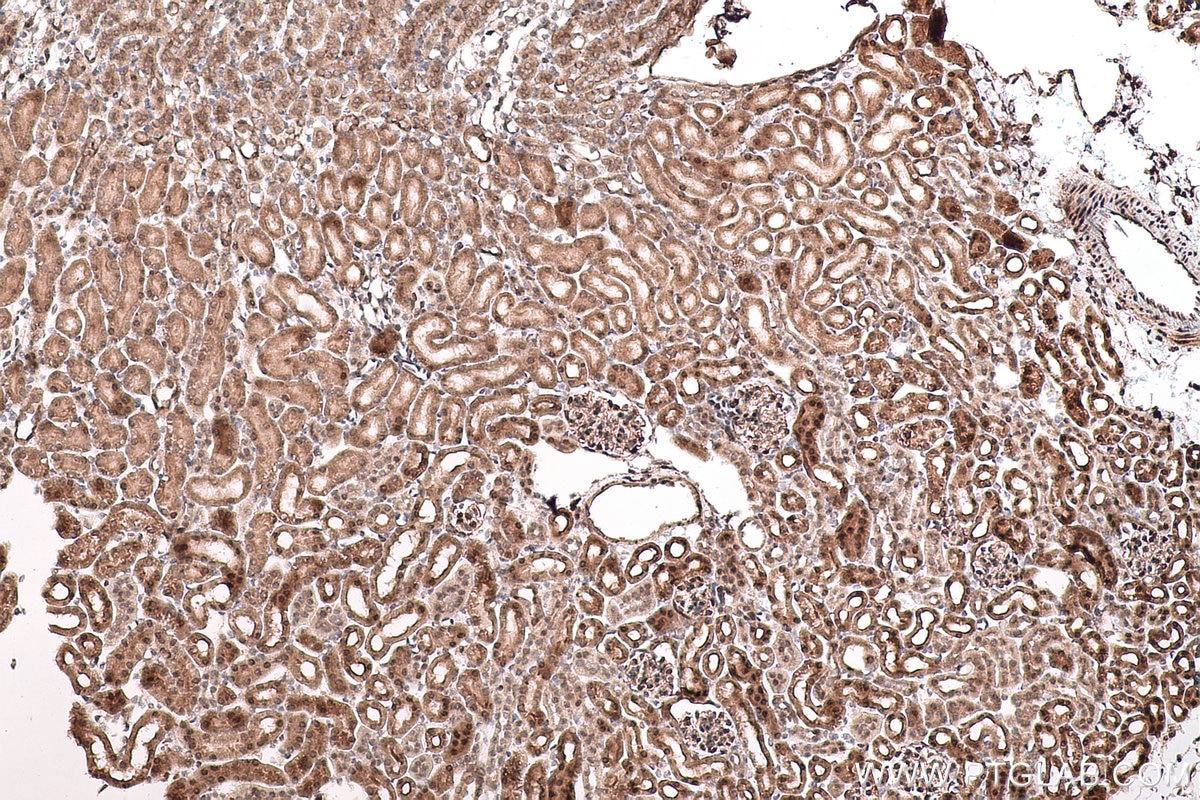
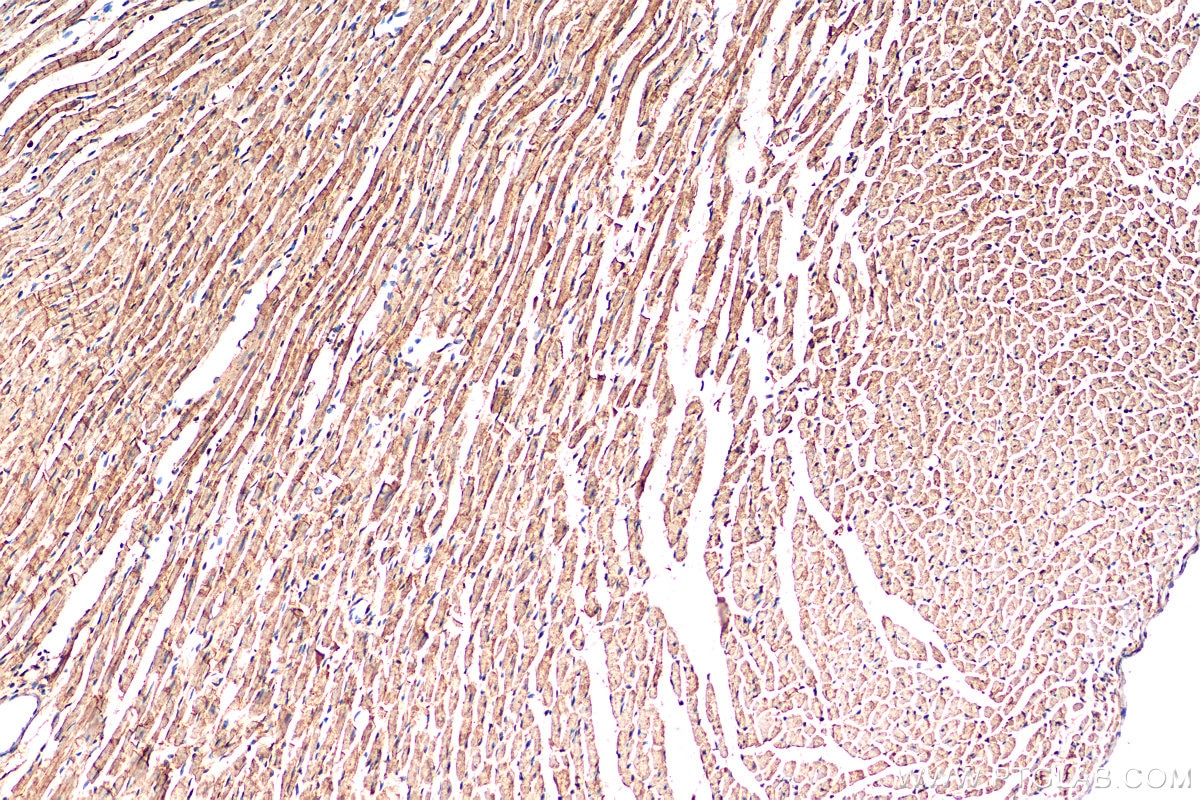
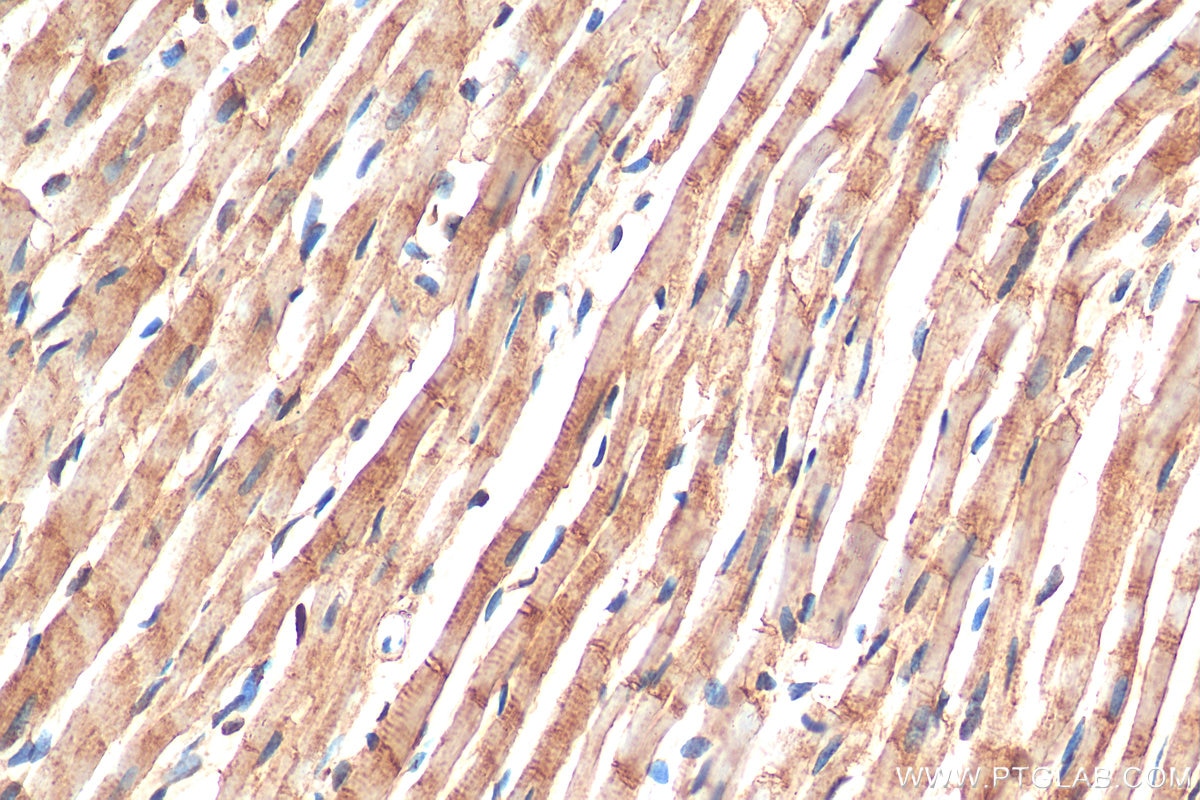
| Positive IHC detected in | rat heart tissue, human kidney tissue, human lung cancer tissue, human ovary tumor tissue, mouse kidney tissue Note: suggested antigen retrieval with TE buffer pH 9.0; (*) Alternatively, antigen retrieval may be performed with citrate buffer pH 6.0 |
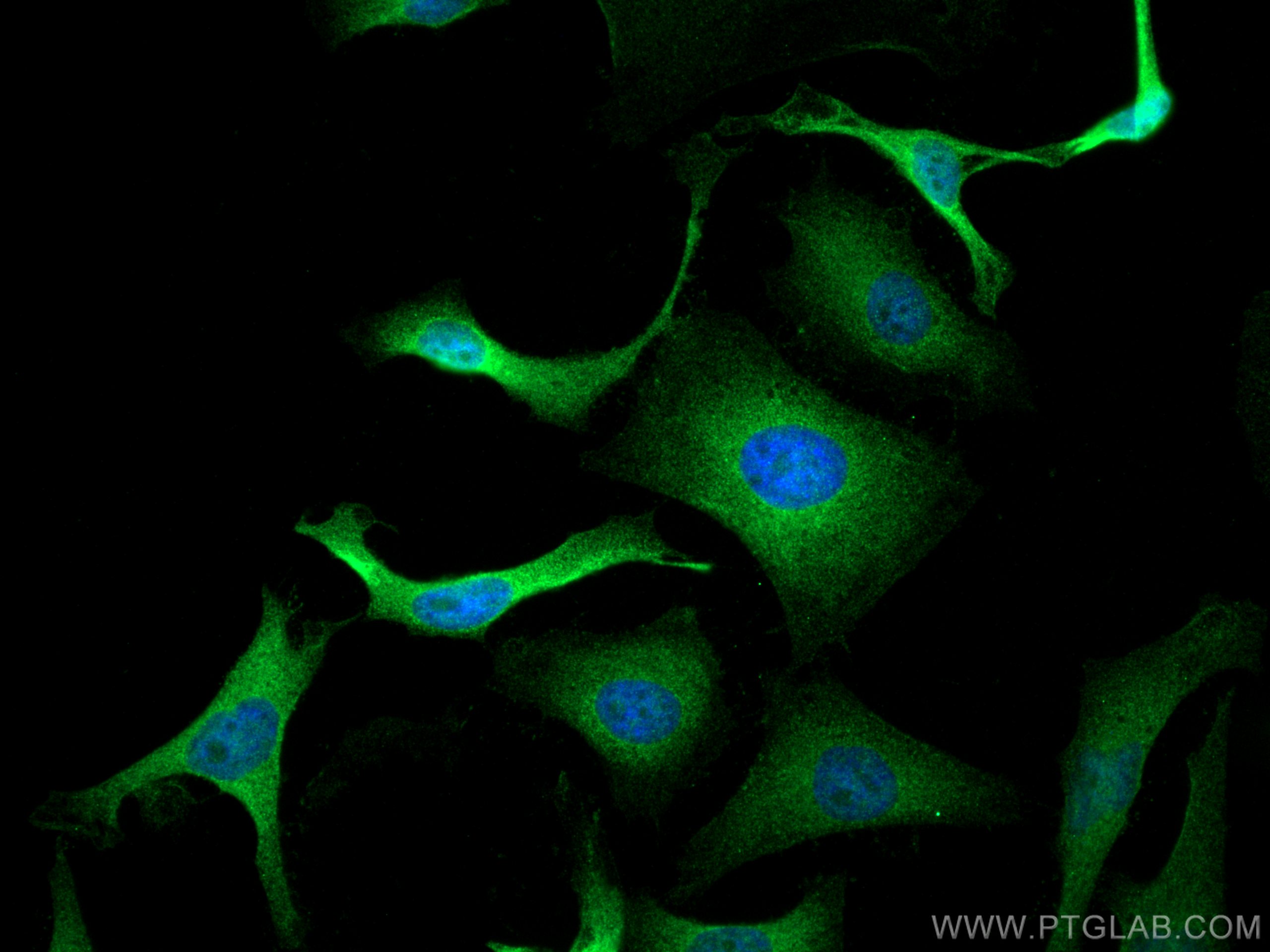
| Positive IF/ICC detected in | HeLa cells |
Recommended dilution
| Application | Dilution |
|---|---|
| Western Blot (WB) | WB : 1:1000-1:4000 |
| Immunohistochemistry (IHC) | IHC : 1:50-1:500 |
| Immunofluorescence (IF)/ICC | IF/ICC : 1:50-1:500 |
| It is recommended that this reagent should be titrated in each testing system to obtain optimal results. | |
| Sample-dependent, Check data in validation data gallery. | |
Published Applications
| KD/KO | See 10 publications below |
| WB | See 20 publications below |
| IHC | See 14 publications below |
| IF | See 7 publications below |
Product Information
21290-1-AP targets SMYD2 in WB, IHC, IF/ICC, ELISA applications and shows reactivity with human, mouse, rat samples.
| Tested Reactivity | human, mouse, rat |
| Cited Reactivity | human, mouse, rat |
| Host / Isotype | Rabbit / IgG |
| Class | Polyclonal |
| Type | Antibody |
| Immunogen |
CatNo: Ag15823 Product name: Recombinant human SMYD2 protein Source: e coli.-derived, PGEX-4T Tag: GST Domain: 1-272 aa of BC098305 Sequence: MRAEGLGGLERFCSPGKGRGLRALQPFQVGDLLFSCPAYAYVLTVNERGNHCEYCFTRKEGLSKCGRCKQAFYCNVECQKEDWPMHKLECSPMVVFGENWNPSETVRLTARILAKQKIHPERTPSEKLLAVKEFESHLDKLDNEKKDLIQSDIAALHHFYSKHLGFPDNDSLVVLFAQVNCNGFTIEDEELSHLGSAIFPDVALMNHSCCPNVIVTYKGTLAEVRAVQEIKPGEEVFTSYIDLLYPTEDRNDRLRDSYFFTCECQECTTKDK 相同性解析による交差性が予測される生物種 |
| Full Name | SET and MYND domain containing 2 |
| Calculated molecular weight | 433 aa, 50 kDa |
| Observed molecular weight | 50 kDa |
| GenBank accession number | BC098305 |
| Gene Symbol | SMYD2 |
| Gene ID (NCBI) | 56950 |
| RRID | AB_10733881 |
| Conjugate | Unconjugated |
| Form | |
| Form | Liquid |
| Purification Method | Antigen affinity purification |
| UNIPROT ID | Q9NRG4 |
| Storage Buffer | PBS with 0.02% sodium azide and 50% glycerol{{ptg:BufferTemp}}7.3 |
| Storage Conditions | Store at -20°C. Stable for one year after shipment. Aliquoting is unnecessary for -20oC storage. |
Background Information
SMYD2, also known as SET and MYND domain containing 2, encodes an enzyme called N-lysine methyltransferase SMYD2, which plays a crucial role in cellular processes, including histone methylation, non-histone protein methylation, cell proliferation and differentiation, DNA repair (PMID: 18065756, PMID: 36191822). Aberrant SMYD2 expression has been linked to various cancers, including colon cancer, lung cancer, and cervical cancer. Smyd2 is strongly expressed in muscle cells with highest expression in the neonatal heart (PMID: 25125178).
Protocols
| Product Specific Protocols | |
|---|---|
| IF protocol for SMYD2 antibody 21290-1-AP | Download protocol |
| IHC protocol for SMYD2 antibody 21290-1-AP | Download protocol |
| WB protocol for SMYD2 antibody 21290-1-AP | Download protocol |
| Standard Protocols | |
|---|---|
| Click here to view our Standard Protocols |
Publications
| Species | Application | Title |
|---|---|---|
Theranostics Inhibition of SMYD2 suppresses tumor progression by down-regulating microRNA-125b and attenuates multi-drug resistance in renal cell carcinoma.
| ||
Acta Pharm Sin B The lysine methyltransferase SMYD2 facilitates neointimal hyperplasia by regulating the HDAC3-SRF axis | ||
Cell Death Dis SMYD2 targets RIPK1 and restricts TNF-induced apoptosis and necroptosis to support colon tumor growth. | ||
Cell Death Dis Histone methyltransferase Smyd2 drives adipogenesis via regulating STAT3 phosphorylation
| ||
Aging (Albany NY) Histone methyltransferase Smyd2 drives vascular aging by its enhancer-dependent activity
| ||
J Cachexia Sarcopenia Muscle MyoMed205 Counteracts Titin Hyperphosphorylation and the Expression of Contraction-Regulating Proteins in a Rat Model of HFpEF |