
Validation Data Gallery




Tested Applications
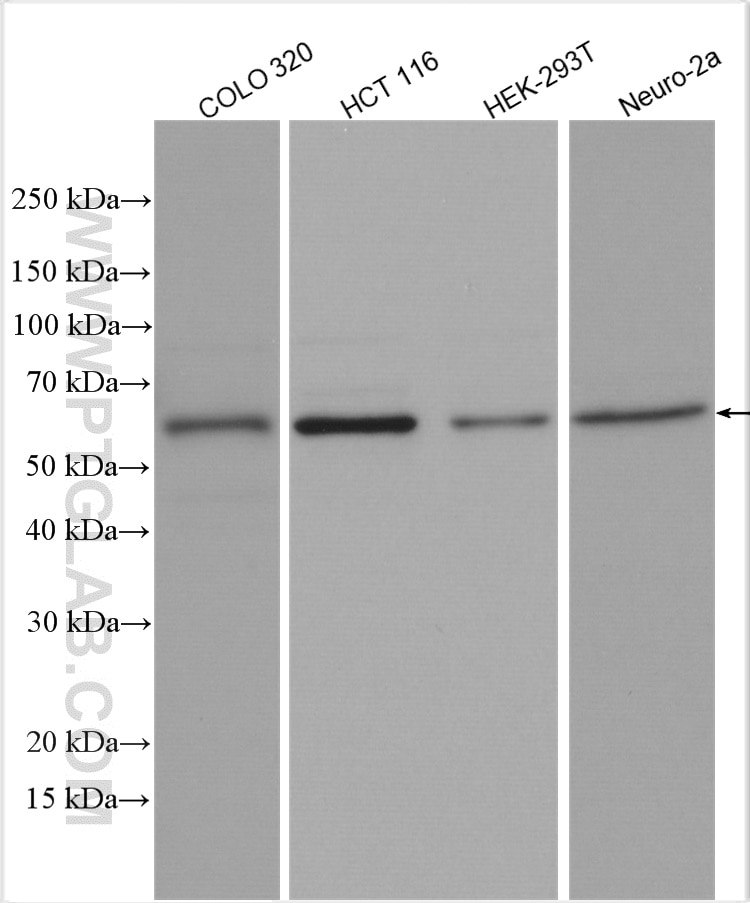
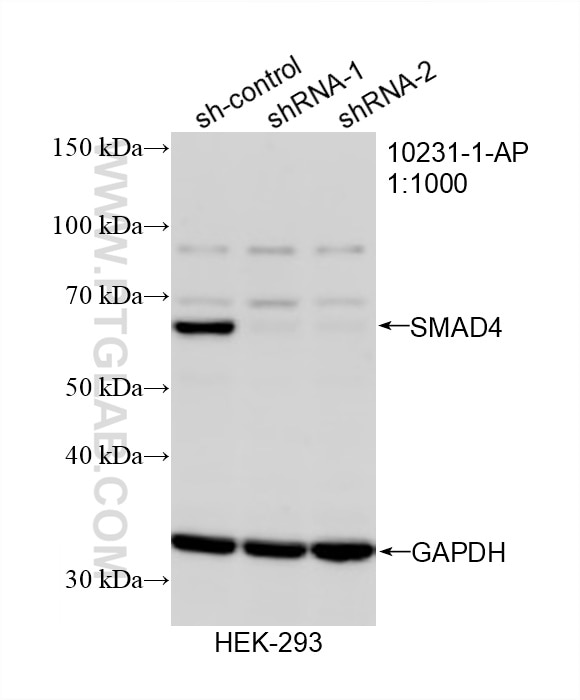
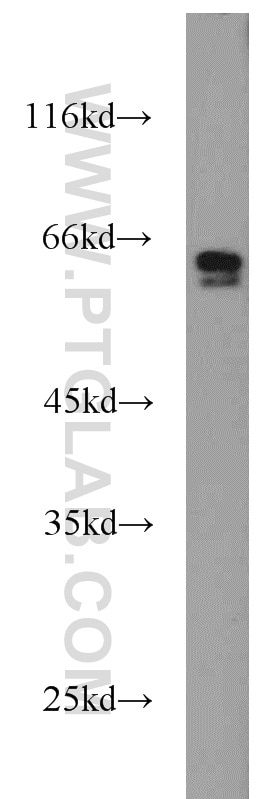
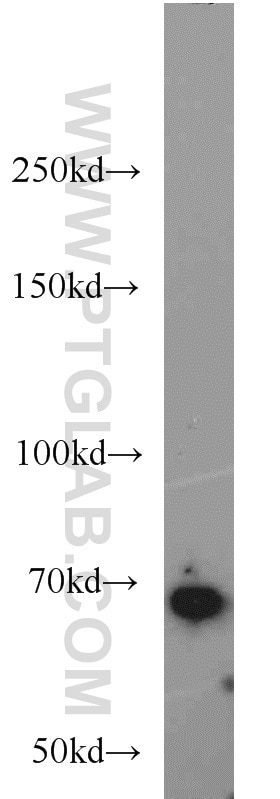
| Positive WB detected in | HEK-293T cells, COLO 320 cells, HCT 116 cells, HEK-293 cells, mouse liver tissue, NIH/3T3 cells, Neuro-2a cells, C6 cells |
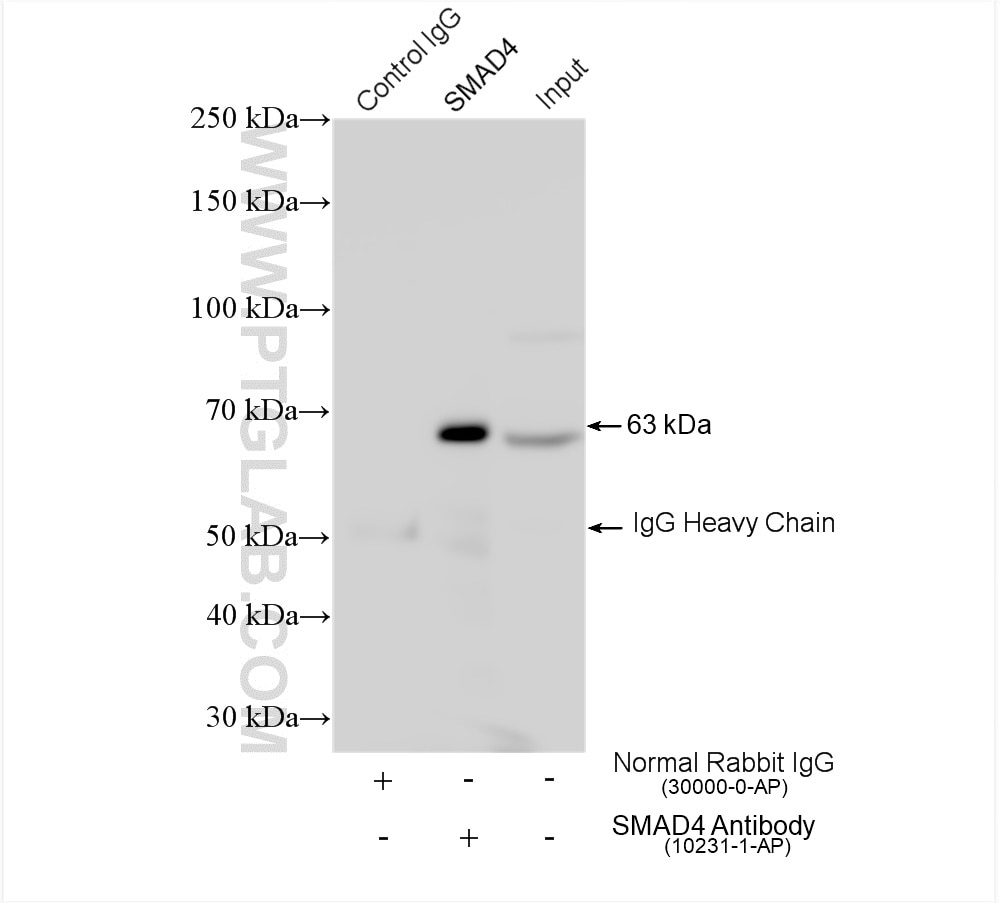
| Positive IP detected in | HeLa cells |
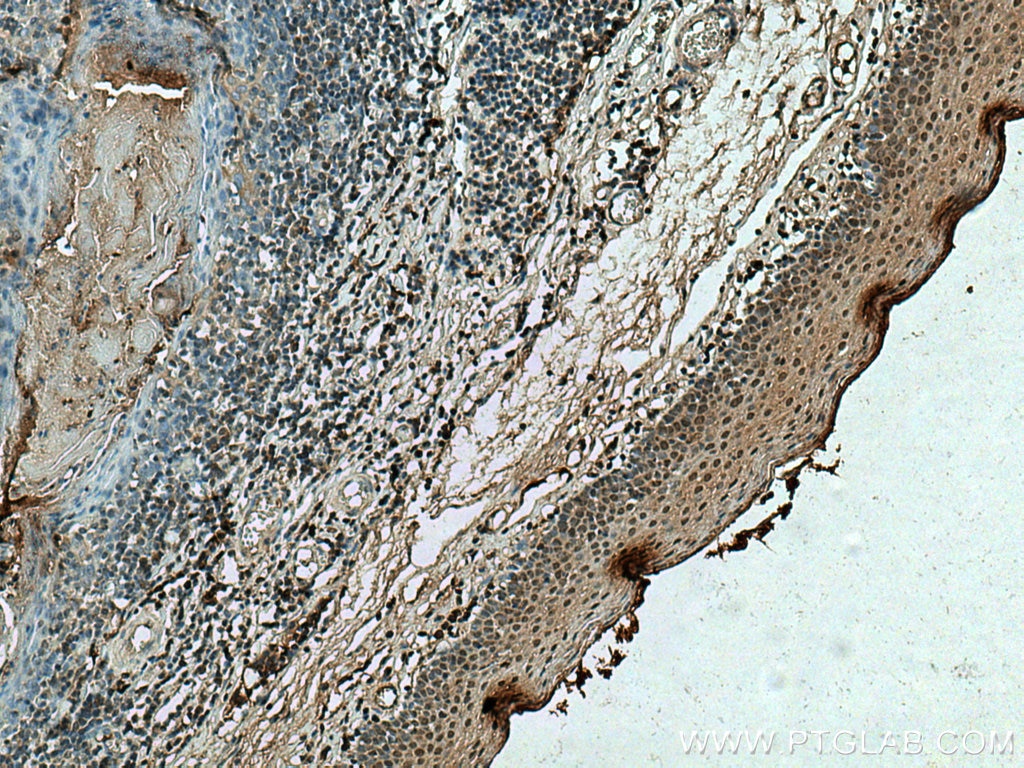
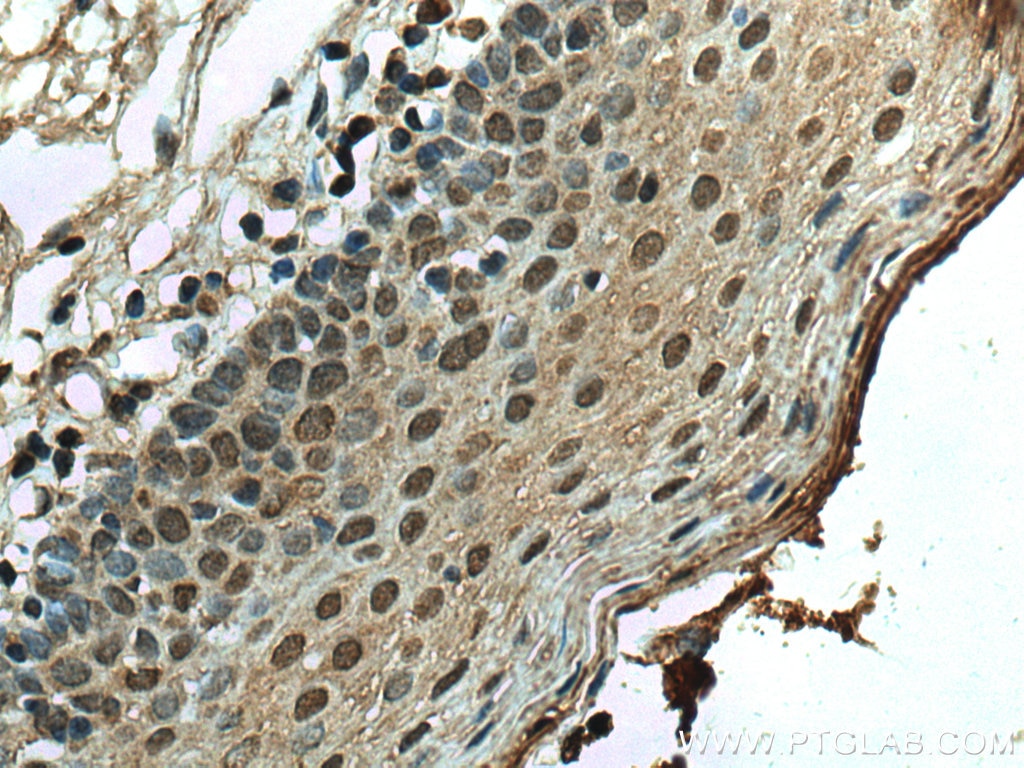
| Positive IHC detected in | human skin cancer tissue, human tonsillitis tissue, human cervical cancer tissue, mouse pancreas tissue, rat small intestine tissue Note: suggested antigen retrieval with TE buffer pH 9.0; (*) Alternatively, antigen retrieval may be performed with citrate buffer pH 6.0 |
Recommended dilution
| Application | Dilution |
|---|---|
| Western Blot (WB) | WB : 1:1000-1:6000 |
| Immunoprecipitation (IP) | IP : 0.5-4.0 ug for 1.0-3.0 mg of total protein lysate |
| Immunohistochemistry (IHC) | IHC : 1:500-1:2000 |
| It is recommended that this reagent should be titrated in each testing system to obtain optimal results. | |
| Sample-dependent, Check data in validation data gallery. | |
Published Applications
| KD/KO | See 6 publications below |
| WB | See 111 publications below |
| IHC | See 17 publications below |
| IF | See 13 publications below |
| IP | See 6 publications below |
| CoIP | See 4 publications below |
| ChIP | See 9 publications below |
Product Information
10231-1-AP targets SMAD4 in WB, IHC, IF, IP, CoIP, ChIP, ELISA applications and shows reactivity with human, mouse, rat samples.
| Tested Reactivity | human, mouse, rat |
| Cited Reactivity | human, mouse, rat, pig, bovine, hamster, sheep, goat |
| Host / Isotype | Rabbit / IgG |
| Class | Polyclonal |
| Type | Antibody |
| Immunogen |
CatNo: Ag0299 Product name: Recombinant human SMAD4 protein Source: e coli.-derived, PGEX-4T Tag: GST Domain: 13-227 aa of BC002379 Sequence: NDACLSIVHSLMCHRQGGESETFAKRAIESLVKKLKEKKDELDSLITAITTNGAHPSKCVTIQRTLDGRLQVAGRKGFPHVIYARLWRWPDLHKNELKHVKYCQYAFDLKCDSVCVNPYHYERVVSPGIDLSGLTLQSNAPSSMMVKDEYVHDFEGQPSLSTEGHSIQTIQHPPSNRASTETYSTPALLAPSESNATSTANFPNIPVASTSQPAS 相同性解析による交差性が予測される生物種 |
| Full Name | SMAD family member 4 |
| Calculated molecular weight | 60 kDa |
| Observed molecular weight | 63-70 kDa |
| GenBank accession number | BC002379 |
| Gene Symbol | SMAD4 |
| Gene ID (NCBI) | 4089 |
| RRID | AB_2193323 |
| Conjugate | Unconjugated |
| Form | |
| Form | Liquid |
| Purification Method | Antigen affinity purification |
| UNIPROT ID | Q13485 |
| Storage Buffer | PBS with 0.02% sodium azide and 50% glycerol{{ptg:BufferTemp}}7.3 |
| Storage Conditions | Store at -20°C. Stable for one year after shipment. Aliquoting is unnecessary for -20oC storage. |
Background Information
Mammalian homologs of the Drosophila Mad gene include Smad1, Smad2, Smad3, Smad4 (DPC4), Smad5, Smad6, Smad7 and Smad8. Smad1 and Smad5 are effectors of BMP2 and BMP4 function while Smad2 and Smad3 are involved in TGF and activin-mediated growth modulation. Smad4 has been shown to mediate all of the above activities through interaction with various Smad family members . Smad6 and Smad7 regulate the response to activin/ TGF signaling by interfering with TGF -mediated phosphorylation of other Smad family members. This antibody is a rabbit polyclonal antibody raised against an internal region of human SMAD4.
Protocols
| Product Specific Protocols | |
|---|---|
| IHC protocol for SMAD4 antibody 10231-1-AP | Download protocol |
| IP protocol for SMAD4 antibody 10231-1-AP | Download protocol |
| WB protocol for SMAD4 antibody 10231-1-AP | Download protocol |
| Standard Protocols | |
|---|---|
| Click here to view our Standard Protocols |
Publications
| Species | Application | Title |
|---|---|---|
Signal Transduct Target Ther Annexin A1 binds PDZ and LIM domain 7 to inhibit adipogenesis and prevent obesity | ||
Mol Cancer HDAC6 orchestrates metastatic and immunosuppressive programs in small cell lung cancer through S100A2-TGF-β/SMAD and CSF1R signaling. | ||
Cancer Res MPND Loss Epigenetically Activates TGF-β/SMAD3 Signaling to Drive Tumor Progression and Metastasis in Non-small Cell Lung Cancer. | ||
Nat Commun Phosphorylation of FOXN3 by NEK6 promotes pulmonary fibrosis through Smad signaling | ||
Nat Commun A Rras2-BMPR2 feedback loop sustains osteogenesis and represents a therapeutic target for osteoporosis. |