
Validation Data Gallery
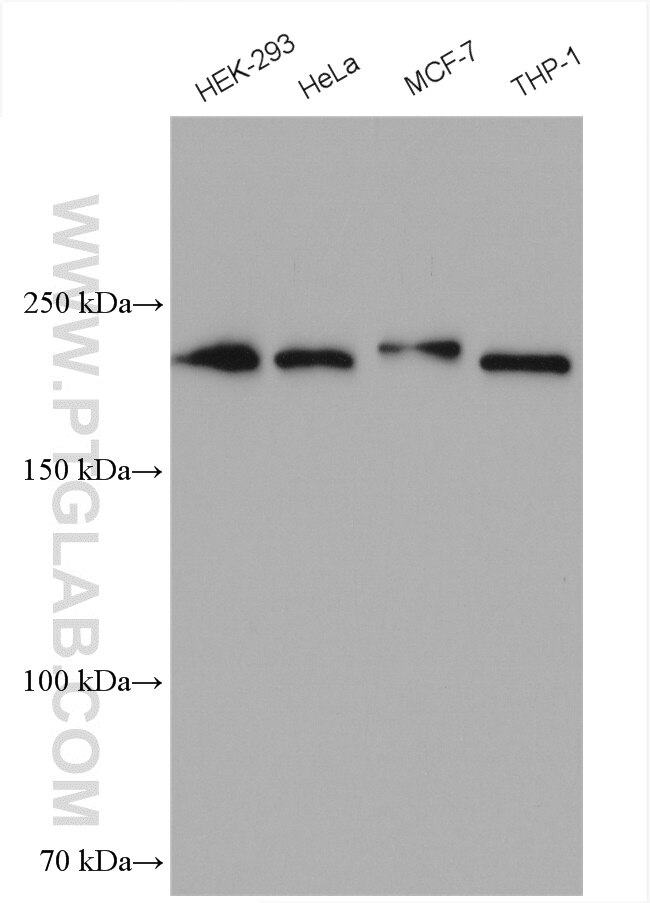
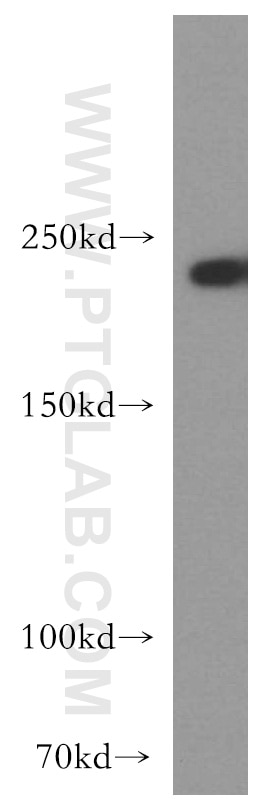
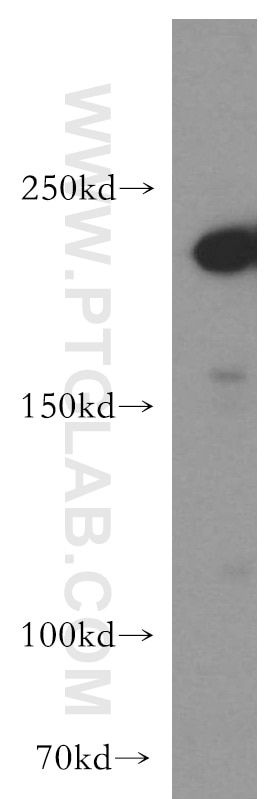
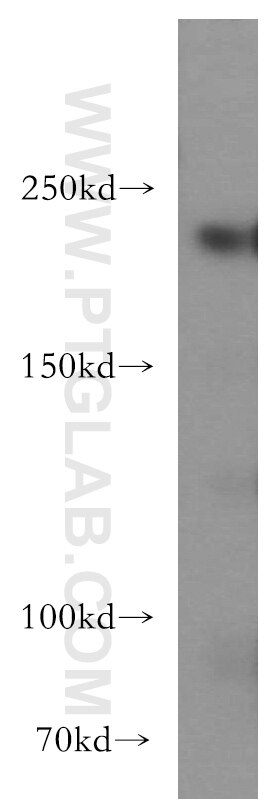
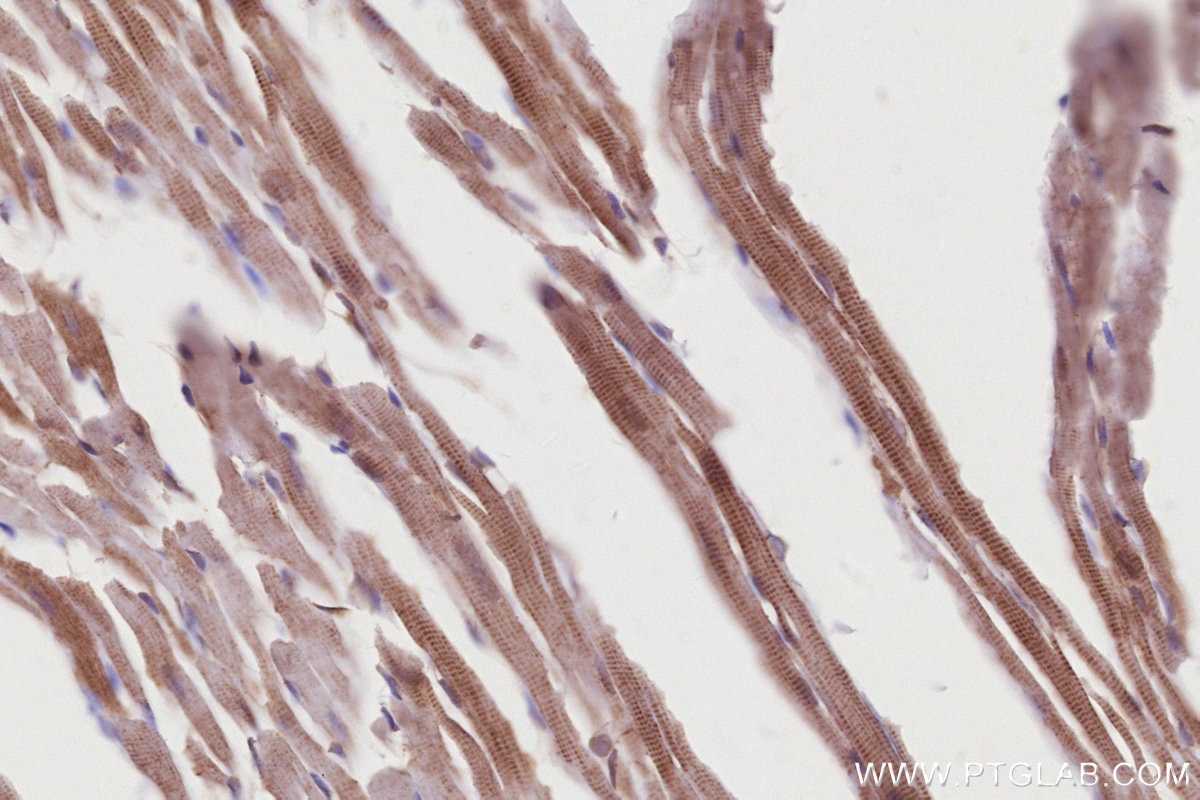
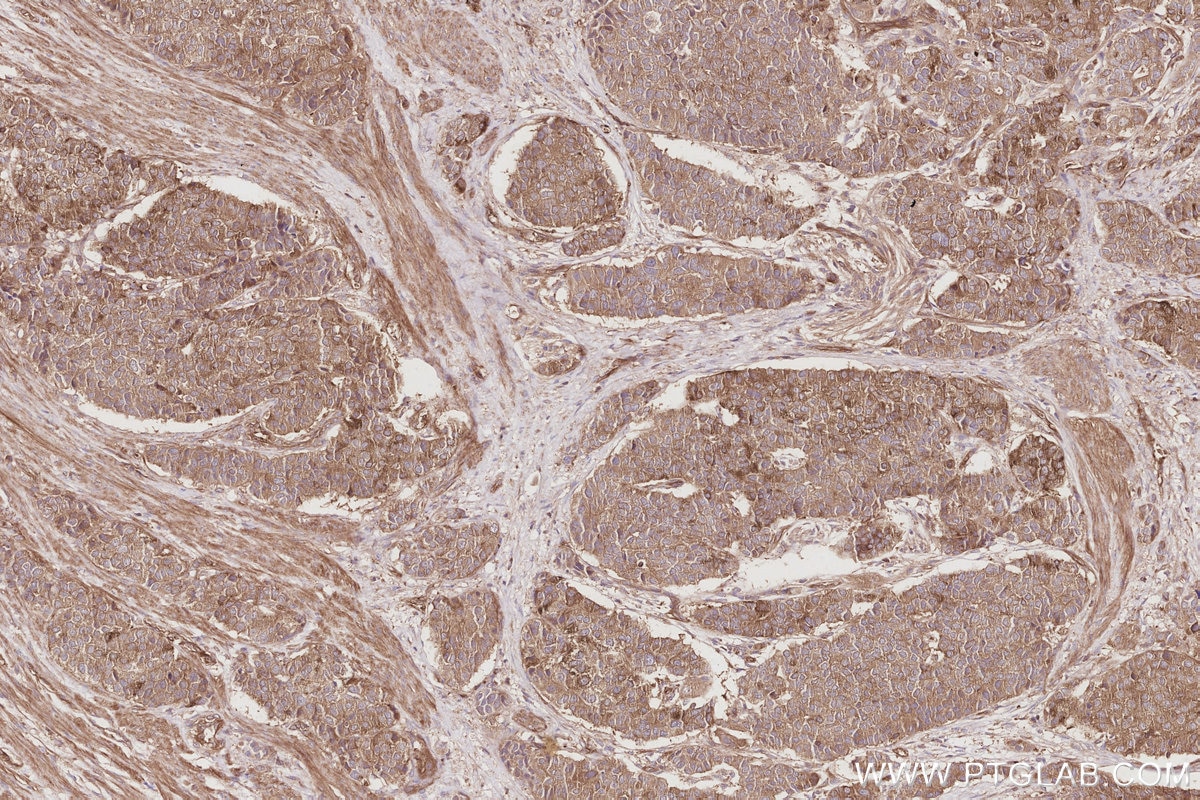
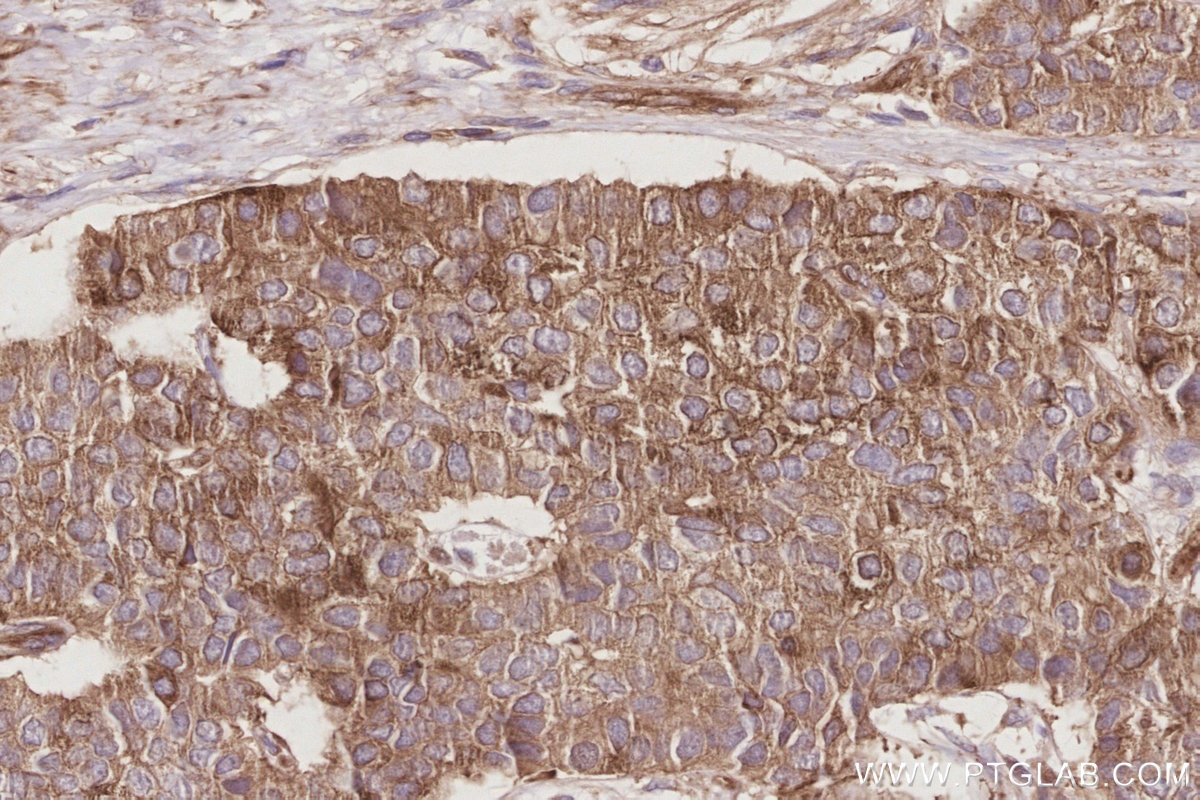
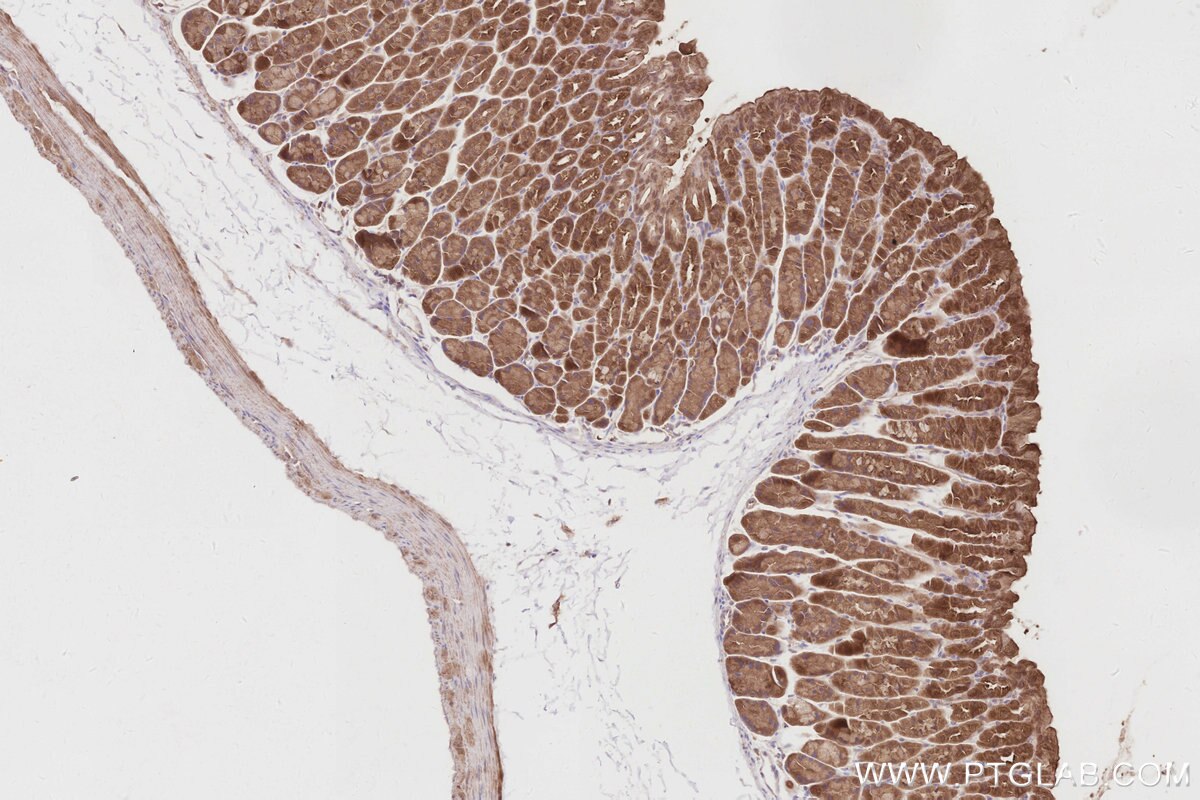
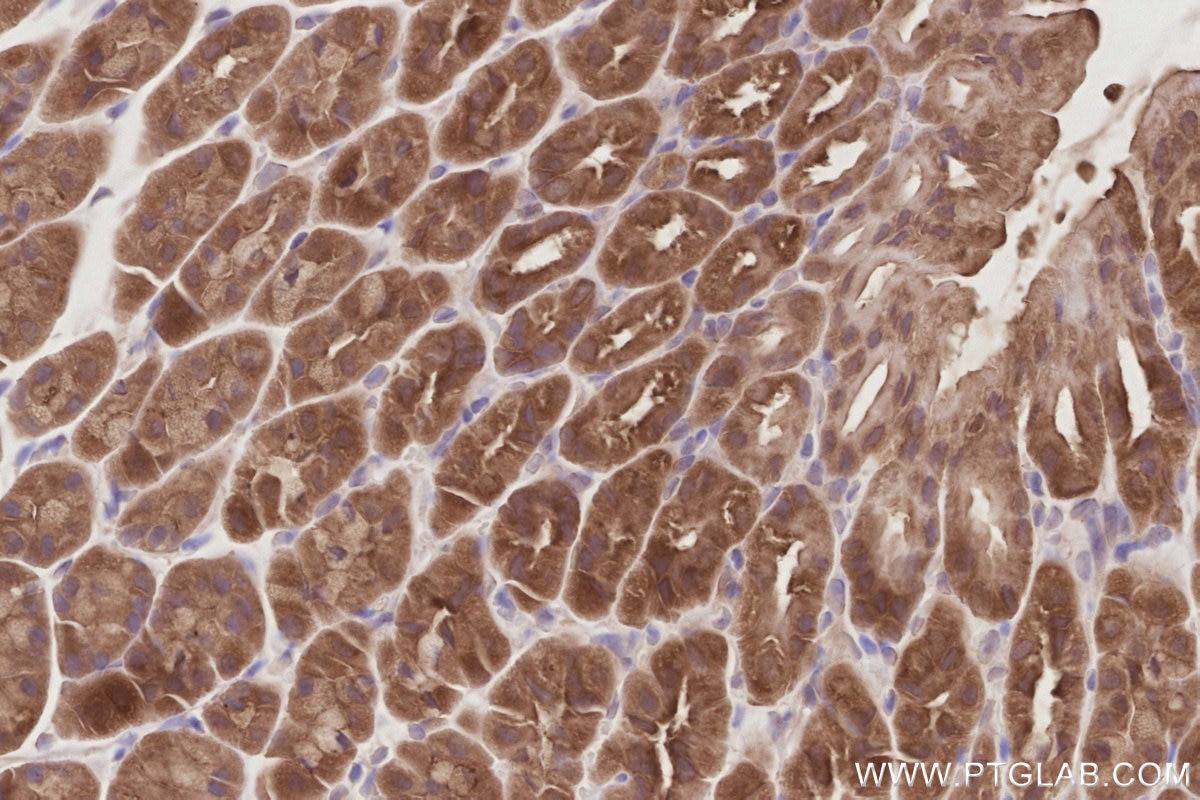
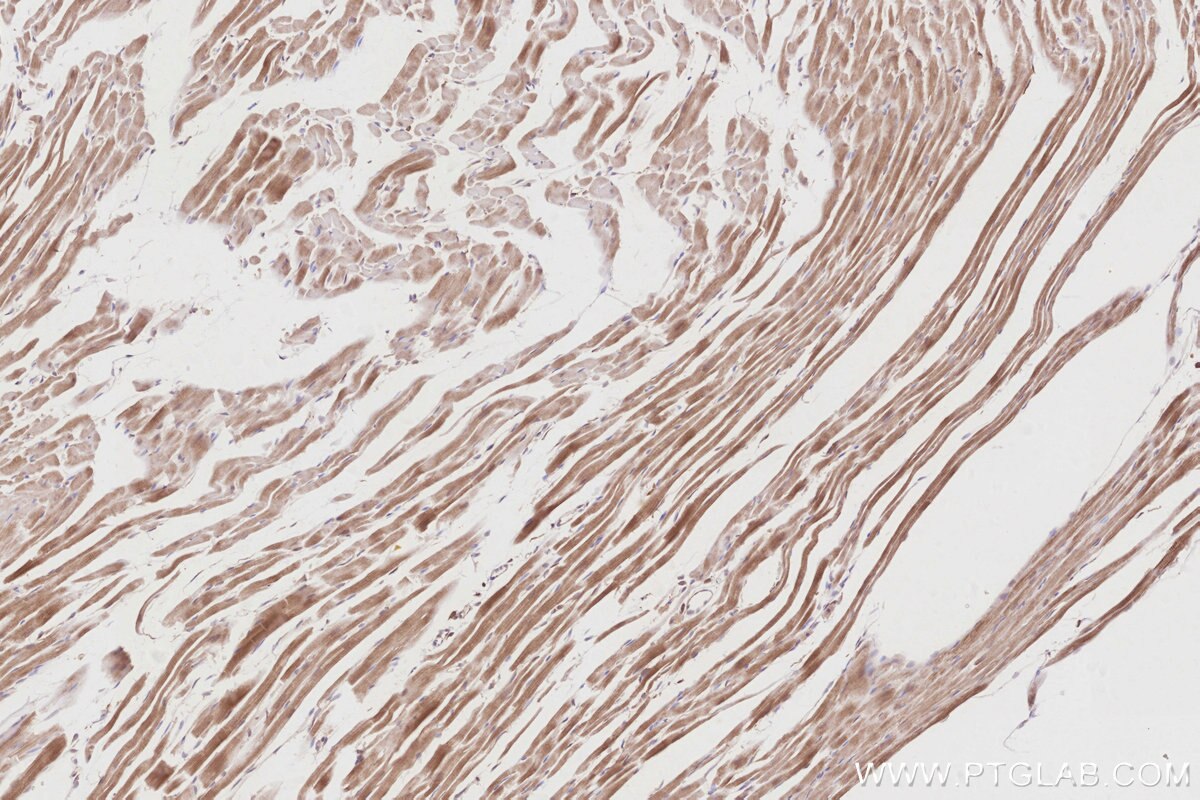
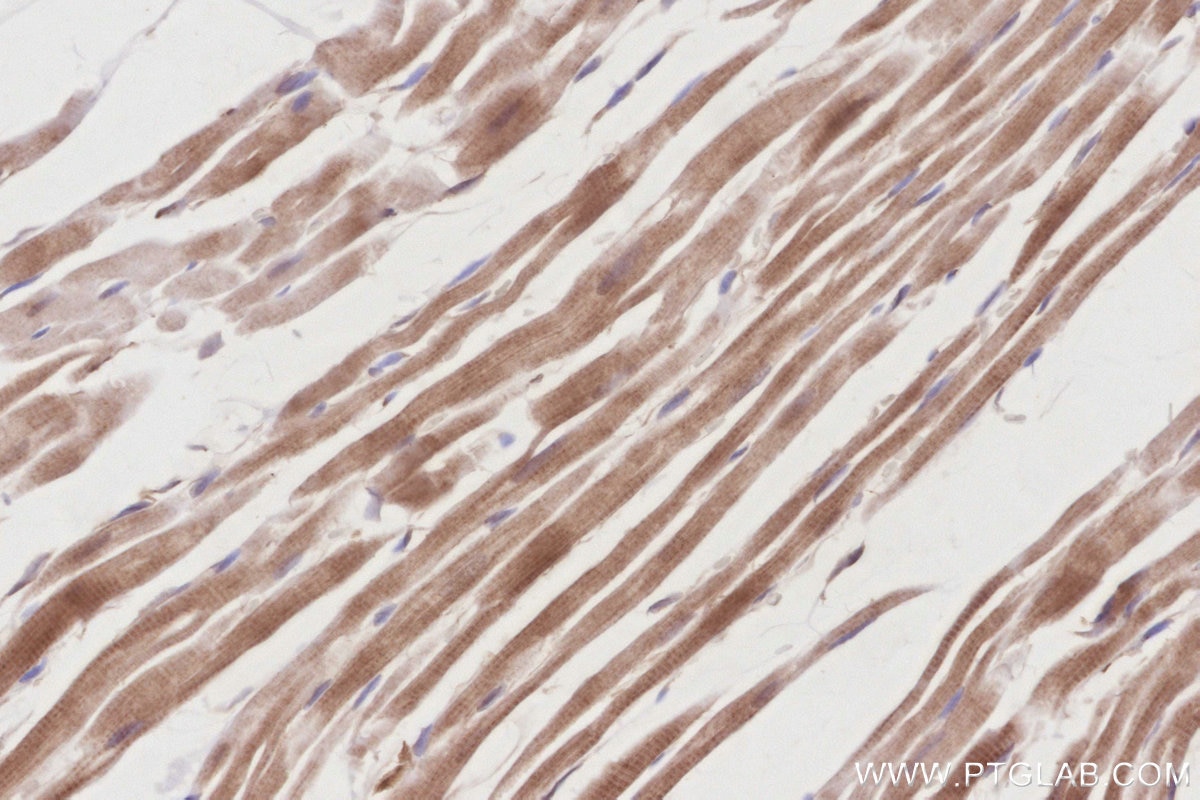
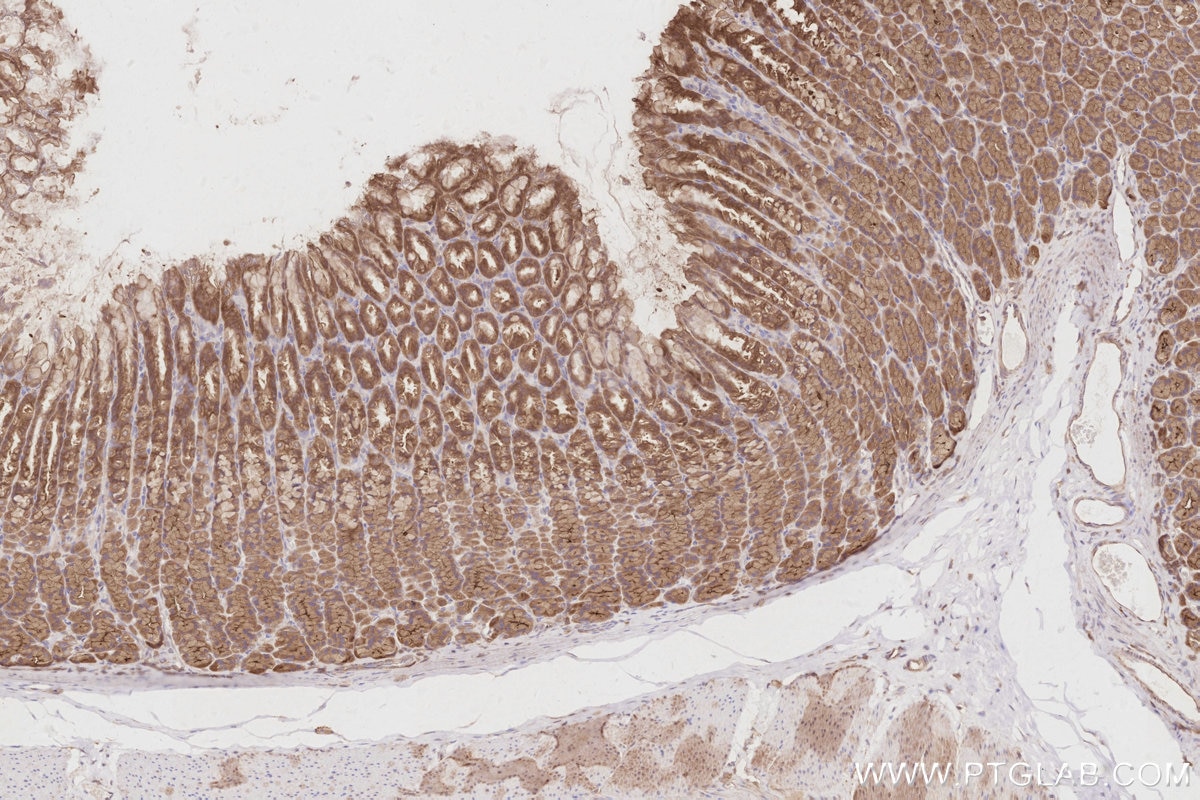
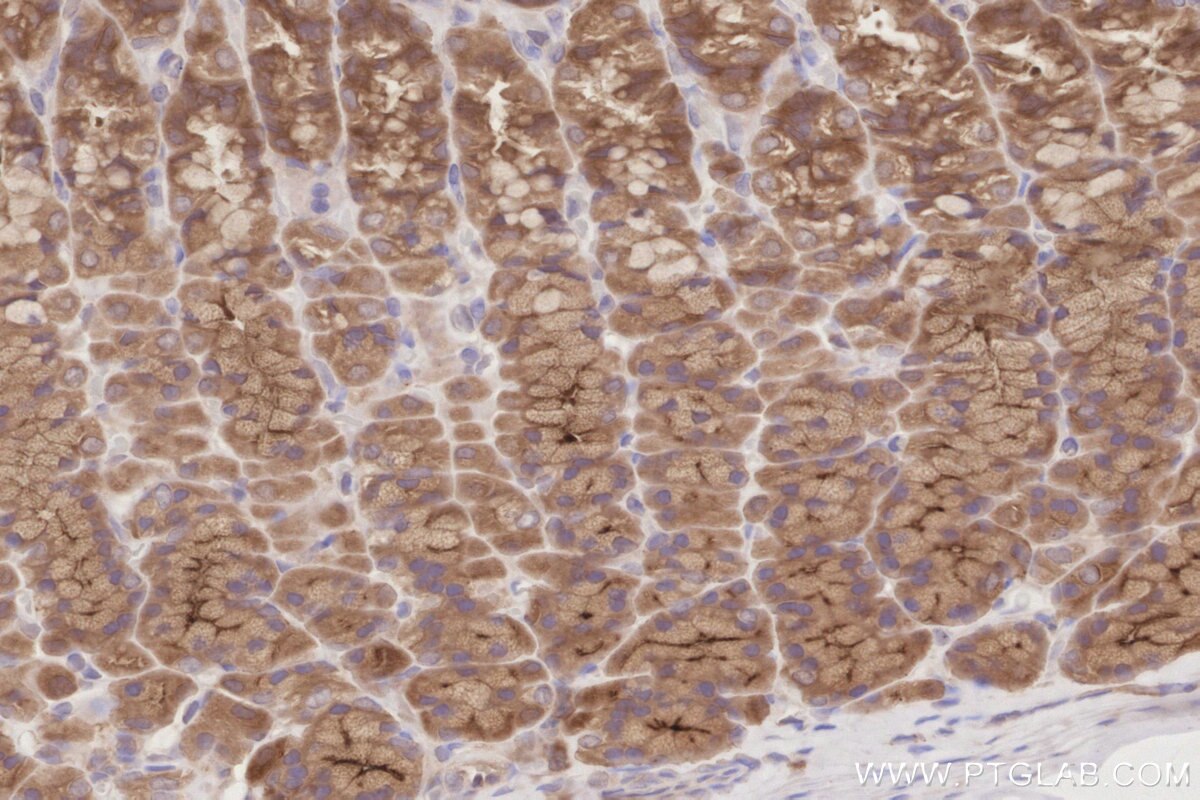
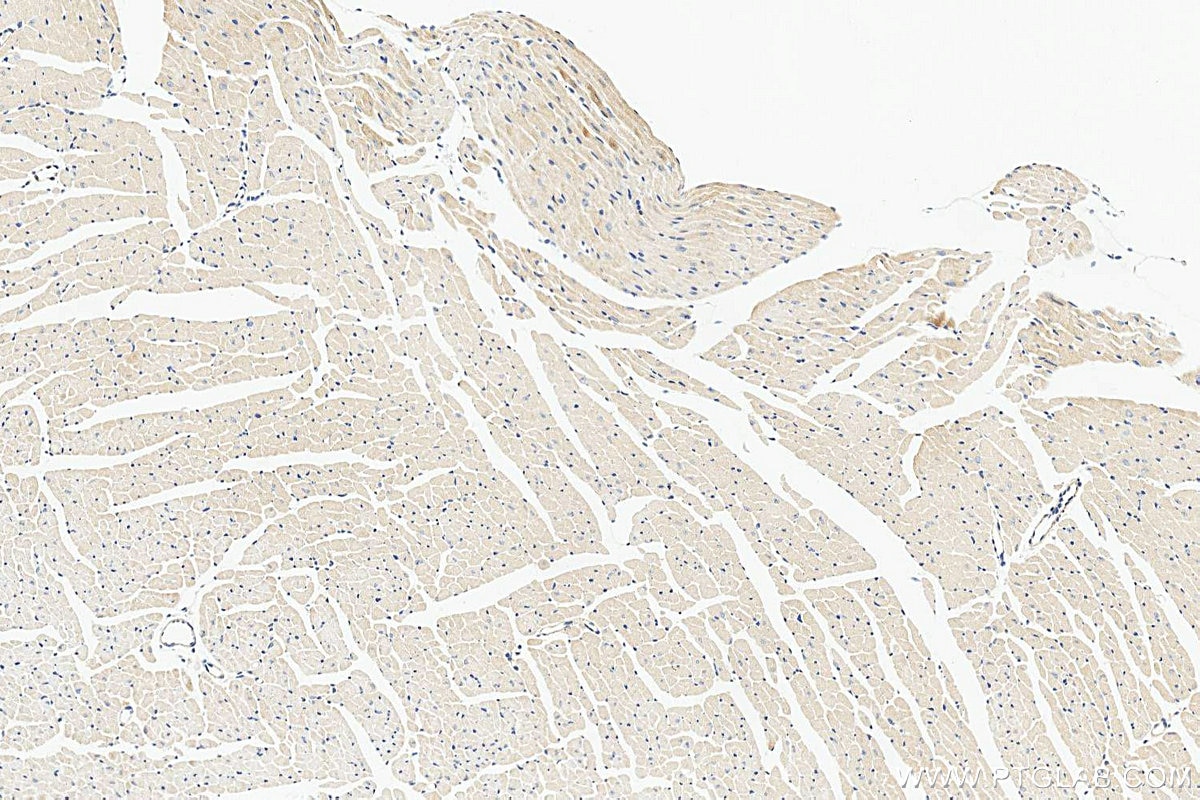
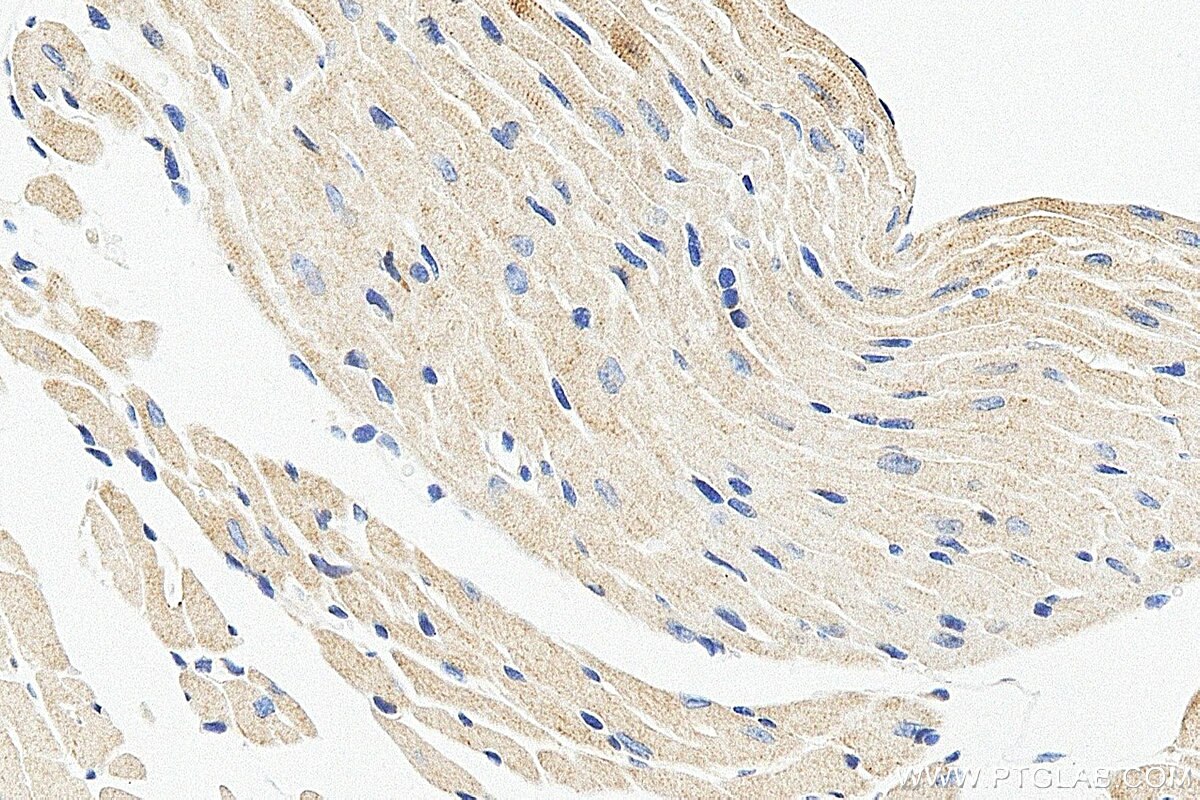
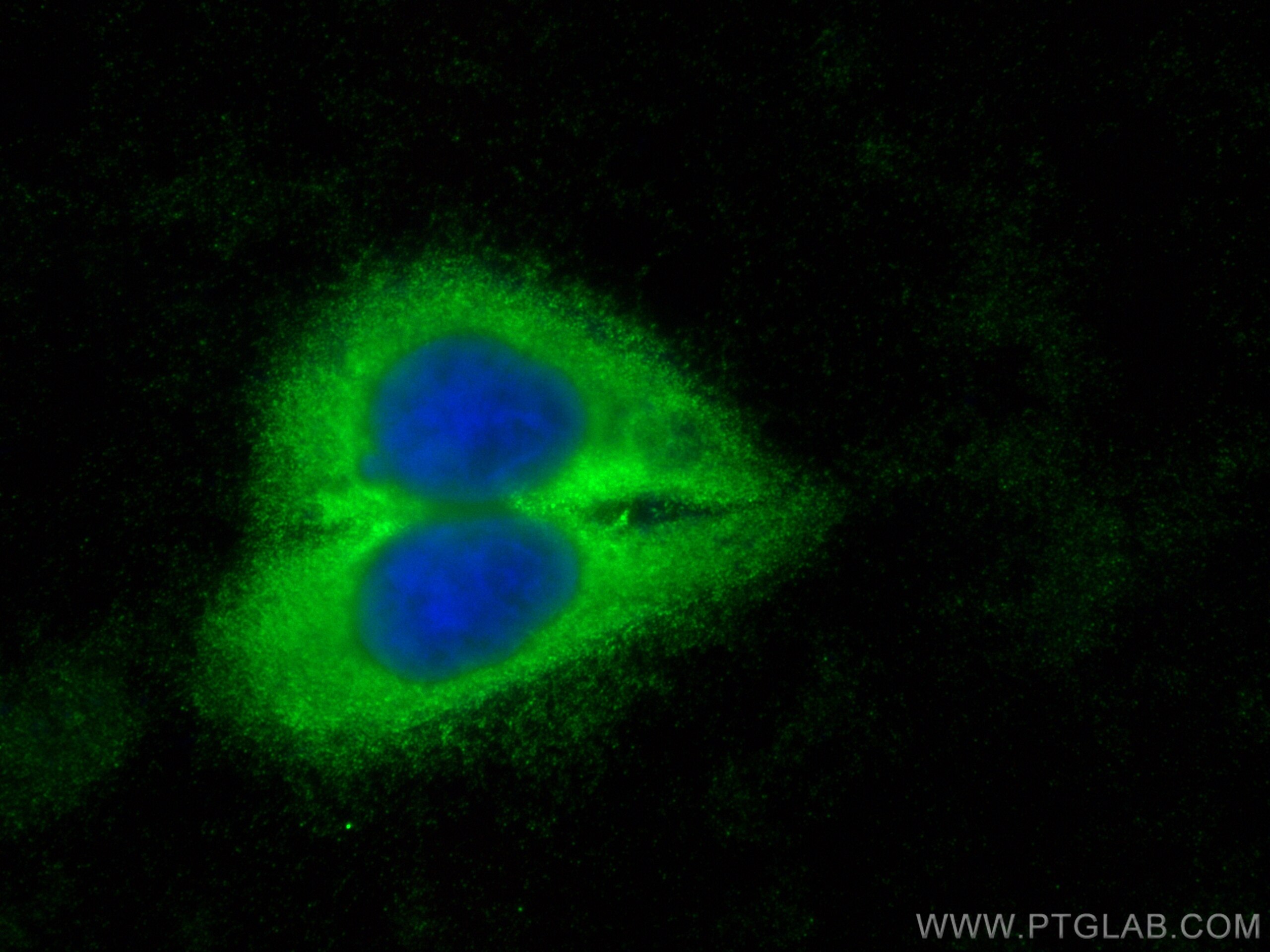
Tested Applications
Recommended dilution
| Application | Dilution |
|---|---|
| It is recommended that this reagent should be titrated in each testing system to obtain optimal results. | |
Product Information
19743-1-PBS targets SLK in WB, IHC, IF/ICC, Indirect ELISA applications and shows reactivity with human, mouse, rat samples.
| Tested Reactivity | human, mouse, rat |
| Host / Isotype | Rabbit / IgG |
| Class | Polyclonal |
| Type | Antibody |
| Immunogen |
Peptide 相同性解析による交差性が予測される生物種 |
| Full Name | STE20-like kinase (yeast) |
| Calculated molecular weight | 143 kDa |
| Observed molecular weight | 143-160 kDa, 210-220 kDa |
| GenBank accession number | NM_014720 |
| Gene Symbol | SLK |
| Gene ID (NCBI) | 9748 |
| RRID | AB_10644278 |
| Conjugate | Unconjugated |
| Form | |
| Form | Liquid |
| Purification Method | Antigen affinity purification |
| UNIPROT ID | Q9H2G2 |
| Storage Buffer | PBS only{{ptg:BufferTemp}}7.3 |
| Storage Conditions | Store at -80°C. |
Background Information
SLK, also named as KIAA0204 and STK2, belongs to the protein kinase superfamily, STE Ser/Thr protein kinase family and STE20 subfamily. SLK plays an important role in cell proliferation and cytoskeletal remodeling. In fibroblasts, SLK has been shown to respond to FAK/Src signaling and regulate focal adhesion turnover through Paxillin phosphorylation. Full-length SLK (~220 kDa) has also been shown to be essential for embryonic development. In myoblasts, the overexpression of a dominant negative SLK is sufficient to block myoblast fusion. (PMID: 28153048, PMID: 25882817, PMID: 23815977)