
Validation Data Gallery
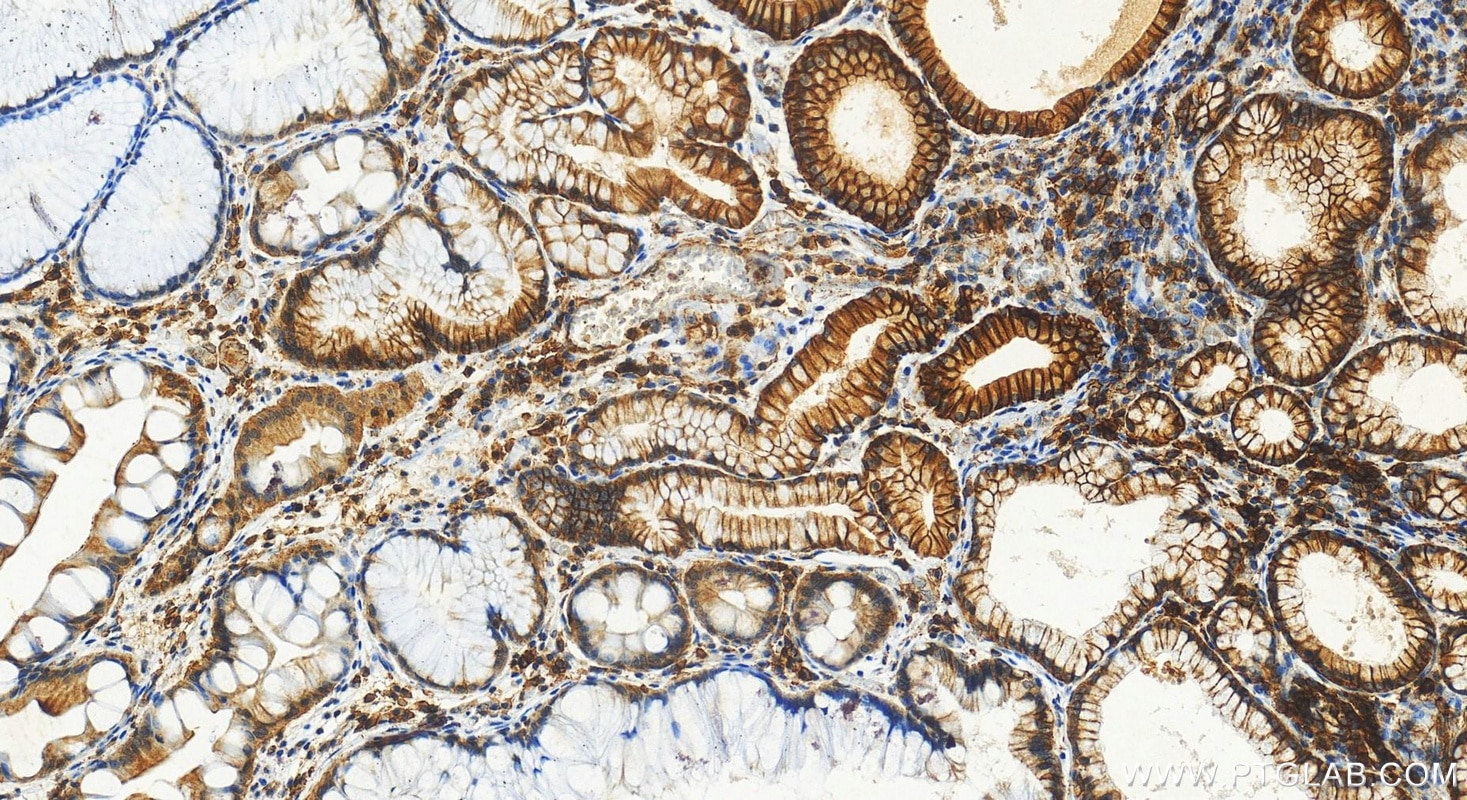
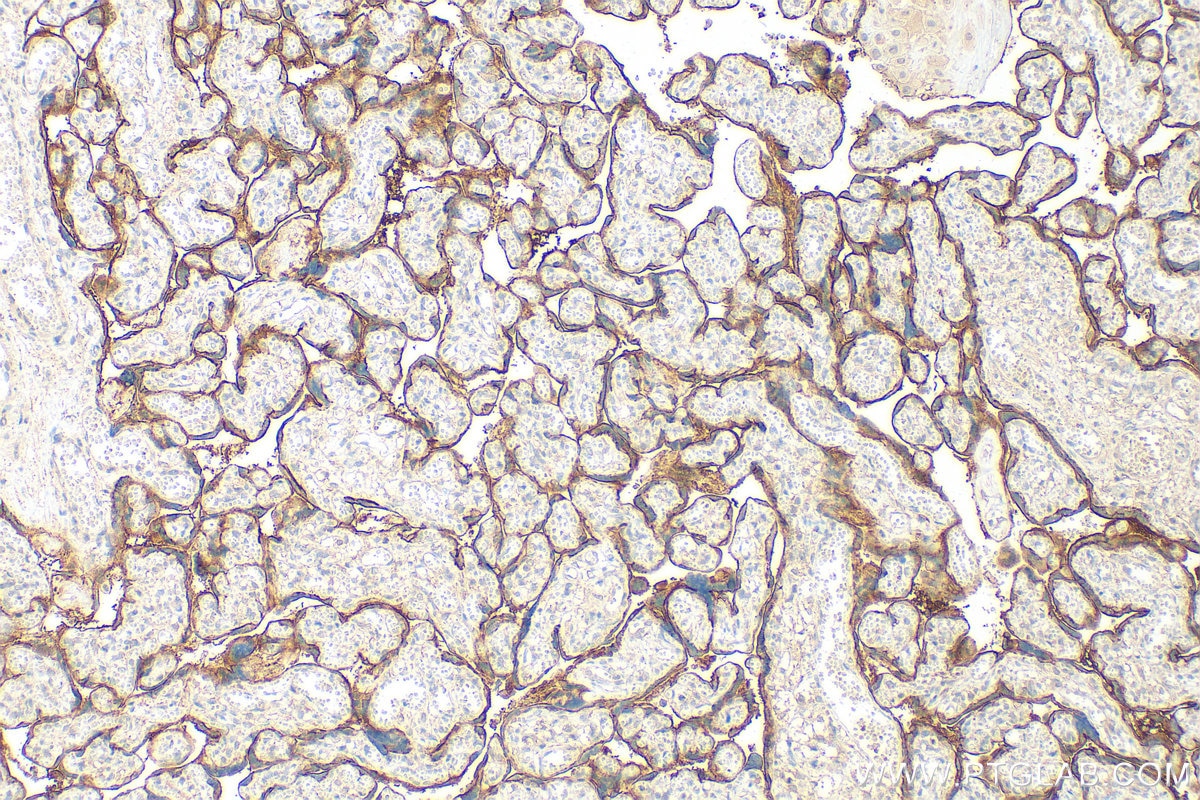
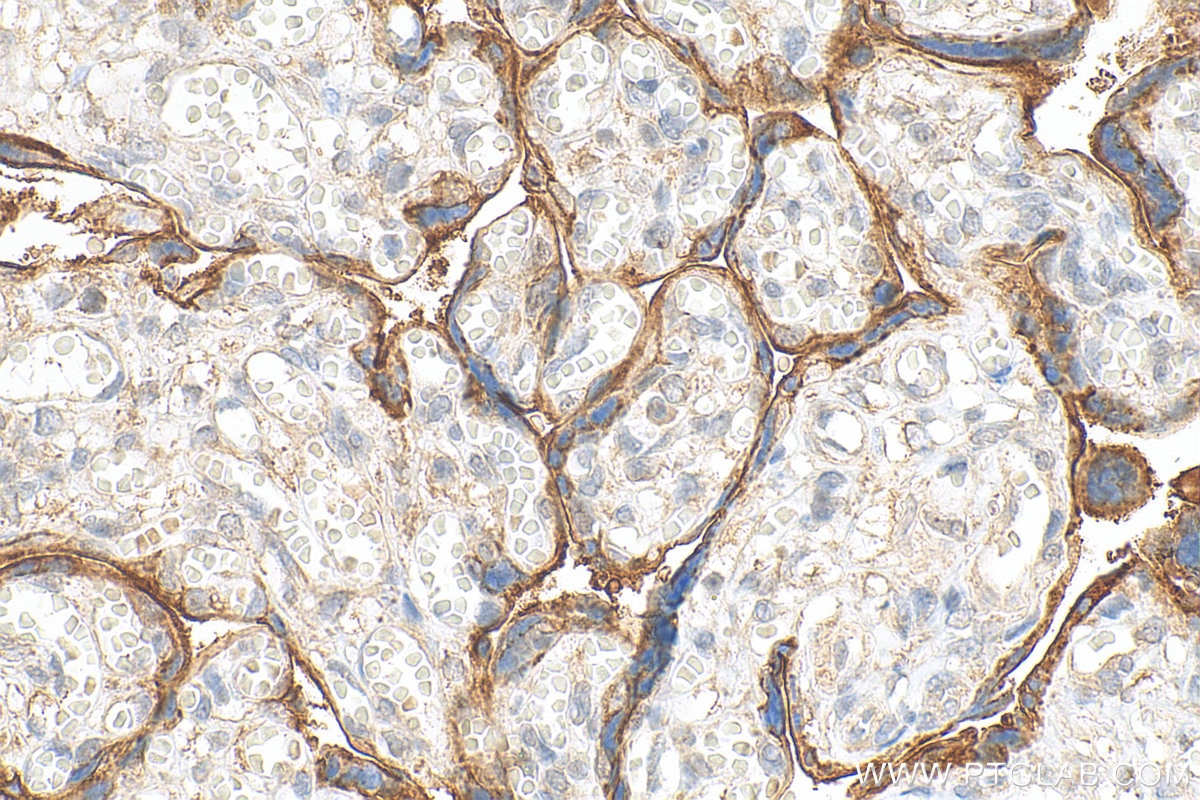
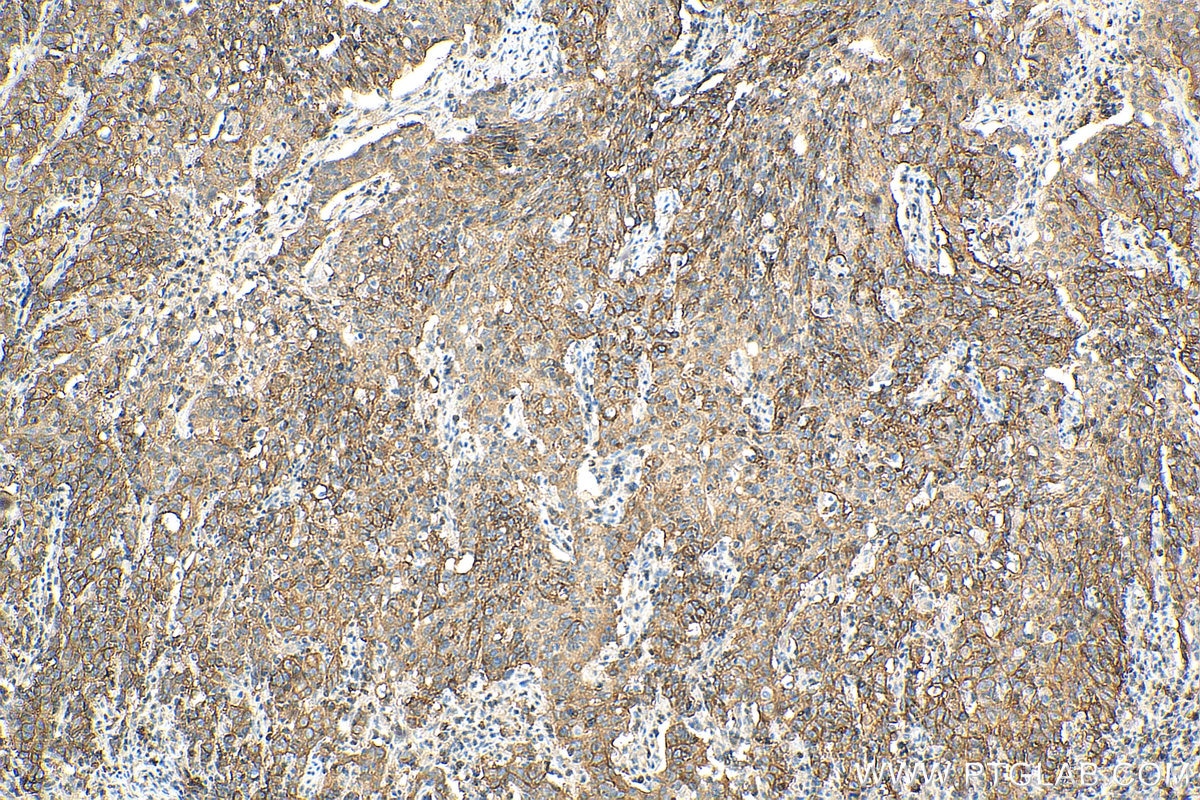
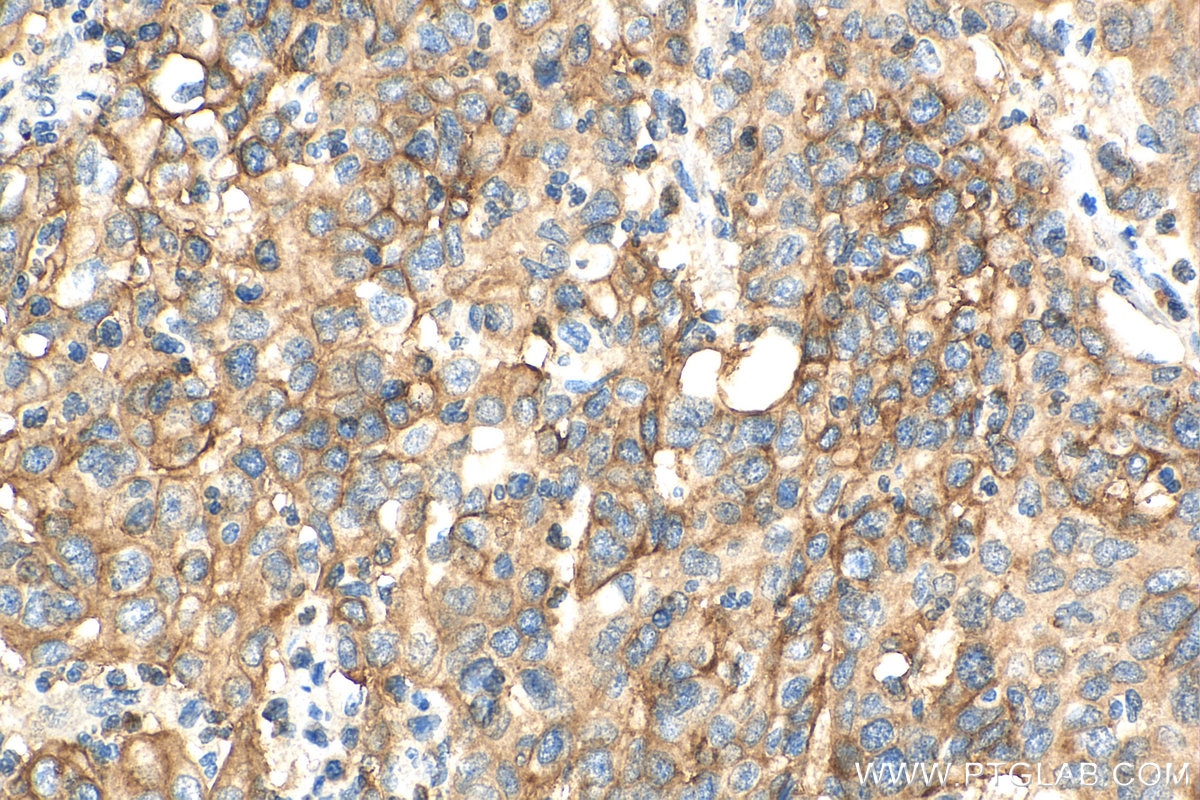
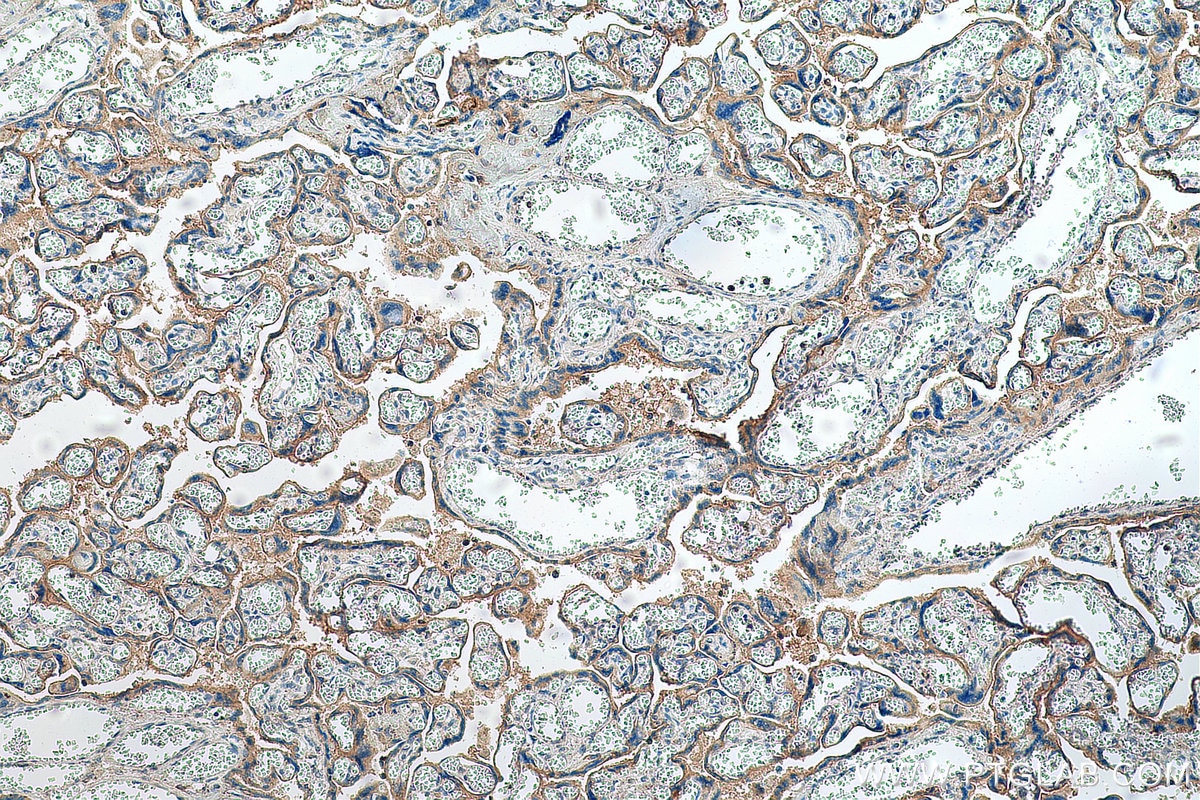
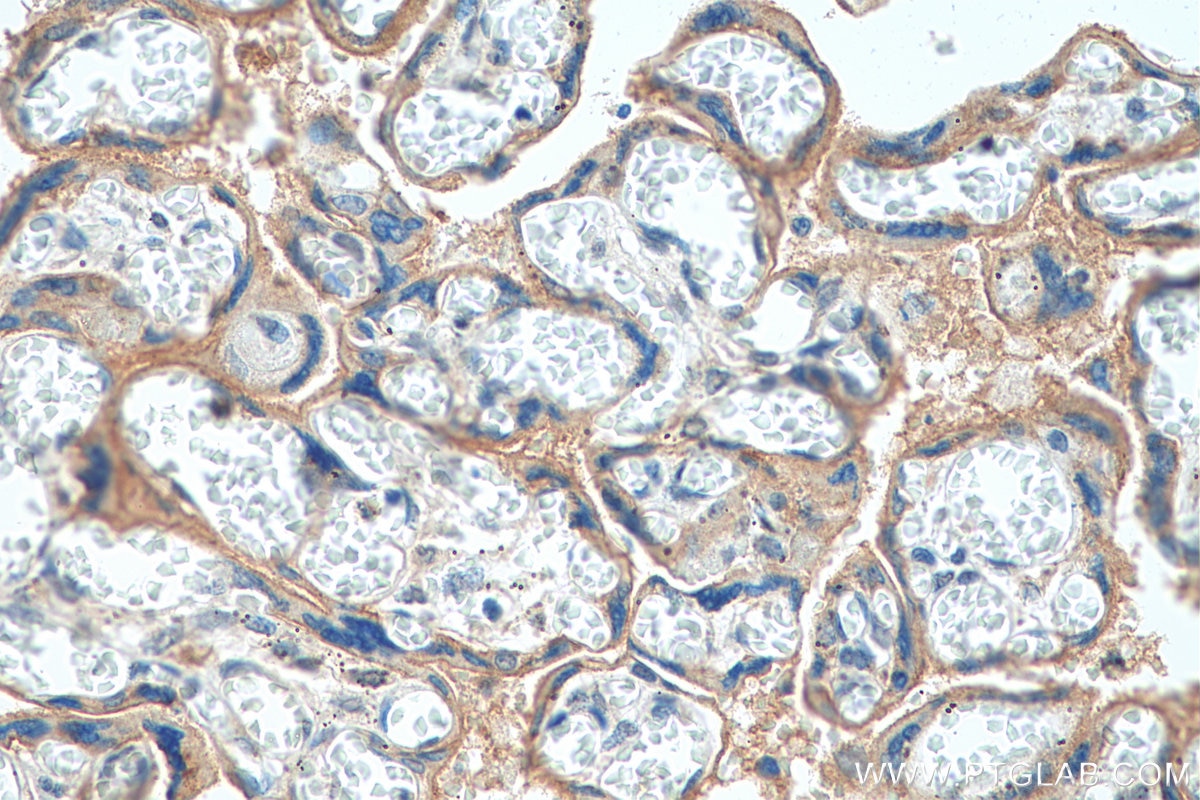
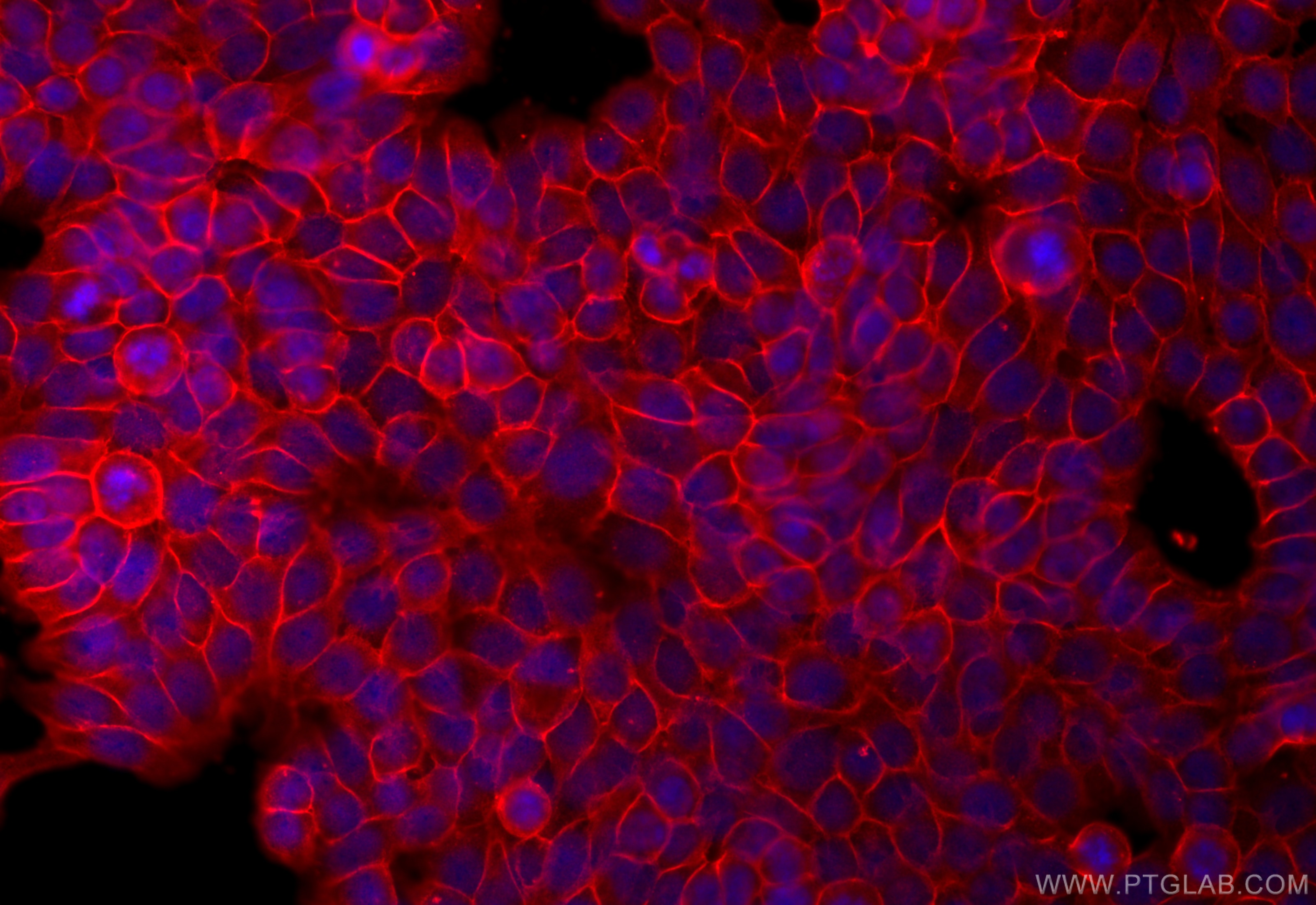
Tested Applications
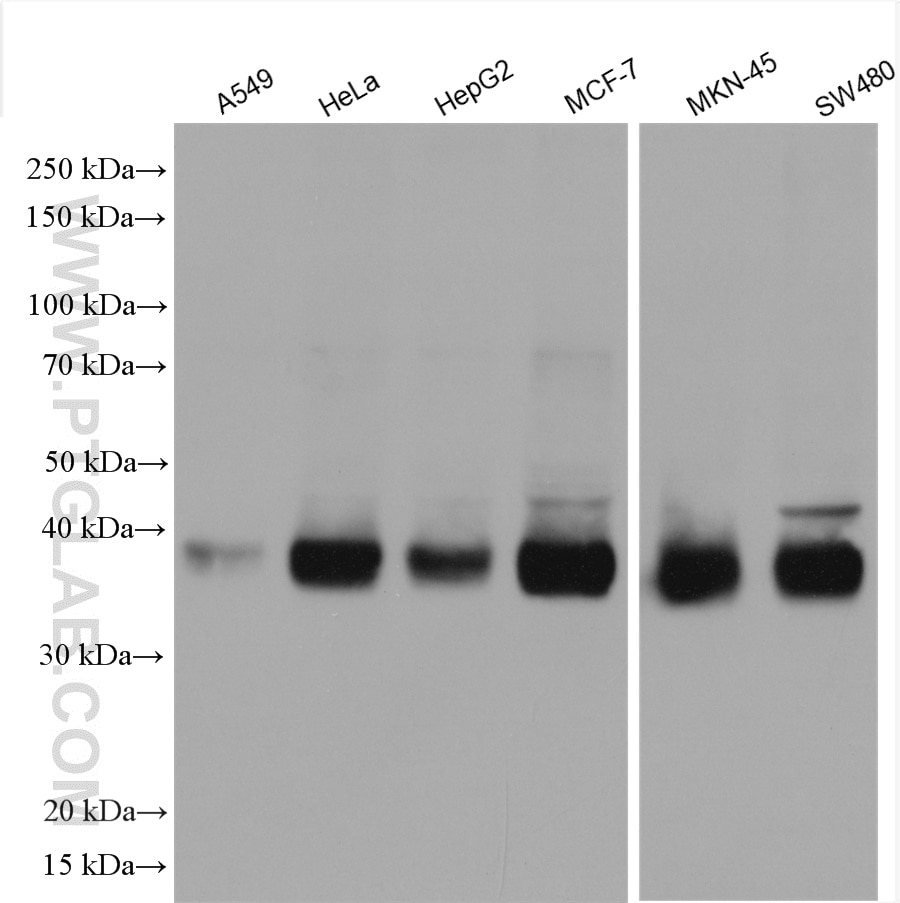
| Positive WB detected in | A549 cells, MCF-7 cells, HeLa cells, HepG2 cells, MKN-45 cells, SW480 cells |
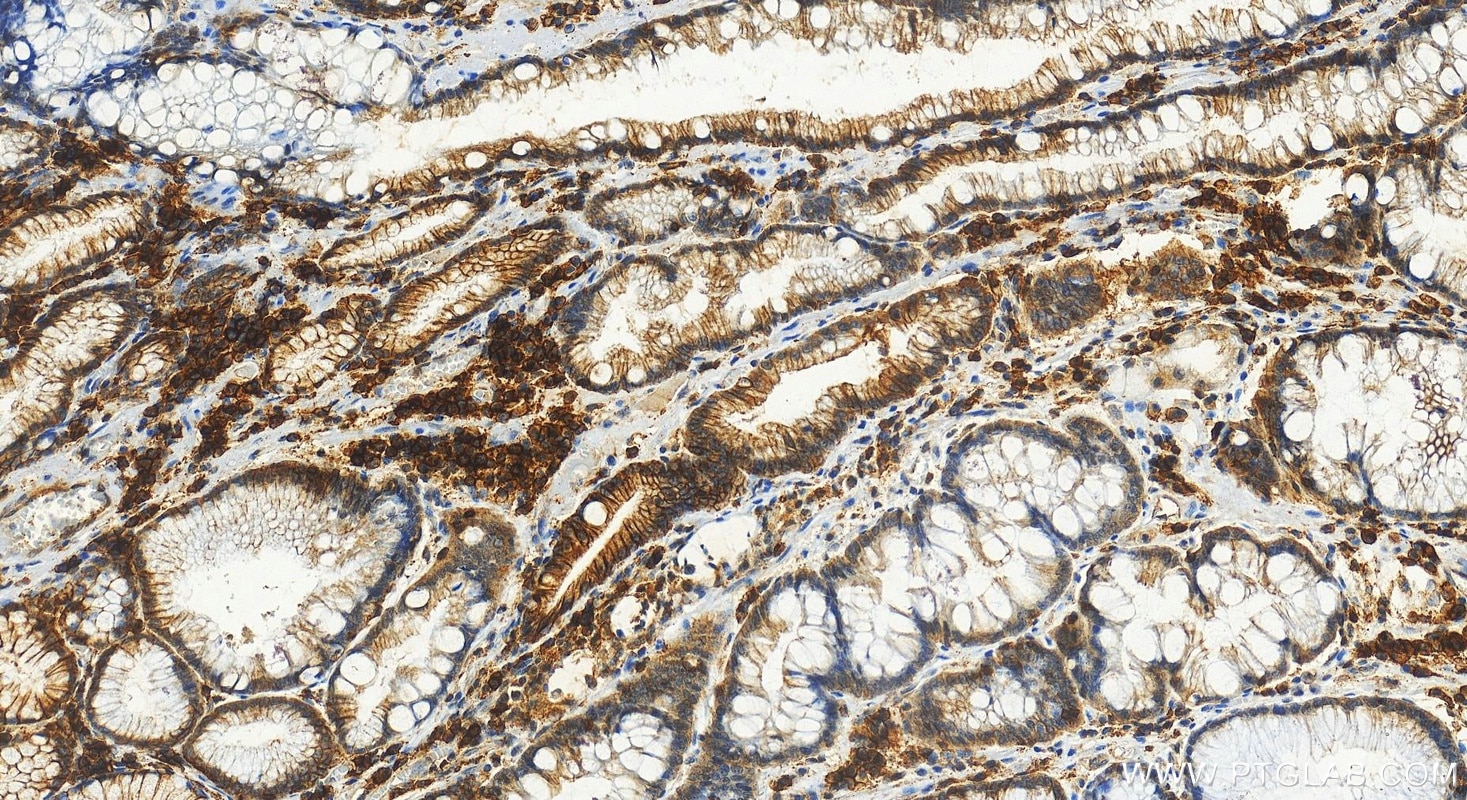
| Positive IHC detected in | human stomach cancer tissue, human placenta tissue Note: suggested antigen retrieval with TE buffer pH 9.0; (*) Alternatively, antigen retrieval may be performed with citrate buffer pH 6.0 |
| Positive IF/ICC detected in | HT-29 cells |
Recommended dilution
| Application | Dilution |
|---|---|
| Western Blot (WB) | WB : 1:2000-1:12000 |
| Immunohistochemistry (IHC) | IHC : 1:250-1:1000 |
| Immunofluorescence (IF)/ICC | IF/ICC : 1:200-1:800 |
| It is recommended that this reagent should be titrated in each testing system to obtain optimal results. | |
| Sample-dependent, Check data in validation data gallery. | |
Published Applications
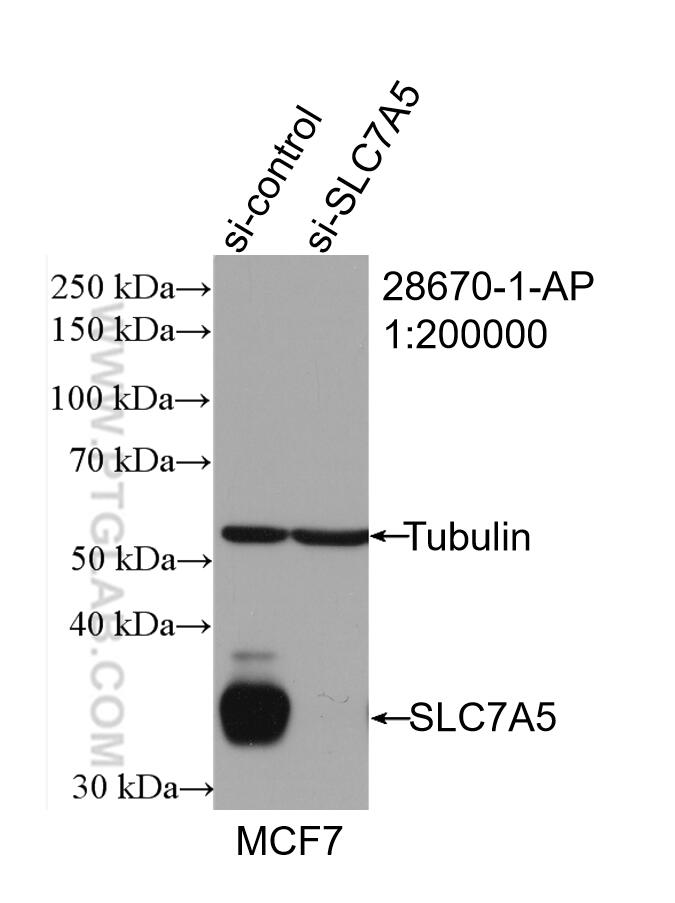
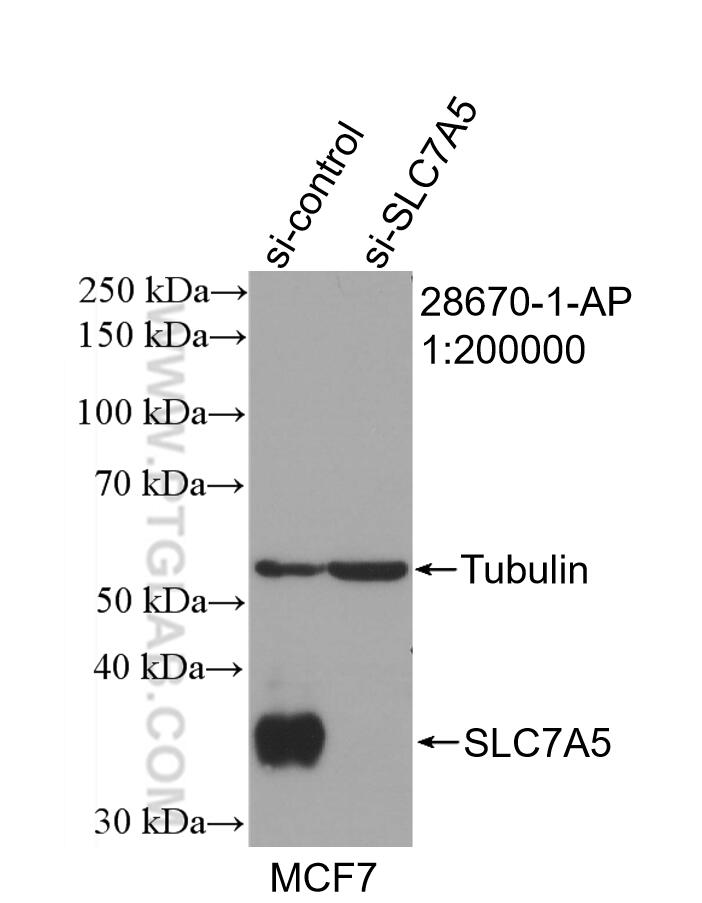
| KD/KO | See 2 publications below |
| WB | See 24 publications below |
| IHC | See 6 publications below |
| IF | See 3 publications below |
| ChIP | See 1 publications below |
Product Information
28670-1-AP targets SLC7A5 in WB, IHC, IF/ICC, ChIP, ELISA applications and shows reactivity with human samples.
| Tested Reactivity | human |
| Cited Reactivity | human, bovine |
| Host / Isotype | Rabbit / IgG |
| Class | Polyclonal |
| Type | Antibody |
| Immunogen |
CatNo: Ag29164 Product name: Recombinant human SLC7A5 protein Source: e coli.-derived, PGEX-4T Tag: GST Domain: 1-58 aa of BC039692 Sequence: MAGAGPKRRALAAPAAEEKEEAREKMLAAKSADGSAPAGEGEGVTLQRNITLLNGVAI 相同性解析による交差性が予測される生物種 |
| Full Name | solute carrier family 7 (cationic amino acid transporter, y+ system), member 5 |
| Calculated molecular weight | 507 aa, 55 kDa |
| Observed molecular weight | 35-40 kDa |
| GenBank accession number | BC039692 |
| Gene Symbol | SLC7A5 |
| Gene ID (NCBI) | 8140 |
| RRID | AB_2918188 |
| Conjugate | Unconjugated |
| Form | |
| Form | Liquid |
| Purification Method | Antigen affinity purification |
| UNIPROT ID | Q01650 |
| Storage Buffer | PBS with 0.02% sodium azide and 50% glycerol{{ptg:BufferTemp}}7.3 |
| Storage Conditions | Store at -20°C. Stable for one year after shipment. Aliquoting is unnecessary for -20oC storage. |
Background Information
Large neutral amino acid transporter 1 LAT1(also named as SLC7A5) is a sodium- and pH-independent transporter that supplies essential amino acids (e.g., leucine, phenylalanine) to cells. It plays an important role in the blood-brain barrier (BBB), where it facilitates the transport of thyroid hormones, drugs (e.g., l-DOPA, gabapentin), and metabolites to the brain. In addition, its expression is highly upregulated in various types of human cancers, which are characterized by a high demand for amino acids for growth and proliferation. The LAT1 subunit in humans is a 507 amino acid-long polypeptide with a theoretical molecular mass of 55 kDa. The protein is hydrophobic and is predicted to be constituted by 12 transmembrane segments. The apparent molecular mass of the proteins diminished to approximately 35 - 40 kDa.(PMID: 23912240 ;PMID: 26256001)
Protocols
| Product Specific Protocols | |
|---|---|
| IF protocol for SLC7A5 antibody 28670-1-AP | Download protocol |
| IHC protocol for SLC7A5 antibody 28670-1-AP | Download protocol |
| WB protocol for SLC7A5 antibody 28670-1-AP | Download protocol |
| Standard Protocols | |
|---|---|
| Click here to view our Standard Protocols |
Publications
| Species | Application | Title |
|---|---|---|
Nat Cell Biol The lncRNA DAMER selectively guides m6A-dependent regulation of ATF4 and asparagine metabolism under nutrient stress in cancer | ||
Nat Cell Biol A CRISPRi/a screening platform to study cellular nutrient transport in diverse microenvironments | ||
Nat Microbiol Mapping in-cell protein contact sites reveals hijacking of paraspeckles during influenza A virus infection. | ||
Nat Commun Targeting spermine metabolism to overcome immunotherapy resistance in pancreatic cancer | ||
Nat Commun Dietary intake and BCAA metabolism regulate pulmonary fibrosis through KDM4A-mediated epigenetic remodeling in male mice. | ||
Nat Commun Targeting tRNA-dependent tyrosine usage unveils a metabolic vulnerability in hepatocellular carcinoma. |