
Validation Data Gallery
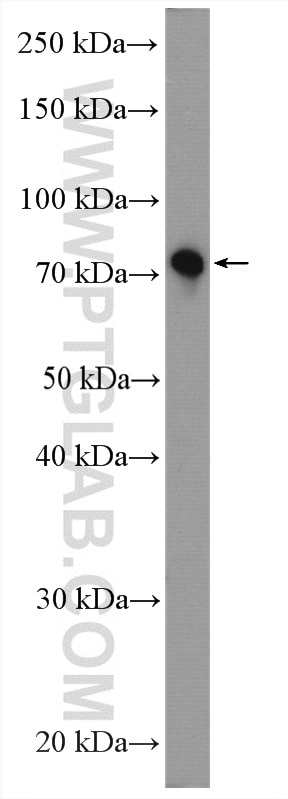
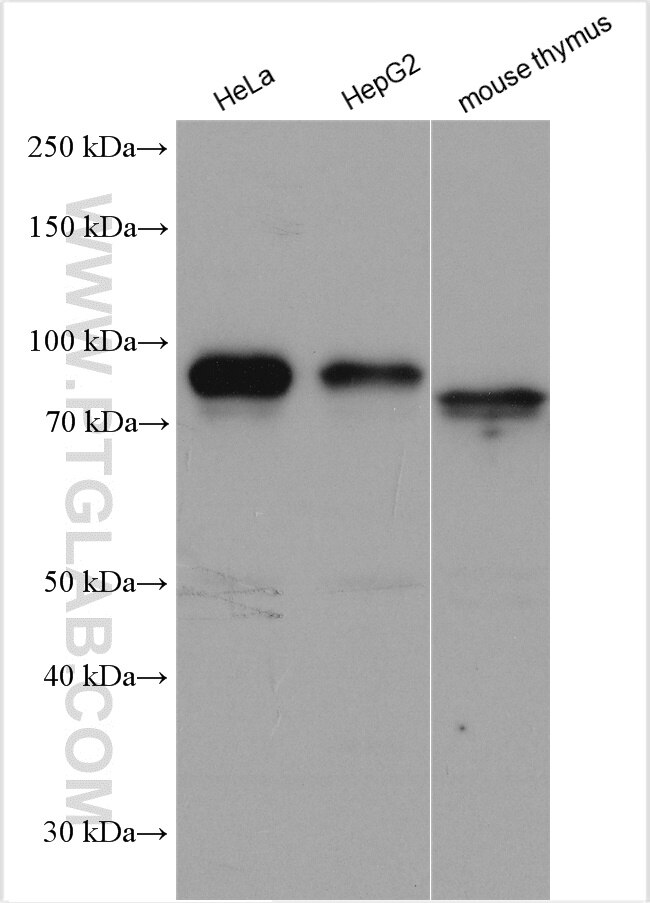
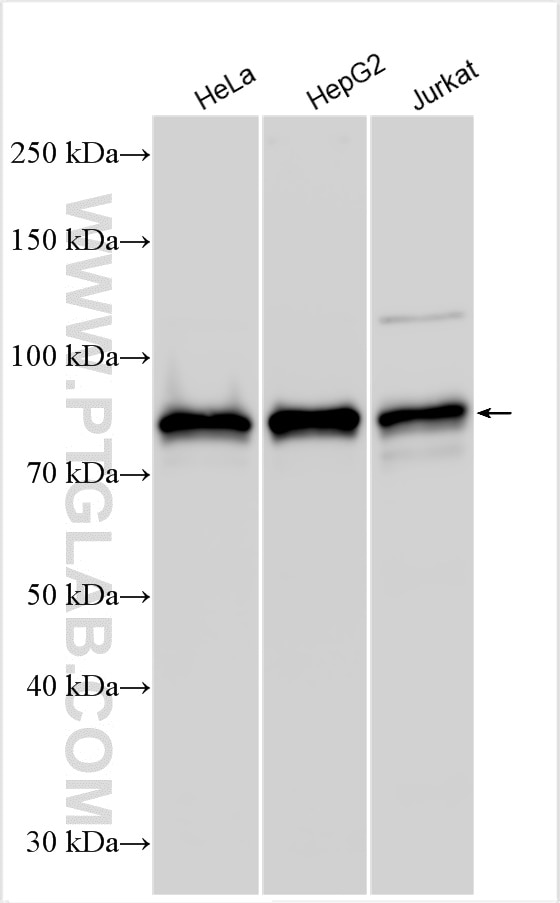
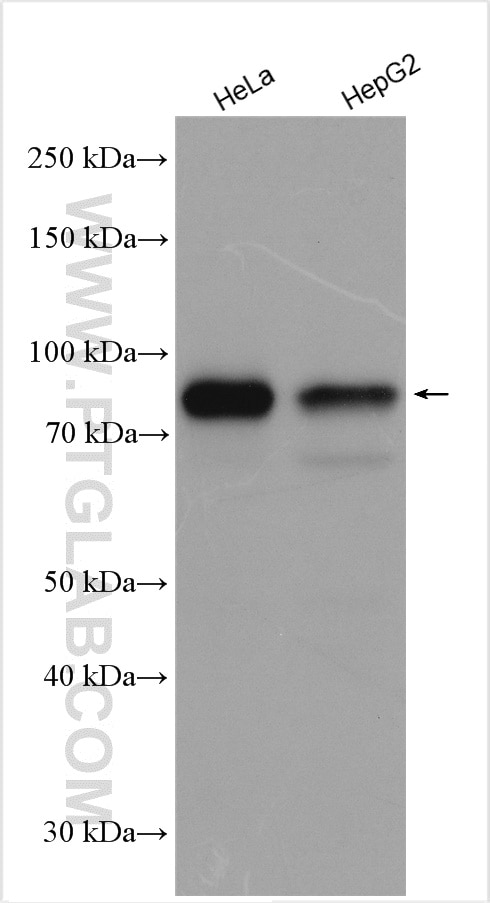
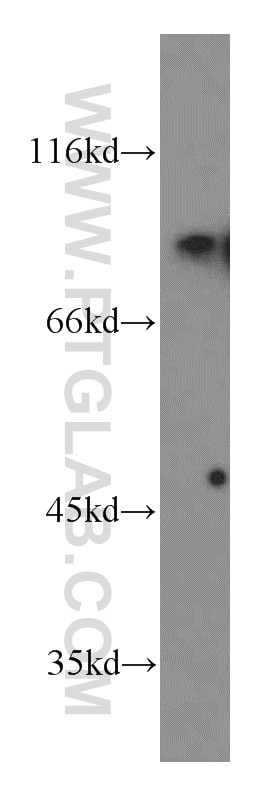
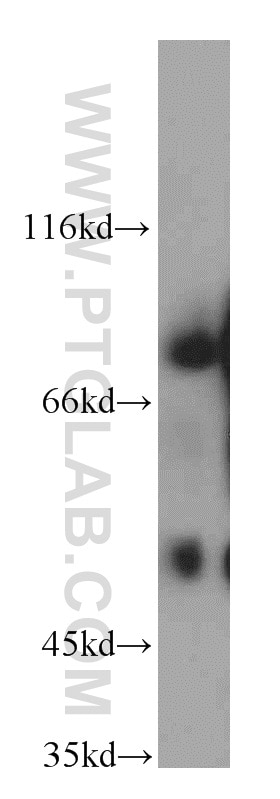
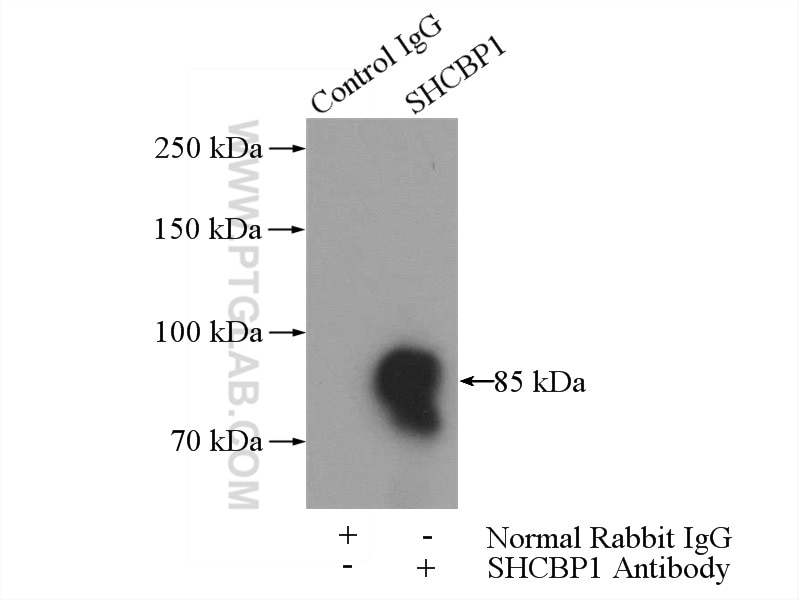
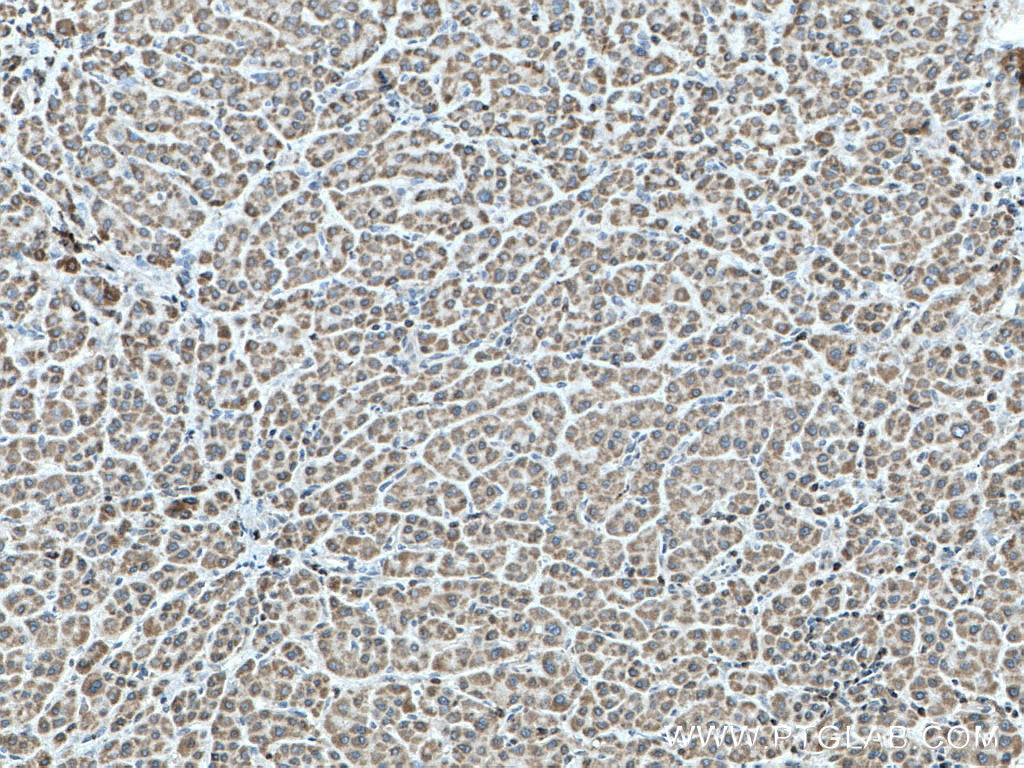
Tested Applications
| Positive WB detected in | HeLa cells, Jurkat cells, Sp2/0 cells, Neuro-2a cells, HepG2 cells, mouse thymus tissue |
| Positive IP detected in | Jurkat cells |
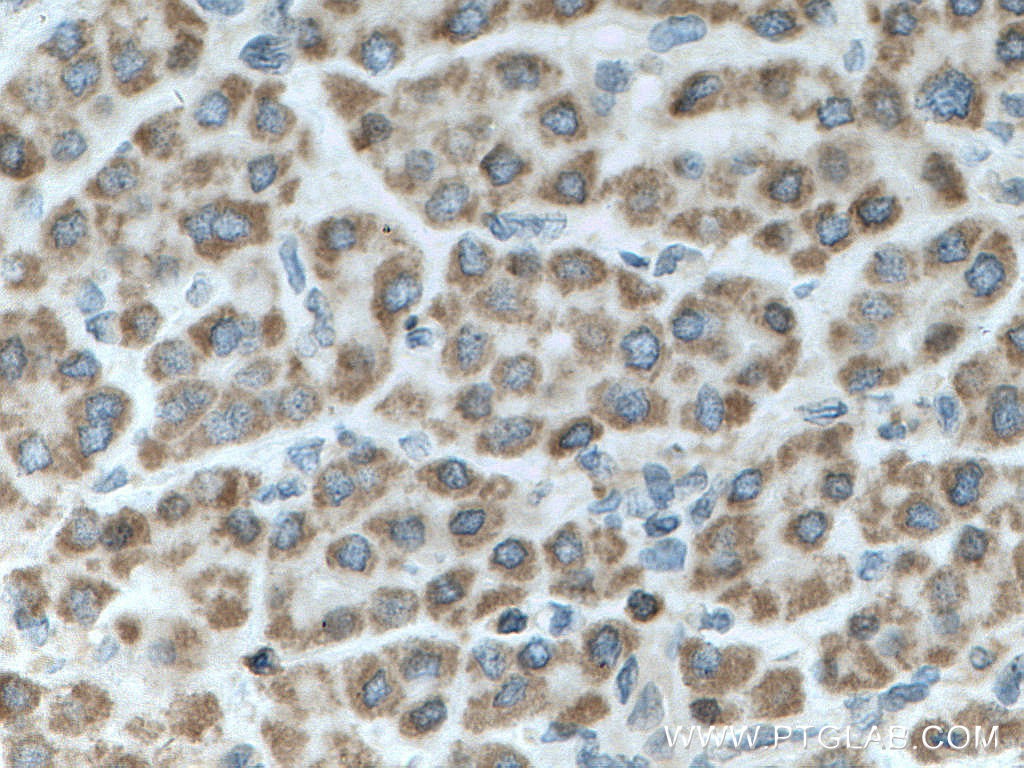
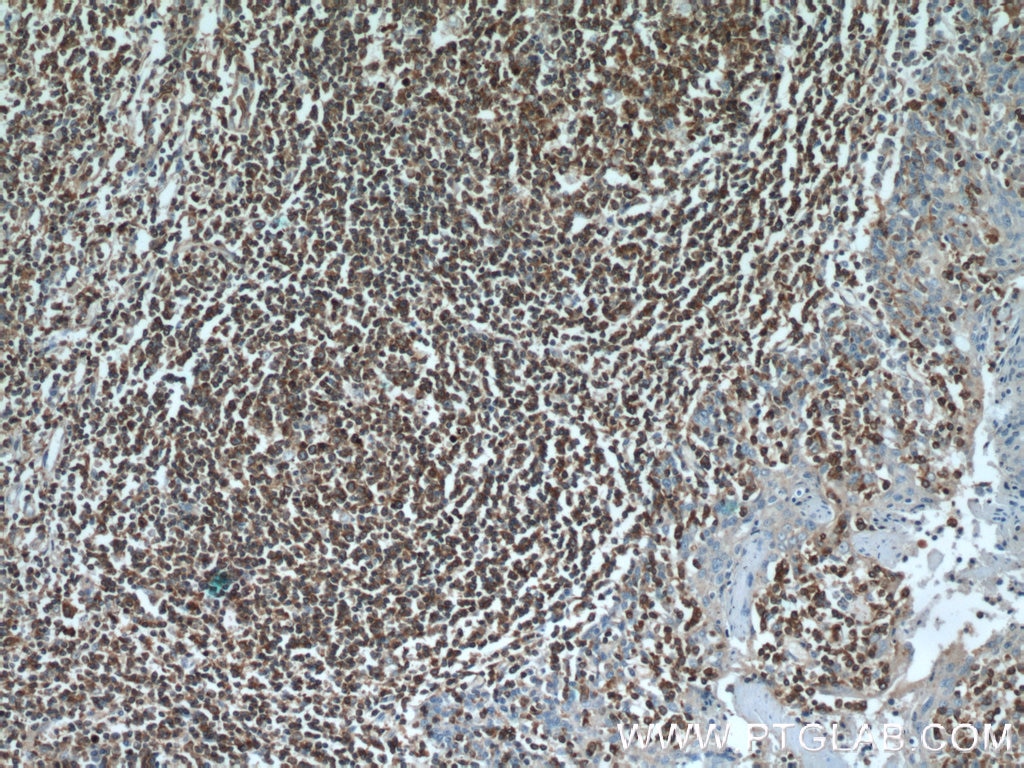
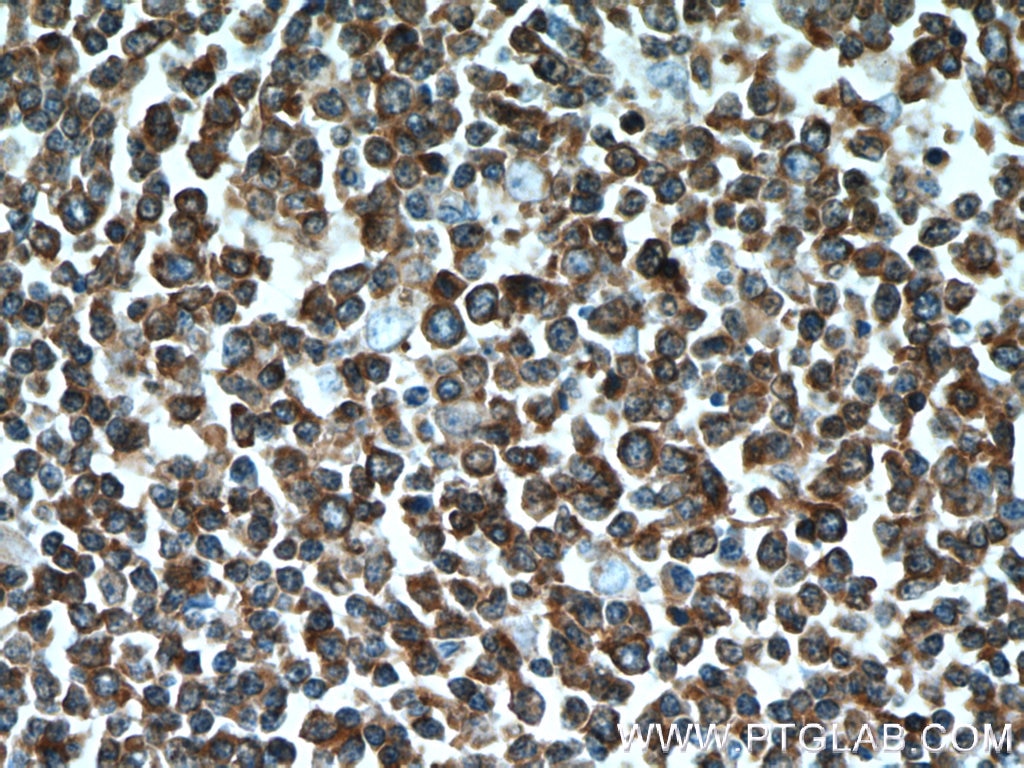
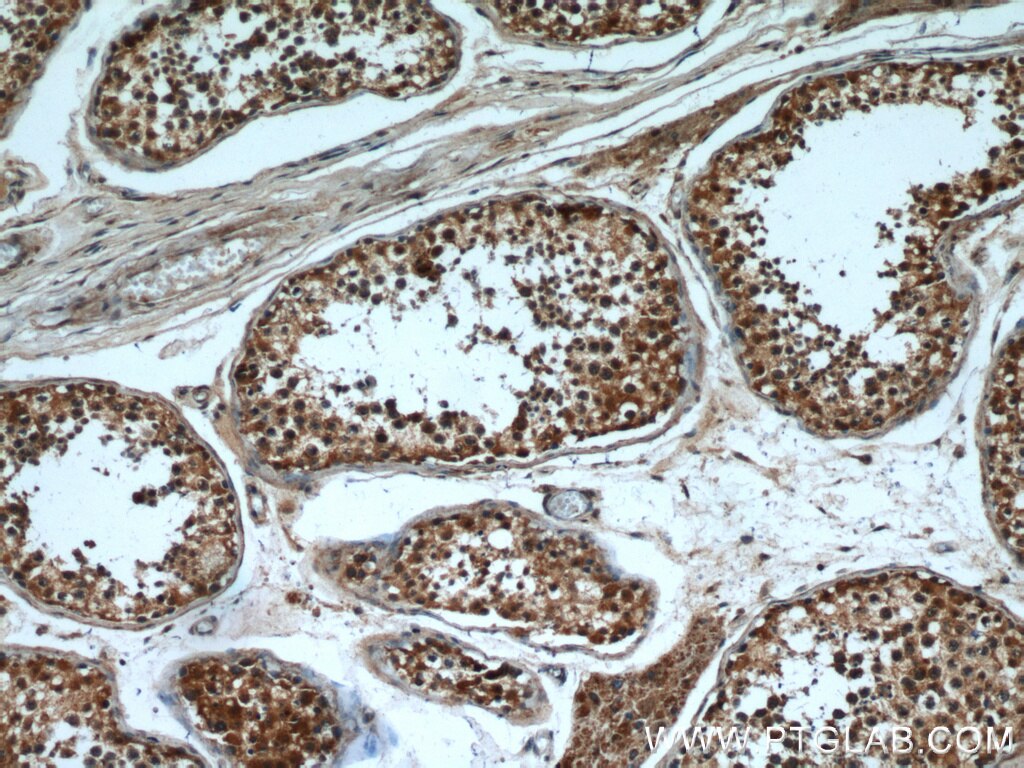
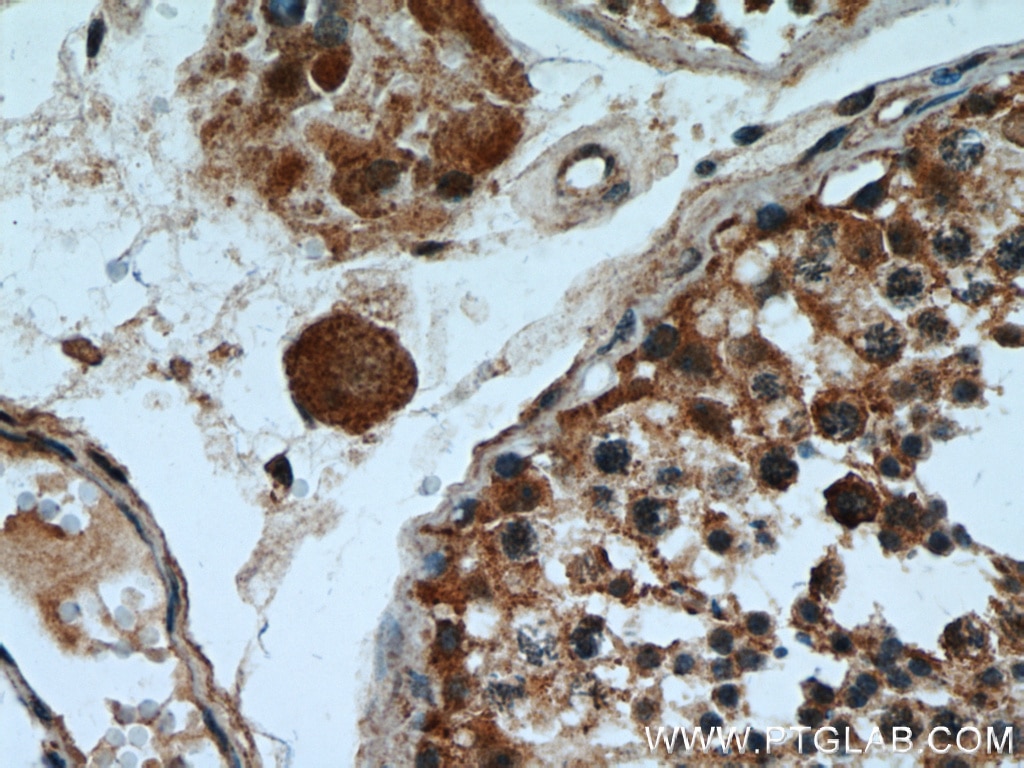
| Positive IHC detected in | human liver cancer tissue, human tonsillitis tissue, human testis tissue Note: suggested antigen retrieval with TE buffer pH 9.0; (*) Alternatively, antigen retrieval may be performed with citrate buffer pH 6.0 |
Recommended dilution
| Application | Dilution |
|---|---|
| Western Blot (WB) | WB : 1:2000-1:10000 |
| Immunoprecipitation (IP) | IP : 0.5-4.0 ug for 1.0-3.0 mg of total protein lysate |
| Immunohistochemistry (IHC) | IHC : 1:50-1:500 |
| It is recommended that this reagent should be titrated in each testing system to obtain optimal results. | |
| Sample-dependent, Check data in validation data gallery. | |
Published Applications
| KD/KO | See 8 publications below |
| WB | See 18 publications below |
| IHC | See 5 publications below |
| IF | See 4 publications below |
| IP | See 2 publications below |
| CoIP | See 2 publications below |
Product Information
12672-1-AP targets SHCBP1 in WB, IHC, IF, IP, CoIP, ELISA applications and shows reactivity with human, mouse samples.
| Tested Reactivity | human, mouse |
| Cited Reactivity | human, mouse, canine |
| Host / Isotype | Rabbit / IgG |
| Class | Polyclonal |
| Type | Antibody |
| Immunogen |
CatNo: Ag3355 Product name: Recombinant human SHCBP1 protein Source: e coli.-derived, PGEX-4T Tag: GST Domain: 374-672 aa of BC030699 Sequence: NACFEGDTVIVCPGHYVVHGTFSIADSIELEGYGLPDDIVIEKRGKGDTFVDCTGADIKISGIKFVQHDAVEGILIVHRGKTTLENCVLQCETTGVTVRTSAEFLMKNSDLYGAKGAGIEIYPGSQCTLSDNGIHHCKEGILIKDFLDEHYDIPKISMVNNIIHNNEGYGVVLVKPTIFSDLQESAEDGTEENKALKIQTSGEPDVAERVDLEELIECATGKMELCARTDPSEQVEGNCEIVNELIAASTQKGQIKKKRLSELGITQADDNLMSQEMFVGIVGNQFKWNGKGSFGTFLF 相同性解析による交差性が予測される生物種 |
| Full Name | SHC SH2-domain binding protein 1 |
| Calculated molecular weight | 672 aa, 76 kDa |
| Observed molecular weight | 75-85 kDa |
| GenBank accession number | BC030699 |
| Gene Symbol | SHCBP1 |
| Gene ID (NCBI) | 79801 |
| RRID | AB_10639526 |
| Conjugate | Unconjugated |
| Form | |
| Form | Liquid |
| Purification Method | Antigen affinity purification |
| UNIPROT ID | Q8NEM2 |
| Storage Buffer | PBS with 0.02% sodium azide and 50% glycerol{{ptg:BufferTemp}}7.3 |
| Storage Conditions | Store at -20°C. Stable for one year after shipment. Aliquoting is unnecessary for -20oC storage. |
Background Information
SHCBP1 was initially identified as a potential gene associated with cell proliferation in fibroblasts. SHCBP1 exerts a crucial physiological function in normal tissue development. Chen et al. showed that SHCBP1 is an essential component of FGF signaling in neural progenitor cells. SHCBP1 is also upregulated during T cell proliferation and regulates CD4+ T cell effector function in vivo. Recently, SHCBP1 was shown to be closely associated with cancer development.
Protocols
| Product Specific Protocols | |
|---|---|
| IHC protocol for SHCBP1 antibody 12672-1-AP | Download protocol |
| IP protocol for SHCBP1 antibody 12672-1-AP | Download protocol |
| WB protocol for SHCBP1 antibody 12672-1-AP | Download protocol |
| Standard Protocols | |
|---|---|
| Click here to view our Standard Protocols |
Publications
| Species | Application | Title |
|---|---|---|
Cancer Res Targeting SHCBP1 Inhibits Tumor Progression by Restoring Ciliogenesis in Ductal Carcinoma | ||
Nat Neurosci Impaired neurogenesis alters brain biomechanics in a neuroprogenitor-based genetic subtype of congenital hydrocephalus. | ||
Mol Cell An interactome-based framework for DDB1- and CUL4-associated factor prioritization in targeted protein degradation. | ||
J Exp Clin Cancer Res SHCBP1 promotes synovial sarcoma cell metastasis via targeting TGF-β1/Smad signaling pathway and is associated with poor prognosis.
| ||
MedComm (2020) SHCBP1 is a novel regulator of PLK1 phosphorylation and promotes prostate cancer bone metastasis
| ||
Apoptosis SHCBP1 promotes cisplatin resistance of ovarian cancer through AKT/mTOR/Autophagy pathway
|