
Validation Data Gallery
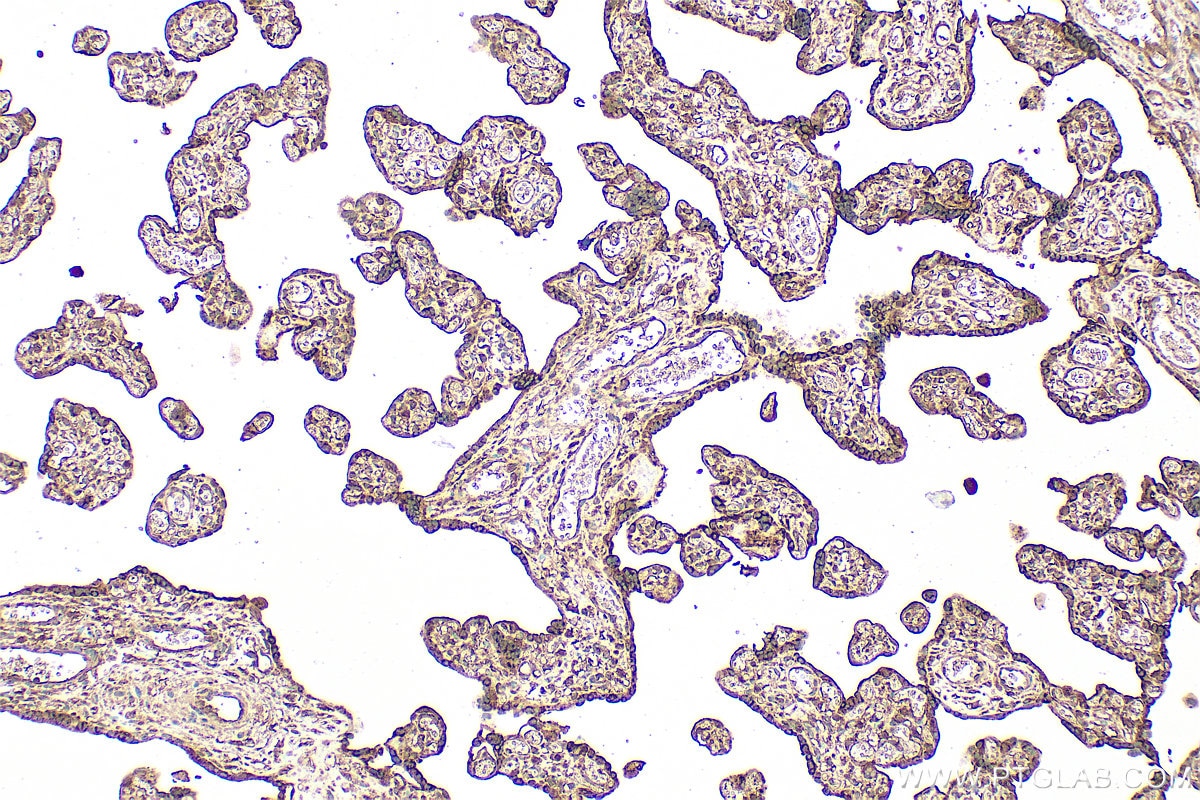
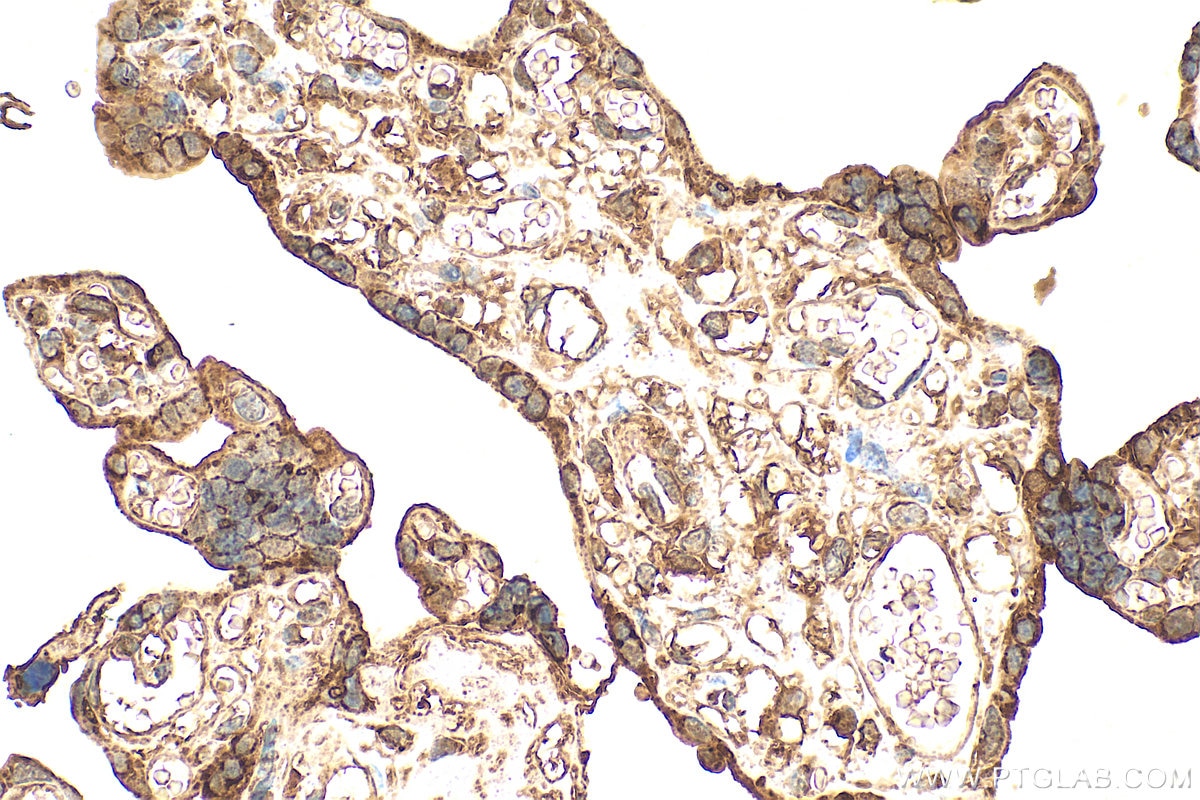
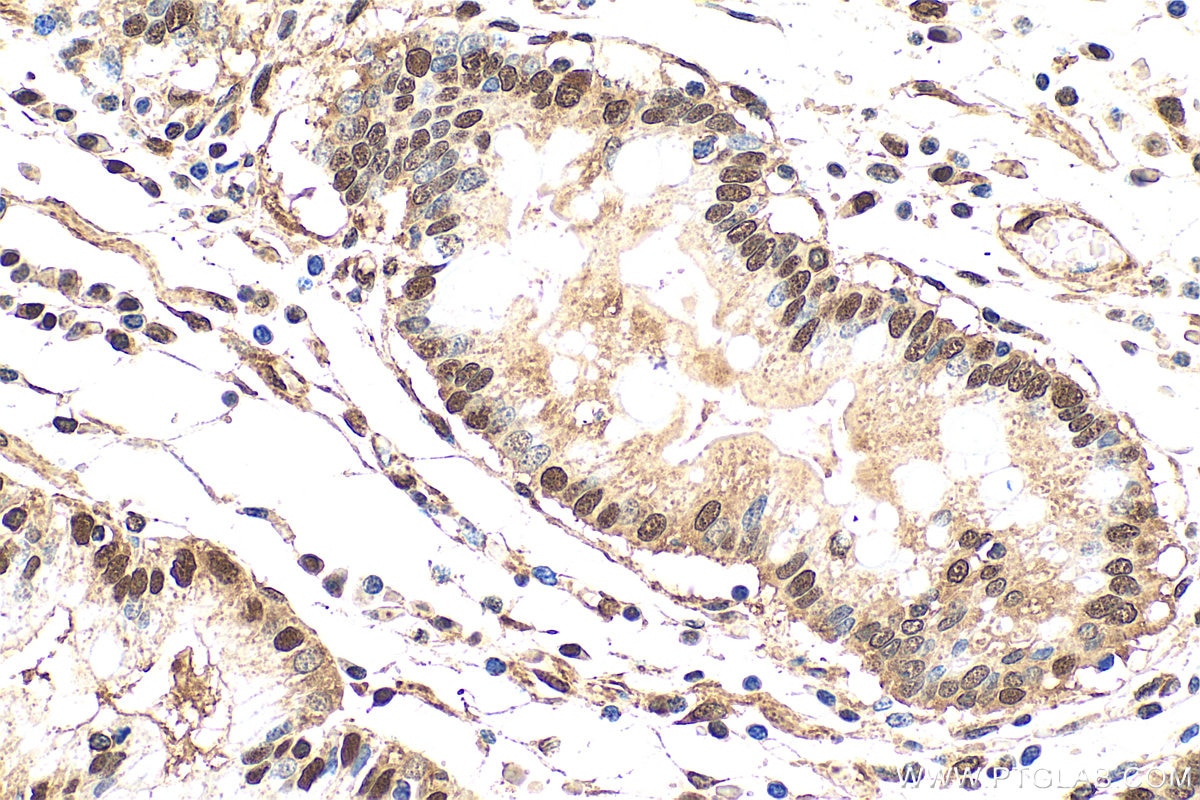
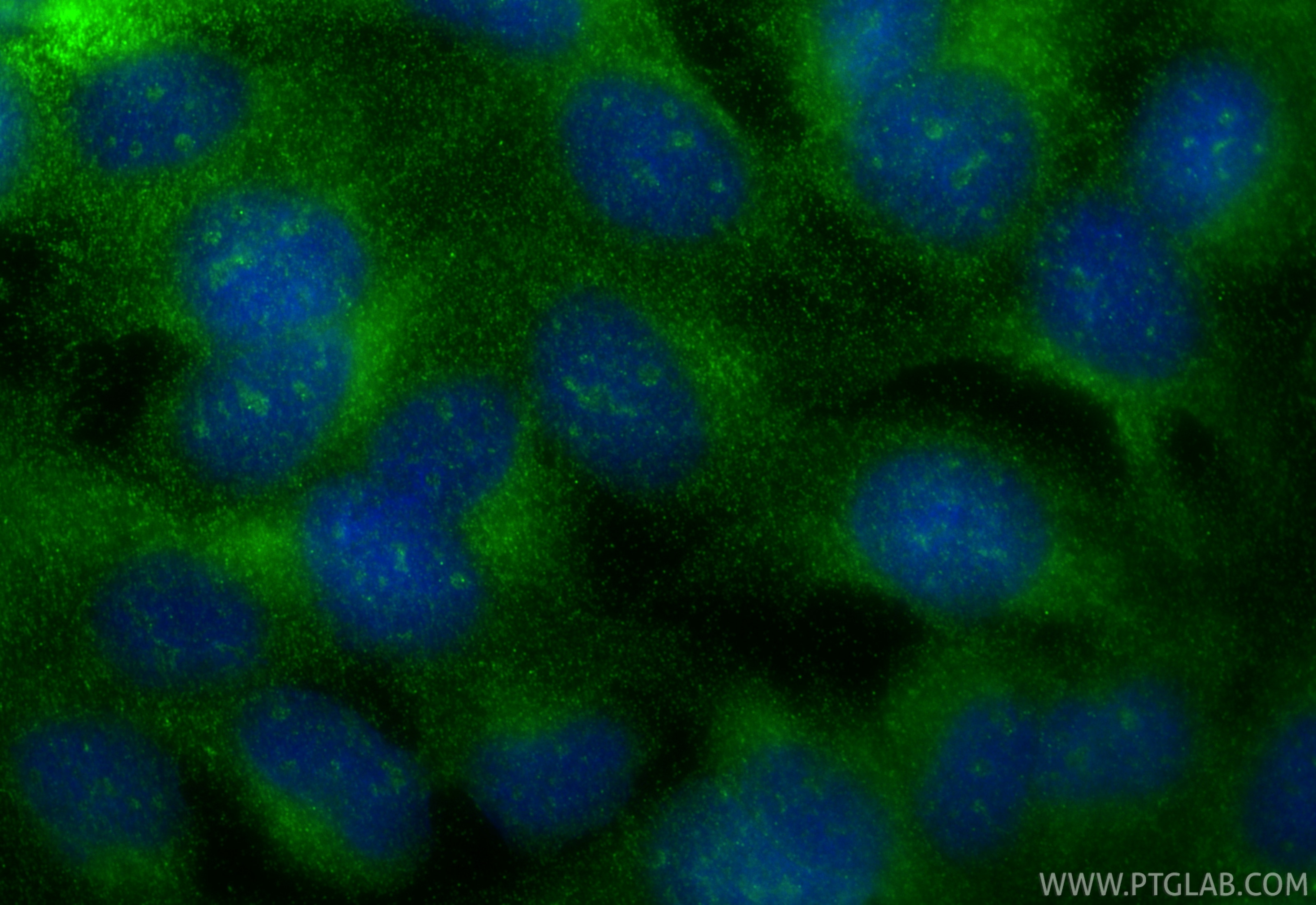
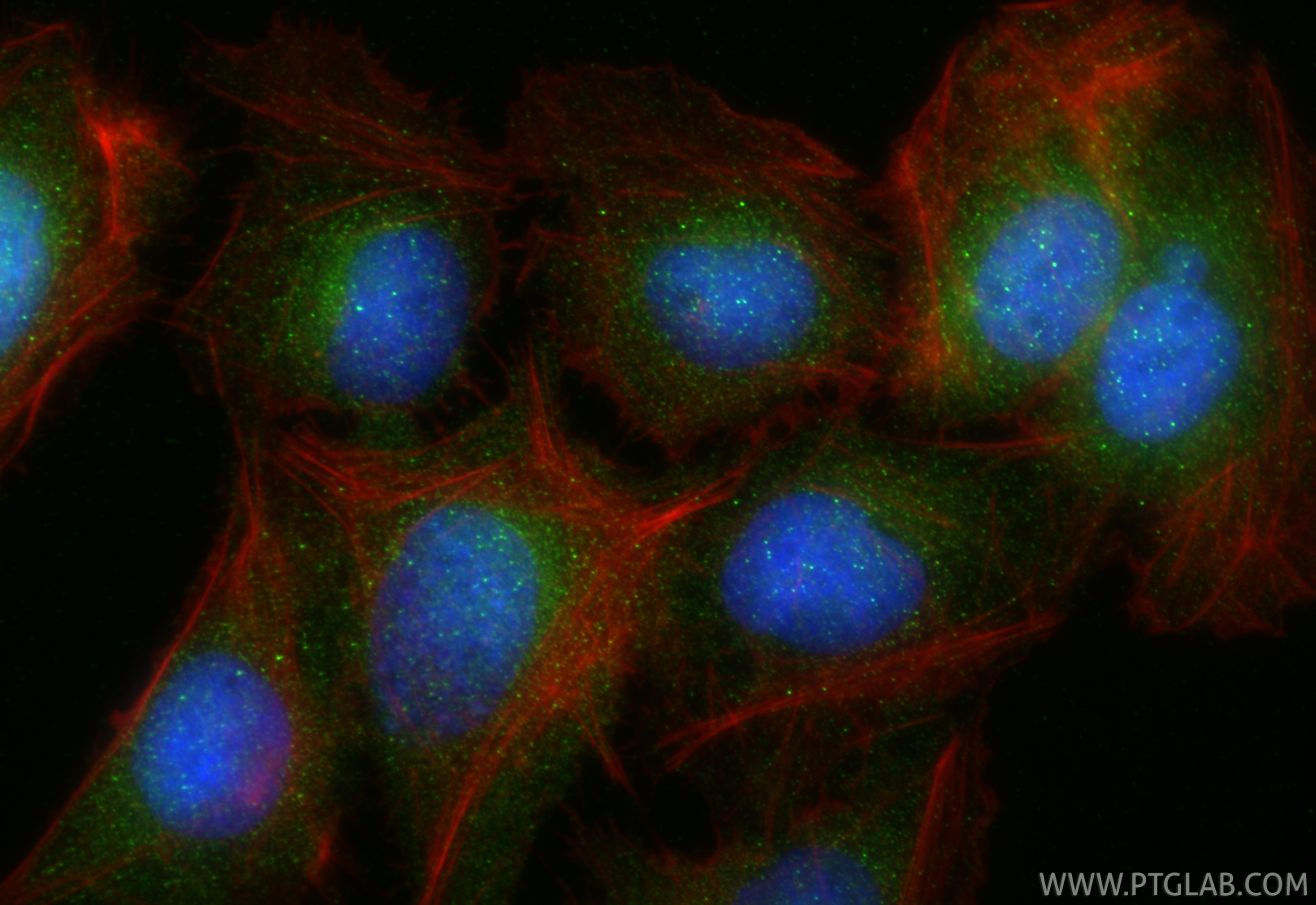
Tested Applications
Recommended dilution
| Application | Dilution |
|---|---|
| It is recommended that this reagent should be titrated in each testing system to obtain optimal results. | |
Product Information
27905-1-PBS targets SH3TC2 in IHC, IF/ICC, Indirect ELISA applications and shows reactivity with human samples.
| Tested Reactivity | human |
| Host / Isotype | Rabbit / IgG |
| Class | Polyclonal |
| Type | Antibody |
| Immunogen |
CatNo: Ag27352 Product name: Recombinant human SH3TC2 protein Source: e coli.-derived, PGEX-4T Tag: GST Domain: 254-467 aa of BC113879 Sequence: CGLSRKRDWTGSYQIGRGRCKALTGYEPGEKDELNFYQGESIEIIGFVIPGLQWFIGKSTSSGQVGFVPTRNIDPDSYSPMSRNSAFLSDEERCSLLALGSDKQTECSSFLHTLARTDITSVYRLSGFESIQNPPNDLSASQPEGFKEVRPGRAWEEHQAVGSRQSSSSEDSSLEEELLSATSDSYRLPEPDDLDDPELLMDLSTGQEEEAENF 相同性解析による交差性が予測される生物種 |
| Full Name | SH3 domain and tetratricopeptide repeats 2 |
| Calculated molecular weight | 1288 aa, 145 kDa |
| GenBank accession number | BC113879 |
| Gene Symbol | SH3TC2 |
| Gene ID (NCBI) | 79628 |
| RRID | AB_3742267 |
| Conjugate | Unconjugated |
| Form | |
| Form | Liquid |
| Purification Method | Antigen affinity purification |
| UNIPROT ID | Q8TF17 |
| Storage Buffer | PBS only{{ptg:BufferTemp}}7.3 |
| Storage Conditions | Store at -80°C. |
Background Information
The SH3TC2 protein (also known as KIAA1985 protein) is an adaptor protein involved in myelin formation in the peripheral nervous system. This protein contains multiple functional domains, including the SH3 (Src homology 3) and TPR (tetratricopeptide repeat) domains, which mediate protein-protein interactions. It is highly expressed in Schwann cells and is crucial for maintaining the stability of myelin structure. Clinically, mutations in the SH3TC2 gene are associated with Charcot-Marie-Tooth disease type 4C (CMT4C), an autosomal recessive peripheral neuropathy characterized by progressive demyelination of motor and sensory nerves, limb weakness, and loss of sensation. Studies have shown that the absence or dysfunction of SH3TC2 protein can lead to disordered signaling pathways in Schwann cells (such as Rab11-mediated membrane transport defects), affecting myelin development and repair.