
Validation Data Gallery
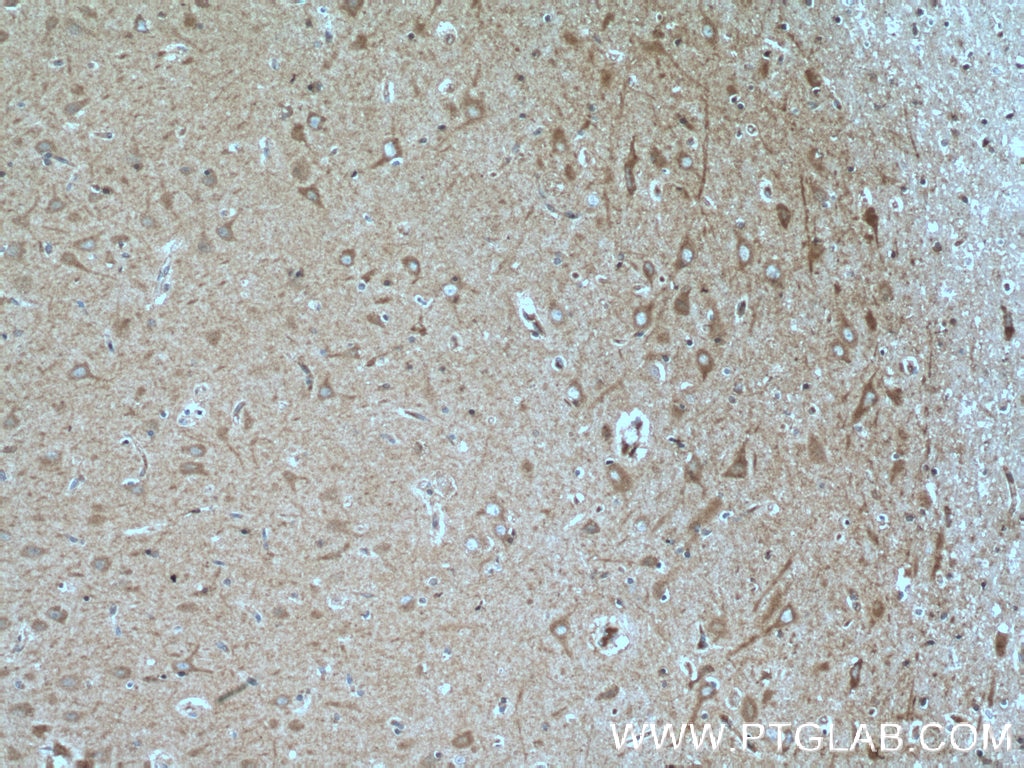
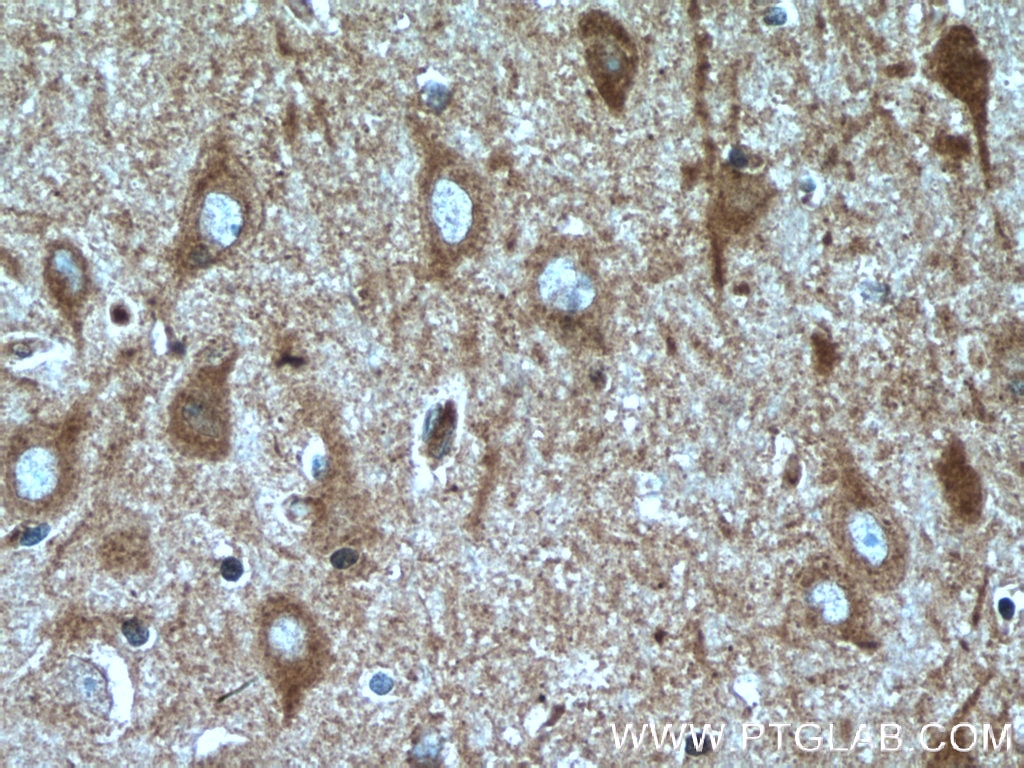
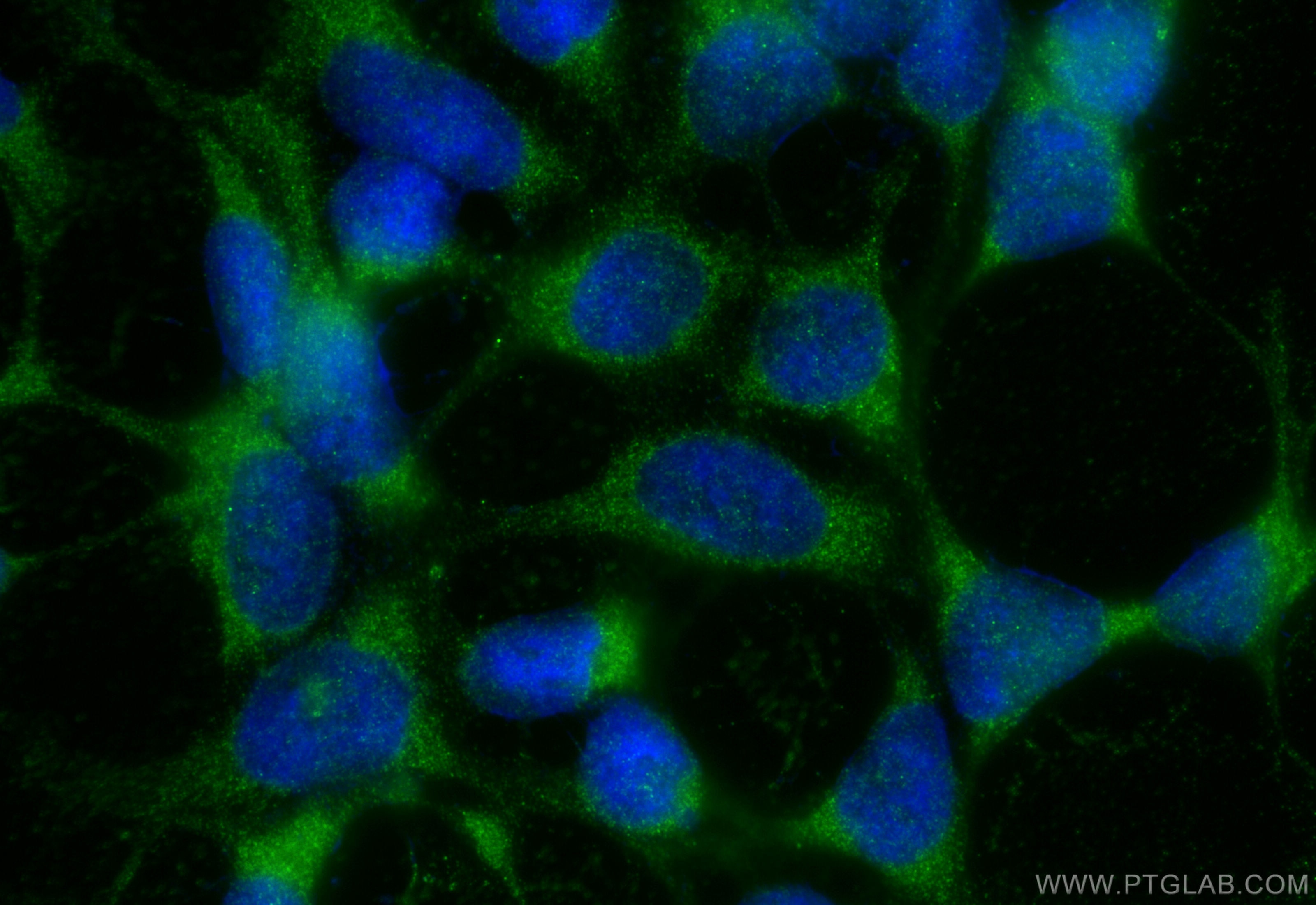
Tested Applications
Recommended dilution
| Application | Dilution |
|---|---|
| It is recommended that this reagent should be titrated in each testing system to obtain optimal results. | |
Product Information
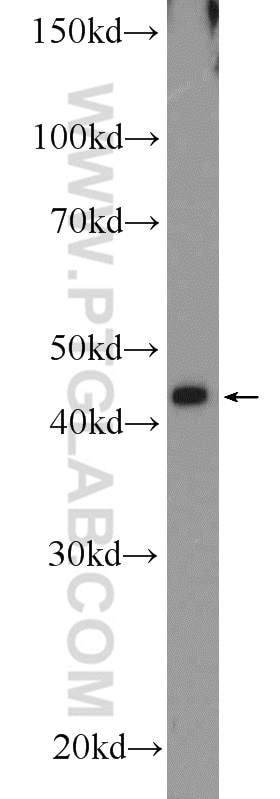
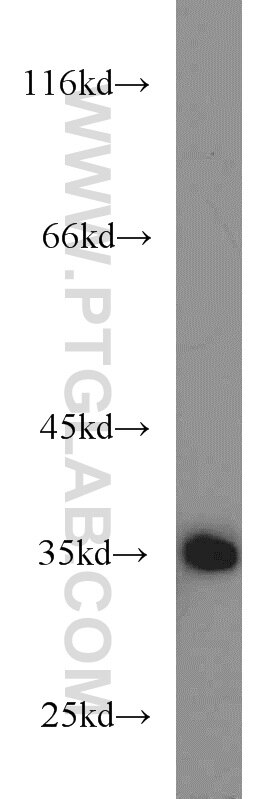
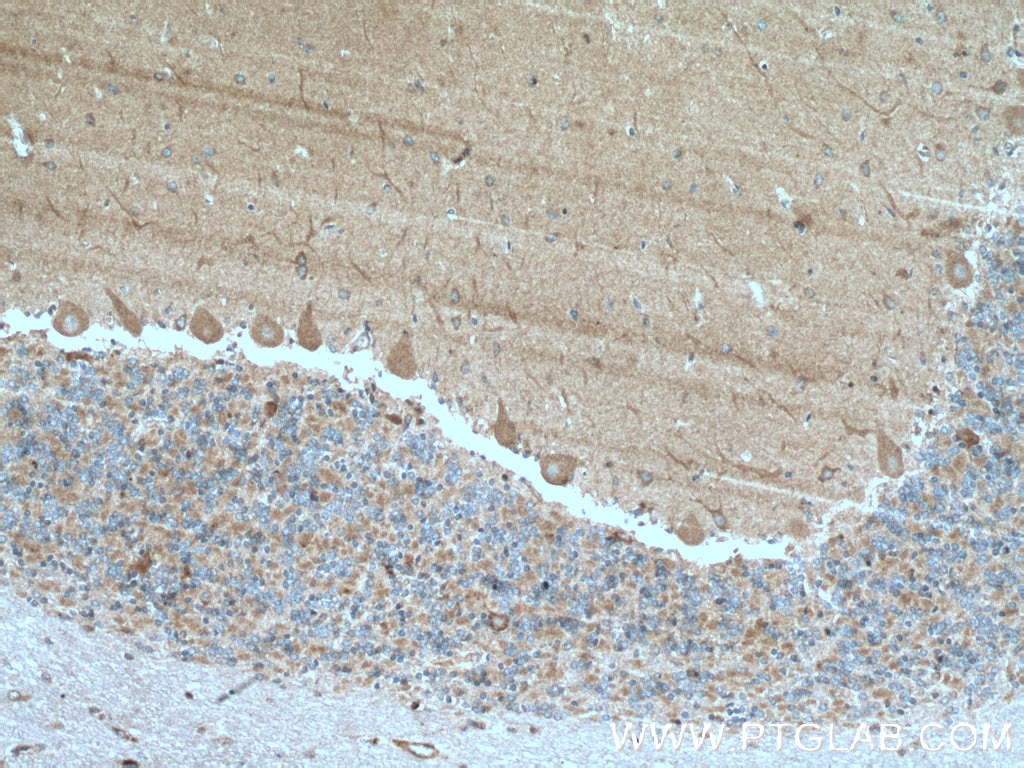
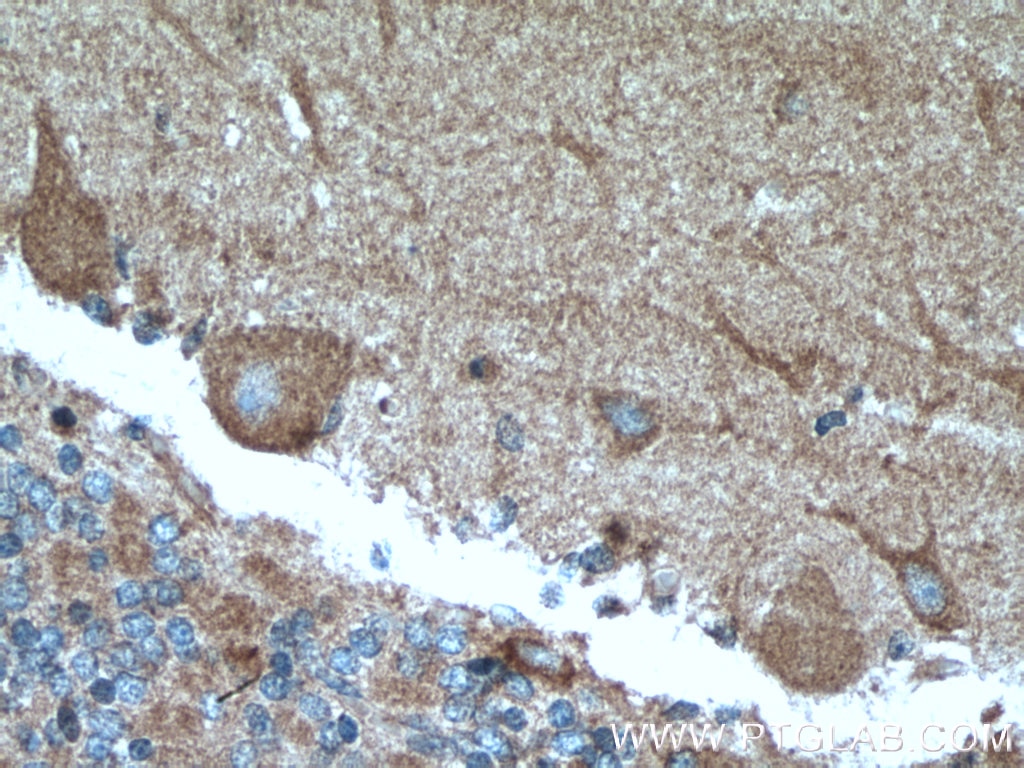
55320-1-PBS targets SH2D5 in WB, IHC, IF/ICC, Indirect ELISA applications and shows reactivity with human, mouse samples.
| Tested Reactivity | human, mouse |
| Host / Isotype | Rabbit / IgG |
| Class | Polyclonal |
| Type | Antibody |
| Immunogen |
Peptide 相同性解析による交差性が予測される生物種 |
| Full Name | SH2 domain containing 5 |
| Calculated molecular weight | 37 kDa |
| Observed molecular weight | 43-47 kDa |
| GenBank accession number | NM_001103160 |
| Gene Symbol | SH2D5 |
| Gene ID (NCBI) | 400745 |
| RRID | AB_2881307 |
| Conjugate | Unconjugated |
| Form | |
| Form | Liquid |
| Purification Method | Antigen affinity purification |
| UNIPROT ID | Q6ZV89 |
| Storage Buffer | PBS only{{ptg:BufferTemp}}7.3 |
| Storage Conditions | Store at -80°C. |
Background Information
SH2D5, or Src homology 2 domain-containing protein 5, is a mammalian-specific adaptor-like protein that contains an N-terminal phosphotyrosine-binding domain and a C-terminal Src homology 2 (SH2) domain. SH2D5 has been found to interact with the breakpoint cluster region protein, a RacGAP that is also highly expressed in the brain. This interaction occurs between the phosphotyrosine-binding domain of SH2D5 and an NxxF motif located within the N-terminal region of the breakpoint cluster region. Furthermore, SH2D5 has been implicated in the regulation of cell growth in hepatocellular carcinoma cells, where it binds to transketolase (TKT) and promotes the activity of STAT3, a key transcription factor involved in cell proliferation and survival.