
Validation Data Gallery
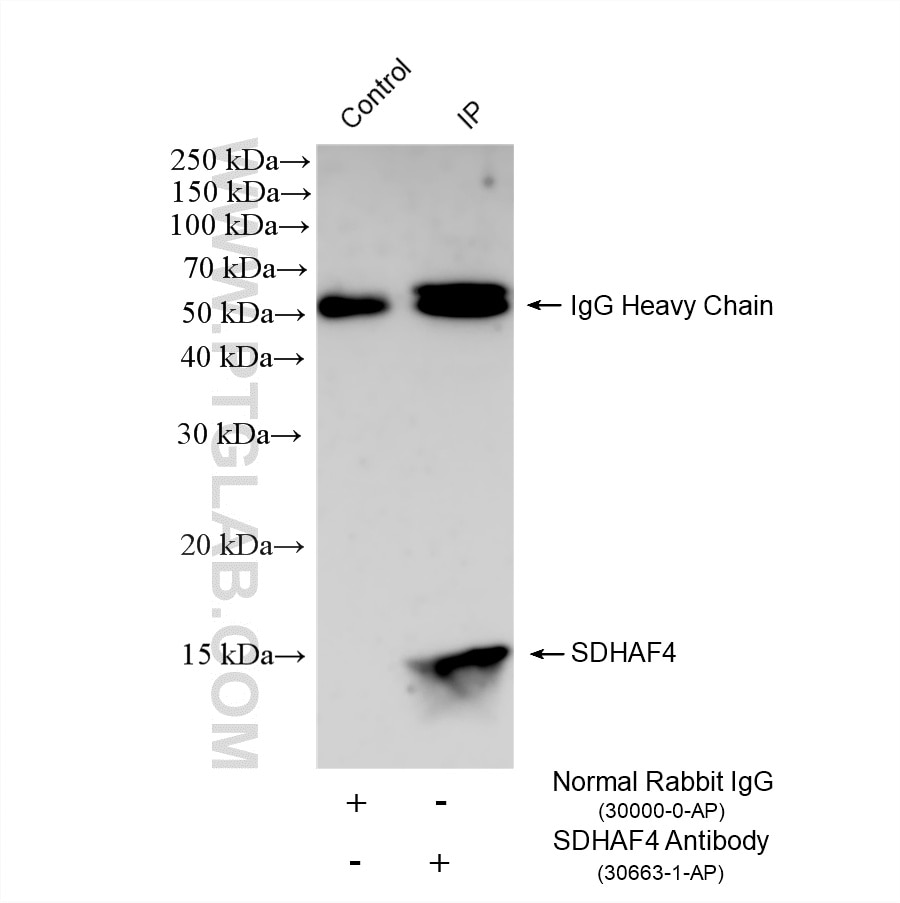
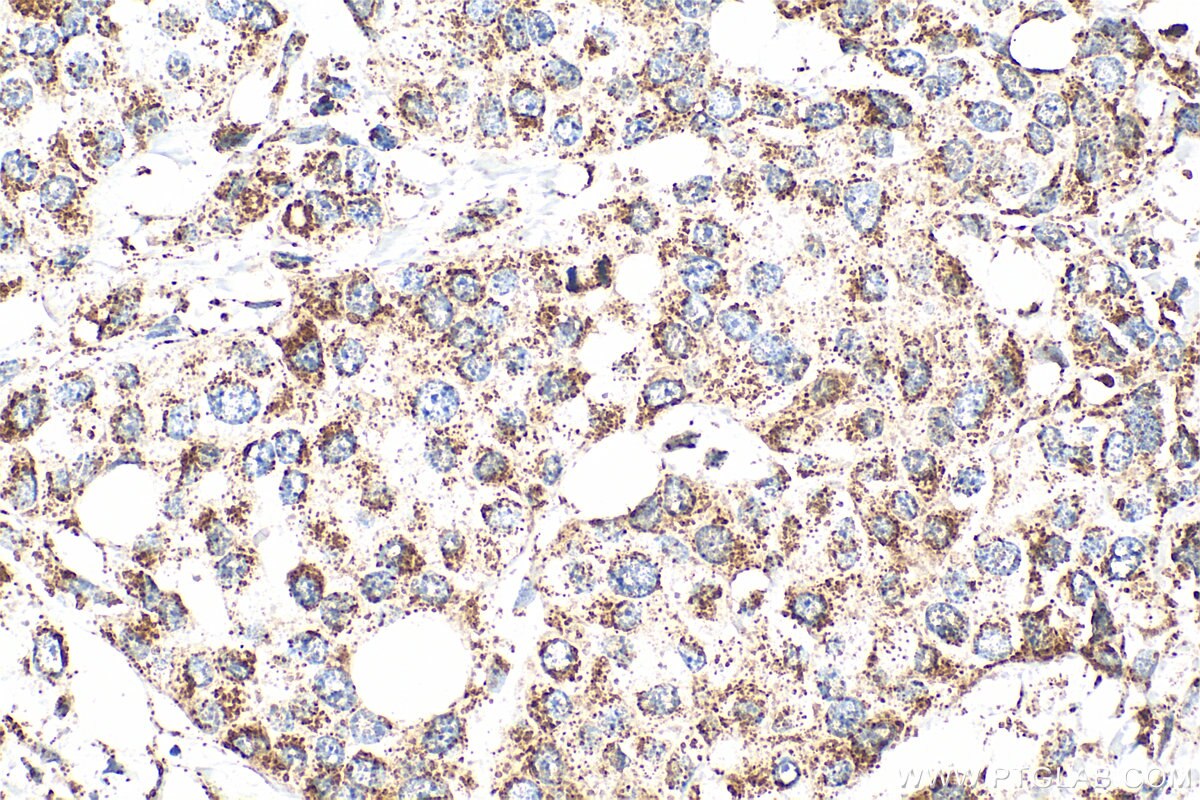
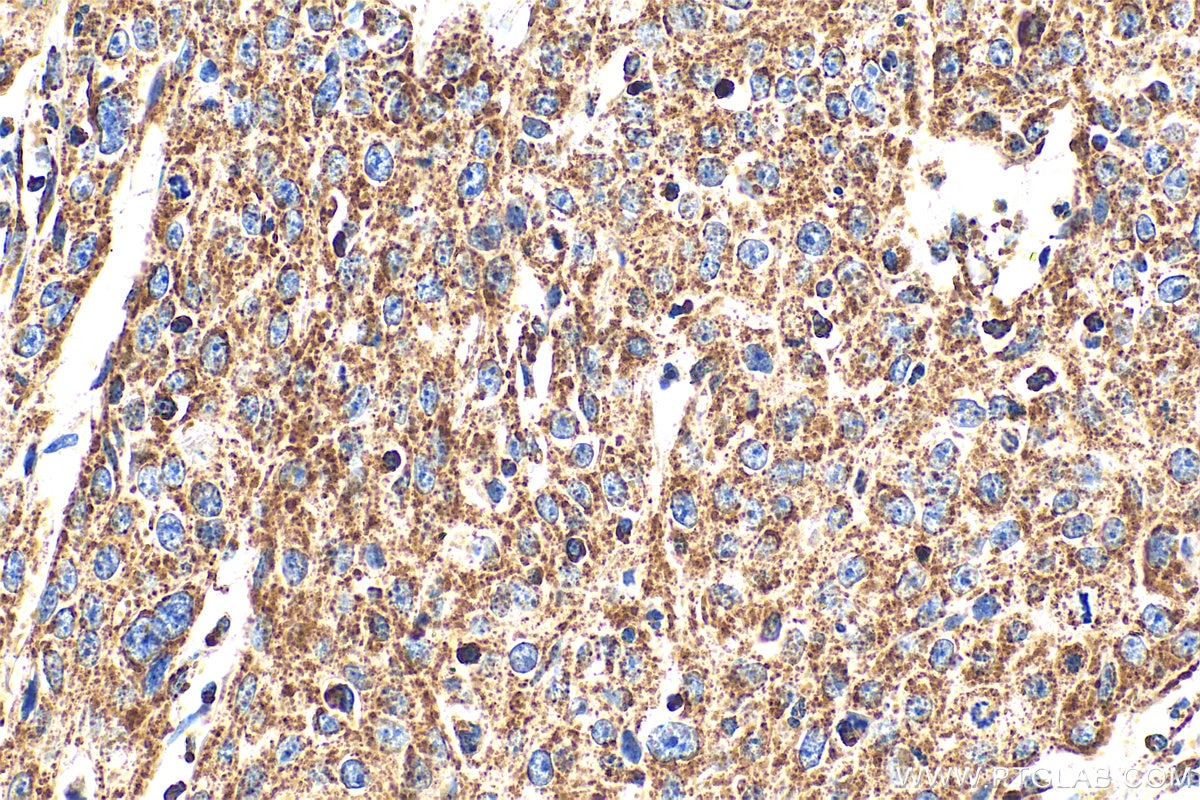
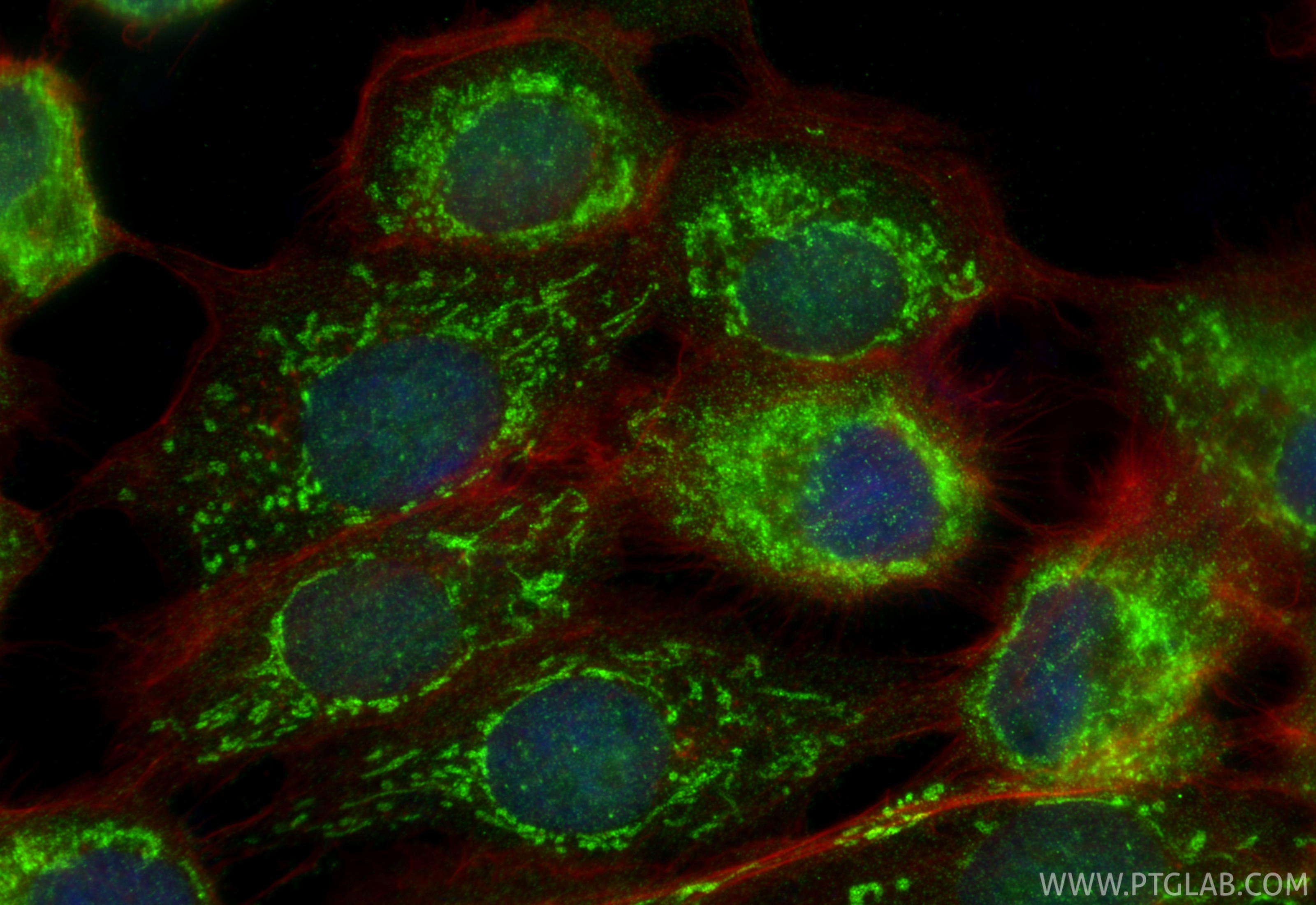
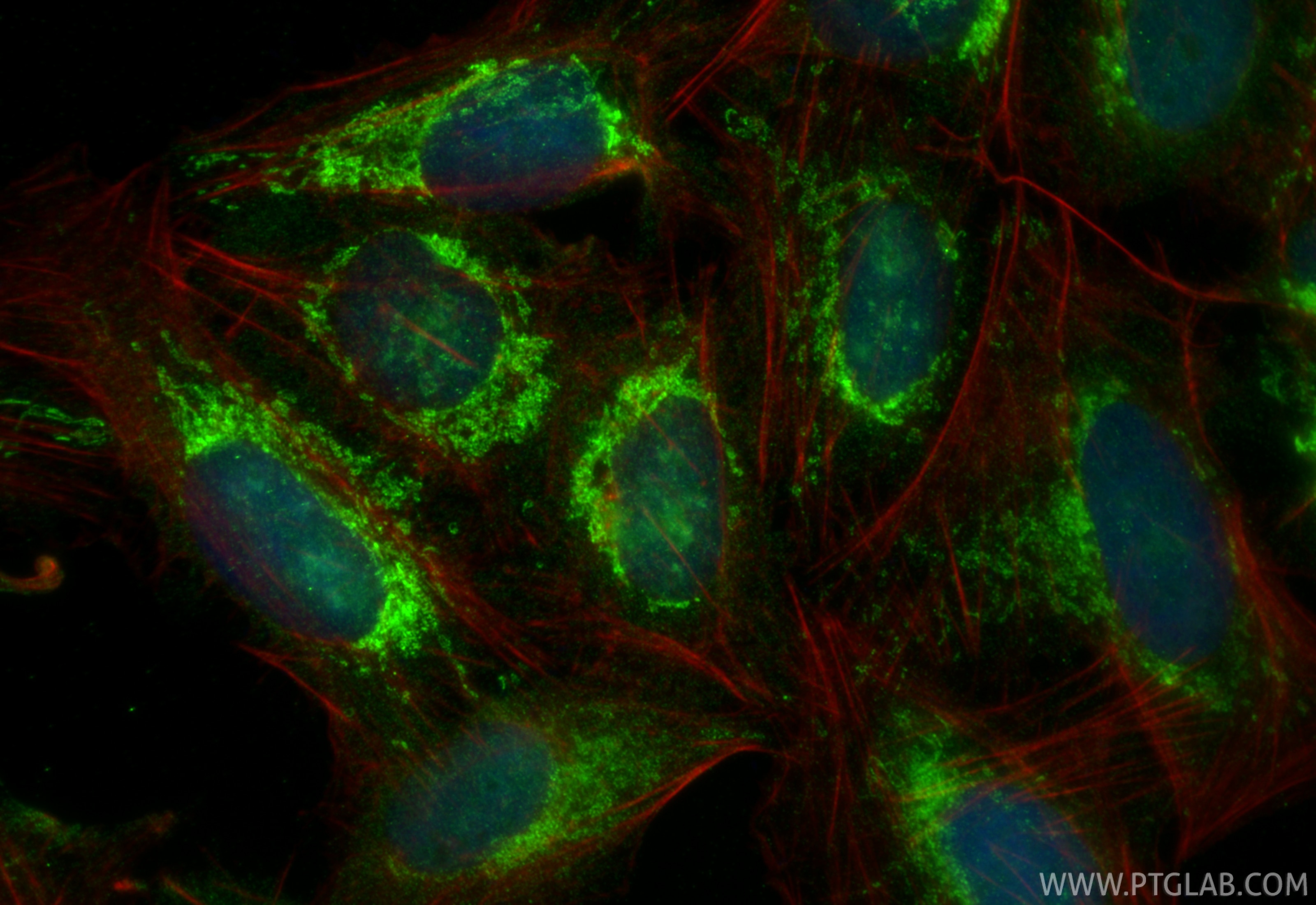
Tested Applications
Recommended dilution
| Application | Dilution |
|---|---|
| It is recommended that this reagent should be titrated in each testing system to obtain optimal results. | |
Product Information
30663-1-PBS targets SDHAF4 in IHC, IF/ICC, IP, Indirect ELISA applications and shows reactivity with human samples.
| Tested Reactivity | human |
| Host / Isotype | Rabbit / IgG |
| Class | Polyclonal |
| Type | Antibody |
| Immunogen |
CatNo: Ag33549 Product name: Recombinant human C6orf57 protein Source: e coli.-derived, PGEX-4T Tag: GST Domain: 21-108 aa of BC104649 Sequence: ARSPLLCHSLRKTSSSQGGKSELVKQSLKKPKLPEGRFDAPEDSHLEKEPLEKFPDDVNPVTKEKGGPRGPEPTRYGDWERKGRCIDF 相同性解析による交差性が予測される生物種 |
| Full Name | chromosome 6 open reading frame 57 |
| Observed molecular weight | 15 kDa |
| GenBank accession number | BC104649 |
| Gene Symbol | C6orf57 |
| Gene ID (NCBI) | 135154 |
| RRID | AB_3742363 |
| Conjugate | Unconjugated |
| Form | |
| Form | Liquid |
| Purification Method | Antigen affinity purification |
| UNIPROT ID | Q5VUM1 |
| Storage Buffer | PBS only{{ptg:BufferTemp}}7.3 |
| Storage Conditions | Store at -80°C. |
Background Information
SDHAF4 (Succinate Dehydrogenase Assembly Factor 4) is a key mitochondrial protein specifically responsible for assisting in the assembly and stability of mitochondrial complex II (Succinate Dehydrogenase, SDH). This complex plays a central role in cellular energy metabolism by participating simultaneously in the tricarboxylic acid (TCA) cycle and the electron transport chain. Its function involves binding to the SDHA (flavoprotein) subunit, which is already associated with FAD, thereby preventing excessive ROS generation. It further promotes the assembly of SDHA with the iron-sulfur protein SDHB to form the catalytic dimer. This ensures the proper integration of complex II into the inner mitochondrial membrane, allowing it to participate in both the TCA cycle and electron transport. Deficiency of SDHAF4 leads to reduced SDH activity, accumulation of succinate, and elevated mitochondrial superoxide levels, which are associated with certain cardiomyopathies and tumor metabolic reprogramming.