
Validation Data Gallery
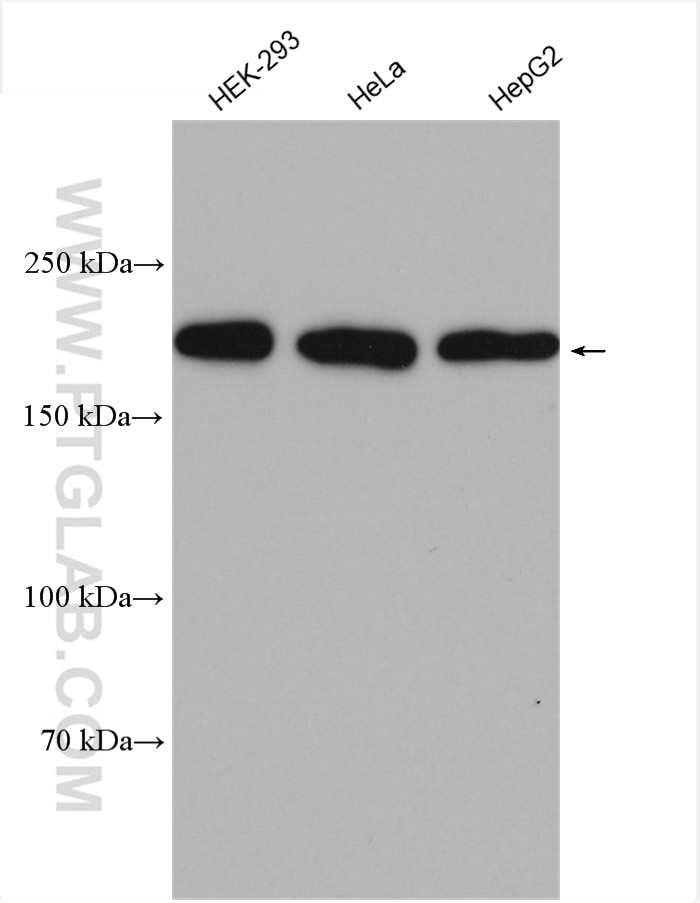
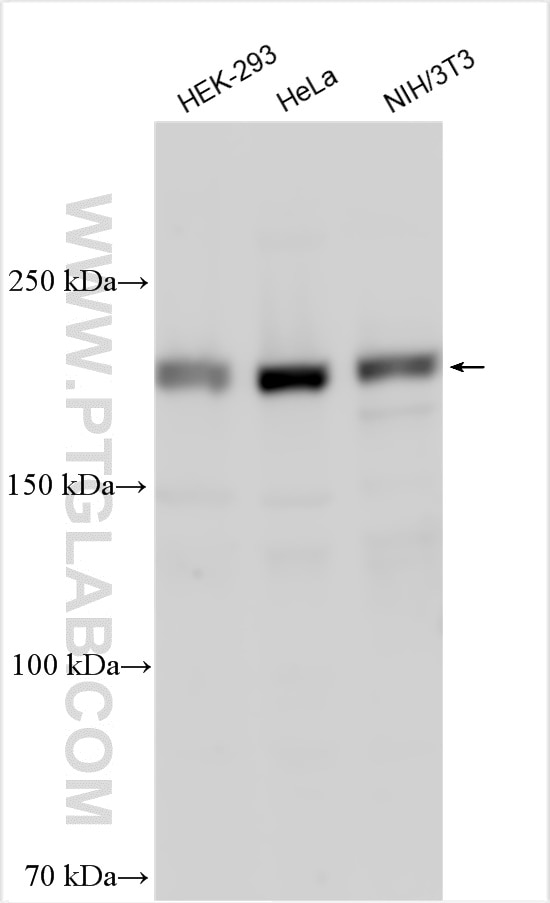
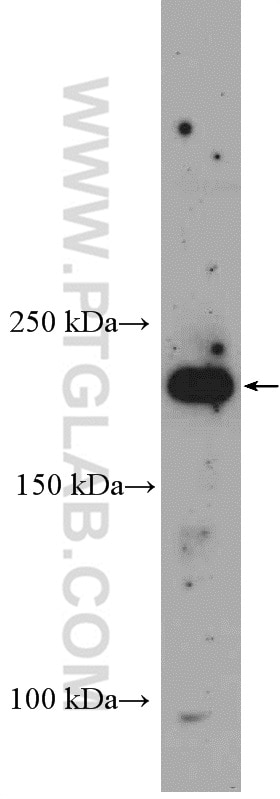
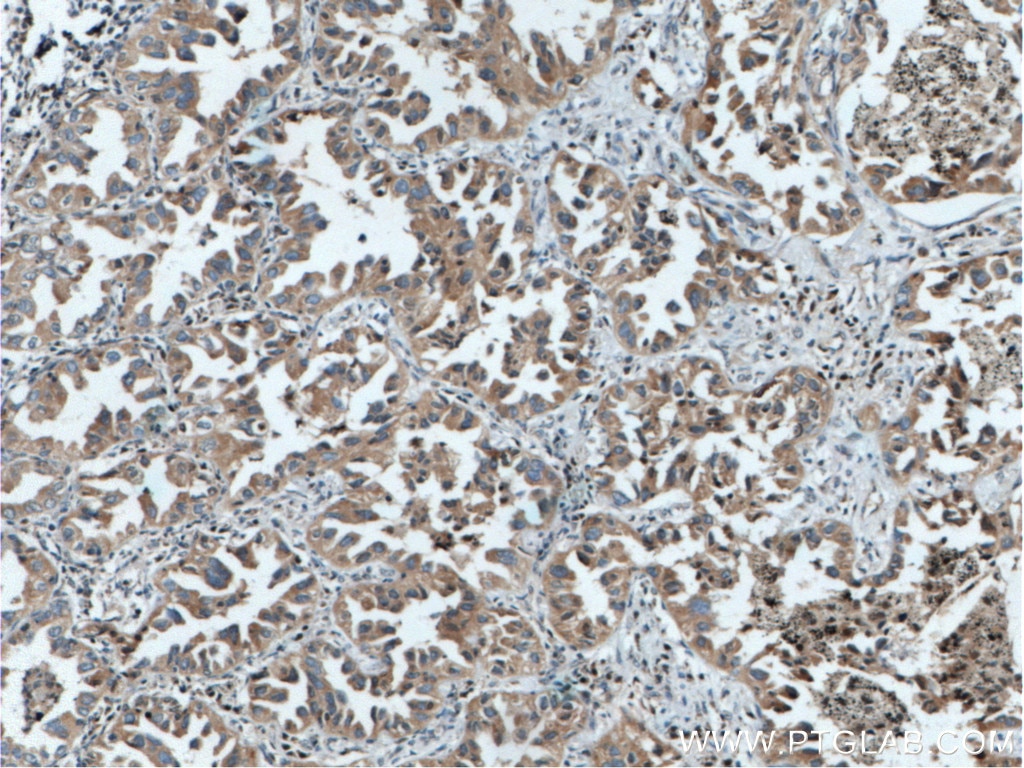
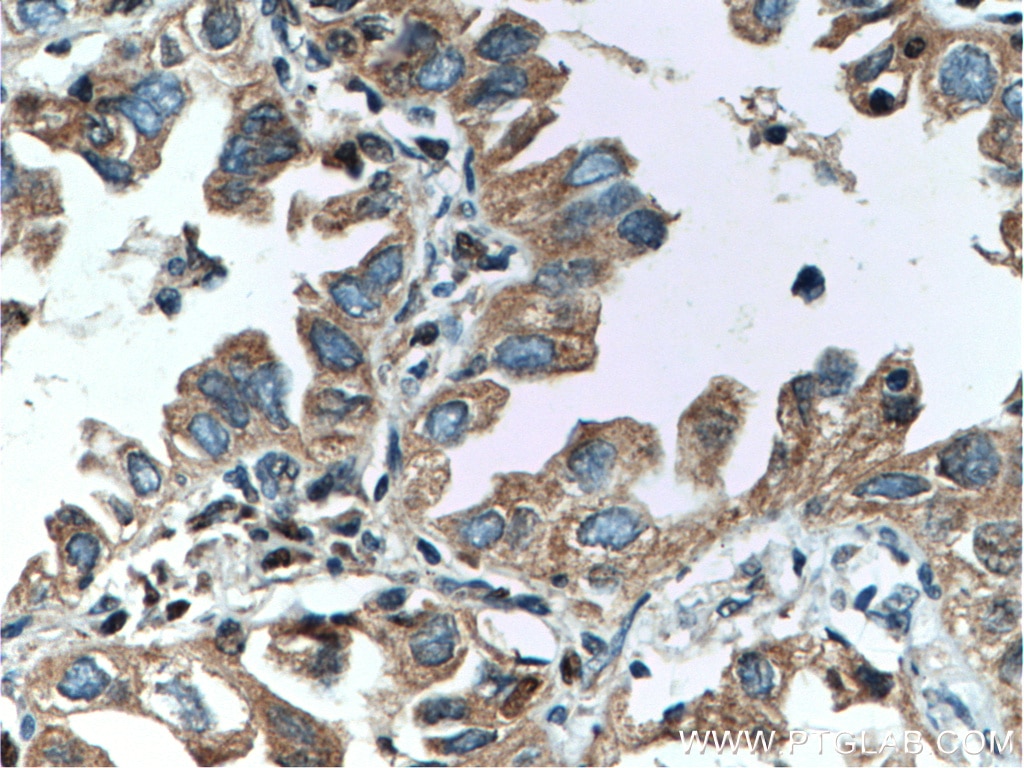
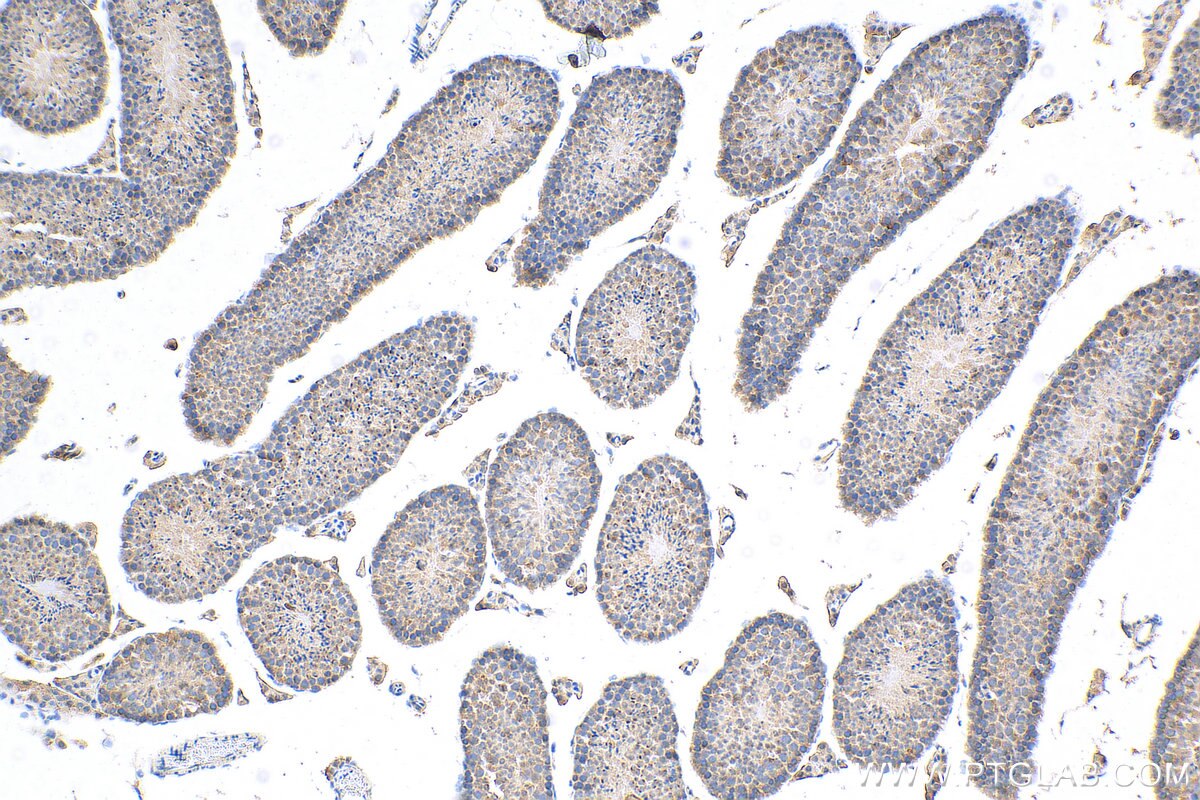
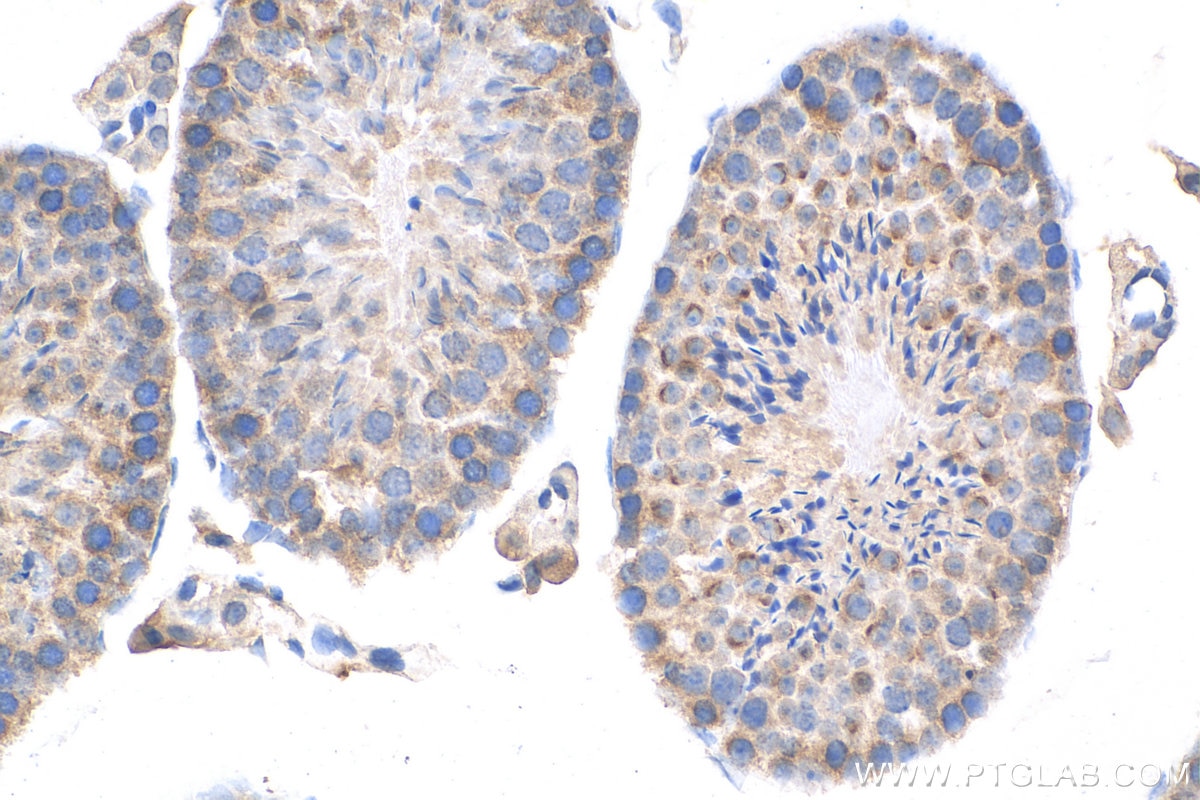
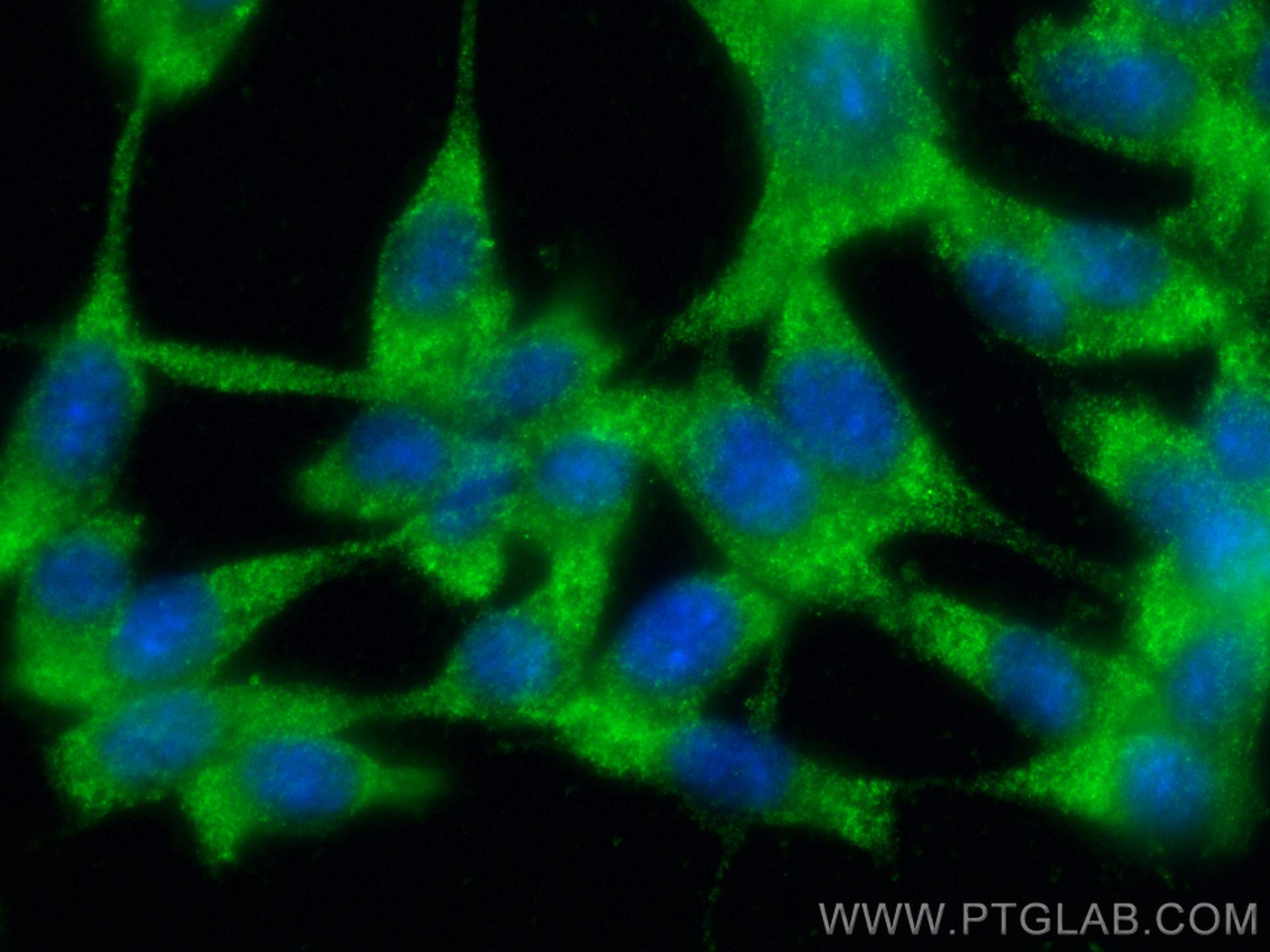
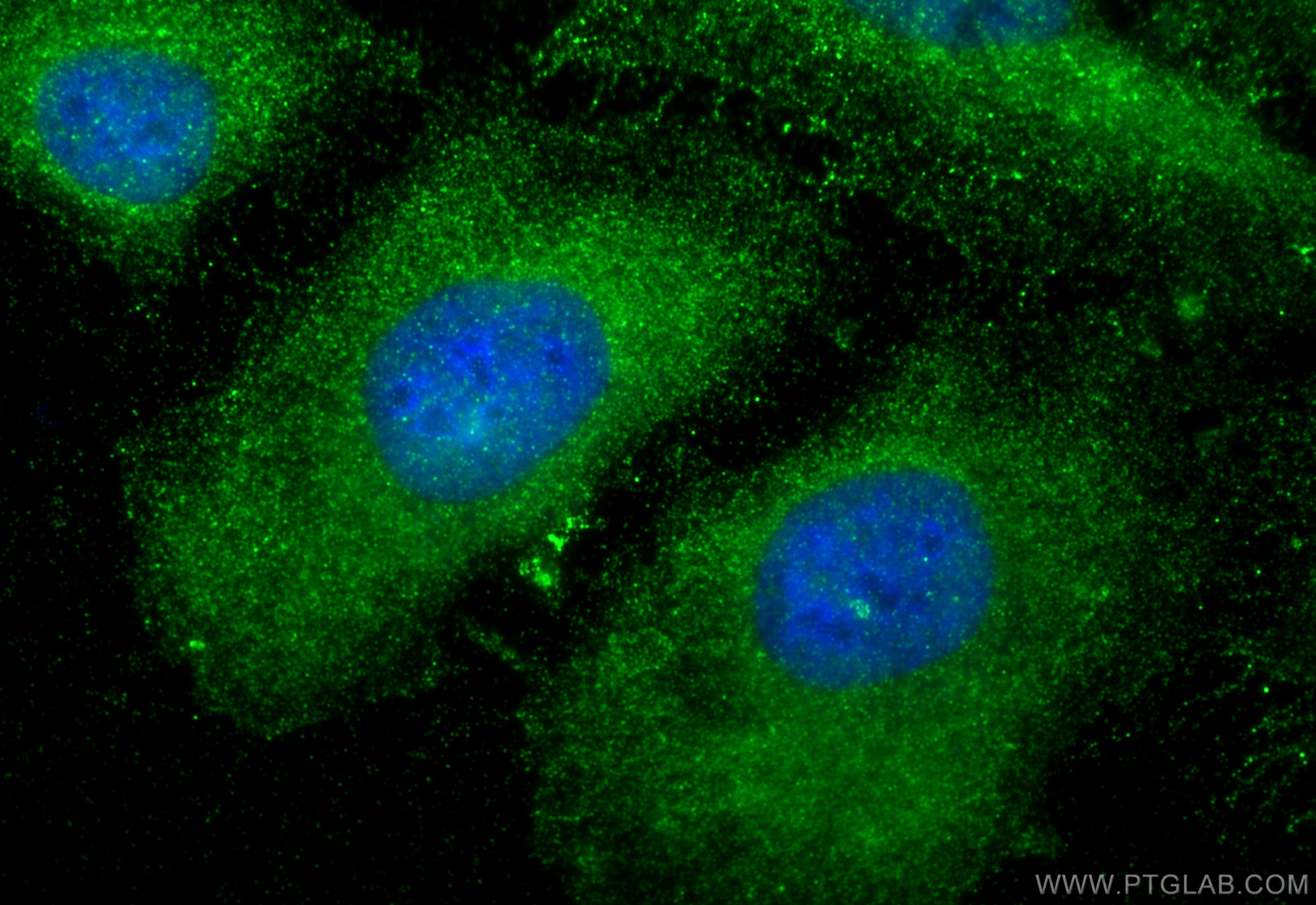
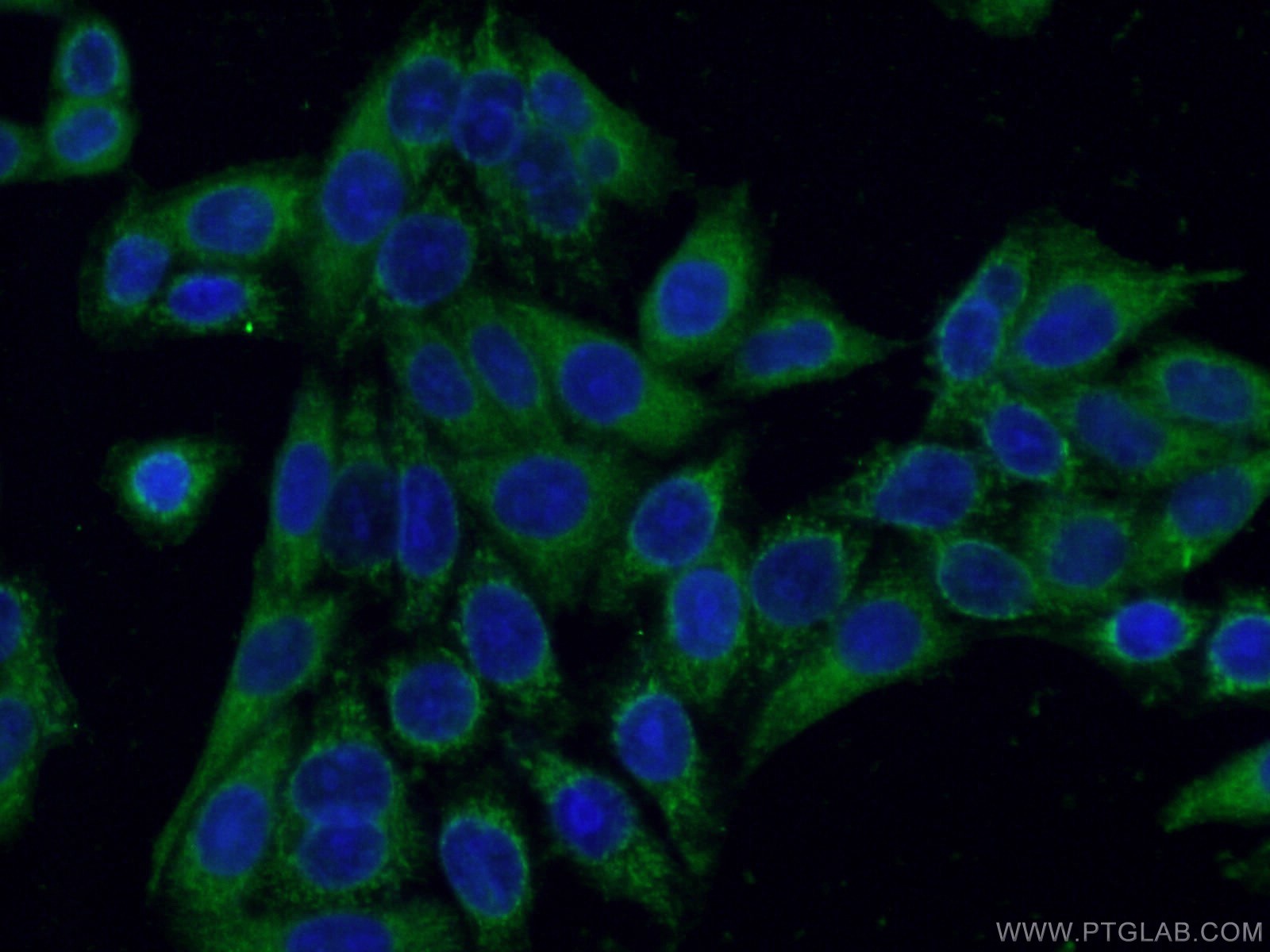
Tested Applications
| Positive WB detected in | HEK-293 cells, NIH/3T3 cells, HeLa cells, HepG2 cells |
| Positive IHC detected in | human lung cancer tissue, mouse testis tissue Note: suggested antigen retrieval with TE buffer pH 9.0; (*) Alternatively, antigen retrieval may be performed with citrate buffer pH 6.0 |
| Positive IF/ICC detected in | NIH/3T3 cells, HeLa cells |
Recommended dilution
| Application | Dilution |
|---|---|
| Western Blot (WB) | WB : 1:1000-1:8000 |
| Immunohistochemistry (IHC) | IHC : 1:50-1:500 |
| Immunofluorescence (IF)/ICC | IF/ICC : 1:50-1:500 |
| It is recommended that this reagent should be titrated in each testing system to obtain optimal results. | |
| Sample-dependent, Check data in validation data gallery. | |
Published Applications
| KD/KO | See 3 publications below |
| WB | See 28 publications below |
| IHC | See 2 publications below |
| IF | See 10 publications below |
| IP | See 2 publications below |
Product Information
27248-1-AP targets RICTOR in WB, IHC, IF/ICC, IP, ELISA applications and shows reactivity with human, mouse samples.
| Tested Reactivity | human, mouse |
| Cited Reactivity | human, mouse, rat |
| Host / Isotype | Rabbit / IgG |
| Class | Polyclonal |
| Type | Antibody |
| Immunogen |
CatNo: Ag25649 Product name: Recombinant human RICTOR protein Source: e coli.-derived, PGEX-4T Tag: GST Domain: 1-51 aa of BC029608 Sequence: MAAIGRGRSLKNLRVRGRNDSGEENVPLDLTREPSDNLREILQNVARLQGV 相同性解析による交差性が予測される生物種 |
| Full Name | rapamycin-insensitive companion of mTOR |
| Calculated molecular weight | 192 kDa |
| Observed molecular weight | 192 kDa |
| GenBank accession number | BC029608 |
| Gene Symbol | RICTOR |
| Gene ID (NCBI) | 253260 |
| RRID | AB_2880817 |
| Conjugate | Unconjugated |
| Form | |
| Form | Liquid |
| Purification Method | Antigen affinity purification |
| UNIPROT ID | Q6R327 |
| Storage Buffer | PBS with 0.02% sodium azide and 50% glycerol{{ptg:BufferTemp}}7.3 |
| Storage Conditions | Store at -20°C. Stable for one year after shipment. Aliquoting is unnecessary for -20oC storage. |
Background Information
RICTOR, is a key component of the mTOR complex 2 (mTORC2) and is required for phosphorylation of Akt at serine 473. RICTOR is the upstream kinase of several AGC kinase family members including AKT, SGK, S6K mutants and several PKC isoforms. Activation of RICTOR-mTORC2 modifies actin organization and promotes cell proliferation and survival. Rictor is overexpressed in several cancers leading to hyperactive mTORC2 and has been shown to play a causal role in glioma formation. Rictor expression has been demonstrated to be regulated transcriptionally and via protein degradation.
Protocols
| Product Specific Protocols | |
|---|---|
| IF protocol for RICTOR antibody 27248-1-AP | Download protocol |
| IHC protocol for RICTOR antibody 27248-1-AP | Download protocol |
| WB protocol for RICTOR antibody 27248-1-AP | Download protocol |
| Standard Protocols | |
|---|---|
| Click here to view our Standard Protocols |
Publications
| Species | Application | Title |
|---|---|---|
Nat Metab Metabolic regulation by tanycyte-derived extracellular vesicles through insulin precursor-mediated neuronal recognition and mTORC component delivery. | ||
Nat Commun The UFL1-AKT positive feedback loop promotes breast cancer progression by enhancing lipid synthesis. | ||
Nat Commun The p300/YY1/miR-500a-5p/HDAC2 signalling axis regulates cell proliferation in human colorectal cancer. | ||
Genes Dis BMP9 induces osteogenic differentiation through up-regulating LGR4 via the mTORC1/Stat3 pathway in mesenchymal stem cells | ||
Cell Commun Signal Rapamycin promotes endothelial-mesenchymal transition during stress-induced premature senescence through the activation of autophagy. |