
Validation Data Gallery
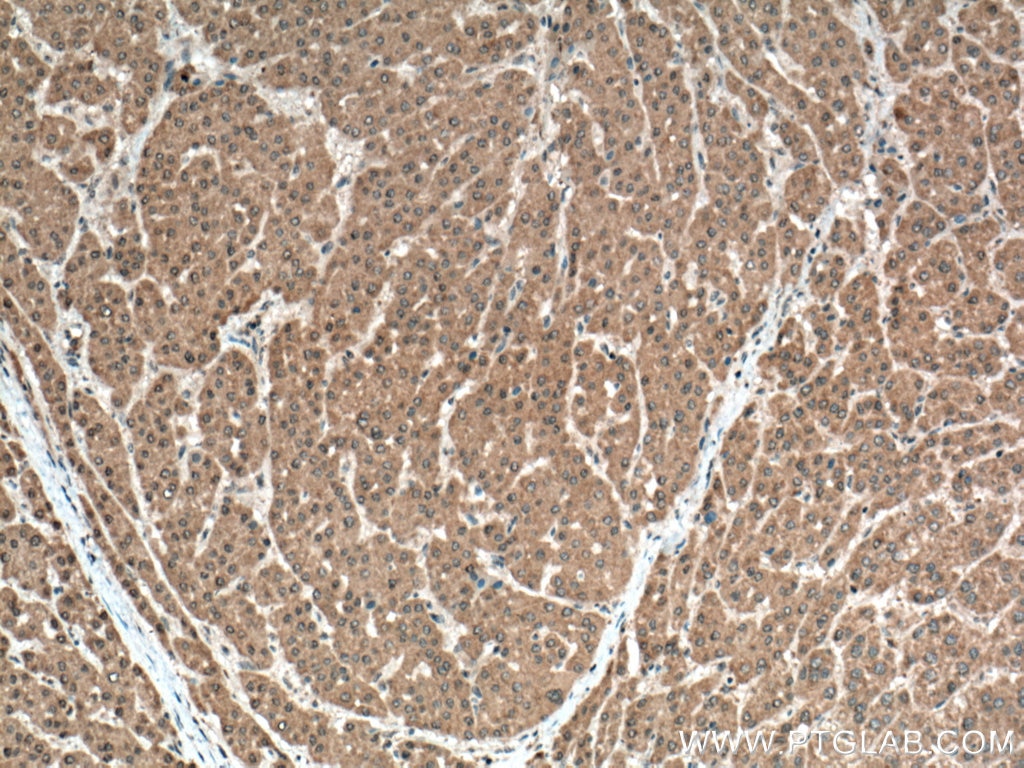
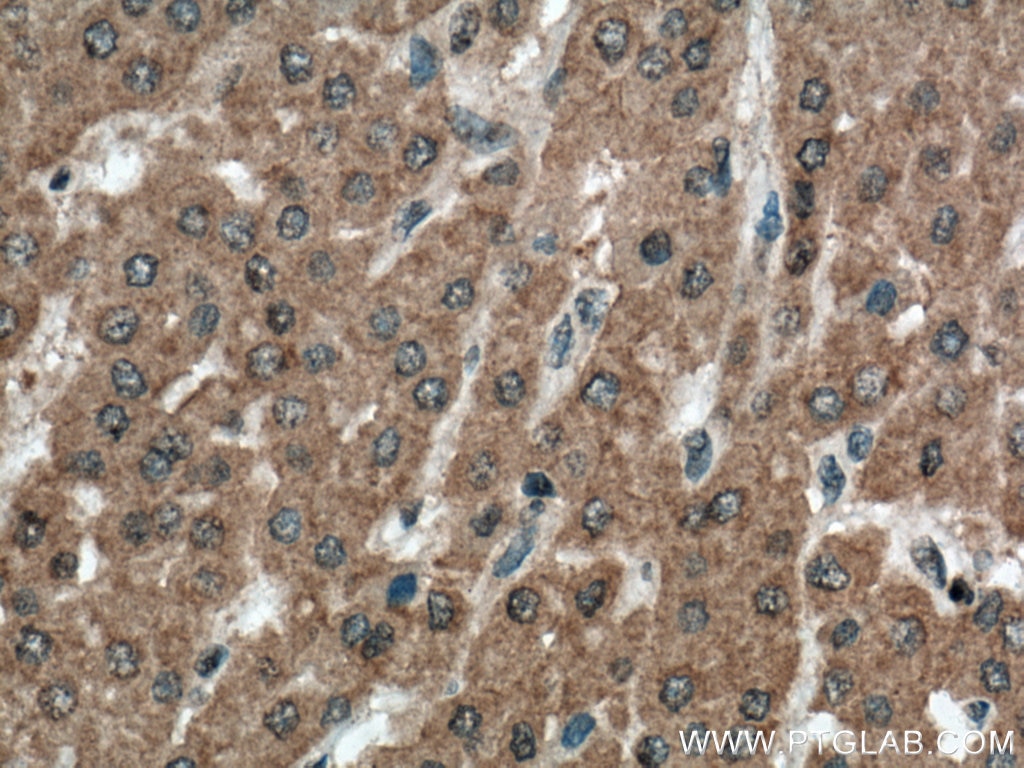
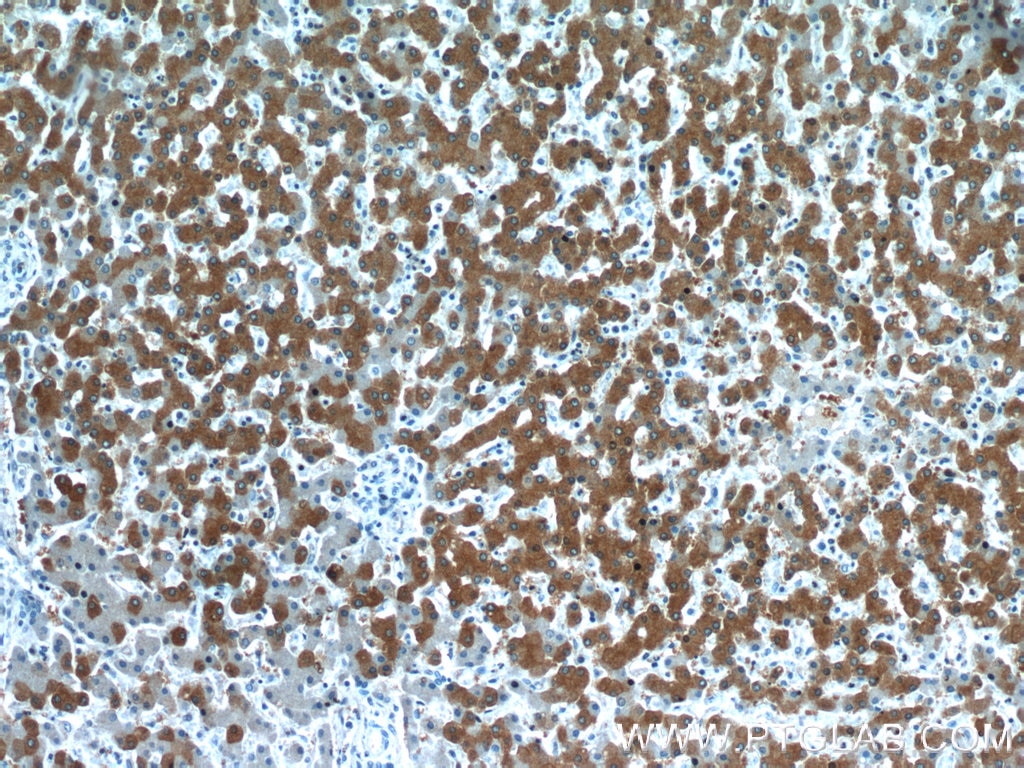
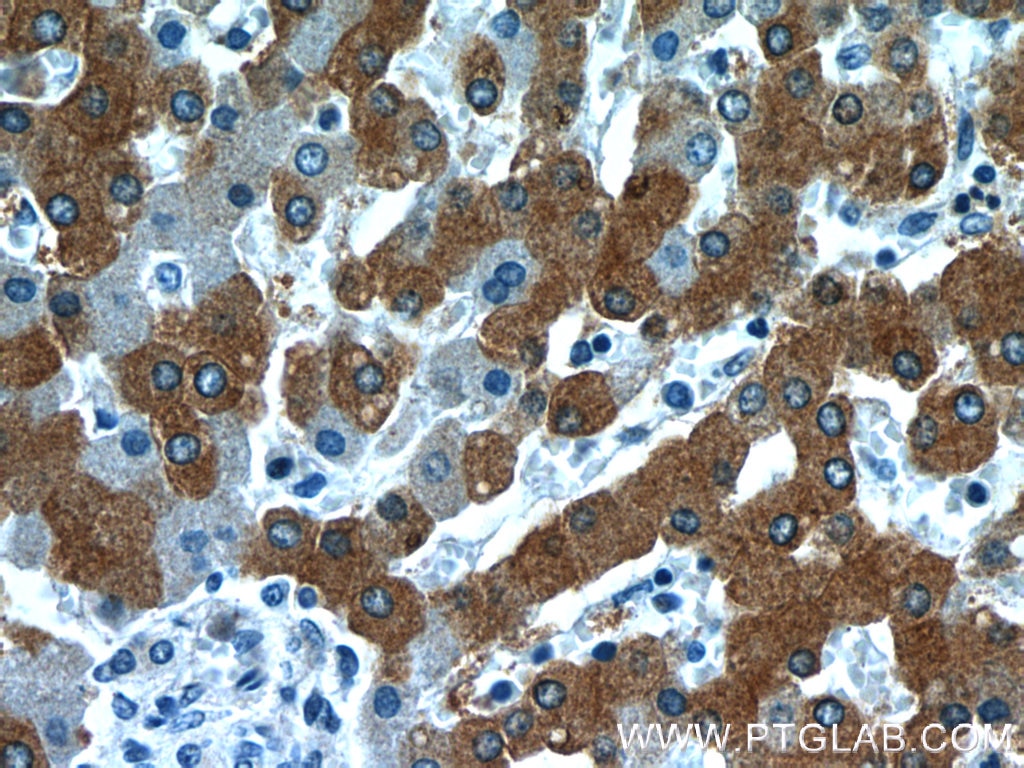
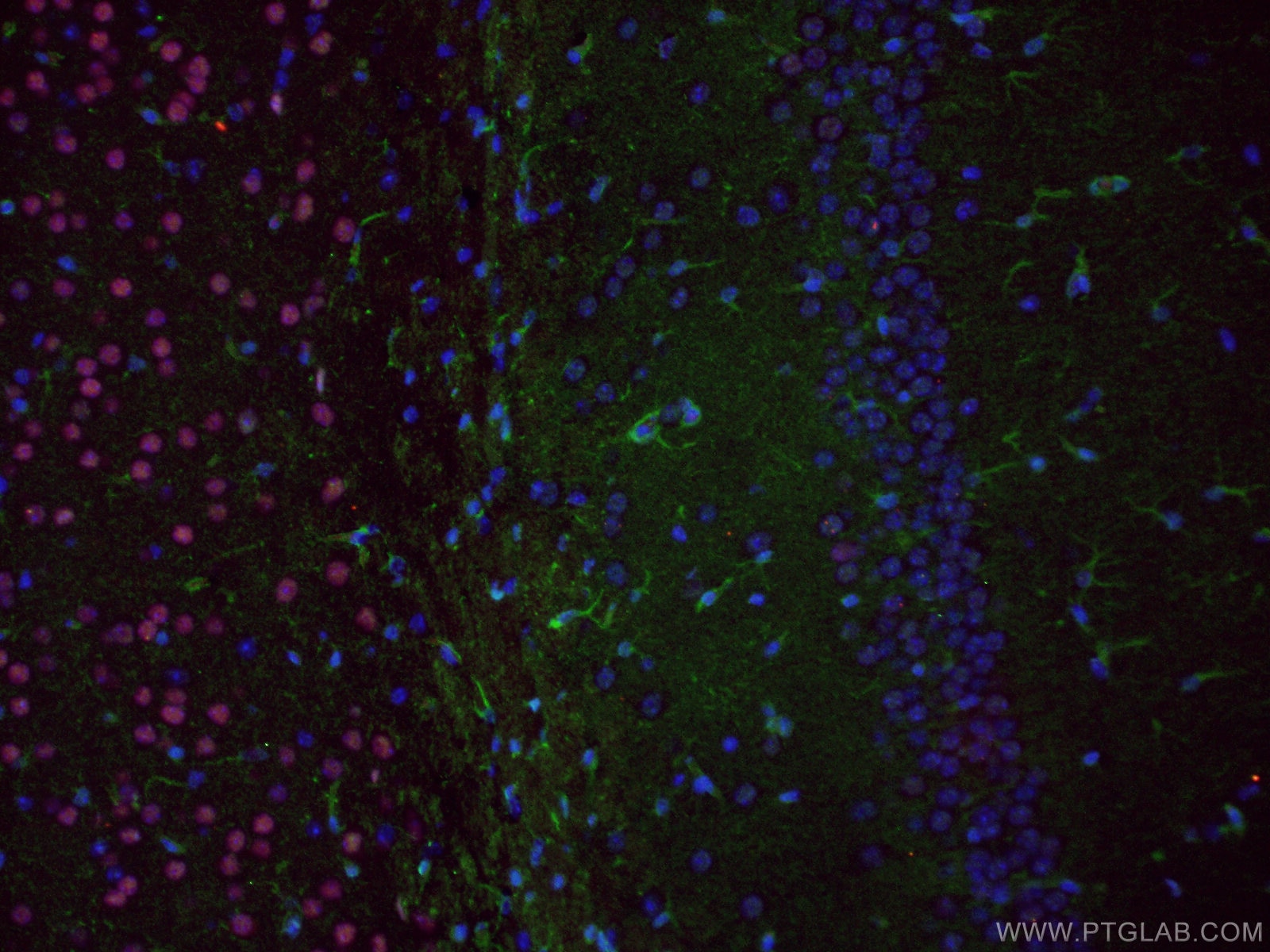
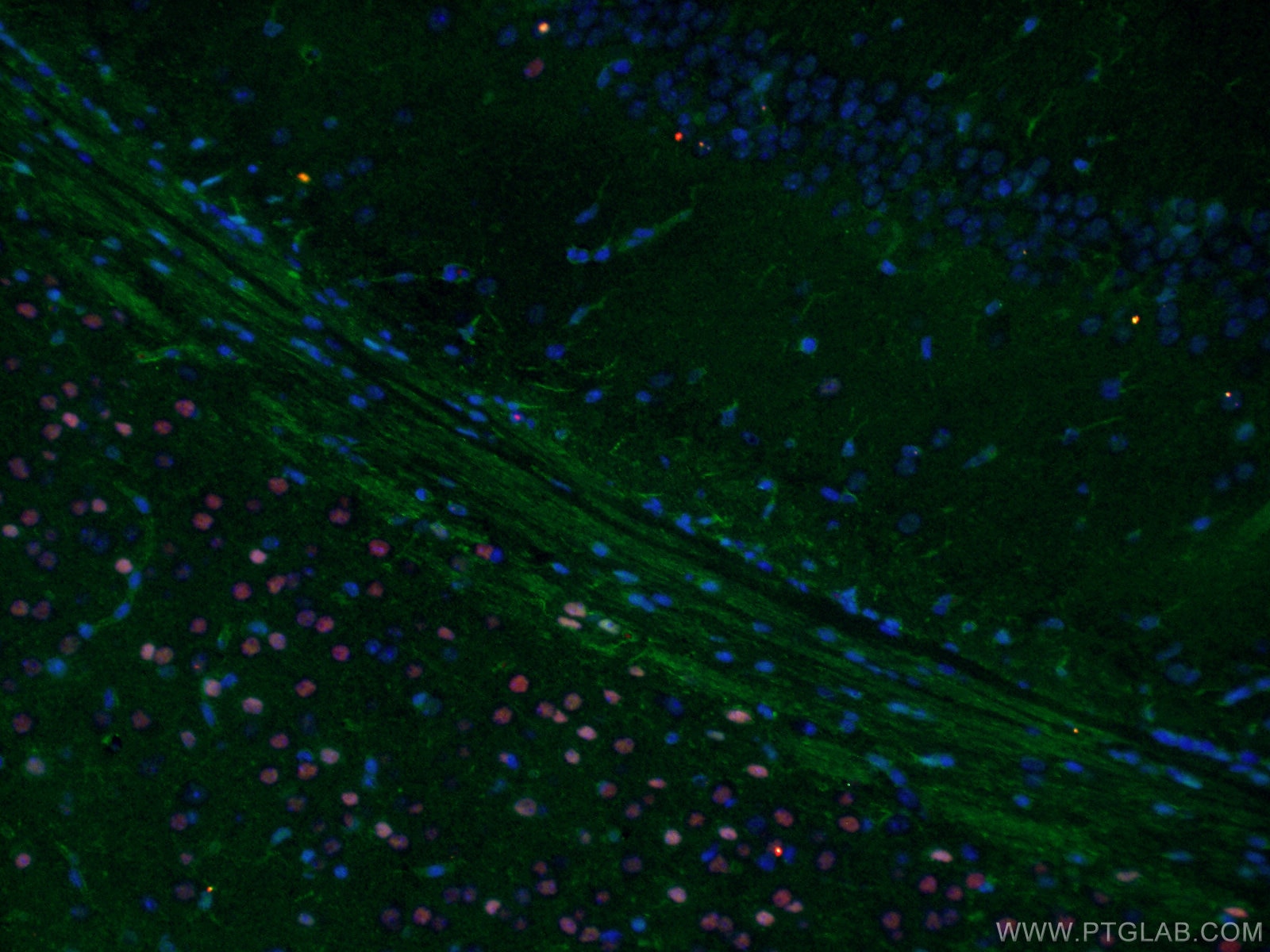
Tested Applications
Recommended dilution
| Application | Dilution |
|---|---|
| It is recommended that this reagent should be titrated in each testing system to obtain optimal results. | |
Product Information
20689-1-PBS targets RELN in IHC, IF-P, Indirect ELISA applications and shows reactivity with human, mouse samples.
| Tested Reactivity | human, mouse |
| Host / Isotype | Rabbit / IgG |
| Class | Polyclonal |
| Type | Antibody |
| Immunogen |
Peptide 相同性解析による交差性が予測される生物種 |
| Full Name | reelin |
| Calculated molecular weight | 388 kDa |
| GenBank accession number | NM_005045 |
| Gene Symbol | RELN |
| Gene ID (NCBI) | 5649 |
| RRID | AB_2878724 |
| Conjugate | Unconjugated |
| Form | |
| Form | Liquid |
| Purification Method | Antigen affinity purification |
| UNIPROT ID | P78509 |
| Storage Buffer | PBS only{{ptg:BufferTemp}}7.3 |
| Storage Conditions | Store at -80°C. |
Background Information
RELN belongs to the reelin family. It is an extracellular matrix serine protease that plays a role in layering of neurons in the cerebral cortex and cerebellum. It is a secreted glycoprotein which is essential for neuronal migration in the cortex. RELN regulates microtubule function in neurons and neuronal migration. It affects migration of sympathetic preganglionic neurons in the spinal cord, where it seems to act as a barrier to neuronal migration. Enzymatic activity is important for the modulation of cell adhesion. Binding to the extracellular domains of lipoprotein receptors VLDLR and ApoER2, RELN induces tyrosine phosphorylation of Dab1 and modulation of Tau phosphorylation. Defects in RELN are the cause of lissencephaly type 2 (LIS2).