
Validation Data Gallery
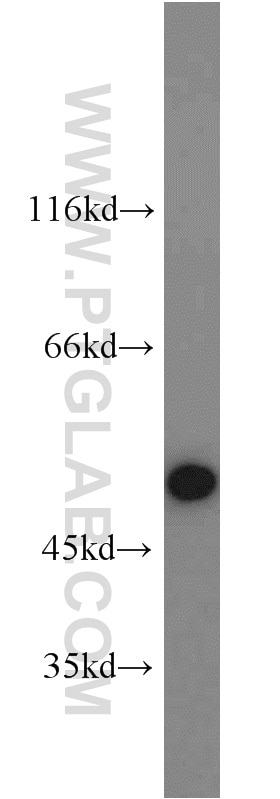
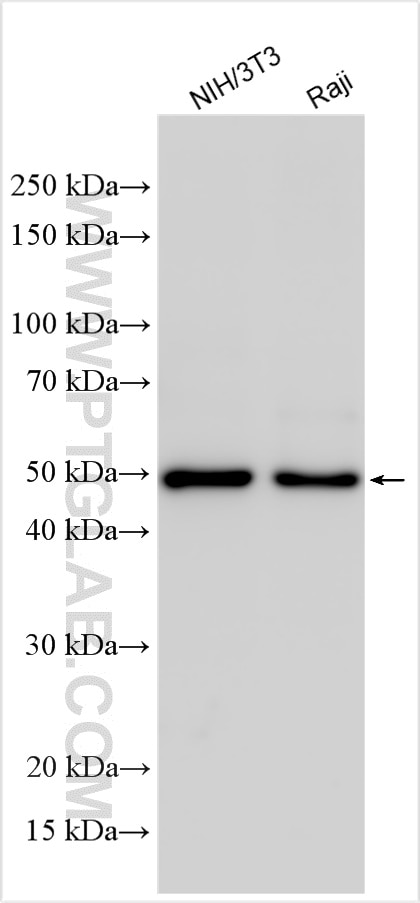
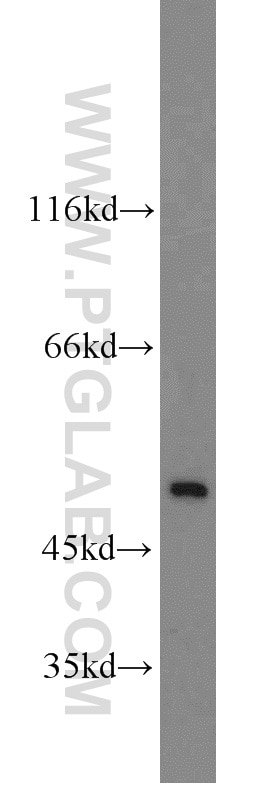
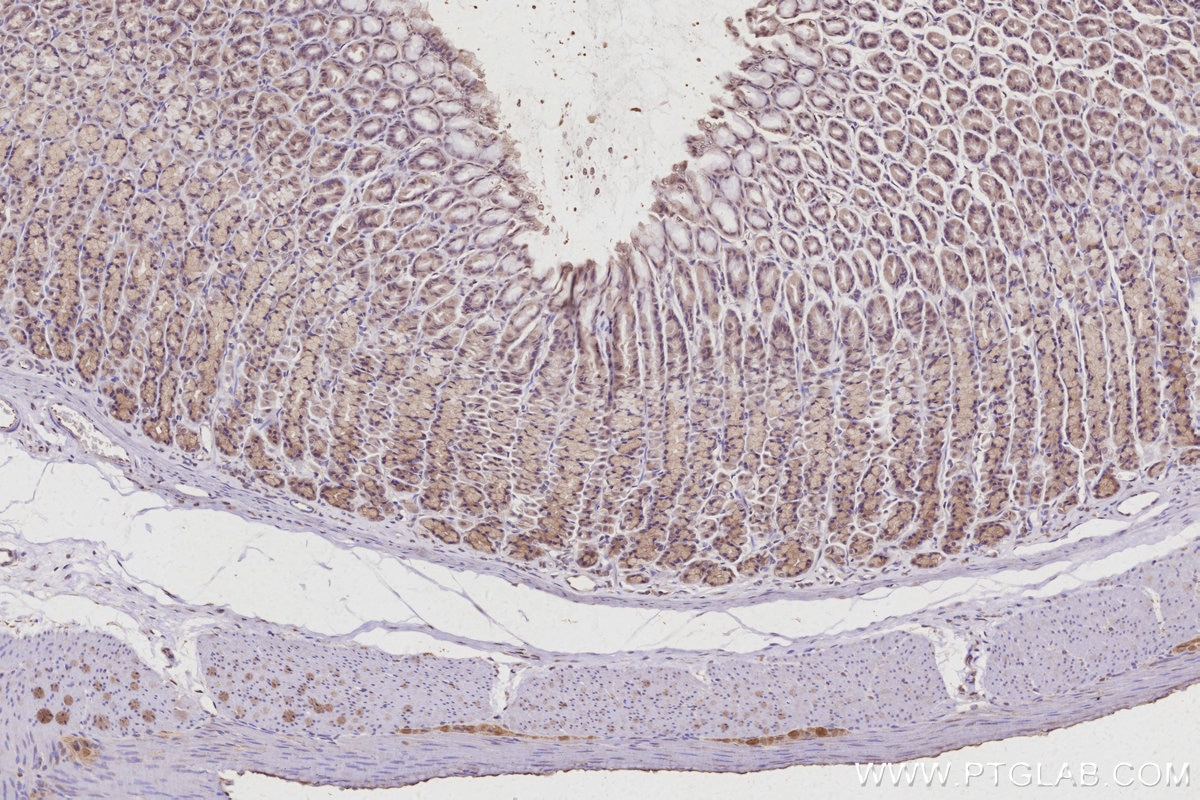
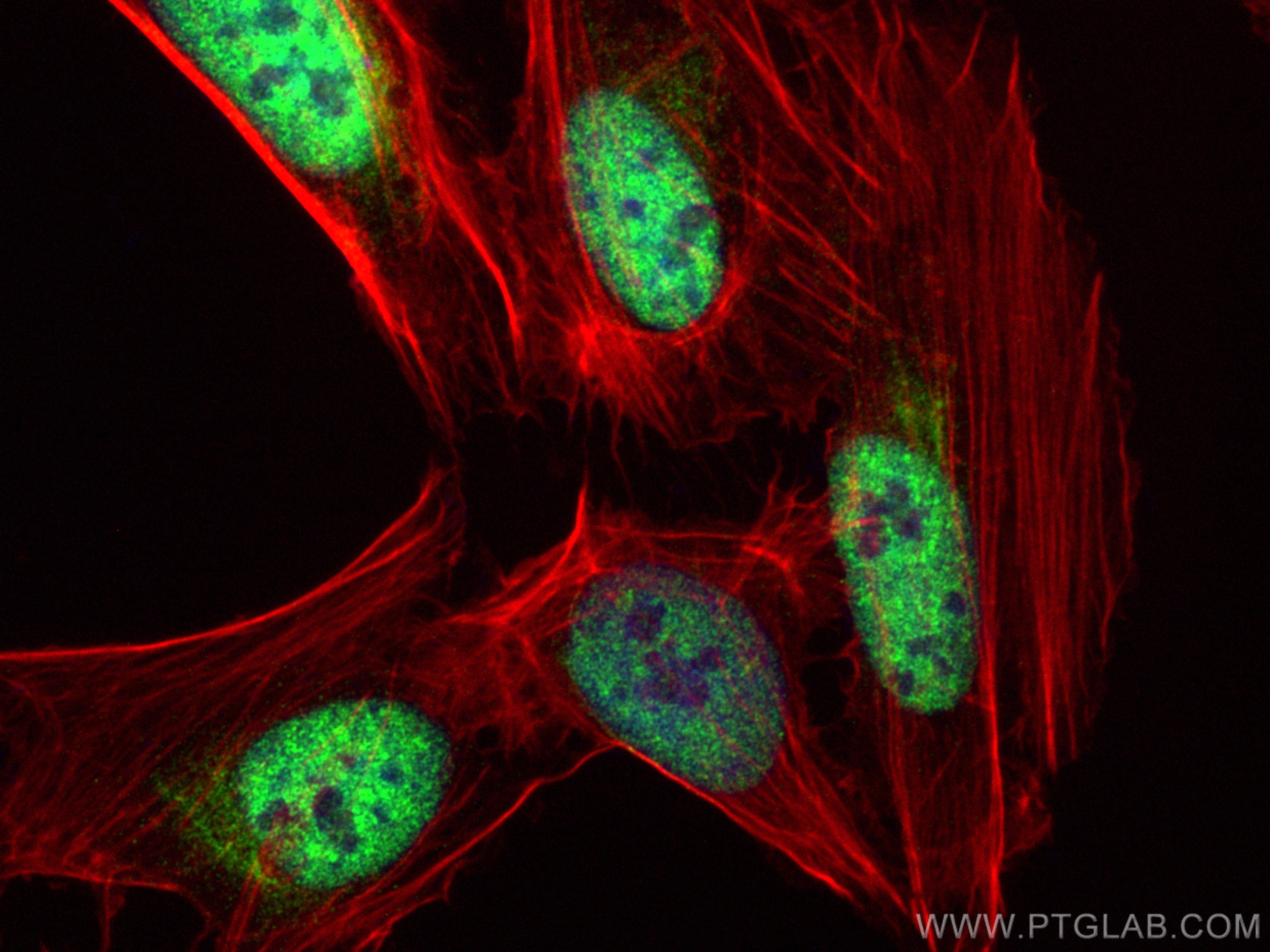
Tested Applications
Recommended dilution
| Application | Dilution |
|---|---|
| It is recommended that this reagent should be titrated in each testing system to obtain optimal results. | |
Product Information
22103-1-PBS targets RBM22 in WB, IHC, IF/ICC, Indirect ELISA applications and shows reactivity with human, mouse, rat samples.
| Tested Reactivity | human, mouse, rat |
| Host / Isotype | Rabbit / IgG |
| Class | Polyclonal |
| Type | Antibody |
| Immunogen |
CatNo: Ag17315 Product name: Recombinant human RBM22 protein Source: e coli.-derived, PGEX-4T Tag: GST Domain: 1-420 aa of BC003402 Sequence: MATSLGSNTYNRQNWEDADFPILCQTCLGENPYIRMTKEKYGKECKICARPFTVFRWCPGVRMRFKKTEVCQTCSKLKNVCQTCLLDLEYGLPIQVRDAGLSFKDDMPKSDVNKEYYTQNMEREISNSDGTRPVGMLGKATSTSDMLLKLARTTPYYKRNRPHICSFWVKGECKRGEECPYRHEKPTDPDDPLADQNIKDRYYGINDPVADKLLKRASTMPRLDPPEDKTITTLYVGGLGDTITETDLRNHFYQFGEIRTITVVQRQQCAFIQFATRQAAEVAAEKSFNKLIVNGRRLNVKWGRSQAARGKEKEKDGTTDSGIKLEPVPGLPGALPPPPAAEEEASANYFNLPPSGPPAVVNIALPPPPGIAPPPPPGFGPHMFHPMGPPPPFMRAPGPIHYPSQDPQRMGAHAGKHSSP 相同性解析による交差性が予測される生物種 |
| Full Name | RNA binding motif protein 22 |
| Calculated molecular weight | 420 aa, 47 kDa |
| Observed molecular weight | 47-50 kDa |
| GenBank accession number | BC003402 |
| Gene Symbol | RBM22 |
| Gene ID (NCBI) | 55696 |
| RRID | AB_2878996 |
| Conjugate | Unconjugated |
| Form | |
| Form | Liquid |
| Purification Method | Antigen affinity purification |
| UNIPROT ID | Q9NW64 |
| Storage Buffer | PBS only{{ptg:BufferTemp}}7.3 |
| Storage Conditions | Store at -80°C. |
Background Information
RBM22 is mainly involved in pre-mRNA splicing, playing the essential role of maintaining the conformation of the catalytic core of the spliceosome and acting as a bridge between the catalytic core and other essential protein components of the spliceosome. RBM22 is also involved in gene regulation, and is able to bind DNA, acting as a bona fide transcription factor on a large number of target genes. Due to its wide scope in the regulation of gene expression, RBM22 has been associated with several pathologies and, notably, with the aggressiveness of cancer cells and with the phenotype of a myelodysplastic syndrome. (PMID: 35158909)