
Validation Data Gallery
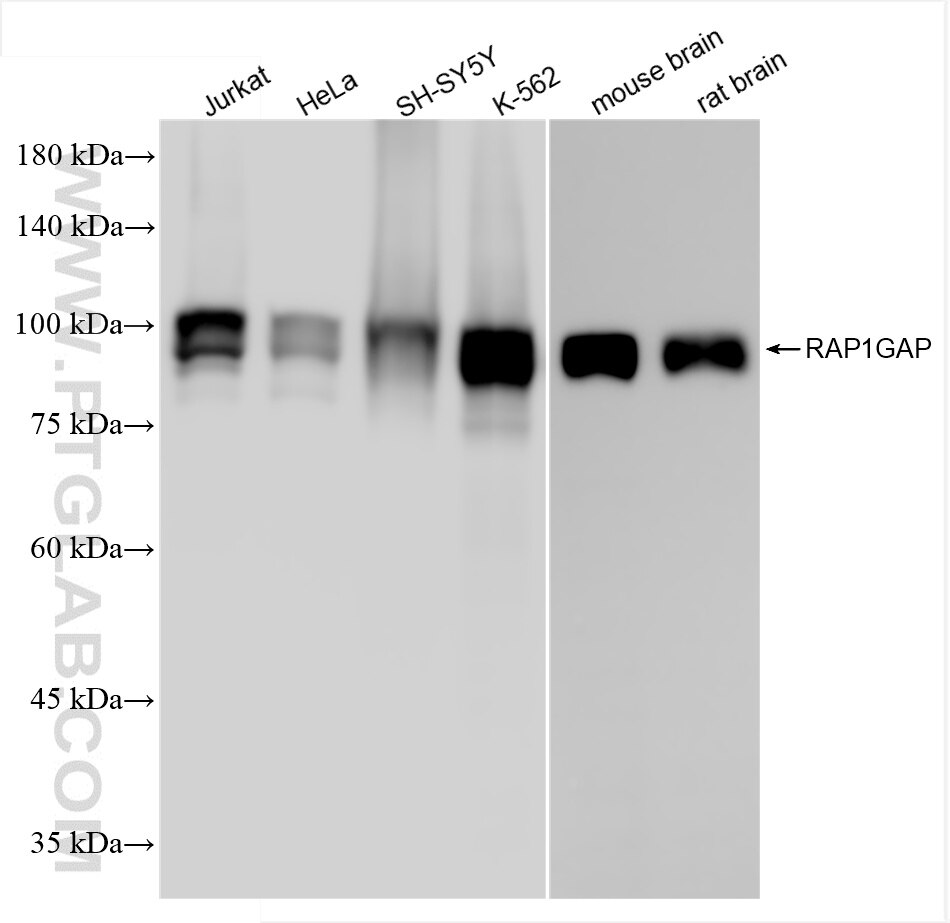
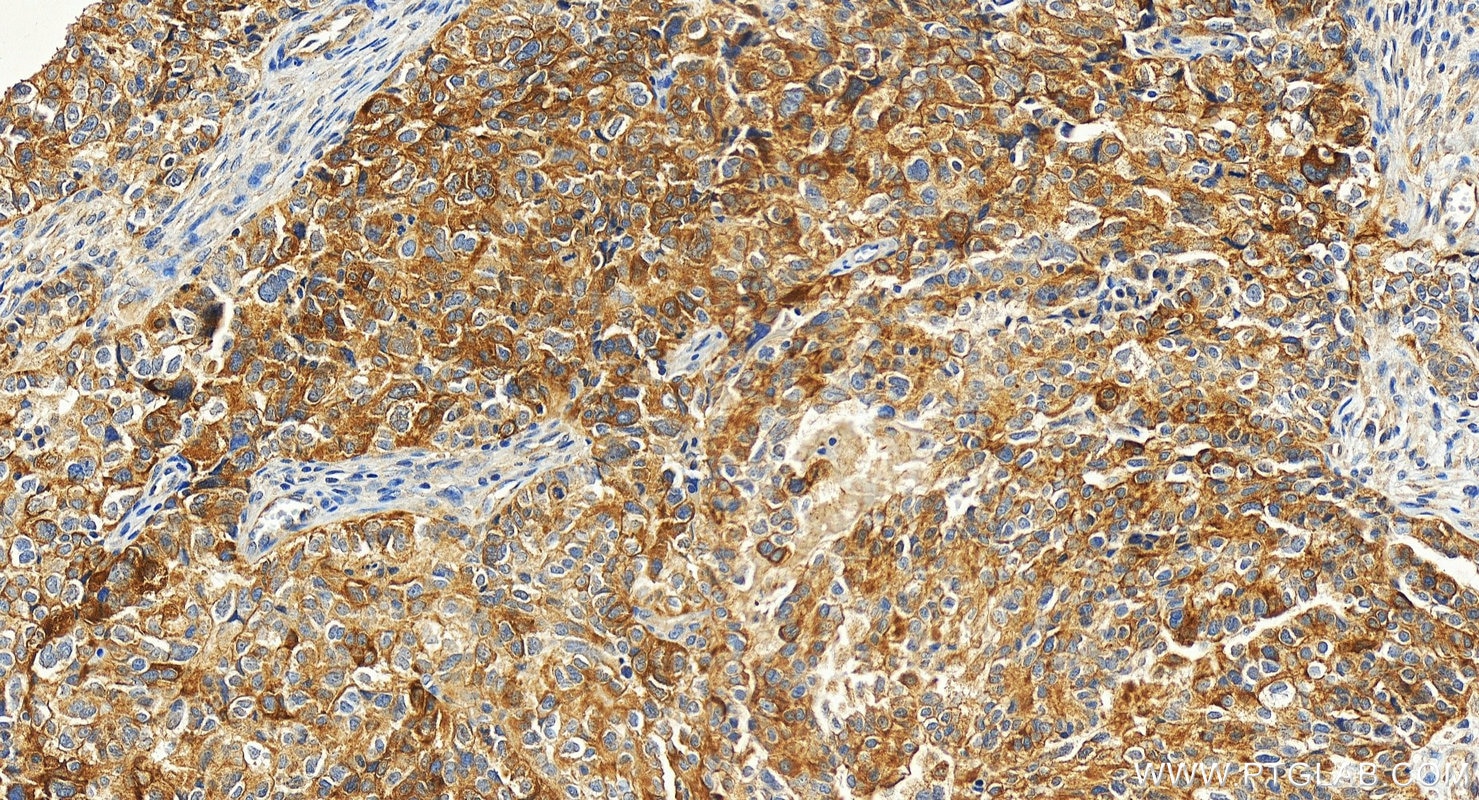
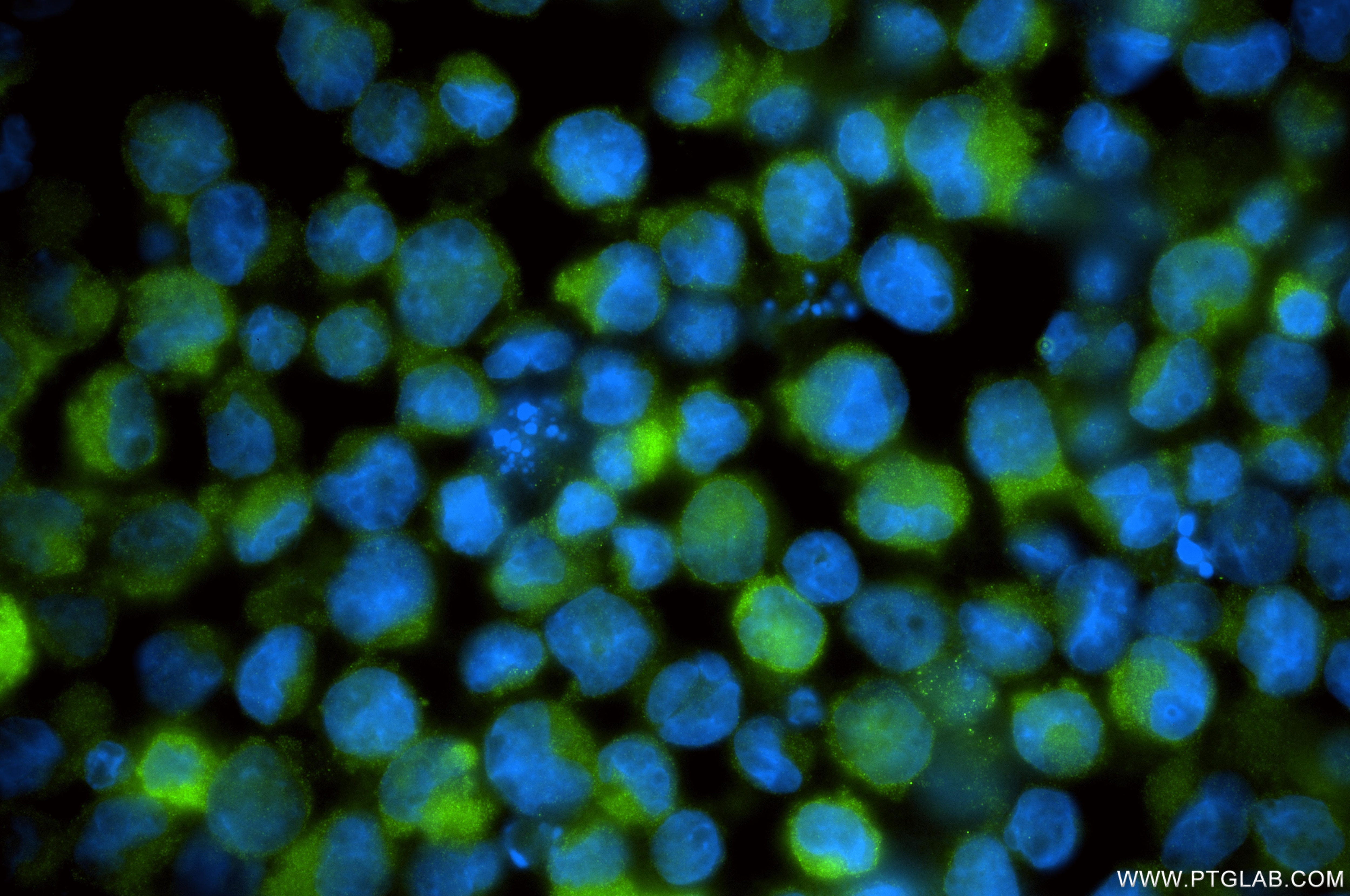
Tested Applications
Recommended dilution
| Application | Dilution |
|---|---|
| It is recommended that this reagent should be titrated in each testing system to obtain optimal results. | |
Product Information
86011-2-PBS targets RAP1GAP in WB, IHC, IF/ICC, Indirect ELISA applications and shows reactivity with human, mouse, rat samples.
| Tested Reactivity | human, mouse, rat |
| Host / Isotype | Rabbit / IgG |
| Class | Recombinant |
| Type | Antibody |
| Immunogen |
CatNo: Ag5576 Product name: Recombinant human RAP1GAP protein Source: e coli.-derived, PET28a Tag: 6*His Domain: 313-663 aa of BC054490 Sequence: FLHAYVVVQAEGGGPDGPLYKVSVTARDDVPFFGPPLPDPAVFRKGPEFQEFLLTKLINAEYACYKAEKFAKLEERTRAALLETLYEELHIHSQSMMGLGGDEDKMENGSGGGGFFESFKRVIRSRSQSMDAMGLSNKKPNTVSTSHSGSFAPNNPDLAKAAGISLIVPGKSPTRKKSGPFGSRRSSAIGIENIQEVQEKRESPPAGQKTPDSGHVSQEPKSENSSTQSSPEMPTTKNRAETAAQRAEALKDFSRSSSSASSFASVVEETEGVDGEDTGLESVSSSGTPHKRDSFIYSTWLEDSVSTTSGGSSPGPSRSPHPDAGKLGDPACPEIKIQLEASEQHMPQLGC 相同性解析による交差性が予測される生物種 |
| Full Name | RAP1 GTPase activating protein |
| Calculated molecular weight | 73 kDa |
| Observed molecular weight | 85-95 kDa |
| GenBank accession number | BC054490 |
| Gene Symbol | RAP1GAP |
| Gene ID (NCBI) | 5909 |
| RRID | AB_3744549 |
| Conjugate | Unconjugated |
| Form | |
| Form | Liquid |
| Purification Method | Protein A purification |
| UNIPROT ID | P47736 |
| Storage Buffer | PBS only{{ptg:BufferTemp}}7.3 |
| Storage Conditions | Store at -80°C. |
Background Information
Rap1 GTPase-activating protein (Rap1GAP) is an important tumor suppressor. Rap1GAP was associated with the AMPK and NF-κB signaling pathways and that Rap1GAP inhibited AMPK/SIRT1 and activated the NF-κB signaling pathway in model animals. Rap1GAP was verified to regulate the AMPK SIRT1/NF-κB signaling pathway and exacerbate the damage to myocardial cells caused by ischemia and hypoxia (PMID: 38320624). Rap1GAP is involved in Ang II-induced cardiomyocyte hypertrophy through the regulation of autophagy (PMID: 33936386). Rap1GAP, which is the GTPase-activating protein of Rap1, can bind to Rap1, promote the transformation of GTP from its active to inactive form, and terminate signal transduction (PMID: 21295042).