
Validation Data Gallery
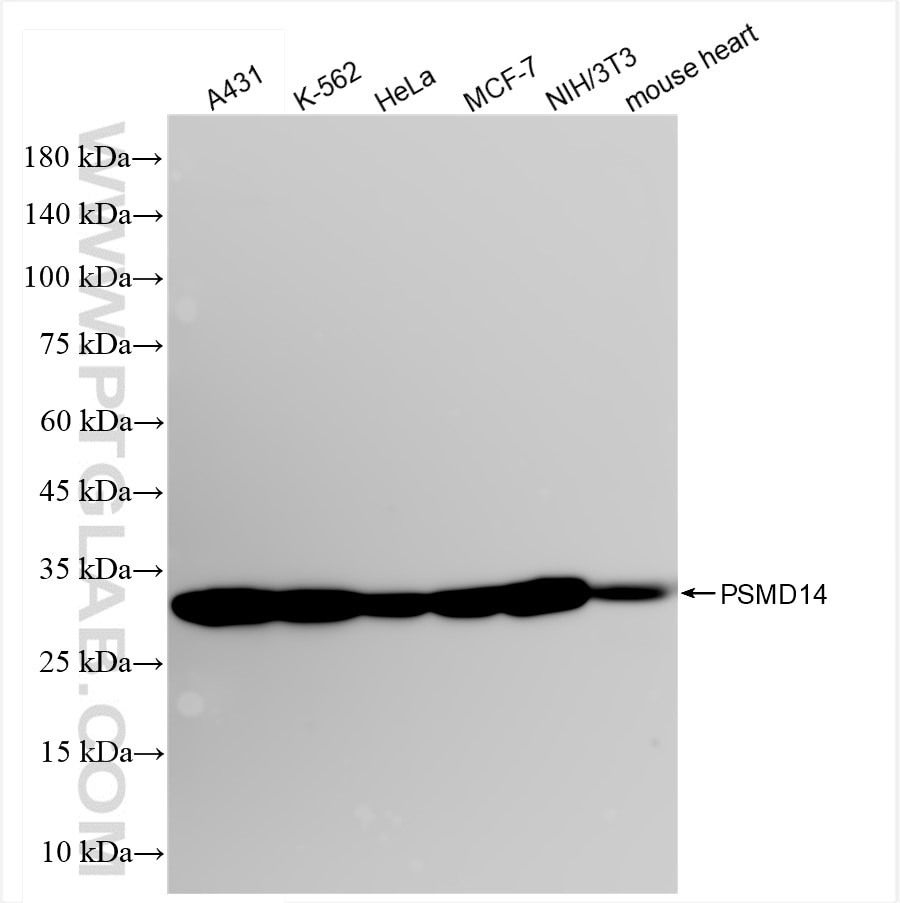
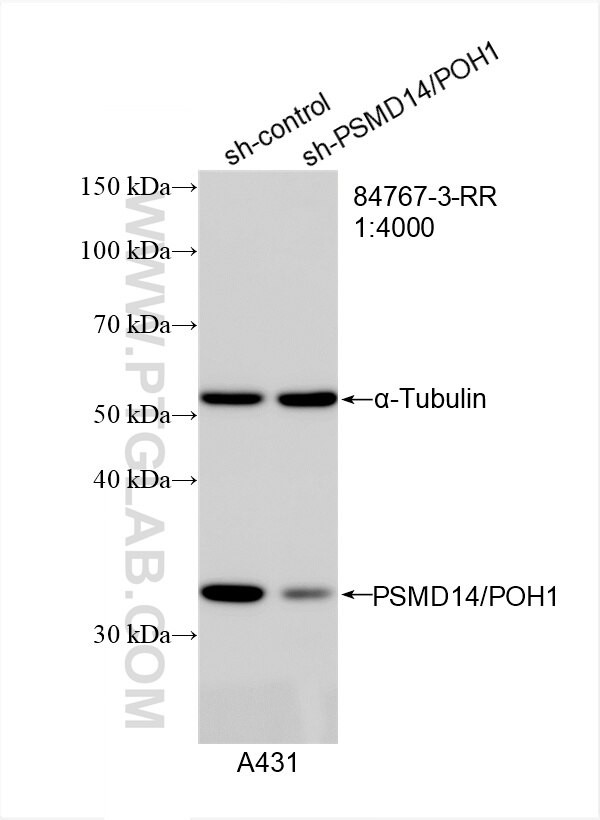
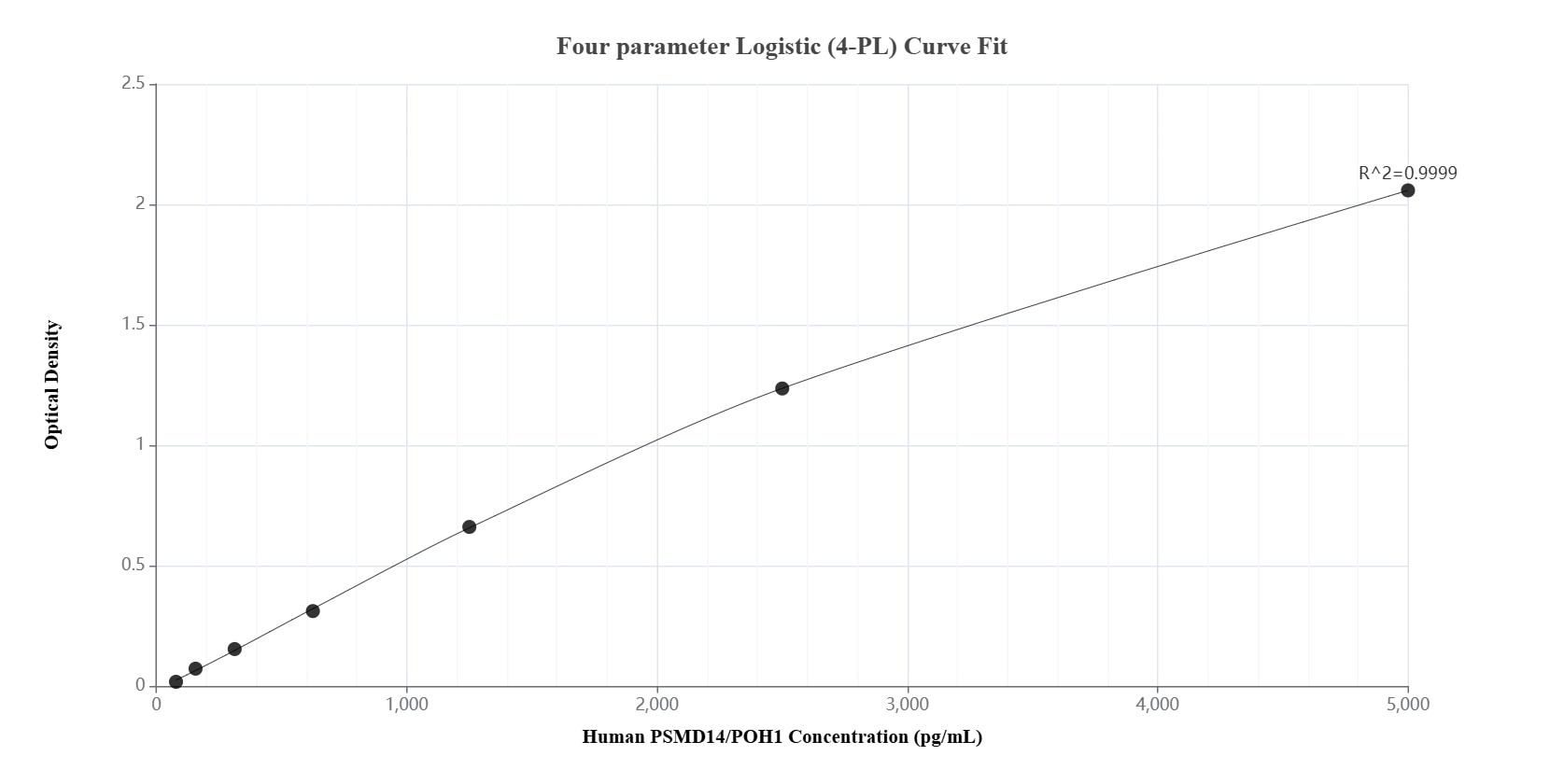
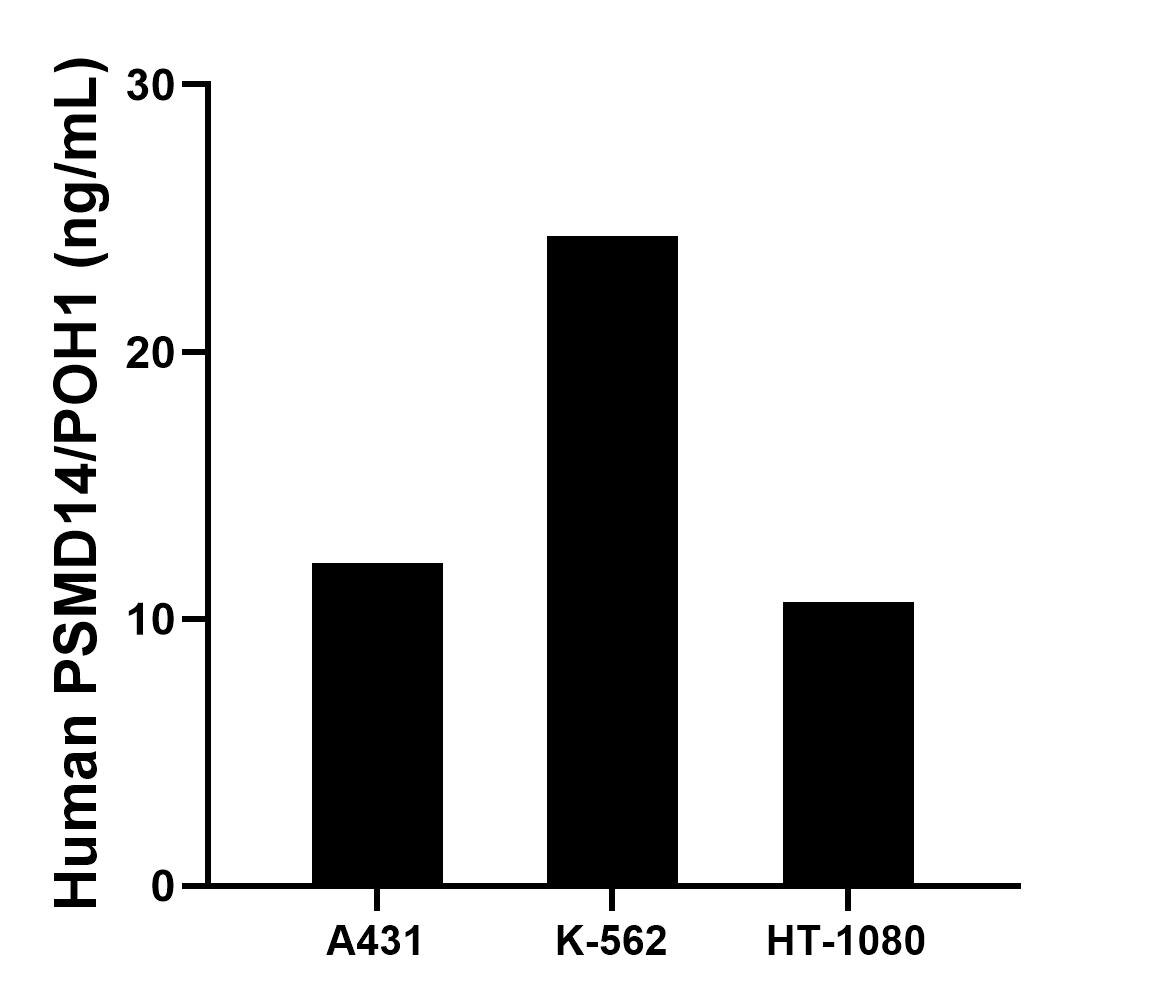
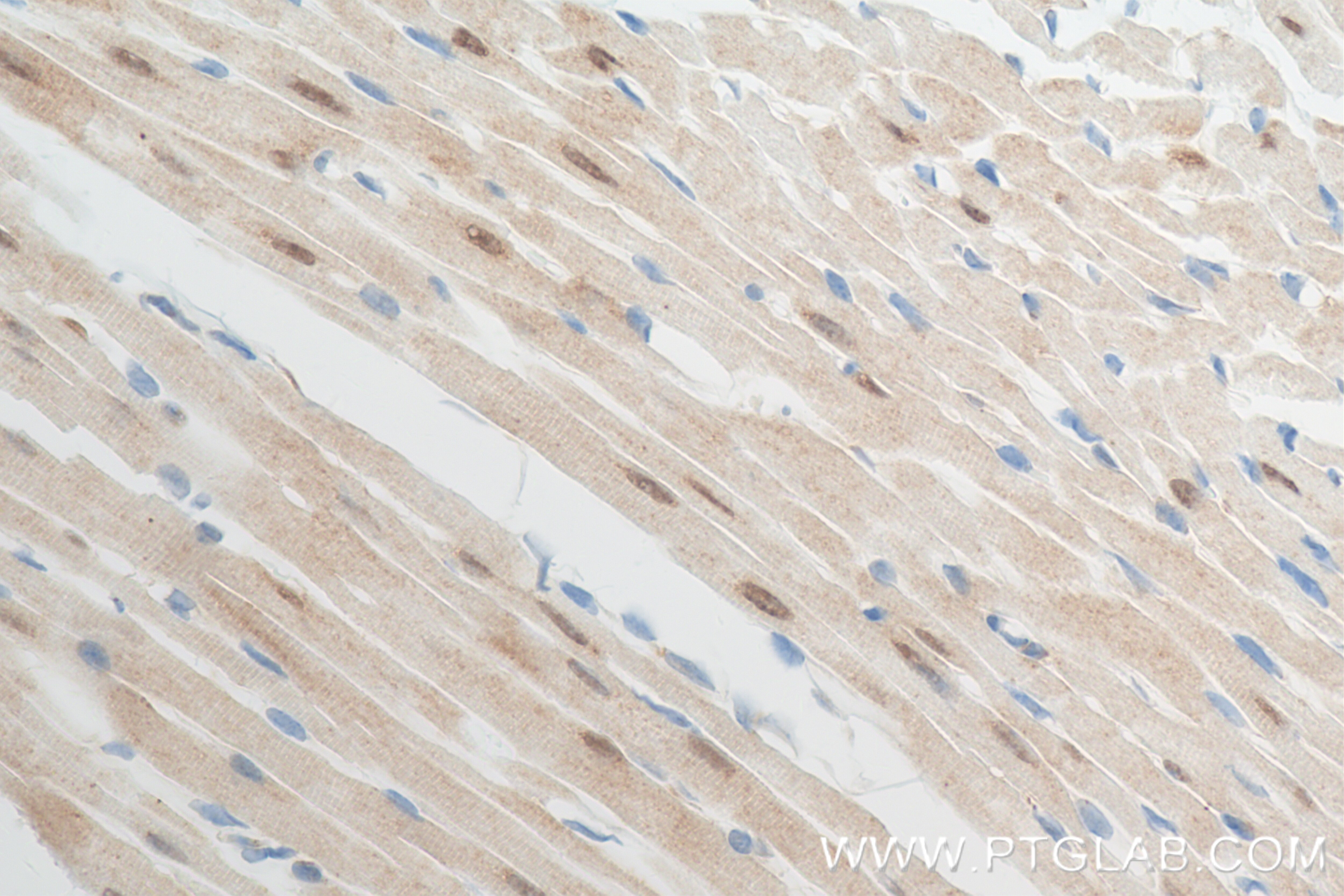
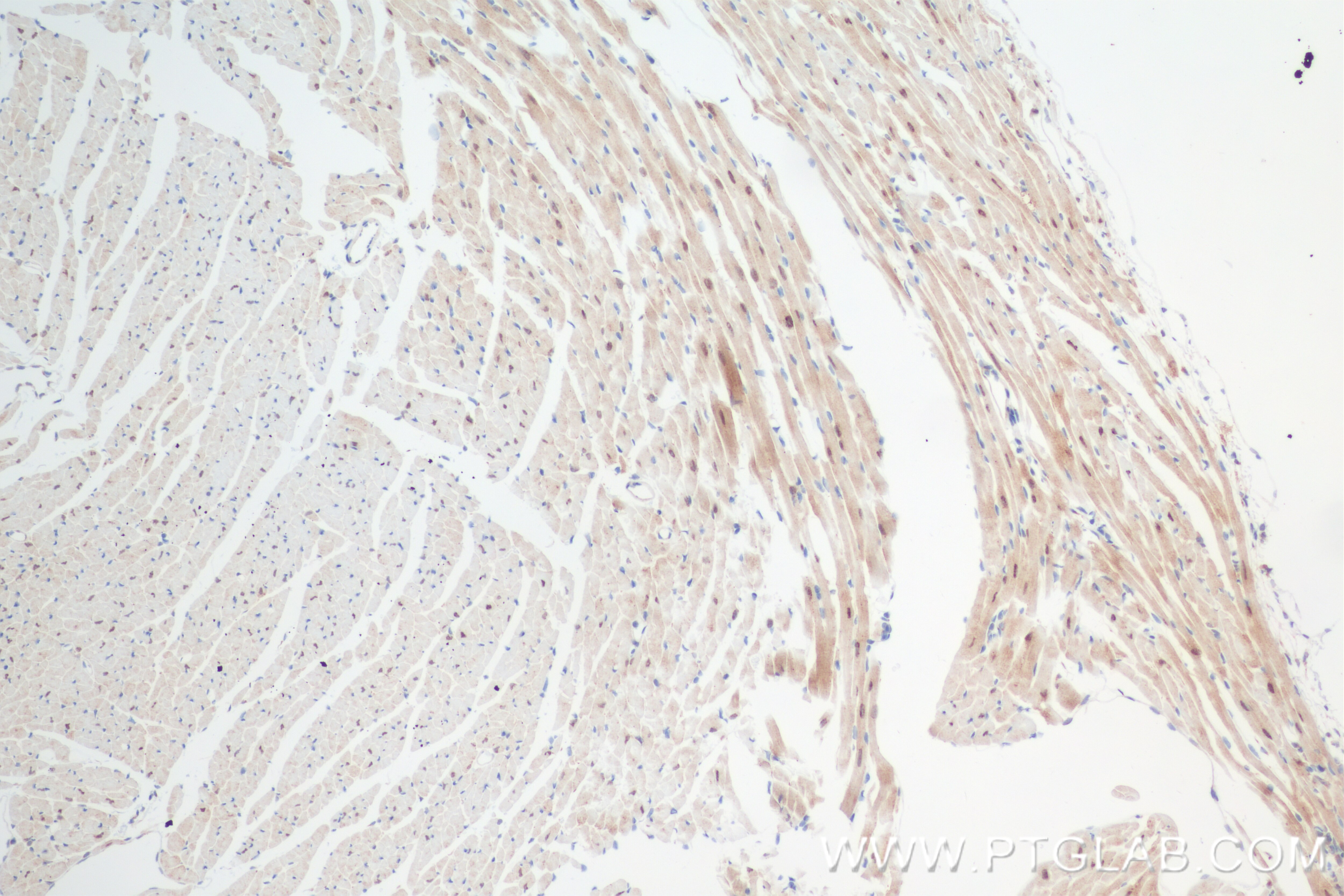
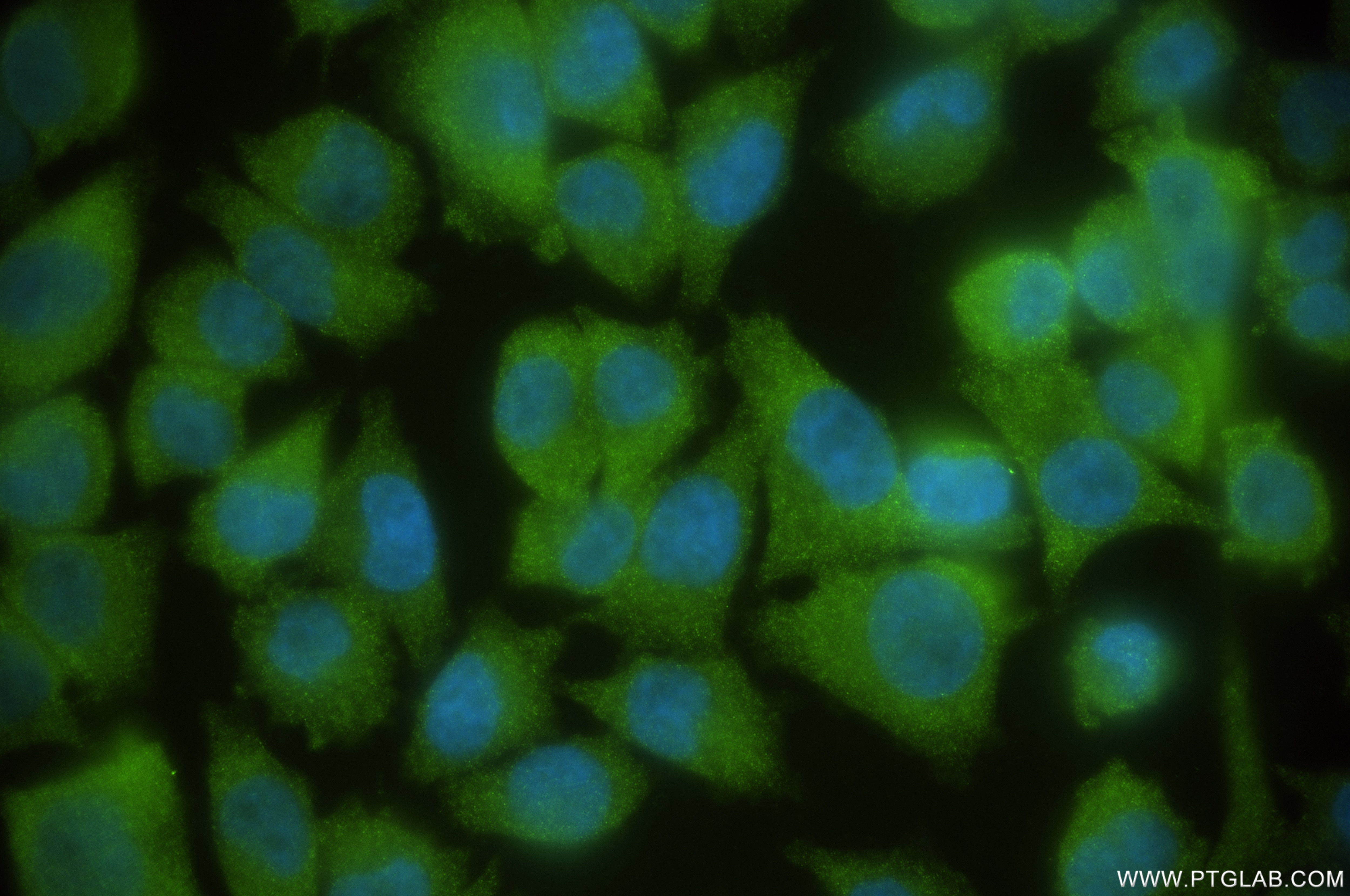
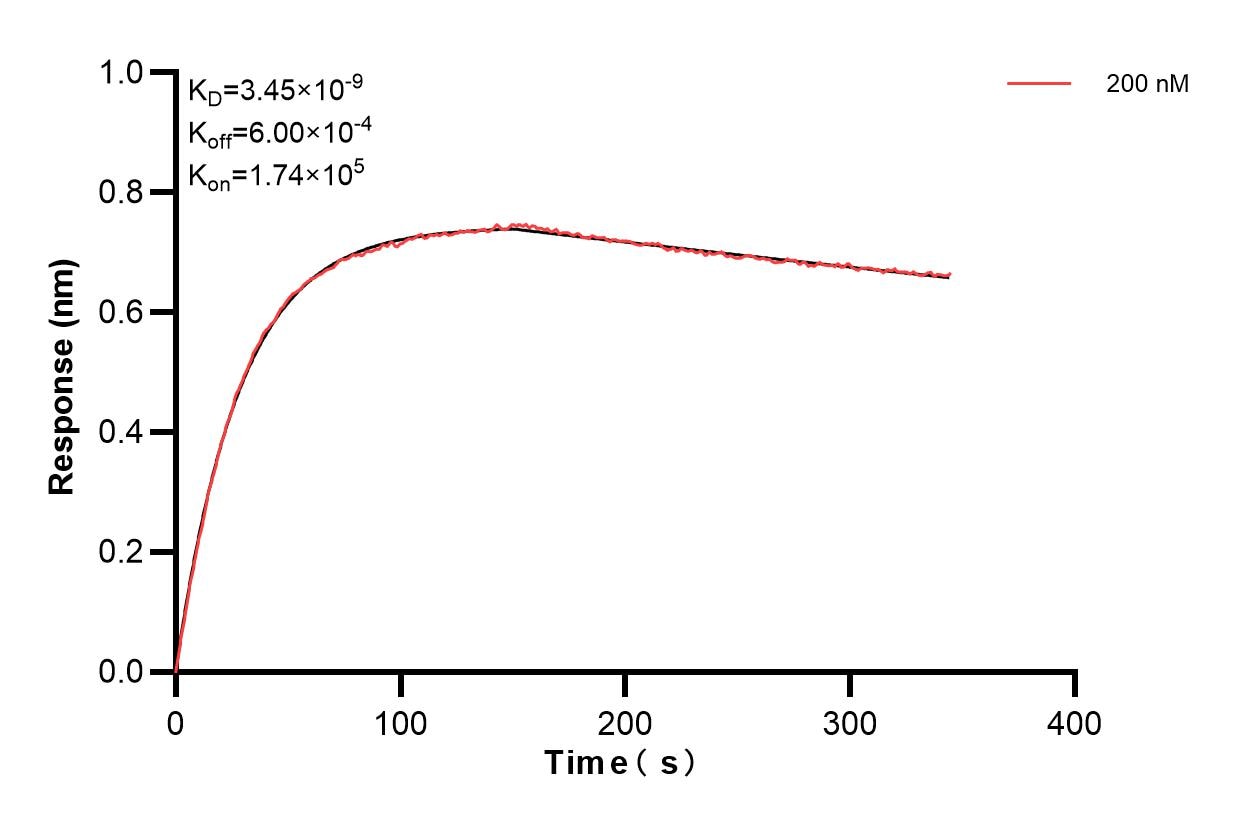
Tested Applications
Recommended dilution
| Application | Dilution |
|---|---|
| It is recommended that this reagent should be titrated in each testing system to obtain optimal results. | |
Product Information
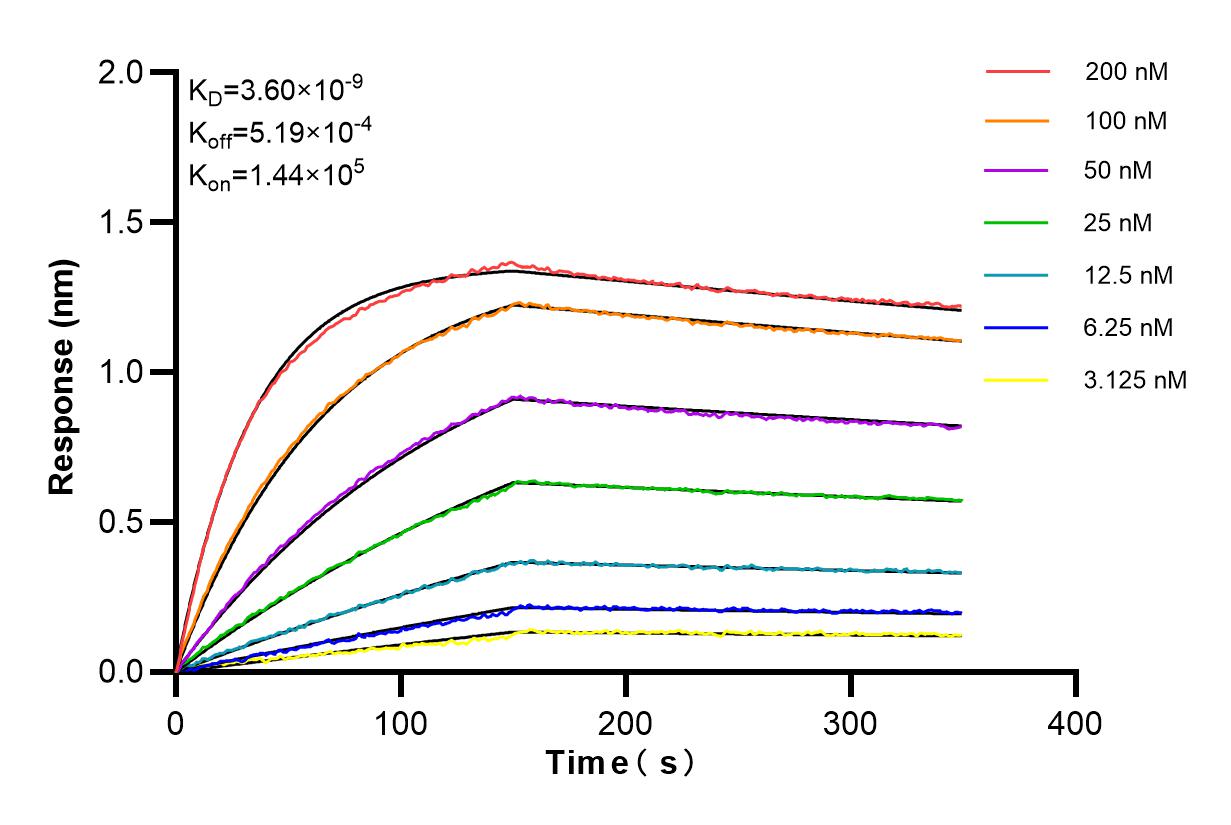
84767-3-PBS targets PSMD14/POH1 as part of a matched antibody pair:
MP01566-3: 84767-1-PBS capture and 84767-3-PBS detection (validated in Sandwich ELISA)
Unconjugated rabbit recombinant monoclonal antibody in PBS only (BSA and azide free) storage buffer at a concentration of 1 mg/mL, ready for conjugation. Created using Proteintech’s proprietary in-house recombinant technology. Recombinant production enables unrivalled batch-to-batch consistency, easy scale-up, and future security of supply.
This conjugation ready format makes antibodies ideal for use in many applications including: ELISAs, multiplex assays requiring matched pairs, mass cytometry, and multiplex imaging applications.Antibody use should be optimized by the end user for each application and assay.
| Tested Reactivity | human, mouse |
| Host / Isotype | Rabbit / IgG |
| Class | Recombinant |
| Type | Antibody |
| Immunogen |
CatNo: Ag2694 Product name: Recombinant human PSMD14 protein Source: e coli.-derived, PGEX-4T Tag: GST Domain: 1-95 aa of BC009524 Sequence: MLLNLHKKSWMEGLTLQDYSEHCKHNESVVKEMLELAKNYNKAVEEEDKMTPEQLAIKNVGKQDPKRHLEEHVDVLMTSNIVQCLAAMLDTVVFK 相同性解析による交差性が予測される生物種 |
| Full Name | proteasome (prosome, macropain) 26S subunit, non-ATPase, 14 |
| Calculated molecular weight | 35 kDa |
| Observed molecular weight | 33 kDa |
| GenBank accession number | BC009524 |
| Gene Symbol | PSMD14 |
| Gene ID (NCBI) | 10213 |
| RRID | AB_3743713 |
| Conjugate | Unconjugated |
| Form | |
| Form | Liquid |
| Purification Method | Protein A purification |
| UNIPROT ID | O00487 |
| Storage Buffer | PBS only{{ptg:BufferTemp}}7.3 |
| Storage Conditions | Store at -80°C. |
Background Information
The PSMD14 (POH1, also known as Rpn11/MPR1/S13/CepP1) protein is a metalloprotease component of the 26S proteasome that specifically cleaves 'Lys-63'-linked polyubiquitin chains. The 26S proteasome is involved in the ATP-dependent degradation of ubiquitinated proteins. PSMD14 is highly expressed in the heart and skeletal muscle. In carcinoma cell lines. down-regulation of PSMD14 by siRNA transfection had a considerable impact on cell viability causing cell arrest in the G0-G1 phase, ultimately leading to senescence.