
Validation Data Gallery
Tested Applications
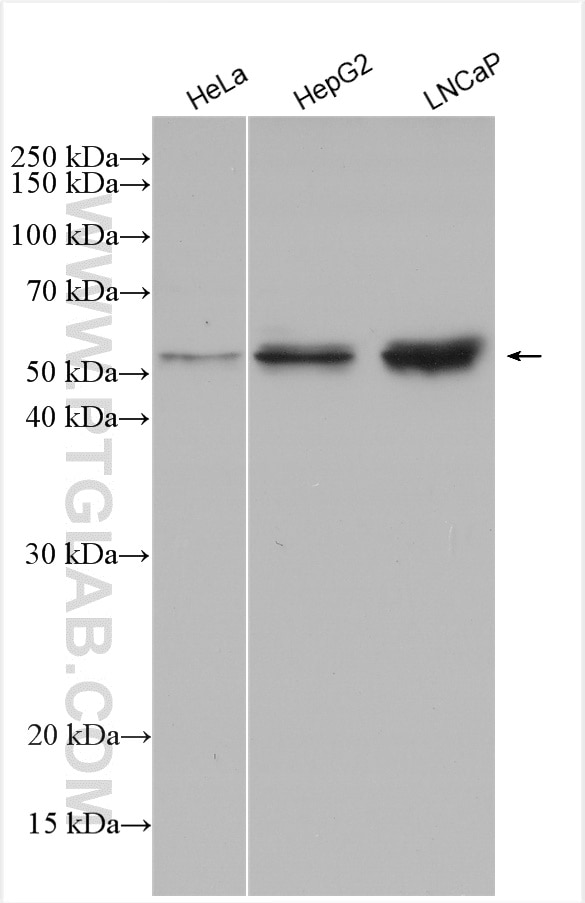
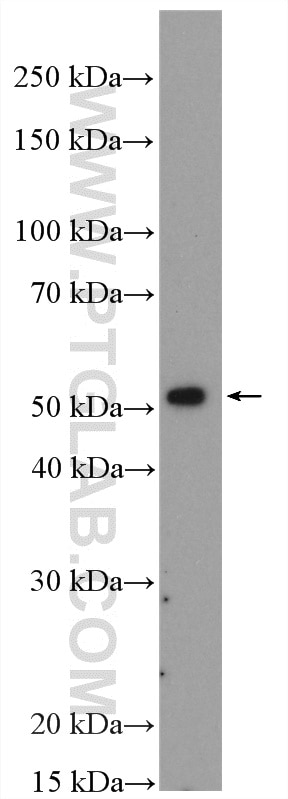
| Positive WB detected in | HeLa cells, mouse thymus tissue, HepG2 cells, LNCaP cells |
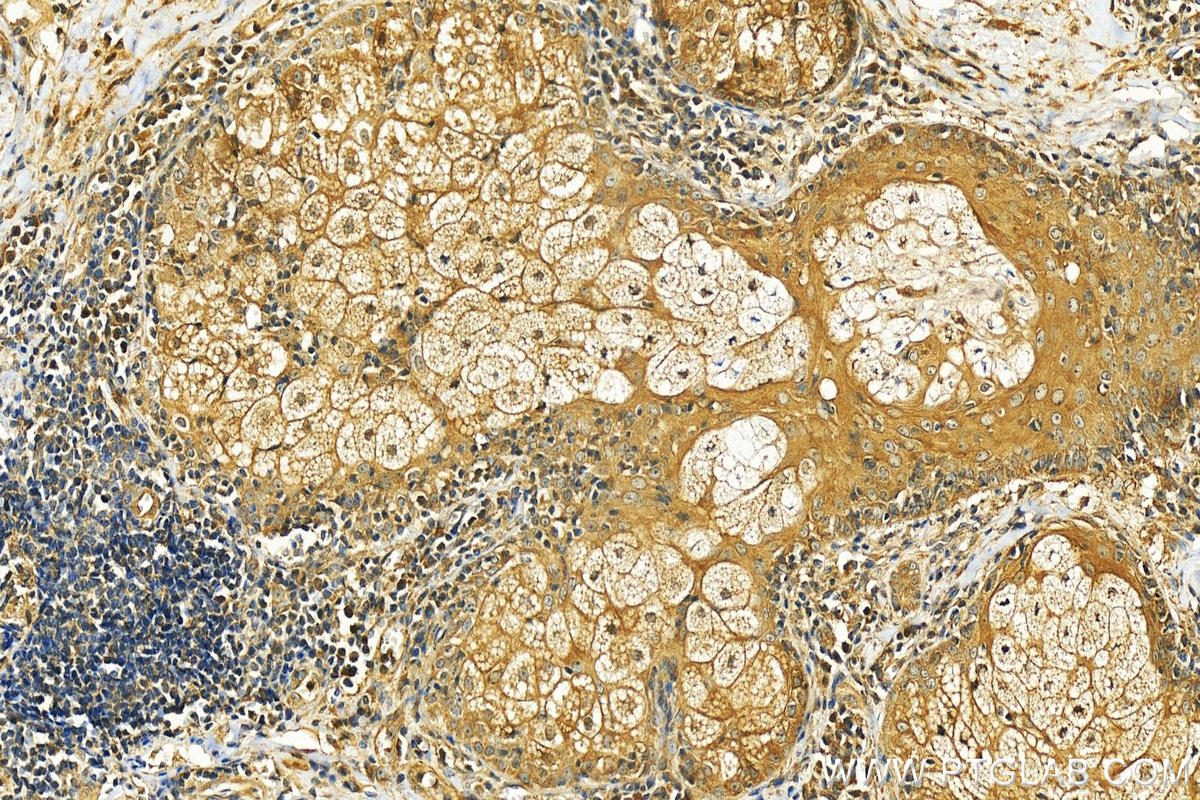
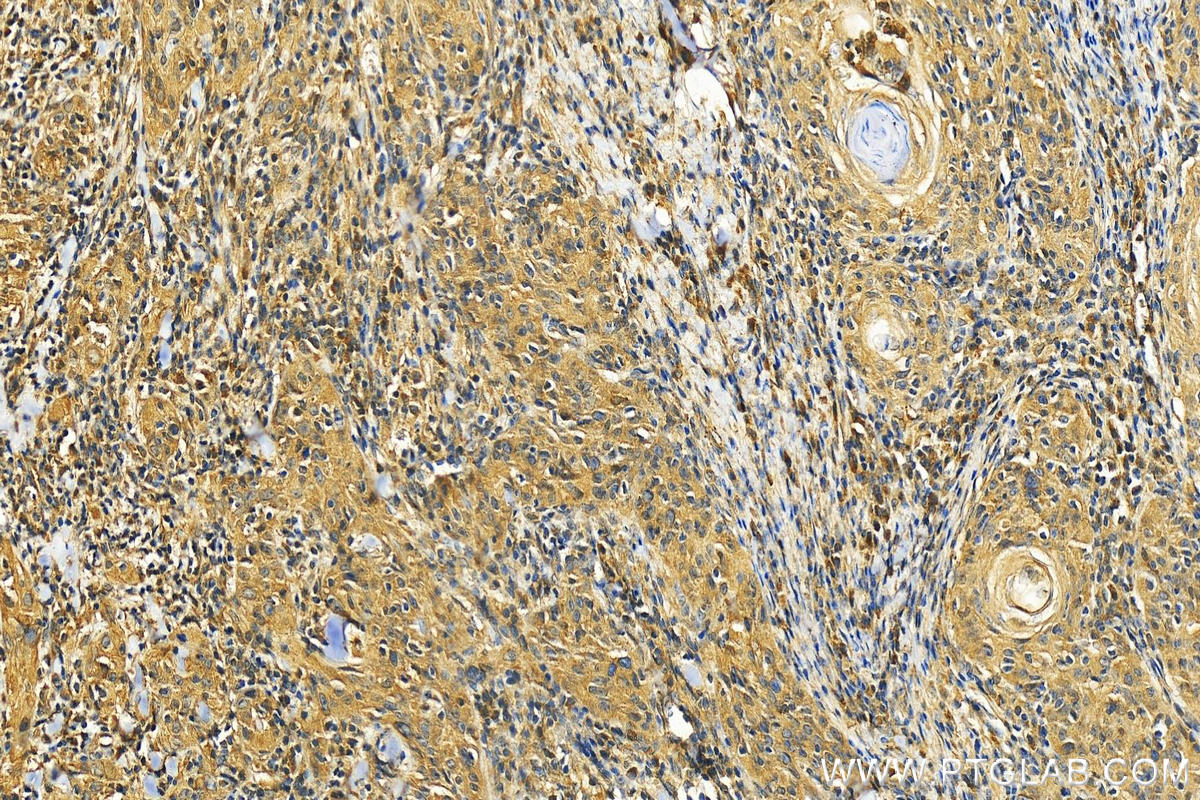
| Positive IHC detected in | human skin cancer tissue Note: suggested antigen retrieval with TE buffer pH 9.0; (*) Alternatively, antigen retrieval may be performed with citrate buffer pH 6.0 |
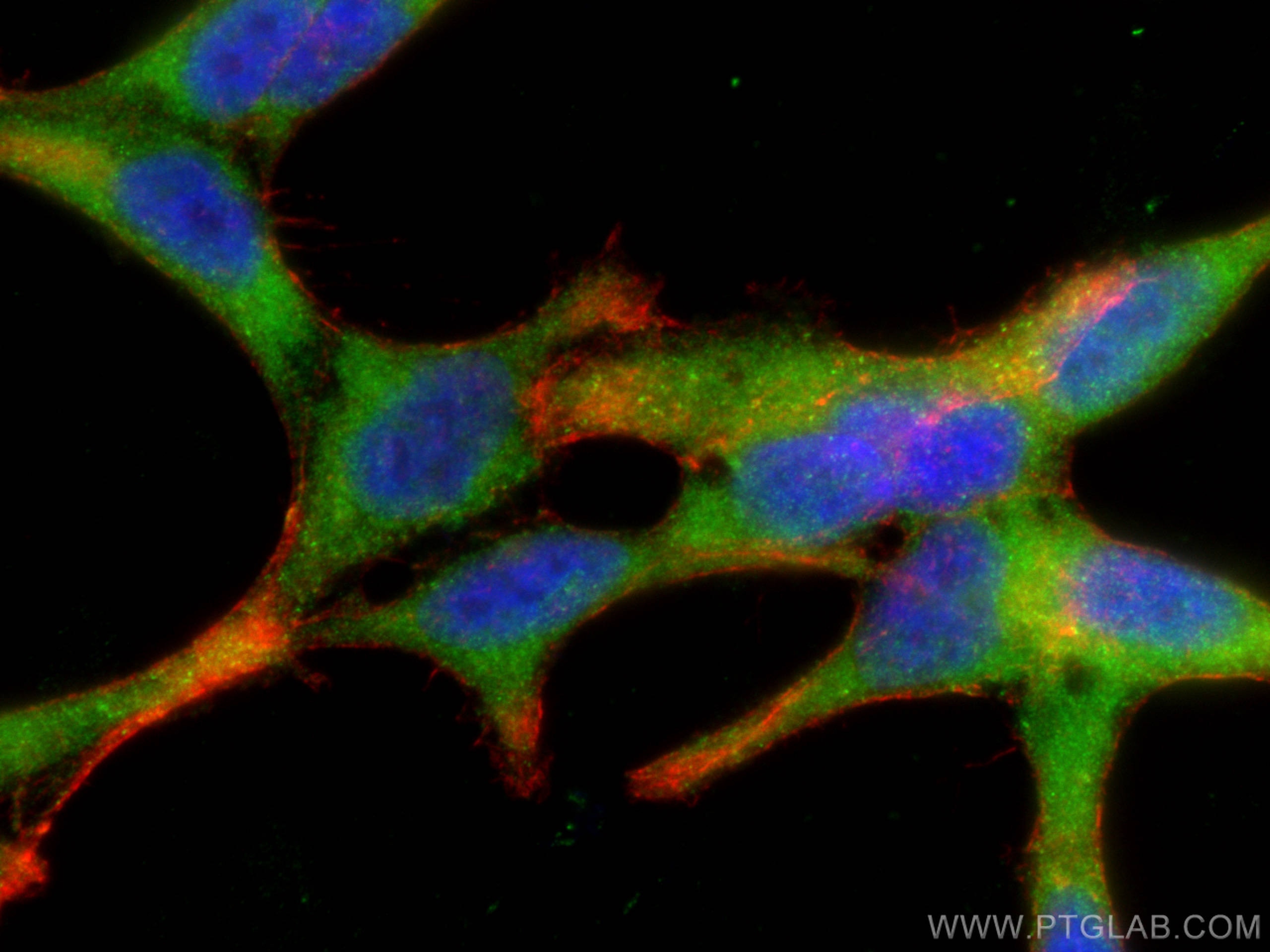
| Positive IF/ICC detected in | LNCaP cells |
Recommended dilution
| Application | Dilution |
|---|---|
| Western Blot (WB) | WB : 1:1000-1:4000 |
| Immunohistochemistry (IHC) | IHC : 1:200-1:800 |
| Immunofluorescence (IF)/ICC | IF/ICC : 1:200-1:800 |
| It is recommended that this reagent should be titrated in each testing system to obtain optimal results. | |
| Sample-dependent, Check data in validation data gallery. | |
Published Applications
| WB | See 16 publications below |
| IHC | See 3 publications below |
| IF | See 3 publications below |
Product Information
28728-1-AP targets ODC1 in WB, IHC, IF/ICC, ELISA applications and shows reactivity with human, mouse samples.
| Tested Reactivity | human, mouse |
| Cited Reactivity | human, mouse, rat, pig |
| Host / Isotype | Rabbit / IgG |
| Class | Polyclonal |
| Type | Antibody |
| Immunogen |
CatNo: Ag29751 Product name: Recombinant human ODC1 protein Source: e coli.-derived, PET28a Tag: 6*His Domain: 1-188 aa of BC025296 Sequence: MNNFGNEEFDCHFLDEGFTAKDILDQKINEVSSSDDKDAFYVADLGDILKKHLRWLKALPRVTPFYAVKCNDSKAIVKTLAATGTGFDCASKTEIQLVQSLGVPPERIIYANPCKQVSQIKYAANNGVQMMTFDSEVELMKVARAHPKAKLVLRIATDDSKAVCRLSVKFGATLRTSRLLLERAKELN 相同性解析による交差性が予測される生物種 |
| Full Name | ornithine decarboxylase 1 |
| Calculated molecular weight | 461 aa, 51 kDa |
| Observed molecular weight | 51 kDa |
| GenBank accession number | BC025296 |
| Gene Symbol | ODC1 |
| Gene ID (NCBI) | 4953 |
| RRID | AB_2881200 |
| Conjugate | Unconjugated |
| Form | |
| Form | Liquid |
| Purification Method | Antigen affinity purification |
| UNIPROT ID | P11926 |
| Storage Buffer | PBS with 0.02% sodium azide and 50% glycerol{{ptg:BufferTemp}}7.3 |
| Storage Conditions | Store at -20°C. Stable for one year after shipment. Aliquoting is unnecessary for -20oC storage. |
Background Information
Ornithine decarboxylase (ODC) is also named as ODC1 and belongs to the Orn/Lys/Arg decarboxylase class-II family. It catalyzes the conversion of ornithine to putrescine, the first step and a major site of regulation of polyamine biosynthesis. The level of ODC is known to be controlled at several sites, namely transcription, translation, and enzyme degradation. Polyamines can stimulate the degradation of ODC as a type of negative feedback control (PMID:8486633). This protein can be phosphorylated in vivo (PMID:8798774). ODC1 can form a homodimer and only the dimer is catalytically active, as the active sites are constructed of residues from both monomers (PMID: 10623504). The molecular mass of ODC1 is 51 kDa, and the homodimer is 106 kDa.
Publications
| Species | Application | Title |
|---|---|---|
Metabolism Compromised glycolysis contributes to foot process fusion of podocytes in diabetic kidney disease: Role of ornithine catabolism | ||
Cell Rep Med Inhibition of polyamine biosynthesis preserves β cell function in type 1 diabetes | ||
Mol Ther Targeting RNA Editing of Antizyme Inhibitor 1: a Potential Oligonucleotide-Based Antisense Therapy for Cancer. | ||
Phytomedicine Oleanolic acid alleviates ulcerative colitis by remodeling Th17 cells via targeting HSP90β-ODC1 pathway-mediated polyamine synthesis. | ||
Oncogene SMARCE1 promotes neuroblastoma tumorigenesis through assisting MYCN-mediated transcriptional activation | ||
Cell Prolif The heterogeneity of cellular metabolism in the tumour microenvironment of hepatocellular carcinoma with portal vein tumour thrombus |