
Validation Data Gallery
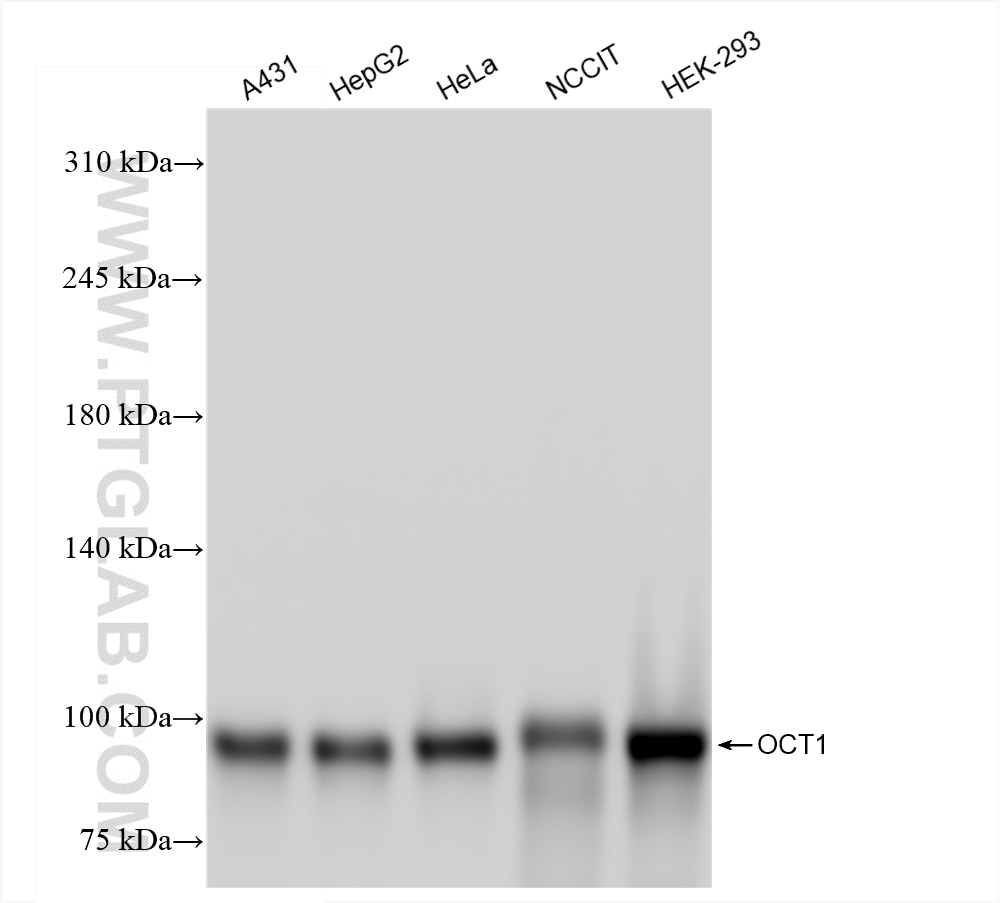
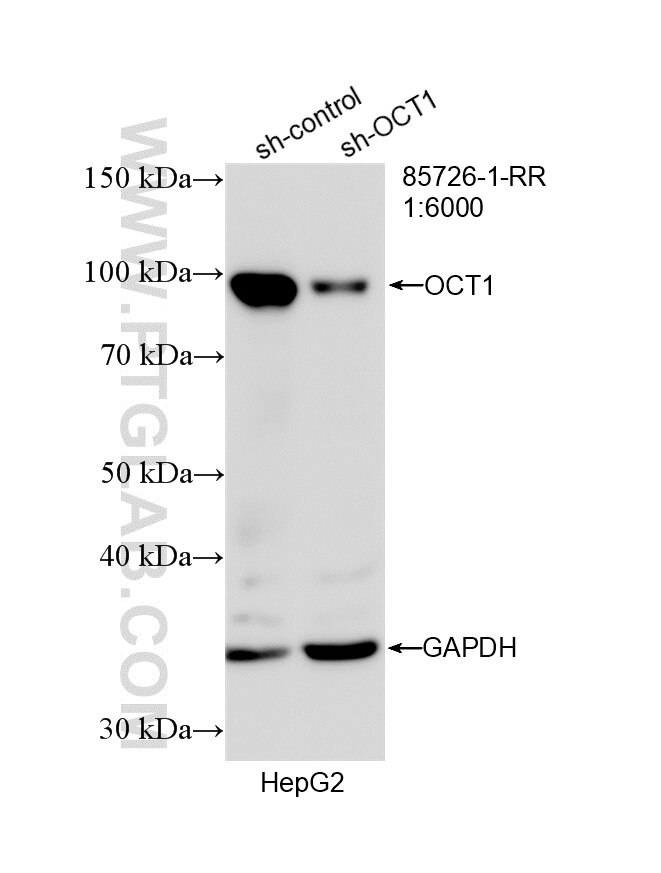
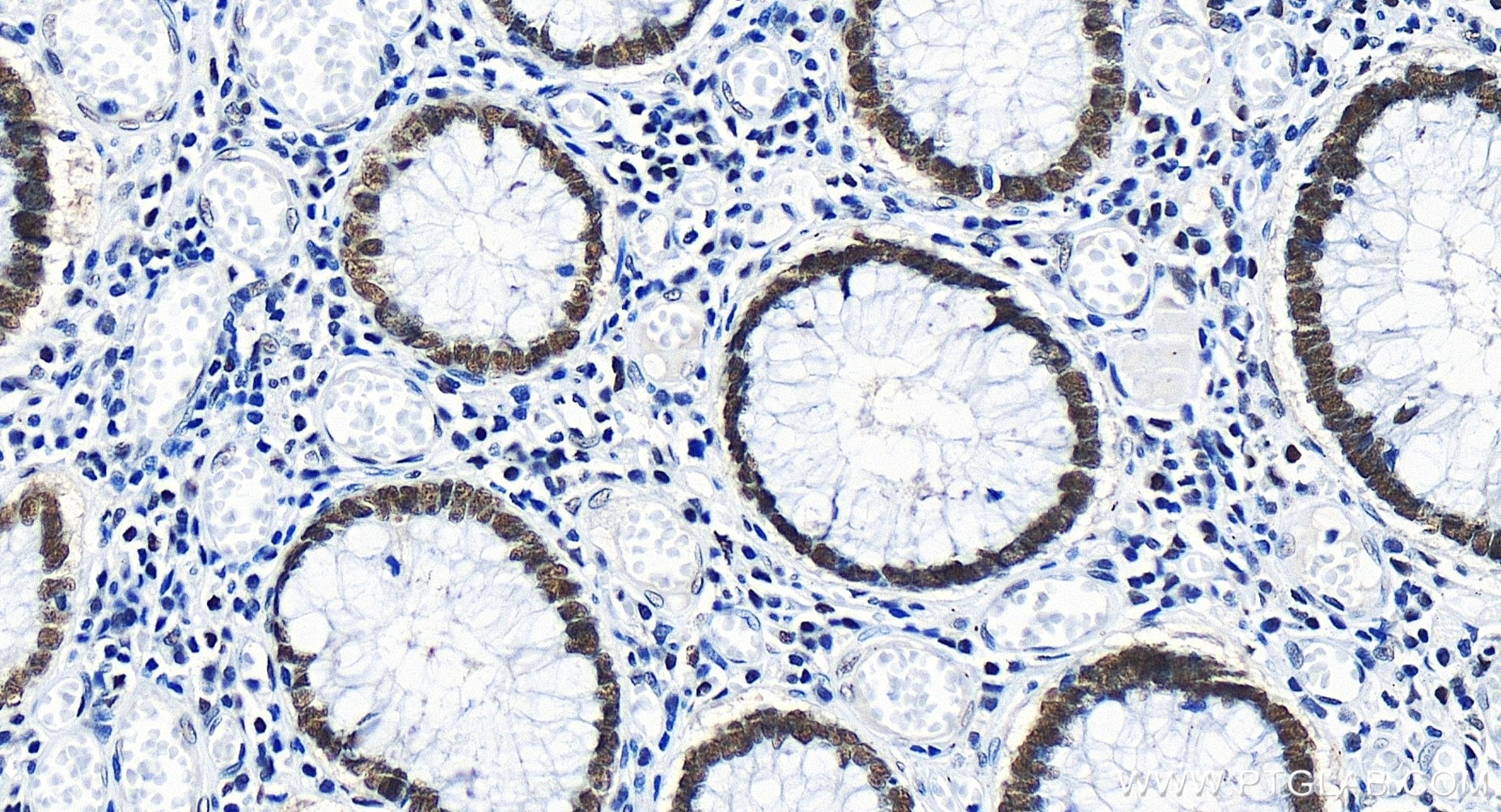
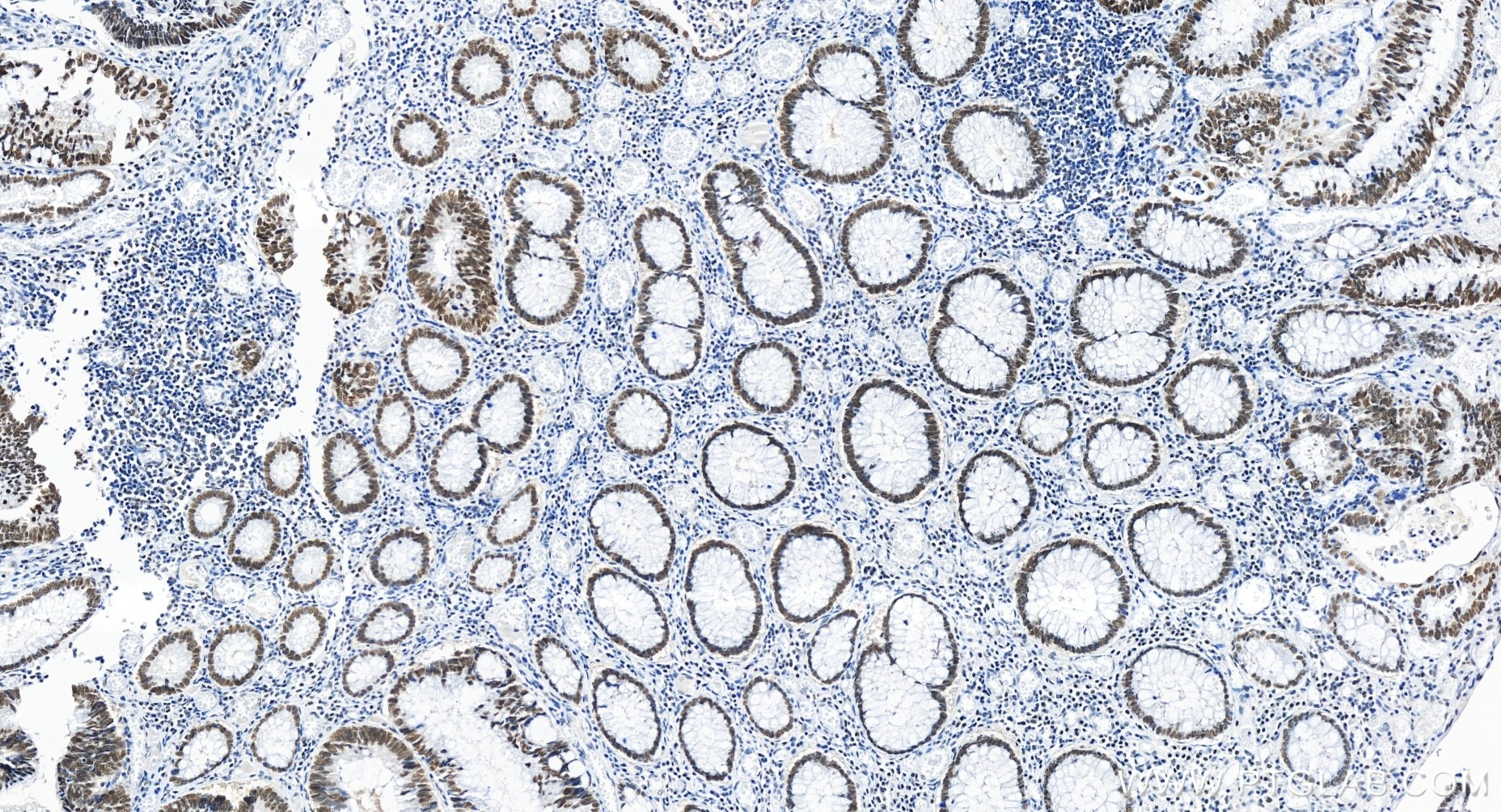
Tested Applications
Recommended dilution
| Application | Dilution |
|---|---|
| It is recommended that this reagent should be titrated in each testing system to obtain optimal results. | |
Product Information
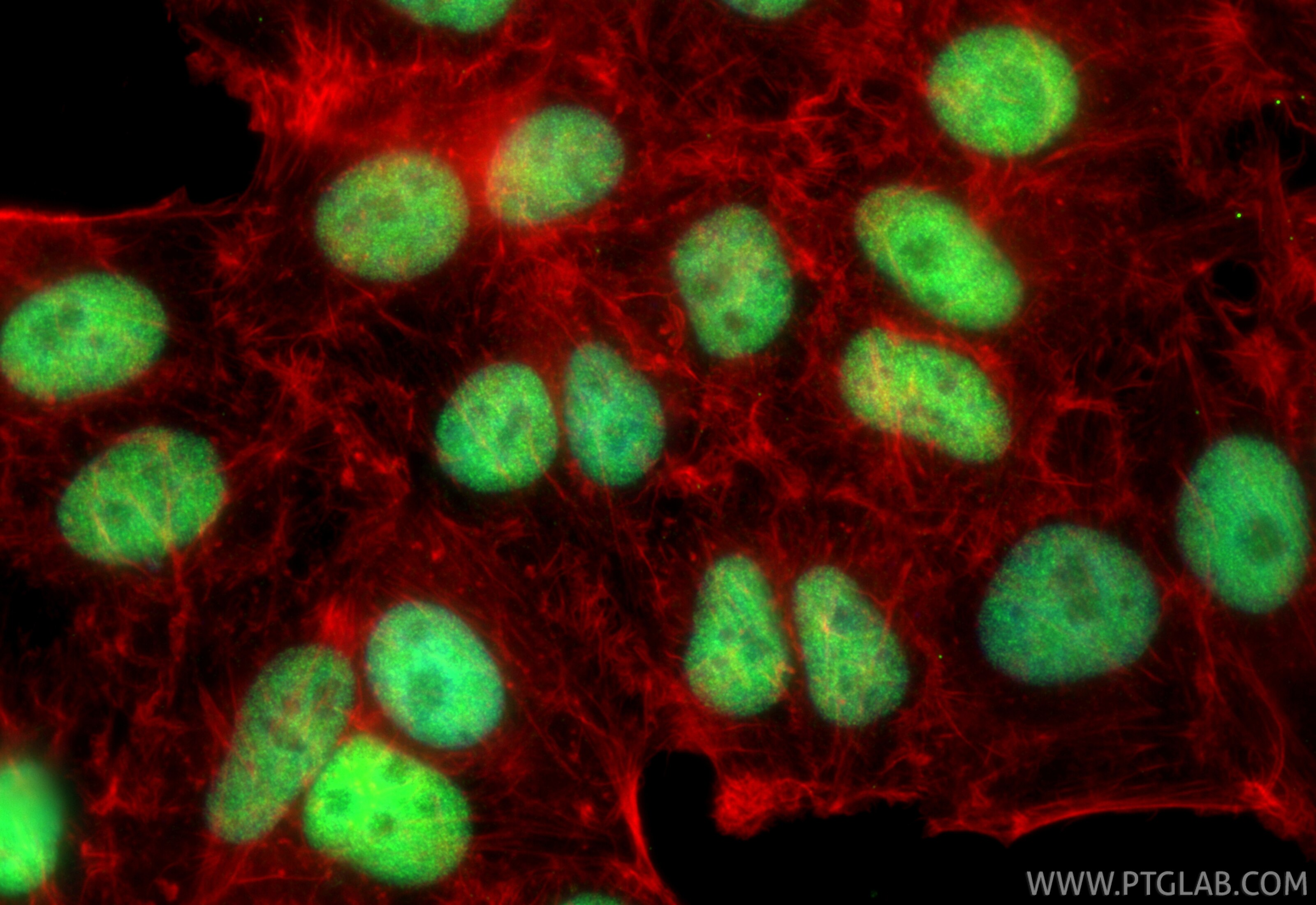
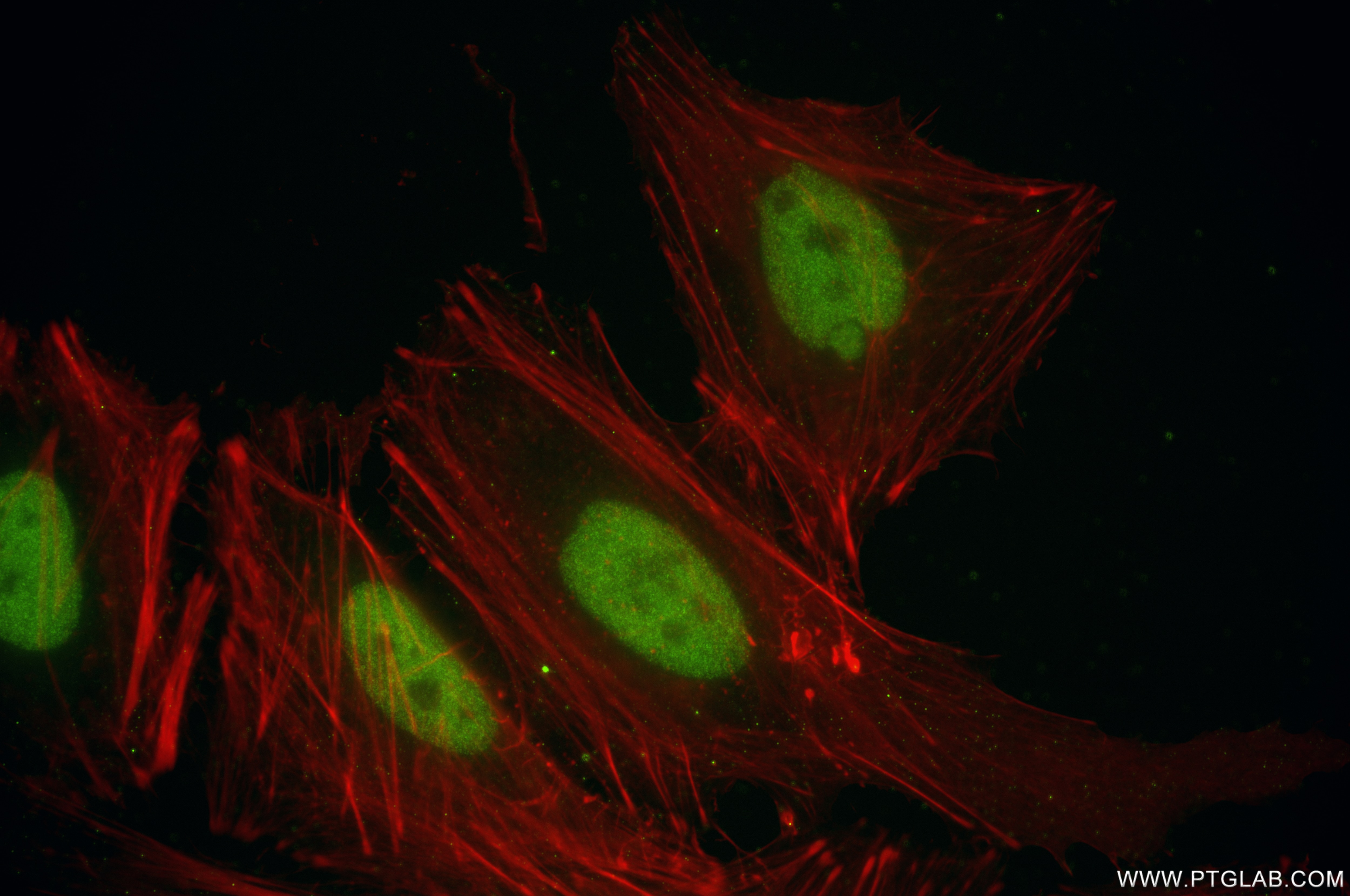
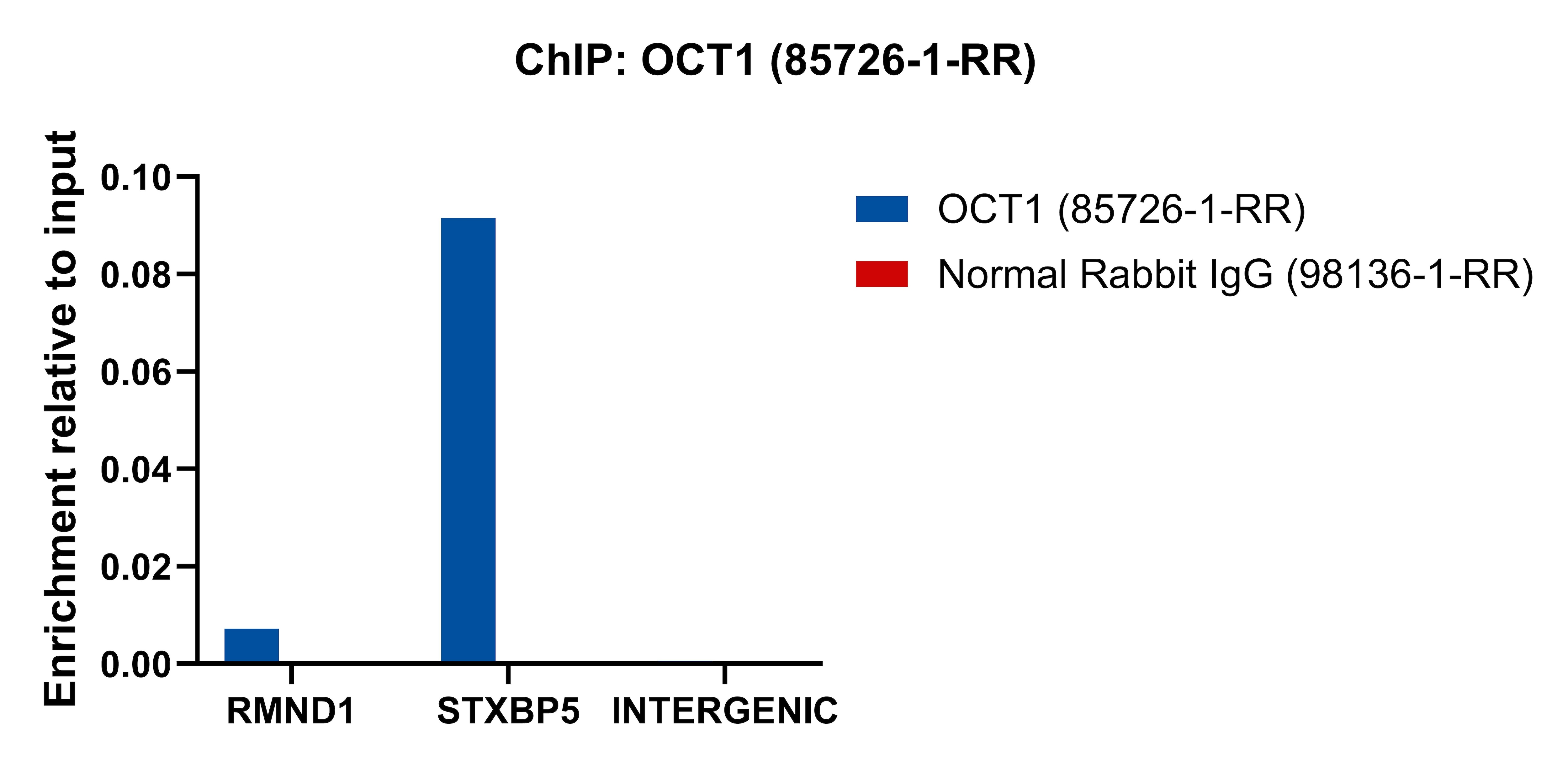
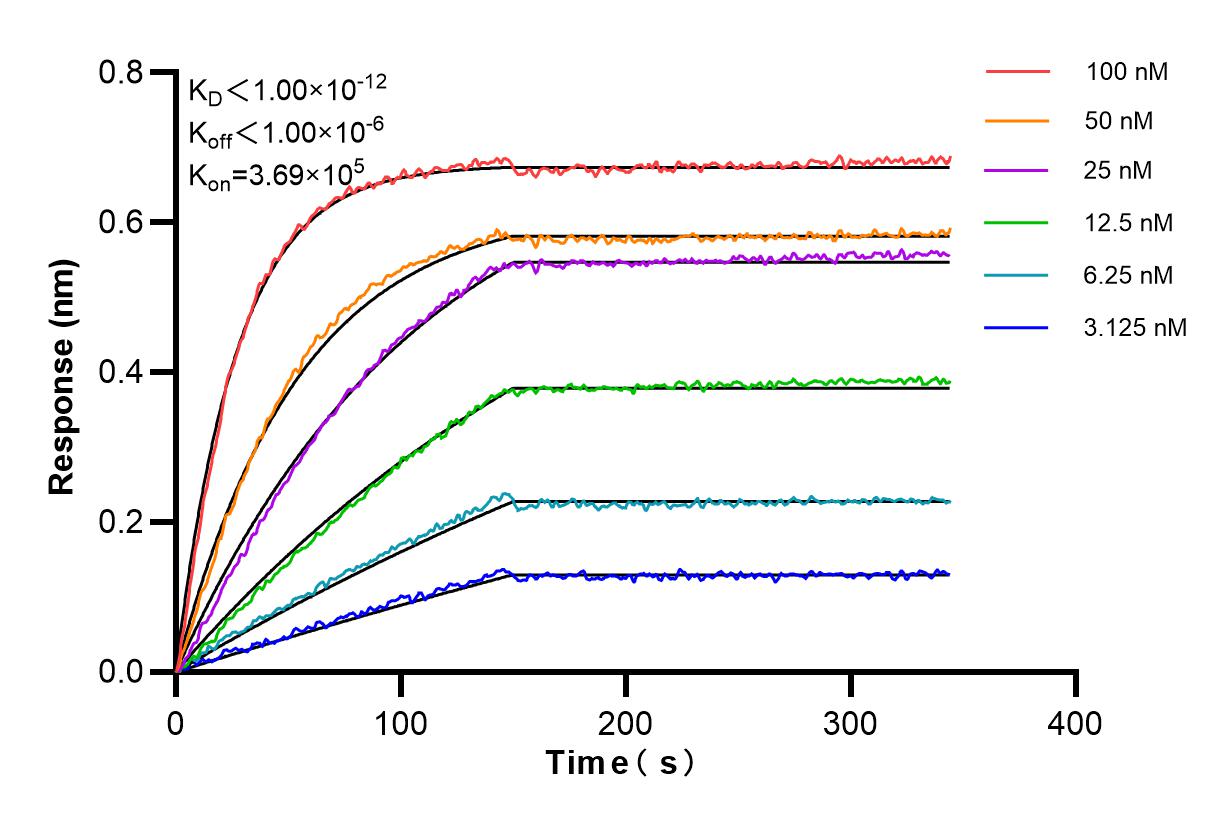
85726-1-PBS targets OCT1 in WB, IHC, IF/ICC, Indirect ELISA, ChIP-qPCR applications and shows reactivity with human samples.
| Tested Reactivity | human |
| Host / Isotype | Rabbit / IgG |
| Class | Recombinant |
| Type | Antibody |
| Immunogen |
CatNo: Ag0586 Product name: Recombinant human POU2F1 protein Source: e coli.-derived, PGEX-4T Tag: GST Domain: 379-659 aa of BC003571 Sequence: RRKKRTSIETNIRVALEKSFLENQKPTSEEITMIADQLNMEKEVIRVWFCNRRQKEKRINPPSSGGTSSSPIKAIFPSPTSLVATTPSLVTSSAATTLTVSPVLPLTSAAVTNLSVTGTSDTTSNNTATVISTAPPASSAVTSPSLSPSPSASASTSEASSASETSTTQTTSTPLSSPLGTSQVMVTASGLQTAAAAALQGAAQLPANASLAAMAAAAGLNPSLMAPSQFAAGGALLSLNPGTLSGALSPALMSNSTLATIQALASGGSLPITSLDATGNL 相同性解析による交差性が予測される生物種 |
| Full Name | POU class 2 homeobox 1 |
| Calculated molecular weight | 76 kDa |
| Observed molecular weight | 90 kDa |
| GenBank accession number | BC003571 |
| Gene Symbol | POU2F1 |
| Gene ID (NCBI) | 5451 |
| RRID | AB_3744323 |
| Conjugate | Unconjugated |
| Form | |
| Form | Liquid |
| Purification Method | Protein A purification |
| UNIPROT ID | P14859 |
| Storage Buffer | PBS only{{ptg:BufferTemp}}7.3 |
| Storage Conditions | Store at -80°C. |
Background Information
The POU class 2 homeobox 1 (POU2F1), also known as octamer-binding transcription factor-1 (OCT-1), is a ubiquitous nuclear protein that regulates the transcription of target genes by binding to a cis-acting octamer element(5'-ATTTGCAT-3'). It participated in the regulation of housekeeping genes, including histone H2B and snRNAs, for cell differentiation and proliferation [PMID:3462701]. In addition, it functions as a cellular stress sensor that modulates activities of tissue-specific target genes involved in immune and inflammatory responses [PMID:16322220]. It also acts as a repressor for the cytokine-inducible, NF-kB-dependent expression of E-selectin and the vascular cell adhesion molecule during vascular inflammation. Otherwise, it can interact with nuclear hormone receptors, such as the retinoid X receptor, the thyroid hormone receptor and the glucocorticoid receptor, and influence their transcription activity[PMID:17192276].