
Validation Data Gallery
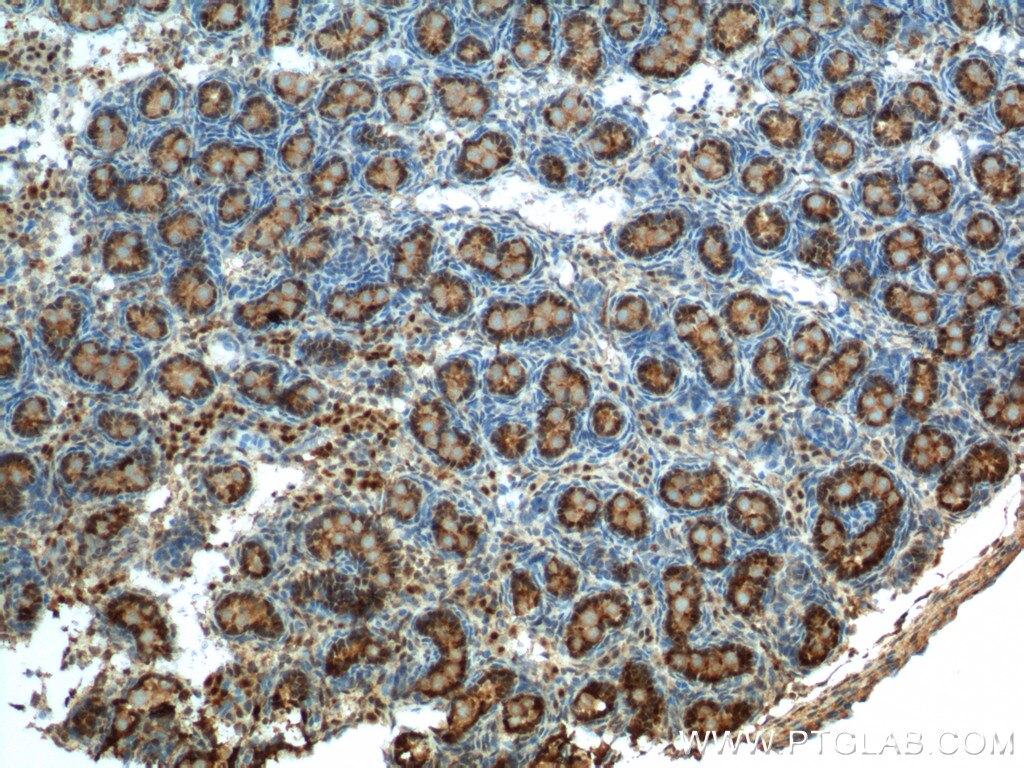
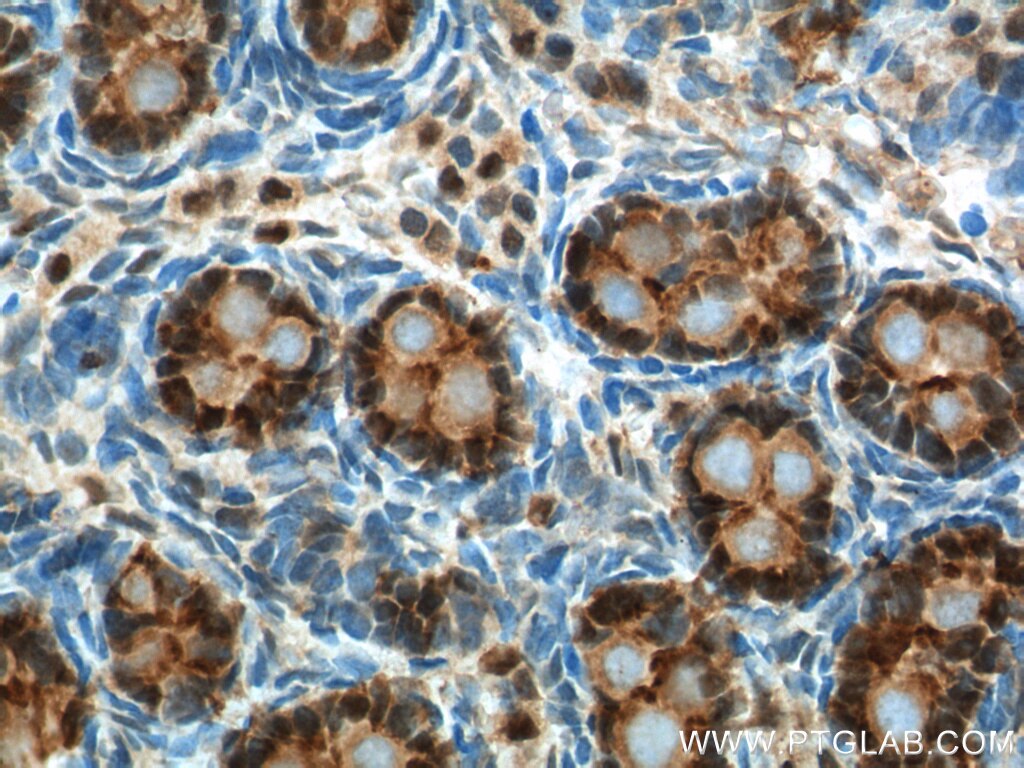
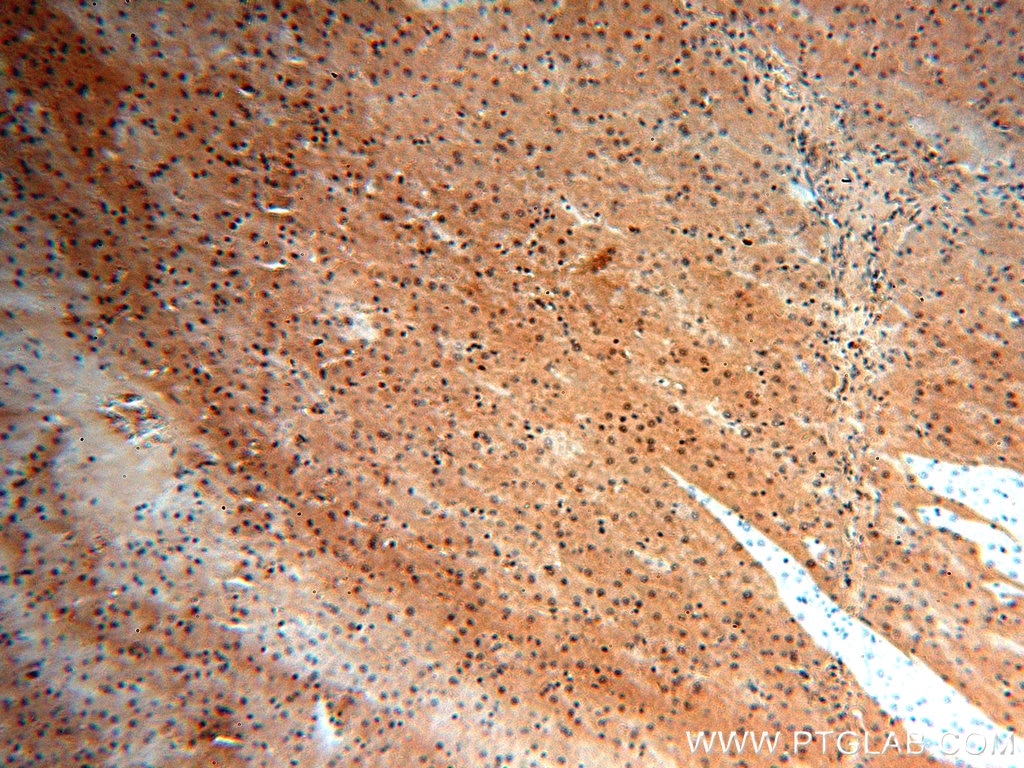
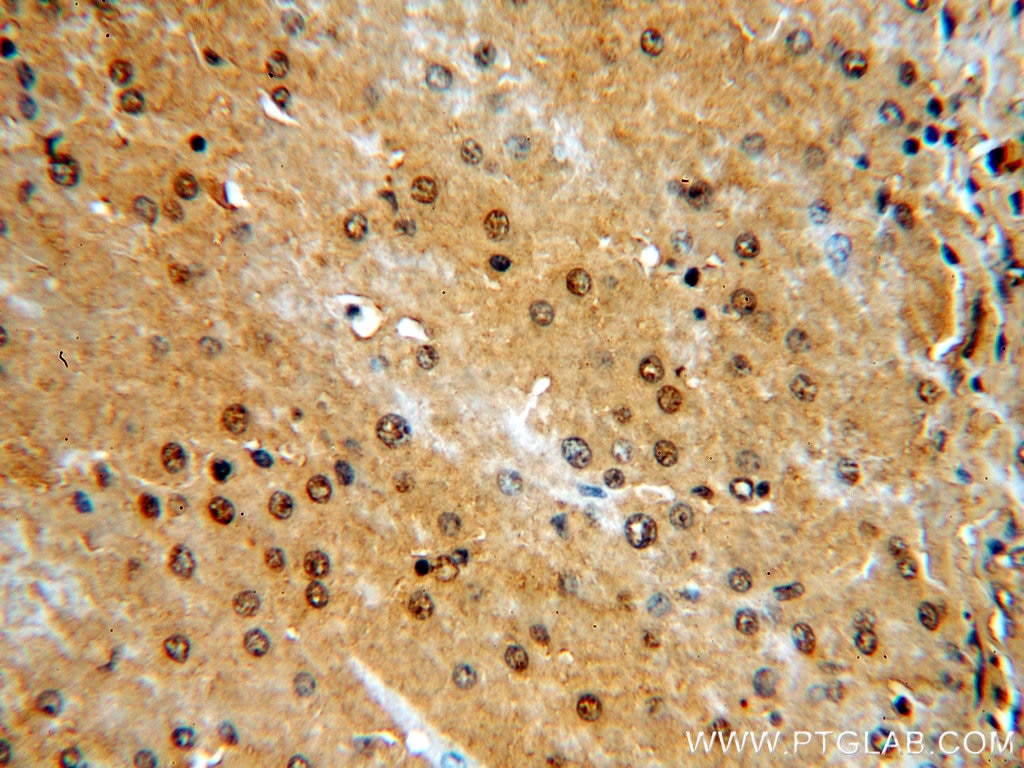
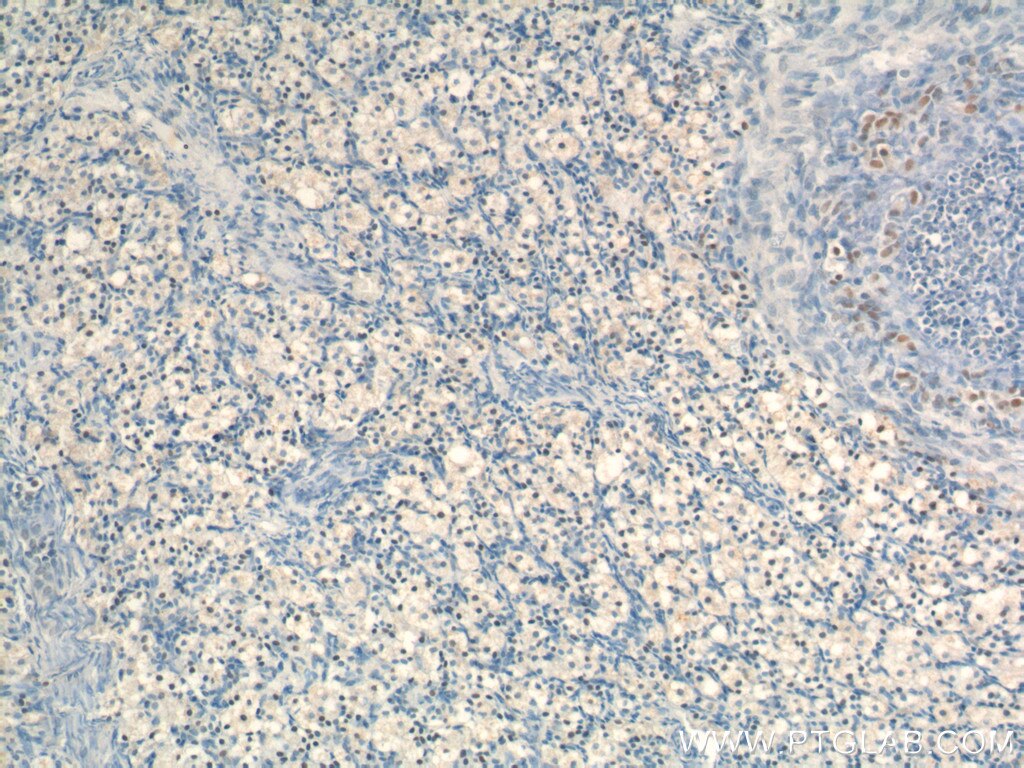
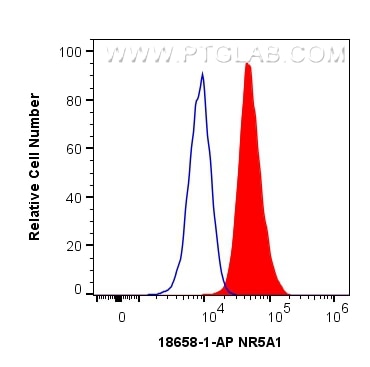
Tested Applications
Recommended dilution
| Application | Dilution |
|---|---|
| It is recommended that this reagent should be titrated in each testing system to obtain optimal results. | |
Product Information
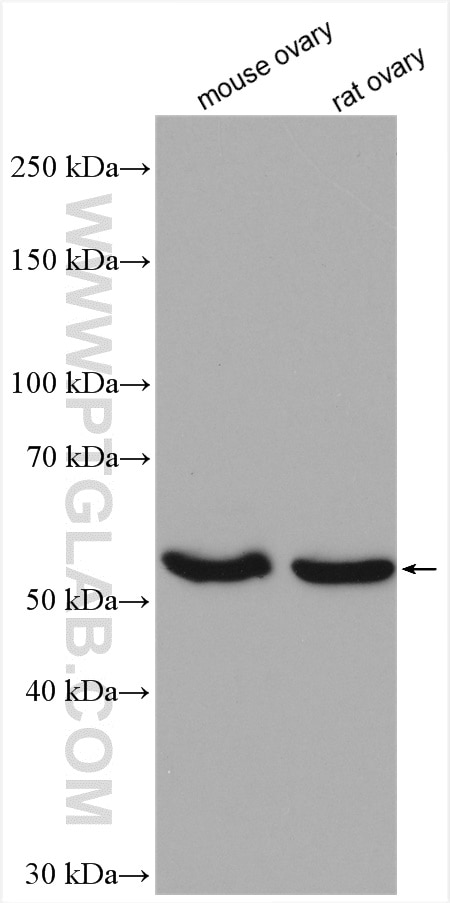
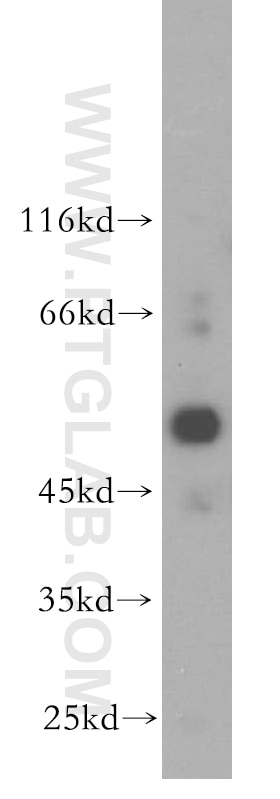
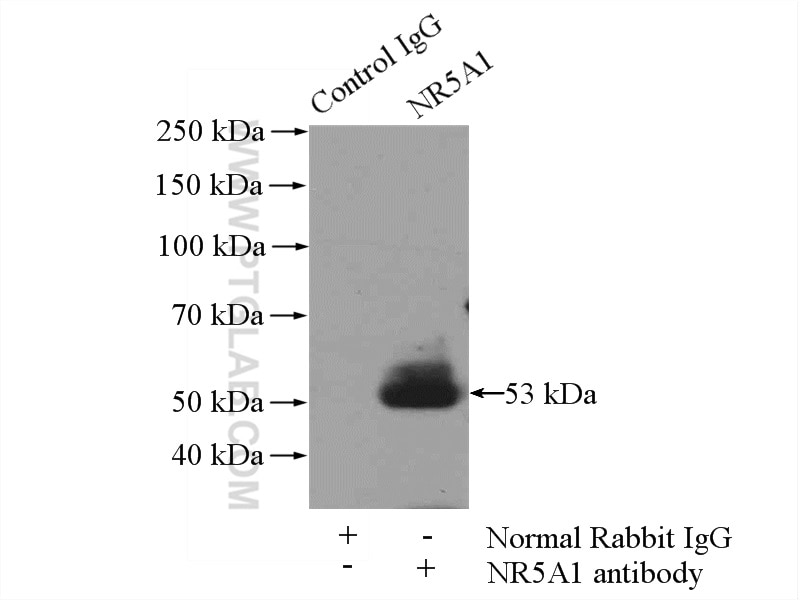
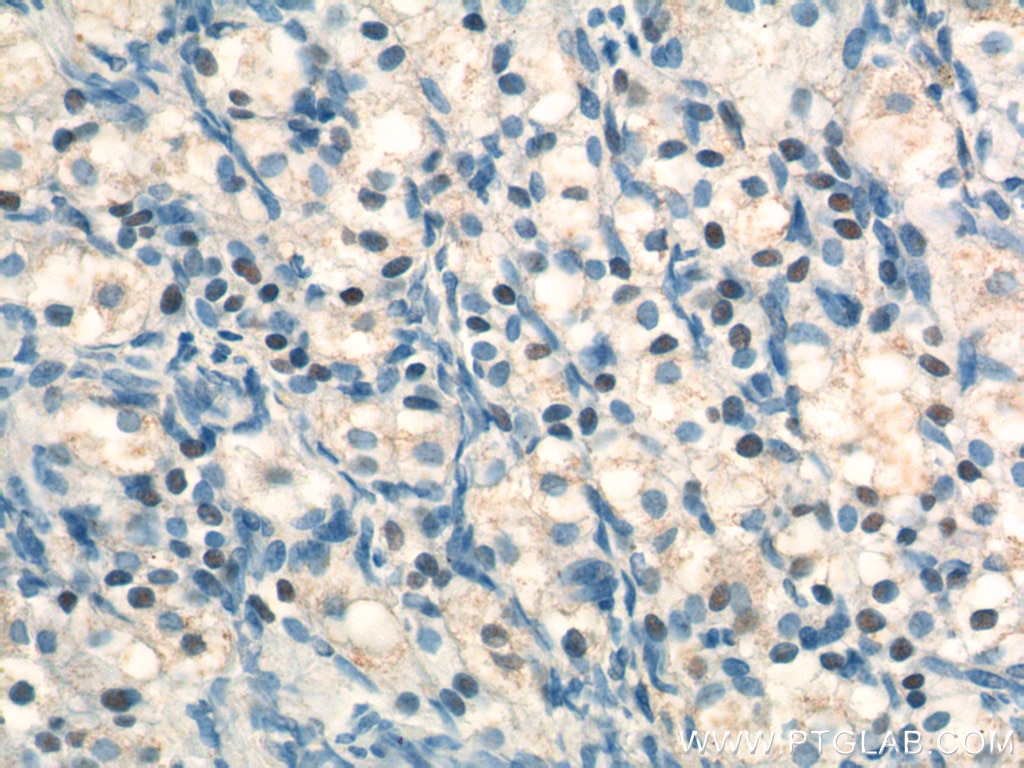
18658-1-PBS targets NR5A1 in WB, IHC, FC (Intra), IP, Indirect ELISA applications and shows reactivity with human, mouse, rat samples.
| Tested Reactivity | human, mouse, rat |
| Host / Isotype | Rabbit / IgG |
| Class | Polyclonal |
| Type | Antibody |
| Immunogen |
CatNo: Ag13252 Product name: Recombinant human NR5A1 protein Source: e coli.-derived, PET28a Tag: 6*His Domain: 1-349 aa of BC032501 Sequence: MDYSYDEDLDELCPVCGDKVSGYHYGLLTCESCKGFFKRTVQNNKHYTCTESQSCKIDKTQRKRCPFCRFQKCLTVGMRLEAVRADRMRGGRNKFGPMYKRDRALKQQKKAQIRANGFKLETGPPMGVPPPPPPAPDYVLPPSLHGPEPKGLAAGPPAGPLGDFGAPALPMAVPGAHGPLAGYLYPAFPGRAIKSEYPEPYASPPQPGLPYGYPEPFSGGPNVPELILQLLQLEPDEDQVRARILGCLQEPTKSRPDQPAAFGLLCRMADQTFISIVDWARRCMVFKELEVADQMTLLQNCWSELLVFDHIYRQVQHGKEGSILLVTGQEVELTTVATQAGSLLHSLVL 相同性解析による交差性が予測される生物種 |
| Full Name | nuclear receptor subfamily 5, group A, member 1 |
| Calculated molecular weight | 52 kDa |
| Observed molecular weight | 52 kDa |
| GenBank accession number | BC032501 |
| Gene Symbol | NR5A1 |
| Gene ID (NCBI) | 2516 |
| RRID | AB_10596916 |
| Conjugate | Unconjugated |
| Form | |
| Form | Liquid |
| Purification Method | Antigen affinity purification |
| UNIPROT ID | Q13285 |
| Storage Buffer | PBS only{{ptg:BufferTemp}}7.3 |
| Storage Conditions | Store at -80°C. |
Background Information
Steroidogenic factor-1 (SF-1,STF-1), also known as NR5A1, regulates multiple genes involved in the adrenal and gonadal development and in the biosynthesis of a variety of hormones, including adrenal and gonadal steroids, anti-Mullerian hormone (AMH), and gonadotropins. SF-1 belongs to the fushi tarazu factor-1 (FTZ-F1) subfamily of orphan nuclear receptors. Initially identified as a tissue-specific transcriptional regulator of cytochrome P450 steroid hydroxylases, research studies of both global and tissue-specific knockout mice have demonstrated that SF-1 is required for the development of adrenal glands, gonads, ventromedial hypothalamus, and for the proper functioning of pituitary gonadotropes. Indeed, humans with mutations that render SF-1 transcriptionally inactive can present with testicular failure, ovarian failure, and adrenal insufficiency. Furthermore, dysregulation of SF-1 has been linked to diseases such as endometriosis and adrenocortical carcinoma.Like other nuclear hormone receptors, SF-1 has a modular domain structure composed of an N-terminal zinc finger DNA-binding domain, a ligand-binding domain, a C-terminal AF-2 activation domain, and a hinge region with AF-1-like activation activity. SF-1 also contains a fushi tarazu factor 1 box, which functions as an accessory DNA binding domain. SF-1 is primarily phosphorylated at Ser203, which is thought to enhance its transcriptional activity by promoting complex formation with transcriptional cofactors. In addition to phosphorylation at Ser203, SF-1 is subject to SUMO conjugation and acetylation at ε-amino groups of target lysine residues. Whereas SUMOylation represses SF-1 function, acetylation enhances its transcriptional activity.In the adult ovary, SF-1 localizes to theca/interstitial cells.