
Validation Data Gallery
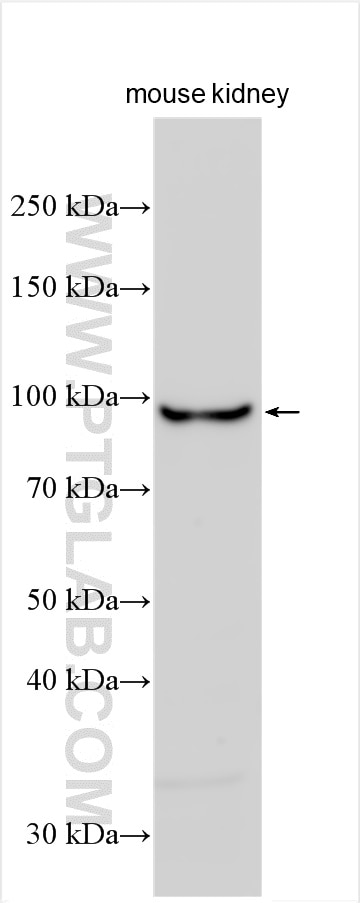
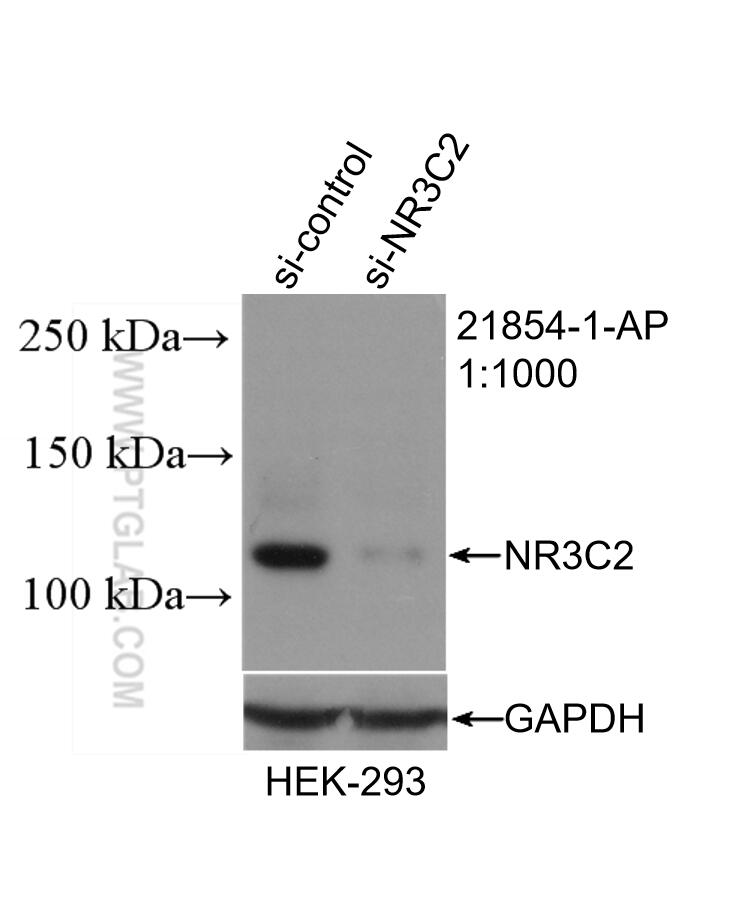
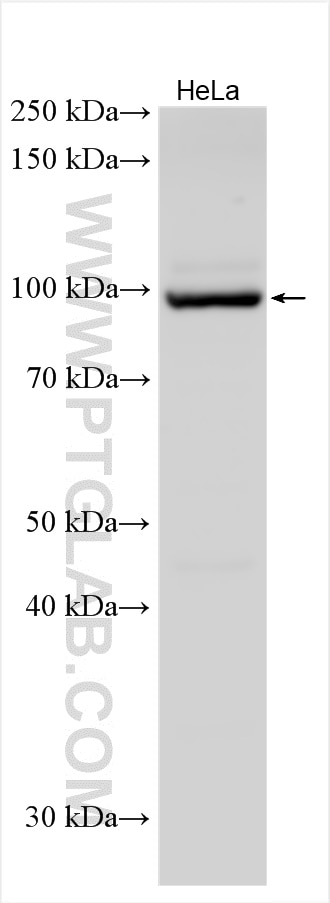
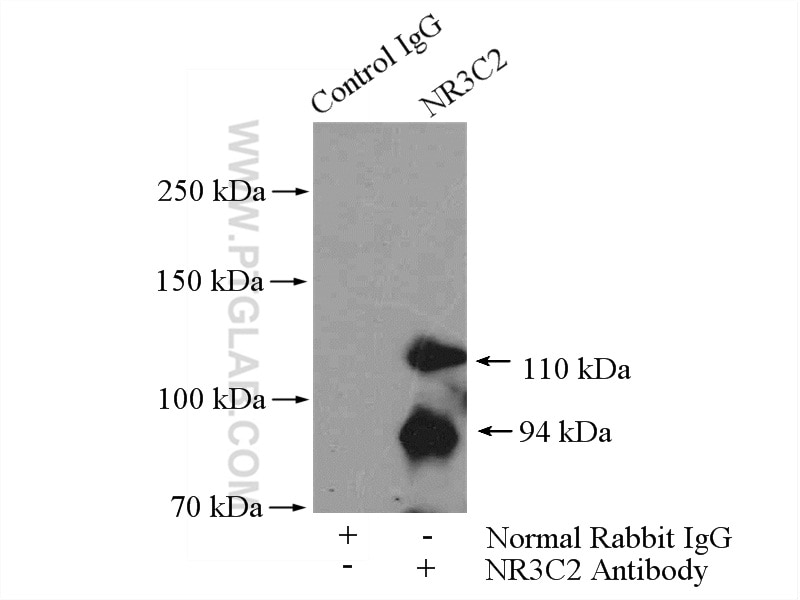
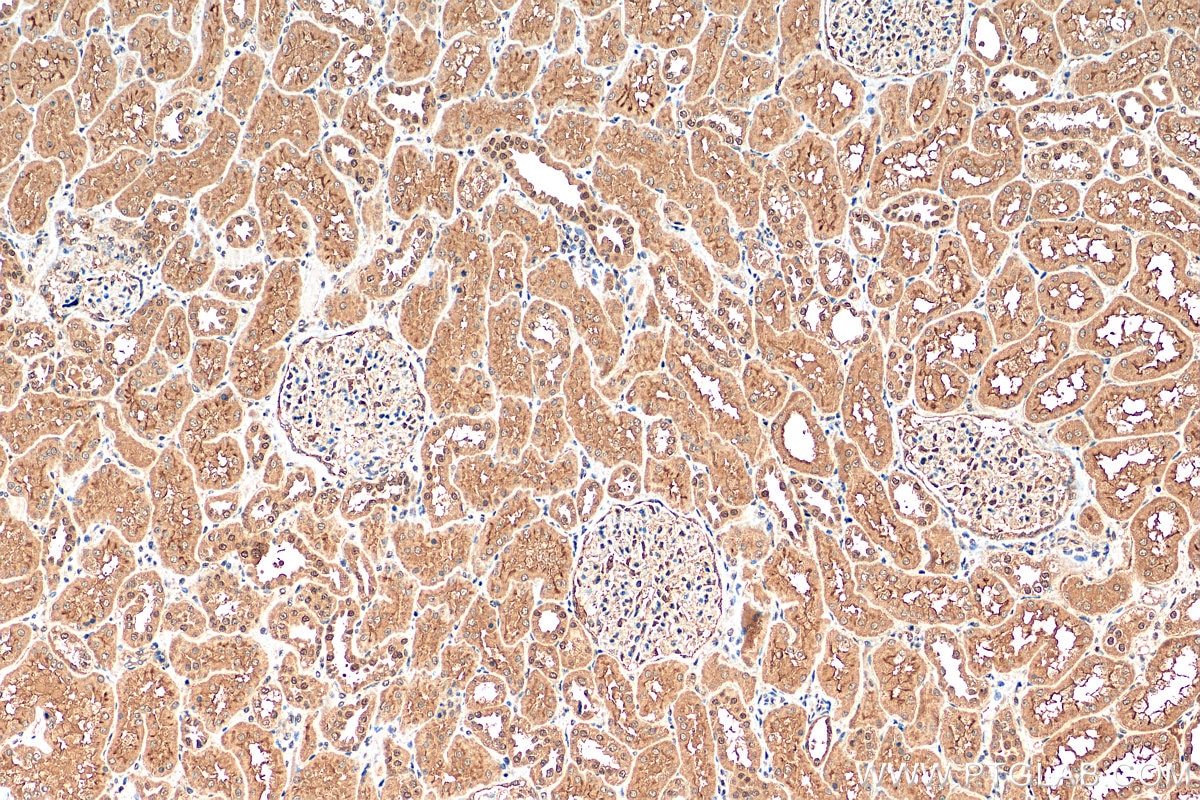
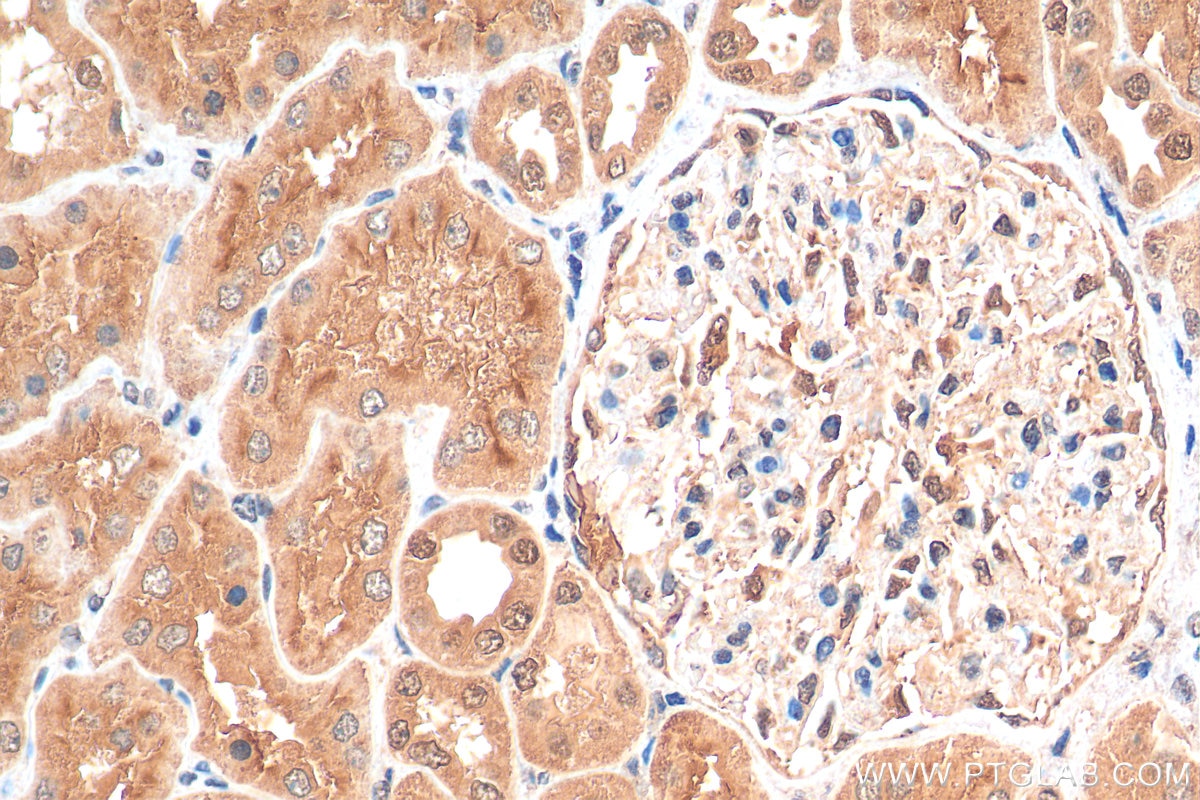
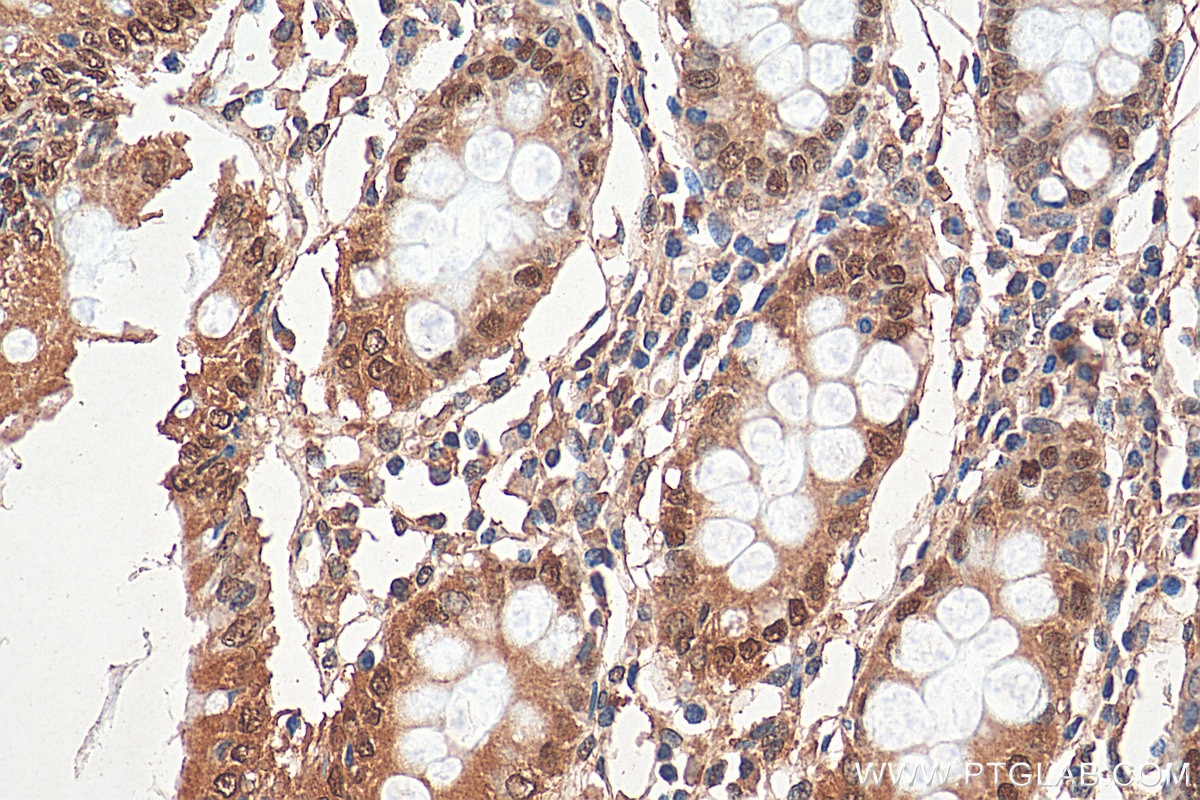
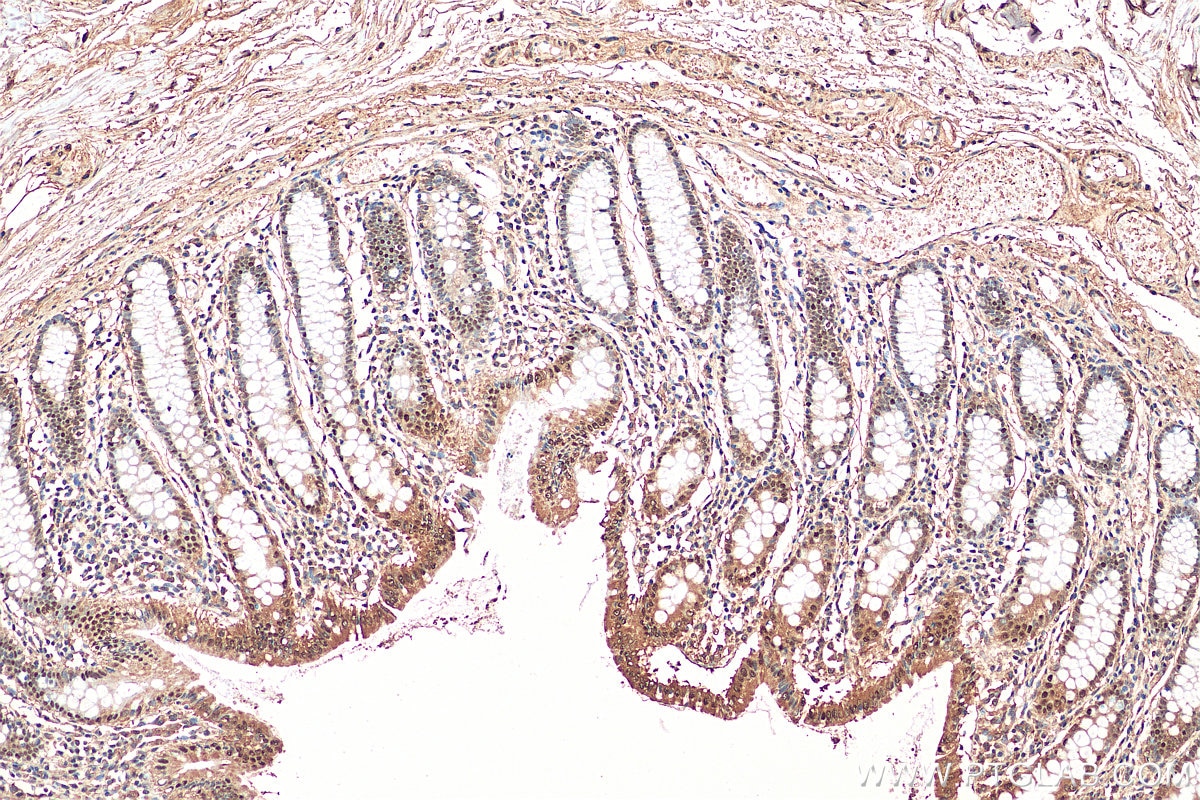

Tested Applications
Recommended dilution
| Application | Dilution |
|---|---|
| It is recommended that this reagent should be titrated in each testing system to obtain optimal results. | |
Product Information
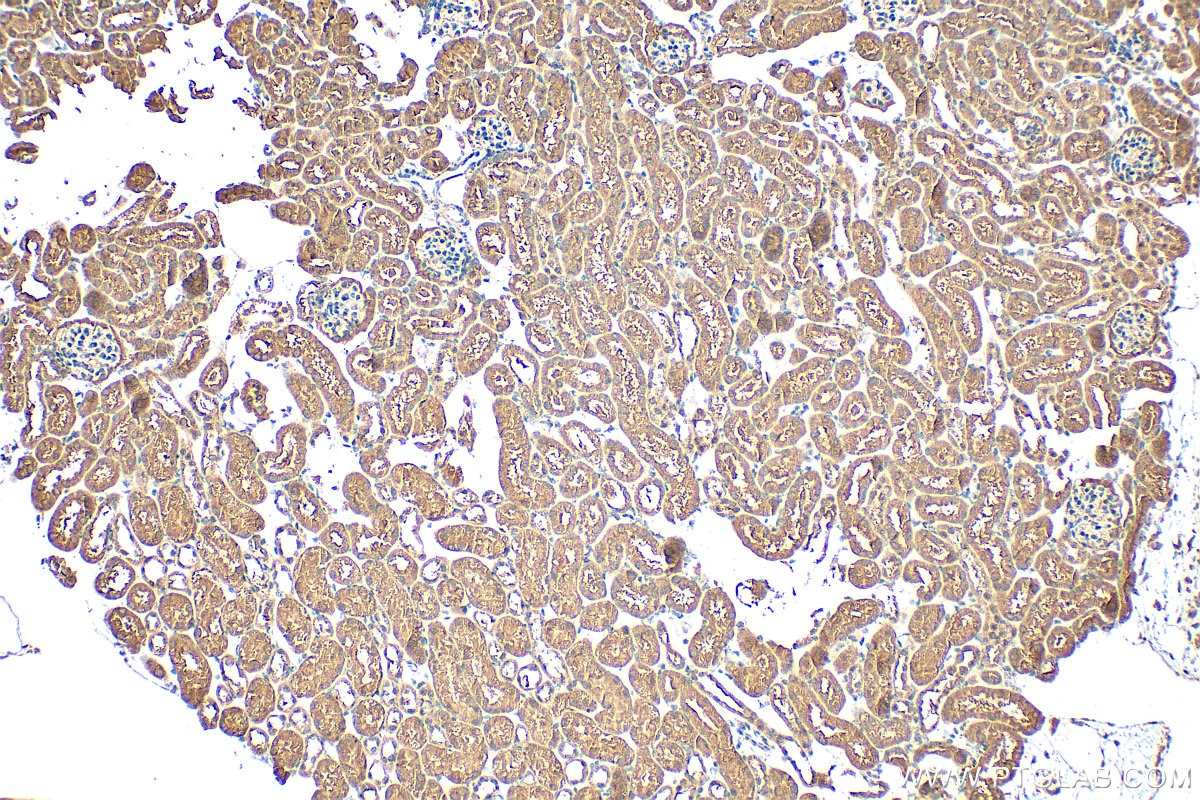
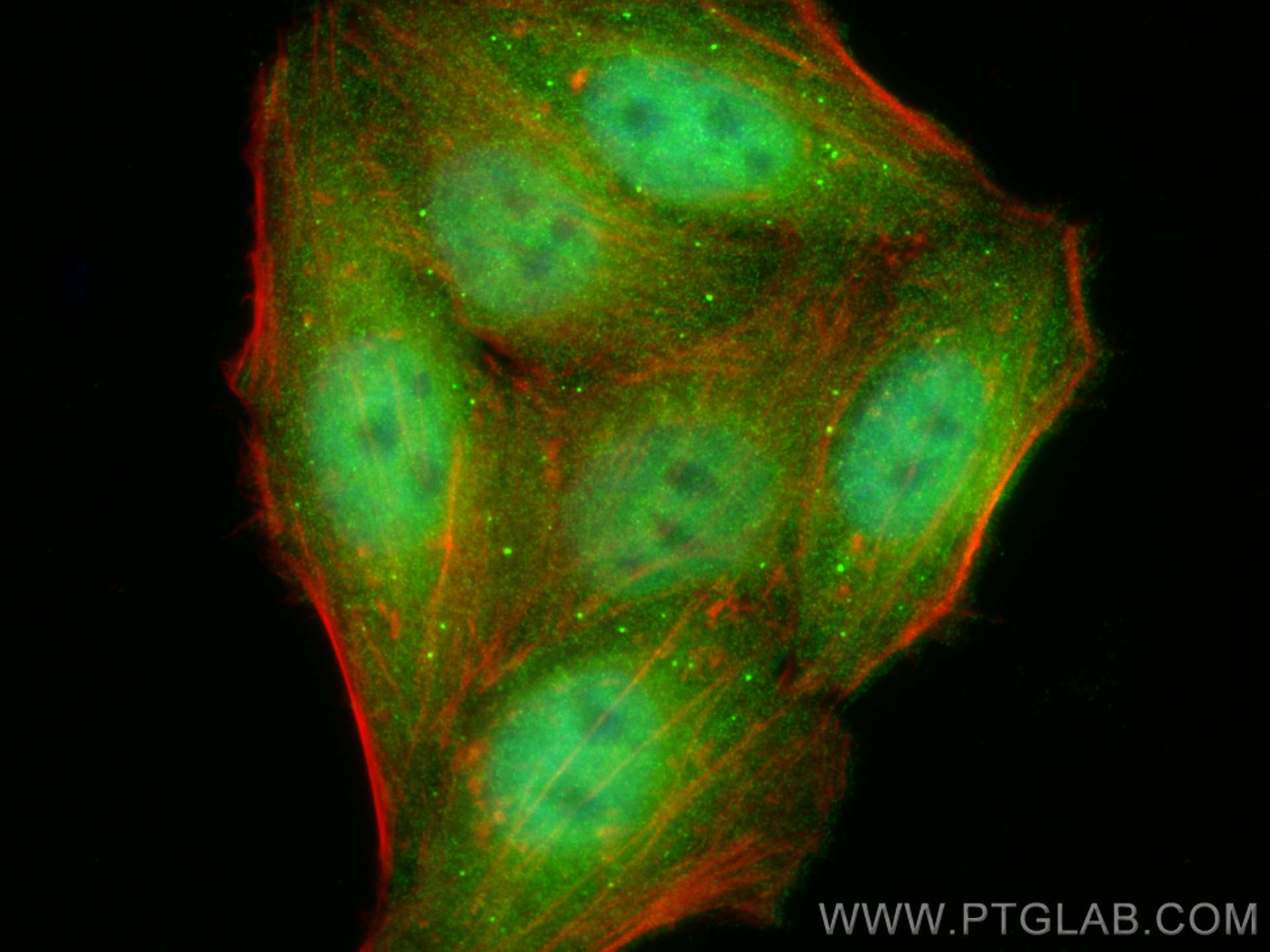
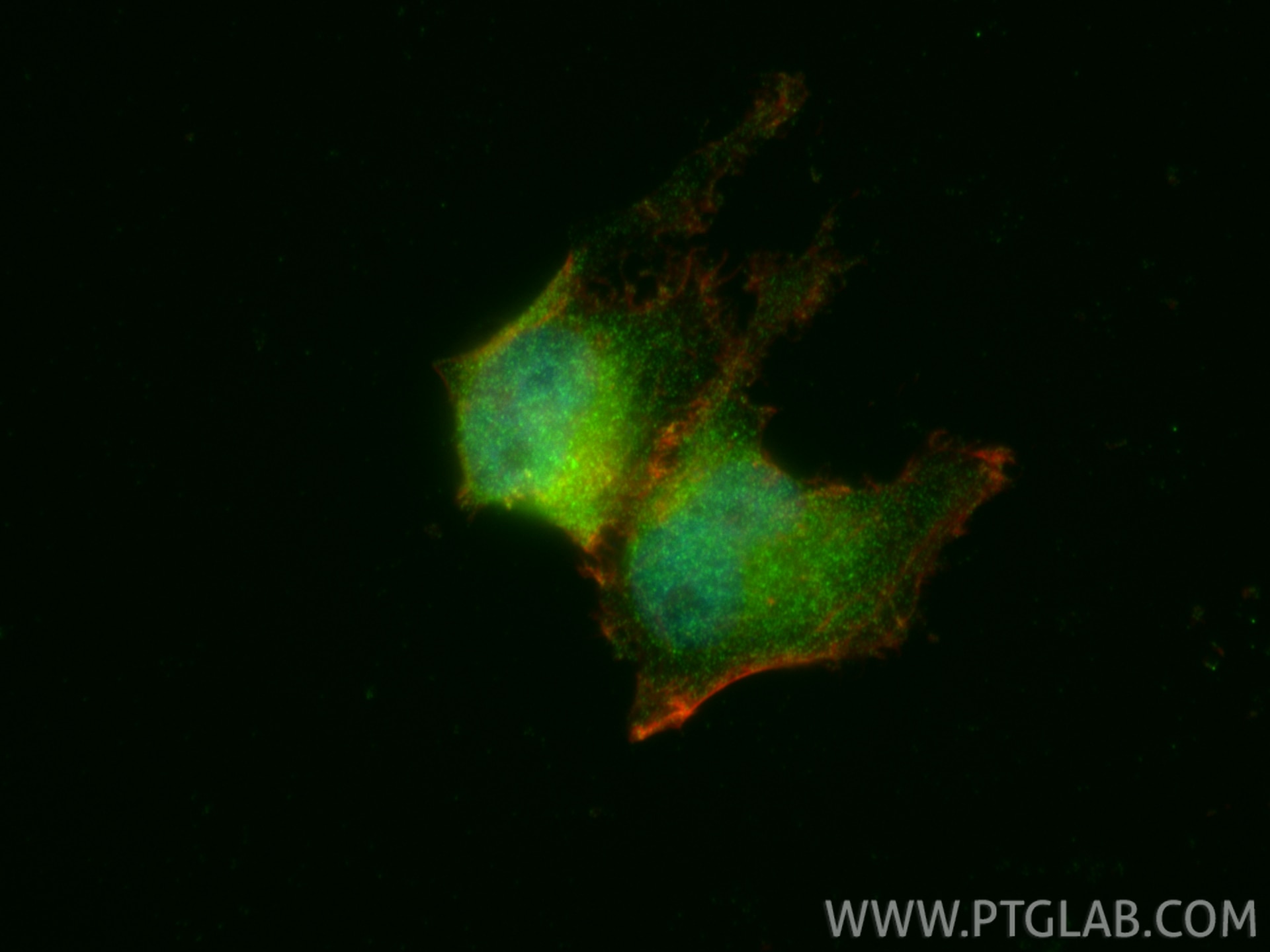
21854-1-PBS targets NR3C2 in WB, IHC, IF/ICC, IP, Indirect ELISA applications and shows reactivity with human, mouse samples.
| Tested Reactivity | human, mouse |
| Host / Isotype | Rabbit / IgG |
| Class | Polyclonal |
| Type | Antibody |
| Immunogen |
CatNo: Ag16410 Product name: Recombinant human NR3C2 protein Source: e coli.-derived, PGEX-4T Tag: GST Domain: 1-350 aa of BC111758 Sequence: METKGYHSLPEGLDMERRWGQVSQAVERSSLGPTERTDENNYMEIVNVSCVSGAIPNNSTQGSSKEKQELLPCLQQDNNRPGILTSDIKTELESKELSATVAESMGLYMDSVRDADYSYEQQNQQGSMSPAKIYQNVEQLVKFYKGNGHRPSTLSCVNTPLRSFMSDSGSSVNGGVMRAIVKSPIMCHEKSPSVCSPLNMTSSVCSPAGINSVSSTTASFGSFPVHSPITQGTPLTCSPNVENRGSRSHSPAHASNVGSPLSSPLSSMKSSISSPPSHCSVKSPVSSPNNVTLRSSVSSPANINNSRCSVSSPSNTNNRSTLSSPAASTVGSICSPVNNAFSYTASGTSA 相同性解析による交差性が予測される生物種 |
| Full Name | nuclear receptor subfamily 3, group C, member 2 |
| Calculated molecular weight | 984 aa, 107 kDa |
| Observed molecular weight | 94-110 kDa |
| GenBank accession number | BC111758 |
| Gene Symbol | NR3C2 |
| Gene ID (NCBI) | 4306 |
| RRID | AB_10858785 |
| Conjugate | Unconjugated |
| Form | |
| Form | Liquid |
| Purification Method | Antigen affinity purification |
| UNIPROT ID | P08235 |
| Storage Buffer | PBS only{{ptg:BufferTemp}}7.3 |
| Storage Conditions | Store at -80°C. |
Background Information
Nuclear receptor subfamily 3 group C member 2 (NR3C2), also known as Mineralocorticoid receptor (MCR or MR), is a member of the steroid/thyroid /retinoic nuclear hormone receptor superfamily that has been shown to activate gene transcription in response to aldosterone binding. Regulation of the mineralocorticoid receptors occurs through either receptor down-regulation (negative autoregulation) or hormone-mediated upregulation (positive autoregulation). MCR association with HSP 90 appears to be required for hormone binding to MCR and subsequent MCR activation.