
Validation Data Gallery
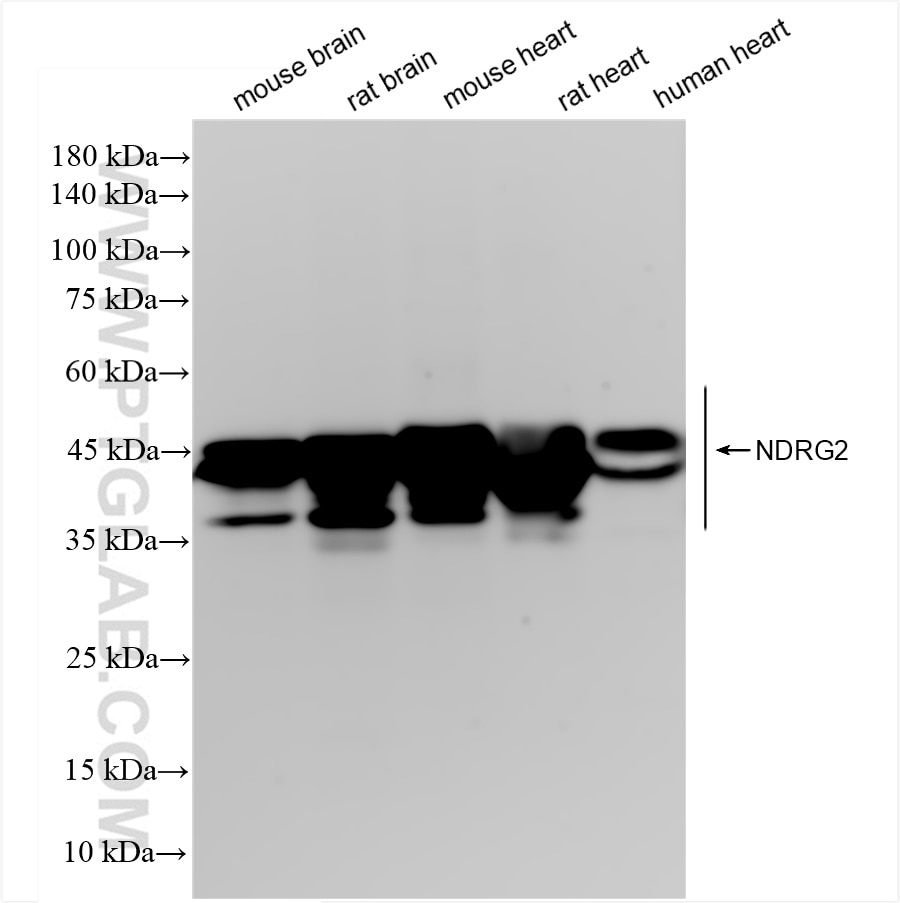
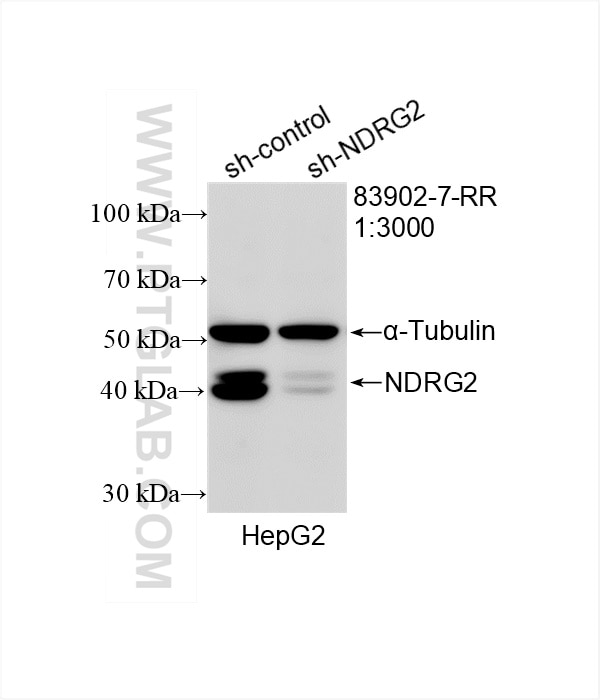
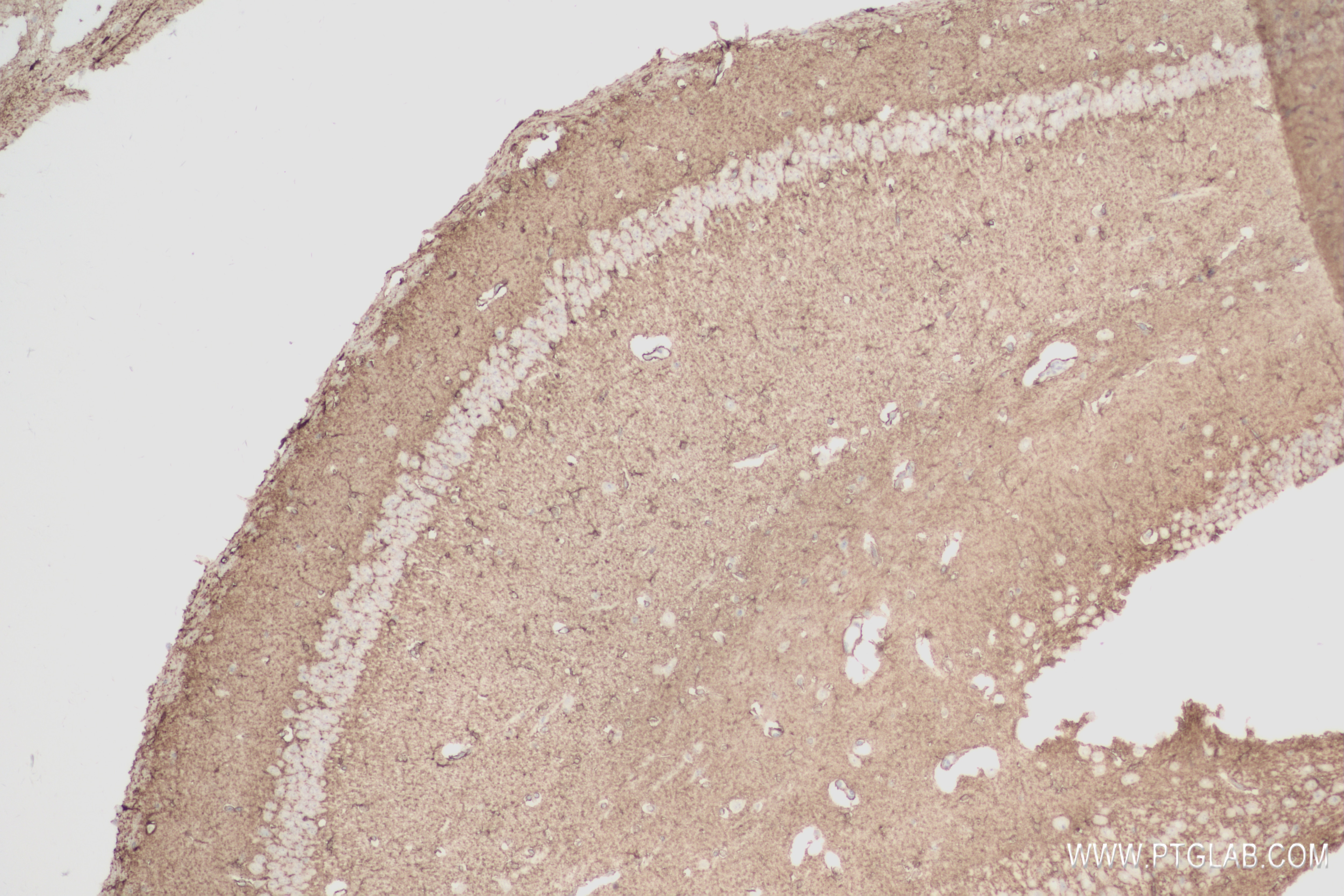
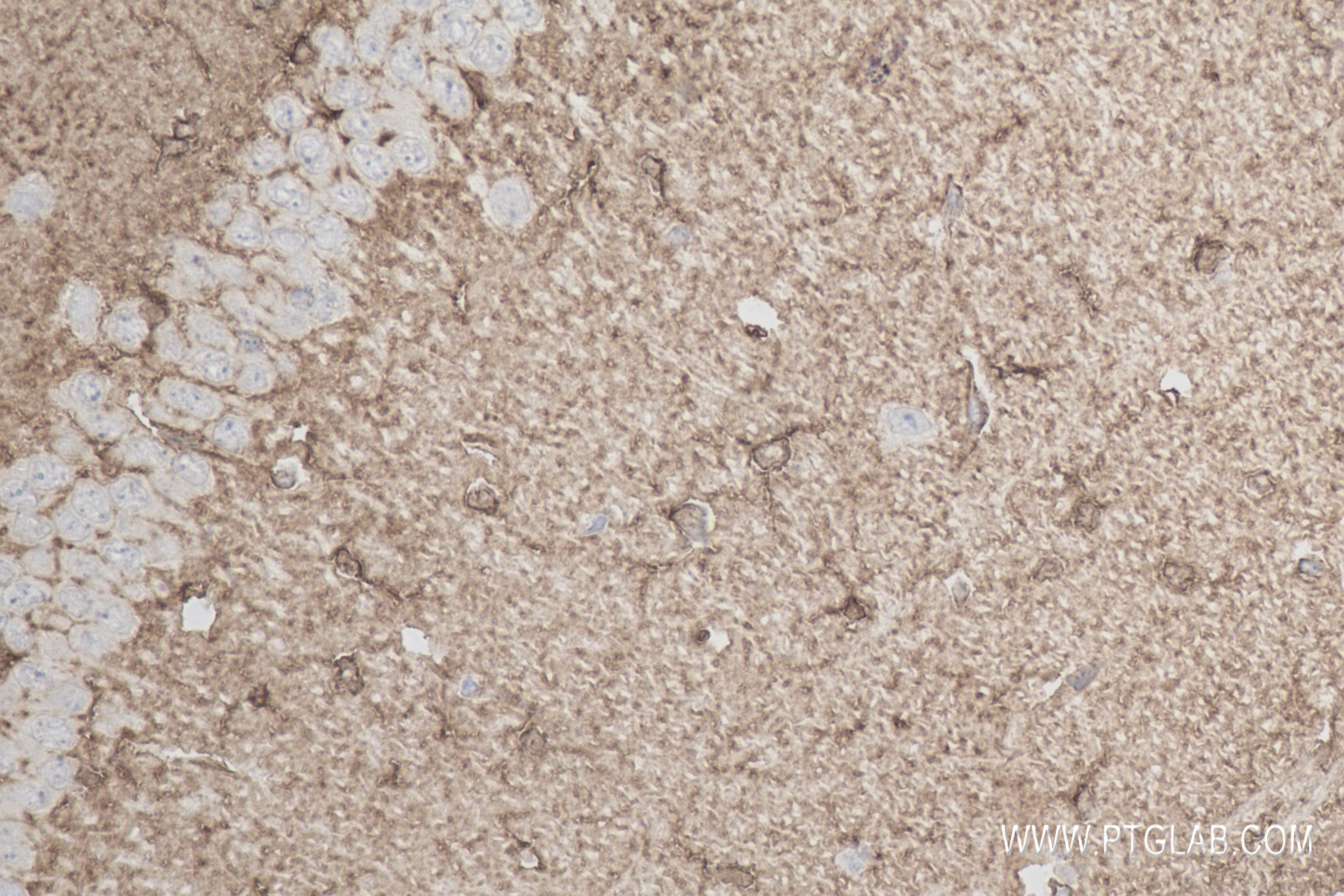
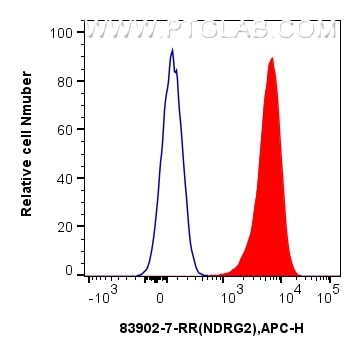
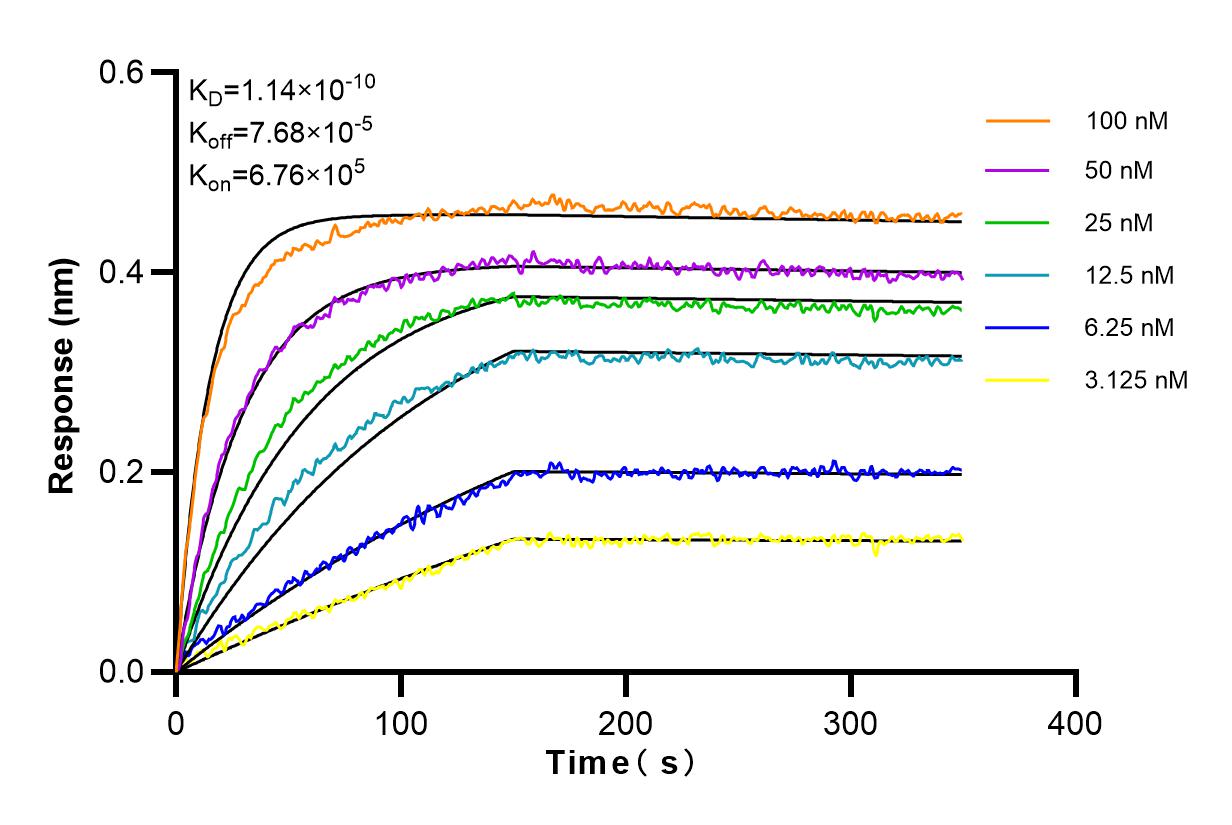
Tested Applications
Recommended dilution
| Application | Dilution |
|---|---|
| It is recommended that this reagent should be titrated in each testing system to obtain optimal results. | |
Product Information
83902-7-PBS targets NDRG2 in WB, IHC, FC (Intra), Indirect ELISA applications and shows reactivity with human, mouse, rat samples.
| Tested Reactivity | human, mouse, rat |
| Host / Isotype | Rabbit / IgG |
| Class | Recombinant |
| Type | Antibody |
| Immunogen |
CatNo: Ag2629 Product name: Recombinant human NDRG2 protein Source: e coli.-derived, PGEX-4T Tag: GST Domain: 1-357 aa of BC010458 Sequence: MAELQEVQITEEKPLLPGQTPEAAKTHSVETPYVSVTFTVYGTPKPKRPAILTYHDVGLNYKSCFQPLFQFEDMQEIIQNFVRVHVDAPGMEEGAPVFPLGYQYPSLDQLADMIPCVLQYLNFSTIIGVGVGAGAYILARYALNHPDTVEGLVLINIDPNAKGWMDWAAHKLTGLTSSIPEMILGHLFSQEELSGNSELIQKYRNIITHAPNLDNIELYWNSYNNRRDLNFERGGDITLRCPVMLVVGDQAPHEDAVVECNSKLDPTQTSFLKMADSGGQPQLTQPGKLTEAFKYFLQGMGYMASSCMTRLSRSRTASLTSAASVDGNRSRSRTLSQSSESGTLSSGPPGHTMEVSC 相同性解析による交差性が予測される生物種 |
| Full Name | NDRG family member 2 |
| Calculated molecular weight | 371 aa, 39 kDa |
| Observed molecular weight | 41-45 kDa |
| GenBank accession number | BC010458 |
| Gene Symbol | NDRG2 |
| Gene ID (NCBI) | 57447 |
| RRID | AB_3671484 |
| Conjugate | Unconjugated |
| Form | |
| Form | Liquid |
| Purification Method | Protein A purfication |
| UNIPROT ID | Q9UN36 |
| Storage Buffer | PBS only{{ptg:BufferTemp}}7.3 |
| Storage Conditions | Store at -80°C. |
Background Information
N-myc downstream-regulated gene 2 (NDRG2) is a newly identified member of the NDRG family that is highly localized and plays an important role in the regulation of astrocyte function. In astrocytes, NDRG2 affects the regulation of apoptosis, astrogliosis, blood-brain barrier integrity, and glutamate clearance. Several preclinical studies have revealed that NDRG2 is implicated in the pathogenesis of many neurological diseases, such as stroke, neurodegeneration and psychiatric disorders. Recent studies demonstrated that NDRG2 functions as a tumor suppressor and may be a prognostic predictor for many different malignant tumors.