
Validation Data Gallery
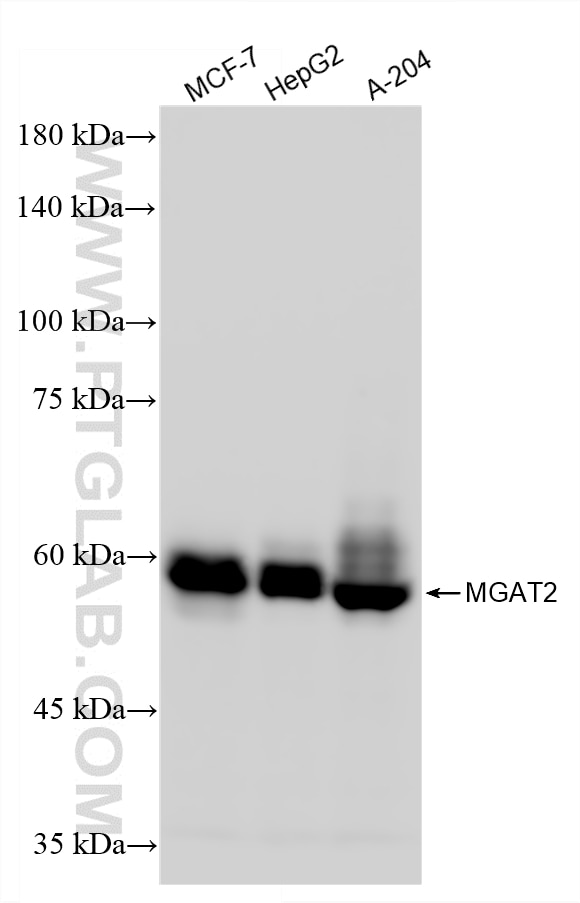
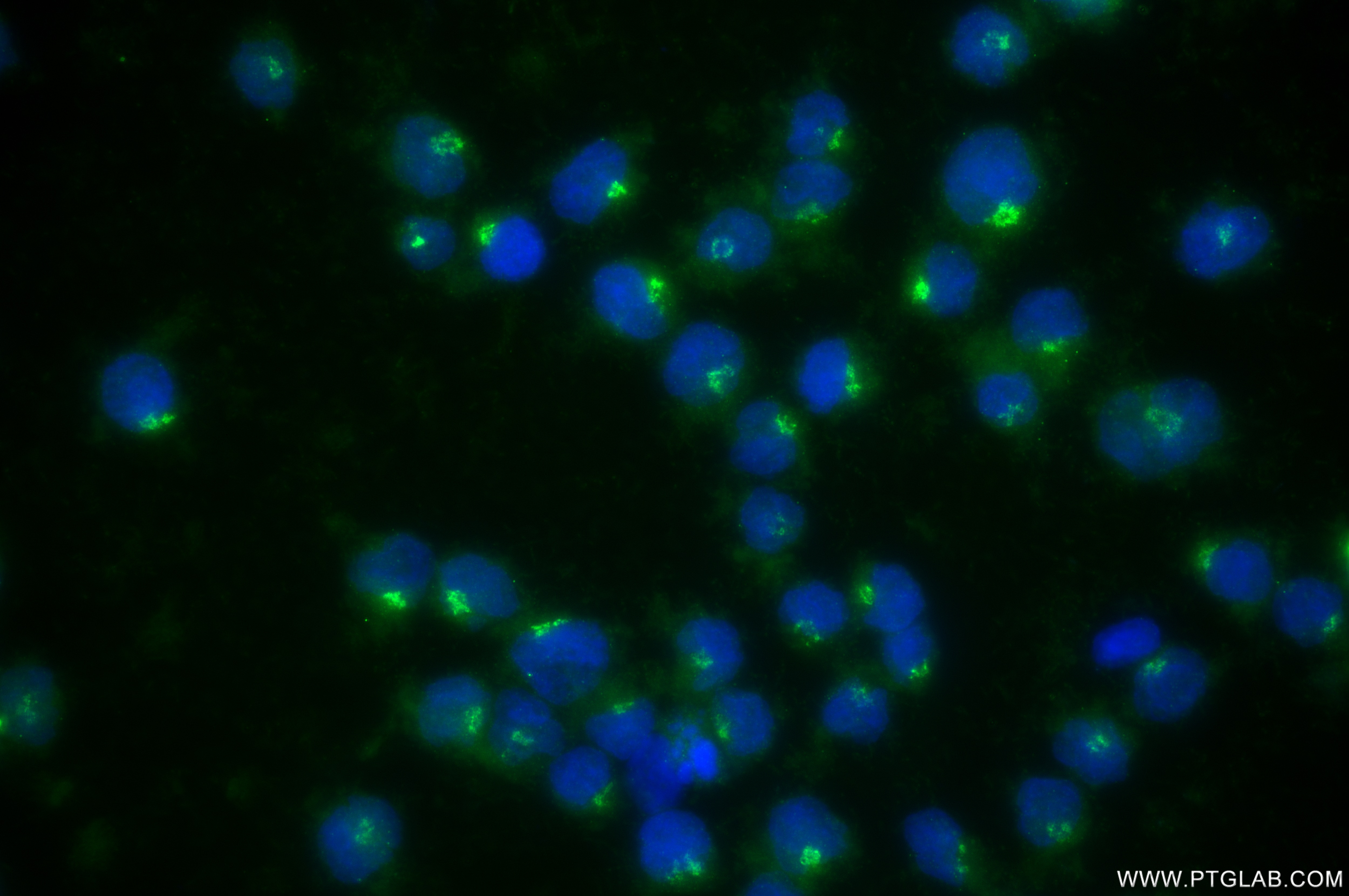
Tested Applications
Recommended dilution
| Application | Dilution |
|---|---|
| It is recommended that this reagent should be titrated in each testing system to obtain optimal results. | |
Product Information
85933-1-PBS targets MGAT2 in WB, IF/ICC, Indirect ELISA applications and shows reactivity with human samples.
| Tested Reactivity | human |
| Host / Isotype | Rabbit / IgG |
| Class | Recombinant |
| Type | Antibody |
| Immunogen |
CatNo: Ag8423 Product name: Recombinant human MGAT2 protein Source: e coli.-derived, PET28a Tag: 6*His Domain: 101-447 aa of BC006390 Sequence: DQTLRNVDKAGTWAPRELVLVVQVHNRPEYLRLLLDSLRKAQGIDNVLVIFSHDFWSTEINQLIAGVNFCPVLQVFFPFSIQLYPNEFPGSDPRDCPRDLPKNAALKLGCINAEYPDSFGHYREAKFSQTKHHWWWKLHFVWERVKILRDYAGLILFLEEDHYLAPDFYHVFKKMWKLKQQECPECDVLSLGTYSASRSFYGMADKVDVKTWKSTEHNMGLALTRNAYQKLIECTDTFCTYDDYNWDWTLQYLTVSCLPKFWKVLVPQIPRIFHAGDCGMHHKKTCRPSTQSAQIESLLNNNKQYMFPETLTISEKFTVVAISPPRKNGGWGDIRDHELCKSYRRLQ 相同性解析による交差性が予測される生物種 |
| Full Name | mannosyl (alpha-1,6-)-glycoprotein beta-1,2-N-acetylglucosaminyltransferase |
| Calculated molecular weight | 447 aa, 52 kDa |
| Observed molecular weight | 55-60 kDa |
| GenBank accession number | BC006390 |
| Gene Symbol | MGAT2 |
| Gene ID (NCBI) | 4247 |
| RRID | AB_3744484 |
| Conjugate | Unconjugated |
| Form | |
| Form | Liquid |
| Purification Method | Protein A purification |
| UNIPROT ID | Q10469 |
| Storage Buffer | PBS only{{ptg:BufferTemp}}7.3 |
| Storage Conditions | Store at -80°C. |
Background Information
MGAT2 (Monoacylglycerol O-Acyltransferase 2) is a key enzyme in dietary fat absorption, catalyzing the rate-limiting step of monoacylglycerol (MAG) pathway for triacylglycerol (TAG) resynthesis in intestinal enterocytes. It plays a critical role in postprandial lipid metabolism by facilitating the re-esterification of absorbed fatty acids and monoacylglycerols into chylomicron-TAG for lymphatic transport. MGAT2 deficiency or pharmacological inhibition reduces fat absorption, lowers postprandial triglyceridemia, and protects against diet-induced obesity, hepatic steatosis, and insulin resistance in preclinical models. MGAT2 has emerged as a promising therapeutic target for metabolic diseases including obesity, type 2 diabetes, and non-alcoholic fatty liver disease (NAFLD).