
Validation Data Gallery
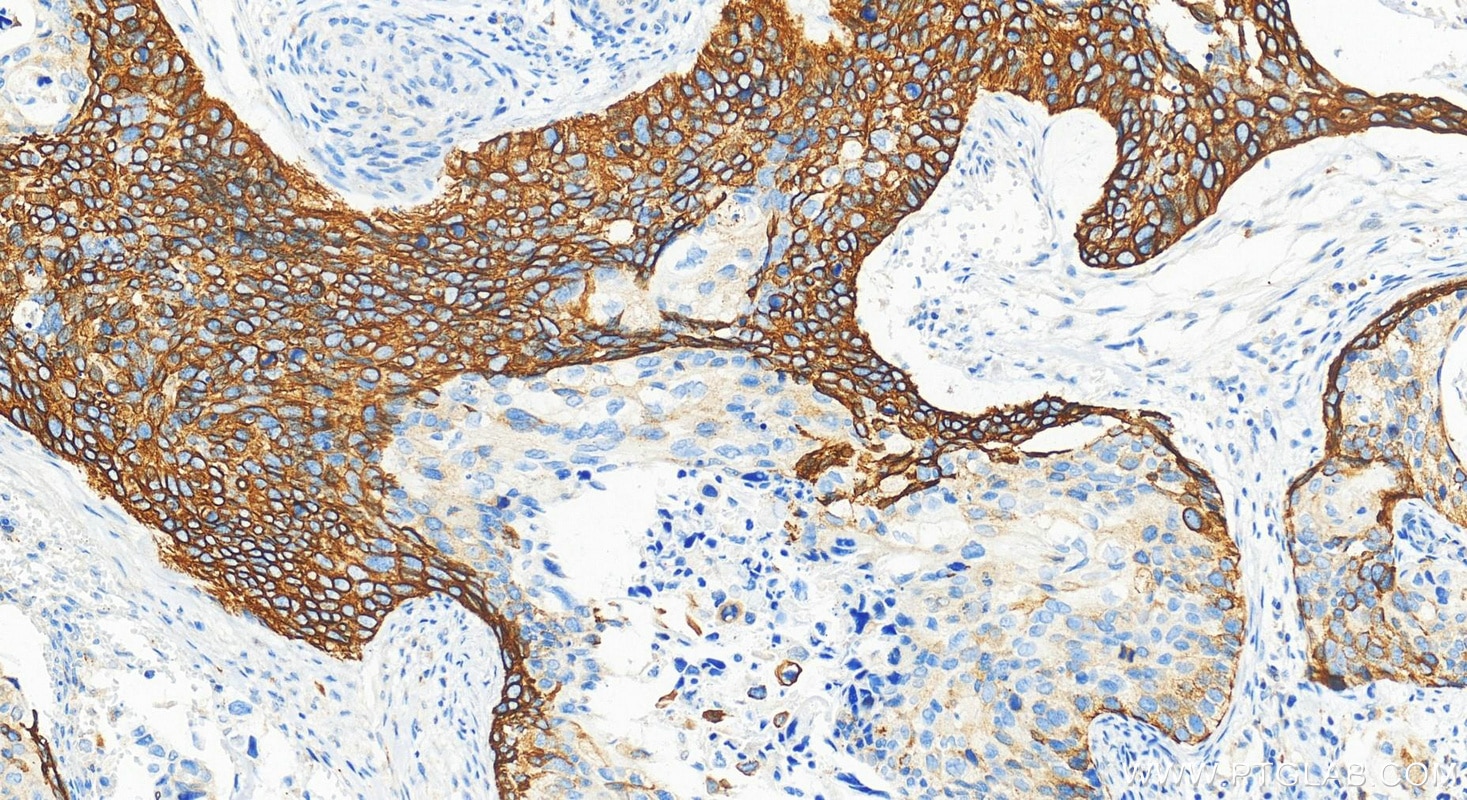
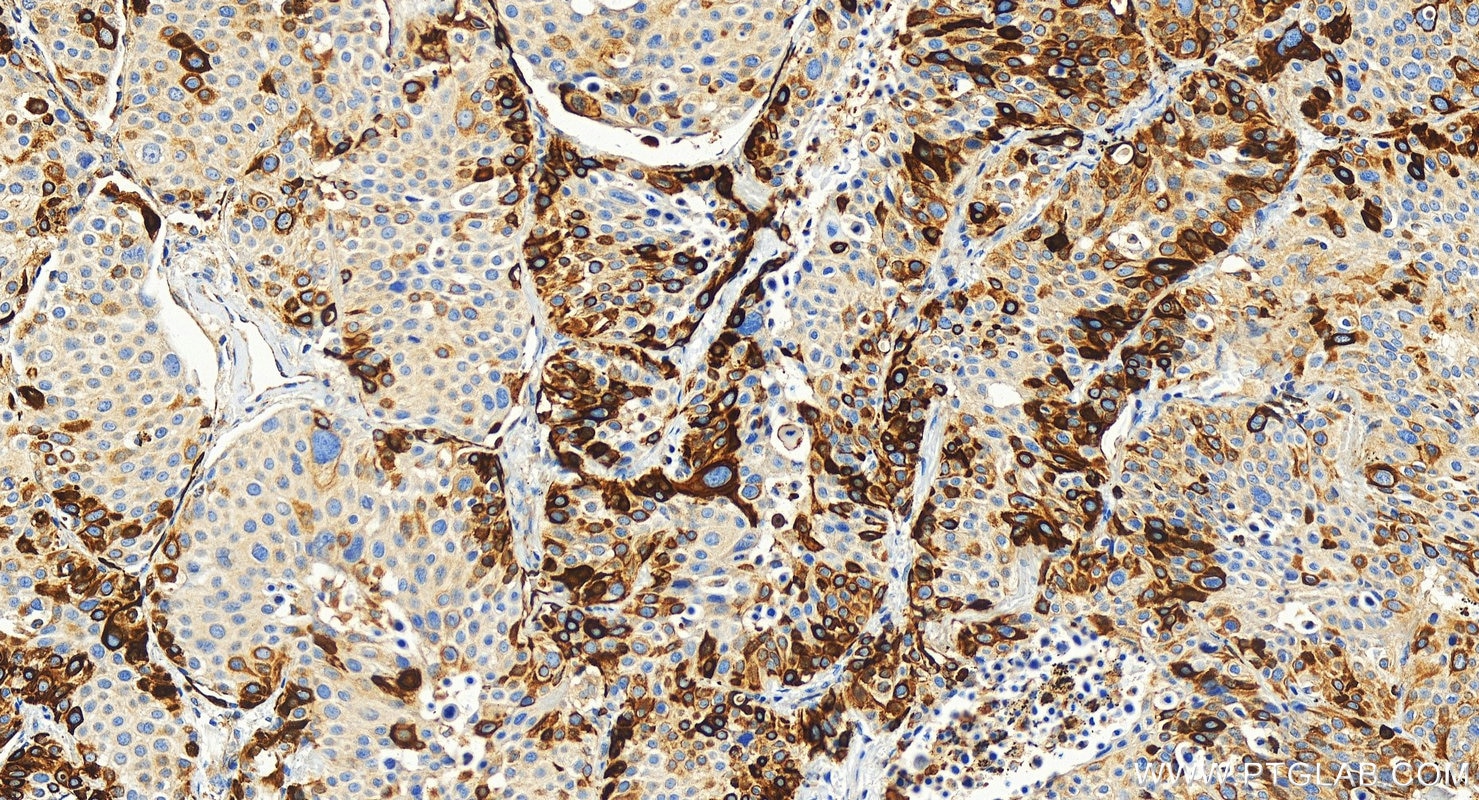
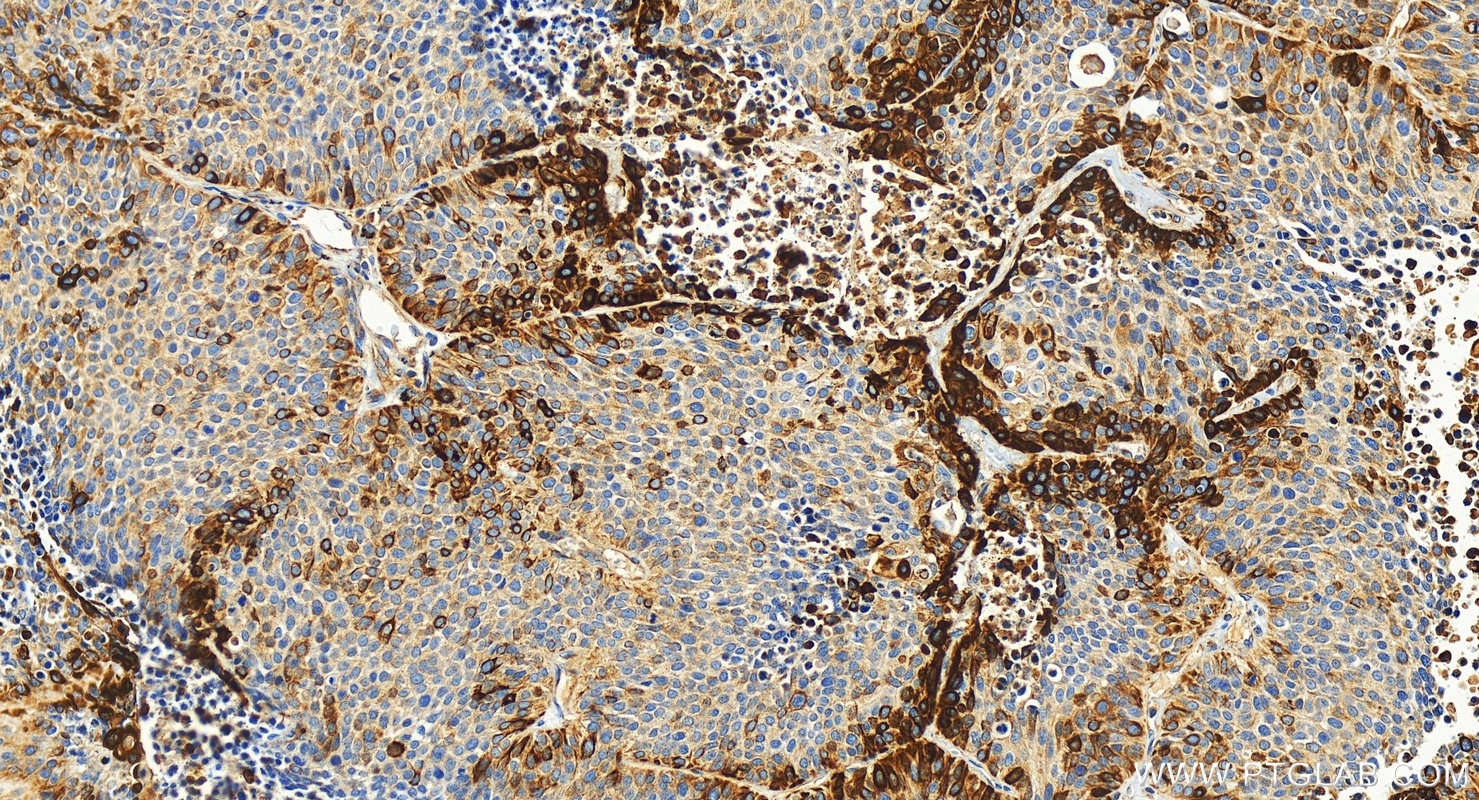
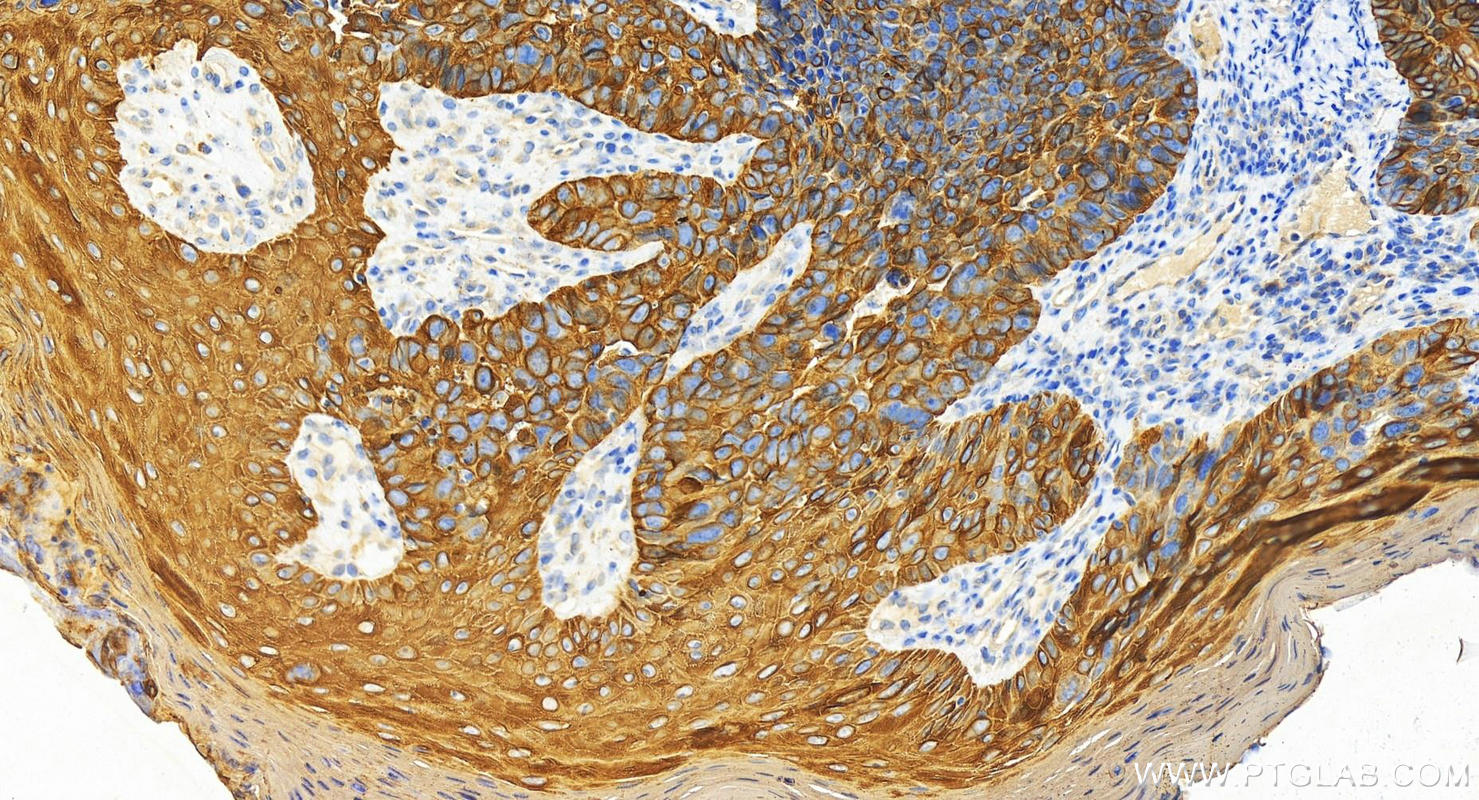
Tested Applications
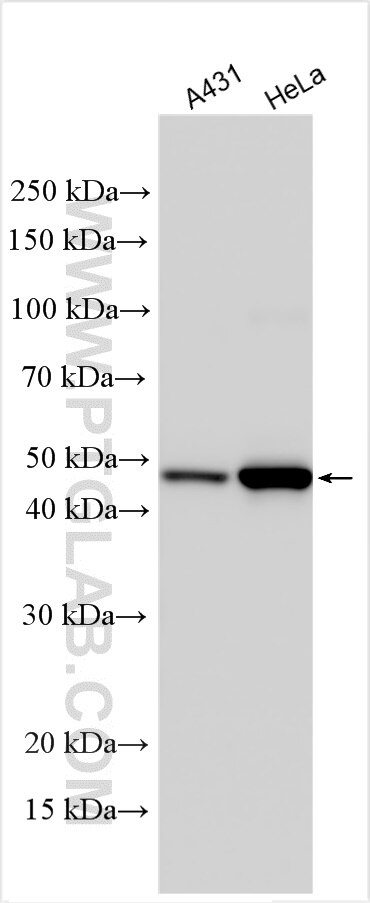
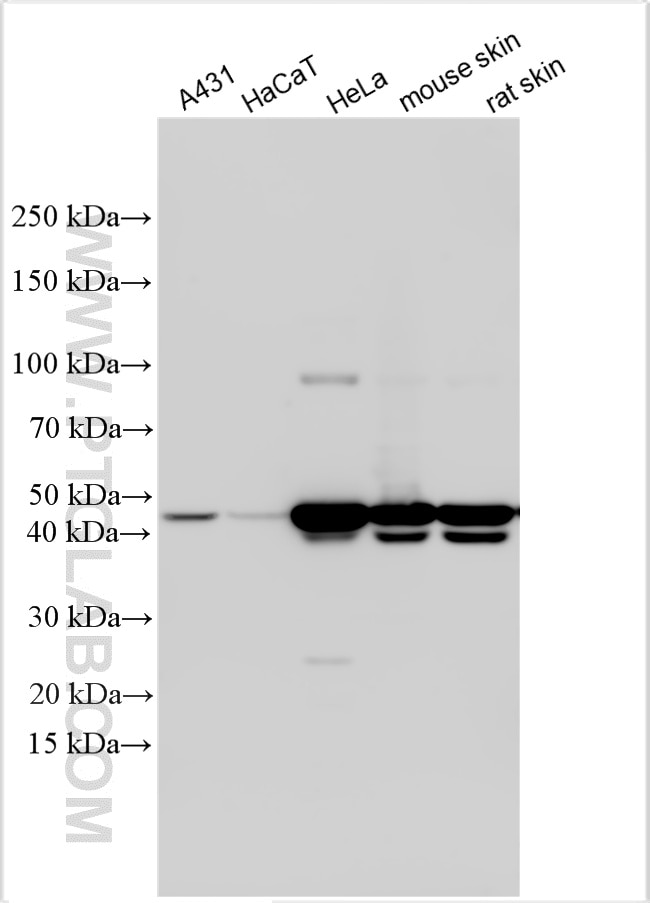
| Positive WB detected in | A431 cells, HeLa cells, HaCaT cells, mouse skin tissue, rat skin tissue |
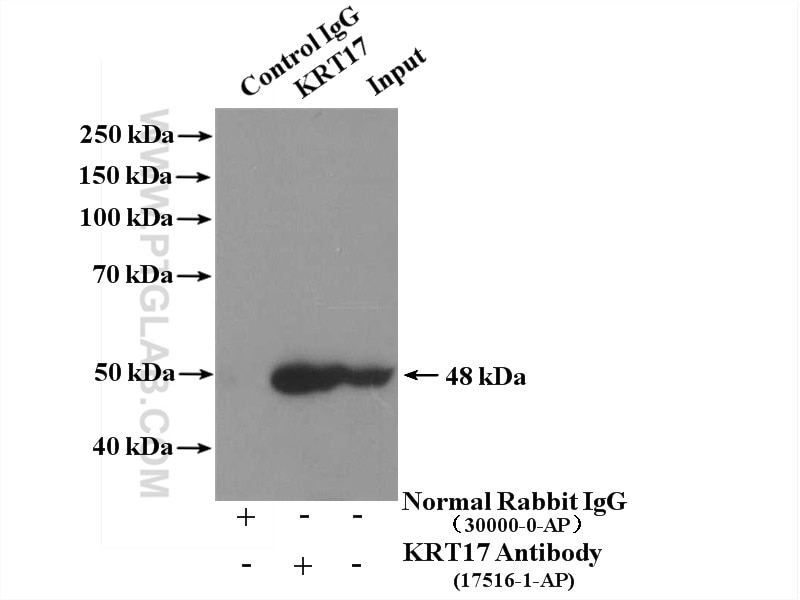
| Positive IP detected in | A431 cells |
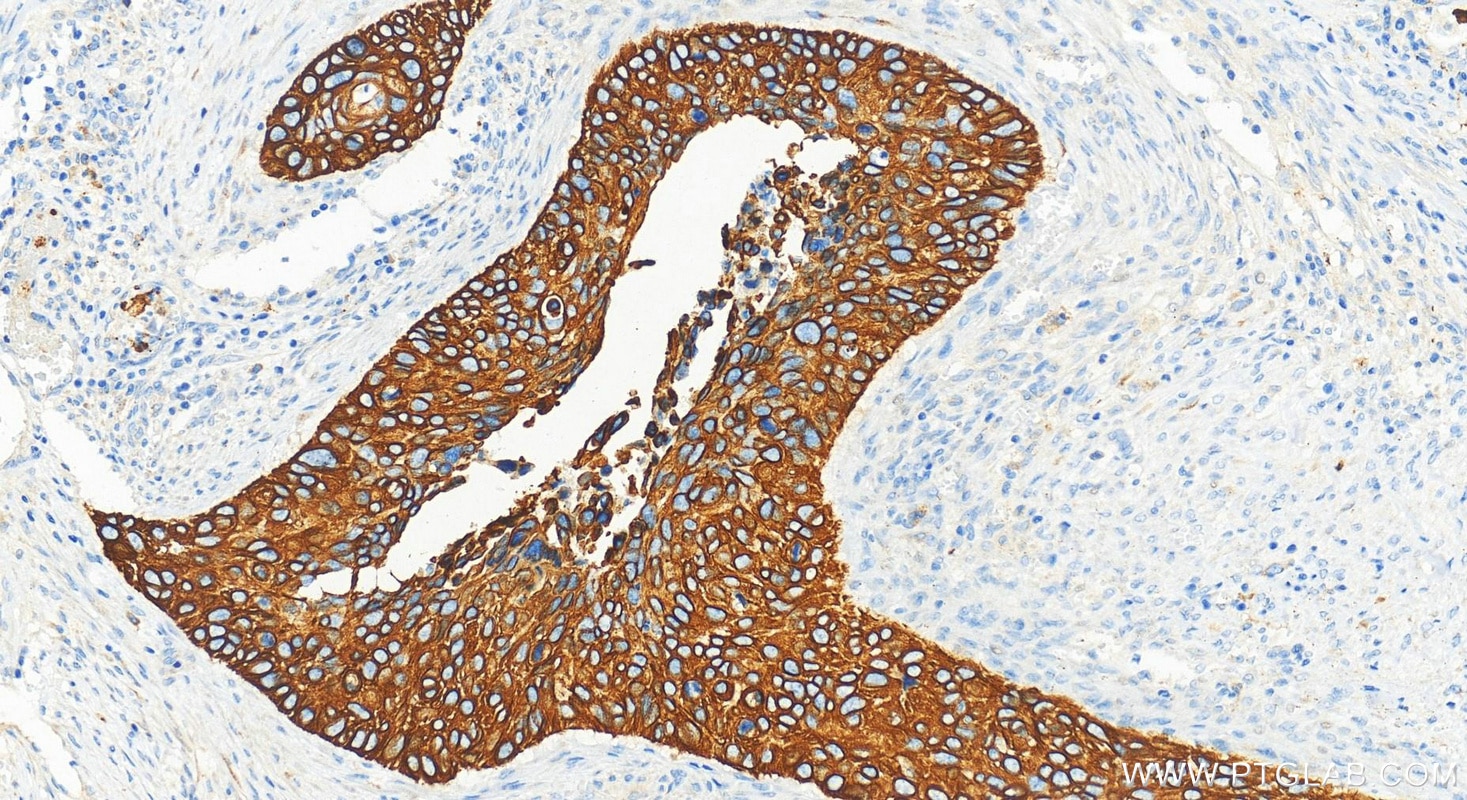
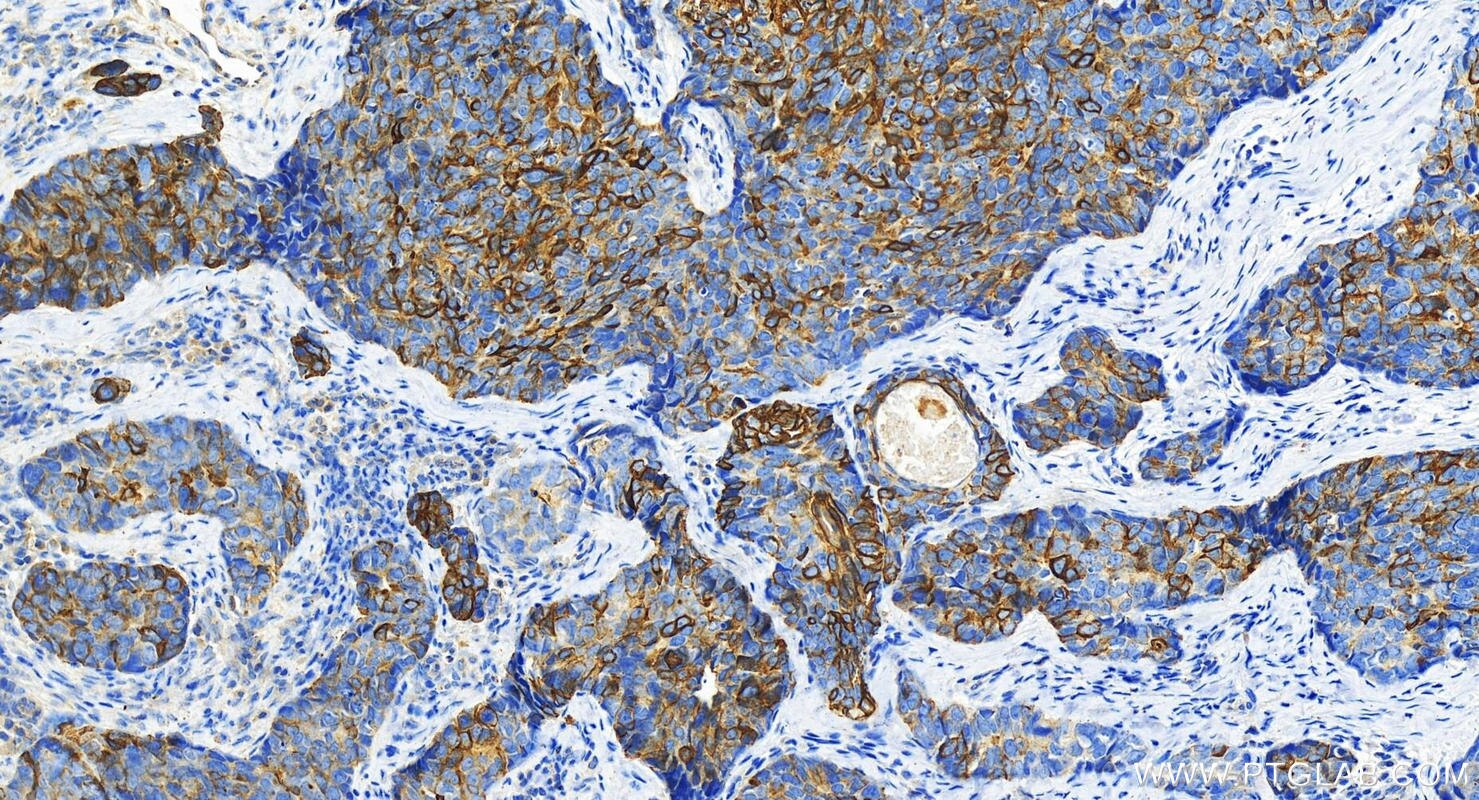
| Positive IHC detected in | human cervical squamous cancer tissue, human bowen disease tissue, human lung squamous cell carcinoma tissue Note: suggested antigen retrieval with TE buffer pH 9.0; (*) Alternatively, antigen retrieval may be performed with citrate buffer pH 6.0 |
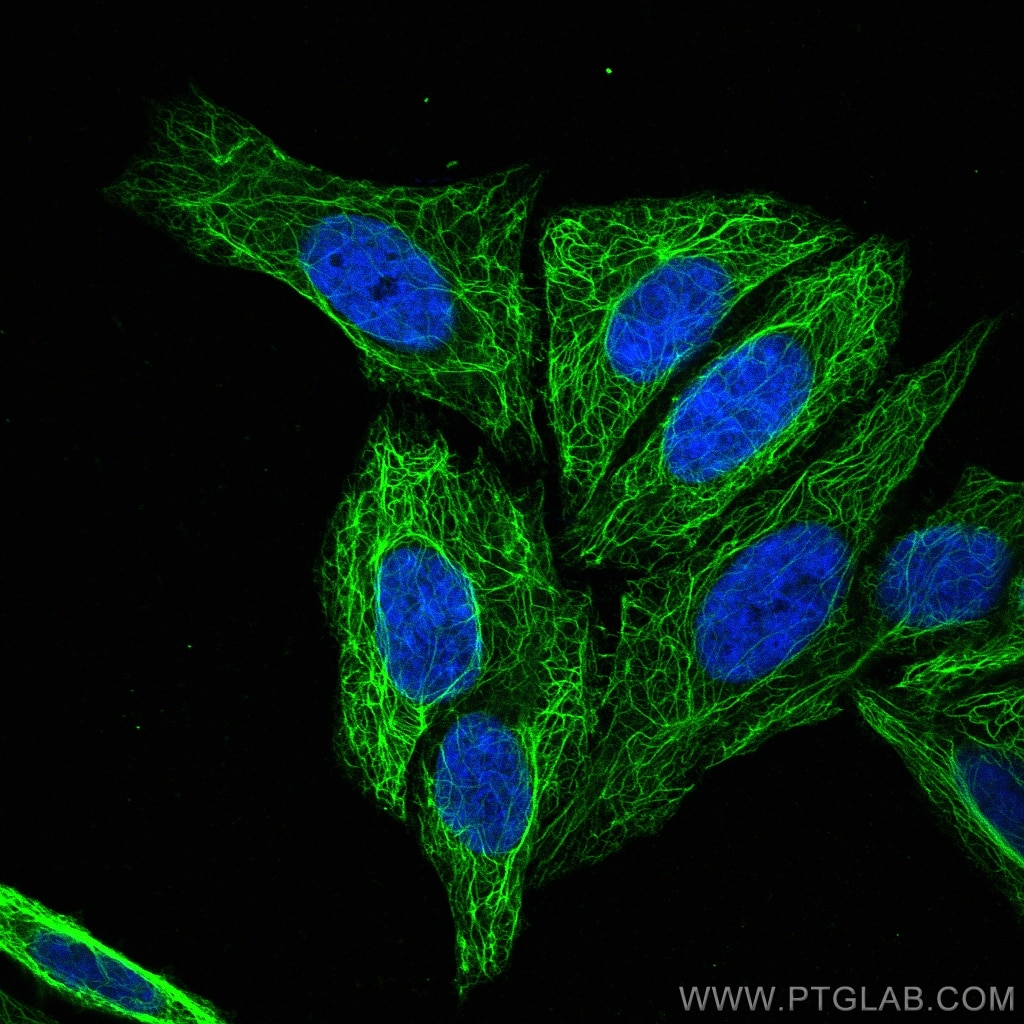
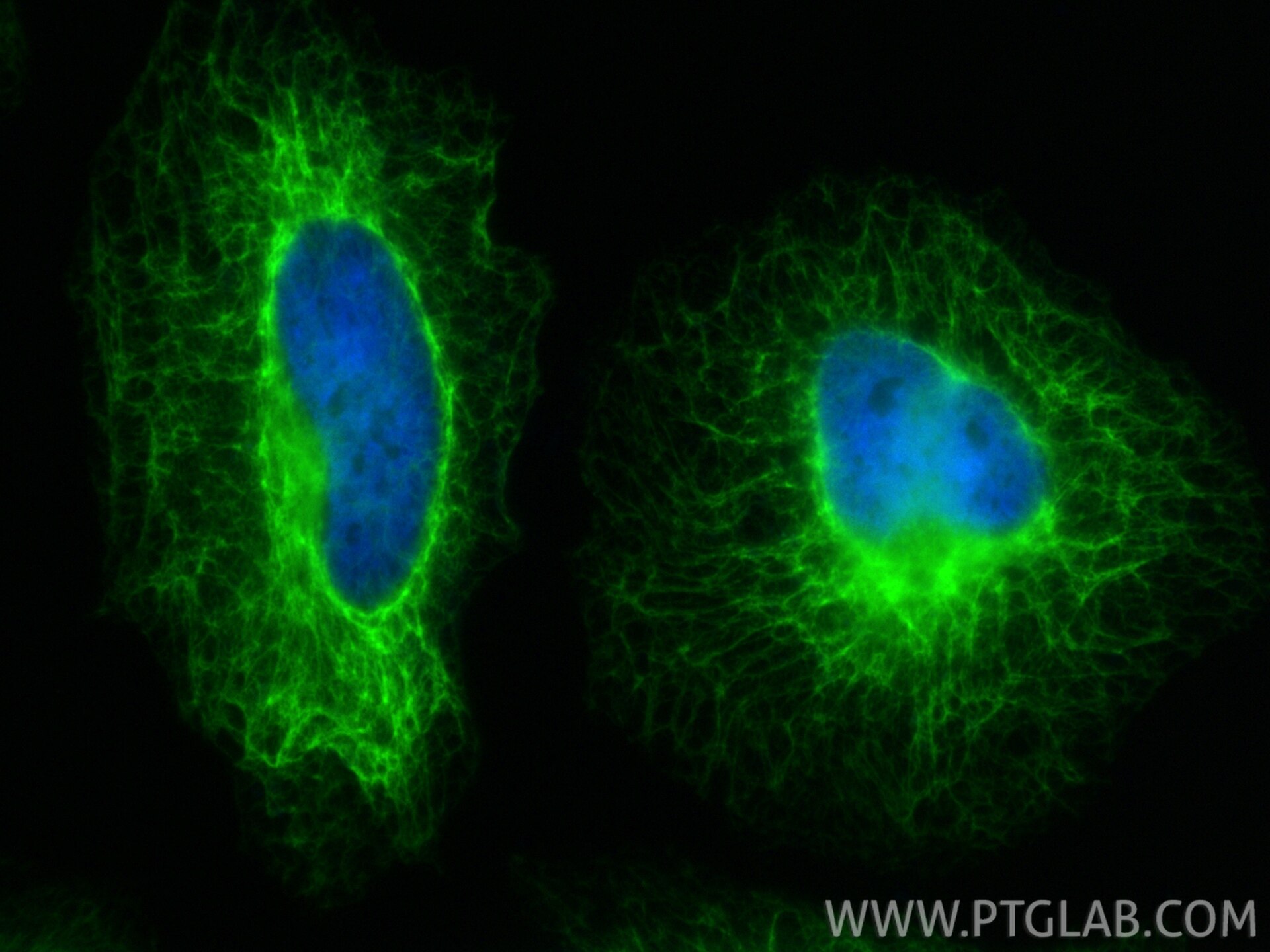
| Positive IF/ICC detected in | HepG2 cells, HeLa cells |
Recommended dilution
| Application | Dilution |
|---|---|
| Western Blot (WB) | WB : 1:1000-1:20000 |
| Immunoprecipitation (IP) | IP : 0.5-4.0 ug for 1.0-3.0 mg of total protein lysate |
| Immunohistochemistry (IHC) | IHC : 1:4000-1:16000 |
| Immunofluorescence (IF)/ICC | IF/ICC : 1:300-1:1200 |
| It is recommended that this reagent should be titrated in each testing system to obtain optimal results. | |
| Sample-dependent, Check data in validation data gallery. | |
Published Applications
| KD/KO | See 3 publications below |
| WB | See 19 publications below |
| IHC | See 13 publications below |
| IF | See 18 publications below |
| CoIP | See 1 publications below |
Product Information
17516-1-AP targets Cytokeratin 17-Specific in WB, IHC, IF/ICC, IP, CoIP, ELISA applications and shows reactivity with human, mouse, rat samples.
| Tested Reactivity | human, mouse, rat |
| Cited Reactivity | human, mouse, goat |
| Host / Isotype | Rabbit / IgG |
| Class | Polyclonal |
| Type | Antibody |
| Immunogen |
Peptide 相同性解析による交差性が予測される生物種 |
| Full Name | keratin 17 |
| Calculated molecular weight | 48 kDa |
| Observed molecular weight | 48 kDa |
| GenBank accession number | NM_000422 |
| Gene Symbol | Cytokeratin 17 |
| Gene ID (NCBI) | 3872 |
| RRID | AB_2133036 |
| Conjugate | Unconjugated |
| Form | |
| Form | Liquid |
| Purification Method | Antigen affinity purification |
| UNIPROT ID | Q04695 |
| Storage Buffer | PBS with 0.02% sodium azide and 50% glycerol{{ptg:BufferTemp}}7.3 |
| Storage Conditions | Store at -20°C. Stable for one year after shipment. Aliquoting is unnecessary for -20oC storage. |
Background Information
Keratins are a large family of proteins that form the intermediate filament cytoskeleton of epithelial cells, which are classified into two major sequence types. Type I keratins are a group of acidic intermediate filament proteins, including K9-K23, and the hair keratins Ha1-Ha8. Type II keratins are the basic or neutral courterparts to the acidic type I keratins, including K1-K8, and the hair keratins, Hb1-Hb6. Keratin 17 is a type I cytokeratin. It is found in nail beds, hair follicles, sebaceous glands, and other epidermal appendages. It is used as a marker for trauma. This antibody is specifically against KRT17.
Protocols
| Product Specific Protocols | |
|---|---|
| IF protocol for Cytokeratin 17-Specific antibody 17516-1-AP | Download protocol |
| IHC protocol for Cytokeratin 17-Specific antibody 17516-1-AP | Download protocol |
| IP protocol for Cytokeratin 17-Specific antibody 17516-1-AP | Download protocol |
| WB protocol for Cytokeratin 17-Specific antibody 17516-1-AP | Download protocol |
| Standard Protocols | |
|---|---|
| Click here to view our Standard Protocols |
Publications
| Species | Application | Title |
|---|---|---|
Cancer Cell A conserved re-epithelialization program underlies malignancy in pancreatic ductal adenocarcinoma. | ||
Bioact Mater Engineering a halloysite nanotube-enhanced hydrogel 3D skin model for modulated inflammation and accelerated wound healing | ||
Nat Commun Colorectal cancer co-opts an epidermal wound healing program during metastasis to generate disseminated tumor cells. | ||
Nat Commun Spatial transcriptomics analysis of esophageal squamous precancerous lesions and their progression to esophageal cancer |