
Validation Data Gallery
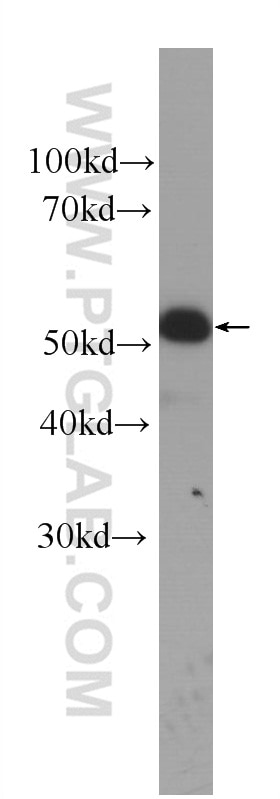
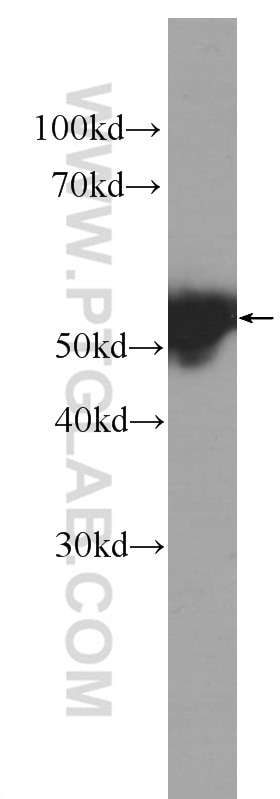
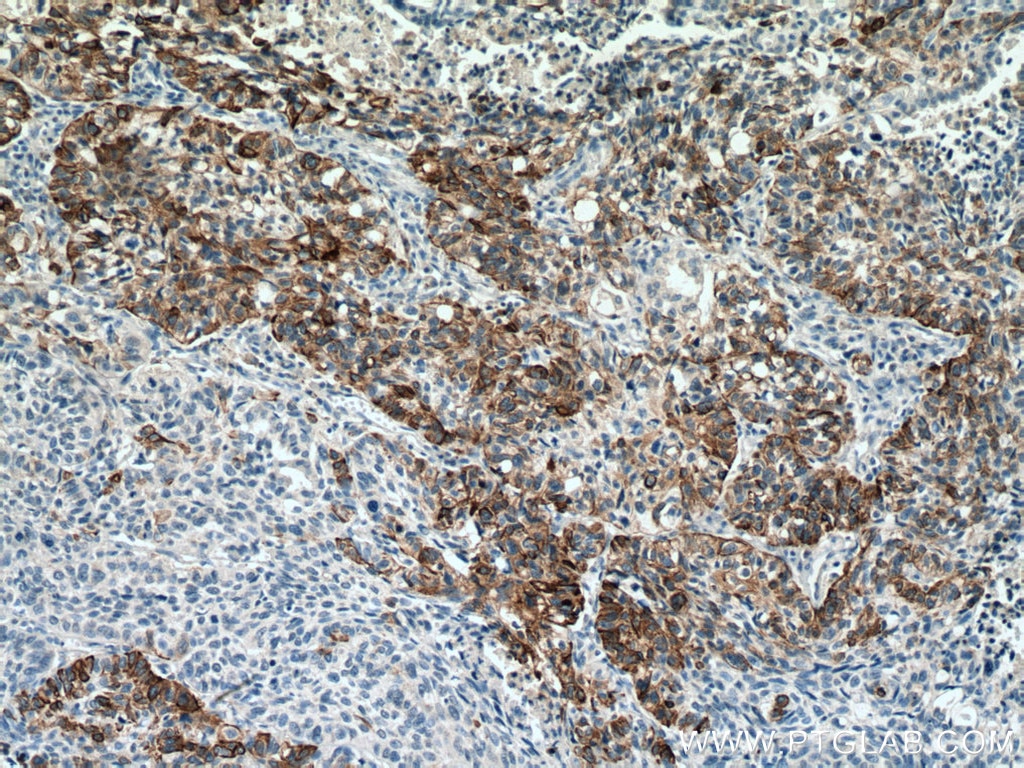
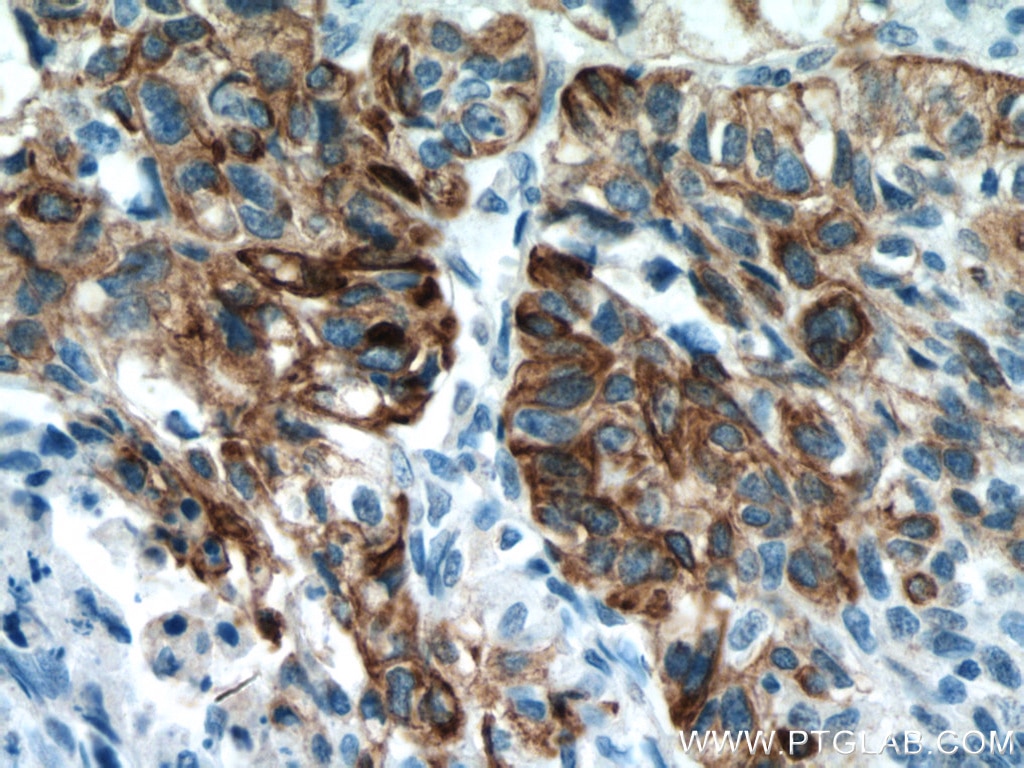
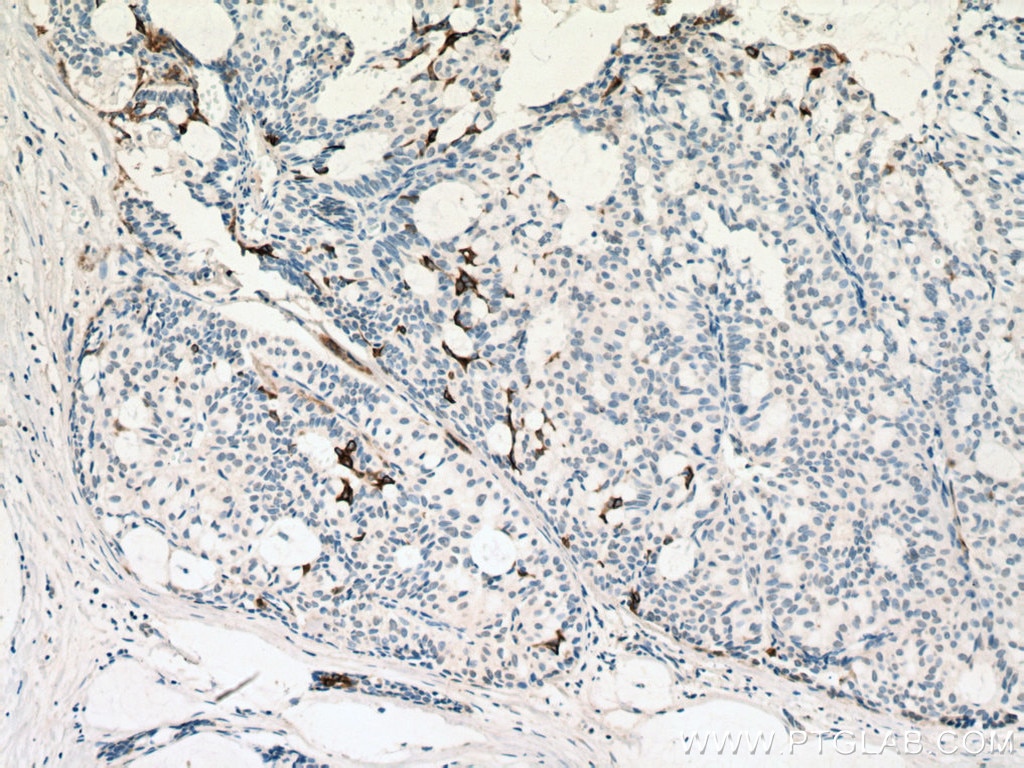
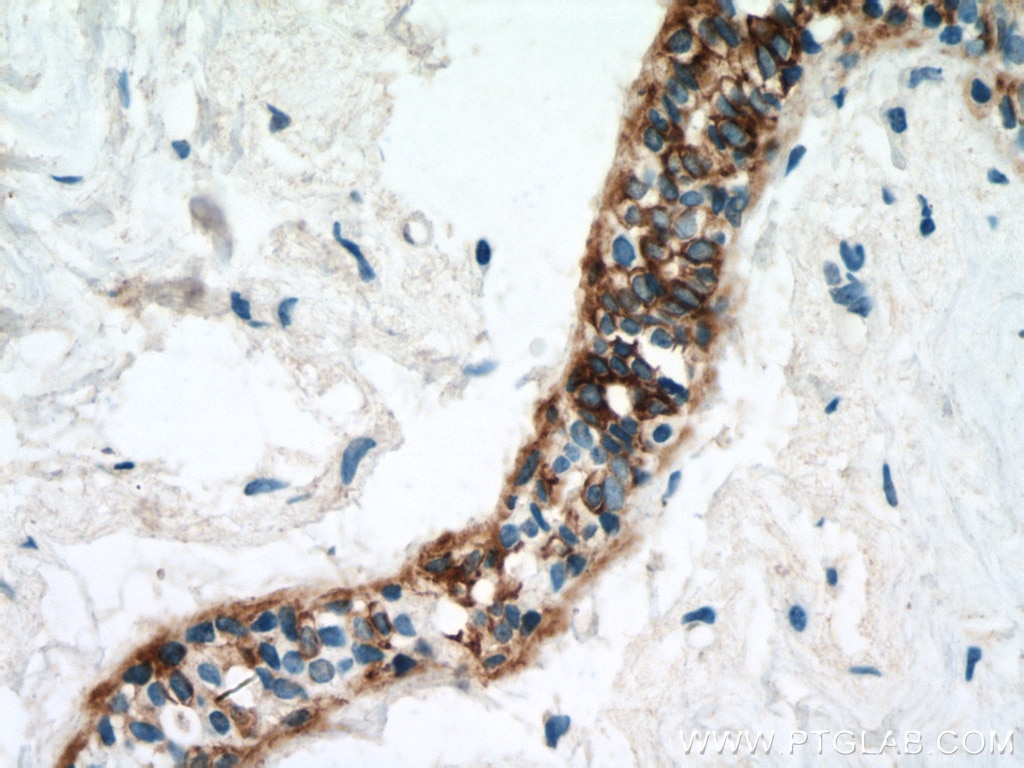
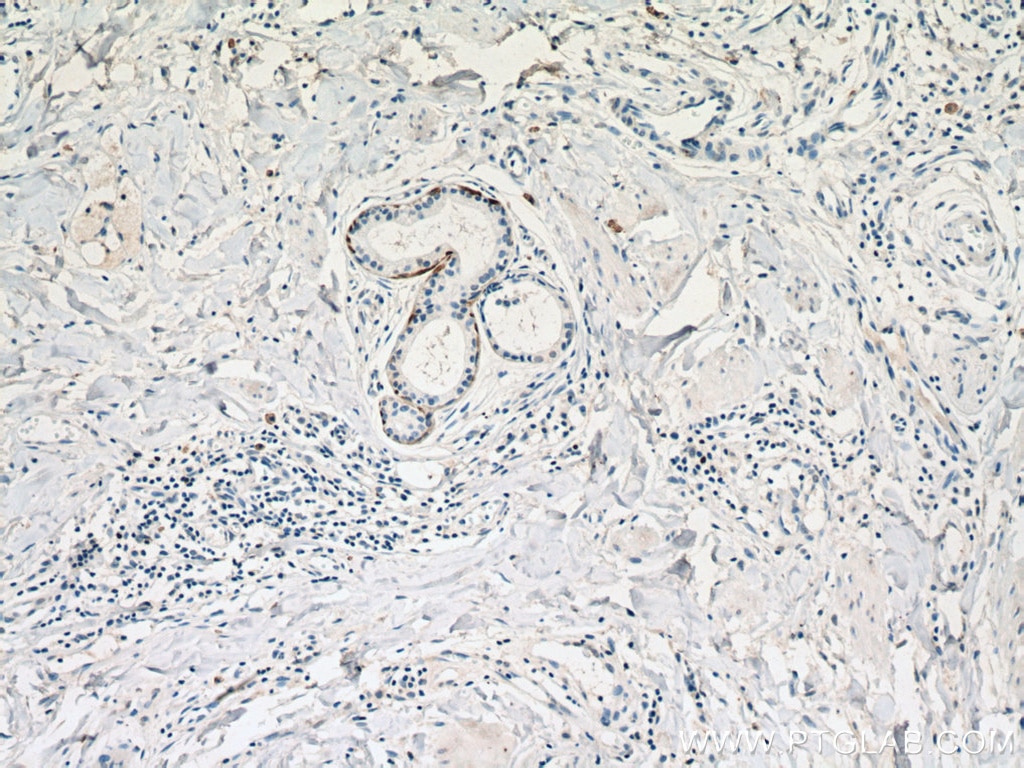
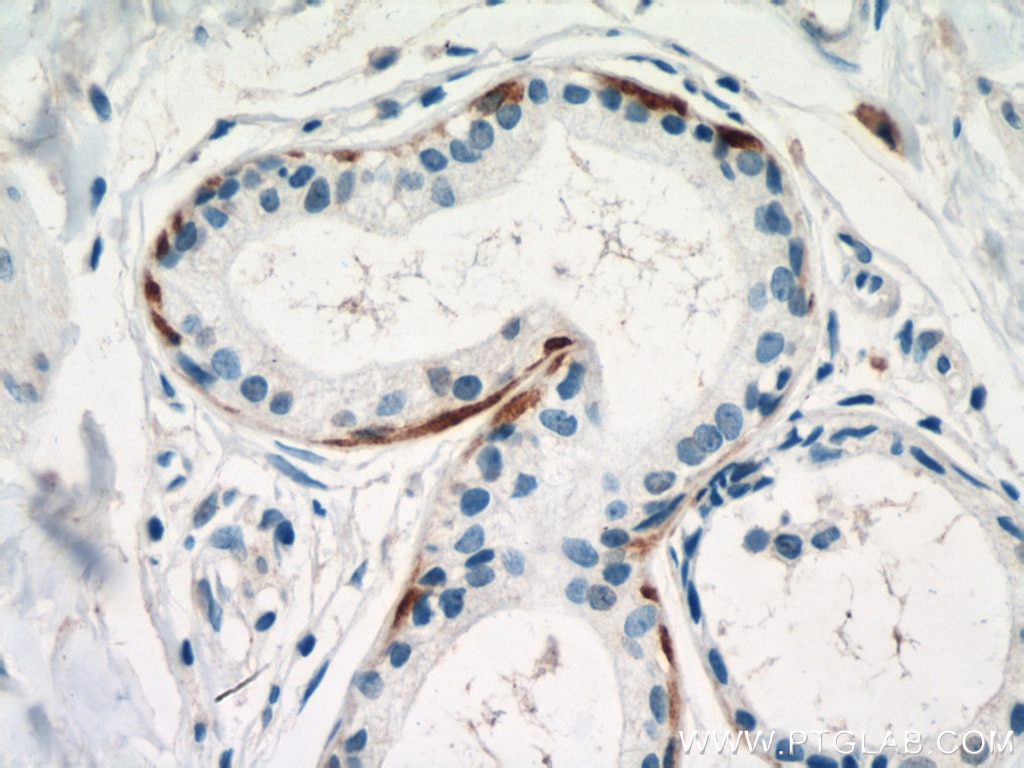
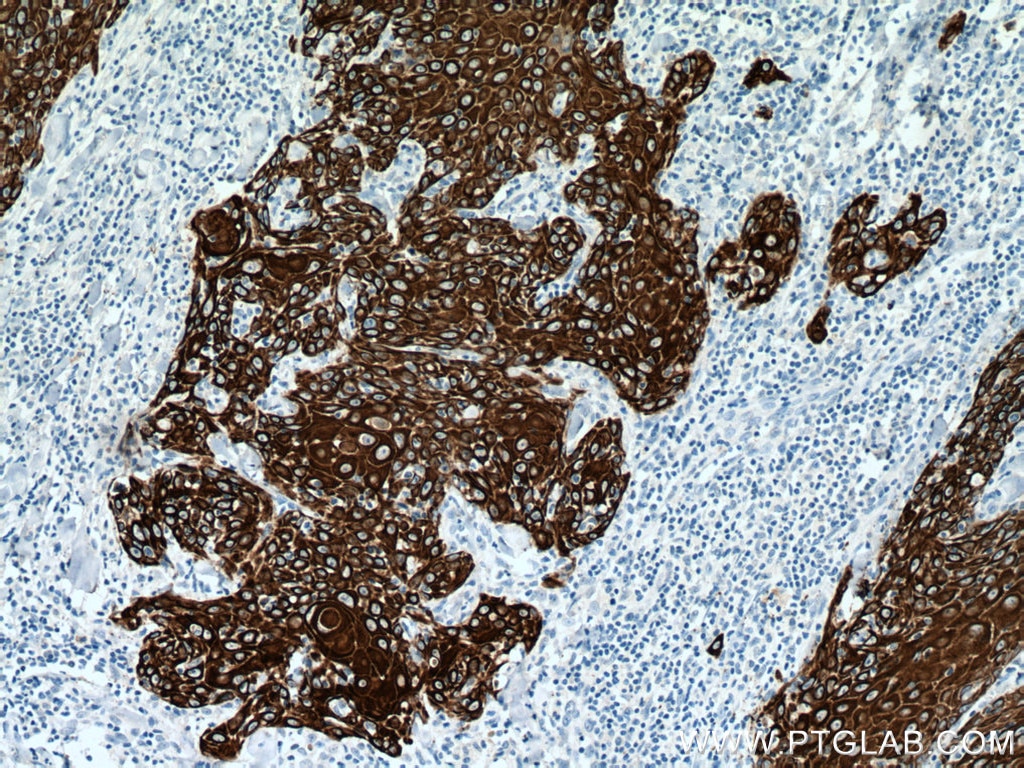
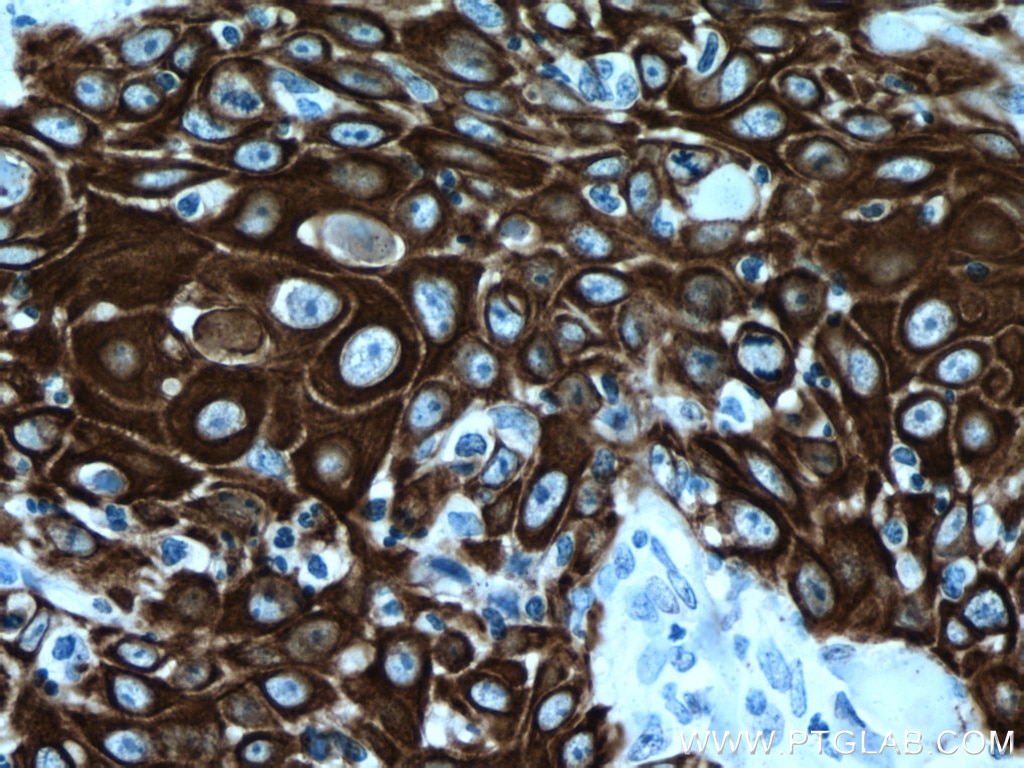
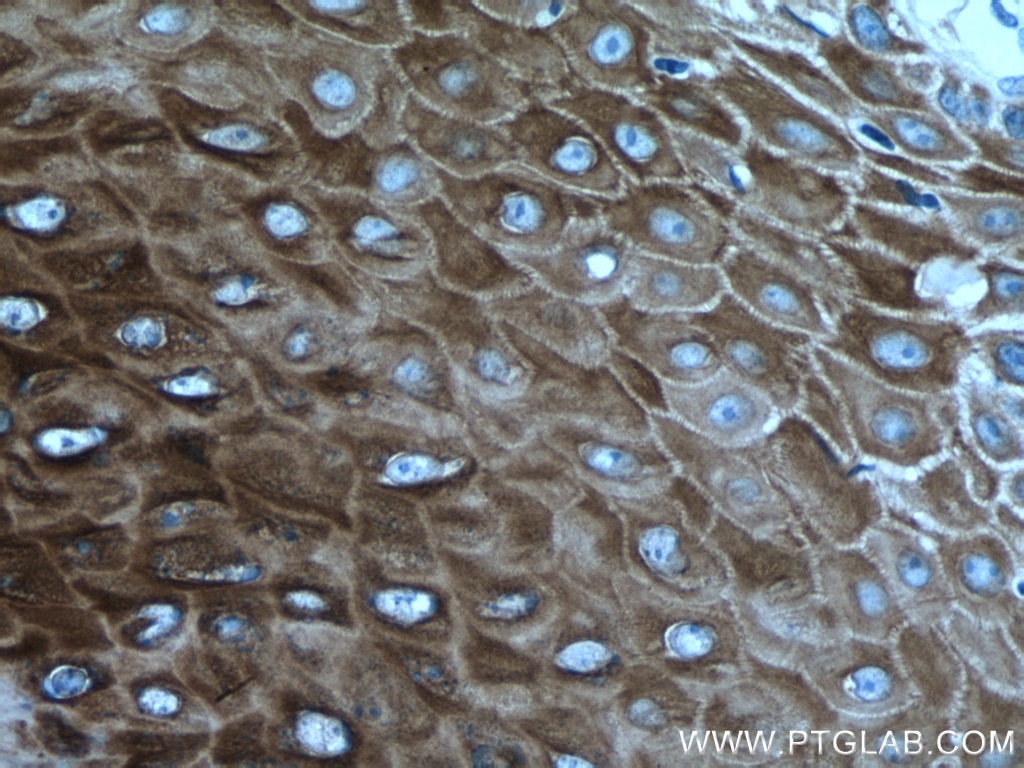
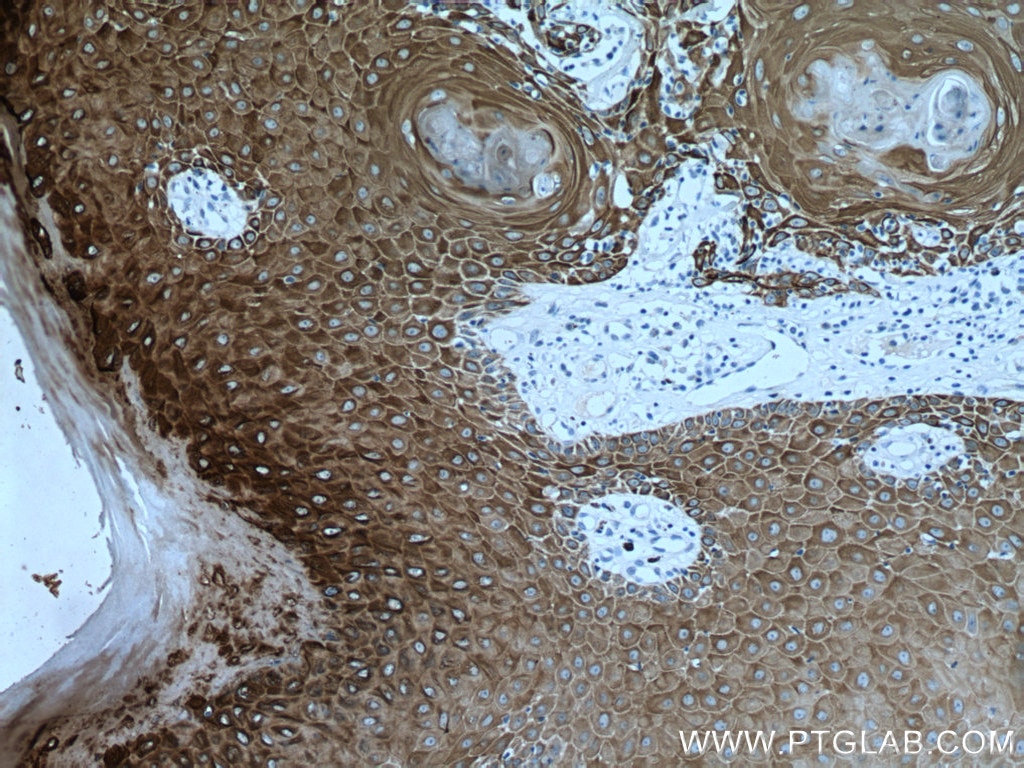
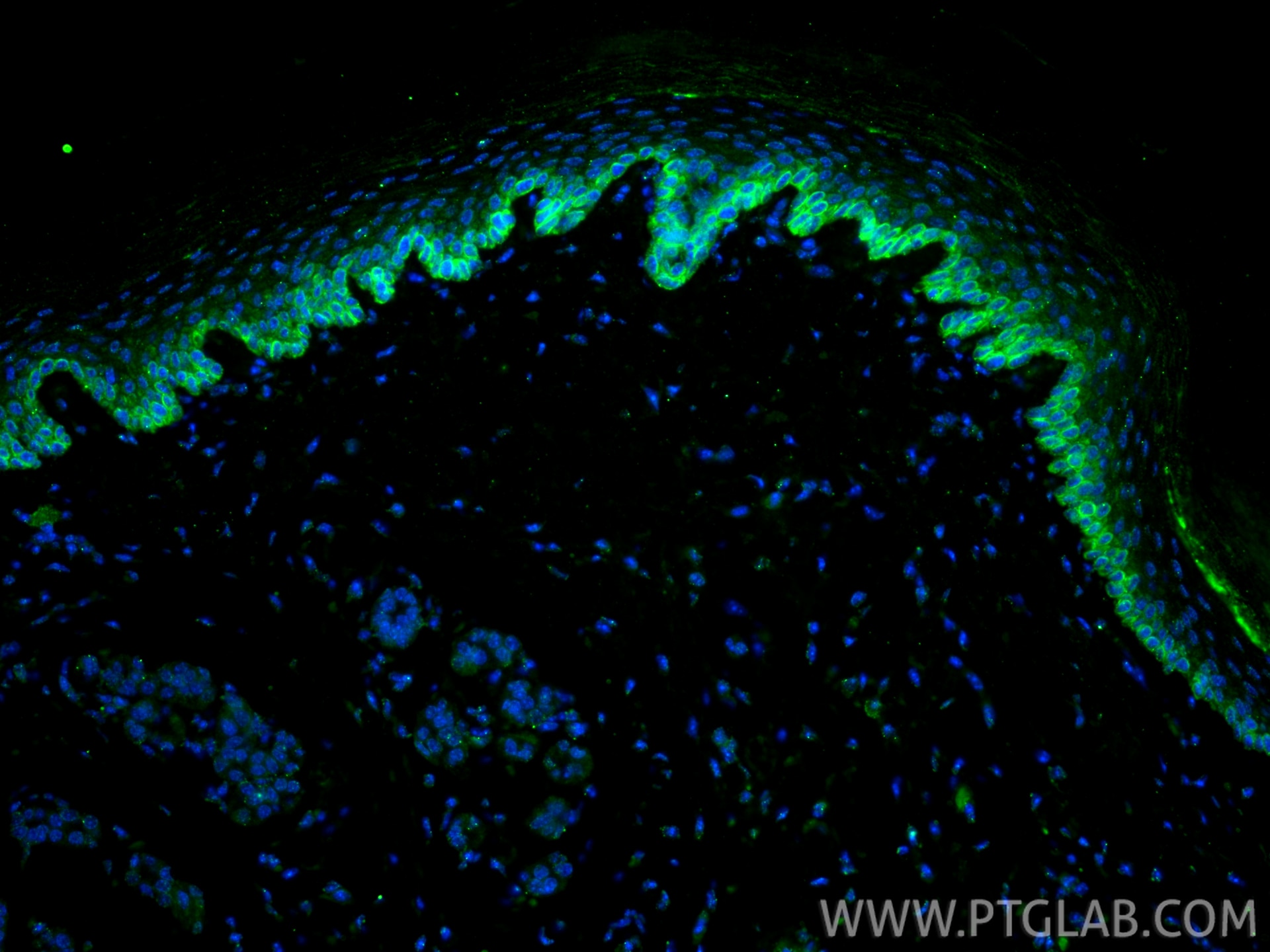
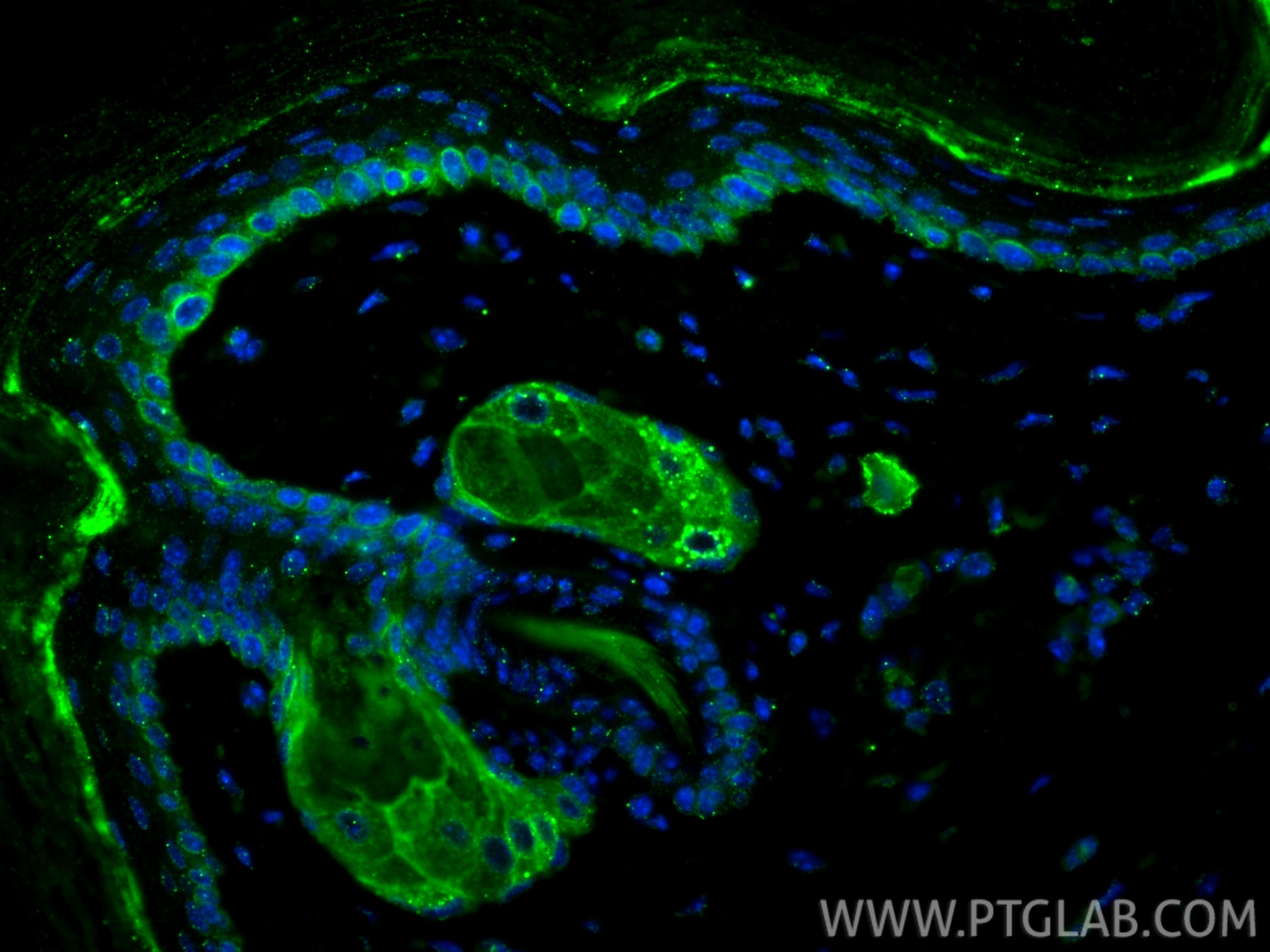
Tested Applications
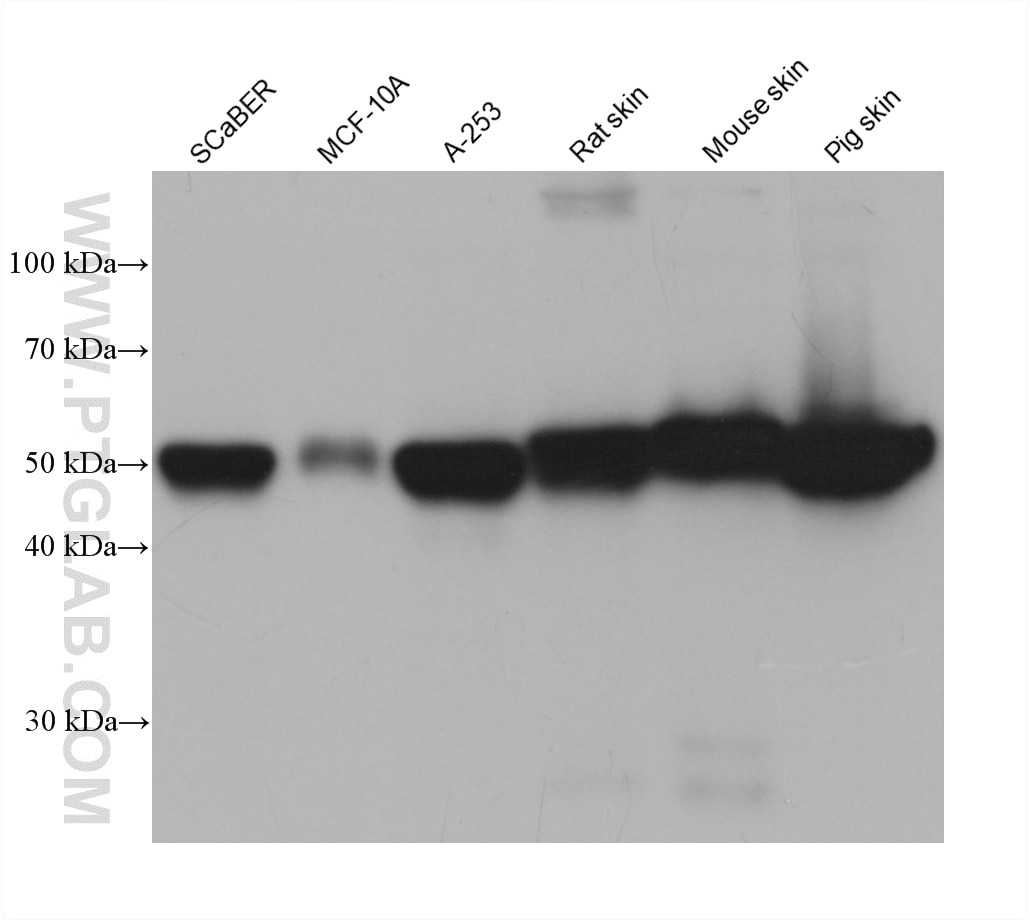
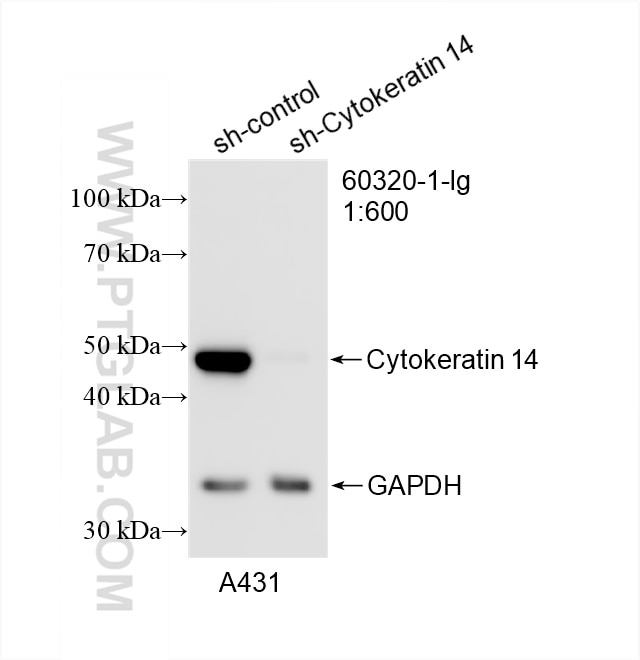
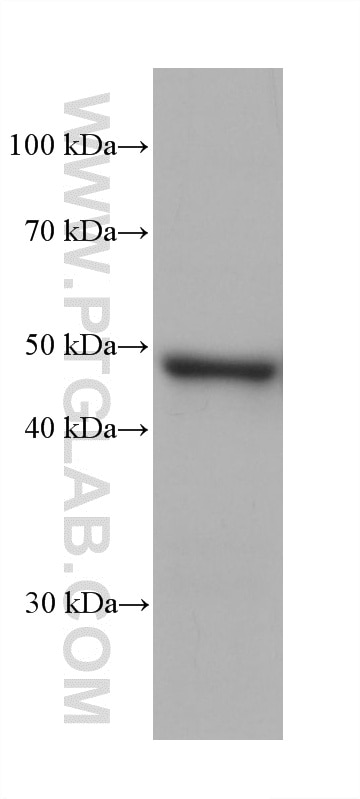
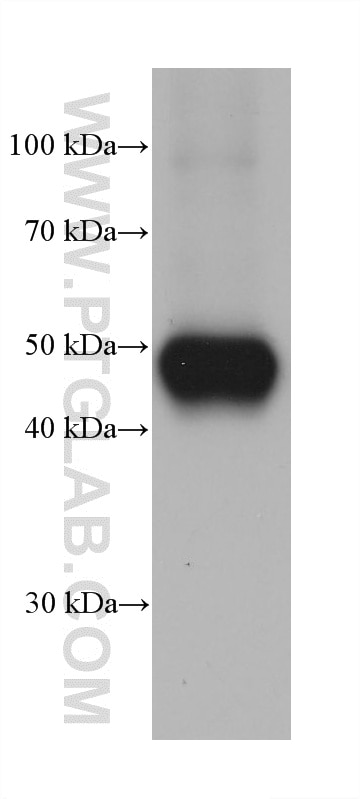
| Positive WB detected in | SCaBER cells, mouse skin tissue, A431 cells, FaDu cells, HT-1376 cells, MCF-10A cells, A-253 cells, rat skin tissue, pig skin tissue |
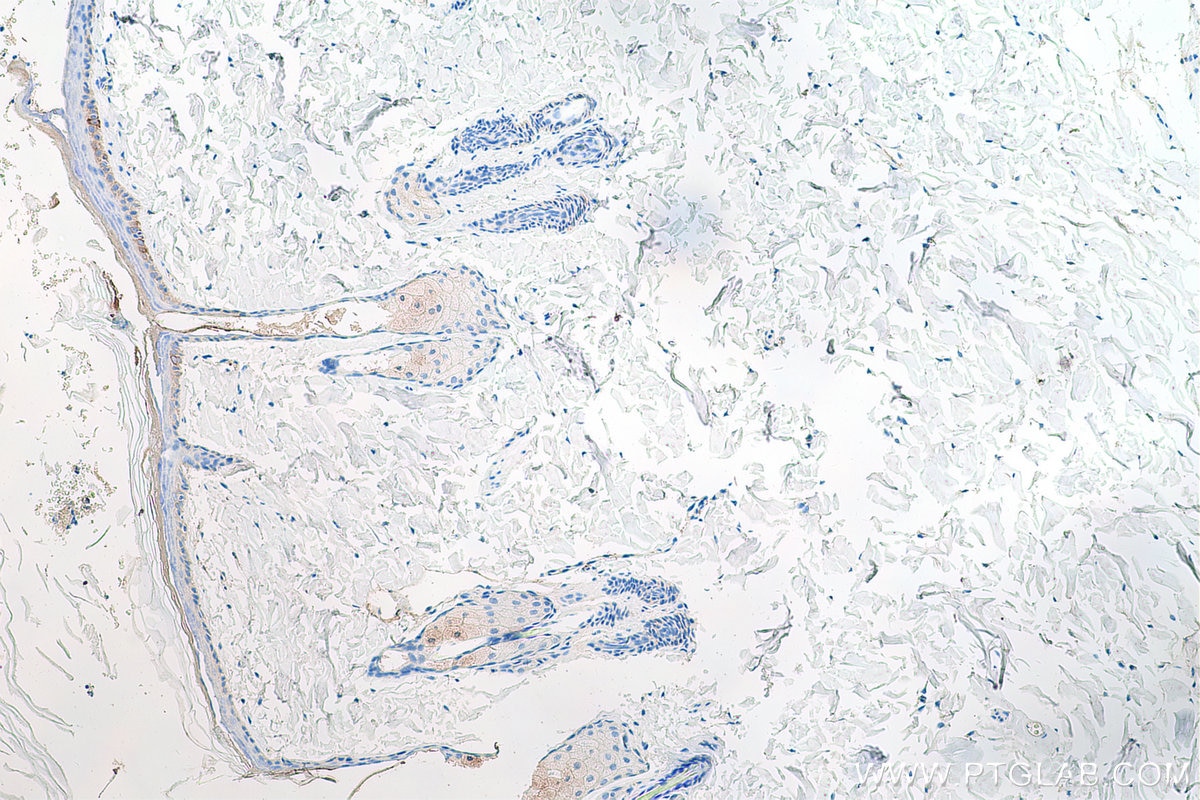
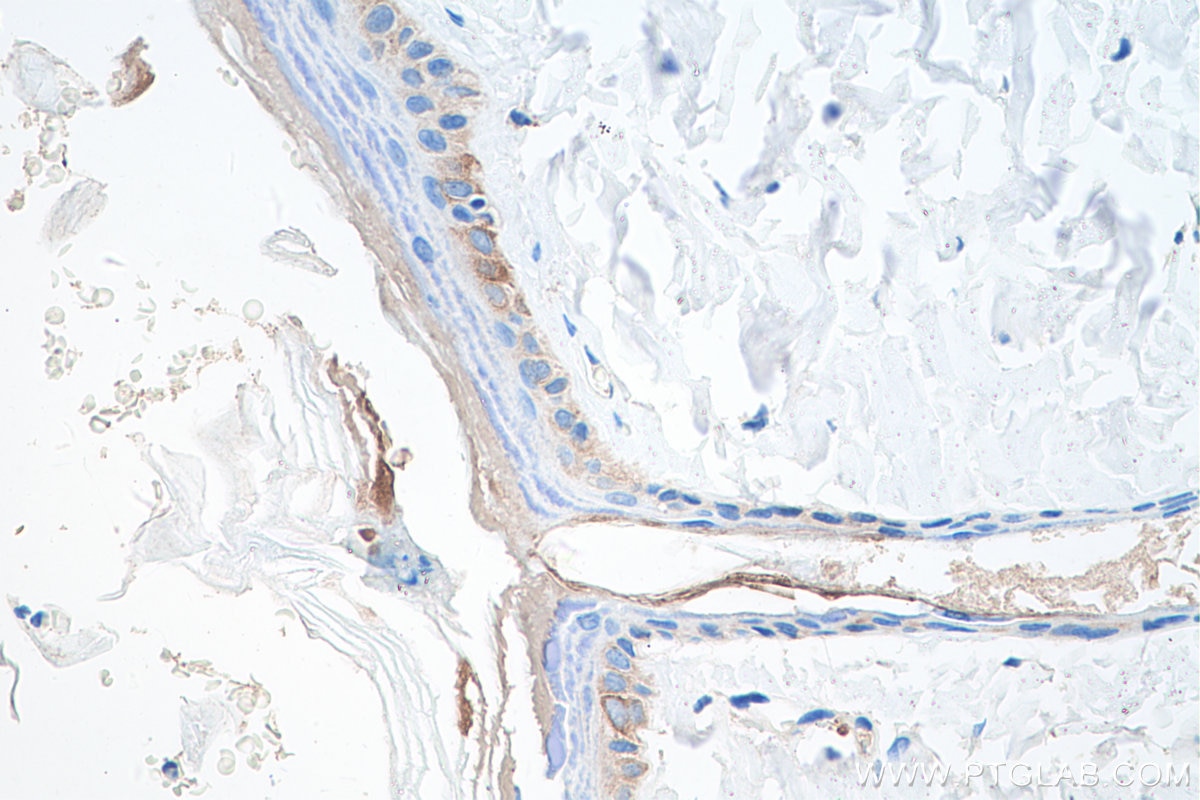
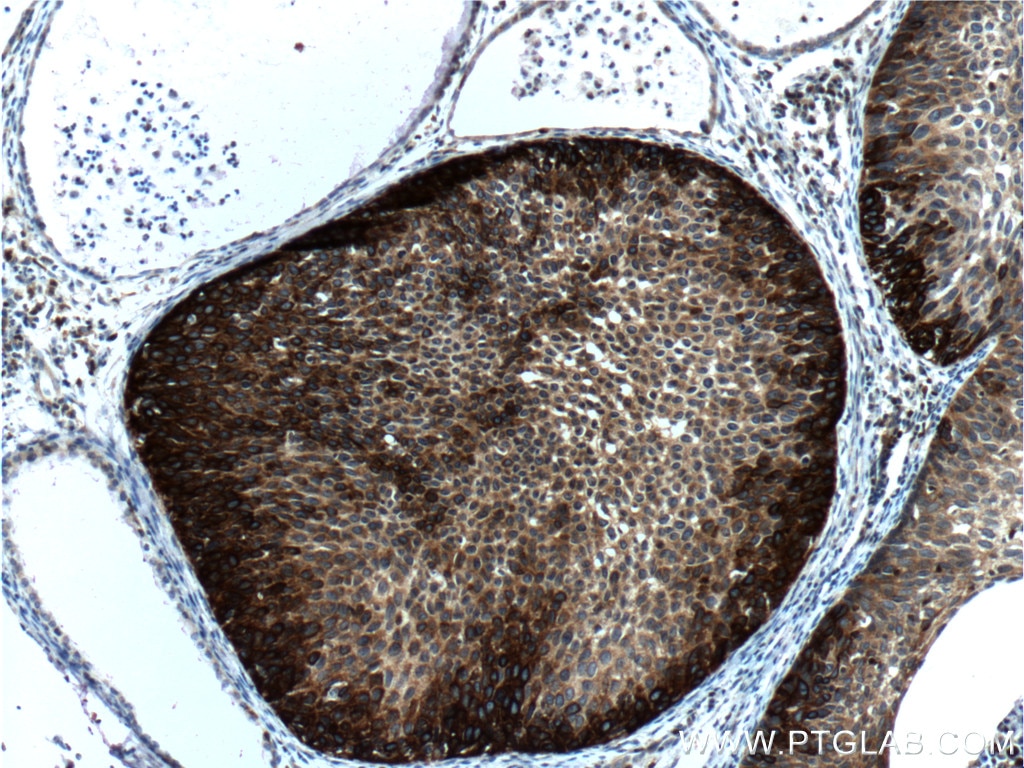
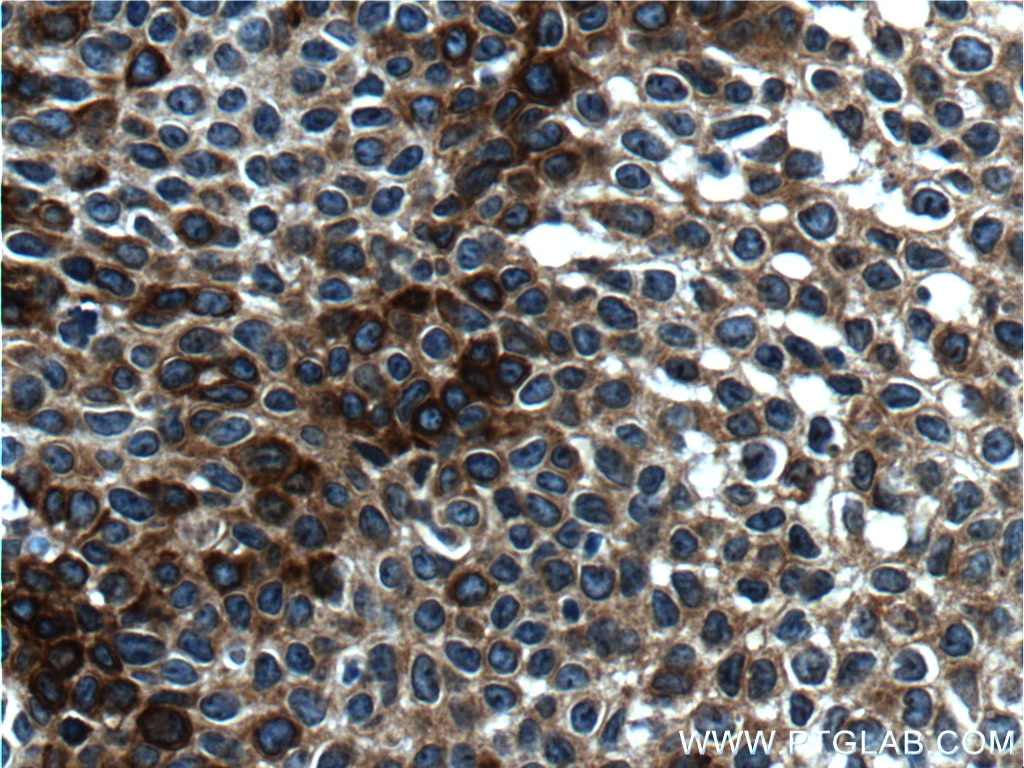
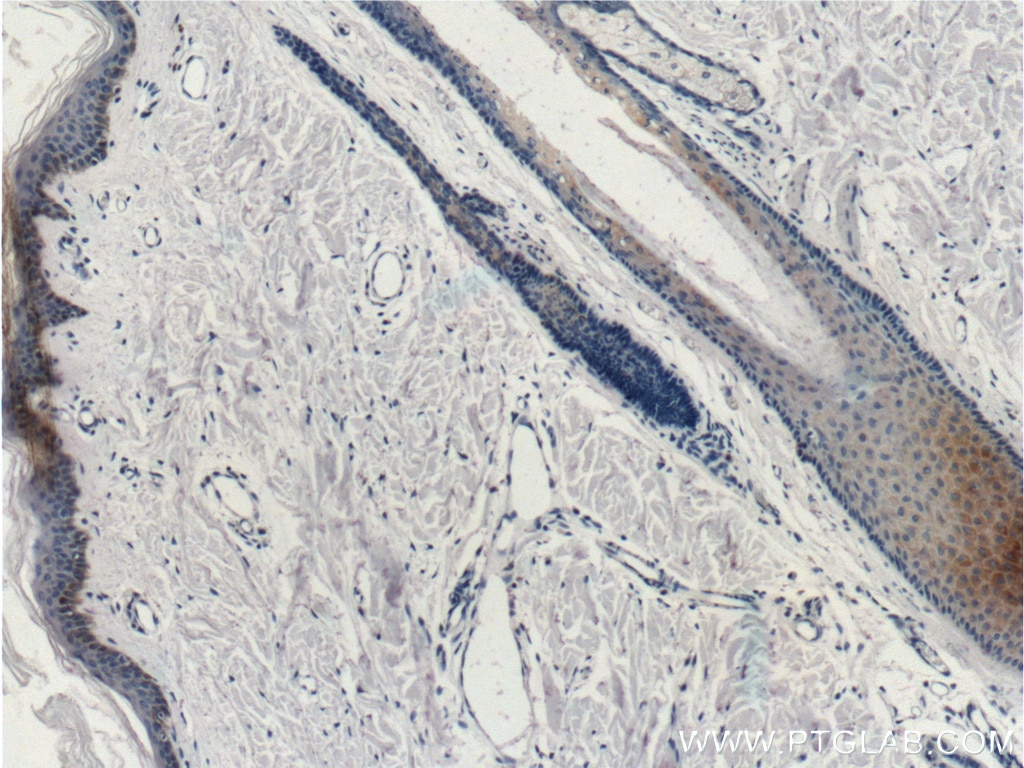
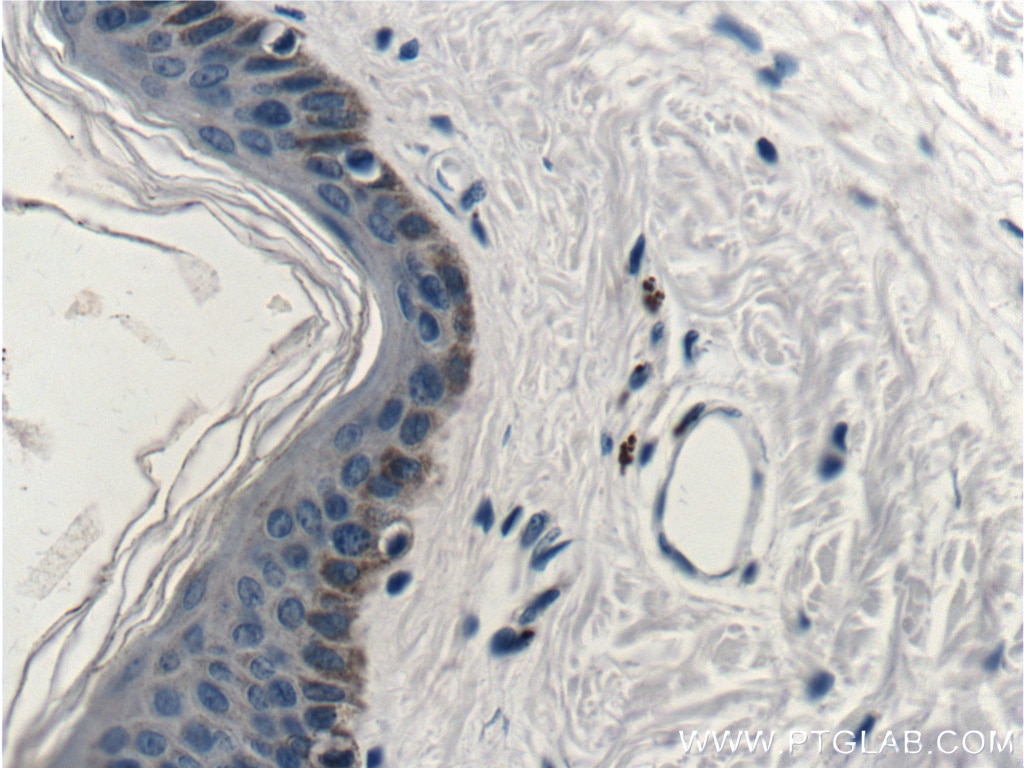
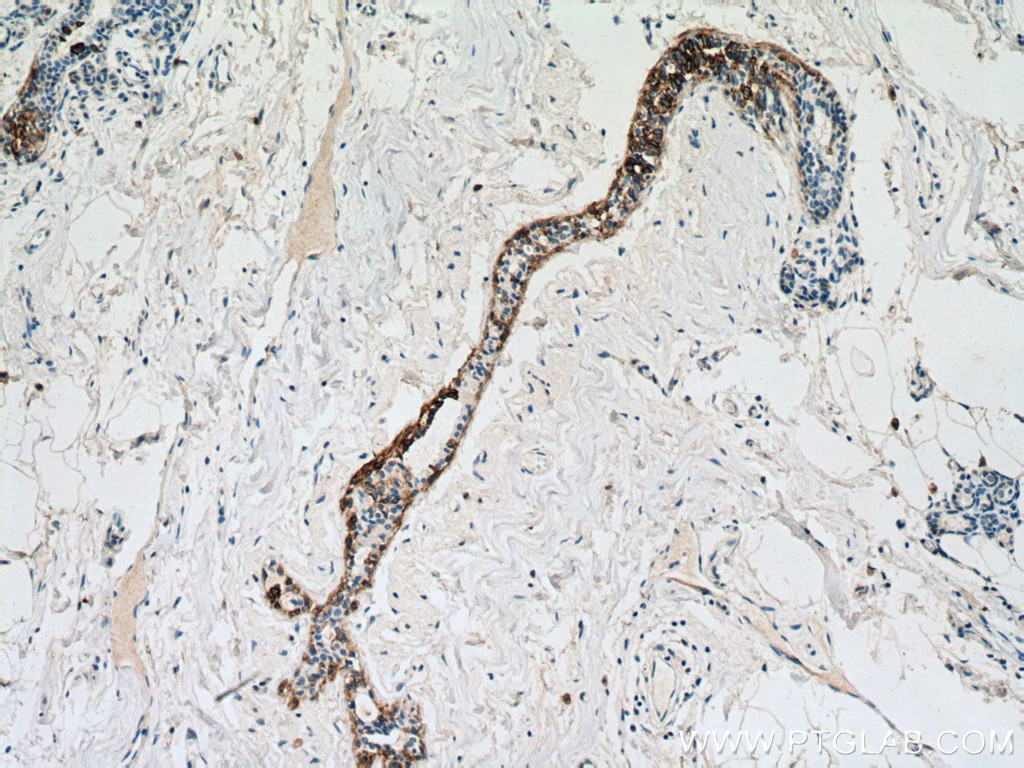
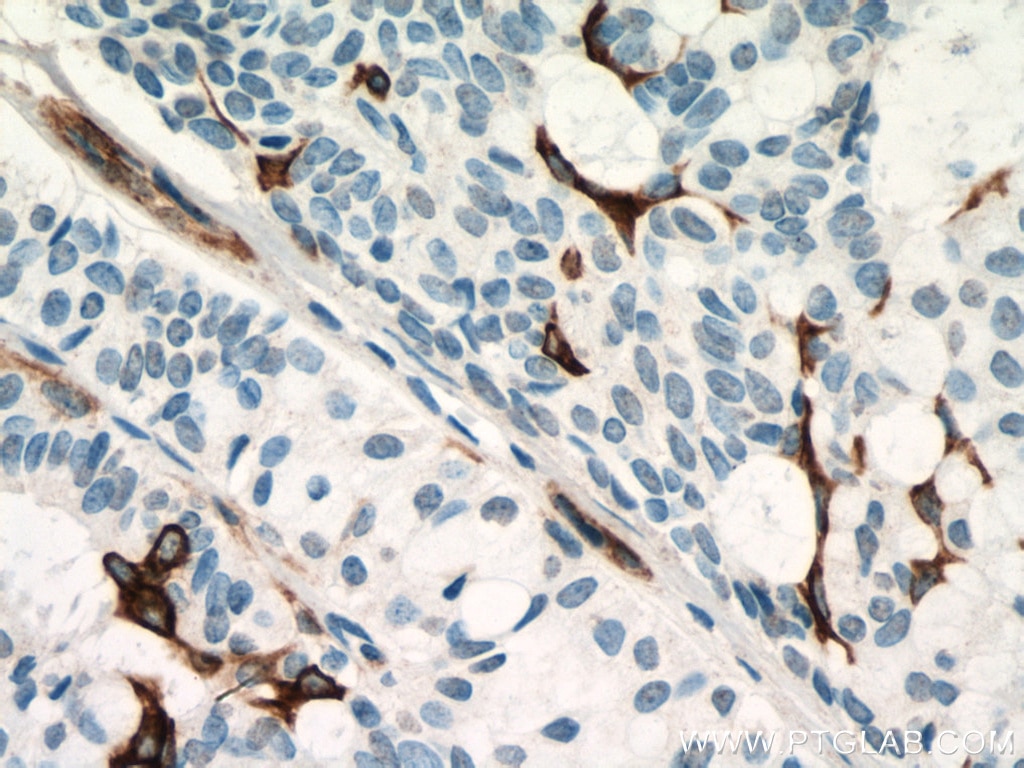
| Positive IHC detected in | human lung cancer tissue, human cervical cancer tissue, human skin tissue, human breast hyperplasia tissue, human skin cancer tissue, rat skin tissue Note: suggested antigen retrieval with TE buffer pH 9.0; (*) Alternatively, antigen retrieval may be performed with citrate buffer pH 6.0 |
| Positive IF-P detected in | mouse skin tissue |
Recommended dilution
| Application | Dilution |
|---|---|
| Western Blot (WB) | WB : 1:20000-1:100000 |
| Immunohistochemistry (IHC) | IHC : 1:400-1:800 |
| Immunofluorescence (IF)-P | IF-P : 1:200-1:800 |
| It is recommended that this reagent should be titrated in each testing system to obtain optimal results. | |
| Sample-dependent, Check data in validation data gallery. | |
Published Applications
| WB | See 5 publications below |
| IHC | See 7 publications below |
| IF | See 28 publications below |
Product Information
60320-1-Ig targets Cytokeratin 14 in WB, IHC, IF-P, ELISA applications and shows reactivity with human, mouse, rat, pig samples.
| Tested Reactivity | human, mouse, rat, pig |
| Cited Reactivity | human, mouse, rat, pig |
| Host / Isotype | Mouse / IgG1 |
| Class | Monoclonal |
| Type | Antibody |
| Immunogen |
CatNo: Ag17559 Product name: Recombinant human KRT14 protein Source: e coli.-derived, PGEX-4T Tag: GST Domain: 426-472 aa of BC002690 Sequence: LSSSQFSSGSQSSRDVTSSSRQIRTKVMDVHDGKVVSTHEQVLRTKN 相同性解析による交差性が予測される生物種 |
| Full Name | keratin 14 |
| Calculated molecular weight | 472 aa, 52 kDa |
| Observed molecular weight | 52 kDa |
| GenBank accession number | BC002690 |
| Gene Symbol | Cytokeratin 14 |
| Gene ID (NCBI) | 3861 |
| RRID | AB_2881431 |
| Conjugate | Unconjugated |
| Form | |
| Form | Liquid |
| Purification Method | Protein G purification |
| UNIPROT ID | P02533 |
| Storage Buffer | PBS with 0.02% sodium azide and 50% glycerol{{ptg:BufferTemp}}7.3 |
| Storage Conditions | Store at -20°C. Stable for one year after shipment. Aliquoting is unnecessary for -20oC storage. |
Background Information
Keratins are a large family of proteins that form the intermediate filament cytoskeleton of epithelial cells, which are classified into two major sequence types. Type I keratins are a group of acidic intermediate filament proteins, including K9-K23, and the hair keratins Ha1-Ha8. Type II keratins are the basic or neutral courterparts to the acidic type I keratins, including K1-K8, and the hair keratins, Hb1-Hb6. Keratin 14 is a type I cytokeratin. It is usually found as a heterotetramer with keratin 5. Keratins K14 and K5 have long been considered to be biochemical markers of the stratified squamous epithelia, including epidermis.
Protocols
| Product Specific Protocols | |
|---|---|
| IF protocol for Cytokeratin 14 antibody 60320-1-Ig | Download protocol |
| IHC protocol for Cytokeratin 14 antibody 60320-1-Ig | Download protocol |
| WB protocol for Cytokeratin 14 antibody 60320-1-Ig | Download protocol |
| Standard Protocols | |
|---|---|
| Click here to view our Standard Protocols |
Publications
| Species | Application | Title |
|---|---|---|
Signal Transduct Target Ther Targeting cancer cell plasticity by HDAC inhibition to reverse EBV-induced dedifferentiation in nasopharyngeal carcinoma. | ||
Nat Aging Skin chronological aging drives age-related bone loss via secretion of cystatin-A | ||
Nat Commun CFAP100 couples microtubule glutamylation to spindle pole integrity in keratinocytes to promote epidermal development. | ||
Metabolism Increased adrenal steroidogenesis and suppressed corticosteroid responsiveness in critical COVID-19 | ||
J Nanobiotechnology Exosomes from human induced pluripotent stem cells-derived keratinocytes accelerate burn wound healing through miR-762 mediated promotion of keratinocytes and endothelial cells migration. |