
Validation Data Gallery
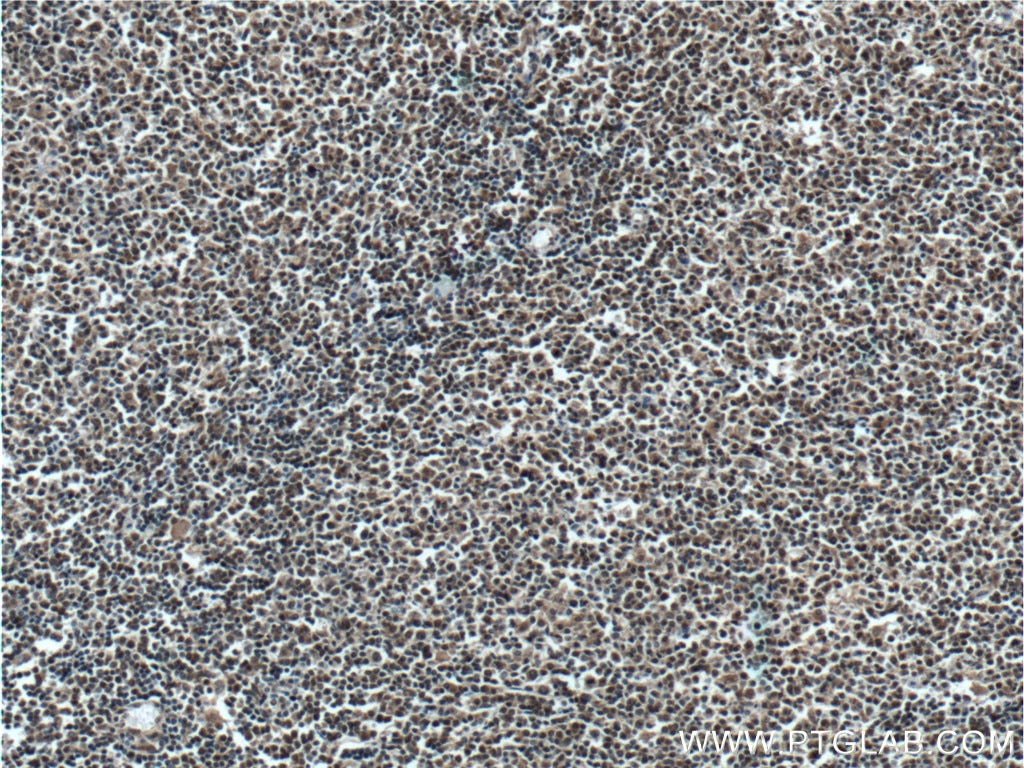
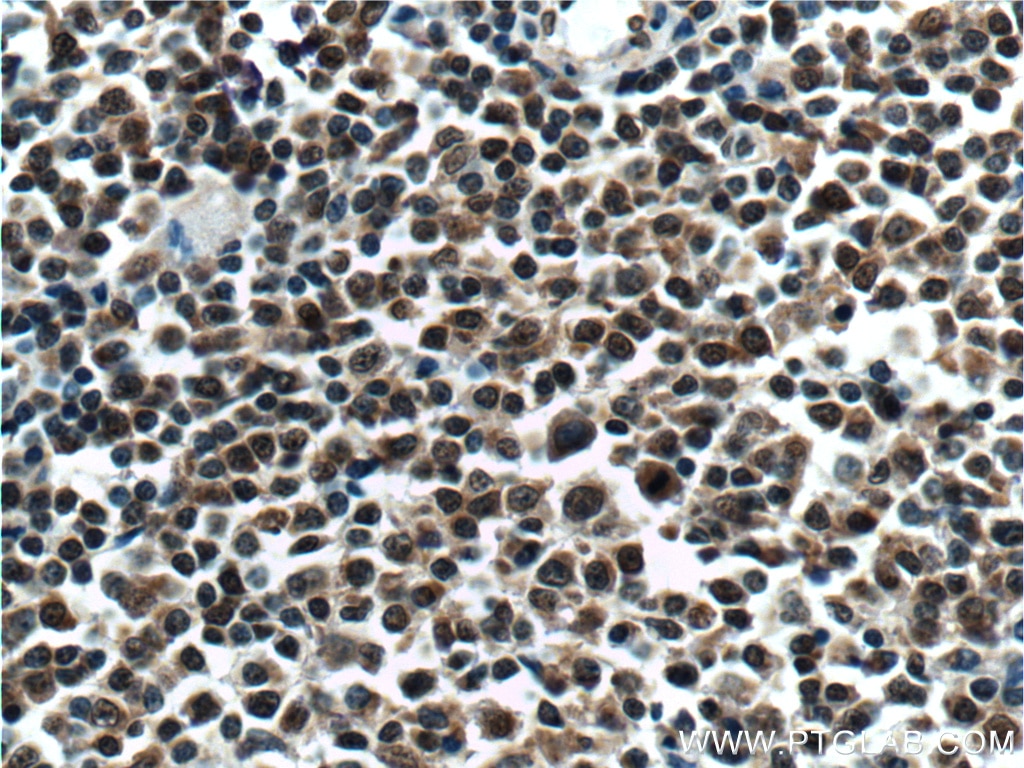
Tested Applications
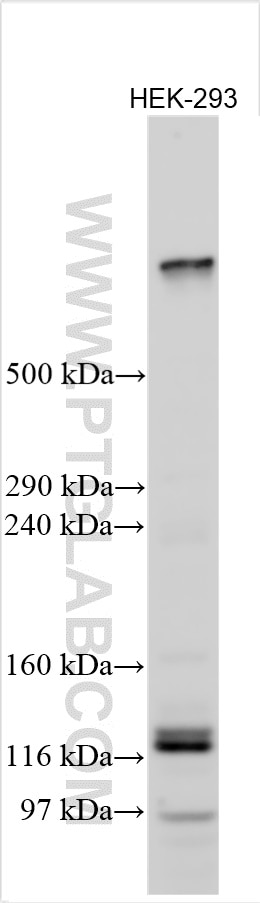
| Positive WB detected in | HEK-293 cells |
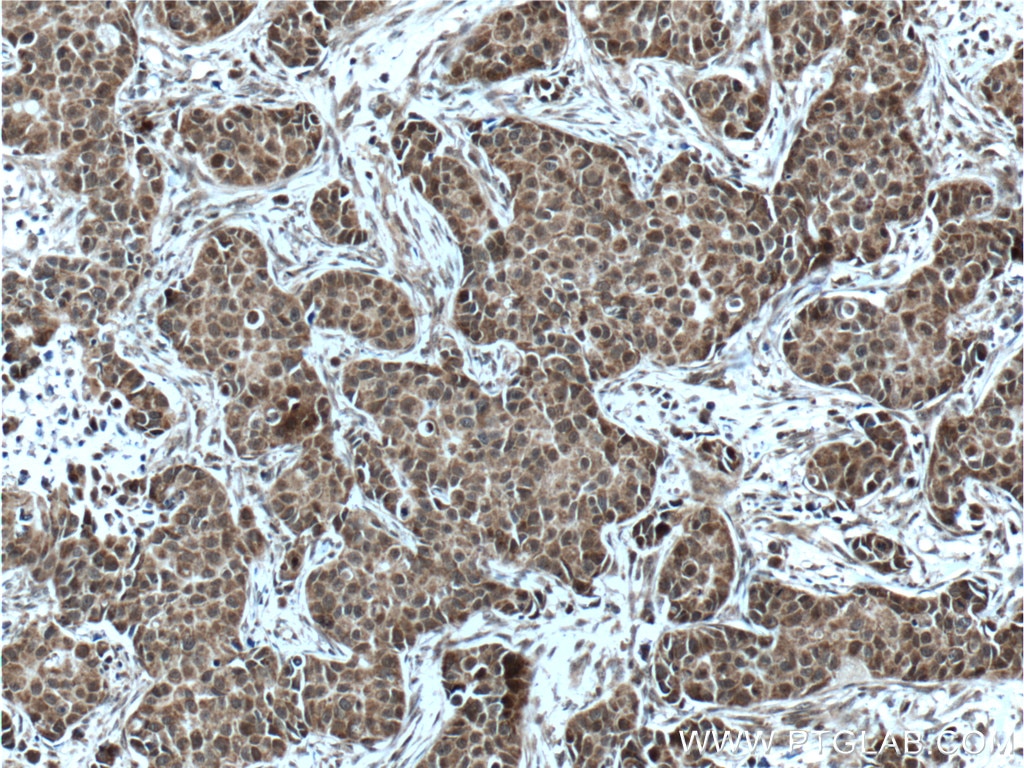
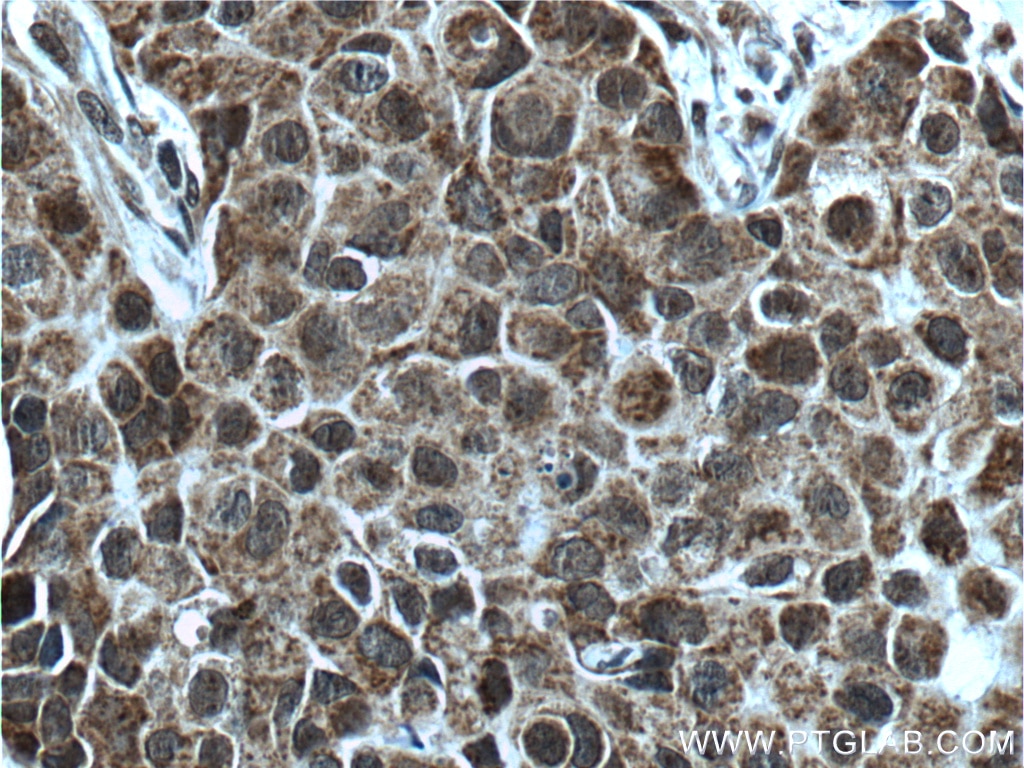
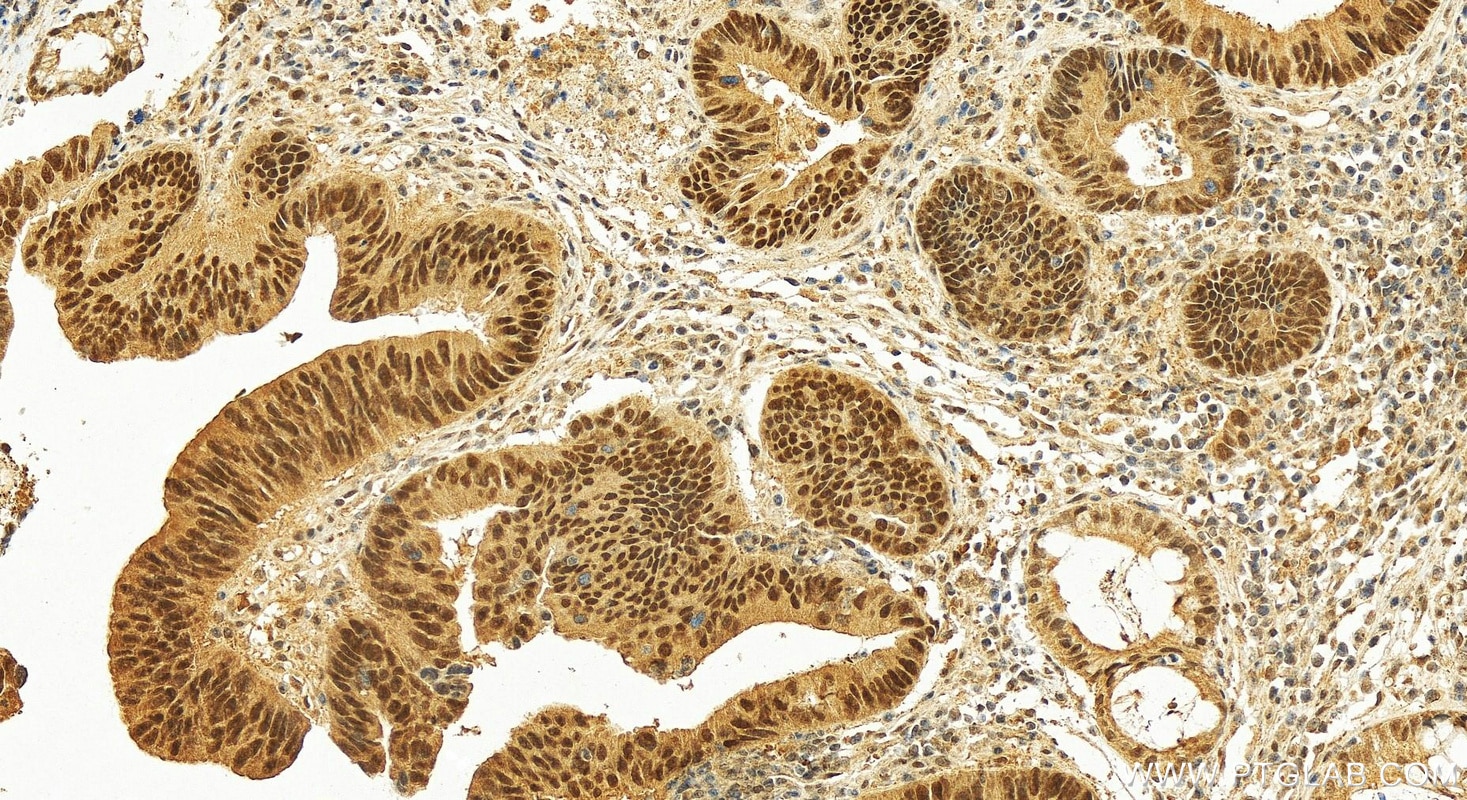
| Positive IHC detected in | human breast cancer tissue, human lymphoma tissue, human colon cancer tissue Note: suggested antigen retrieval with TE buffer pH 9.0; (*) Alternatively, antigen retrieval may be performed with citrate buffer pH 6.0 |
Recommended dilution
| Application | Dilution |
|---|---|
| Western Blot (WB) | WB : 1:2000-1:16000 |
| Immunohistochemistry (IHC) | IHC : 1:50-1:500 |
| It is recommended that this reagent should be titrated in each testing system to obtain optimal results. | |
| Sample-dependent, Check data in validation data gallery. | |
Published Applications
| KD/KO | See 4 publications below |
| WB | See 8 publications below |
| IHC | See 8 publications below |
| IF | See 4 publications below |
| IP | See 1 publications below |
| CoIP | See 1 publications below |
| ChIP | See 5 publications below |
Product Information
27266-1-AP targets KMT2D in WB, IHC, IF, IP, CoIP, ChIP, ELISA applications and shows reactivity with human samples.
| Tested Reactivity | human |
| Cited Reactivity | human, mouse, rat |
| Host / Isotype | Rabbit / IgG |
| Class | Polyclonal |
| Type | Antibody |
| Immunogen |
CatNo: Ag26195 Product name: Recombinant human KMT2D protein Source: e coli.-derived, PGEX-4T Tag: GST Domain: 4821-4920 aa of NM_003482 Sequence: MESPARAGTEPKKGEAEGPGGKEKGLEGKSPDTGPDWLKQFDAVLPGYTLKSQLDILSLLKQESPAPEPPTQHSYTYNVSNLDVRQLSAPPPEEPSPPPSP 相同性解析による交差性が予測される生物種 |
| Full Name | myeloid/lymphoid or mixed-lineage leukemia 2 |
| Calculated molecular weight | 593 kDa |
| Observed molecular weight | 593 kDa |
| GenBank accession number | NM_003482 |
| Gene Symbol | KMT2D/MLL2 |
| Gene ID (NCBI) | 8085 |
| RRID | AB_2880823 |
| Conjugate | Unconjugated |
| Form | |
| Form | Liquid |
| Purification Method | Antigen affinity purification |
| UNIPROT ID | O14686 |
| Storage Buffer | PBS with 0.02% sodium azide and 50% glycerol{{ptg:BufferTemp}}7.3 |
| Storage Conditions | Store at -20°C. Stable for one year after shipment. Aliquoting is unnecessary for -20oC storage. |
Background Information
KMT2D (a COMPASS/ Set1 family member; also known as MLL4, ALR, and MLL2) is the biggest H3K4 methyltransferase among the most frequently mutated genes in many different types of cancer (PMID: 34194626). The enzymatic function of KMT2D depends on a cluster of C-terminal conserved domains, including a PHD domain, two FY-rich motifs (FYRC and FYRN) and a catalytic SET domain. KMT2D has two frequently occurring genomic alterations: truncation and missense mutations. Loss of KMT2D is a bona fide tumor suppressor gene in FL and DLBCL. Kmt2d perturbed the expression of genes that sustain proliferation and survival, and the KMT2D protein directly binds and associates with an active chromatin conformation in negative modulators of the BCR and lymphocyte migration pathways, which in turn could affect B cell responses to antigen(PMID: 26366712).
Protocols
| Product Specific Protocols | |
|---|---|
| IHC protocol for KMT2D antibody 27266-1-AP | Download protocol |
| WB protocol for KMT2D antibody 27266-1-AP | Download protocol |
| Standard Protocols | |
|---|---|
| Click here to view our Standard Protocols |
Publications
| Species | Application | Title |
|---|---|---|
Nat Commun Prohibitin 2 orchestrates long noncoding RNA and gene transcription to accelerate tumorigenesis | ||
J Exp Clin Cancer Res The RNA methyltransferase METTL16 enhances cholangiocarcinoma growth through PRDM15-mediated FGFR4 expression | ||
Cell Death Differ KMT2D loss drives adeno-to-squamous transition and sensitizes TKI-resistant lung cancer to AURKA inhibition | ||
J Immunother Cancer UDP-glucuronate decarboxylase 1 promotes tumor immune evasion by accelerating KMT2D loss in hepatocellular carcinoma | ||
Cell Death Discov Pseudogene ACTBP2 increases blood-brain barrier permeability by promoting KHDRBS2 transcription through recruitment of KMT2D/WDR5 in Aβ1-42 microenvironment. | ||
Oncogene Histone methyltransferase KMT2D promotes castration-resistant prostate cancer progression by reactivating AR through FOXA1.
|