
Validation Data Gallery
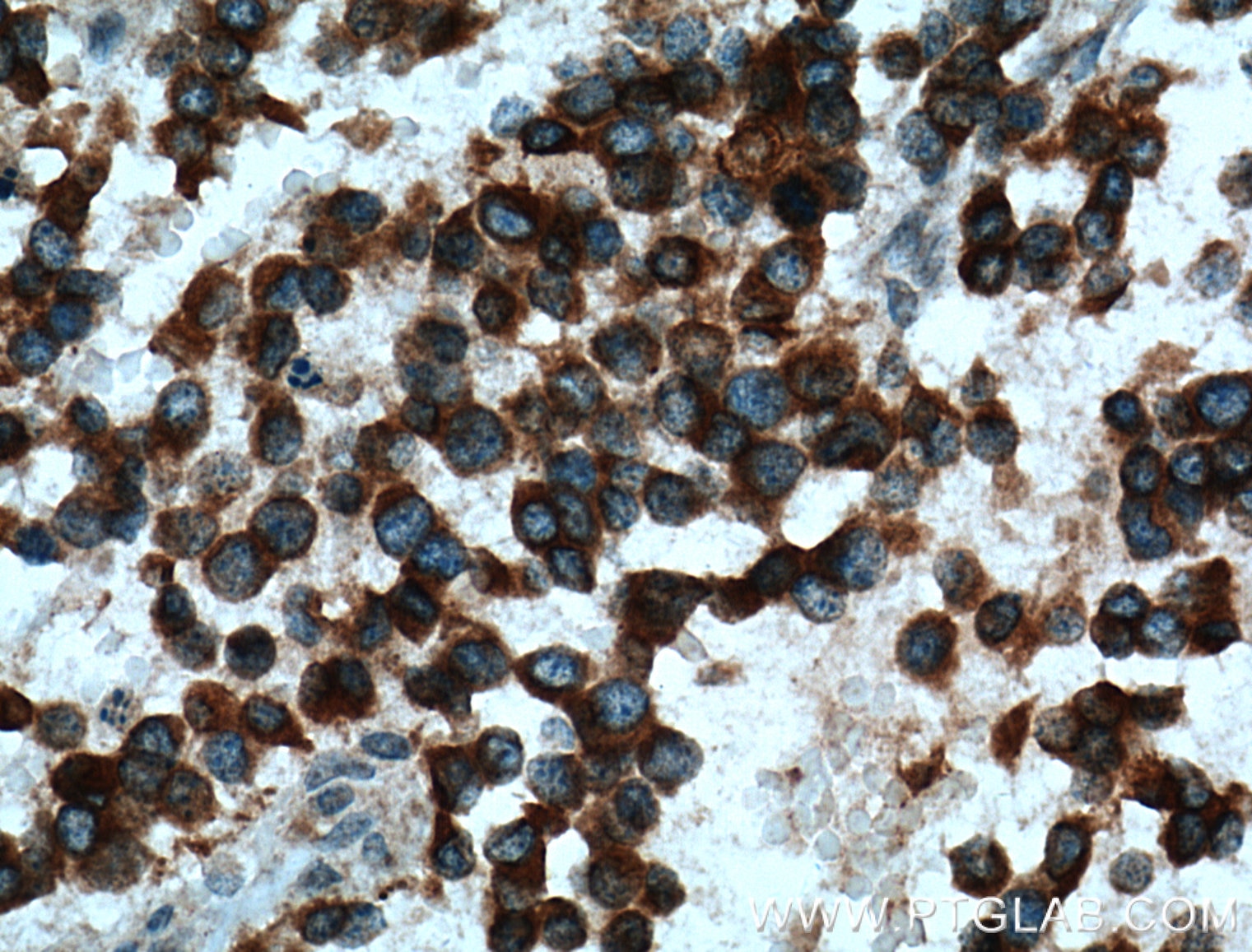
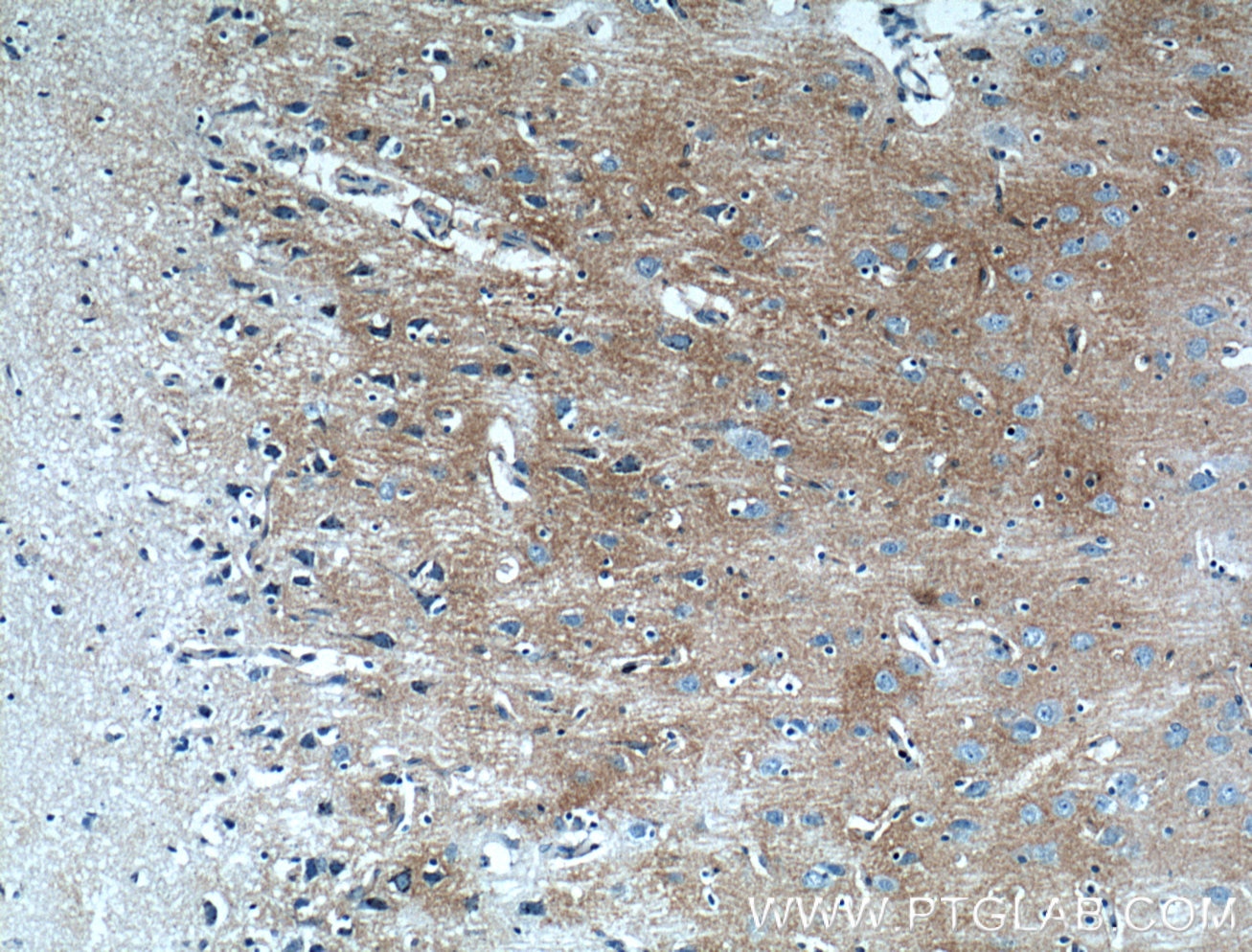
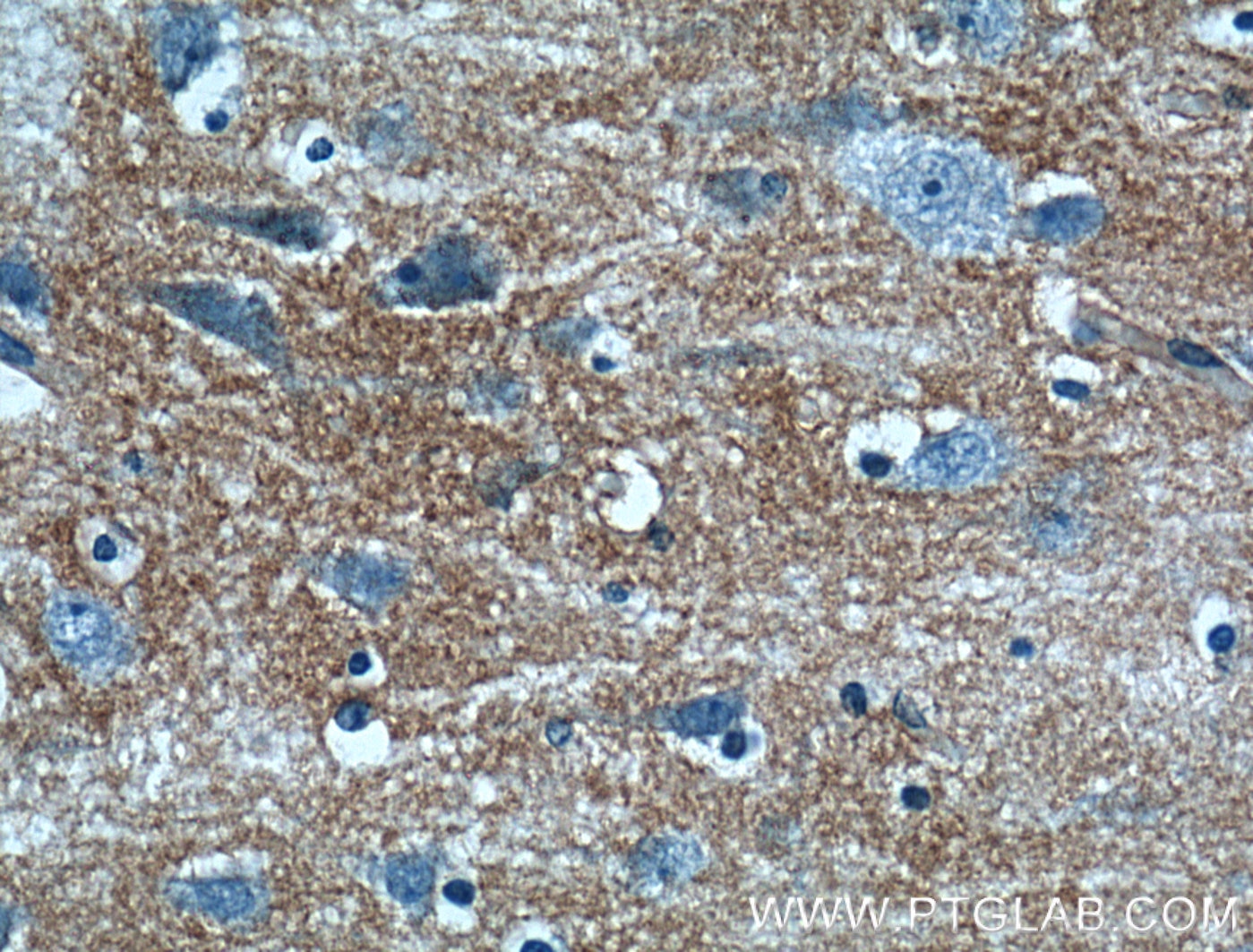
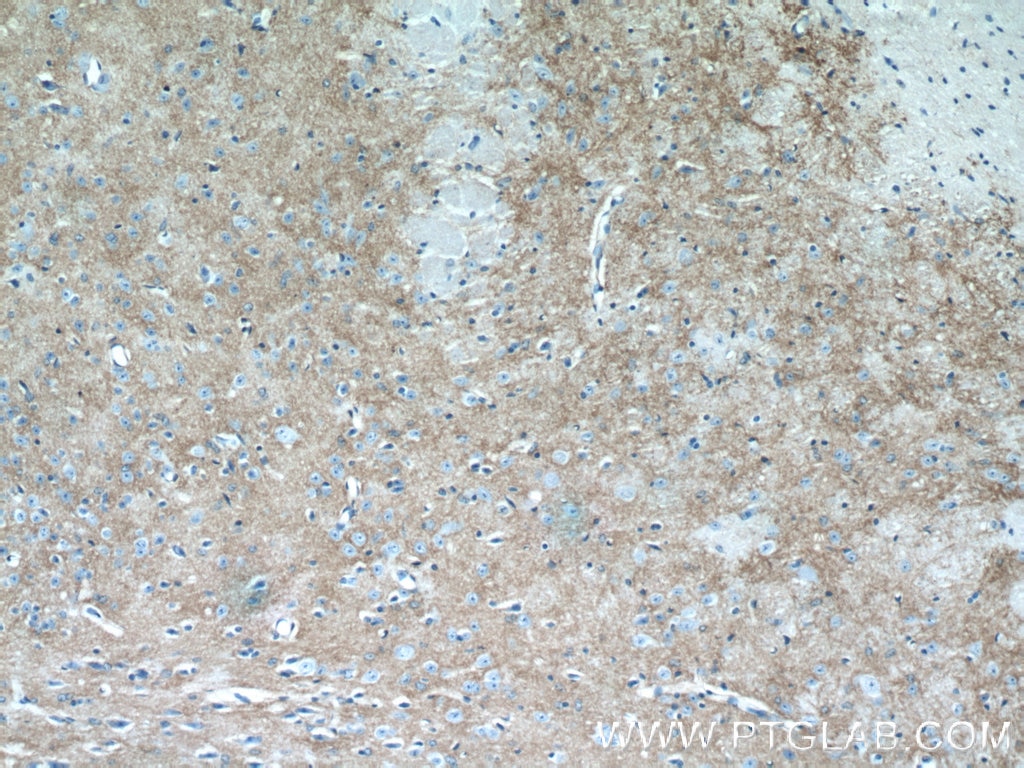
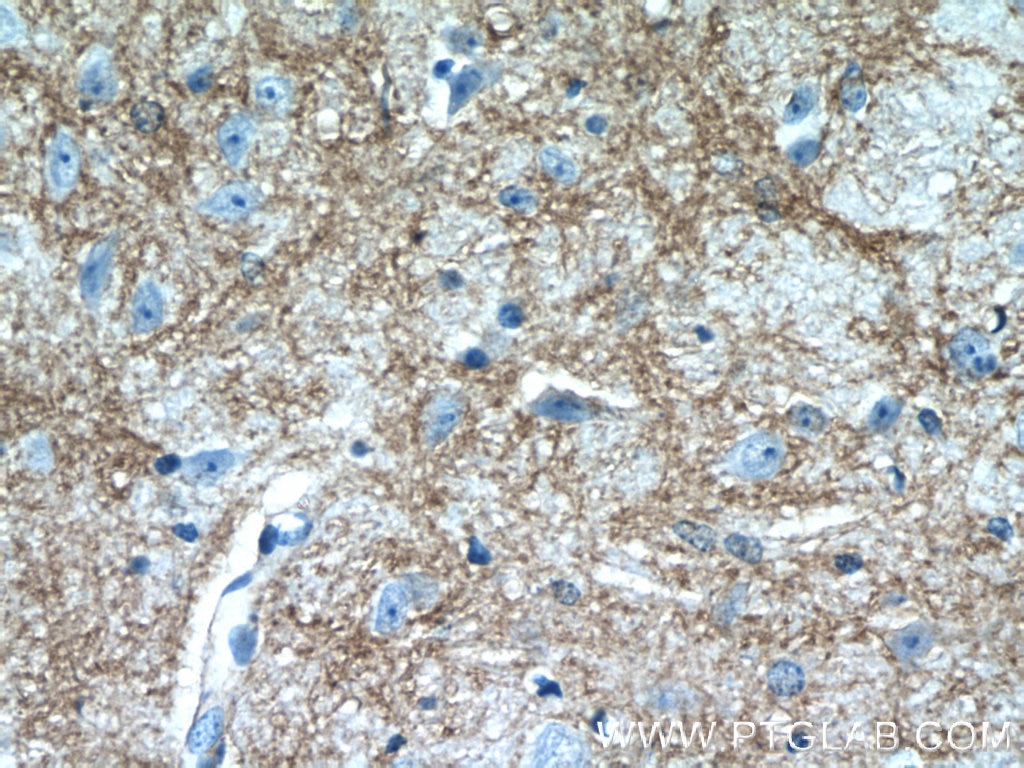
Tested Applications
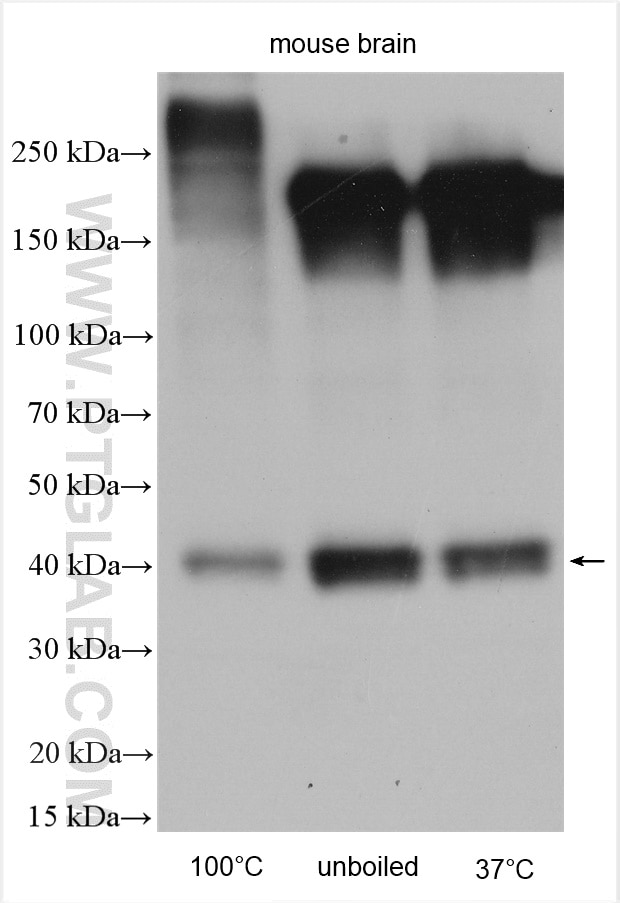
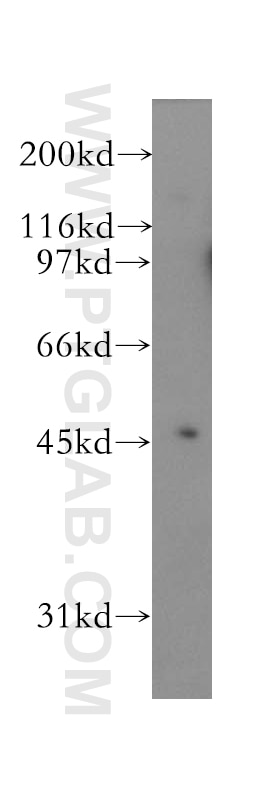
| Positive WB detected in | mouse brain tissue, human brain tissue |
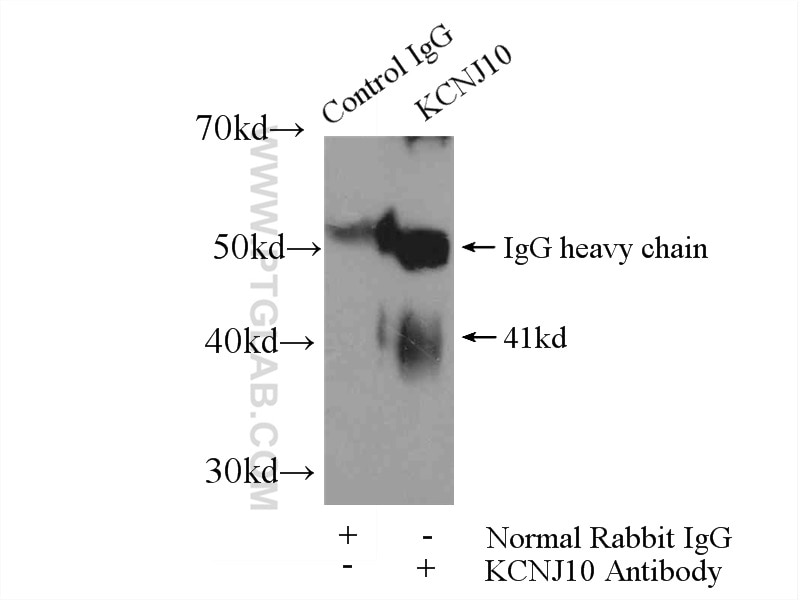
| Positive IP detected in | rat brain tissue |
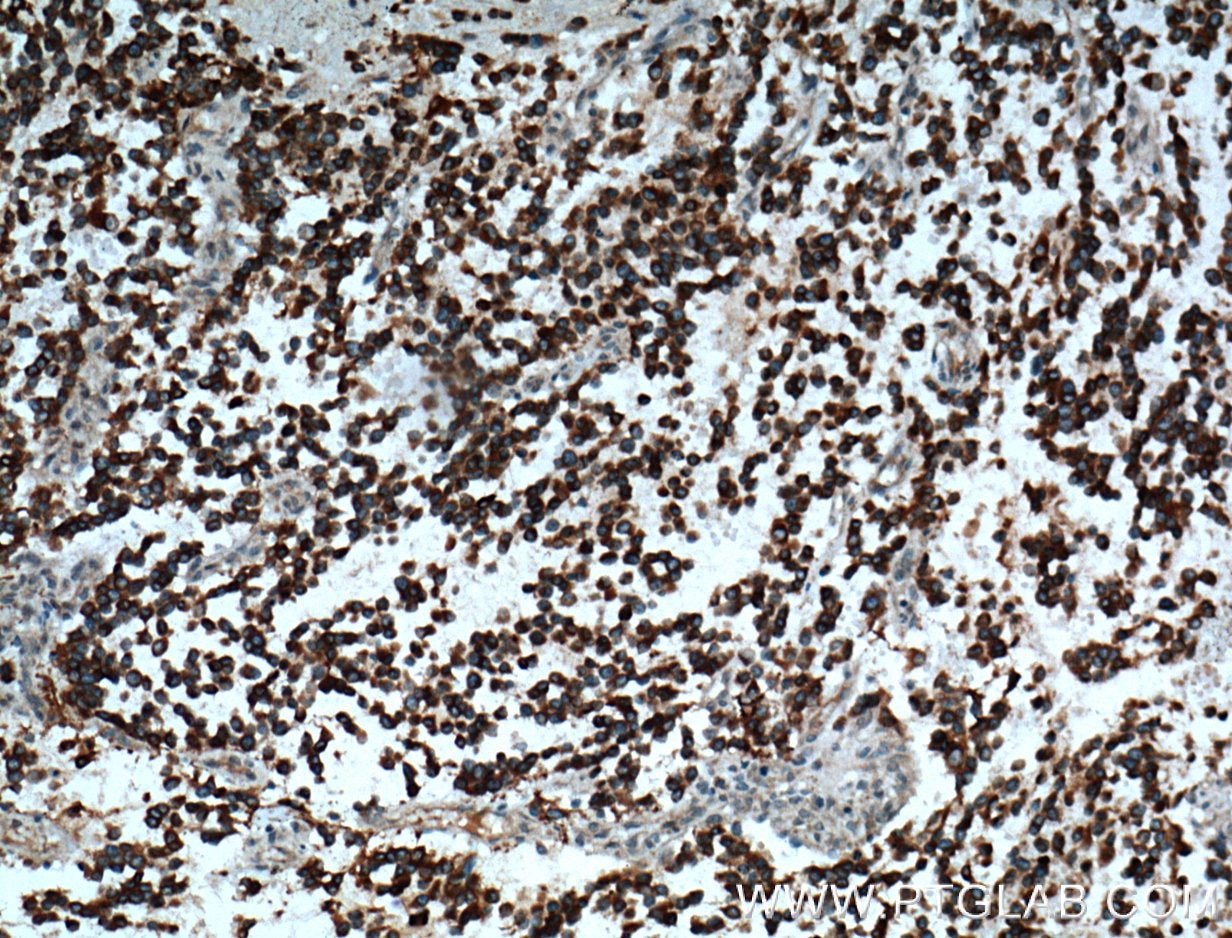
| Positive IHC detected in | human gliomas tissue, human brain tissue, mouse brain tissue Note: suggested antigen retrieval with TE buffer pH 9.0; (*) Alternatively, antigen retrieval may be performed with citrate buffer pH 6.0 |
Recommended dilution
| Application | Dilution |
|---|---|
| Western Blot (WB) | WB : 1:5000-1:50000 |
| Immunoprecipitation (IP) | IP : 0.5-4.0 ug for 1.0-3.0 mg of total protein lysate |
| Immunohistochemistry (IHC) | IHC : 1:50-1:500 |
| It is recommended that this reagent should be titrated in each testing system to obtain optimal results. | |
| Sample-dependent, Check data in validation data gallery. | |
Published Applications
| WB | See 8 publications below |
| IHC | See 2 publications below |
| IF | See 5 publications below |
| CoIP | See 1 publications below |
Product Information
12503-1-AP targets Kir4.1 in WB, IHC, IF, IP, CoIP, ELISA, CE applications and shows reactivity with human, mouse, rat samples.
| Tested Reactivity | human, mouse, rat |
| Cited Reactivity | human, mouse, rat, rabbit |
| Host / Isotype | Rabbit / IgG |
| Class | Polyclonal |
| Type | Antibody |
| Immunogen |
CatNo: Ag3182 Product name: Recombinant human KCNJ10 protein Source: e coli.-derived, PGEX-4T Tag: GST Domain: 224-426 aa of BC034036 Sequence: ETIRFSQHAVVASHNGKPCLMIRVANMRKSLLIGCQVTGKLLQTHQTKEGENIRLNQVNVTFQVDTASDSPFLILPLTFYHVVDETSPLKDLPLRSGEGDFELVLILSGTVESTSATCQVRTSYLPEEILWGYEFTPAISLSASGKYIADFSLFDQVVKVASPSGLRDSTVRYGDPEKLKLEESLREQAEKEGSALSVRISNV 相同性解析による交差性が予測される生物種 |
| Full Name | potassium inwardly-rectifying channel, subfamily J, member 10 |
| Calculated molecular weight | 379 aa, 41 kDa |
| Observed molecular weight | 41 kDa |
| GenBank accession number | BC034036 |
| Gene Symbol | Kir4.1 |
| Gene ID (NCBI) | 3766 |
| RRID | AB_2234144 |
| Conjugate | Unconjugated |
| Form | |
| Form | Liquid |
| Purification Method | Antigen affinity purification |
| UNIPROT ID | P78508 |
| Storage Buffer | PBS with 0.02% sodium azide and 50% glycerol{{ptg:BufferTemp}}7.3 |
| Storage Conditions | Store at -20°C. Stable for one year after shipment. Aliquoting is unnecessary for -20oC storage. |
Background Information
ATP-sensitive inward rectifier potassium channel 10 (KCNJ10, also known as Kir4.1) is an inwardly rectifying K⁺ channel predominantly expressed in glial cells within the central nervous system. In glial cells, Kir4.1 participates in multiple physiological processes, including the maintenance of extracellular K⁺ homeostasis, preservation of astrocyte resting membrane potential, regulation of cell volume, and promotion of glutamate uptake (PMID: 26961251). Kir4.1 can assemble into Kir4.1/Kir5.1 heteromeric channels, which mediate basolateral K⁺ recycling in renal distal tubules. This activity is essential for tubular Na⁺ reabsorption. Pathogenic mutations in Kir4.1 are associated with EAST/SeSAME syndrome, a genetic disorder marked by renal salt wasting (PMID: 24561201; 8995301).
Protocols
| Product Specific Protocols | |
|---|---|
| IHC protocol for Kir4.1 antibody 12503-1-AP | Download protocol |
| IP protocol for Kir4.1 antibody 12503-1-AP | Download protocol |
| WB protocol for Kir4.1 antibody 12503-1-AP | Download protocol |
| Standard Protocols | |
|---|---|
| Click here to view our Standard Protocols |
Publications
| Species | Application | Title |
|---|---|---|
Nat Commun Astrocytic neuroligin 3 regulates social memory and synaptic plasticity through adenosine signaling in male mice | ||
Neuron Glioma epileptiform activity and progression are driven by IGSF3-mediated potassium dysregulation | ||
Cell Rep Astrocyte Kir4.1 expression level territorially controls excitatory transmission in the brain | ||
Cell Rep Retrograde control of sympathetic neuron-satellite glia interactions by target-derived NGF signaling. | ||
Cells Destabilizing COXIV in Müller Glia Increases Retinal Glycolysis and Alters Scotopic Electroretinogram | ||
Epilepsia Elevated Astrocytic NFAT5 of the hippocampus increases epilepsy susceptibility in hypoxic-ischemic mice |