
Validation Data Gallery
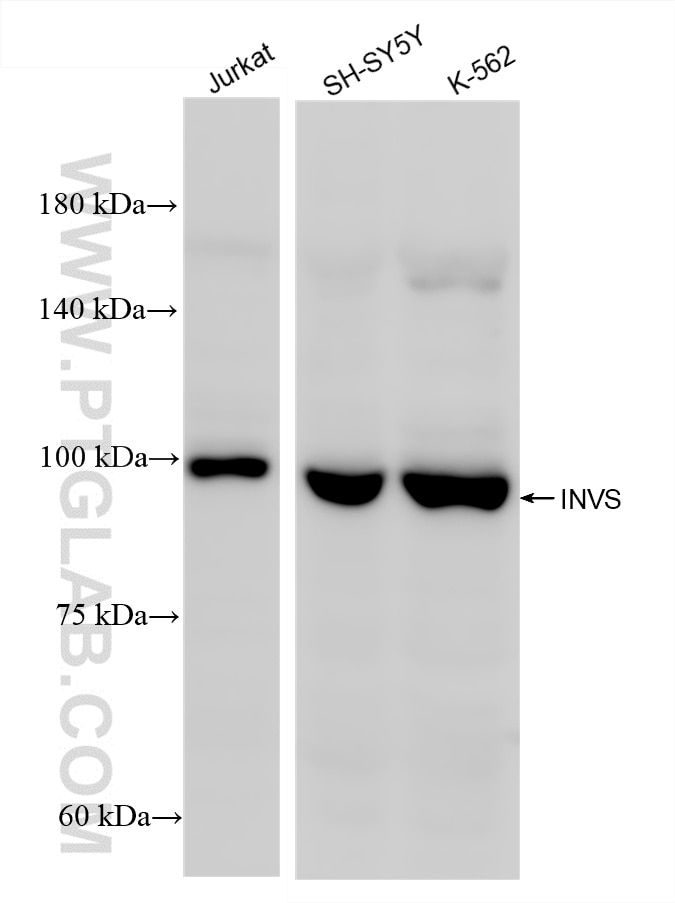
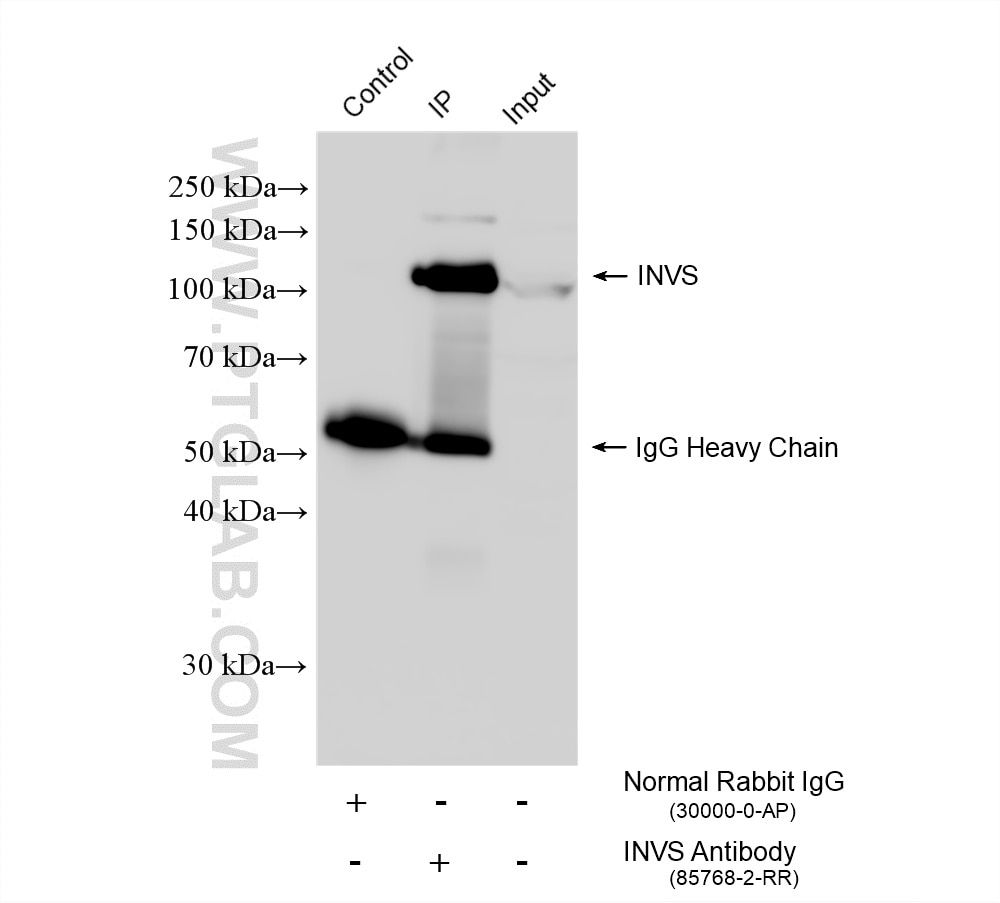
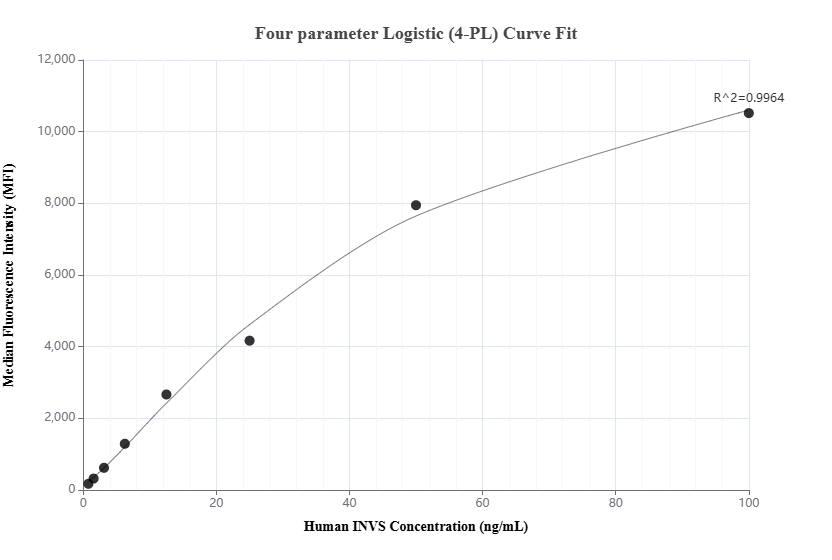
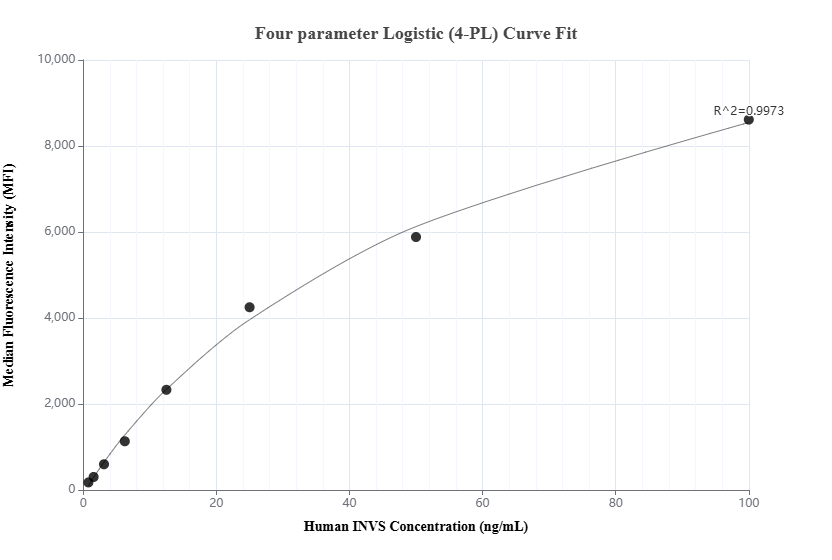
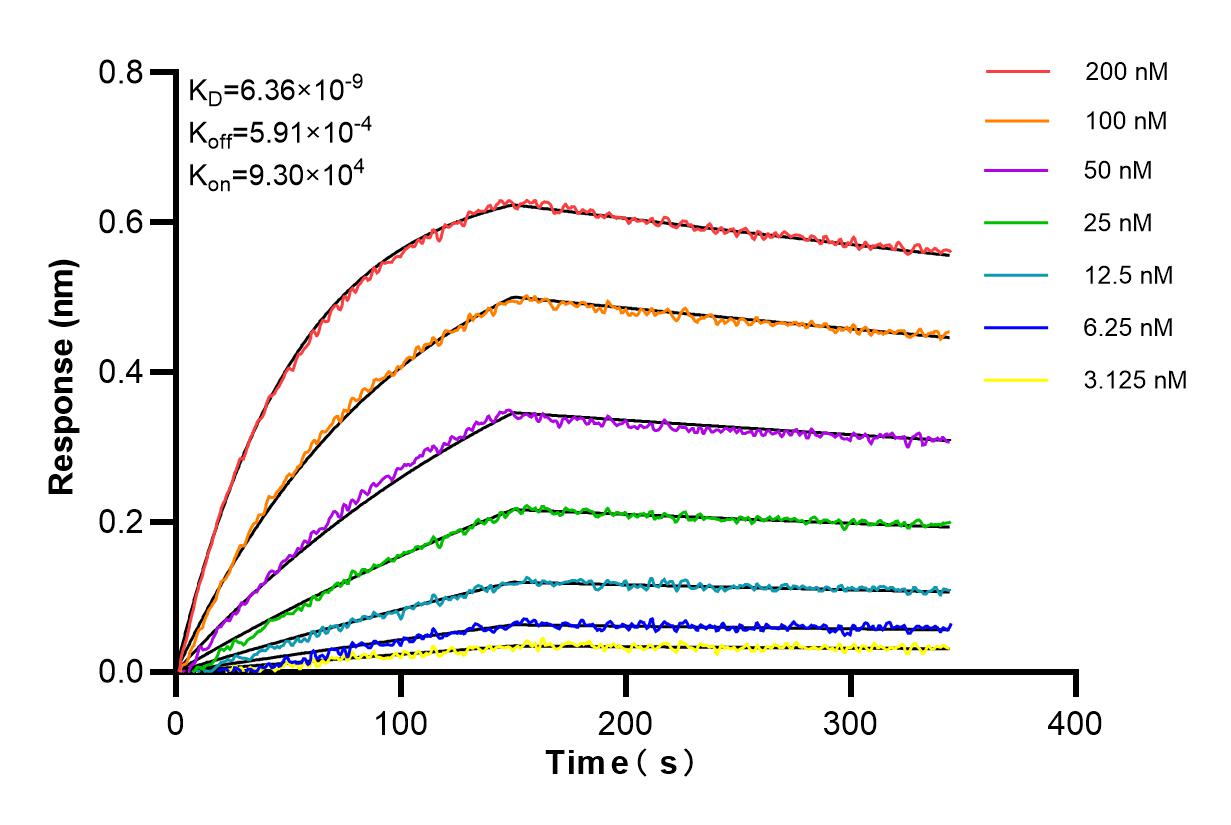
Tested Applications
Recommended dilution
| Application | Dilution |
|---|---|
| It is recommended that this reagent should be titrated in each testing system to obtain optimal results. | |
Product Information
85768-2-PBS targets INVS as part of a matched antibody pair:
MP02076-1: 85768-3-PBS capture and 85768-2-PBS detection (validated in Cytometric bead array)
MP02076-2: 85768-1-PBS capture and 85768-2-PBS detection (validated in Cytometric bead array)
Unconjugated rabbit recombinant monoclonal antibody in PBS only (BSA and azide free) storage buffer at a concentration of 1 mg/mL, ready for conjugation. Created using Proteintech’s proprietary in-house recombinant technology. Recombinant production enables unrivalled batch-to-batch consistency, easy scale-up, and future security of supply.
This conjugation ready format makes antibodies ideal for use in many applications including: ELISAs, multiplex assays requiring matched pairs, mass cytometry, and multiplex imaging applications.Antibody use should be optimized by the end user for each application and assay.
| Tested Reactivity | human |
| Host / Isotype | Rabbit / IgG |
| Class | Recombinant |
| Type | Antibody |
| Immunogen |
CatNo: Ag0934 Product name: Recombinant human INVS protein Source: e coli.-derived, PGEX-4T Tag: GST Domain: 1-101 aa of BC006370 Sequence: MNKSENLLFAGSSLASQVHAAAVNGDKGALQRLIVGNSALKDKEDQFGRTPLMYCVLADRLDCADALLKAGADVNKTDHSQRTALHLAAQKALRTISTGRI 相同性解析による交差性が予測される生物種 |
| Full Name | inversin |
| Calculated molecular weight | 118 kDa, 100 kDa |
| Observed molecular weight | 100 kDa |
| GenBank accession number | BC006370 |
| Gene Symbol | INVS |
| Gene ID (NCBI) | 27130 |
| RRID | AB_3744360 |
| Conjugate | Unconjugated |
| Form | |
| Form | Liquid |
| Purification Method | Protein A purification |
| UNIPROT ID | Q9Y283 |
| Storage Buffer | PBS only{{ptg:BufferTemp}}7.3 |
| Storage Conditions | Store at -80°C. |
Background Information
INVS, short for inversin, plays a role in primary cilia function and involvement in the cell cycle. It is required for normal renal development and establishment of the left-right axis. INVS may be involved in Wnt signaling pathways by acting as a molecular switch between different them. Inhibits the canonical Wnt pathway by targeting cytoplasmic disheveled (DVL1) for degradation by the ubiquitin-proteasome. This suggests that it is required in renal development to oppose the repression of terminal differentiation of tubular epithelial cells by Wnt signaling.