
AuthentiKine™ Human TNF-alpha ELISA Kit
Cat no : KE00154
Synonyms
Cachectin, DIF, TNF, TNF a, TNF alpha, TNFA, TNF-alpha, TNFSF2, TNFα, TNF-α, Tumor necrosis factor
Validation Data Gallery
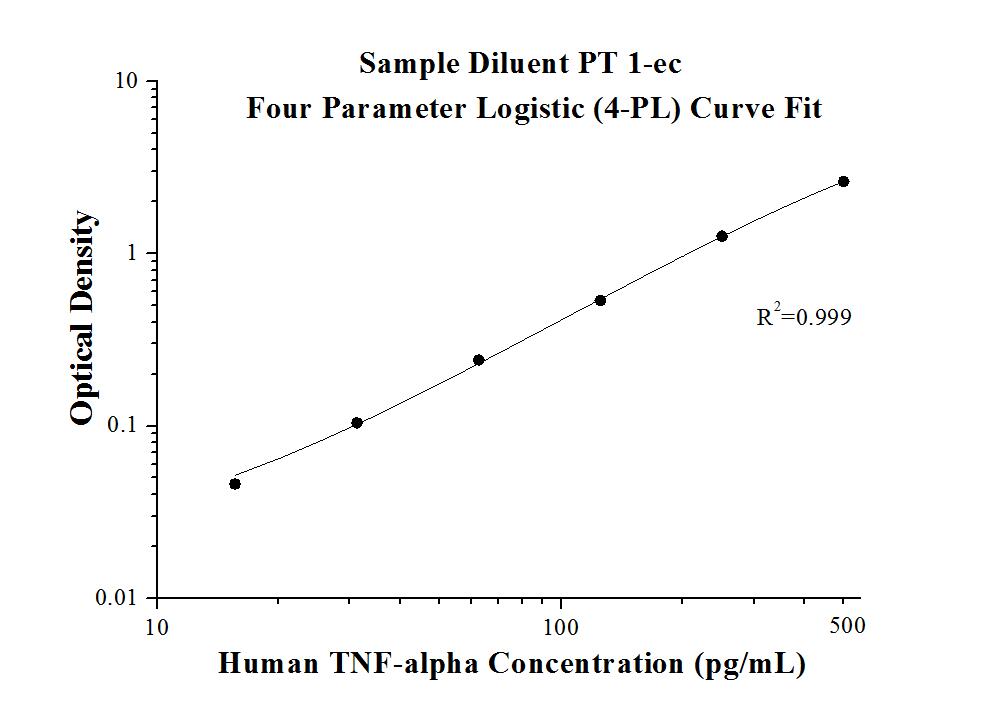
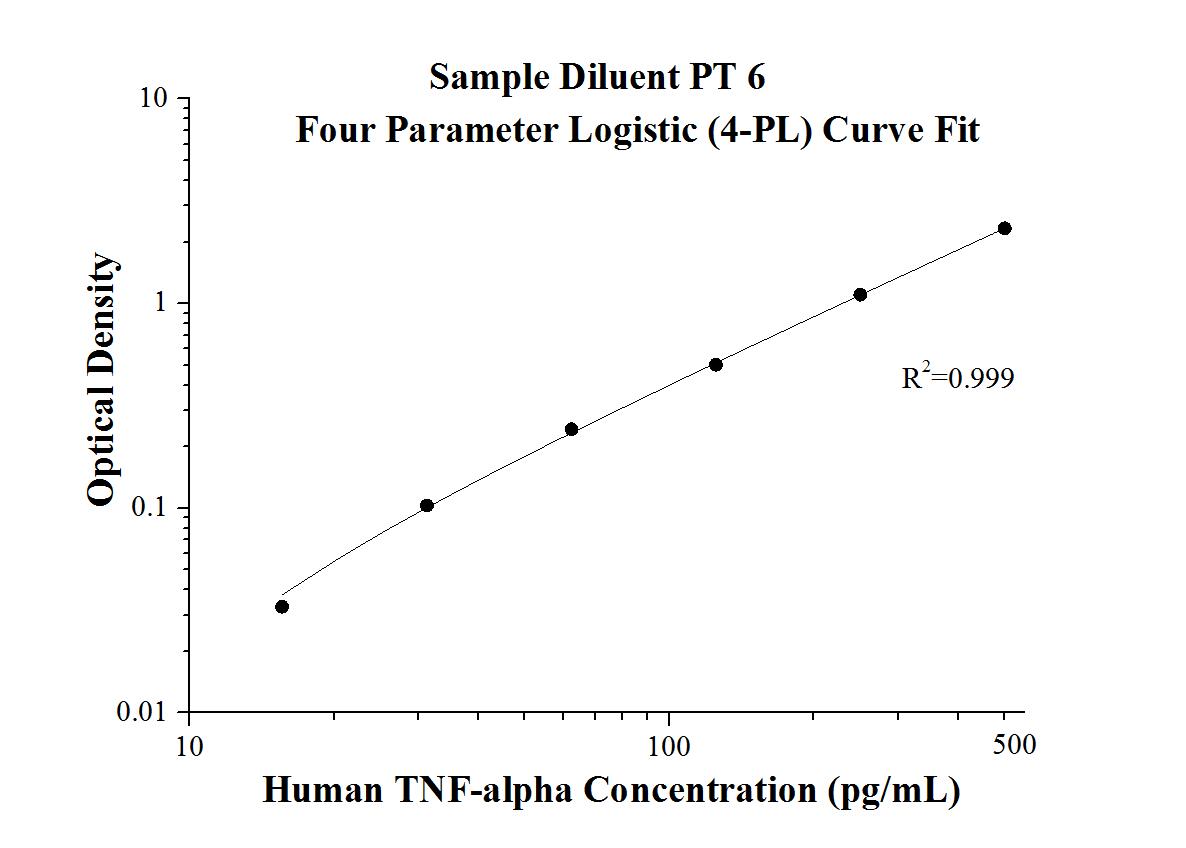
Product Information
KE00154 is a solid phase sandwich Enzyme Linked-Immuno-Sorbent Assay (Sandwich ELISA). The TNF-alpha ELISA kit is to be used to detect and quantify protein levels of endogenous TNF-alpha. The assay recognizes human TNF-alpha. An antibody specific for TNF-alpha has been pre-coated onto the microwells. The TNF-alpha protein in samples is captured by the coated antibody after incubation. Following extensive washing, another antibody specific for TNF-alpha is added to detect the captured TNF-alpha protein. For signal development, horseradish peroxidase (HRP)-conjugated antibody is added, followed by Tetramethyl-benzidine (TMB) reagent. Solution containing sulfuric acid is used to stop color development and the color intensity which is proportional to the quantity of bound protein is measurable at 450 nm with the correction wavelength set at 630 nm.
| Product name | AuthentiKine™ Human TNF-alpha ELISA Kit |
| Tests | 1 X 96 well plate |
| Sample type | Serum, Plasma, Cell culture supernatants |
| Assay type | Sandwich |
| Sensitivity | 8.6 pg/mL |
| Range | 15.6-500 pg/mL |
| Reactivity | Human |
| Tested applications | Sandwich ELISA |
| Gene ID (NCBI) | 7124 |
Recovery
| Sample Type | Average | Range |
|---|---|---|
| Human Plasma | 102 | 82-117 |
| Cell culture supernatants | 95 | 85-106 |
IntraAssay
| Sample | n | mean ( pg/mL) | SD | CV% |
|---|---|---|---|---|
| 1 | 20 | 52.5 | 2.0 | 3.8 |
| 2 | 20 | 87.3 | 2.8 | 3.2 |
| 3 | 20 | 184.8 | 5.8 | 3.1 |
InterAssay
| Sample | n | mean ( pg/mL) | SD | CV% |
|---|---|---|---|---|
| 1 | 24 | 51.3 | 2.4 | 4.6 |
| 2 | 24 | 86.2 | 2.1 | 2.5 |
| 3 | 24 | 184.2 | 5.1 | 2.7 |
Background Information
TNF, as also known as TNF-alpha, or cachectin, is a multifunctional proinflammatory cytokine that belongs to the tumor necrosis factor (TNF) superfamily. It is expressed as a 26 kDa membrane bound protein and is then cleaved by TNF-alpha converting enzyme (TACE) to release the soluble 17 kDa monomer, which forms homotrimers in circulation. It is produced chiefly by activated macrophages, although it can be produced by many other cell types such as CD4+ lymphocytes, NK cells, neutrophils, mast cells, eosinophils, and neurons. It can bind to, and thus functions through its receptors TNFRSF1A/TNFR1 and TNFRSF1B/TNFBR. This cytokine is involved in the regulation of a wide spectrum of biological processes including cell proliferation, differentiation, apoptosis, lipid metabolism, and coagulation. Dysregulation of TNF production has been implicated in a variety of human diseases including Alzheimer's disease, cancer, major depression and inflammatory bowel disease (IBD).
Properties
| Storage Instructions | All the reagents are stored at 2-8℃ for 6 months or -20℃ for 12 months. Refer to the protocol for further storage instructions. |
| Synonyms | Cachectin, DIF, TNF, TNF a, TNF alpha, TNFA, TNF-alpha, TNFSF2, TNFα, TNF-α, Tumor necrosis factor |
Publications
| Species | Sample Type | Title |
|---|---|---|
J Hematol Oncol GAS6-based CAR-T cells exhibit potent antitumor activity against pancreatic cancer | ||
Autophagy WNT2B impairs endosomal trafficking via WASHC5 to inhibit autophagy: a novel non-secretory WNT pathway. | ||
Nat Commun Tudor domain-containing protein 9-targeting siRNA nanoparticles alleviate Pseudomonas aeruginosa lung injury in preclinical models by promoting neutrophil cuproptosis. | ||
Exp Mol Med RUNX1 recruitment of GCN5 in keratinocytes upregulates ICOSLG and promotes T cell activation in the psoriasis microenvironment. | ||
J Nanobiotechnology Akkermansia muciniphila vesicles attenuate smoking-induced cognitive decline via ILA-mediated AhR-dependent microglial reprogramming. | ||
J Nanobiotechnology NOS-like activity of CeO(2) nanozymes contributes to diminishing the vascular plaques. |