
Validation Data Gallery
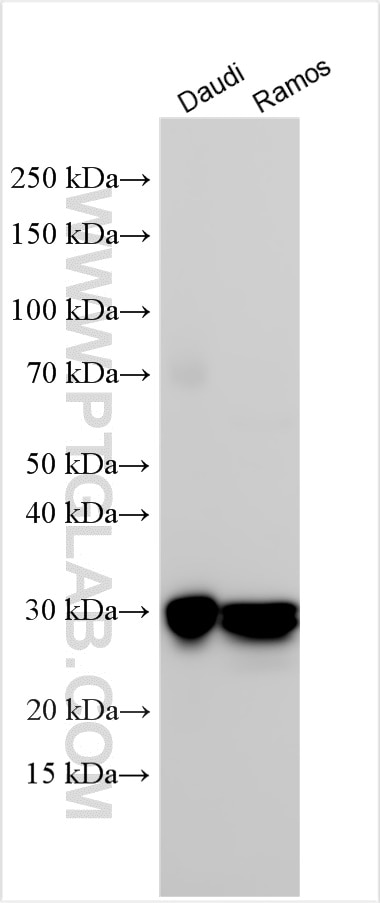
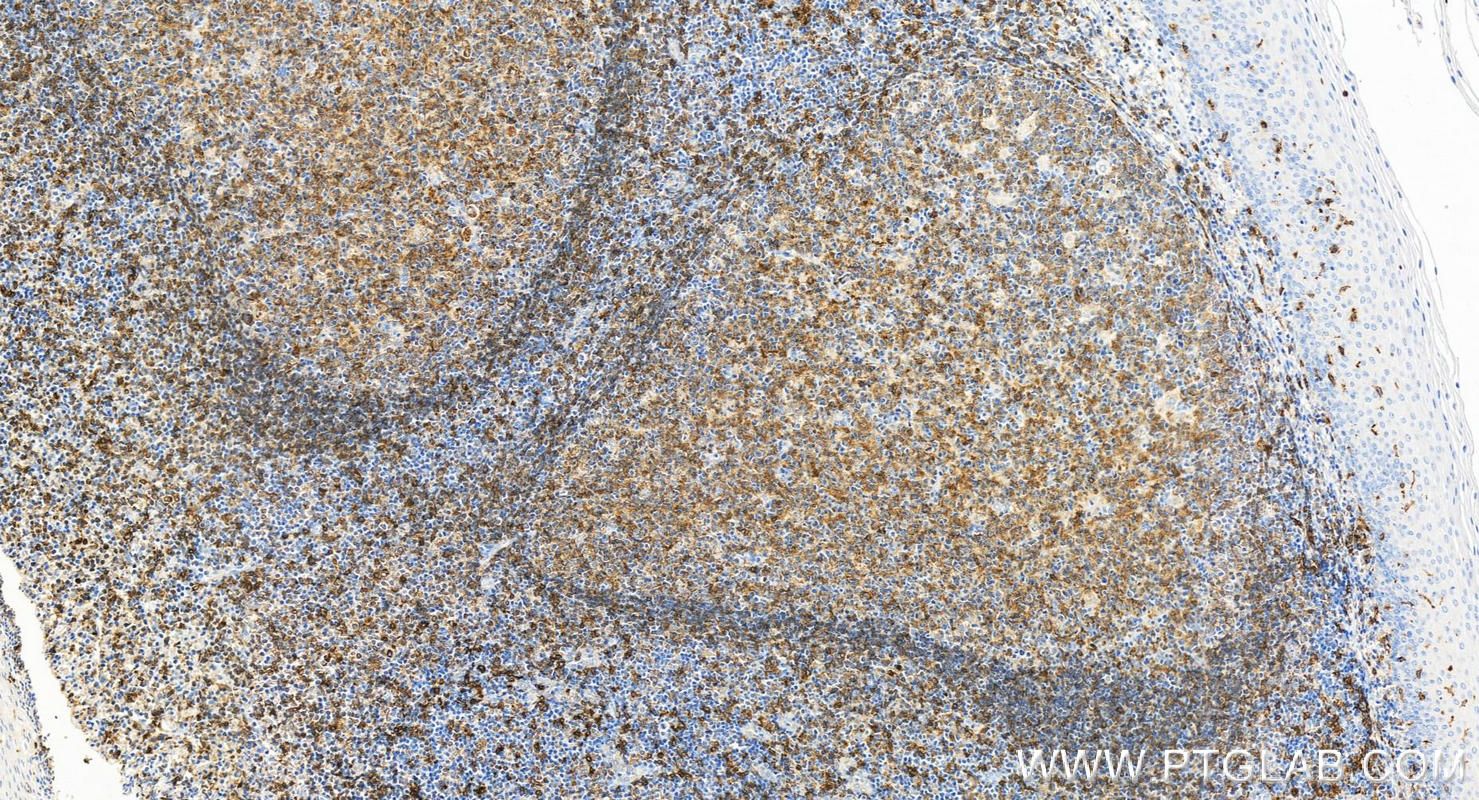
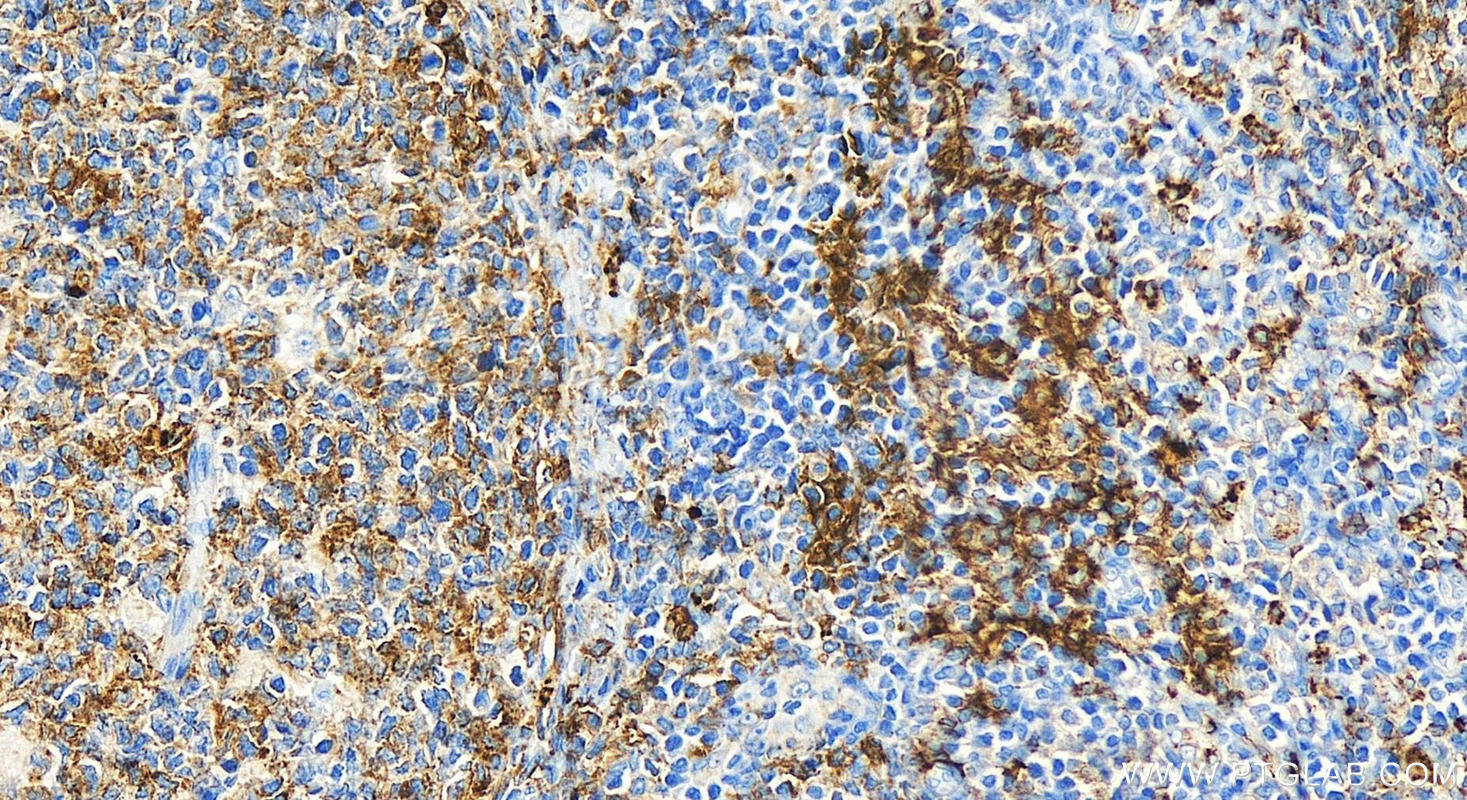
Tested Applications
Recommended dilution
| Application | Dilution |
|---|---|
| It is recommended that this reagent should be titrated in each testing system to obtain optimal results. | |
Product Information
32281-1-PBS targets HLA-DQB1 in WB, IHC, Indirect ELISA applications and shows reactivity with human samples.
| Tested Reactivity | human |
| Host / Isotype | Rabbit / IgG |
| Class | Polyclonal |
| Type | Antibody |
| Immunogen |
CatNo: Ag34755 Product name: Recombinant human HLA-DQB1 protein Source: e coli.-derived, PGEX-4T Tag: GST Domain: 33-230 aa of BC012106 Sequence: RDSPEDFVYQFKGMCYFTNGTERVRLVTRYIYNREEYARFDSDVGVYRAVTPLGPPAAEYWNSQKEVLERTRAELDTVCRHNYQLELRTTLQRRVEPTVTISPSRTEALNHHNLLVCSVTDFYPAQIKVRWFRNDQEETTGVVSTPLIRNGDWTFQILVMLEMTPQRGDVYTCHVEHPSLQNPIIVEWRAQSESAQSK 相同性解析による交差性が予測される生物種 |
| Full Name | major histocompatibility complex, class II, DQ beta 1 |
| Calculated molecular weight | 30 kDa |
| Observed molecular weight | 30 kDa |
| GenBank accession number | BC012106 |
| Gene Symbol | HLA-DQB1 |
| Gene ID (NCBI) | 3119 |
| RRID | AB_3742566 |
| Conjugate | Unconjugated |
| Form | |
| Form | Liquid |
| Purification Method | Antigen affinity Purification |
| UNIPROT ID | P01920 |
| Storage Buffer | PBS only{{ptg:BufferTemp}}7.3 |
| Storage Conditions | Store at -80°C. |
Background Information
The HLA-DQB1 gene is part of the human leukocyte antigen (HLA) complex, which is involved in the immune system's ability to distinguish the body's own proteins from those made by foreign invaders such as viruses and bacteria. It belongs to the MHC class II genes, which provide instructions for making proteins present on the surface of certain immune system cells. These proteins attach to protein fragments (peptides) outside the cell and display them to the immune system. If the immune system recognizes the peptides as foreign, it triggers a response to attack the invading pathogens. .