
Validation Data Gallery
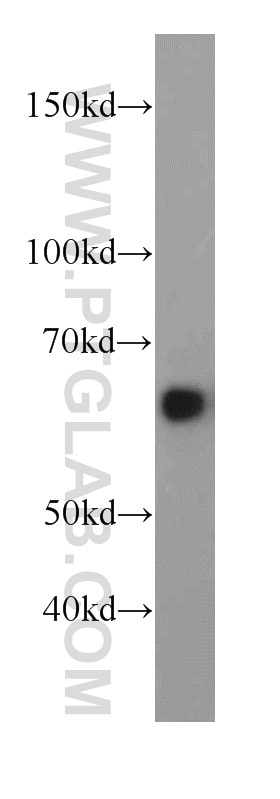
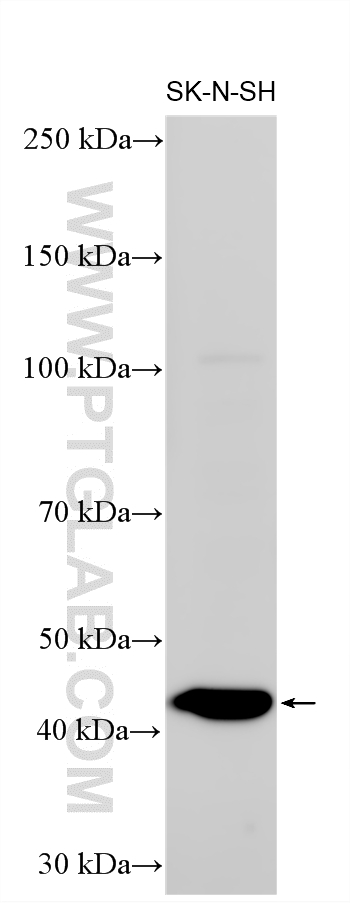
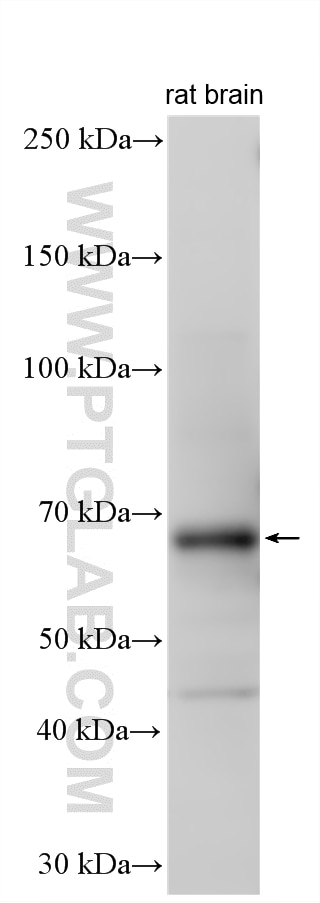
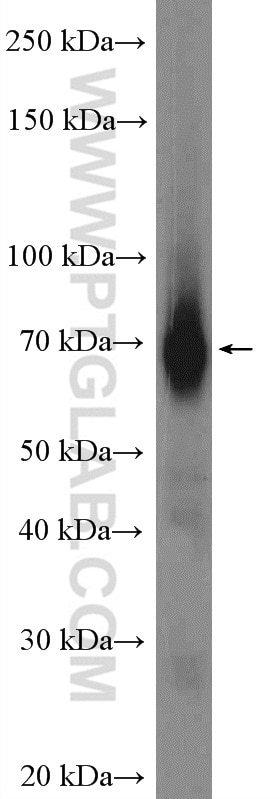
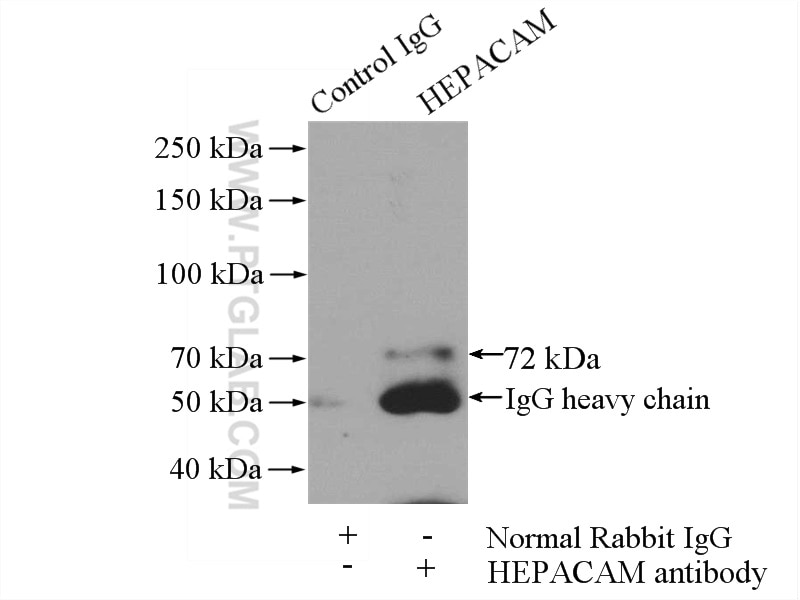
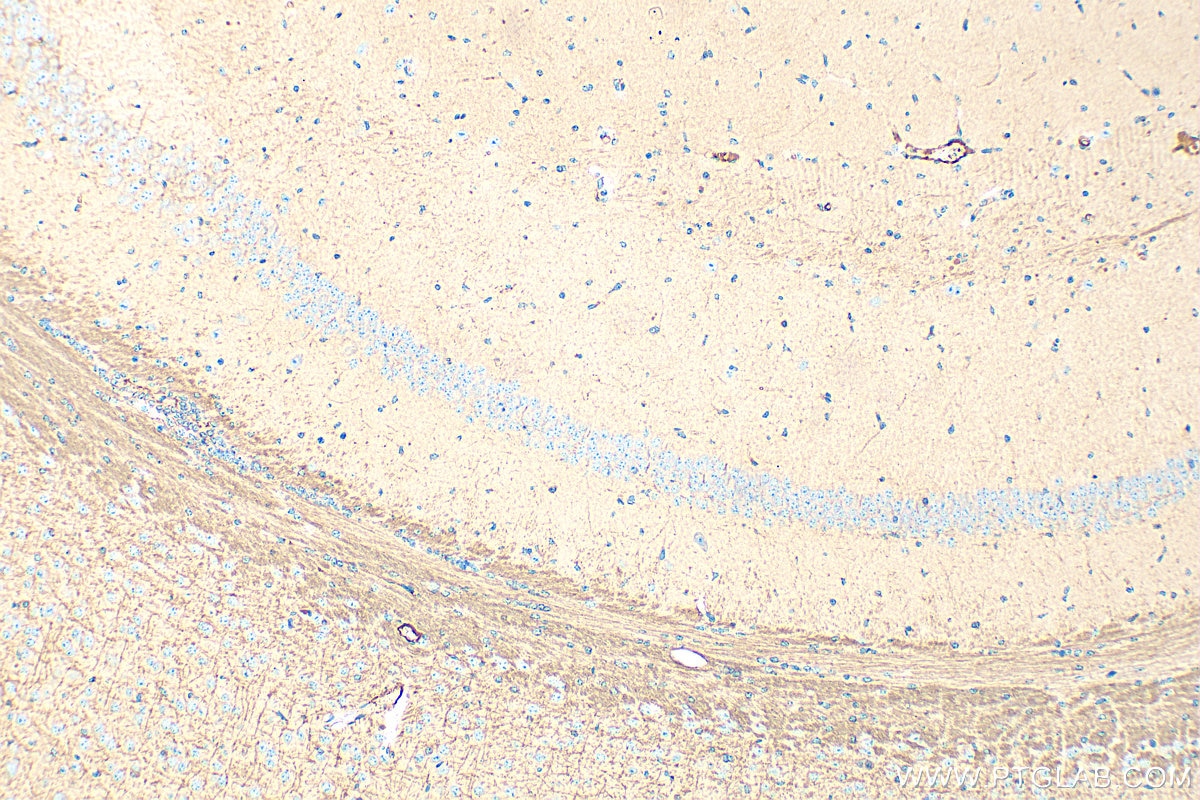
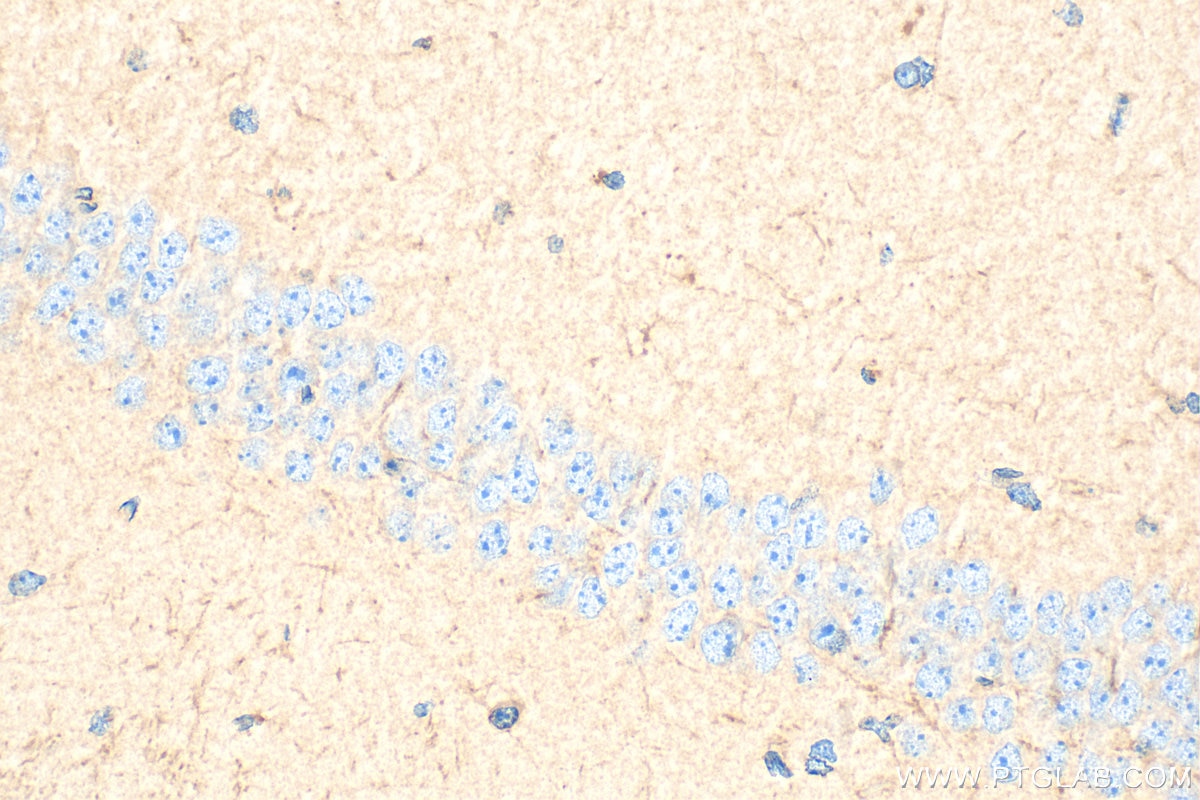
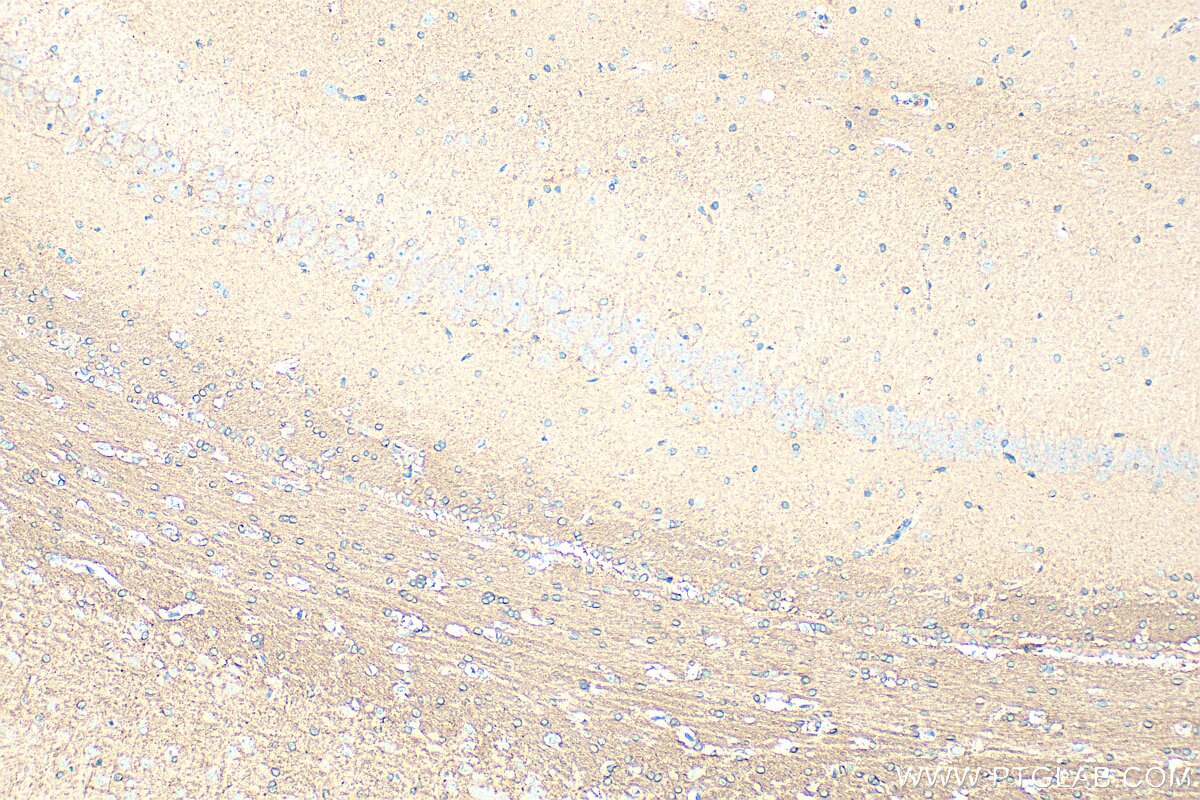
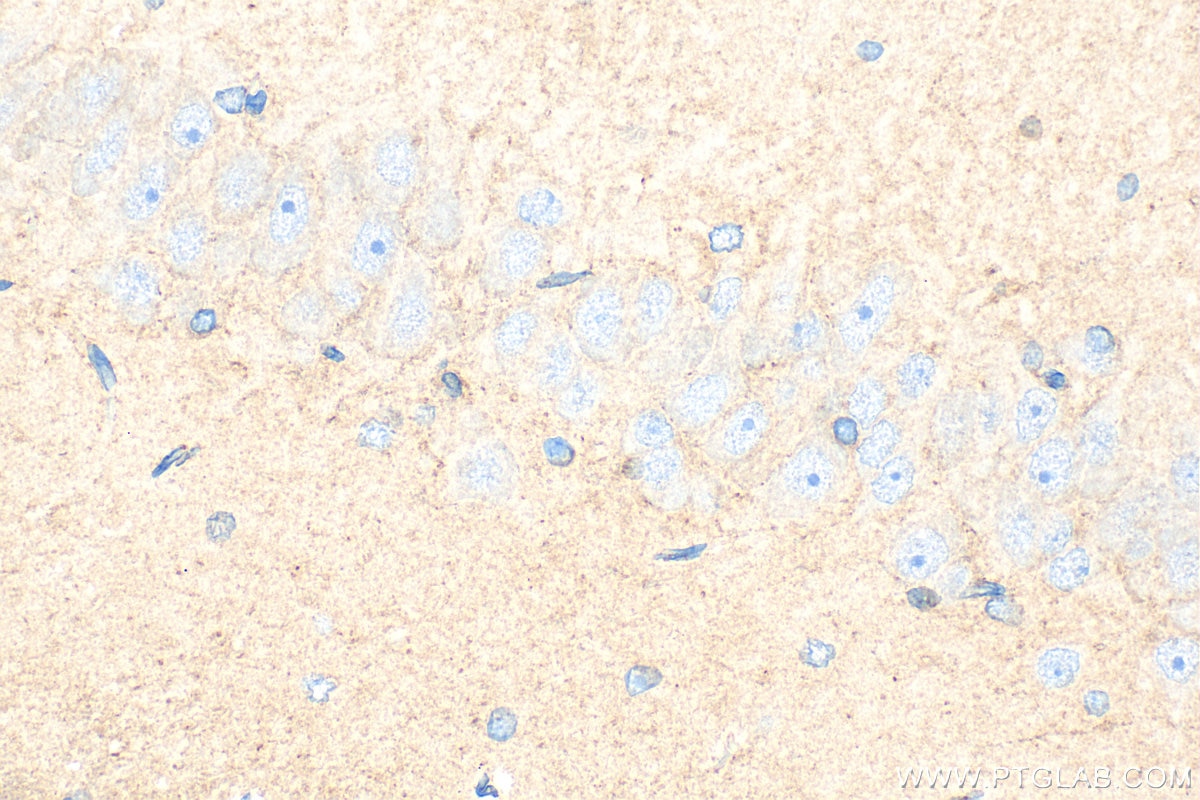
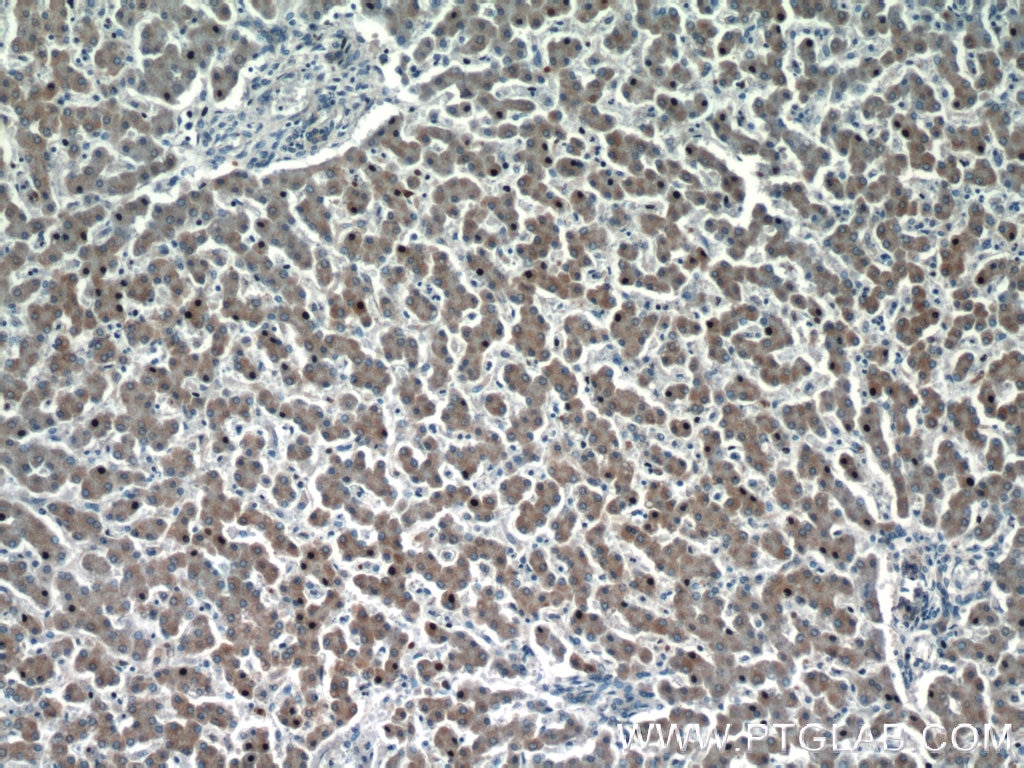
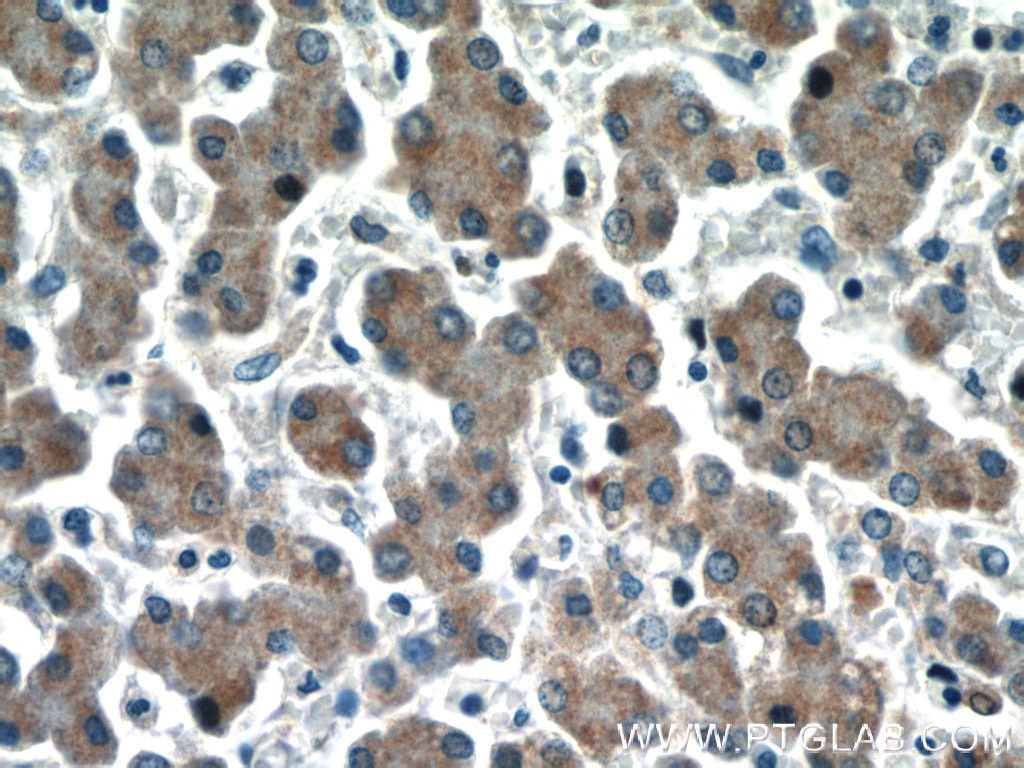
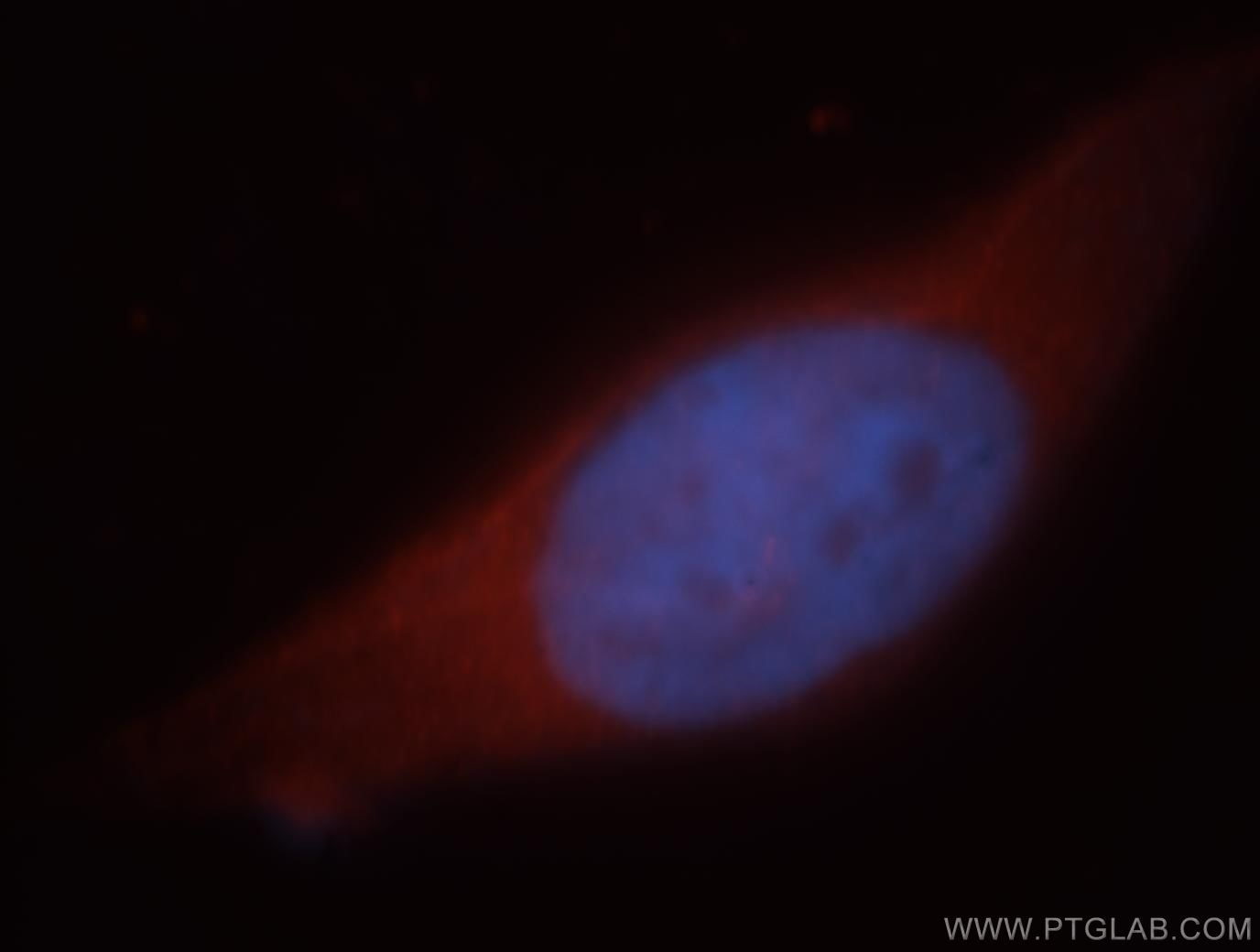
Tested Applications
Recommended dilution
| Application | Dilution |
|---|---|
| It is recommended that this reagent should be titrated in each testing system to obtain optimal results. | |
Product Information
18177-1-PBS targets HEPACAM in WB, IHC, IF/ICC, IP, Indirect ELISA applications and shows reactivity with human, mouse, rat samples.
| Tested Reactivity | human, mouse, rat |
| Host / Isotype | Rabbit / IgG |
| Class | Polyclonal |
| Type | Antibody |
| Immunogen |
CatNo: Ag12870 Product name: Recombinant human HEPACAM protein Source: e coli.-derived, PGEX-4T Tag: GST Domain: 36-242 aa of BC104831 Sequence: ITSPVRLIHGTVGKSALLSVQYSSTSSDRPVVKWQLKRDKPVTVVQSIGTEVIGTLRPDYRDRIRLFENGSLLLSDLQLADEGTYEVEISITDDTFTGEKTINLTVDVPISRPQVLVASTTVLELSEAFTLNCSHENGTKPSYTWLKDGKPLLNDSRMLLSPDQKVLTITRVLMEDDDLYSCVVENPISQGRSLPVKITVYRRSSLY 相同性解析による交差性が予測される生物種 |
| Full Name | hepatocyte cell adhesion molecule |
| Calculated molecular weight | 416 aa, 46 kDa |
| Observed molecular weight | 46-72 kDa |
| GenBank accession number | BC104831 |
| Gene Symbol | HEPACAM |
| Gene ID (NCBI) | 220296 |
| RRID | AB_2279680 |
| Conjugate | Unconjugated |
| Form | |
| Form | Liquid |
| Purification Method | Antigen affinity purification |
| UNIPROT ID | Q14CZ8 |
| Storage Buffer | PBS only{{ptg:BufferTemp}}7.3 |
| Storage Conditions | Store at -80°C. |
Background Information
HepaCAM (hepatocyte cell adhesion molecule), also known as GlialCAM, is a single-pass type I membrane glycoprotein of 416 amino acids. It displays a typical structure of immunoglobulin (Ig)-like adhesion molecules including two extracellular Ig-like domains, a transmembrane segment, and a cytoplasmic tail. It has been shown that hepaCAM forms a cis-homodimer on the cell surface, and modulates cell-matrix interaction. It is predominantly expressed in the CNS glial cells. Defects in HEPACAM gene are the cause of megalencephalic leukoencephalopathy with subcortical cysts type 2A (MLC2A). HEPACAM has also been suggested as a tumor suppressor gene.