
Validation Data Gallery
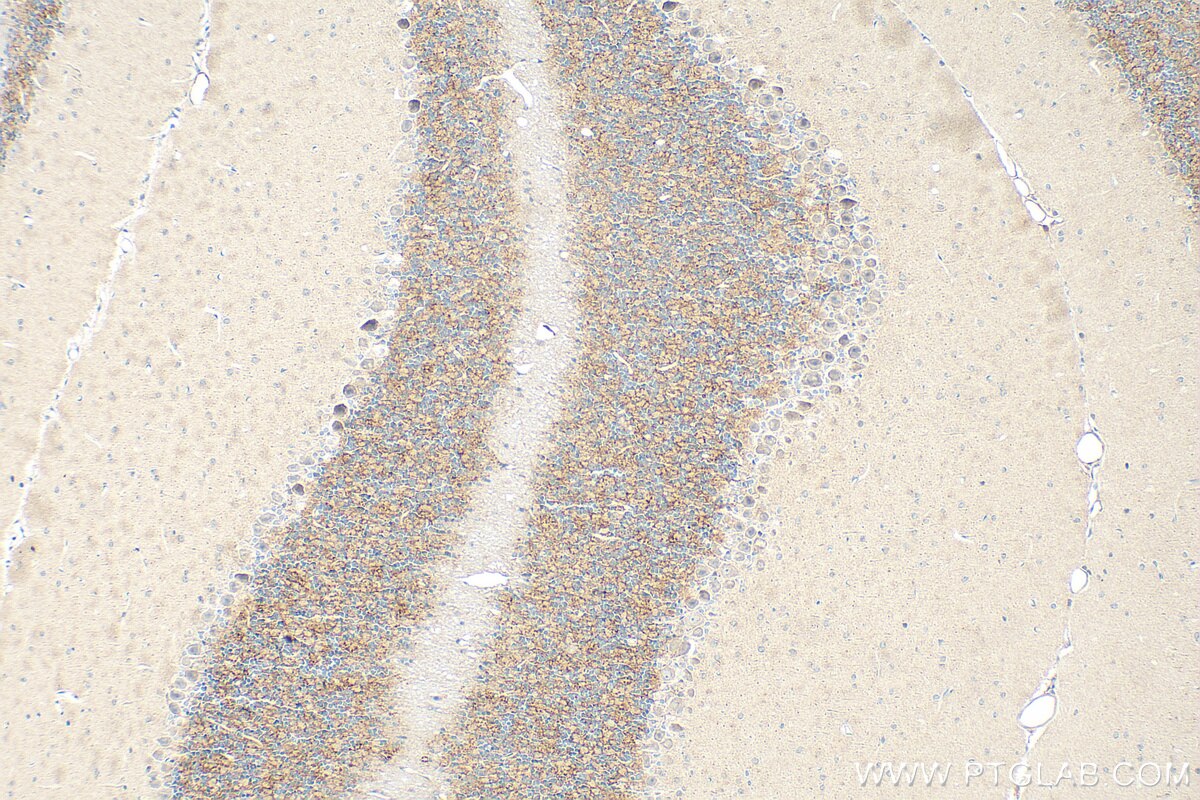
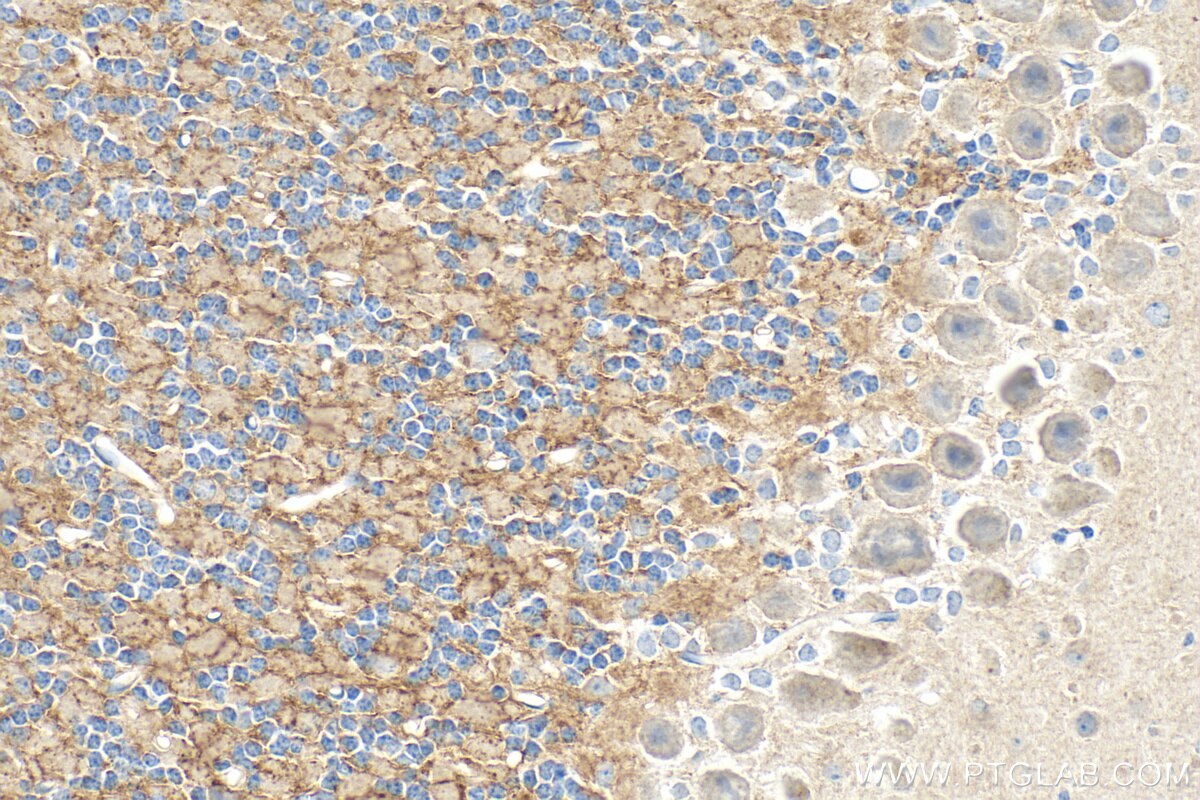
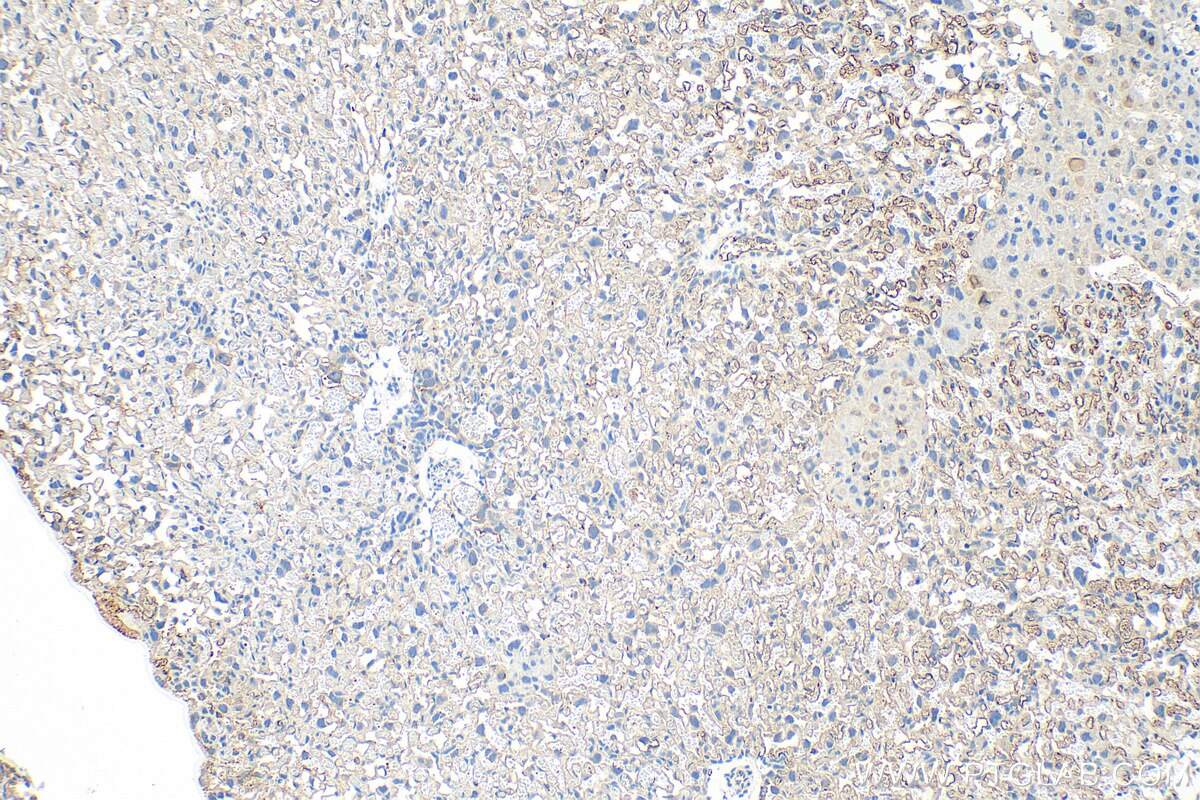
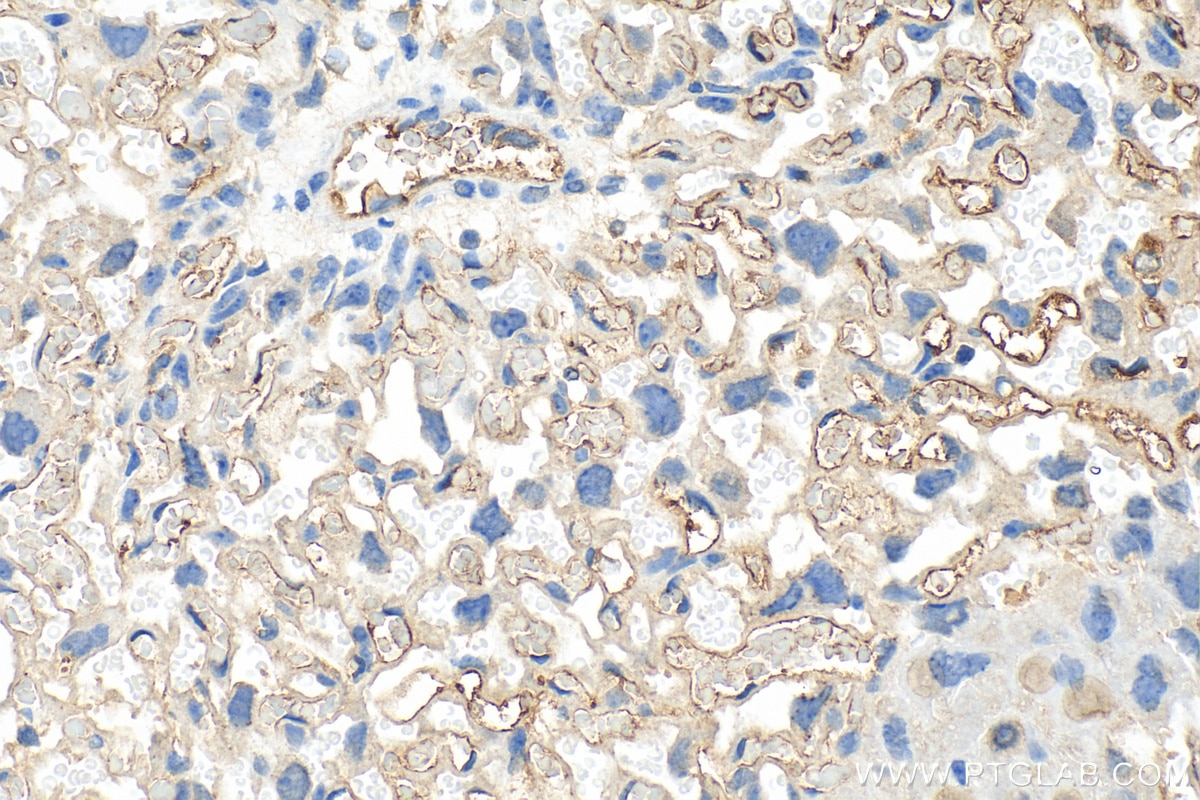
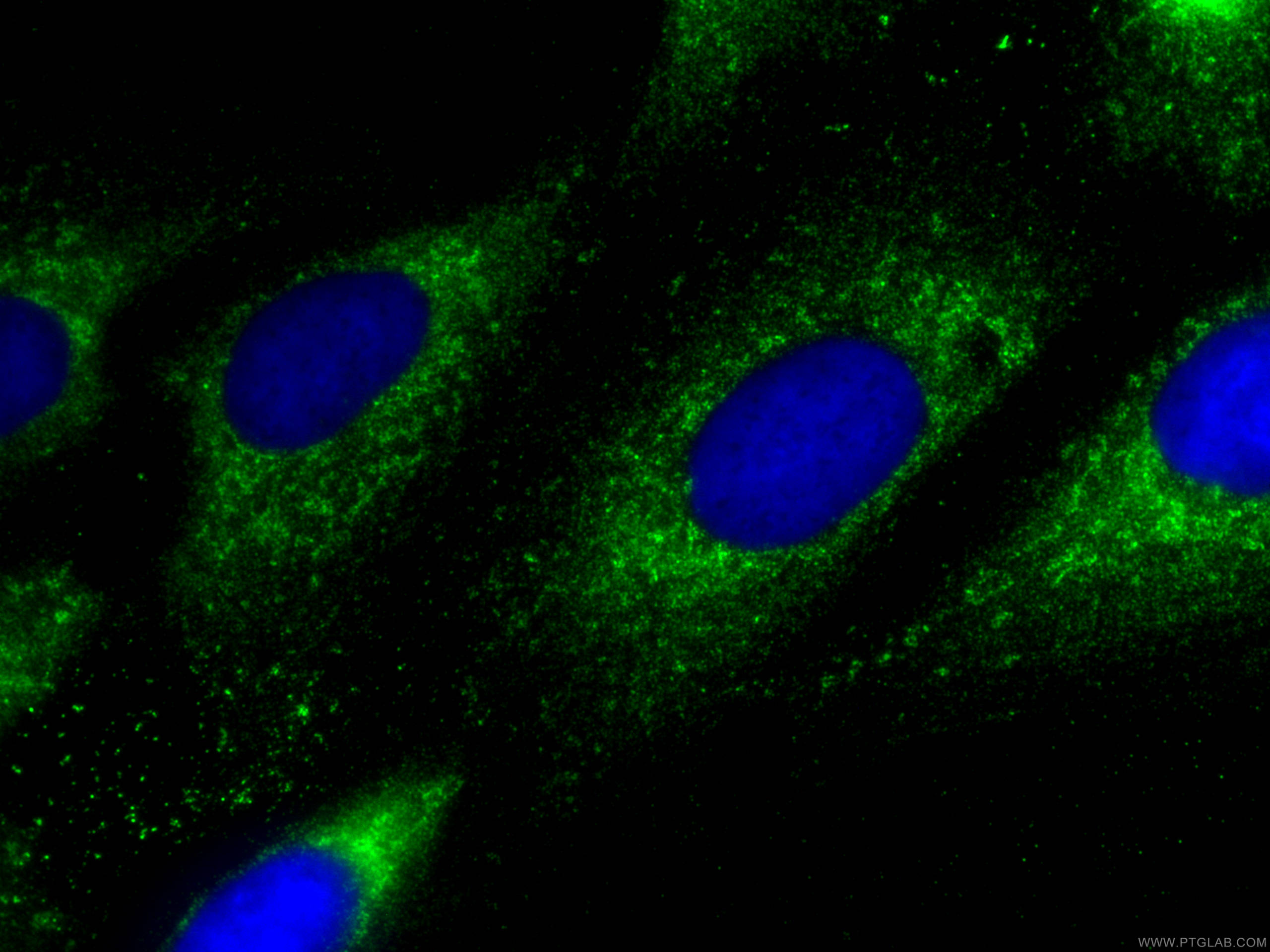
Tested Applications
Recommended dilution
| Application | Dilution |
|---|---|
| It is recommended that this reagent should be titrated in each testing system to obtain optimal results. | |
Product Information
26831-1-PBS targets HAPLN1 in IHC, IF/ICC, Indirect ELISA applications and shows reactivity with human, mouse samples.
| Tested Reactivity | human, mouse |
| Host / Isotype | Rabbit / IgG |
| Class | Polyclonal |
| Type | Antibody |
| Immunogen |
CatNo: Ag25221 Product name: Recombinant human HAPLN1 protein Source: e coli.-derived, PGEX-4T Tag: GST Domain: 16-131 aa of BC057808 Sequence: DHLSDNYTLDHDRAIHIQAENGPHLLVEAEQAKVFSHRGGNVTLPCKFYRDPTAFGSGIHKIRIKWTKLTSDYLKEVDVFVSMGYHKKTYGGYQGRVFLKGGSDSDASLVITDLTL 相同性解析による交差性が予測される生物種 |
| Full Name | hyaluronan and proteoglycan link protein 1 |
| Calculated molecular weight | 40 kDa |
| Observed molecular weight | 40 kDa |
| GenBank accession number | BC057808 |
| Gene Symbol | HAPLN1 |
| Gene ID (NCBI) | 1404 |
| RRID | AB_3669570 |
| Conjugate | Unconjugated |
| Form | |
| Form | Liquid |
| Purification Method | Antigen affinity purification |
| UNIPROT ID | P10915 |
| Storage Buffer | PBS only{{ptg:BufferTemp}}7.3 |
| Storage Conditions | Store at -80°C. |
Background Information
HAPLN1 (hyaluronan and proteoglycan link protein 1), also known as CRTL1. It is expected to be located in the cytoplasm and extracellular, and the protein is mainly expressed in placenta and small intestine. The calculated molecular weight of HAPLN1 is 40 kDa. HAPLN1 binds to aggrecan on the hyaluronic chain, stabilizing the aggregates and thus increasing compression resistance and shock absorption. HAPLN1 also functions as a growth factor, up regulating aggrecan and type II collagen synthesis in cartilage. It seems to be an essential part of cartilage homeostasis and may also contribute to homeostasis in the disc tissue (PMID: 23537453).