
Validation Data Gallery
Tested Applications
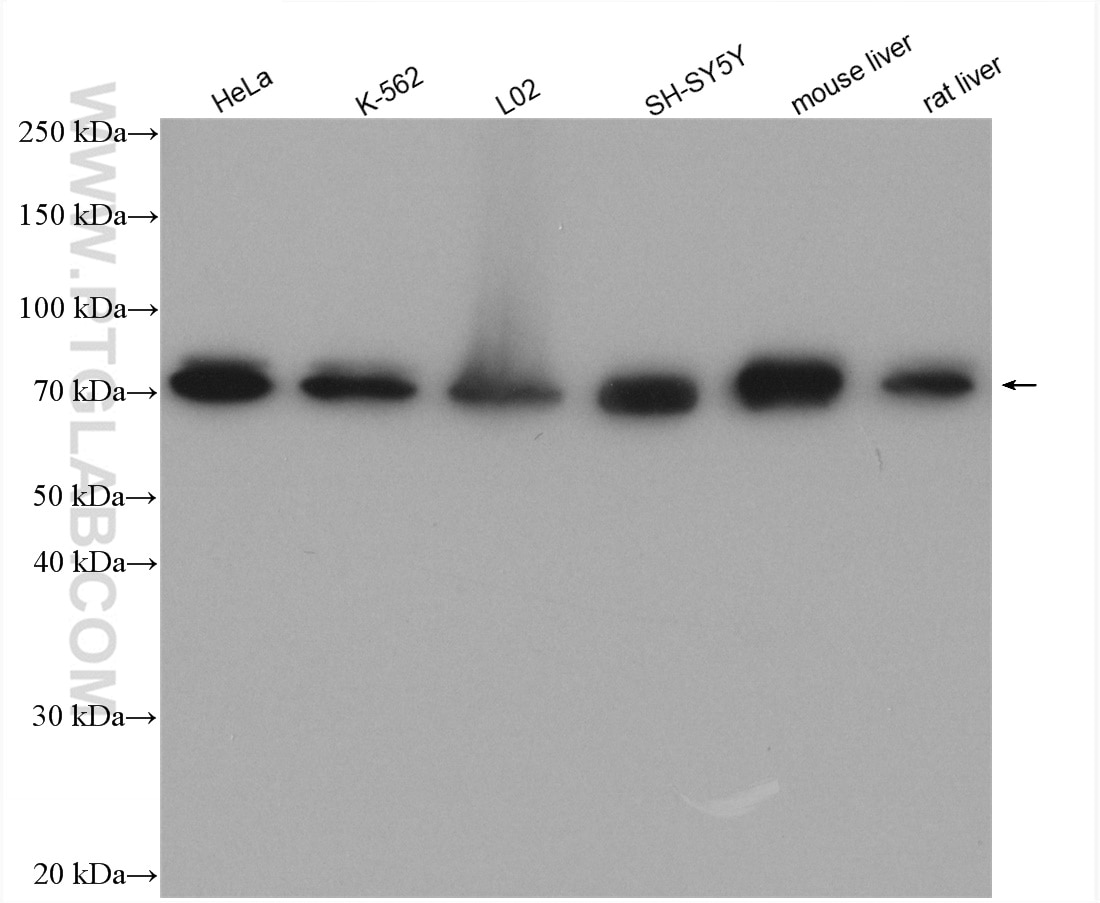
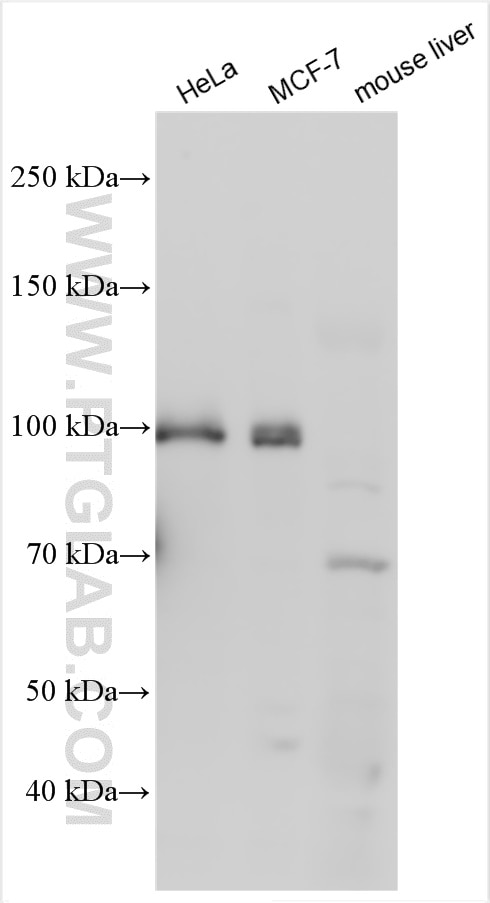
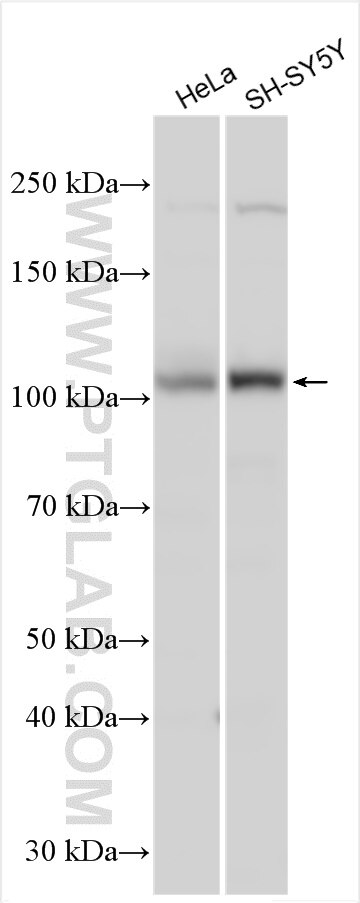
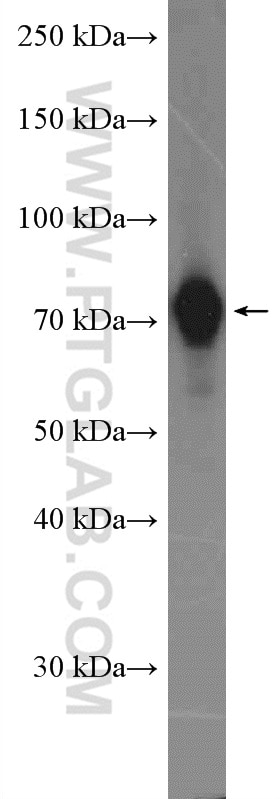
| Positive WB detected in | HeLa cells, SH-SY5Y cells, MCF-7 cells, mouse liver tissue, K-562 cells, L02 cells, rat liver tissue |
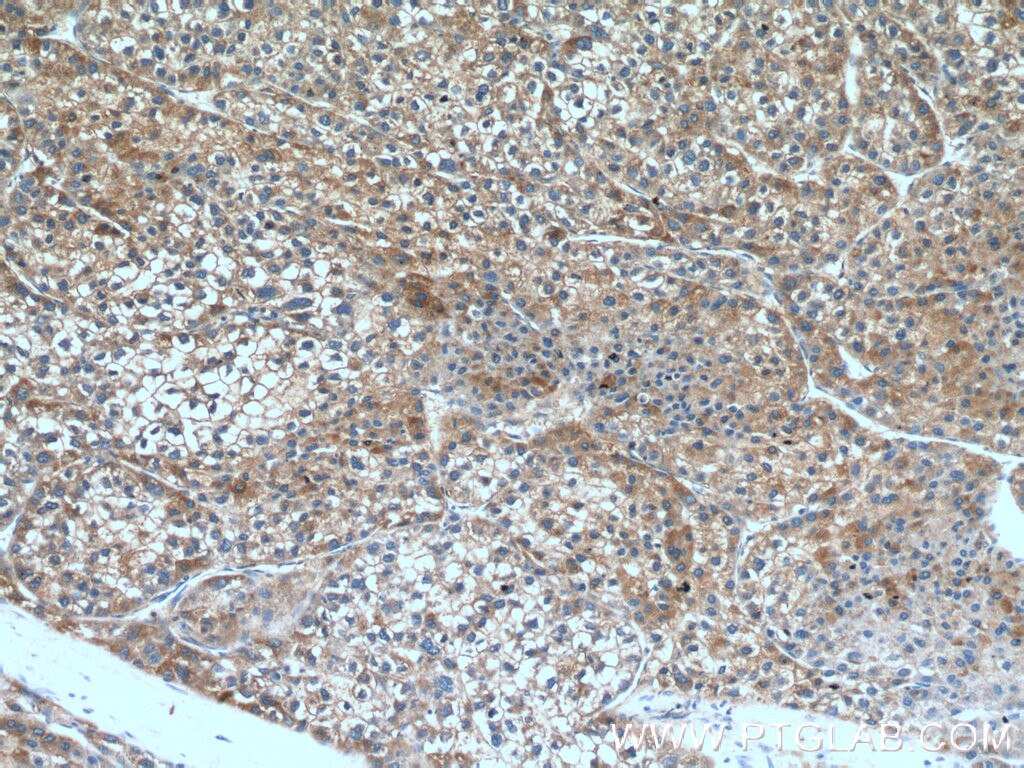
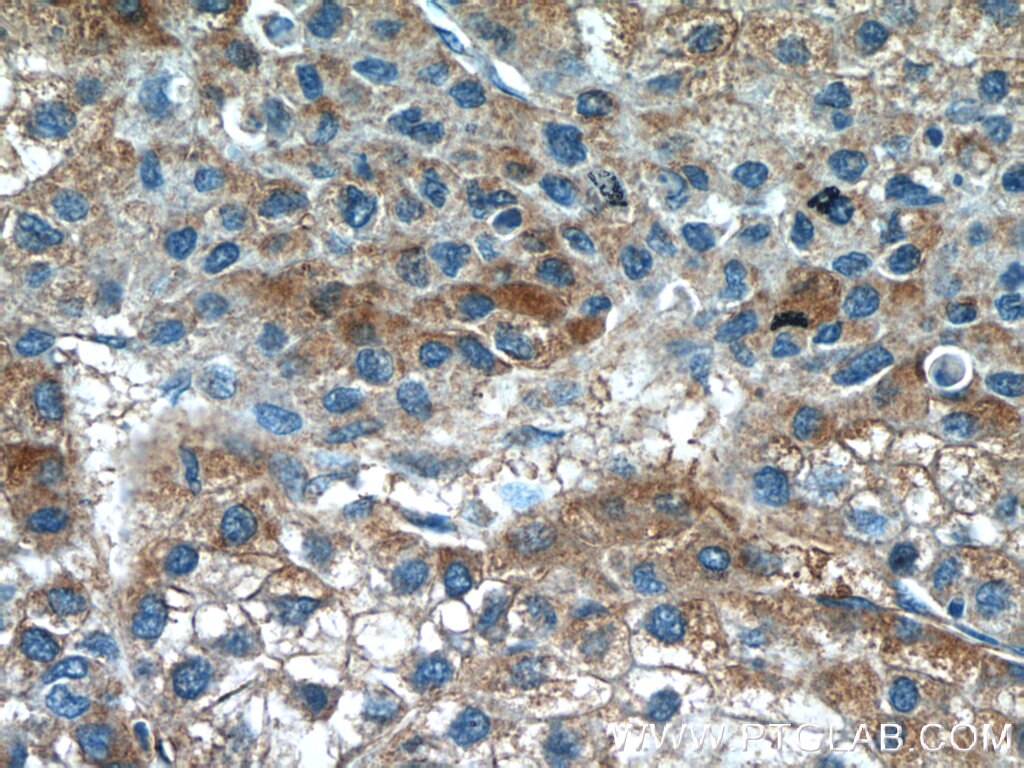
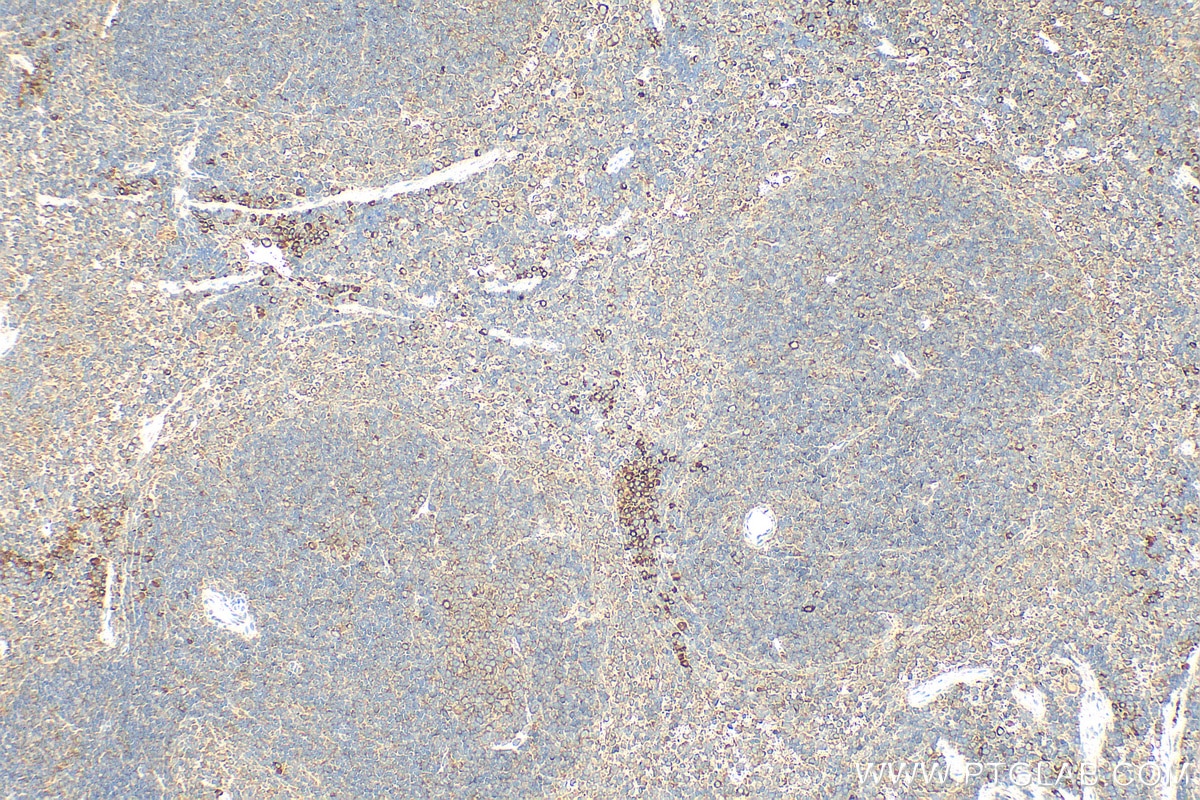
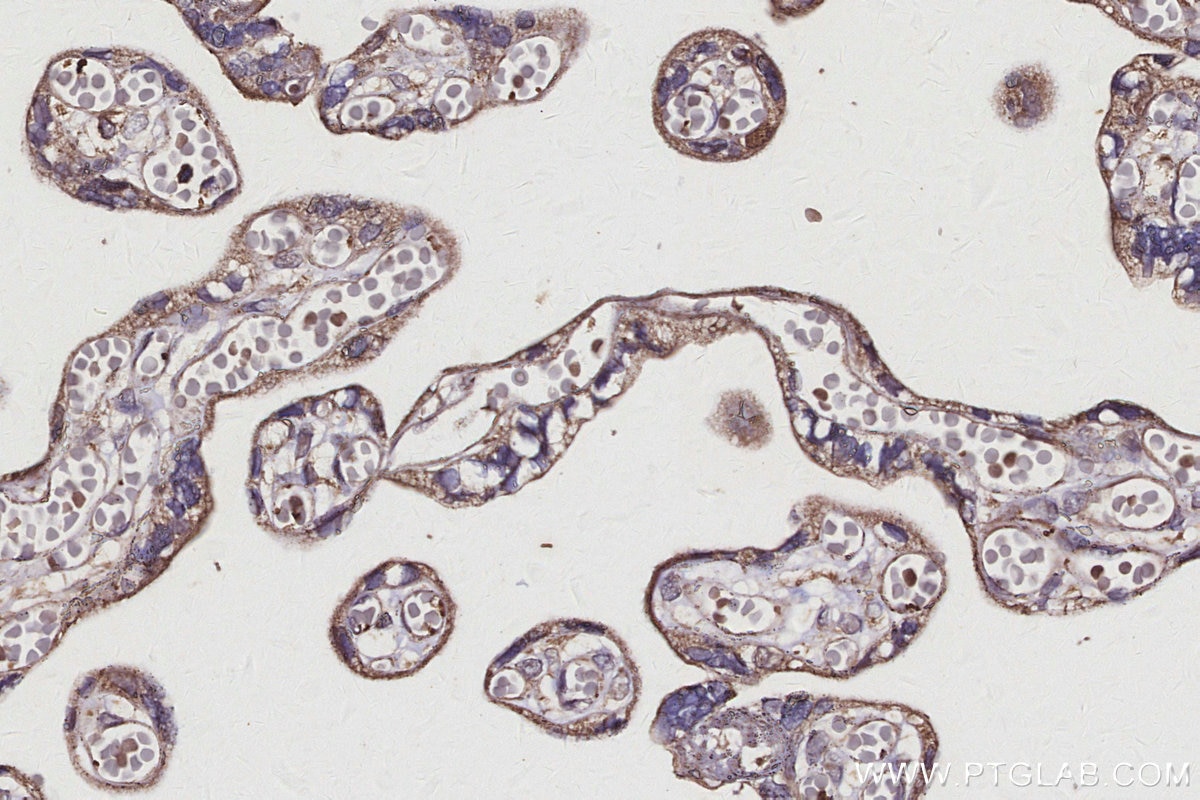
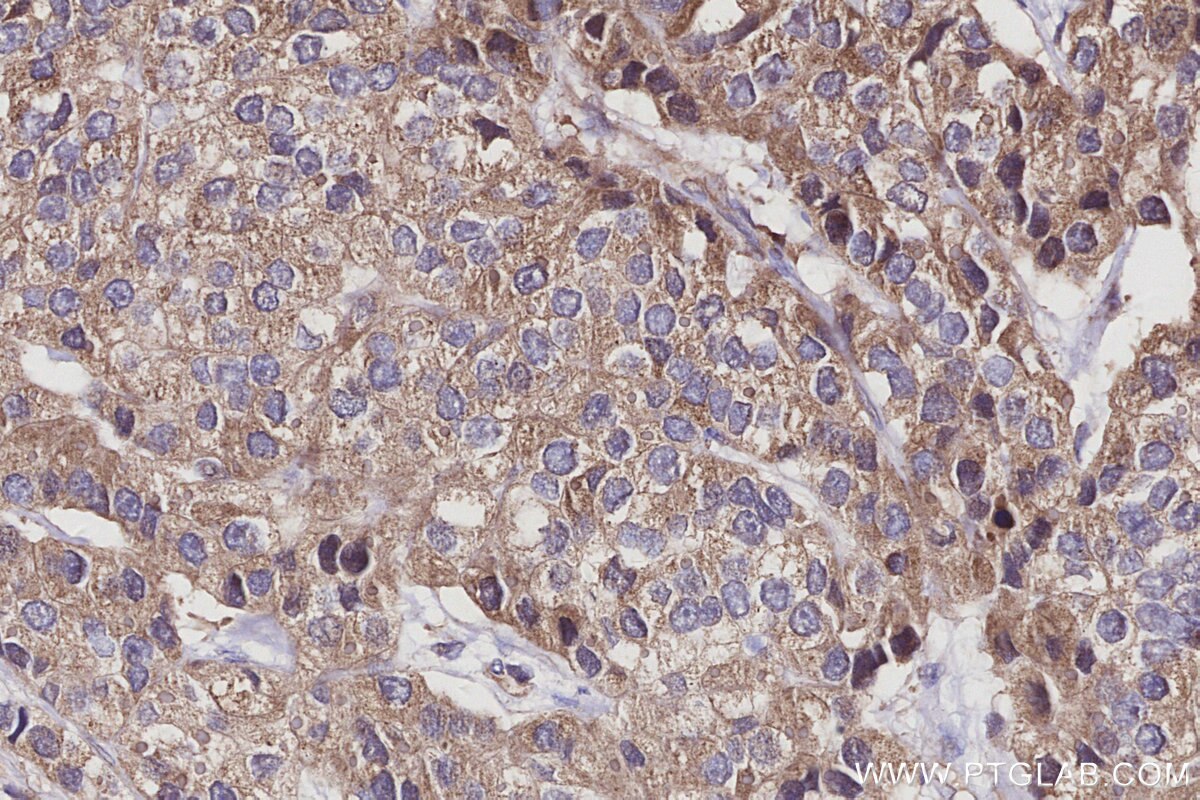
| Positive IHC detected in | human liver cancer tissue, human stomach cancer tissue, human placenta tissue, mouse spleen tissue Note: suggested antigen retrieval with TE buffer pH 9.0; (*) Alternatively, antigen retrieval may be performed with citrate buffer pH 6.0 |
Recommended dilution
| Application | Dilution |
|---|---|
| Western Blot (WB) | WB : 1:1000-1:8000 |
| Immunohistochemistry (IHC) | IHC : 1:50-1:500 |
| It is recommended that this reagent should be titrated in each testing system to obtain optimal results. | |
| Sample-dependent, Check data in validation data gallery. | |
Published Applications
| KD/KO | See 4 publications below |
| WB | See 10 publications below |
| IHC | See 7 publications below |
| IF | See 2 publications below |
Product Information
21319-1-AP targets GTSE1 in WB, IHC, IF, ELISA applications and shows reactivity with human, mouse, rat samples.
| Tested Reactivity | human, mouse, rat |
| Cited Reactivity | human, mouse |
| Host / Isotype | Rabbit / IgG |
| Class | Polyclonal |
| Type | Antibody |
| Immunogen |
CatNo: Ag13497 Product name: Recombinant human GTSE1 protein Source: e coli.-derived, PET28a Tag: 6*His Domain: 416-720 aa of BC006325 Sequence: CAWSESSQLNKTRSIRRRDSCLNSKTKVMPTPTNQFKIPKFSIGDSPDSSTPKLSRAQRPQSCTSVGRVTVHSTPVRRSSGPAPQSLLSARRVSALPTPASRRCSGLPPMTPKTMPRAVGSPLCVPARRRSSEPRKNSAMRTEPTRESNRKTDSRLVDVSPDRGSPPSRVPQALNFSPEESDSTFSKSTATEVAREEAKPGGDAAPSEALLVDIKLEPLAVTPDAASQPLIDLPLIDFCDTPEAHVAVGSESRPLIDLMTNTPDMNKNVAKPSPVVGQLIDLSSPLIQLSPEADKENVDSPLLKF 相同性解析による交差性が予測される生物種 |
| Full Name | G-2 and S-phase expressed 1 |
| Calculated molecular weight | 77 kDa |
| Observed molecular weight | 66-77 kDa, 100 kDa |
| GenBank accession number | BC006325 |
| Gene Symbol | GTSE1 |
| Gene ID (NCBI) | 51512 |
| RRID | AB_10733644 |
| Conjugate | Unconjugated |
| Form | |
| Form | Liquid |
| Purification Method | Antigen affinity purification |
| UNIPROT ID | Q9NYZ3 |
| Storage Buffer | PBS with 0.02% sodium azide and 50% glycerol{{ptg:BufferTemp}}7.3 |
| Storage Conditions | Store at -20°C. Stable for one year after shipment. Aliquoting is unnecessary for -20oC storage. |
Background Information
GTSE1 is only expressed in the S and G2 phases of the cell cycle, where it colocalizes with cytoplasmic tubulin and microtubules. In response to DNA damage, the encoded protein accumulates in the nucleus and binds the tumor suppressor protein p53, shuttling it out of the nucleus and repressing its ability to induce apoptosis.
Protocols
| Product Specific Protocols | |
|---|---|
| IHC protocol for GTSE1 antibody 21319-1-AP | Download protocol |
| WB protocol for GTSE1 antibody 21319-1-AP | Download protocol |
| Standard Protocols | |
|---|---|
| Click here to view our Standard Protocols |
Publications
| Species | Application | Title |
|---|---|---|
J Exp Clin Cancer Res GTSE1 is involved in breast cancer progression in p53 mutation-dependent manner. | ||
Mol Ther GTSE1-driven ZEB1 Stabilization Promotes Pulmonary Fibrosis Through the Epithelial-to-mesenchymal Transition
| ||
Proc Natl Acad Sci U S A The physiological relevance of downstream effectors of p53 activity. | ||
Mod Pathol Expression profiling of small intestinal neuroendocrine tumors identifies subgroups with clinical relevance, prognostic markers and therapeutic targets. | ||
Mol Ther Nucleic Acids lncRNA LINC00665 Stabilized by TAF15 Impeded the Malignant Biological Behaviors of Glioma Cells via STAU1-Mediated mRNA Degradation. |