
Validation Data Gallery
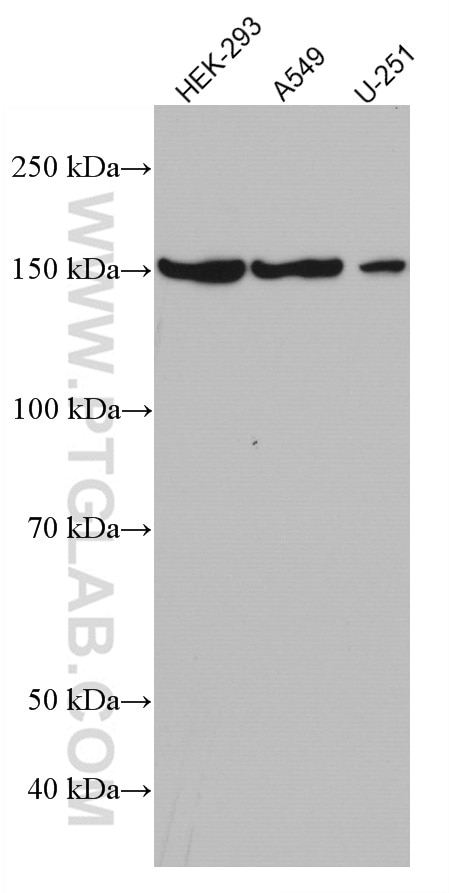
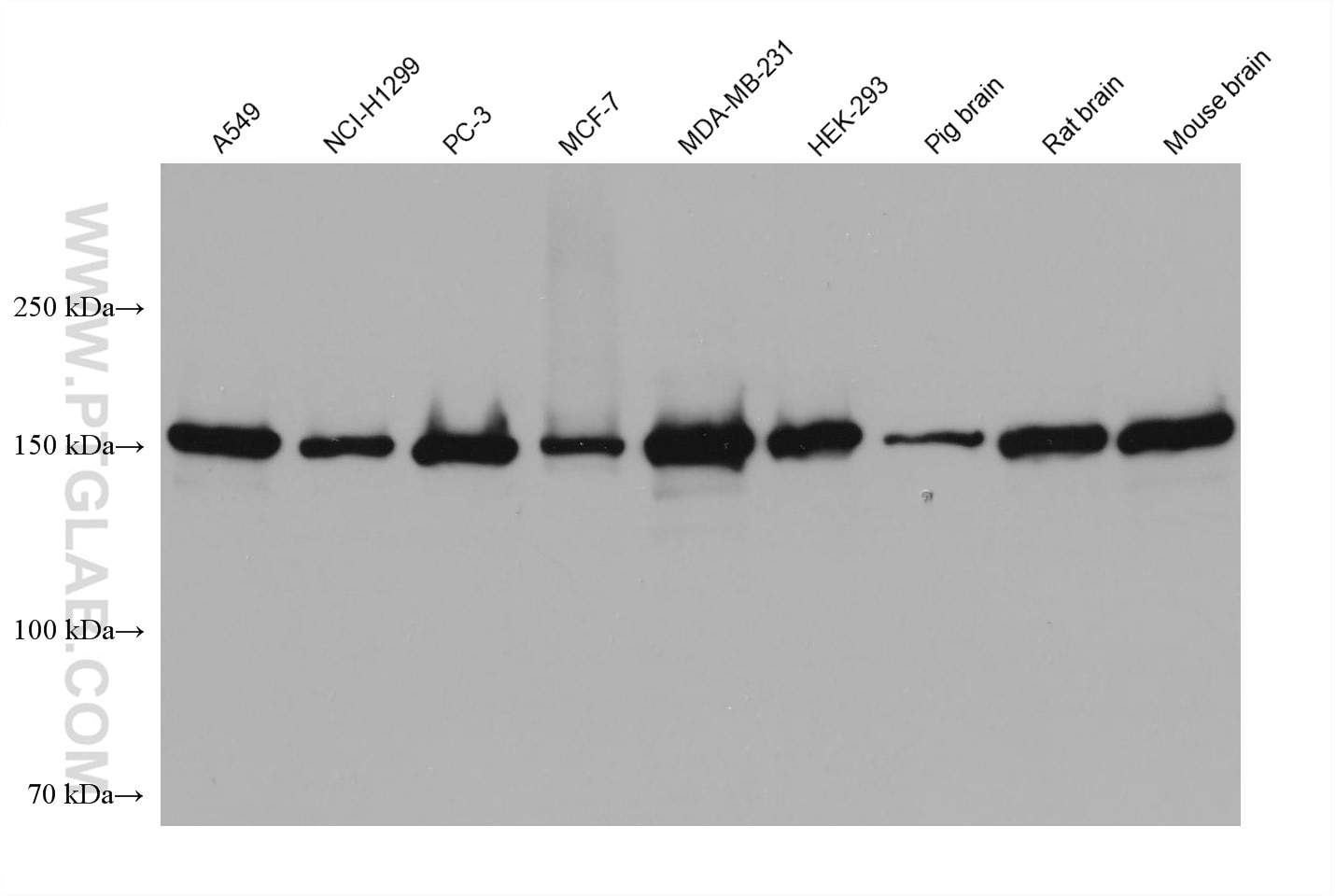
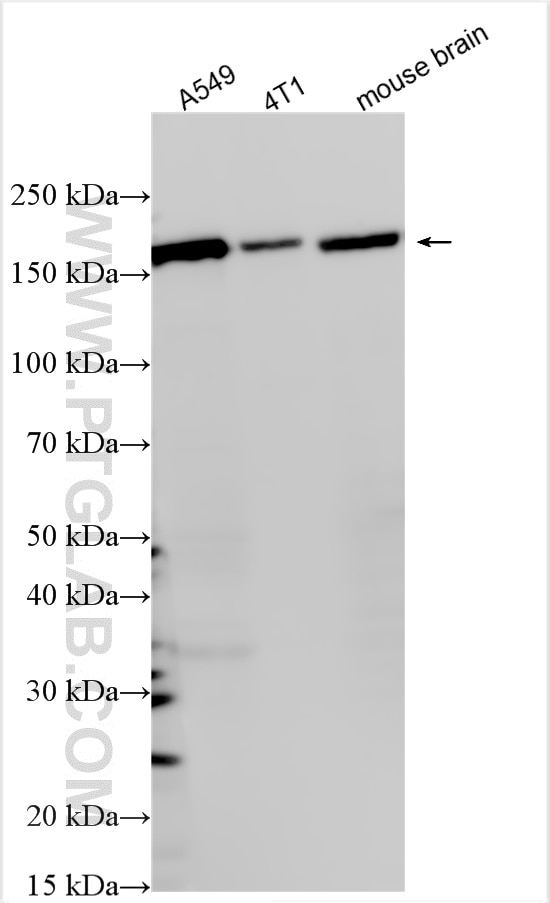
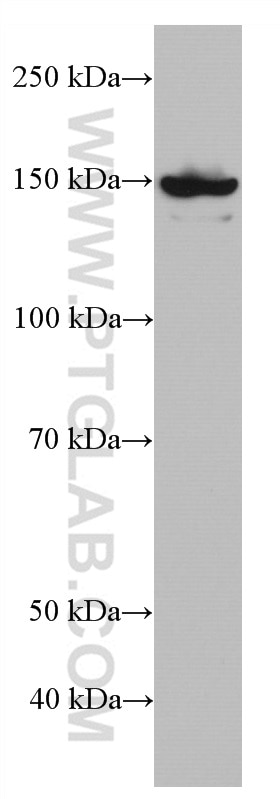
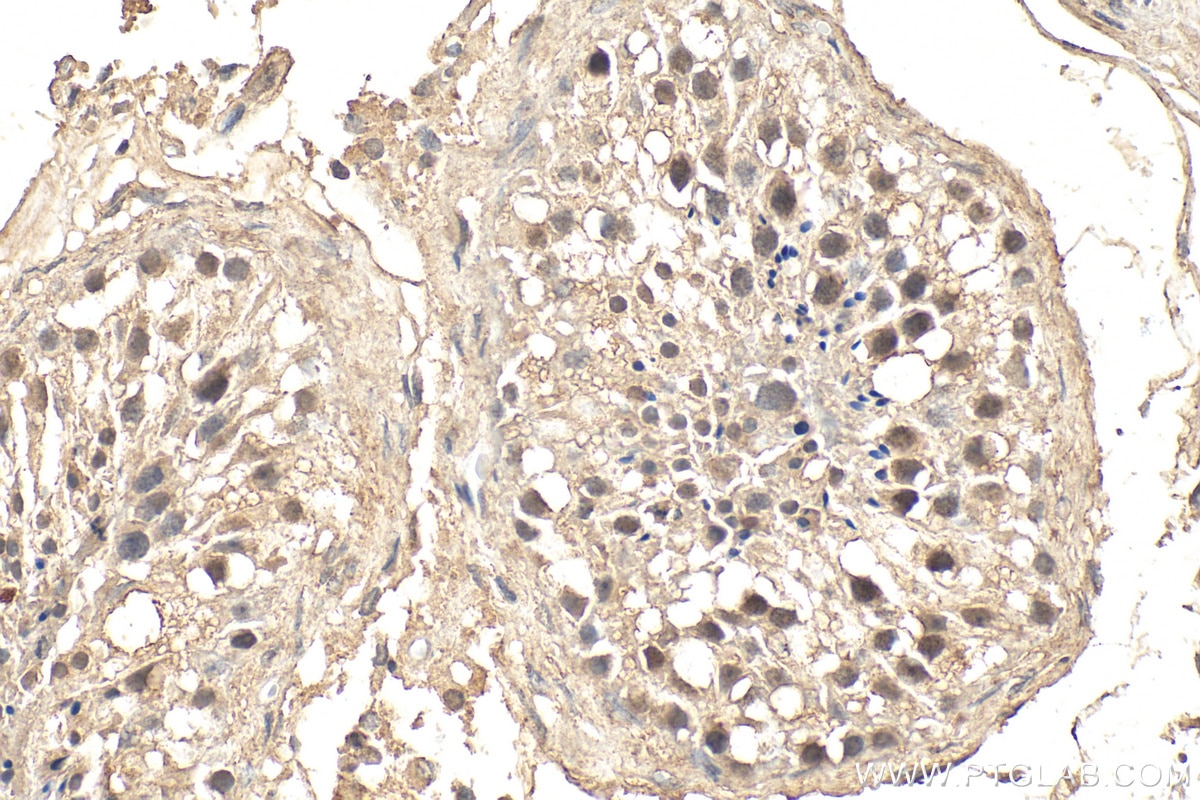
Tested Applications
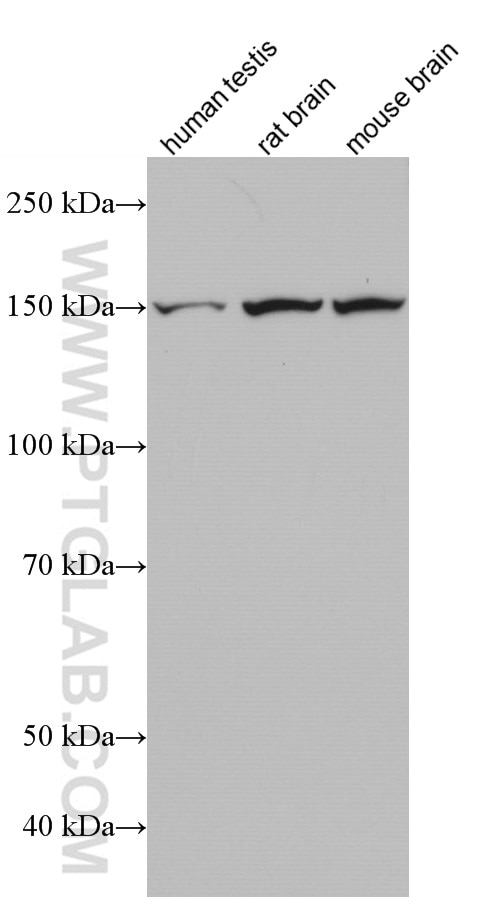
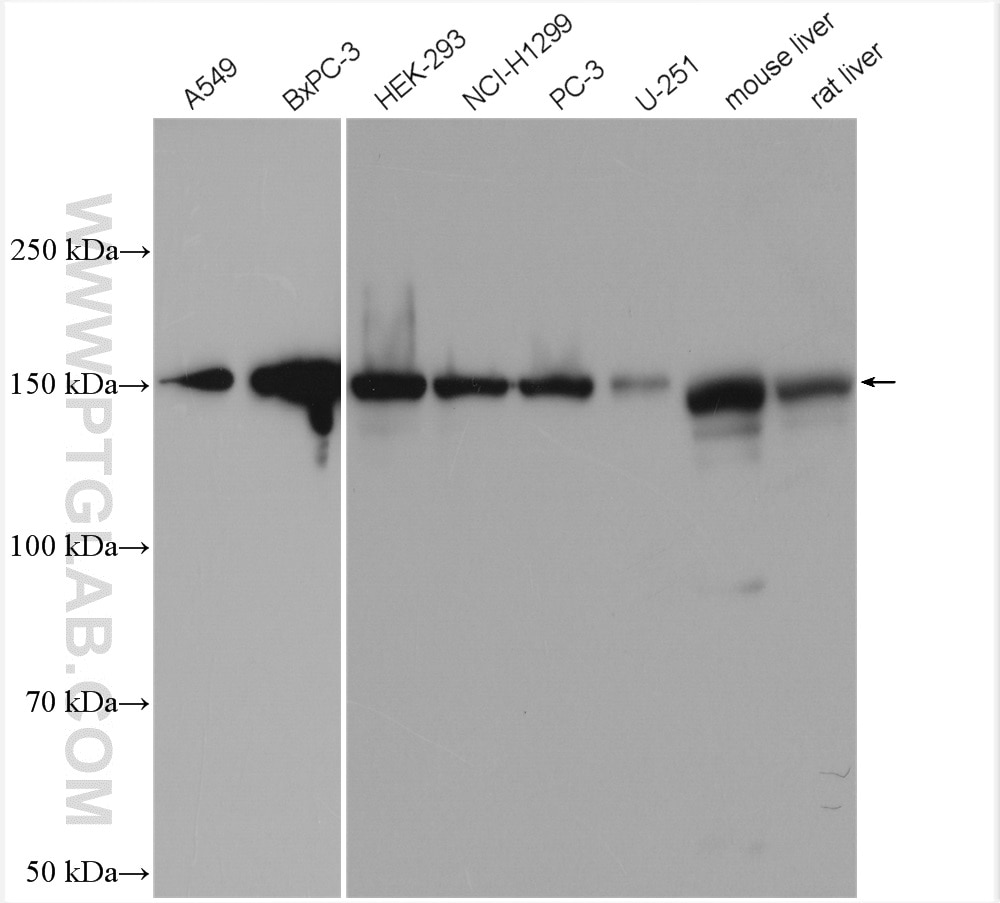
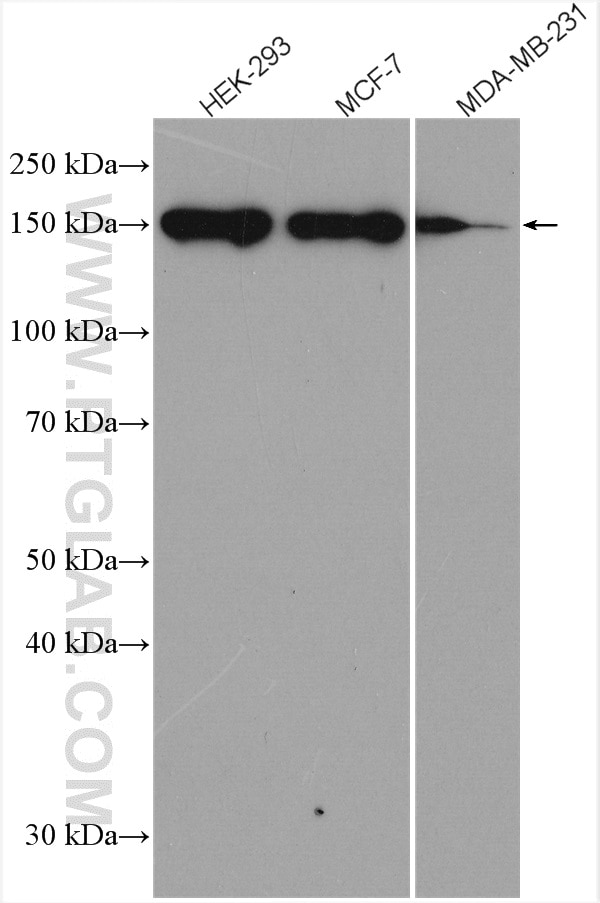
| Positive WB detected in | A549 cells, C6 cells, HEK-293 cells, human testis tissue, 4T1 cells, mouse brain tissue, NCI-H1299 cells, PC-3 cells, MCF-7 cells, MDA-MB-231 cells, pig brain tissue, rat brain tissue, BxPC-3 cells, U-251 cells, mouse liver tissue, rat liver tissue |
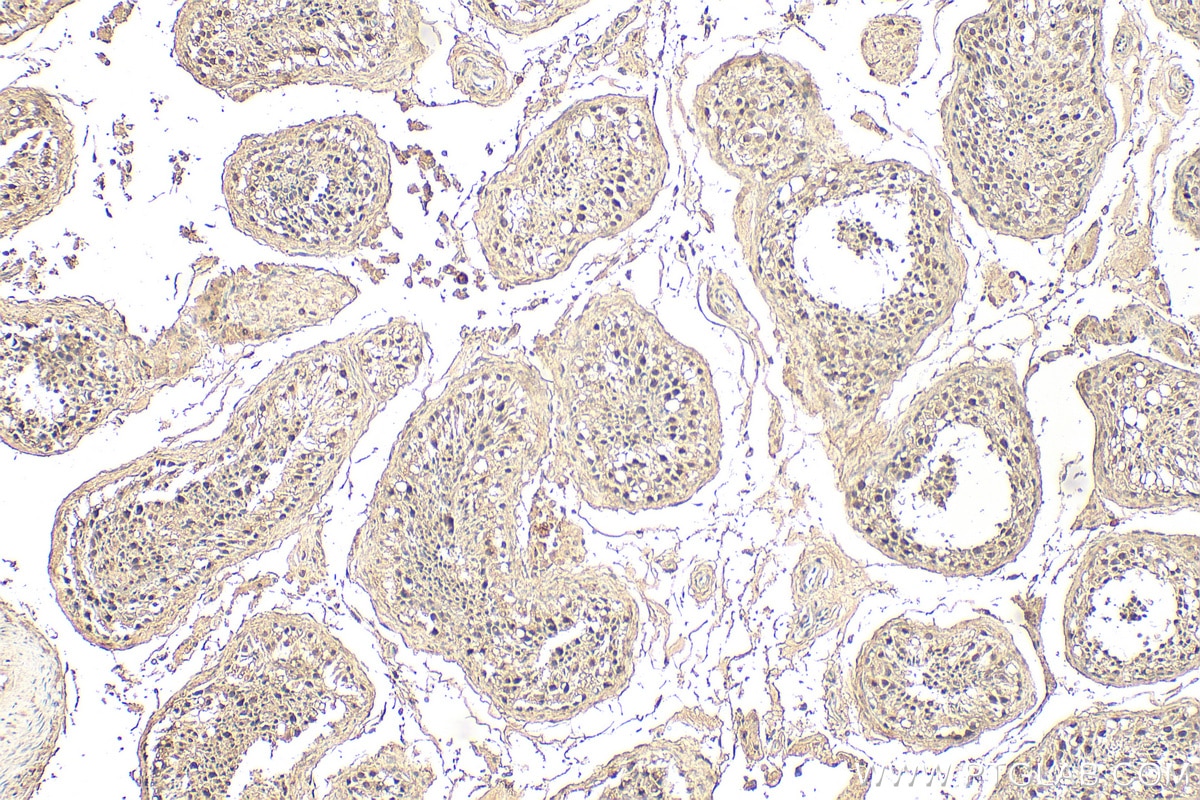
| Positive IHC detected in | human testis tissue Note: suggested antigen retrieval with TE buffer pH 9.0; (*) Alternatively, antigen retrieval may be performed with citrate buffer pH 6.0 |
Recommended dilution
| Application | Dilution |
|---|---|
| Western Blot (WB) | WB : 1:2000-1:20000 |
| Immunohistochemistry (IHC) | IHC : 1:500-1:2000 |
| It is recommended that this reagent should be titrated in each testing system to obtain optimal results. | |
| Sample-dependent, Check data in validation data gallery. | |
Published Applications
| KD/KO | See 6 publications below |
| WB | See 103 publications below |
| IHC | See 20 publications below |
| IF | See 16 publications below |
| IP | See 1 publications below |
| CoIP | See 1 publications below |
Product Information
66905-1-Ig targets GLI1 in WB, IHC, IF, IP, CoIP, ELISA applications and shows reactivity with human, mouse, rat, pig samples.
| Tested Reactivity | human, mouse, rat, pig |
| Cited Reactivity | human, mouse, rat |
| Host / Isotype | Mouse / IgG1 |
| Class | Monoclonal |
| Type | Antibody |
| Immunogen |
CatNo: Ag27832 Product name: Recombinant human GLI1 protein Source: e coli.-derived, PET28a Tag: 6*His Domain: 470-659 aa of BC013000 Sequence: NAGGSTEDLSSLDEGPCIAGTGLSTLRRLENLRLDQLHQLRPIGTRGLKLPSLSHTGTTVSRRVGPPVSLERRSSSSSSISSAYTVSRRSSLASPFPPGSPPENGASSLPGLMPAQHYLLRARYASARGGGTSPTAASSLDRIGGLPMPPWRSRAEYPGYNPNAGVTRRASDPAQAADRPAPARVQRFKS 相同性解析による交差性が予測される生物種 |
| Full Name | GLI family zinc finger 1 |
| Calculated molecular weight | 1106 aa, 118 kDa |
| Observed molecular weight | 150 kDa |
| GenBank accession number | BC013000 |
| Gene Symbol | GLI1 |
| Gene ID (NCBI) | 2735 |
| RRID | AB_2882232 |
| Conjugate | Unconjugated |
| Form | |
| Form | Liquid |
| Purification Method | Protein G purification |
| UNIPROT ID | P08151 |
| Storage Buffer | PBS with 0.02% sodium azide and 50% glycerol{{ptg:BufferTemp}}7.3 |
| Storage Conditions | Store at -20°C. Stable for one year after shipment. Aliquoting is unnecessary for -20oC storage. |
Background Information
GLI1, also known as Glioma-associated oncogene, is a 1106 amino acid protein, which belongs to the GLI C2H2-type zinc-finger protein family. GLI1 is detected in testis and Also expressed in the brain with highest expression in the cerebellum, optic nerve and olfactory tract. GLI1 is tethered in the cytoplasm by binding to SUFU (PubMed:10806483). GLI1 is activated and translocated to the nucleus promoted by interaction with STK36 (PubMed:10806483). Phosphorylation of GLI1 by ULK3 may promote nuclear localization (PubMed:19878745). GLI1 as a transcriptional activator may regulate the transcription of specific genes during normal development (PubMed:19706761). GLI1 plays a role in craniofacial development and digital development, as well as development of the central nervous system and gastrointestinal tract and Mediates SHH signaling (PubMed:19706761). GLI1 plays a role in cell proliferation and differentiation via its role in SHH signaling.
Protocols
| Product Specific Protocols | |
|---|---|
| IHC protocol for GLI1 antibody 66905-1-Ig | Download protocol |
| WB protocol for GLI1 antibody 66905-1-Ig | Download protocol |
| Standard Protocols | |
|---|---|
| Click here to view our Standard Protocols |
Publications
| Species | Application | Title |
|---|---|---|
Mol Cancer Circular RNA circIPO11 drives self-renewal of liver cancer initiating cells via Hedgehog signaling. | ||
Cell Metab Compartmentalized branched-chain amino acid metabolism orchestrates colorectal cancer dissemination via an UMP-vimentin axis. | ||
Cell Host Microbe BCAA-producing Clostridium symbiosum promotes colorectal tumorigenesis through the modulation of host cholesterol metabolism | ||
Nat Commun TSPAN8 promotes cancer cell stemness via activation of sonic Hedgehog signaling. | ||
Gut Microbes A 4-guanidinobutanoic acid-SLC36A1 axis drives a microbiota‒host feedback loop to regulate intestinal homeostasis. | ||
Gut Microbes Gut microbiota dysbiosis promotes the development of epithelial ovarian cancer via regulating Hedgehog signaling pathway |