
Validation Data Gallery
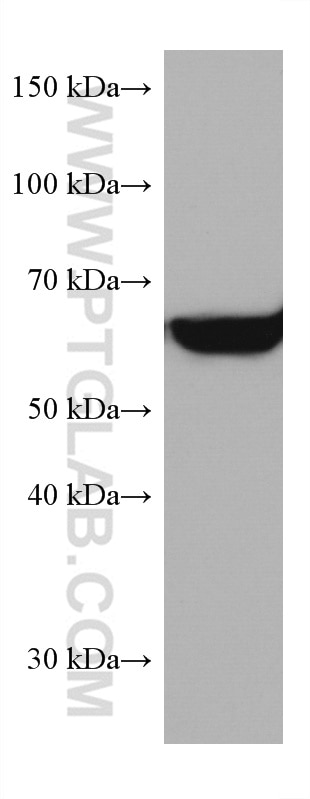
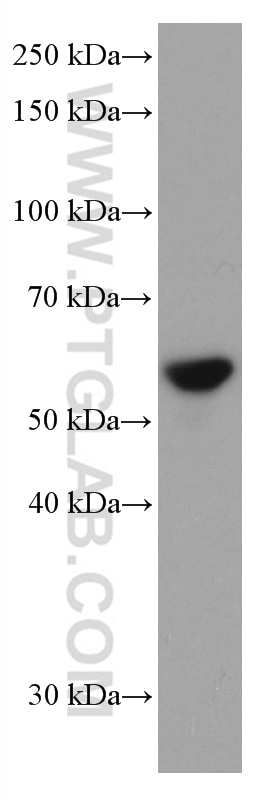
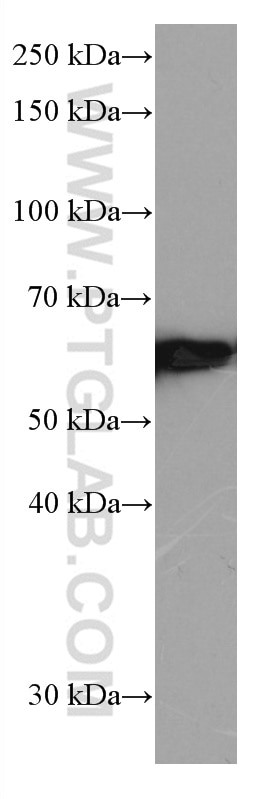
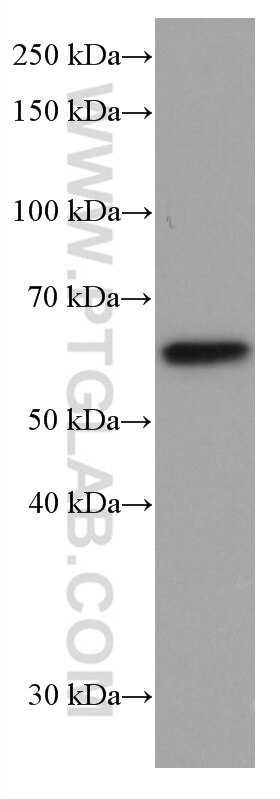
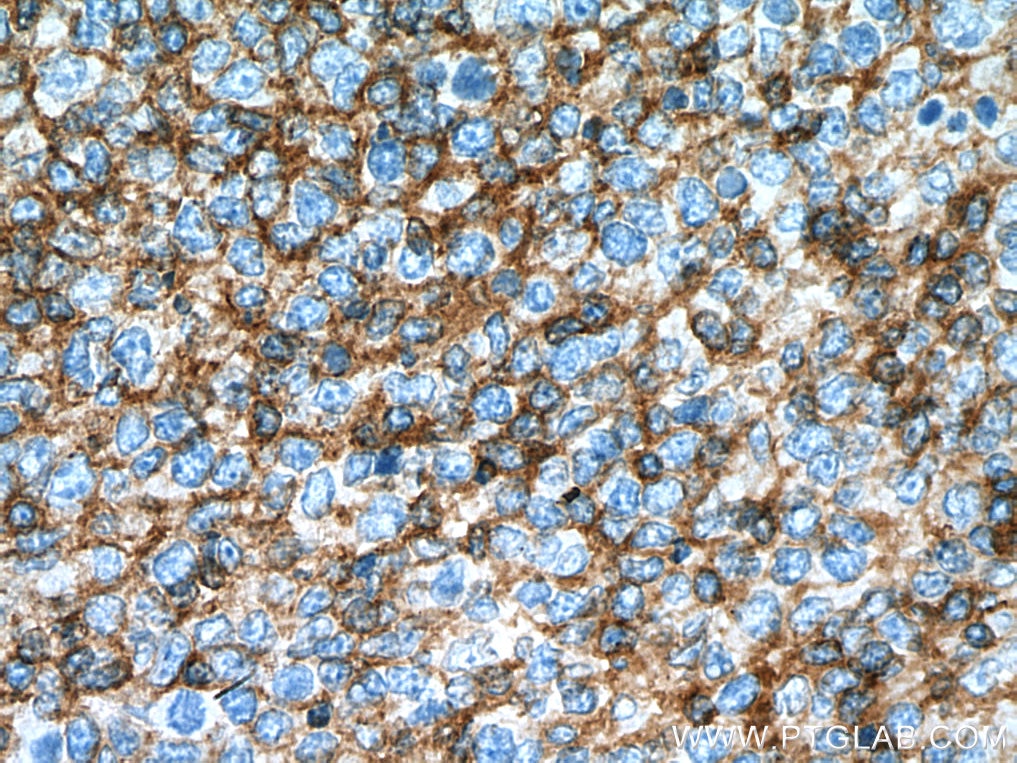
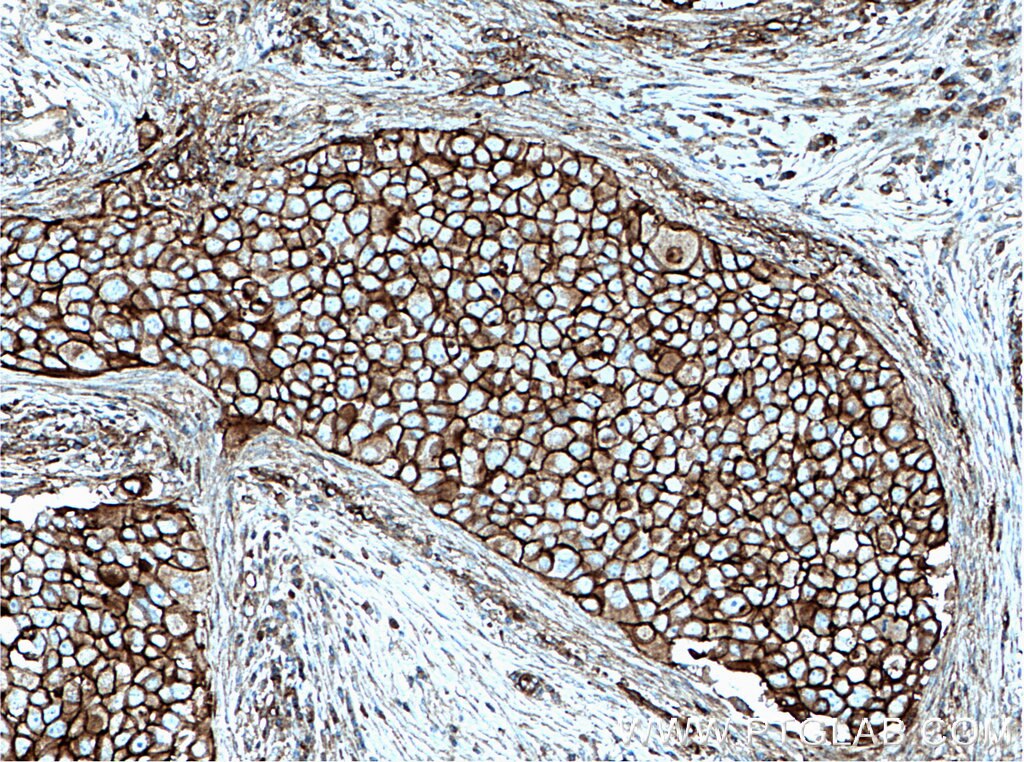
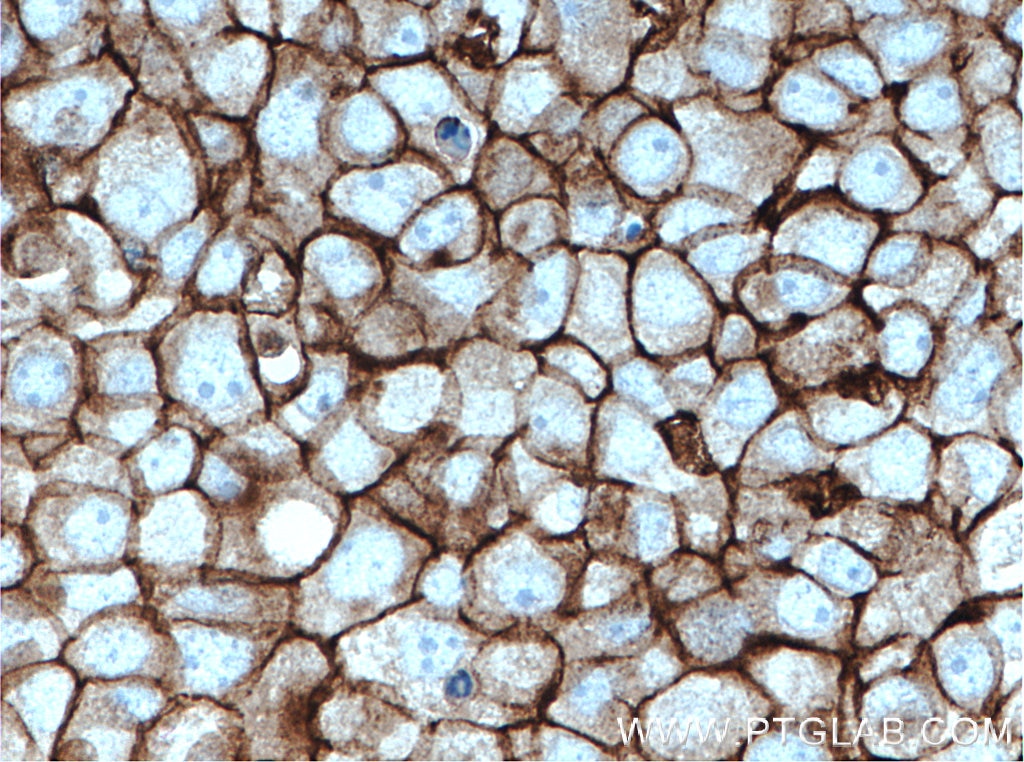
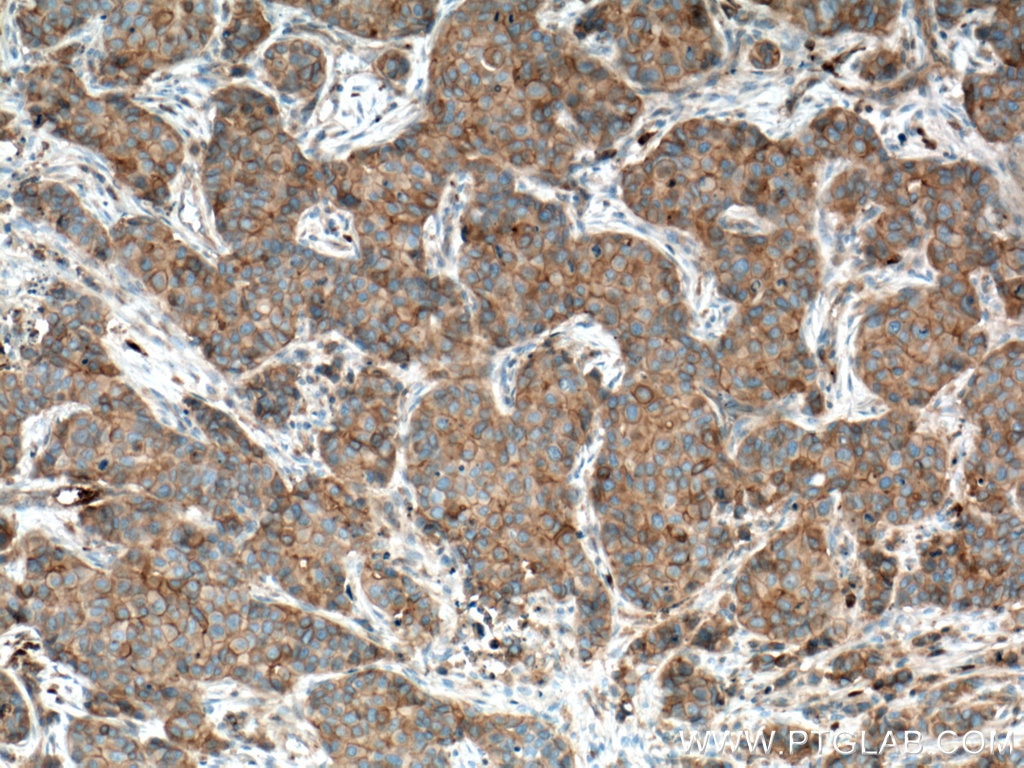
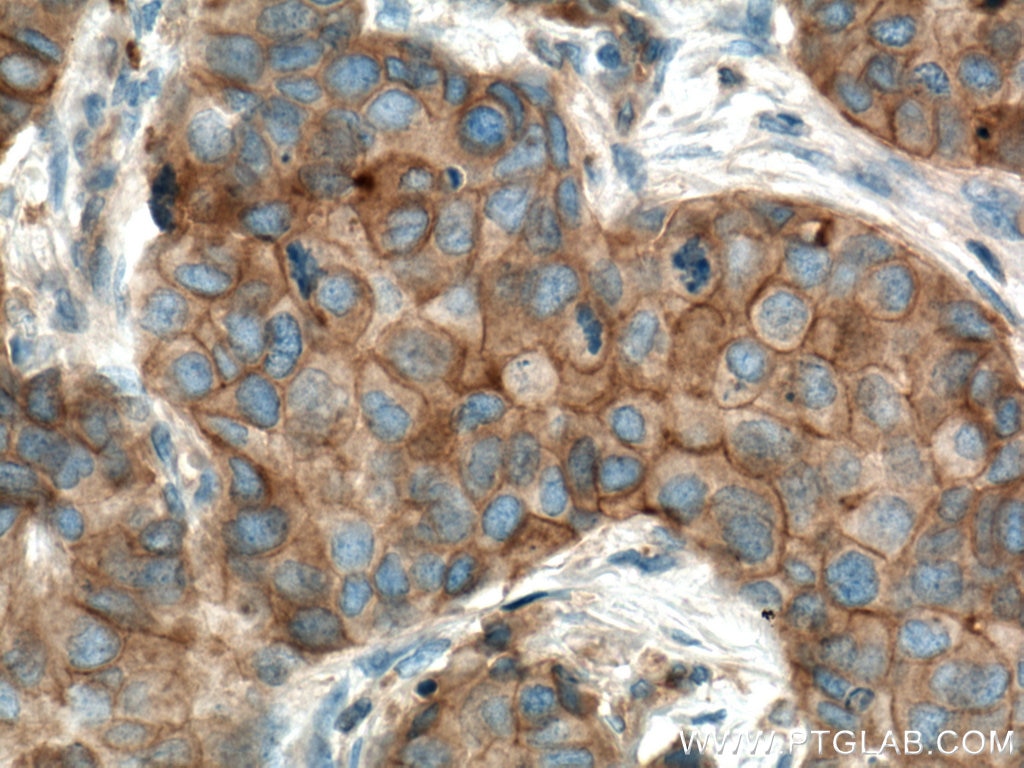
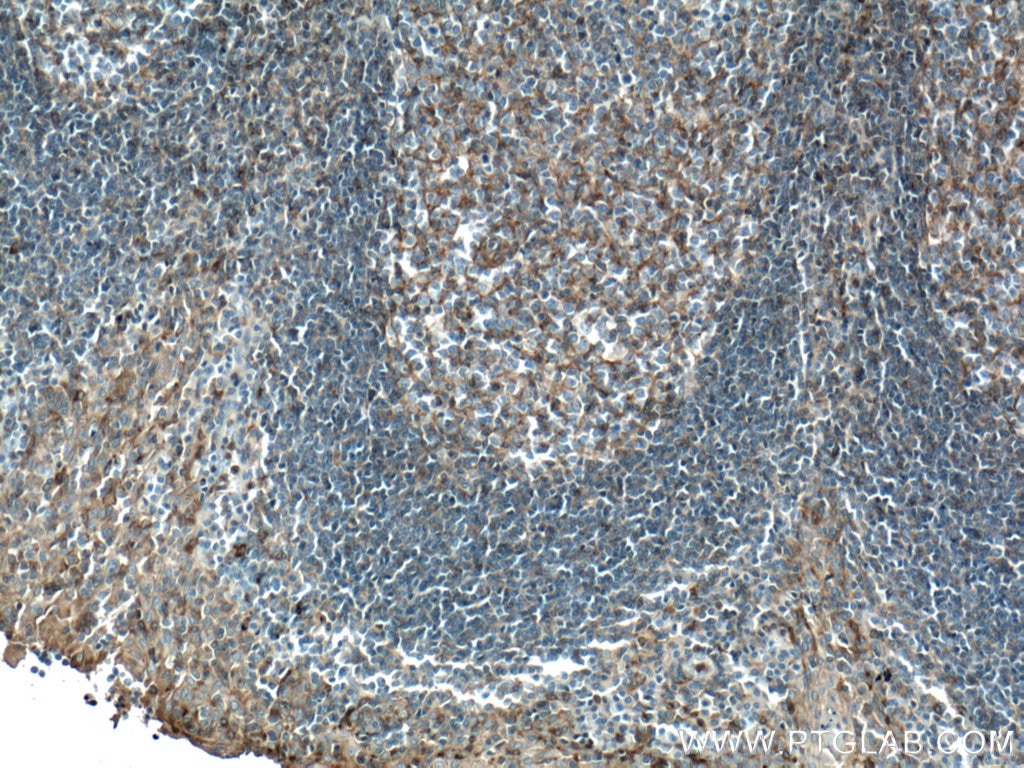
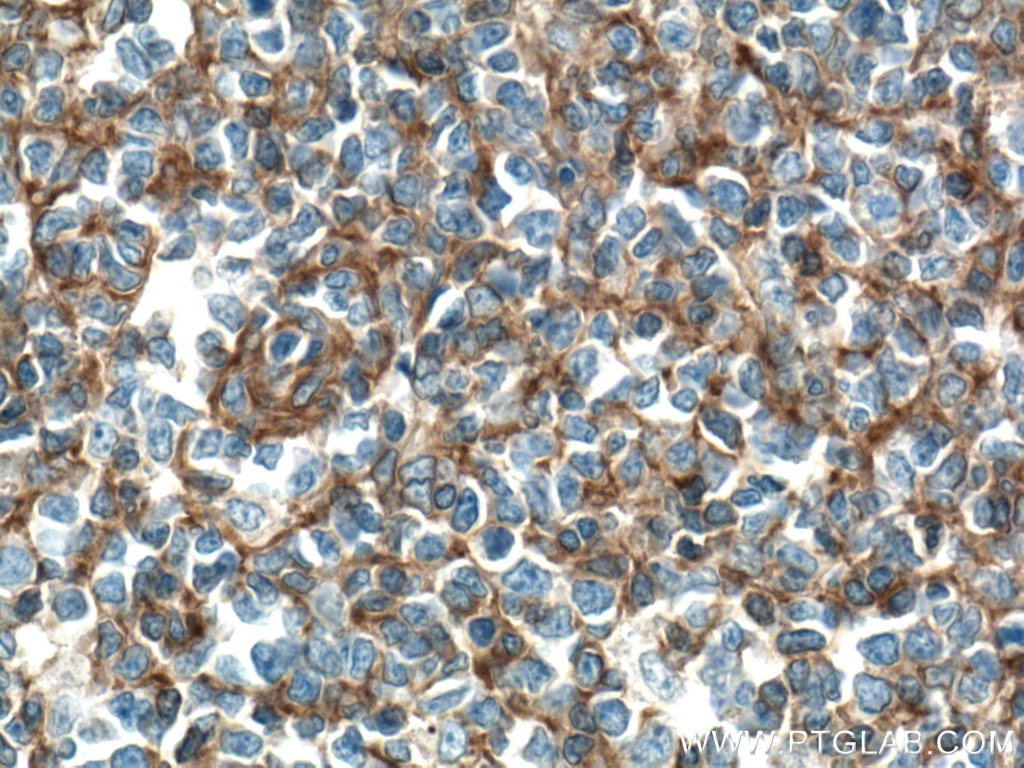
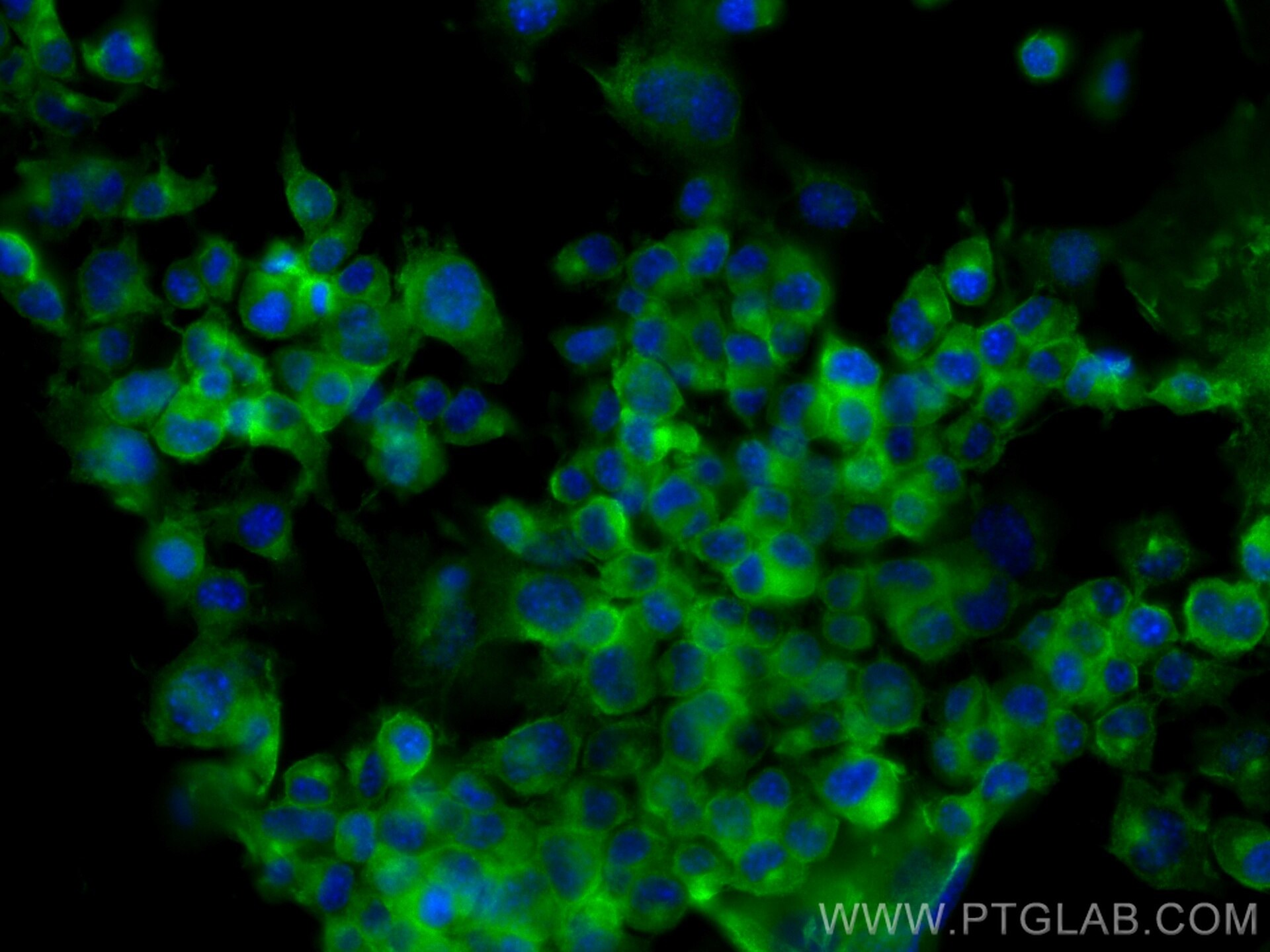
Tested Applications
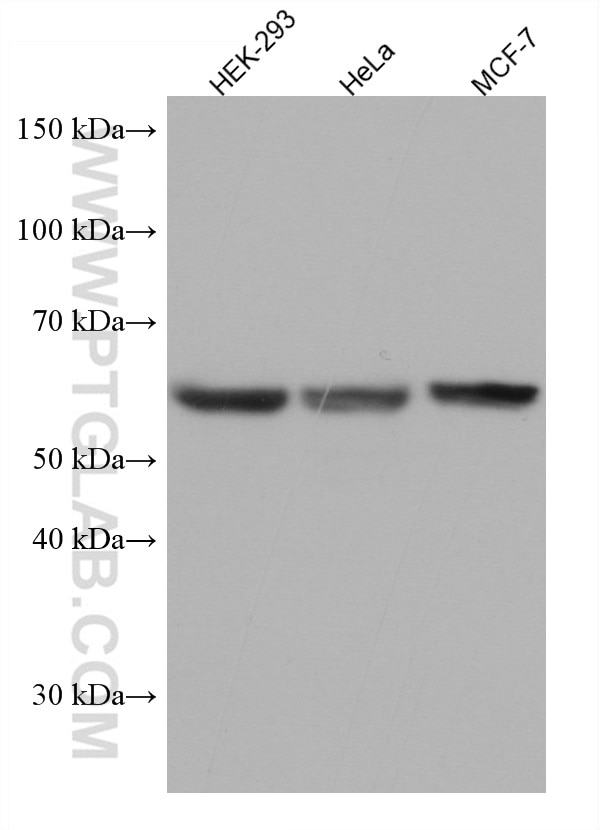
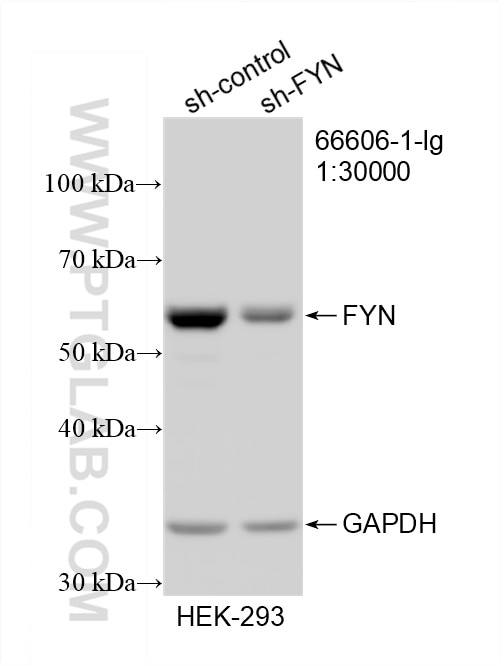
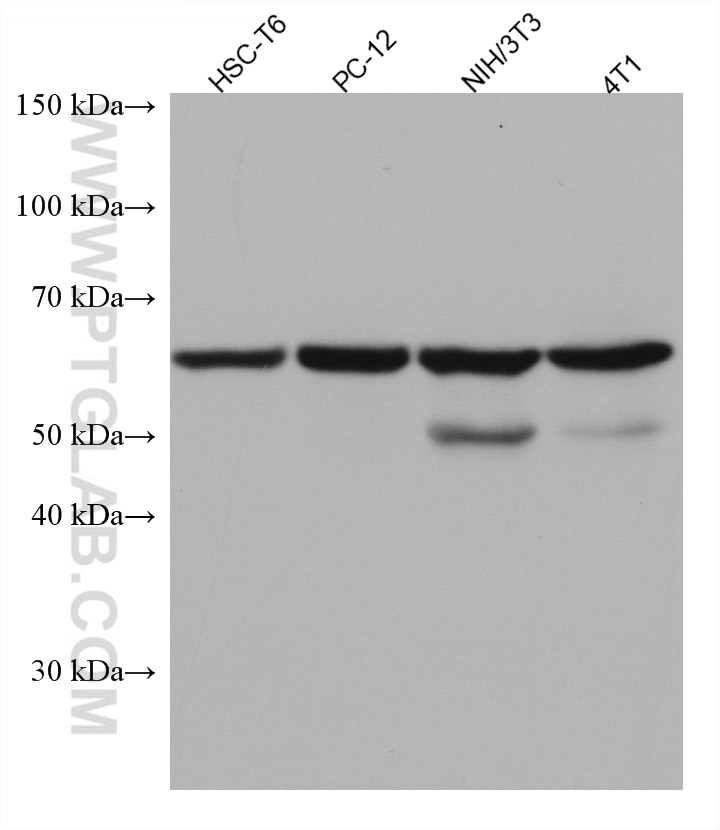
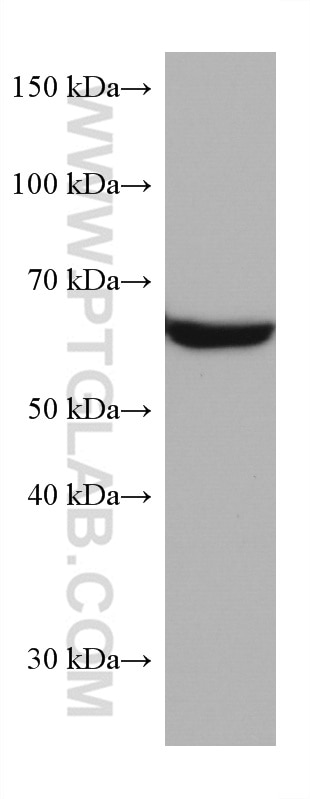
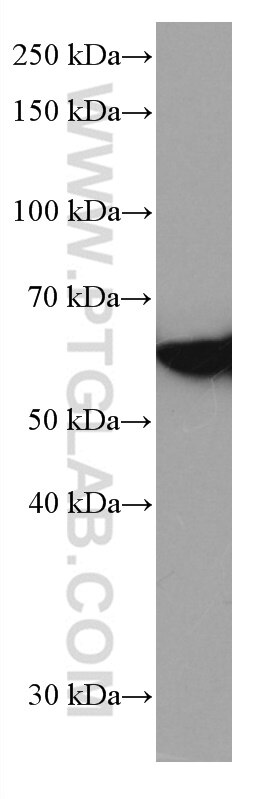
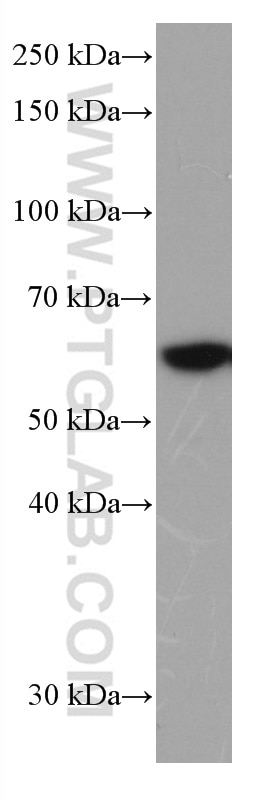
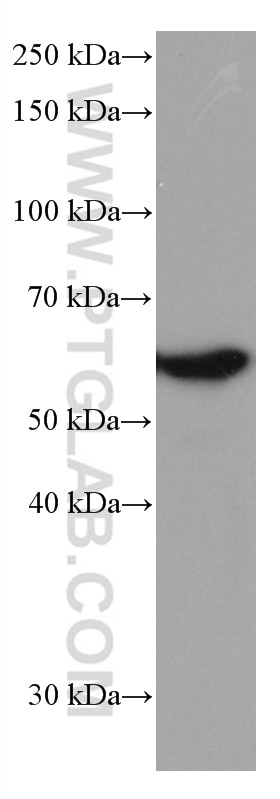
| Positive WB detected in | HEK-293 cells, HeLa cells, HSC-T6 cells, Jurkat cells, MCF-7 cells, NIH/3T3 cells, Ramos cells, PC-12 cells, 4T1 cells |
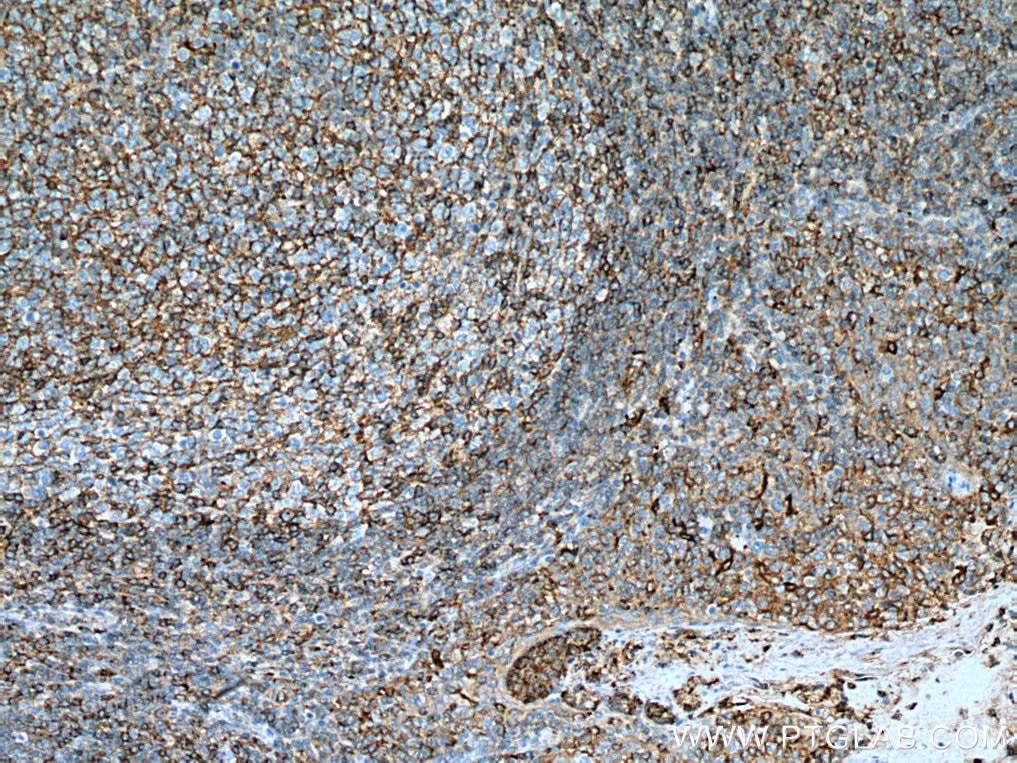
| Positive IHC detected in | human tonsillitis tissue, human breast cancer tissue Note: suggested antigen retrieval with TE buffer pH 9.0; (*) Alternatively, antigen retrieval may be performed with citrate buffer pH 6.0 |
| Positive IF/ICC detected in | Neuro-2a cells |
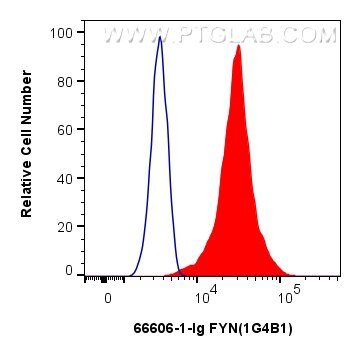
| Positive FC (Intra) detected in | HeLa cells |
Recommended dilution
| Application | Dilution |
|---|---|
| Western Blot (WB) | WB : 1:5000-1:30000 |
| Immunohistochemistry (IHC) | IHC : 1:2000-1:5000 |
| Immunofluorescence (IF)/ICC | IF/ICC : 1:400-1:1600 |
| Flow Cytometry (FC) (INTRA) | FC (INTRA) : 0.25 ug per 10^6 cells in a 100 µl suspension |
| It is recommended that this reagent should be titrated in each testing system to obtain optimal results. | |
| Sample-dependent, Check data in validation data gallery. | |
Published Applications
| WB | See 18 publications below |
| IHC | See 4 publications below |
| IF | See 1 publications below |
| CoIP | See 1 publications below |
Product Information
66606-1-Ig targets FYN in WB, IHC, IF/ICC, CoIP, ELISA applications and shows reactivity with human, mouse, rat samples.
| Tested Reactivity | human, mouse, rat |
| Cited Reactivity | human, mouse, rat |
| Host / Isotype | Mouse / IgG1 |
| Class | Monoclonal |
| Type | Antibody |
| Immunogen |
CatNo: Ag11127 Product name: Recombinant human FYN protein Source: e coli.-derived, PET28a Tag: 6*His Domain: 231-483 aa of BC032496 Sequence: YSGTWNGNTKVAIKTLKPGTMSPESFLEEAQIMKKLKHDKLVQLYAVVSEEPIYIVTEYMNKGSLLDFLKDGEGRALKLPNLVDMAAQVAAGMAYIERMNYIHRDLRSANILVGNGLICKIADFGLARLIEDNEYTARQGAKFPIKWTAPEAALYGRFTIKSDVWSFGILLTELVTKGRVPYPGMNNREVLEQVERGYRMPCPQDCPISLHELMIHCWKKDPEERPTFEYLQSFLEDYFTATEPQYQPGENL 相同性解析による交差性が予測される生物種 |
| Full Name | FYN oncogene related to SRC, FGR, YES |
| Calculated molecular weight | 537aa,61 kDa; 482aa,55 kDa |
| Observed molecular weight | 60 kDa |
| GenBank accession number | BC032496 |
| Gene Symbol | FYN |
| Gene ID (NCBI) | 2534 |
| RRID | AB_2881966 |
| Conjugate | Unconjugated |
| Form | |
| Form | Liquid |
| Purification Method | Protein G purification |
| UNIPROT ID | P06241 |
| Storage Buffer | PBS with 0.02% sodium azide and 50% glycerol{{ptg:BufferTemp}}7.3 |
| Storage Conditions | Store at -20°C. Stable for one year after shipment. Aliquoting is unnecessary for -20oC storage. |
Background Information
FYN, also named p59-Fyn and SLK, belongs to the protein kinase superfamily, Tyr protein kinase family and SRC subfamily. FYN is implicated in the control of cell growth. It plays a role in the regulation of intracellular calcium levels, with isoform 2 showing the greater ability to mobilize cytoplasmic calcium in comparison to isoform 1. FYN is required in brain development and mature brain function with important roles in the regulation of axon growth, axon guidance, and neurite extension. FYN blocks axon outgrowth and attraction induced by NTN1 by phosphorylating its receptor DDC.
Protocols
| Product Specific Protocols | |
|---|---|
| FC protocol for FYN antibody 66606-1-Ig | Download protocol |
| IF protocol for FYN antibody 66606-1-Ig | Download protocol |
| IHC protocol for FYN antibody 66606-1-Ig | Download protocol |
| WB protocol for FYN antibody 66606-1-Ig | Download protocol |
| Standard Protocols | |
|---|---|
| Click here to view our Standard Protocols |
Publications
| Species | Application | Title |
|---|---|---|
Nat Commun Cell volume controlled by LRRC8A-formed volume-regulated anion channels fine-tunes T cell activation and function | ||
J Exp Clin Cancer Res Oridonin promotes endoplasmic reticulum stress via TP53-repressed TCF4 transactivation in colorectal cancer | ||
Int J Biol Sci Macrophage KDM2A promotes atherosclerosis via regulating FYN and inducing inflammatory response | ||
EBioMedicine Obesity induces preadipocyte CD36 expression promoting inflammation via the disruption of lysosomal calcium homeostasis and lysosome function. | ||
EBioMedicine Biallelic mutations in LAMA5 disrupts a skeletal noncanonical focal adhesion pathway and produces a distinct bent bone dysplasia. | ||
Oncogene USP33 facilitates the ovarian cancer progression via deubiquitinating and stabilizing CBX2 |