
Validation Data Gallery
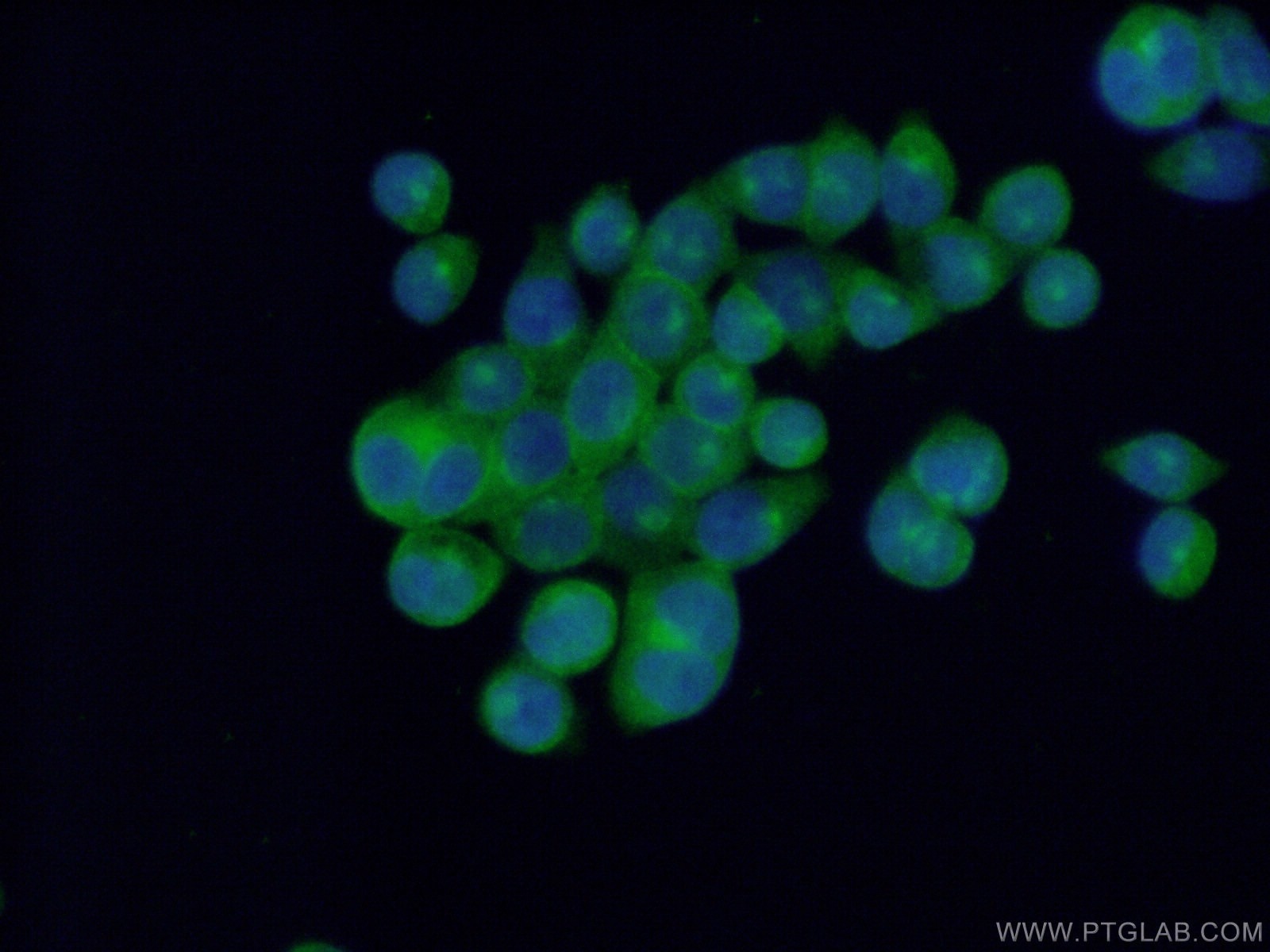
Tested Applications
Recommended dilution
| Application | Dilution |
|---|---|
| It is recommended that this reagent should be titrated in each testing system to obtain optimal results. | |
Product Information
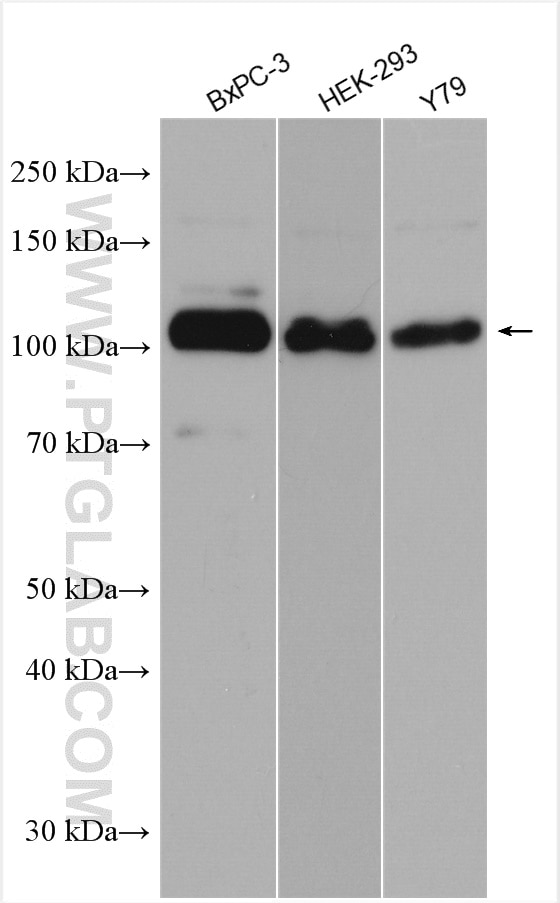
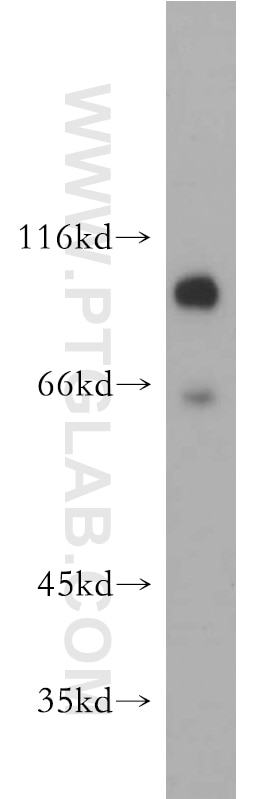
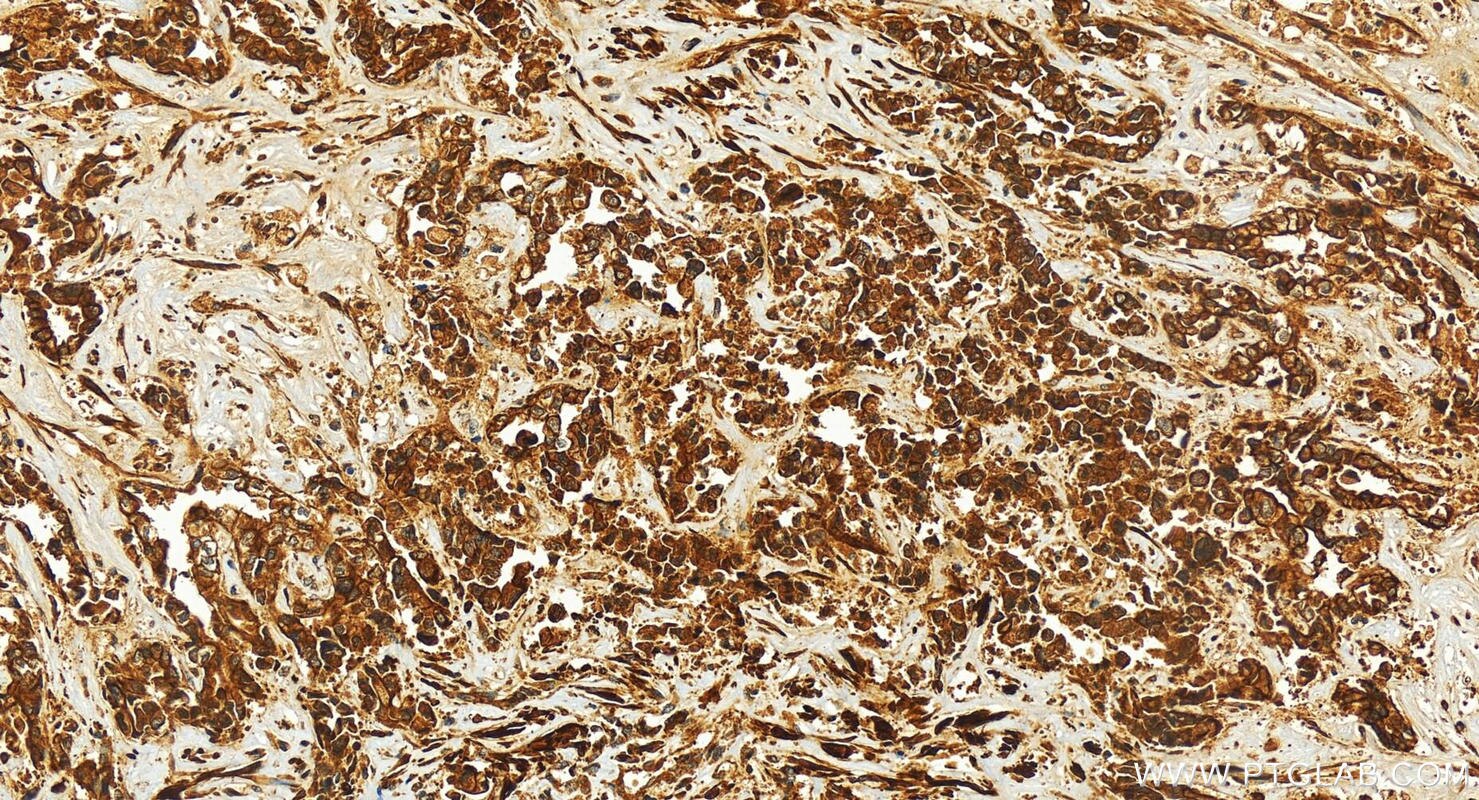
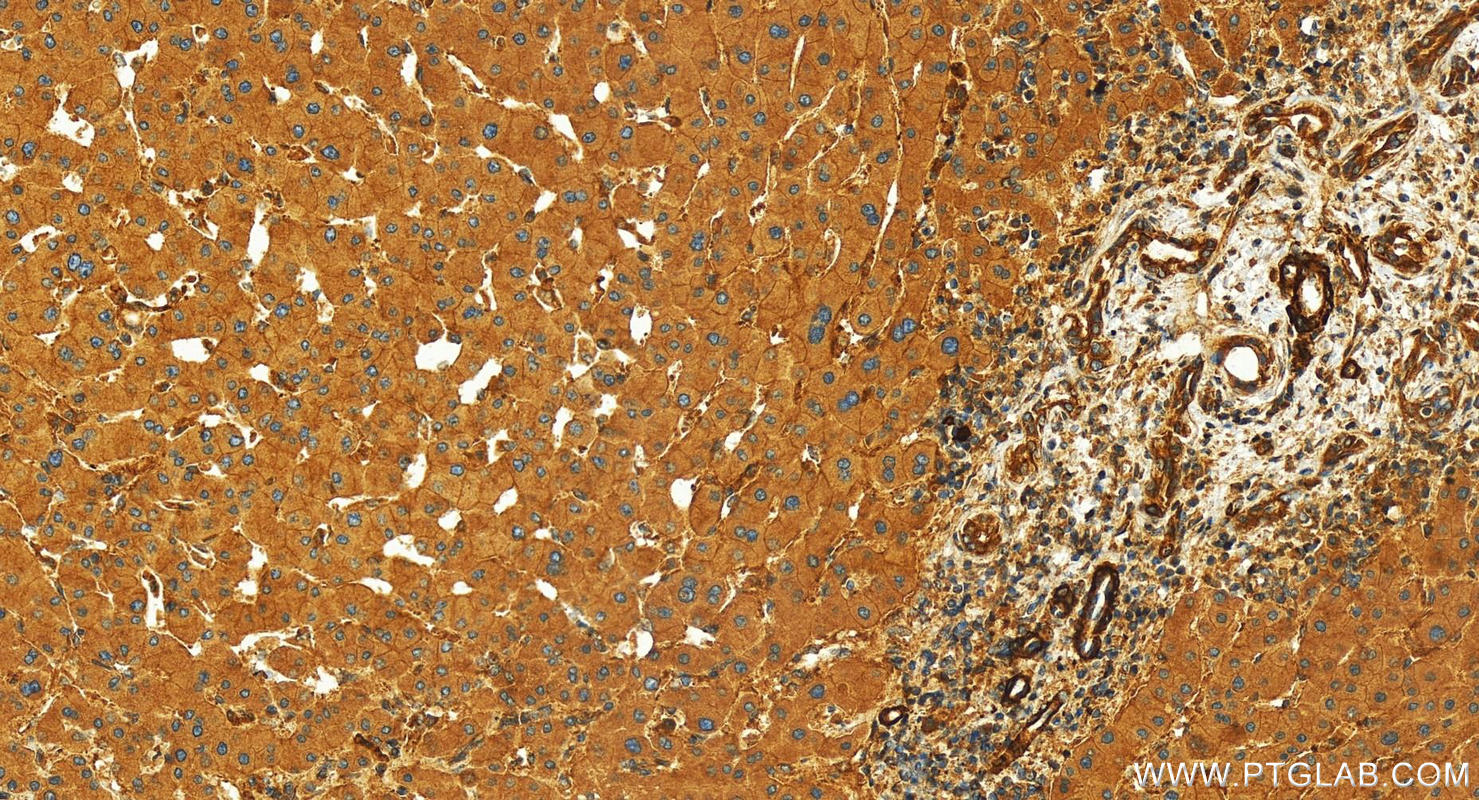
21243-1-PBS targets EPS15R in WB, IHC, IF/ICC, Indirect ELISA applications and shows reactivity with human samples.
| Tested Reactivity | human |
| Host / Isotype | Rabbit / IgG |
| Class | Polyclonal |
| Type | Antibody |
| Immunogen |
CatNo: Ag15735 Product name: Recombinant human EPS15L1 protein Source: e coli.-derived, PGEX-4T Tag: GST Domain: 351-597 aa of BC142716 Sequence: PQVLSPDMVPPSERGTPGPDSSGSLGSGEFTGVKELDDISQEIAQLQREKYSLEQDIREKEEAIRQKTSEVQELQNDLDRETSSLQELEAQKQDAQDRLDEMDQQKAKLRDMLSDVRQKCQDETQMISSLKTQIQSQESDLKSQEDDLNRAKSELNRLQQEETQLEQSIQAGRVQLETIIKSLKSTQDEINQARSKLSQLHESRQEAHRSLEQYDQVLDGAHGASLTDLANLSEGVSLAERGSFGAM 相同性解析による交差性が予測される生物種 |
| Full Name | epidermal growth factor receptor pathway substrate 15-like 1 |
| Calculated molecular weight | 864 aa, 94 kDa |
| Observed molecular weight | 94 kDa |
| GenBank accession number | BC142716 |
| Gene Symbol | EPS15R |
| Gene ID (NCBI) | 58513 |
| RRID | AB_10733643 |
| Conjugate | Unconjugated |
| Form | |
| Form | Liquid |
| Purification Method | Antigen affinity purification |
| UNIPROT ID | Q9UBC2 |
| Storage Buffer | PBS only{{ptg:BufferTemp}}7.3 |
| Storage Conditions | Store at -80°C. |
Background Information
EPS15R is a protein that belongs to the Eps15 family of proteins, which are known for their roles in intracellular trafficking, particularly in the regulation of endocytosis and vesicle formation. EPS15R, like other members of the Eps15 family, functions as a scaffolding adaptor protein and is involved in both secretion and endocytosis. It has been shown to bind to AP-1 and AP-2 complexes, inositol lipids, and several other proteins that are crucial for the regulation of intracellular trafficking. EPS15R is also implicated in the regulation of membrane morphology, which is essential for intracellular vesicle formation and trafficking . It has been detected in the nucleus of mammalian cells, and its activation through growth factor receptors induces tyrosine phosphorylation and mono-ubiquitination, although the specific roles of these post-translational modifications are not yet fully understood