
Validation Data Gallery
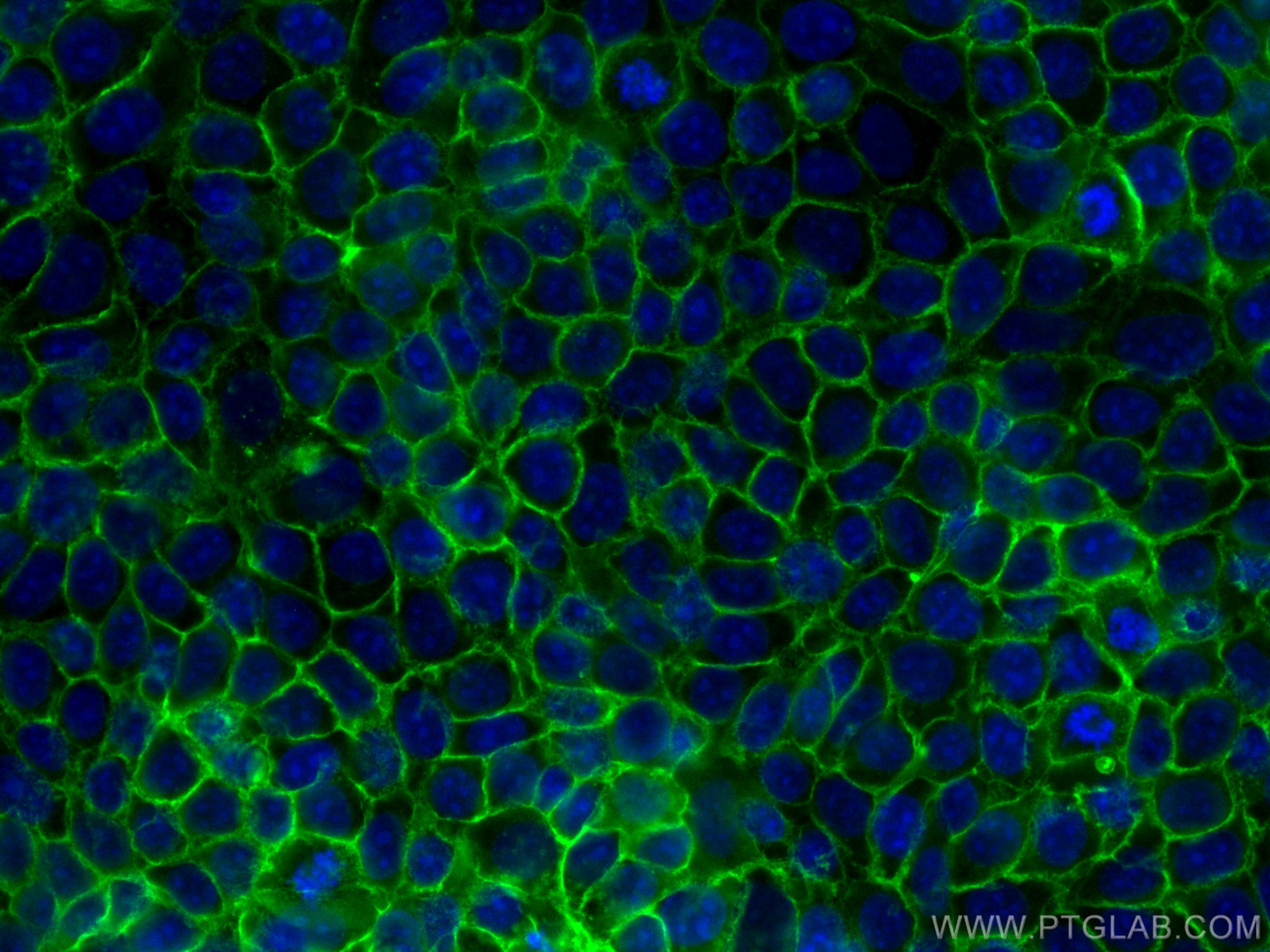
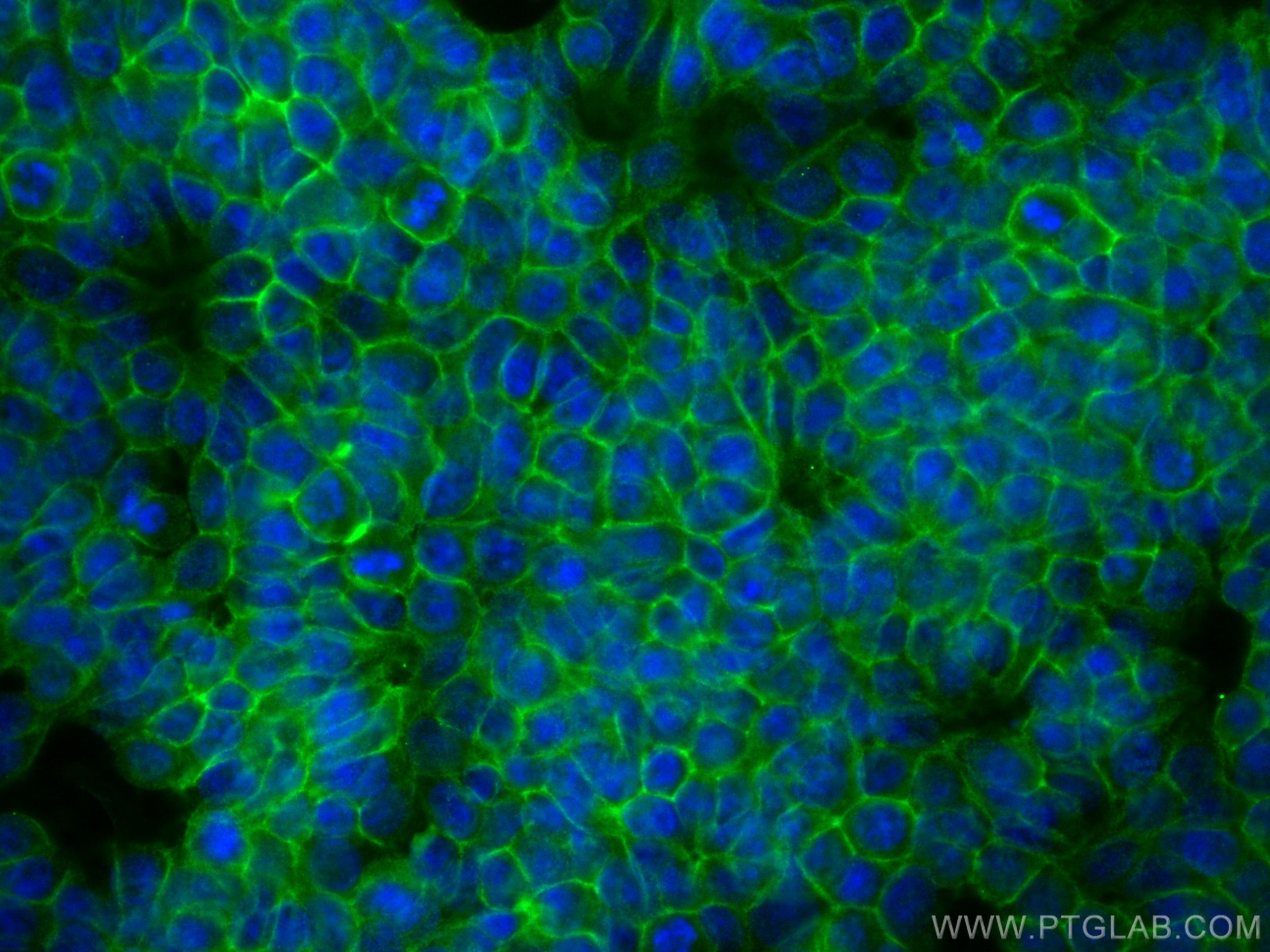
Tested Applications
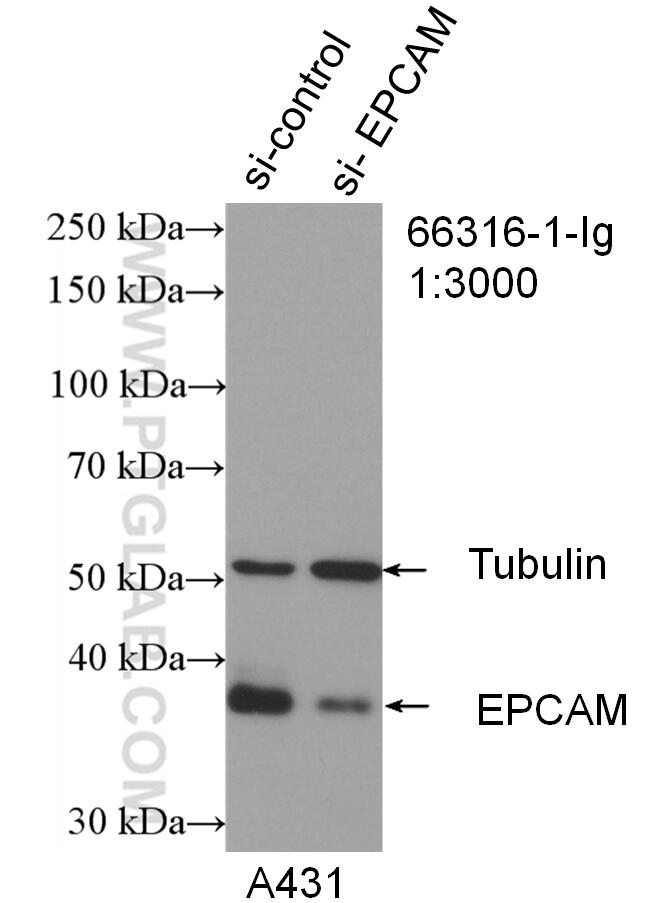
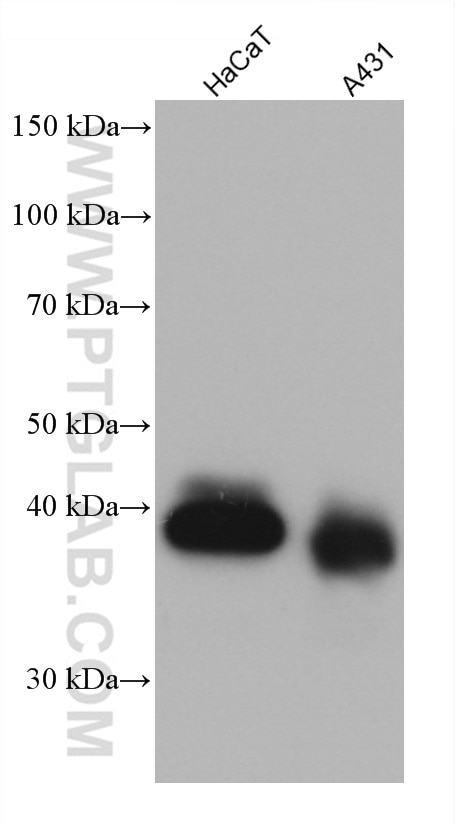
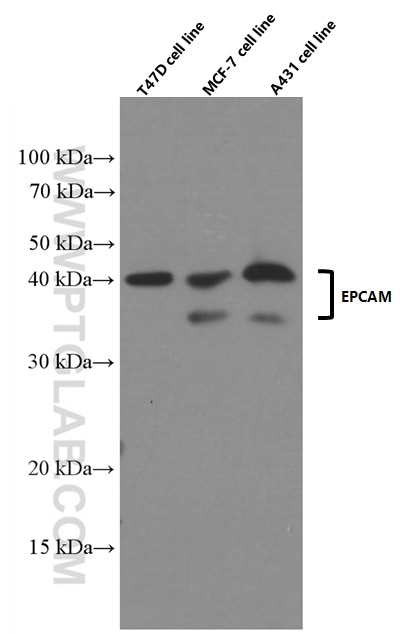
| Positive WB detected in | HaCaT cells, A431 cells, T-47D cells, MCF-7 cells |
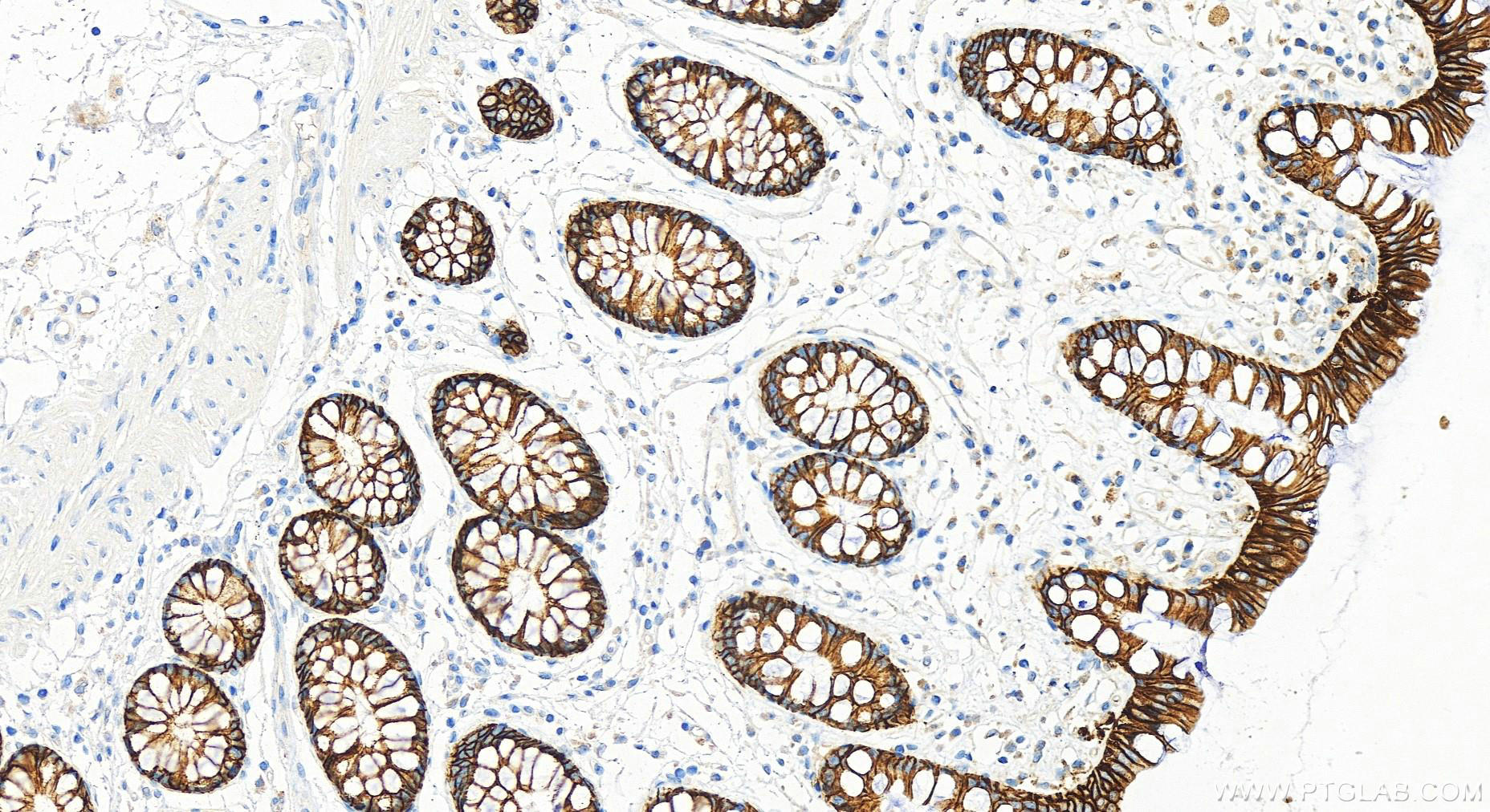
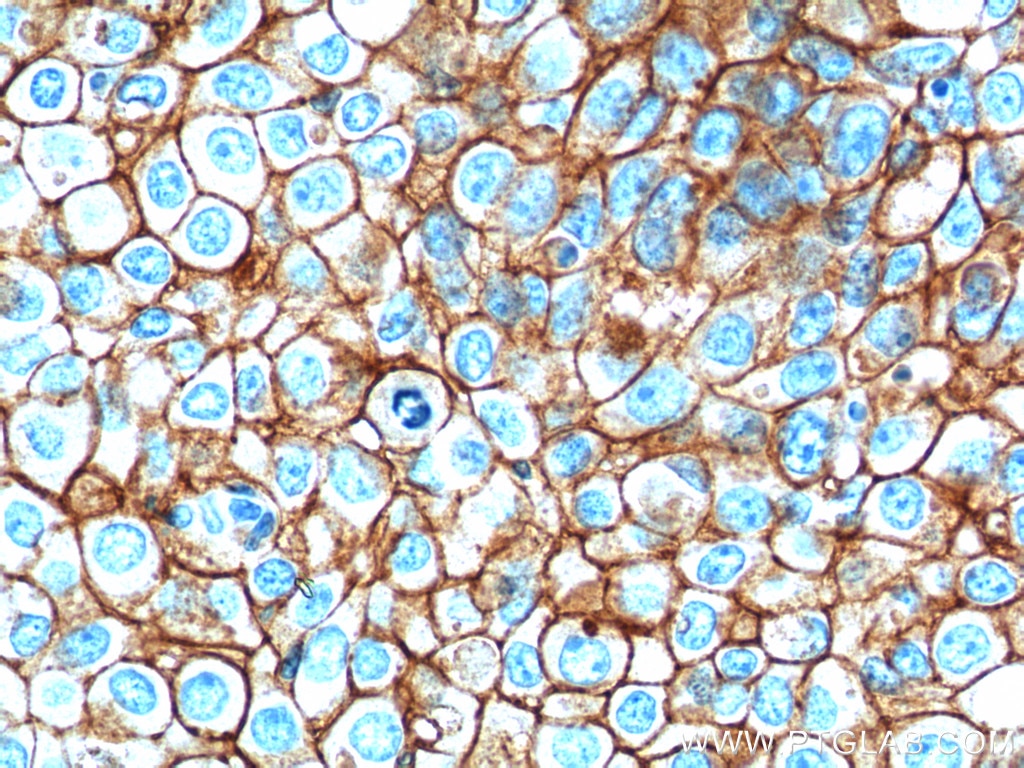
| Positive IHC detected in | Human colon tissue, human breast cancer tissue Note: suggested antigen retrieval with TE buffer pH 9.0; (*) Alternatively, antigen retrieval may be performed with citrate buffer pH 6.0 |
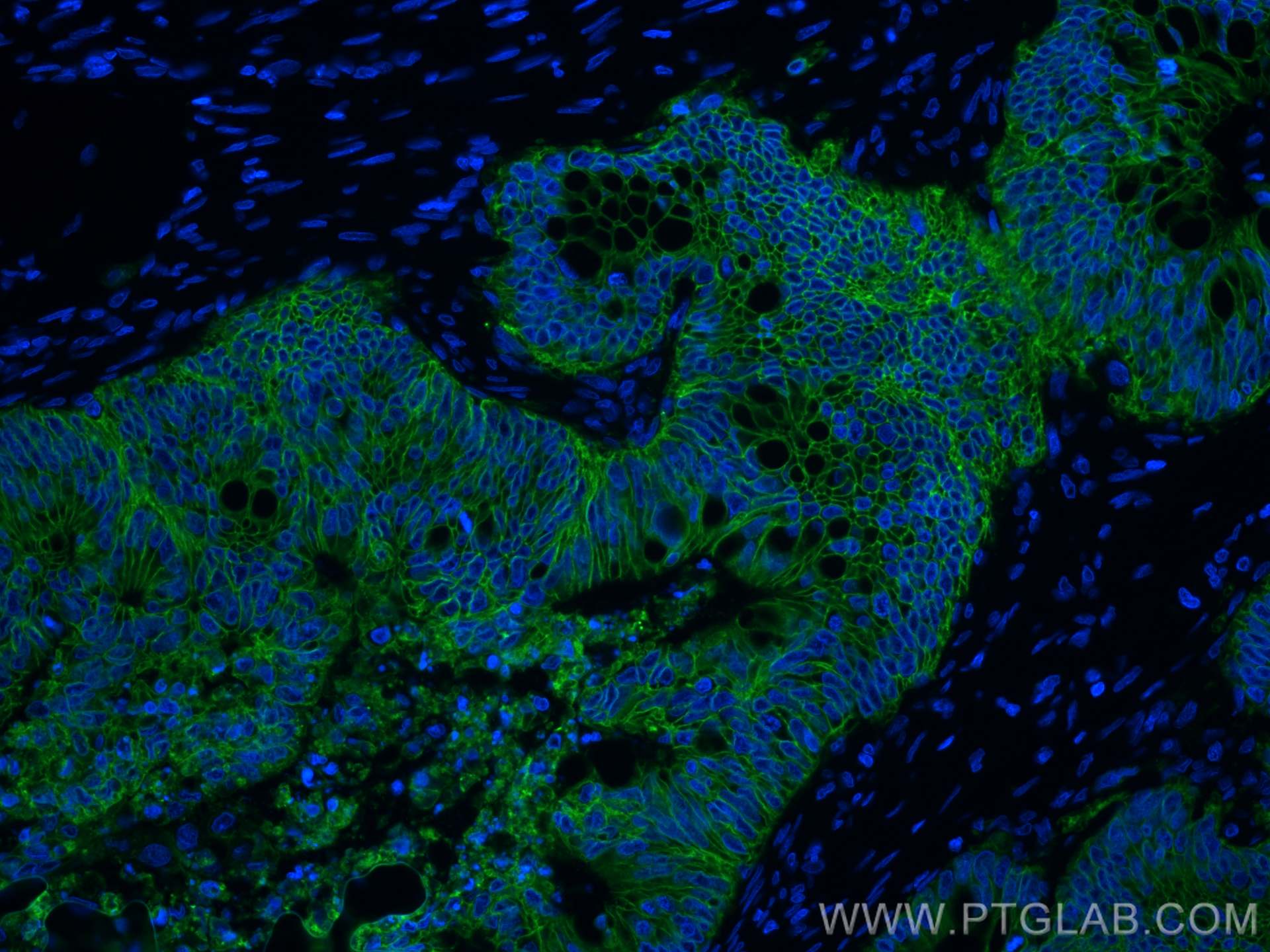
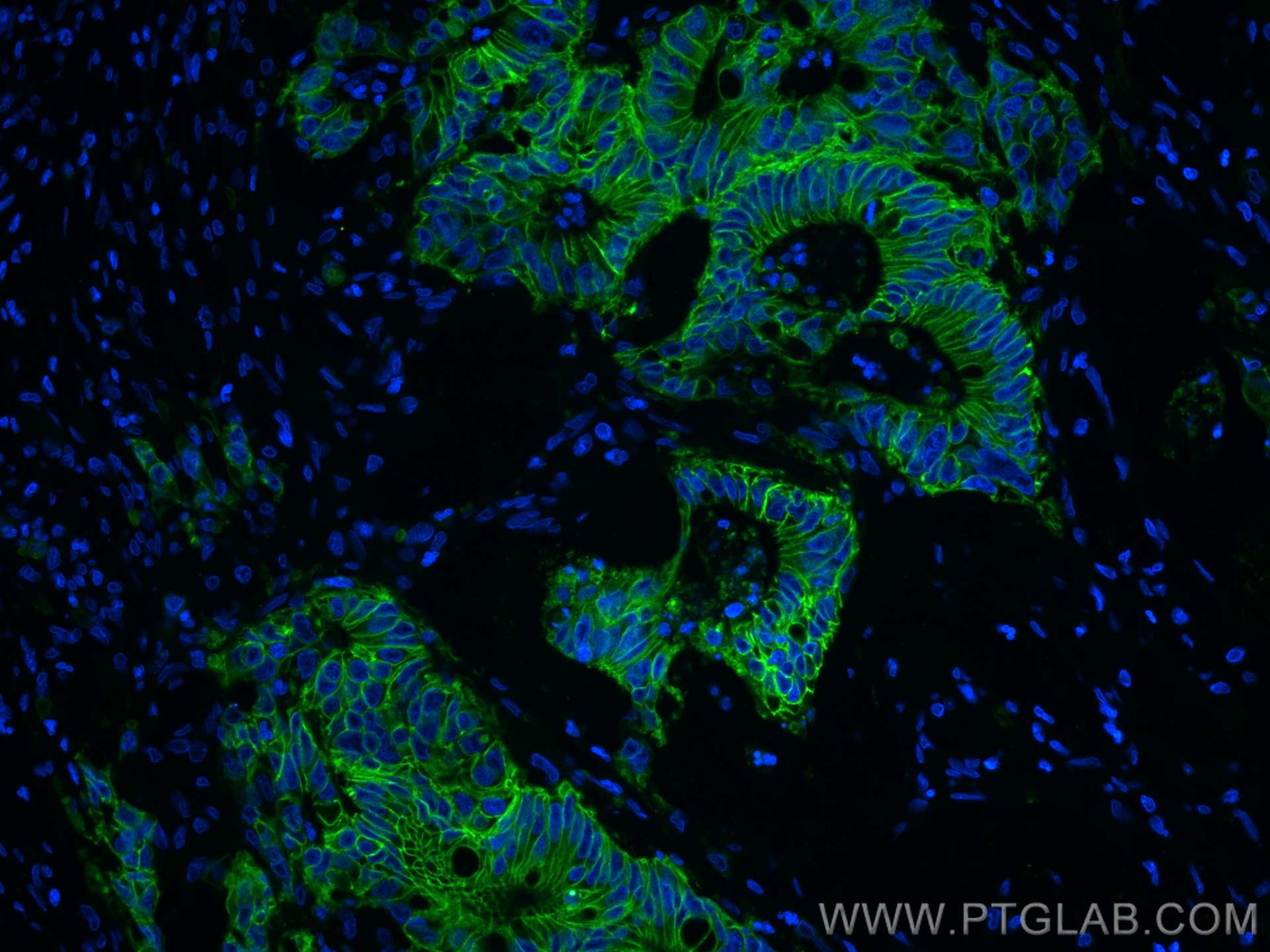
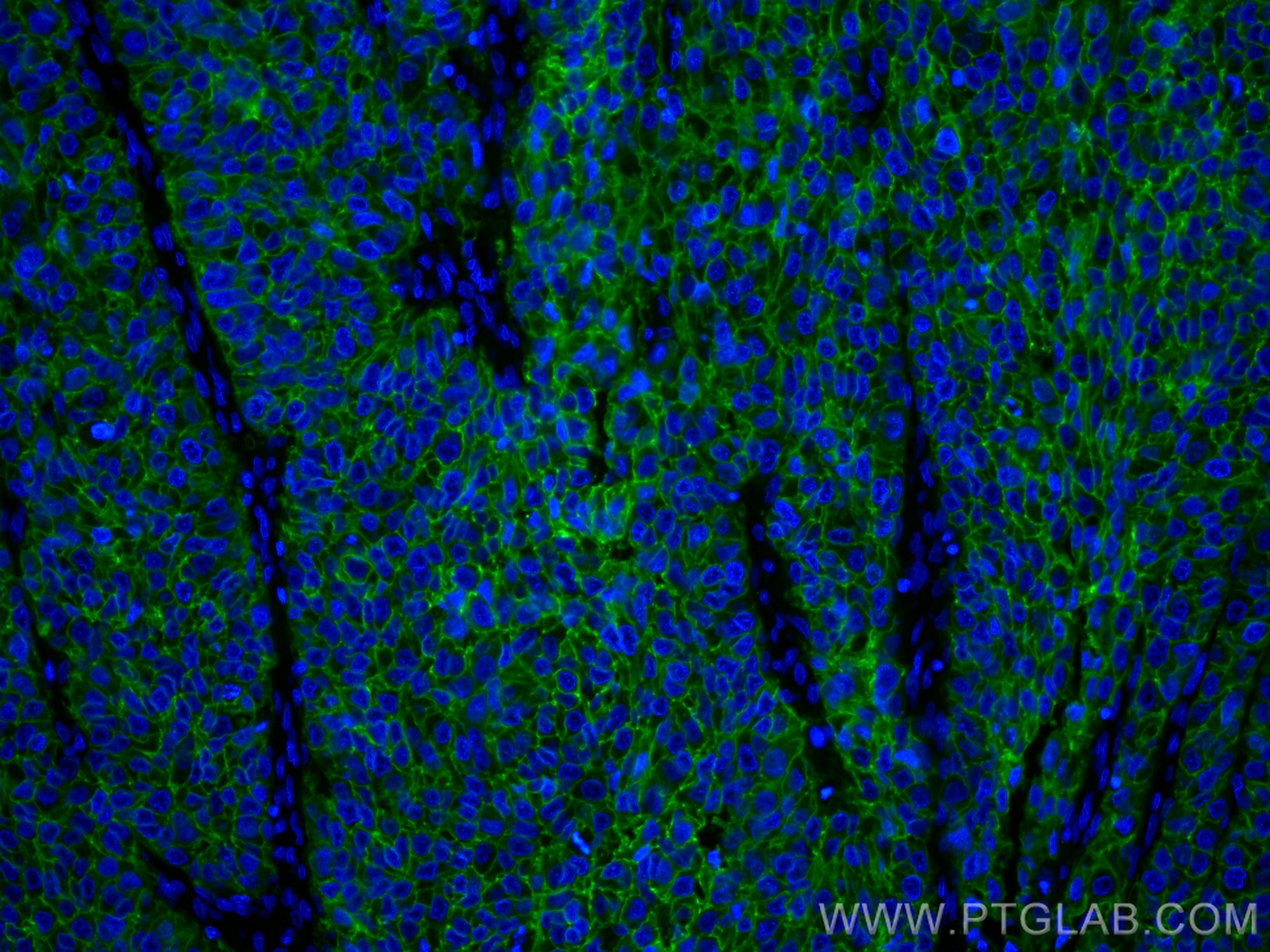
| Positive IF-P detected in | human colon cancer tissue, human stomach cancer tissue |
| Positive IF/ICC detected in | MCF-7 cells, HT-29 cells |
Recommended dilution
| Application | Dilution |
|---|---|
| Western Blot (WB) | WB : 1:2000-1:10000 |
| Immunohistochemistry (IHC) | IHC : 1:1000-1:4000 |
| Immunofluorescence (IF)-P | IF-P : 1:200-1:800 |
| Immunofluorescence (IF)/ICC | IF/ICC : 1:200-1:800 |
| It is recommended that this reagent should be titrated in each testing system to obtain optimal results. | |
| Sample-dependent, Check data in validation data gallery. | |
Published Applications
| KD/KO | See 1 publications below |
| WB | See 8 publications below |
| IHC | See 3 publications below |
| IF | See 7 publications below |
Product Information
66316-1-Ig targets EPCAM/CD326 in WB, IHC, IF/ICC, IF-P, ELISA applications and shows reactivity with human samples.
| Tested Reactivity | human |
| Cited Reactivity | human, mouse |
| Host / Isotype | Mouse / IgG2a |
| Class | Monoclonal |
| Type | Antibody |
| Immunogen |
CatNo: Ag15393 Product name: Recombinant human EPCAM protein Source: e coli.-derived, PGEX-4T Tag: GST Domain: 24-264 aa of BC014785 Sequence: QEECVCENYKLAVNCFVNNNRQCQCTSVGAQNTVICSKLAAKCLVMKAEMNGSKLGRRAKPEGALQNNDGLYDPDCDESGLFKAKQCNGTSTCWCVNTAGVRRTDKDTEITCSERVRTYWIIIELKHKAREKPYDSKSLRTALQKEITTRYQLDPKFITSILYENNVITIDLVQNSSQKTQNDVDIADVAYYFEKDVKGESLFHSKKMDLTVNGEQLDLDPGQTLIYYVDEKAPEFSMQGL 相同性解析による交差性が予測される生物種 |
| Full Name | epithelial cell adhesion molecule |
| Calculated molecular weight | 314 aa, 35 kDa |
| Observed molecular weight | 35-40 kDa |
| GenBank accession number | BC014785 |
| Gene Symbol | EPCAM |
| Gene ID (NCBI) | 4072 |
| RRID | AB_2881697 |
| Conjugate | Unconjugated |
| Form | |
| Form | Liquid |
| Purification Method | Protein A purification |
| UNIPROT ID | P16422 |
| Storage Buffer | PBS with 0.02% sodium azide and 50% glycerol{{ptg:BufferTemp}}7.3 |
| Storage Conditions | Store at -20°C. Stable for one year after shipment. Aliquoting is unnecessary for -20oC storage. |
Background Information
Epithelial cell adhesion molecule (EpCAM, CD326) is a type I transmembrane glycoprotein that functions as a homophilic, epithelial-specific intercellular cell-adhesion molecule. In addition to cell adhesion, EpCAM is also involved in cellular signaling, cell migration, proliferation, and differentiation. EpCAM is highly expressed on most carcinomas and therefore of potential use as a diagnostic and prognostic marker for a variety of carcinomas, and has become a therapeutic target. EpCAM may occur in distinct forms due to glycosylation. (PMID: 20837599; 19249674; 21576002; 22647938; 12691820)
Protocols
| Product Specific Protocols | |
|---|---|
| IF protocol for EPCAM/CD326 antibody 66316-1-Ig | Download protocol |
| IHC protocol for EPCAM/CD326 antibody 66316-1-Ig | Download protocol |
| WB protocol for EPCAM/CD326 antibody 66316-1-Ig | Download protocol |
| Standard Protocols | |
|---|---|
| Click here to view our Standard Protocols |
Publications
| Species | Application | Title |
|---|---|---|
Cancer Res A subpopulation of luminal progenitors secretes pleiotrophin to promote angiogenesis and metastasis in inflammatory breast cancer | ||
Adv Sci (Weinh) EEPD1 Inhibition Unleashes Antitumor Immunity in Colorectal Cancer by Activating the cGAS-STING Pathway. | ||
Biomaterials Biomimetic nanoplatforms for combined DDR2 inhibition and photothermal therapy in dense breast cancer treatment | ||
Cell Death Dis Mutations in the coat complex II component SEC23B promote colorectal cancer metastasis. | ||
Biosens Bioelectron Spherical nucleic acids-based cascade signal amplification for highly sensitive detection of exosomes. | ||
Mol Ther GTSE1-driven ZEB1 Stabilization Promotes Pulmonary Fibrosis Through the Epithelial-to-mesenchymal Transition |